Electrolytes
Elektrolyter – definition and facts in our glossary.
What are Electrolytes?
Electrolytes are minerals in the body that carry an electric charge. The most important electrolytes include sodium, potassium, magnesium, and calcium. These minerals are especially important for athletes and people who exercise regularly, as they are lost through sweating and can affect performance and recovery.
How do they work in the body?
Electrolytes play a key role in many physiological processes. Here are some of the main functions:
- Nerve signalling: Electrolytes are necessary for nerve impulses to be transmitted effectively throughout the body.
- Muscle contraction: Electrolytes such as calcium, sodium, and potassium are essential for muscles to contract and relax.
Scientific benefits
Another study in the International Journal of Sports Nutrition and Exercise Metabolism found that electrolyte solutions can enhance recovery capacity after intense training.
Dosage and recommendations
The recommended amount of electrolytes varies depending on factors such as age, gender, physical activity, and climate. Generally, the following daily intakes are recommended:
- Sodium: 1500-2300 mg
- Potassium: 2600-3400 mg
- Magnesium: 310-420 mg
For athletes, the need may increase, especially during intense training sessions or in hot weather. It is important to listen to your body and adjust intake as needed.
Best sources and forms
Electrolytes can be obtained through diet or supplements. Here are some of the best sources:
- Sodium: Salt, pickled vegetables, broth
- Potassium: Bananas, avocado, sweet potatoes
- Magnesium: Nuts, seeds, leafy green vegetables
There are also electrolyte supplements available on the market in the form of powders, tablets, or drinks. Choose products with natural ingredients and avoid added sugars.
Side effects and warnings
Excessive consumption of electrolytes can lead to side effects such as hypernatremia (high sodium levels), hyperkalaemia (high potassium levels), and gastrointestinal discomfort. It is important not to exceed intake, especially if you have underlying health issues such as kidney disease or heart problems. Always consult a doctor or dietitian before starting a new supplement.
Frequently asked questions
What are electrolytes and why are they important?
How can I get enough electrolytes?
Through a balanced diet that includes fruit, vegetables, nuts, and whole grains, you can get sufficient electrolytes. Supplements may be considered during high physical activity.
What happens if I have an electrolyte deficiency?
Electrolyte deficiency can lead to symptoms such as fatigue, muscle cramps, dizziness, and in severe cases, heart problems. It is important to monitor intake, especially during intense training programmes.
Can I get electrolytes from sports drinks?
Yes, many sports drinks are fortified with electrolytes and can help restore balance during and after exercise.
Do I need electrolyte supplements?
It depends on your activity level and diet. For most people, a balanced diet is sufficient, but athletes or those who train hard may need supplements.
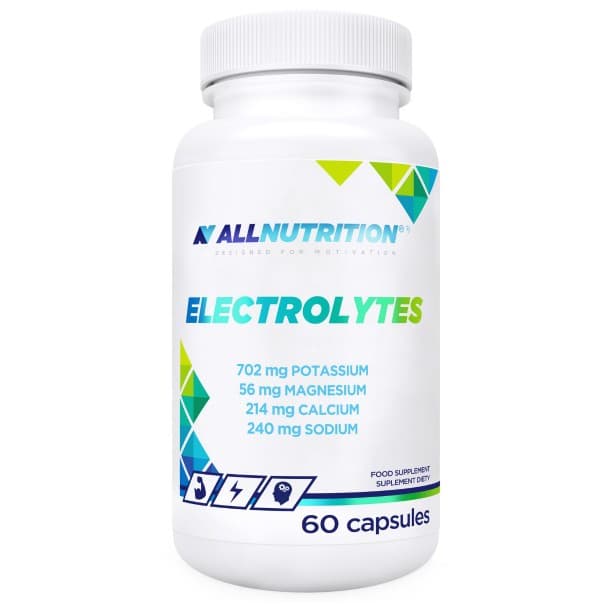
Products containing Electrolytes
Show all 21 →


Related entries
Sodium
Information about Sodium will be updated shortly.
Potassium
Kalium – definition and facts in our glossary. Most Swedes get too little potassium from their diet.
Magnesium
Magnesium is an essential mineral involved in over 300 enzymatic reactions in the body. Deficiency is common and can cause muscle cramps.