Glycine
Glycin – definition and facts in our glossary. Important component of collagen and glutathione.
What is Glycine?
Glycine is one of the most fundamental amino acids and is classified as a non-essential amino acid, meaning the body can produce it itself. Glycine plays a crucial role in many biological processes and is an important component of proteins, especially collagen, which is the most abundant protein component in our body.
How does it work in the body?
Glycine is involved in several important functions in the body. Glycine also functions as a neurotransmitter in the central nervous system, meaning it can influence mood and sleep.
Scientific benefits
Several studies have investigated glycine and its potential health benefits. Here are some of the most prominent:
- A study published in the journal Sleep showed that individuals who took glycine before bedtime reported better sleep quality and felt more rested in the morning.
- Antioxidant function: Glycine is part of glutathione, one of the body’s most powerful antioxidants.
Dosage and recommendations
The recommended dose of glycine varies depending on the individual’s needs and health status. Typically, the dosage ranges between 3-10 grams per day. It is recommended to consult a doctor or dietitian before starting supplements, especially if you have underlying health conditions.
Best sources and forms
Glycine is naturally found in many foods, especially protein-rich foods. Some of the best sources include:
- Meat, especially beef and chicken
- Fish
- Eggs
- Dairy products
- Gelatin, which is often used in desserts and as a food additive
Glycine is also available as a dietary supplement in powder or capsule form, making it easy to include in your daily routine.
Side effects and warnings
Glycine is generally considered safe when taken at recommended doses. Some people may experience mild side effects such as stomach discomfort, nausea, or fatigue, especially at higher doses. It is important to note that people with kidney problems or other health conditions should consult a doctor before using glycine as a supplement.
Frequently asked questions
What is glycine good for?
Can you take glycine every day?
Yes, many people take glycine daily as a supplement to support sleep and general health. Always consult a doctor before starting a new supplement.
Are there any side effects of glycine?
Glycine is generally safe, but some may experience mild side effects such as stomach issues or fatigue at higher doses.
Is glycine safe for pregnant and breastfeeding women?
There is limited research on the safety of glycine during pregnancy and breastfeeding. It is recommended to consult a doctor before use.
Can glycine help with anxiety?
Some research suggests that glycine may have a positive effect on mental health, but more research is needed to confirm its effectiveness in treating anxiety.
Products containing Glycine
Show all 9 →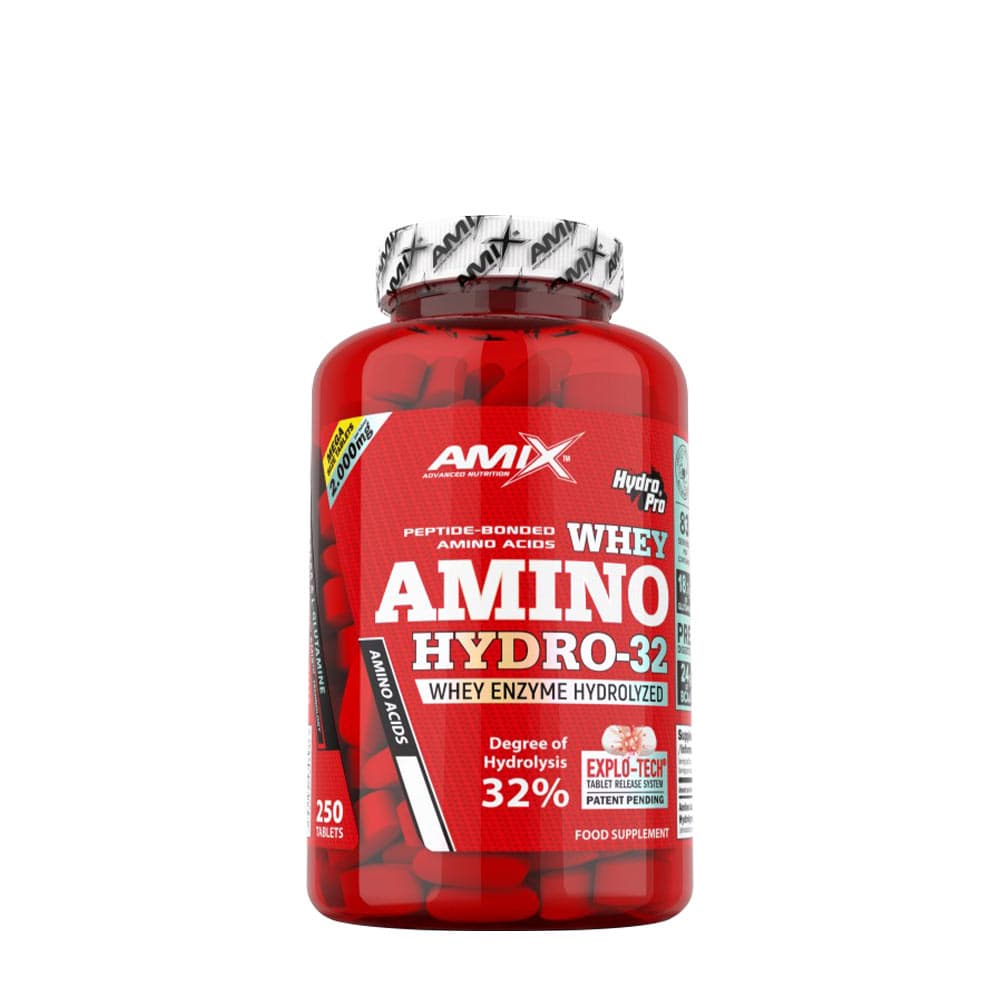





Related entries
Collagen
Collagen is the body's most common protein and constitutes about 30% of all protein. It provides structure to skin, tendons, cartilage, bones, and blood vessels. The body's collagen production decreases with age.
Glutathione
Glutathion – definition and facts in our glossary. The body's master antioxidant 2D a tripeptide of cysteine, glycine, and glutamate.
Magnesium
Magnesium is an essential mineral involved in over 300 enzymatic reactions in the body. Deficiency is common and can cause muscle cramps.