Passionflower
Traditional herb (Passiflora incarnata) for anxiety and sleep difficulties. Acts via the GABA system without dependency issues.
What is Passionflower?
Passionflower, or Passiflora incarnata, is a traditional herb that has been used for centuries to treat anxiety and sleep difficulties. This plant is known for its beautiful flowers and has a long history in folk medicine, especially in North and South America. Passionflower has become popular as a natural alternative to prescription medications to help with relaxation and sleep.
How does it work in the body?
Passionflower primarily works by affecting the GABA system (gamma-aminobutyric acid) in the brain.
Scientific benefits
Several studies have investigated the effects of passionflower on anxiety and sleep.
- Study 1: Passionflower as a treatment for anxiety showed positive results.
- Study 3: No dependency issues reported with long-term use.
Dosage and recommendations
To achieve the desired effects of passionflower, a dosage of 250-500 mg of standardized extract is recommended, usually taken 1-3 times per day. It is important to follow the recommendations on the product label or consult a health specialist, especially if you are pregnant, breastfeeding, or taking other medications.
Best sources and forms
Passionflower is available in several different forms, including:
- Tea: Dried leaves and flowers used to brew tea.
- Capsules: Standardized extracts in capsule form for easy dosing.
- Tincture: Liquid extract that can be taken directly or mixed with water.
It is advisable to choose products that are certified and tested for quality to ensure purity and efficacy.
Side effects and warnings
Generally, passionflower is considered safe for most people when used in recommended doses. However, some may experience mild side effects, such as:
- Fatigue
- Nausea
- Dizziness
It is important to note that passionflower can interact with certain medications, including sedatives and antidepressants. People taking such medications should consult a doctor before use.
Frequently asked questions
Is passionflower addictive?
No, passionflower has not been shown to be addictive and can be used as a natural solution to manage anxiety and sleep problems.
Can I use passionflower if I am pregnant?
It is recommended that pregnant women avoid passionflower, as there is insufficient research on its safety during pregnancy.
How quickly does passionflower work?
The effects of passionflower can vary, but many users report feeling more relaxed within an hour of intake.
Can I combine passionflower with other supplements?
It is important to consult a doctor before combining passionflower with other supplements, especially those that affect the nervous system.
Is it safe to take passionflower long-term?
Research suggests that passionflower can be used safely over longer periods, but it is always advisable to discuss long-term use with a doctor.
Products containing Passionflower
Show all 8 →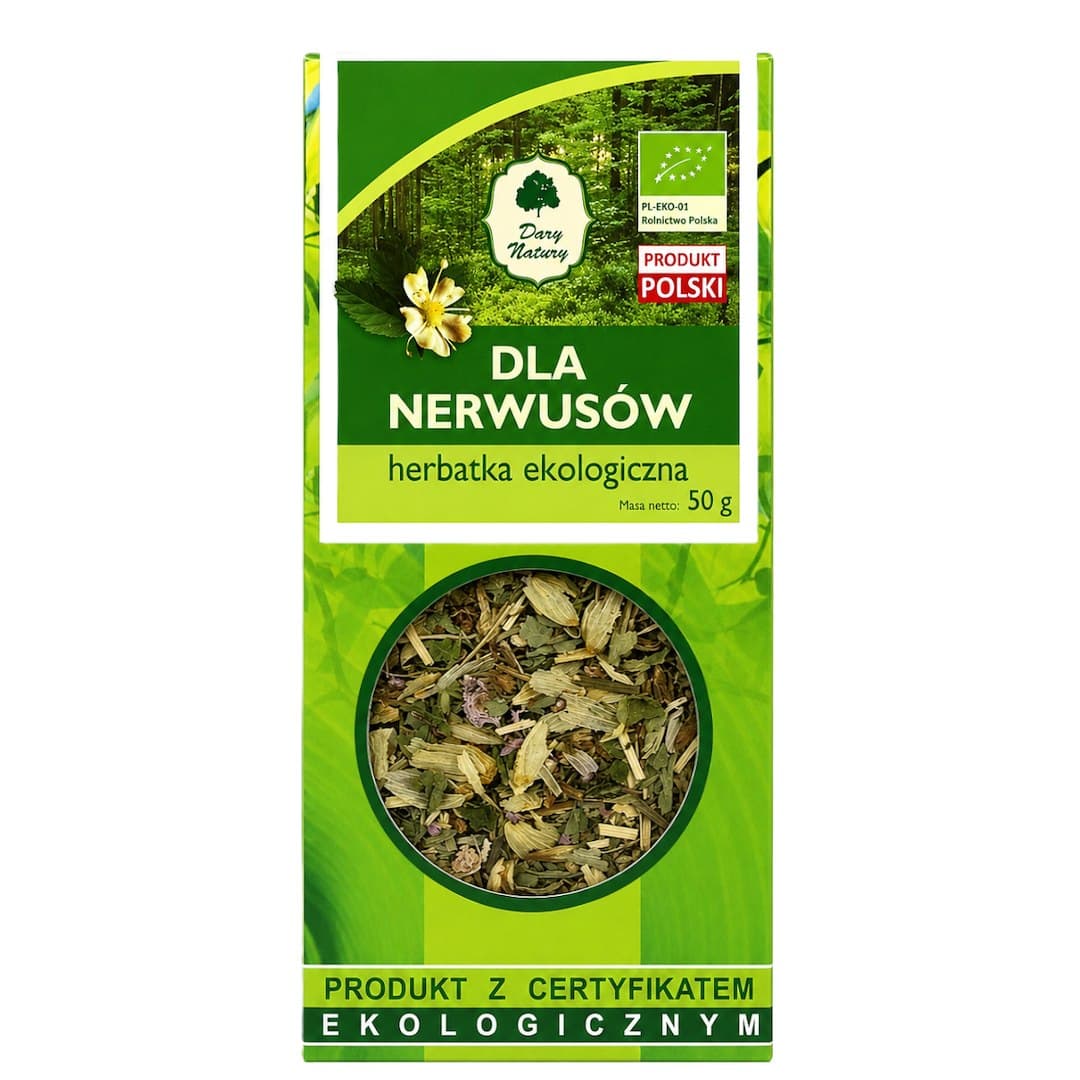
Dary Natury - Nervous System Tea
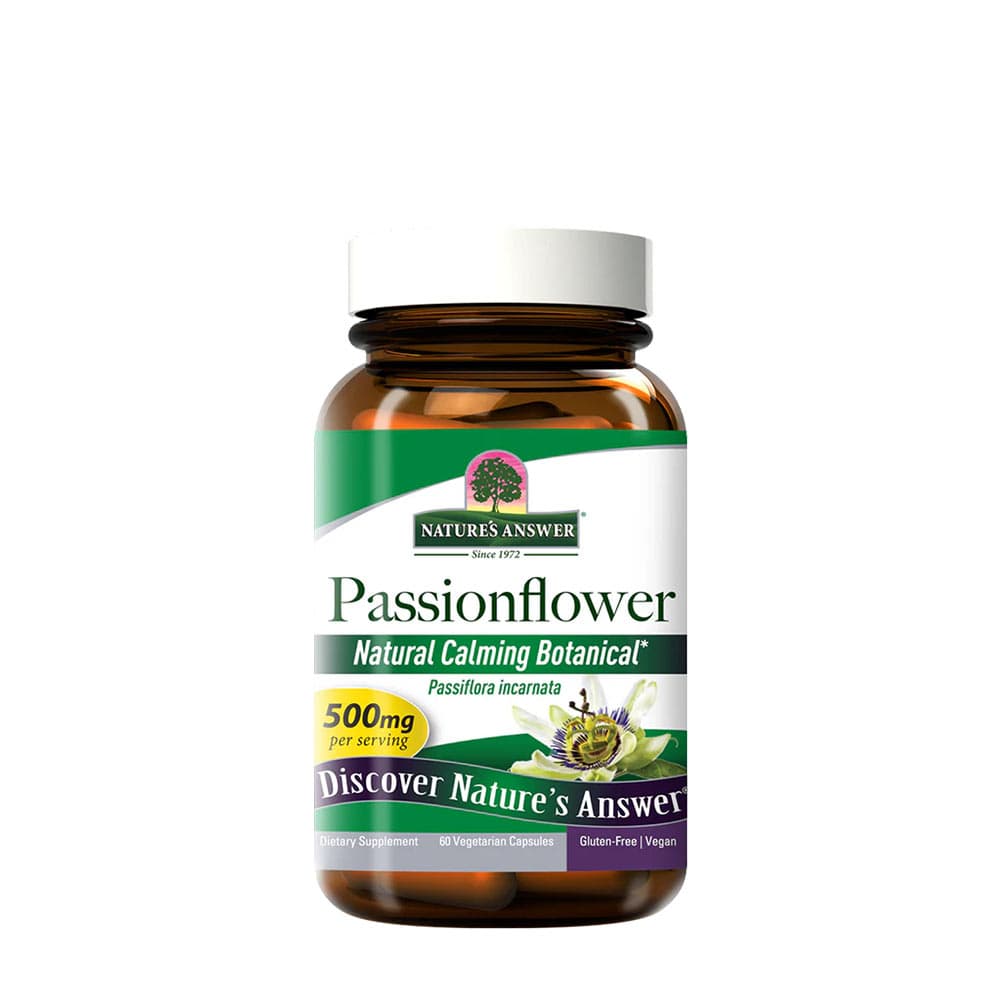
Nature's Answer - Passionflower - 60 Vcaps
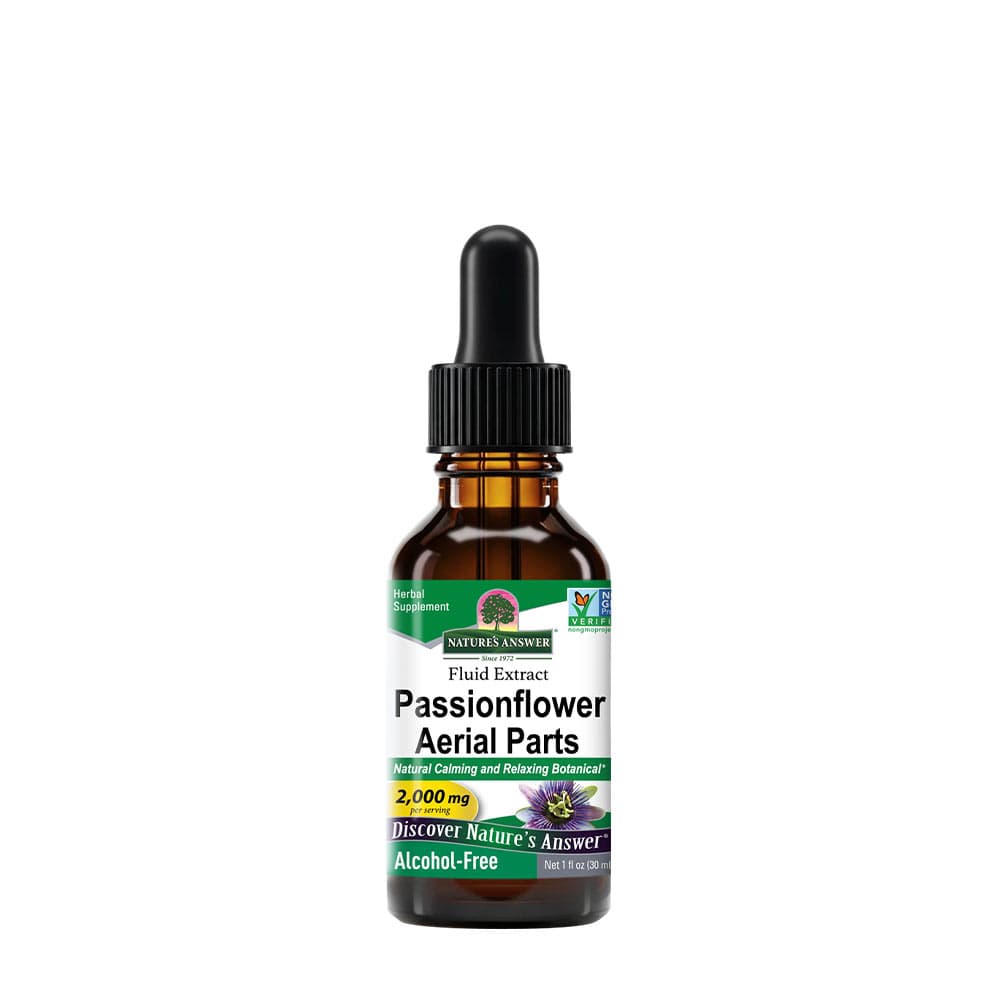
Nature's Answer - Passionflower Aerial Parts - 30ml
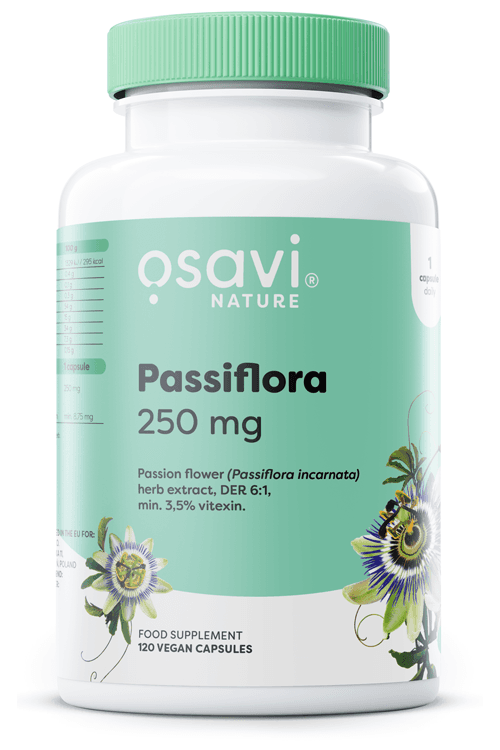
Osavi - Passiflora, 250mg - 120 Vcaps
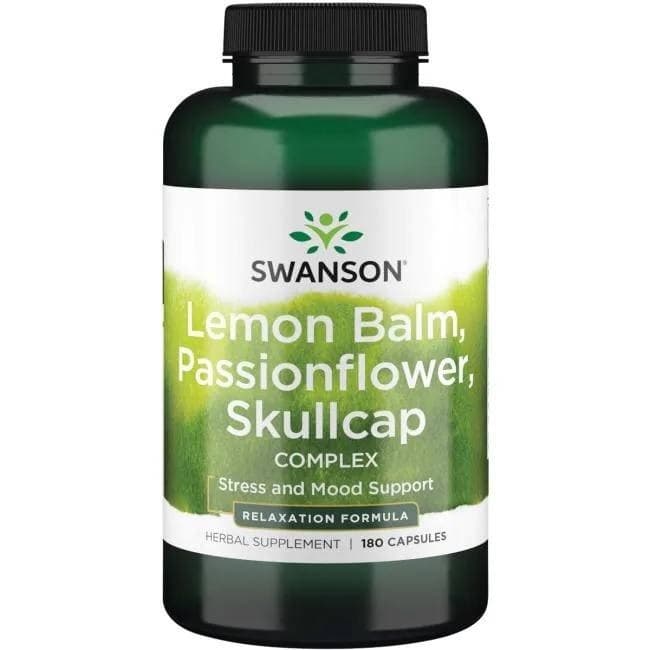
Swanson - Lemon Balm, Passionflower, Skullcap Complex 180 Caps

UNIPHAR - Good Sleep Forte - 30 Tabs
Related entries
Valerian
Valerian – definition and facts in our glossary. European herb (Valeriana officinalis) with a long tradition as a sleep aid.
Hops
Humle – definition and facts in our glossary. Herb (Humulus lupulus) known from beer brewing, but also a traditional sleep aid.
GABA
GABA – definition and facts in our glossary. Gamma-aminobutyric acid — the brain's primary inhibitory neurotransmitter.