Valerian
Valerian – definition and facts in our glossary. European herb (Valeriana officinalis) with a long tradition as a sleep aid.
What is Valerian?
Valerian, or valeriana officinalis, is a European herb that has been used for centuries as a natural sleep aid. It is known for its calming properties and has traditionally been used to treat sleep problems and anxiety.
How does it work in the body?
Valerian primarily works by affecting the GABA (gamma-aminobutyric acid) system in the brain. Additionally, studies have shown that valeriana can influence other neurotransmitters such as serotonin and melatonin, further supporting its role as a sleep aid.
Scientific benefits
Several studies have investigated valerian's effects on sleep and anxiety.
- A 2015 study published in the Journal of Ethnopharmacology demonstrated that valerian may have a positive effect on sleep quality in individuals with sleep disorders.
Dosage and recommendations
The recommended dosage of valerian varies depending on the preparation used. Generally, a dose of 300-600 mg of valerian root extract is recommended, taken 30 minutes to two hours before bedtime. It is important to follow the instructions on the label of the specific supplement and to consult a doctor before starting valerian, especially if you are already taking other medications.
Best sources and forms
Valerian is available in several forms, including:
- Capsules and tablets: These are common and easy to dose.
- Tea: Valerian tea can be a soothing option for those who prefer to drink their supplements.
- Tinctures: Liquid extracts that can be taken directly or mixed with water.
It is important to choose products from reputable manufacturers to ensure quality and purity.
Side effects and warnings
Although valerian is generally considered safe, some individuals may experience side effects. Common side effects include:
- Daytime drowsiness
- Digestive issues
- Headache
- Allergic reactions (rare)
It is also important to note that valerian can interact with certain medications, especially sedatives and antidepressants. People with liver problems or pregnant and breastfeeding women should avoid taking valerian without medical advice.
Frequently asked questions
Is valerian addictive?
Valerian is not considered addictive, but long-term use should be monitored by a doctor.
How quickly does valerian work?
Many users report feeling the effects within 30 minutes to an hour after intake, but this can vary from person to person.
Can I take valerian with other supplements?
It is best to consult a doctor before combining valerian with other supplements, especially those with sedative effects.
Is valerian safe for children?
There is limited research on the use of valerian in children, so it is important to consult a doctor before use.
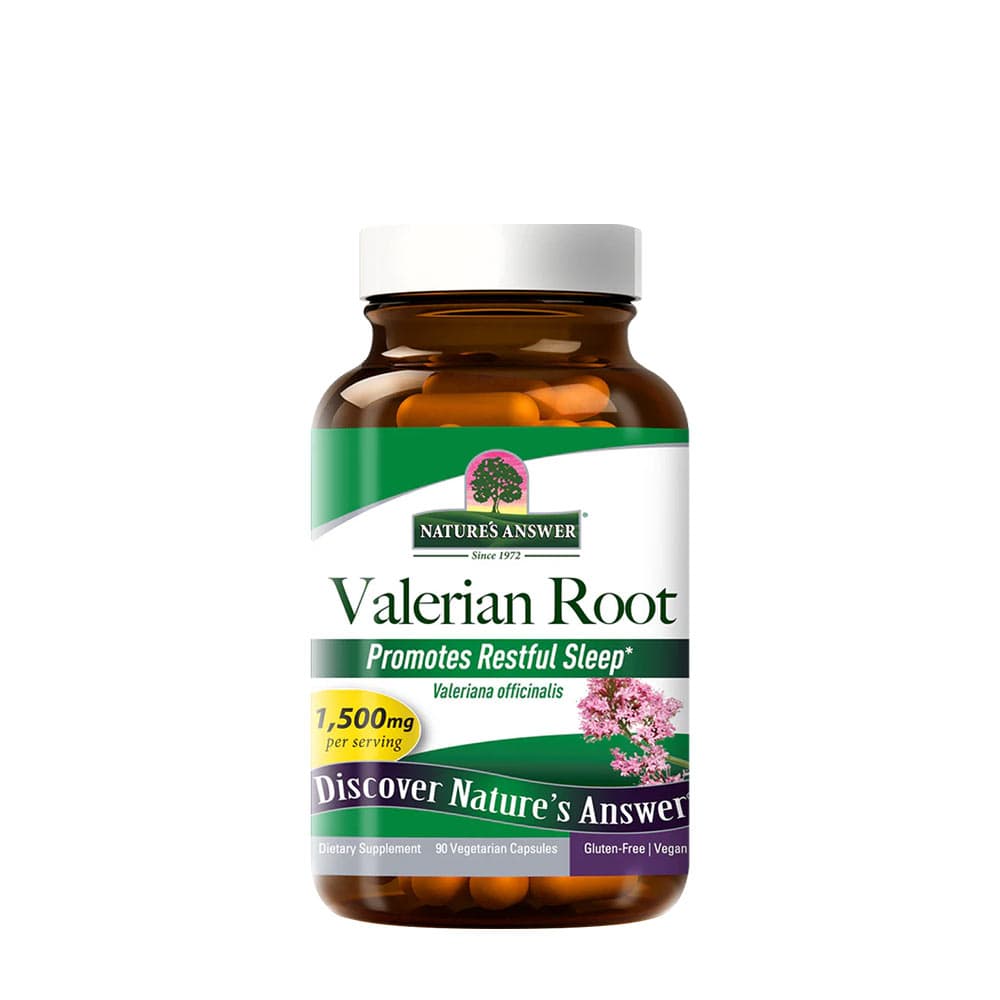
Products containing Valerian
Show all 2 →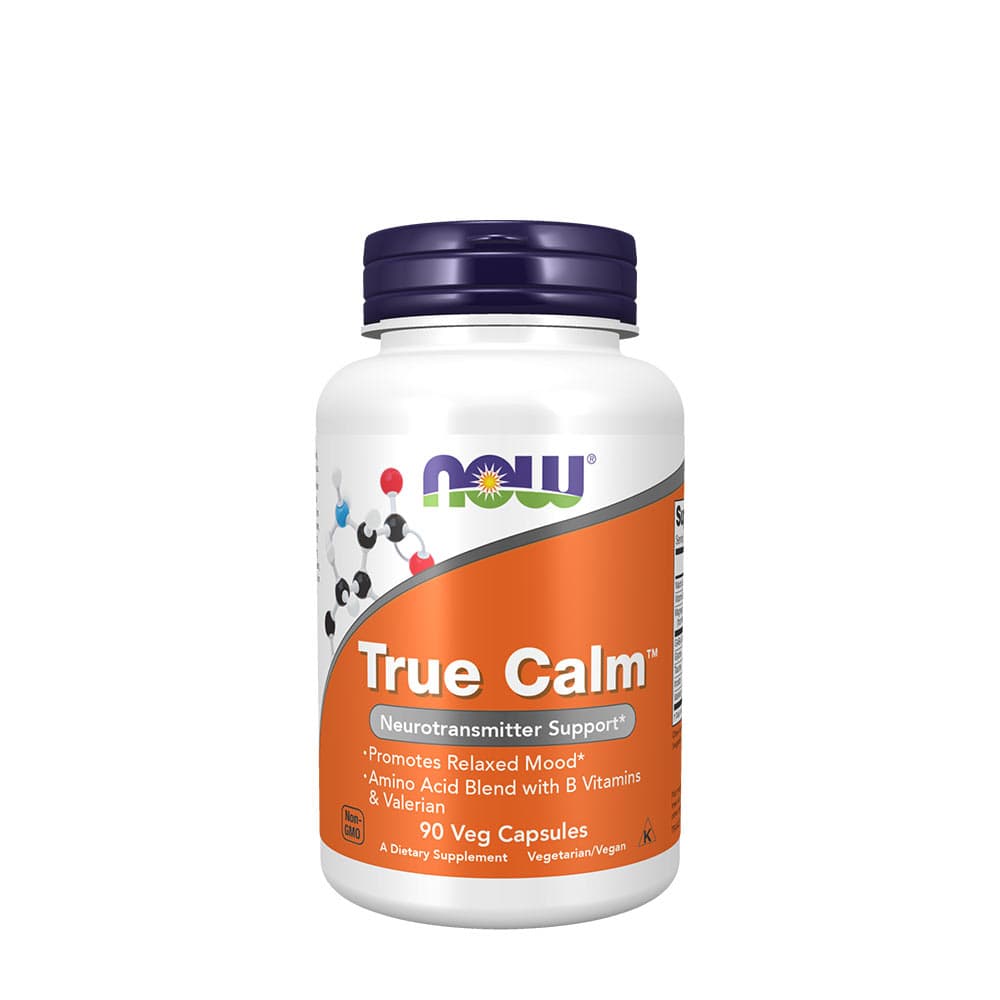
Related entries
Hops
Humle – definition and facts in our glossary. Herb (Humulus lupulus) known from beer brewing, but also a traditional sleep aid.
Passionflower
Traditional herb (Passiflora incarnata) for anxiety and sleep difficulties. Acts via the GABA system without dependency issues.
Melatonin
Melatonin – definition and facts in our glossary. Hormone produced by the pineal gland in darkness.