High Vitamin B12 Levels: What Do They Mean and Should You Be Concerned?
Short answer
A high vitamin B12 result usually means there is more circulating B12 in the blood sample than expected, but it is not a diagnosis on its own. Doctors read it together with symptoms, supplement use, repeat tests, and other blood work to find the cause.
Quick facts
- There is no single universal cutoff for high B12.
- Different laboratories use different units and reference ranges.
- One high result is less useful than a persistent pattern over time.
- Supplements and injections can raise the number.
- Food alone usually does not explain a persistently high result.
- Persistent elevation can be associated with liver, kidney, inflammatory, or blood disorders.

What does a high vitamin B12 blood result mean?
A laboratory flag, not a diagnosis
A raised serum vitamin B12 result is best read as a laboratory finding first, not as a diagnosis on its own. The Newcastle Upon Tyne Hospitals guideline calls elevated B12 levels very nonspecific, and the RUH laboratory page says total vitamin B12 tests have poorly defined ranges and do not always correlate with intracellular B12 levels Newcastle Upon Tyne Hospitals GP adult haematology guidelines RUH Pathology Services: Vitamin B12.
That is why the number on the report cannot, by itself, tell you what is happening in the body. EFSA describes serum cobalamin as one of several biomarkers of cobalamin status and notes that only TC-bound cobalamin can be taken up by body cells EFSA Scientific Opinion on Dietary Reference Values for cobalamin.
Why the circulation level and the cell level are not the same thing
Serum vitamin B12 measures what is circulating in blood, much of it carried on binding proteins. That is useful information, but it is not a direct measure of what individual cells can use, which is why a high serum result can sit alongside a result that still needs clinical context RUH Pathology Services: Vitamin B12 EFSA Scientific Opinion on Dietary Reference Values for cobalamin.
Practical rule: a single high B12 result is usually interpreted together with symptoms, supplement use, repeat testing, and other blood tests rather than in isolation.
Why doctors look at the pattern over time
In the NHS guidance, most cases are worked up with a history, examination, and basic laboratory tests such as blood count, liver function, and kidney function. The same guidance also says reviewing older blood tests is useful, because advice is based on the pattern of abnormalities and how these have developed Newcastle Upon Tyne Hospitals GP adult haematology guidelines.
That makes persistence more informative than a one-off result. A single elevated reading may be less helpful than repeated results viewed together with the rest of the blood picture and any relevant clinical features. The NIH Office of Dietary Supplements also notes that high blood levels have been observed and that associations with cancer risk are inconsistent, which is another reason not to over-interpret one isolated result NIH Office of Dietary Supplements: Vitamin B12 Health Professional Fact Sheet.
What the result can and cannot tell you
So a high serum B12 result usually means: there is more circulating B12 in the sample than expected, but the result alone does not explain why. The next step is usually to read it alongside the rest of the clinical picture and the trend over time, rather than treating it as a stand-alone answer Newcastle Upon Tyne Hospitals GP adult haematology guidelines RUH Pathology Services: Vitamin B12.
Which vitamin B12 levels are considered high?
Vitamin B12 results are reported in different units depending on the laboratory: pmol/L in some NHS and European references, or ng/L and pg/mL in others. The RUH pathology page notes that its units are ng/L, equivalent to pg/mL, while Newcastle uses pmol/L and FDA documentation also uses both pg/mL and pmol/L in reference intervals. Because assays and lab methods differ, there is no single universal cutoff for “high” vitamin B12. RUH pathology reference information and Newcastle adult haematology guideline

Read the report against that laboratory’s range
The practical rule is simple: compare the number with the reference range printed on the same report, not with a single external cutoff. One laboratory may label values above its upper limit as raised, while another may mainly separate low, indeterminate, and normal results. Gloucestershire Hospitals, for example, lists an adult range of 145–914 ng/L, with 145–179 ng/L classed as indeterminate and ≤144 ng/L as low. RUH calls >914 ng/L raised serum vitamin B12. Newcastle gives an adult reference range of 145–569 pmol/L, with values above that considered elevated. Gloucestershire Hospitals vitamin B12 ranges RUH pathology reference information Newcastle adult haematology guideline
| Laboratory | Units | Deficient / borderline | High |
|---|---|---|---|
| Newcastle | pmol/L | Adult reference range starts at 145 pmol/L | >569 pmol/L |
| RUH | ng/L | <145 low; 145–180 possible deficiency | >914 raised |
| Gloucestershire | ng/L | ≤144 low; 145–179 indeterminate | 180–914 normal for adults |
| Oxford University Hospitals | ng/L | <180 highly likely deficient; 180–350 cannot be excluded | No upper cutoff given |
Age and pregnancy can shift the range
Reference intervals are not fixed across all groups. Gloucestershire notes that infant and child ranges depend on age, and Oxford University Hospitals says B12 levels are significantly lower in pregnancy and recommends holotranscobalamin instead in that setting. That means a value can only be interpreted correctly in the context of the patient group and the laboratory method used. Gloucestershire Hospitals vitamin B12 ranges Oxford University Hospitals vitamin B12 test page
“High” starts where that laboratory’s own upper reference limit starts, not at one universal number.
One more caution: RUH states that total vitamin B12 tests have poorly defined ranges and that serum B12 does not always correlate with intracellular B12 levels, so the printed result should be read as a laboratory measurement with method-specific limits, not as a complete picture on its own. RUH pathology reference information
What causes high vitamin B12 levels?
| Cause group | Examples named in guidance | Why the result can be high |
|---|---|---|
| Underlying illness | Liver disease, renal failure, autoimmune disease such as SLE or RA, inflammatory disorders, malignancy | Persistent elevation may be a marker of another condition, not a diagnosis by itself |
| Blood disorders | Myeloproliferative disorders | Can be associated with raised B12, although a normal full blood count and blood film make these less likely according to Cornwall NHS guidance |
Persistent elevation is nonspecific
In other words, a high value can fit several different patterns, and the blood test alone does not identify which one is present.
Not every high result is biological
Laboratory factors can also make a B12 result look unexpectedly high. RUH Pathology says total vitamin B12 assays have poorly defined ranges and do not always match intracellular status, while recent laboratory-medicine literature discusses macro-B12 as one explanation for unexplained elevation. Gloucestershire Hospitals warns that grossly haemolysed, lipaemic or icteric samples may give erroneous results, and the FDA has also documented a vitamin B12 reagent recall in which manufacturing faults could lead to erroneous high or low readings for that assay.
A high vitamin B12 result is a clue to review supplements, recent injections, illness, and test quality — not proof of one diagnosis.
Can food alone push B12 too high?
Ordinary food intake rarely explains a clearly high serum B12 result in a healthy adult. In EFSA’s review, serum cobalamin rose with intake but then levelled off at about 350–400 pmol/L once intake reached roughly 7–10 µg/day, which shows that blood levels do not keep climbing in step with food intake. EFSA’s cobalamin review

Key takeaway: food can supply vitamin B12, but a persistently high lab value is usually not explained by eating B12-rich foods alone.
The main natural sources are animal foods
UK laboratory guidance lists vitamin B12 as being found in animal products such as red meat, fish, milk and eggs. RUH Pathology Services That means a mixed diet can supply B12 through normal meals without any supplement, but the evidence above still shows that serum levels tend to plateau rather than rise without limit.
| Food source | What the cited guidance says | Why it matters for the question |
|---|---|---|
| Red meat | Listed as an animal product containing vitamin B12 | |
| Fish | Listed as an animal product containing vitamin B12 | Another routine dietary source |
| Milk | Listed as an animal product containing vitamin B12 | Shows that B12 is not limited to meat alone |
| Eggs | Listed as an animal product containing vitamin B12 | Can add to total intake in a regular diet |
Why diet usually does not explain a persistently high result
The practical point is that food intake matters, but clinicians do not usually treat a high B12 result as proof that someone has simply eaten too much B12-rich food. Newcastle’s guidance describes elevated B12 as very nonspecific and says most cases need a history, examination and basic laboratory tests such as blood count plus liver and kidney function before any further work-up is considered. Newcastle Upon Tyne Hospitals guideline
When the result is repeatedly high, the next step is usually to look for supplementation or another explanation rather than assuming the diet is the whole story. EFSA Newcastle Upon Tyne Hospitals guideline
When should doctors investigate a high B12 result?
A raised vitamin B12 result is usually a signal to look further, not a diagnosis on its own. Newcastle’s haematology guidance describes elevated B12 as very nonspecific and notes that it can even occur in healthy people, while Gloucestershire says results should be interpreted alongside clinical features and other laboratory results (Newcastle haematology guidance; Gloucestershire Hospitals pathology guidance).
First check whether it persists
If the result was unexpected, the first question is whether it stays high. Newcastle says reviewing older blood tests is useful for guiding further management, and RUH’s laboratory page says the test should not usually be repeated within 42 days, so an early repeat may add little (Newcastle haematology guidance; RUH Pathology Services).
That is why clinicians usually start with the simplest explanation first: check whether the patient is taking B12 supplements and whether the result is persistent before moving to broader investigation (MTW NHS guidance).
The usual next tests
When B12 remains high without an obvious supplement explanation, MTW’s pathway advises history, a full blood count, liver and renal function, and inflammatory markers, with abdominal imaging only if warranted (MTW NHS guidance).
| Test | What it helps clarify |
|---|---|
| Full blood count | Looks for abnormal blood counts that may need follow-up (MTW NHS guidance). |
| Liver function tests | Checks for liver abnormalities that help explain a high result (Newcastle haematology guidance; MTW NHS guidance). |
| Kidney function tests | Assesses renal function, which is part of both local pathways (Newcastle haematology guidance; MTW NHS guidance). |
| Inflammatory markers | Used in MTW’s initial assessment when B12 is high (MTW NHS guidance). |
| Methylmalonic acid | Can help when total B12 is hard to interpret, because RUH notes that total B12 does not always match intracellular B12 status and that MMA may be available as a functional marker (RUH Pathology Services). |
When follow-up matters more
Follow-up becomes more important when the rest of the assessment is abnormal. MTW says serious causes are considered only if other tests are abnormal, and Newcastle recommends basic laboratory evaluation rather than assuming the B12 number itself explains the problem (MTW NHS guidance; Newcastle haematology guidance).
The B12 number alone cannot diagnose cancer or liver disease; it is a prompt to look at the whole clinical picture.
So the practical rule is simple: if a high B12 result is persistent, unexplained by supplements, or paired with abnormal blood counts, liver tests, kidney tests, inflammatory markers, or other concerning clinical features, it deserves medical review rather than being ignored (Gloucestershire Hospitals pathology guidance; MTW NHS guidance).
How do supplements, injections and forms affect results?
What the label name can tell you
It also says there is no evidence of significant differences in absorption among these forms.
That means the name on the bottle does not, by itself, tell you whether a blood result will be high. What matters more is how much was taken, by which route, and how recently it was taken, because serum B12 rises with exposure and cobalamin absorption is saturable. EFSA Scientific Opinion on Dietary Reference Values for cobalamin
| Form | What the evidence says | What it means for a serum result |
|---|
Why high-dose oral B12 can still raise the number
So even when absorption is limited, a large oral dose can still move the serum value upward. EFSA cobalamin opinion
How to time the test when the result is unexpectedly high
RUH Pathology says total vitamin B12 has poorly defined ranges and does not always correlate with intracellular B12 levels, and it sets a minimum retesting interval of 42 days. Gloucestershire Hospitals say the test will not be repeated if it was done within the last 3 months.
When can high B12 be a warning sign of disease?
The clearest NHS message is that an elevated B12 result is very nonspecific and can occur in healthy individuals The Newcastle Upon Tyne Hospitals NHS Foundation Trust guideline. That is why the January 2025 MTW referral guidance does not act on B12 alone: it starts with history, a full blood count, liver and renal function, and inflammatory markers, and it adds abdominal imaging only if it is warranted by the rest of the picture MTW NHS guidance for high vitamin B12 levels.

“Elevated B12 levels are very nonspecific.” Newcastle Upon Tyne Hospitals NHS Foundation Trust
Conditions repeatedly linked with persistently high results
Across the NHS guidance, the main associations are liver disease, renal impairment or reduced kidney function, autoimmune or inflammatory states, myeloproliferative neoplasms, and solid organ tumours, including liver tumours MTW NHS guidance for high vitamin B12 levels. The NIH Office of Dietary Supplements adds that observational studies have reported a link between higher blood B12 and cancer risk, but the findings are inconsistent and do not prove cause NIH Office of Dietary Supplements: Vitamin B12 fact sheet for health professionals.
| Condition group | How it appears in the guidance | Why the result is not read alone |
|---|---|---|
| Liver disease | Listed among the common associations; liver function tests are part of the basic work-up MTW NHS guidance | The result is interpreted with the rest of the laboratory picture, not as a diagnosis by itself Newcastle guideline |
| Reduced kidney function | Listed among the common associations; renal function is checked early MTW NHS guidance | High B12 can be a marker seen alongside another abnormality rather than the explanation itself NIH ODS |
| Myeloproliferative neoplasms and solid tumours | Named in referral guidance when the broader assessment is concerning MTW NHS guidance | Further action depends on the blood count and other abnormalities, not on B12 alone MTW NHS guidance |
| Autoimmune or inflammatory states | Inflammatory markers are part of the initial assessment MTW NHS guidance | Clinical context matters more than a single number Newcastle guideline |
What makes the result more or less meaningful
The RUH pathology service also notes that total B12 has poorly defined ranges and that serum B12 does not always correlate with intracellular B12 levels, which is another reason a single raised result is not treated as a stand-alone diagnosis RUH Pathology Services.
In practice, a persistently high result is a flag to look for an explanation in liver, kidney, blood, inflammatory, or tumour-related disease; it is not proof that B12 itself is causing harm NIH ODS.
Who should be careful with B12 supplements or injections?
The caution starts when a B12 product affects how a blood result is read, or when an injectable product is not well controlled. NIH Office of Dietary Supplements: Vitamin B12 Health Professional Fact Sheet EFSA: Scientific Opinion on Dietary Reference Values for cobalamin
Review the whole supplement stack
Royal United Hospitals Bath notes that total vitamin B12 levels do not always correlate with intracellular B12, and Gloucestershire Hospitals says results should be interpreted with clinical features and other laboratory results. RUH Pathology Services: Vitamin B12 Gloucestershire Hospitals: Vitamin B12 and Serum Folate
| Product type | Typical B12 amount cited by NIH ODS | Why it belongs in the review |
|---|---|---|
| Multivitamin | 5–25 µg | Can be one part of a combined exposure |
| B-complex supplement | 50–500 µg | Can contribute far more B12 than food alone |
| B12-only supplement | 500–1,000 µg | Often taken specifically to raise intake |
NIH ODS also notes that oral high-dose therapy, such as 1,000 µg/day, may be as effective as intramuscular injections for treating deficiency in certain patients. NIH Office of Dietary Supplements: Vitamin B12 Health Professional Fact Sheet
Injectables should be medically supervised
For injections, the main issue is product quality and route, not ordinary B12 intake. The FDA has warned health care professionals not to use certain unapproved injectable vitamin products labeled Sunshine Labs, has reported a nationwide recall of compounded hydroxocobalamin products that were out of specification, and says injectable methylcobalamin lacks extensive safety data, especially for intravenous use. Those warnings are a clear reason to keep B12 injections for deficiency treatment under medical supervision rather than using non-approved sources. FDA warning on unapproved injectable vitamin products FDA recall of compounded hydroxocobalamin products FDA memorandum on injectable methylcobalamin
RUH Pathology Services: Vitamin B12 Gloucestershire Hospitals: Vitamin B12 and Serum Folate
What does a high vitamin D level mean?
A high vitamin D result usually refers to an elevated blood level of 25-hydroxyvitamin D [25(OH)D], not vitamin B12. In the NIH Office of Dietary Supplements fact sheet, vitamin D toxicity is linked to excessive intake and is described as causing marked hypercalcemia, hypercalciuria, and 25(OH)D levels typically above 375 nmol/L (150 ng/mL). The same source notes that levels below 30 nmol/L (12 ng/mL) are deficient, 50 nmol/L (20 ng/mL) or higher is generally adequate, and levels above 125 nmol/L (50 ng/mL) may be potentially harmful.
Why vitamin D is a safety issue in a way B12 usually is not
With vitamin D, the concern is direct excess: too much can raise calcium and create toxicity. NIH ODS says high vitamin D levels are usually due to excessive supplementation or manufacturing errors, not sunlight, which means the first practical question is what products and doses someone is taking. By contrast, a high B12 result is usually interpreted as a lab finding that needs context rather than as a direct toxicity signal. NHS guidance from Newcastle Upon Tyne says elevated B12 levels are very nonspecific and can even occur in healthy people, while RUH notes that total B12 tests have poorly defined ranges and do not always correlate with intracellular B12 status.
| Result | What it usually measures | Main concern |
|---|---|---|
| High vitamin D | 25(OH)D in blood | Possible toxicity with hypercalcemia and high calcium excretion |
| High B12 | Total serum vitamin B12 | Usually a nonspecific marker that may need interpretation in context |
When both results are high
If someone has been using several supplements, both values can rise in the same broad “supplement-heavy” context, but the interpretation is different. A high vitamin D result points first to possible overdose and the risk of biochemical toxicity. A high B12 result more often prompts a review of supplementation alongside the wider clinical picture, because the Newcastle guidance says the finding is nonspecific and RUH says serum B12 can be misleading on its own.
That difference matters for a simple follow-up: check the exact supplement label, compare the dose with what was intended, and share the full list of vitamins, injections, and fortified products with the clinician who ordered the test.
Safety and precautions
A high B12 result should be interpreted with the rest of the clinical picture, especially if it is persistent, unexplained by supplements, or comes with abnormal blood counts, liver tests, kidney tests, or inflammatory markers. Do not rely on the number alone.
If you take medicines, are pregnant, or the result is for a child, ask a healthcare professional to interpret the test because ranges and testing can differ. B12 injections should be medically supervised, and it is important to share all supplements, injections, and fortified products with the clinician who ordered the test.
Supplements with the ingredients in this article
Compare contents, dose and price
Frequently asked questions
Can high vitamin B12 be caused by stress or dehydration?
This article does not identify stress or dehydration as causes of high B12. It focuses instead on supplements, injections, test-method issues, and underlying conditions such as liver, kidney, inflammatory, or blood disorders.
Should I stop taking B12 before a blood test if my level is high?
The article does not give a blanket rule to stop on your own. It says supplement and injection use should be reviewed, so tell the clinician exactly what you take and follow the testing instructions you are given.
How long does B12 stay high after an injection?
No single exact duration is given. The article notes that some labs avoid repeating the test for at least 42 days, and others may not repeat it within 3 months, so interpretation can remain difficult for weeks to months.
Can high B12 happen with a normal complete blood count?
Yes. A high B12 result can occur with a normal full blood count, and a normal blood count only makes certain blood disorders less likely. The article says the result is nonspecific and must be read with other tests and clinical features.
What symptoms, if any, can high B12 itself cause?
The article does not name a specific symptom pattern caused by high B12 itself.
Does a high B12 result mean I have cancer?
No. A high B12 result does not by itself mean cancer. The article says associations with cancer have been reported in observational studies, but they are inconsistent, and doctors look at the whole clinical picture before drawing conclusions.
Sources
- Vitamin B12 - Health Professional Fact Sheet (external link)
- The Newcastle Upon Tyne Hospitals NHS Foundation Trust (external link)
- Guidelines for GP referral and further investigations of patients with high Vit B12 levels (external link)
- Scientific Opinion on Dietary Reference Values for cobalamin (vitamin B12) (external link)
- REVIEW MEMORANDUM (external link)
- RUH Pathology Services | Blood Test Information (external link)
- Vitamin B12 and Serum Folate (external link)
- Vitamin B12 - Clinical Biochemistry - Oxford University Hospitals (external link)
- complet_chapitres.indd (external link)
- FDA warns health care professionals not to use injectable vitamin products distributed by Medical Supply Liquidators with a Sunshine Labs label | FDA (external link)
- Olympia Pharmacy Issues Voluntary Nationwide Recall of Seven Compounded Products Due to Being Out-of-Specification | FDA (external link)
- 1 FDA PCAC June 9 (external link)
- Vitamin D - Health Professional Fact Sheet (external link)
- Unexplained Elevated Vitamin B12: Consider Macro-B12 - PubMed (external link)
- Raised Vitamin B12 (external link)
- Class 2 Device Recall Access Vitamin B12 Reagent (external link)
Read more
- Vitamin B12 1000 mcg: what should I compare?
- Vitamin D for Babies 0-6 Months: How Much?
- Vitamin D 5000 IU: what does it mean?
- HSE Vitamin D: What to Know About Sources, Use and Safety
- Vitamin D Test: What to Know, How It Works, and Choosing a Kit
- Which Vegetables Contain Vitamin D? Sources, Facts & Guidance
Products related to this article
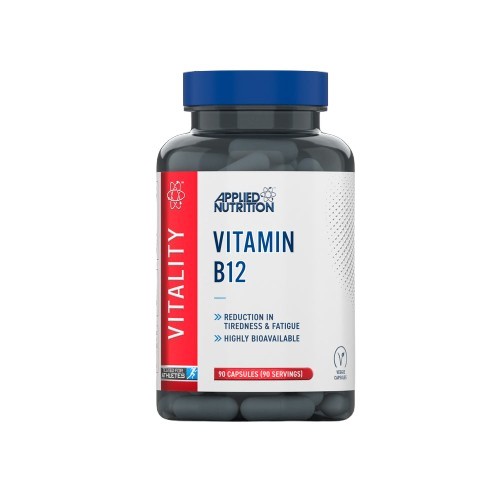
Applied Nutrition
Applied Nutrition - Vitamin B12 - 90 Caps
144 krIn stockWhy is this shown? Innehåller 1 av 2 ämnen artikeln handlar om · Renodlat tillskott — ämnet står i produktnamnet · I lager
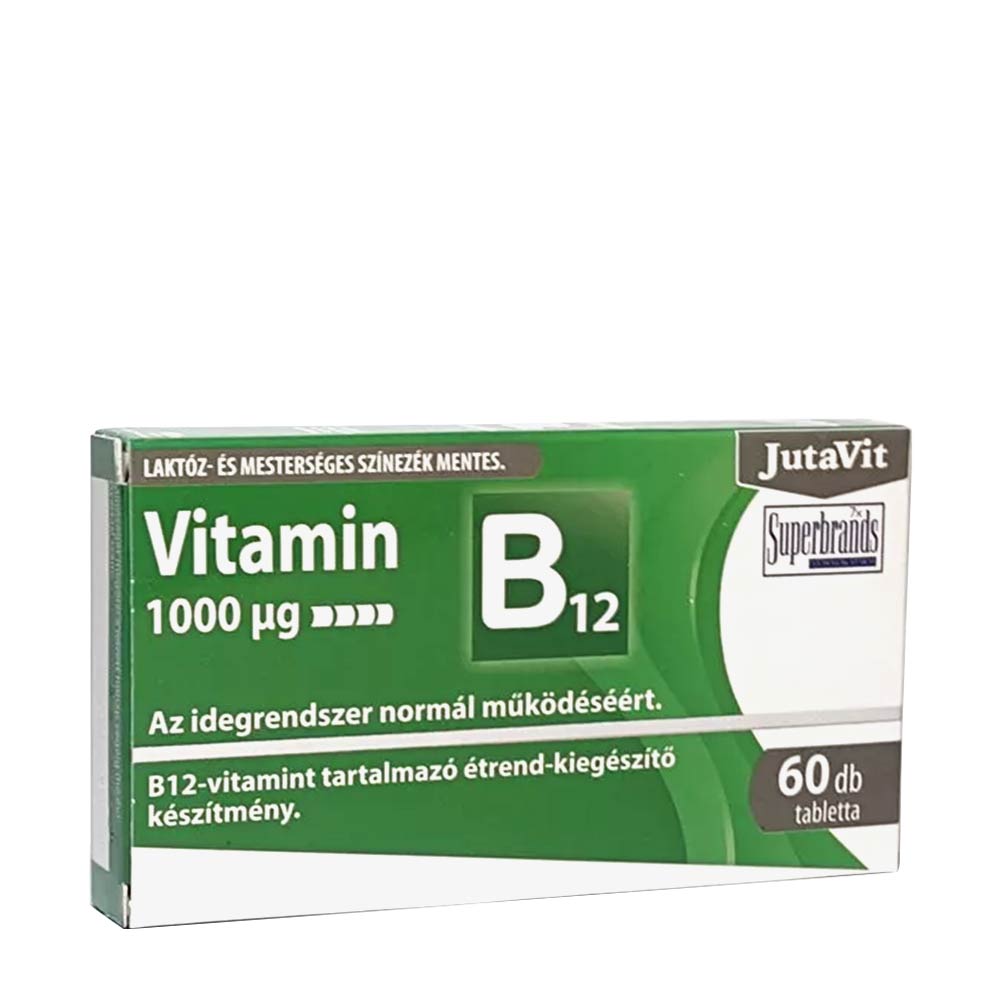
Jutavit
Jutavit - Vitamin B12 - 1000mcg - 60 Tabs
106 krIn stockWhy is this shown? Innehåller 1 av 2 ämnen artikeln handlar om · Renodlat tillskott — ämnet står i produktnamnet · I lager
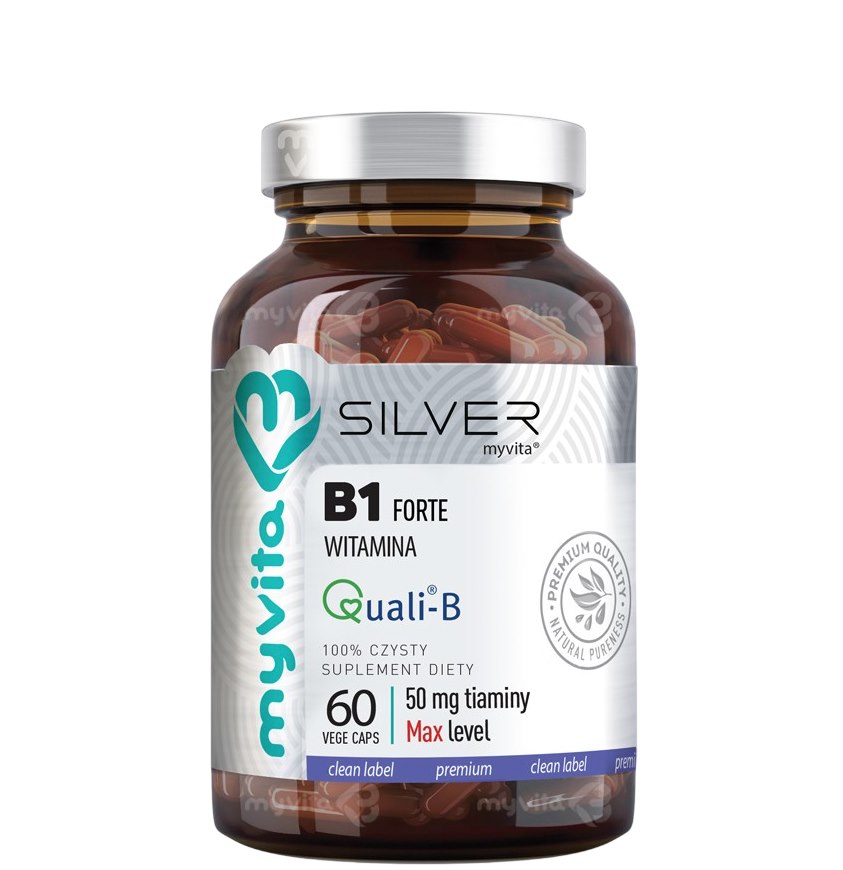
MyVita
Myvita - Vitamin B1 Forte - 60 Vege Caps
124 krIn stockWhy is this shown? Innehåller 1 av 2 ämnen artikeln handlar om · Renodlat tillskott — ämnet står i produktnamnet · I lager
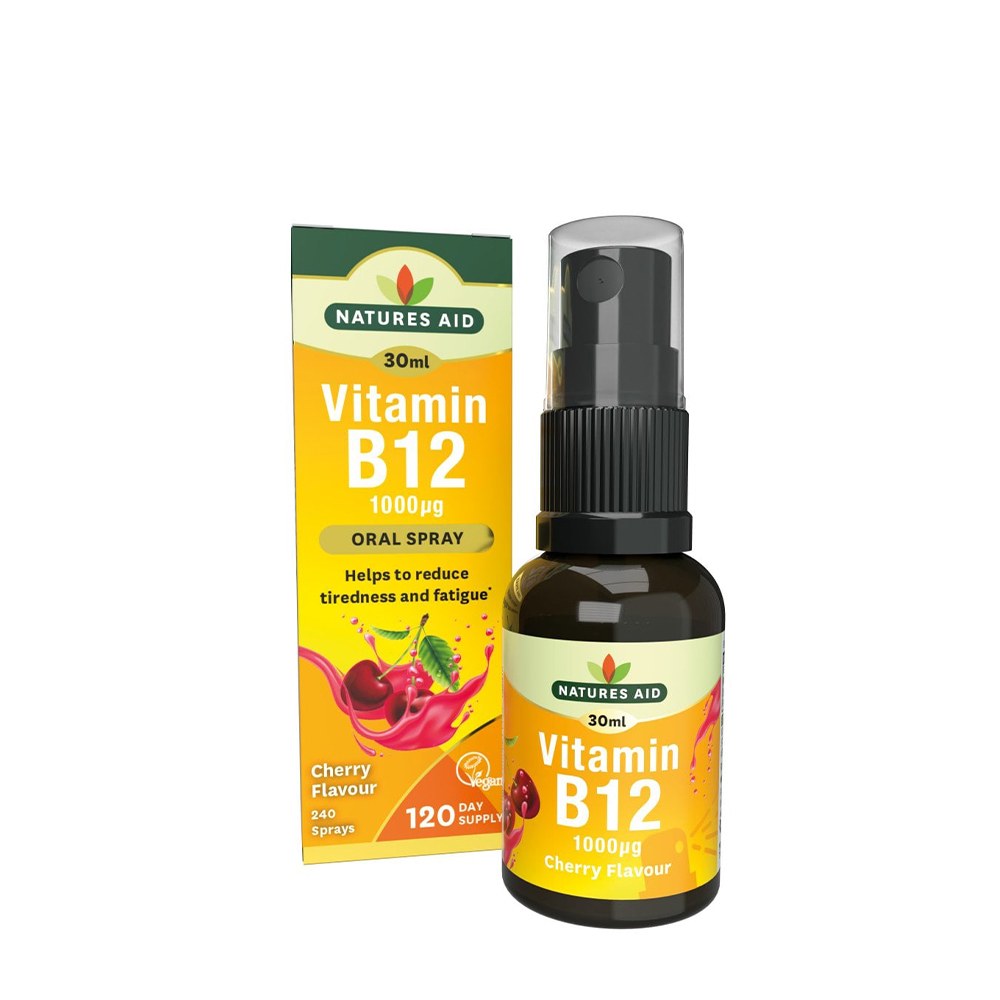
Nature's Aid
Nature's Aid - Vitamin B12 Daily Oral Spray (Cherry - 30ml)
134 krIn stockWhy is this shown? Innehåller 1 av 2 ämnen artikeln handlar om · Renodlat tillskott — ämnet står i produktnamnet · I lager
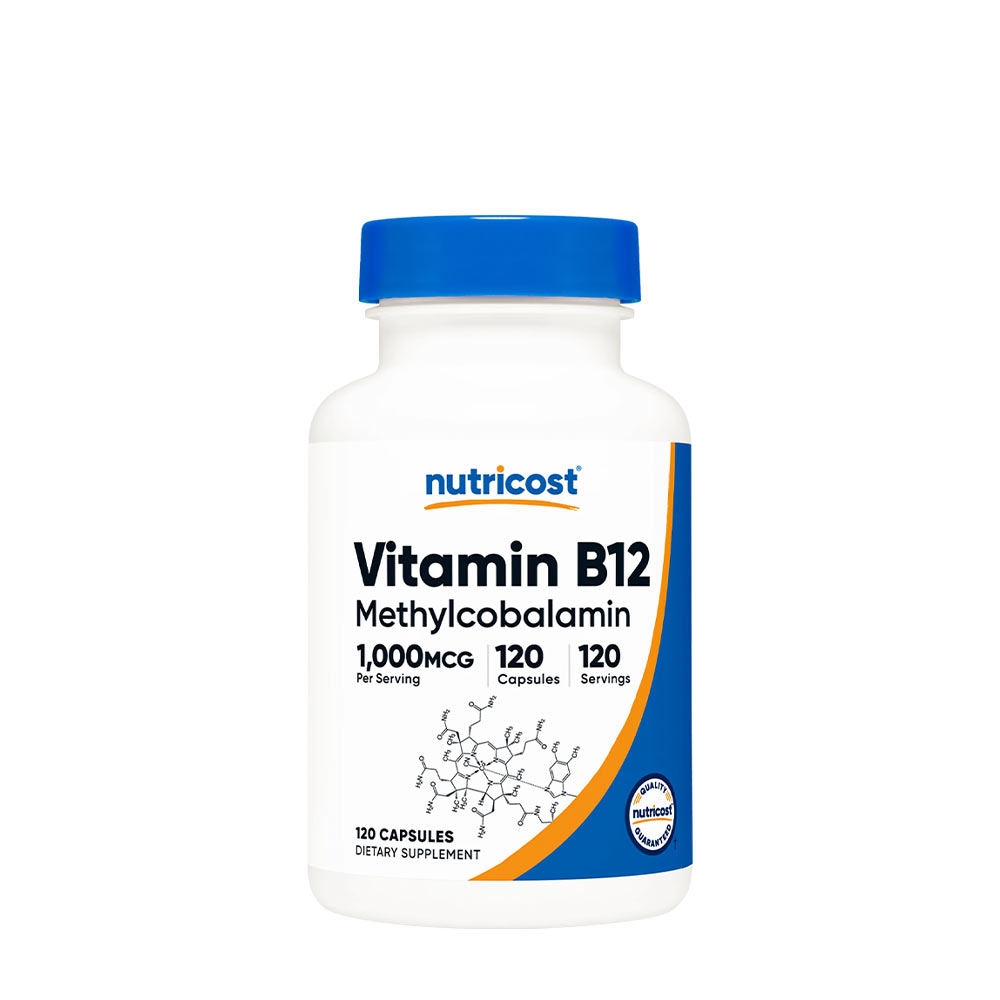
Nutricost
Nutricost - Vitamin B12 1000mcg Methylcobalamin - 120 Caps
188 krIn stockWhy is this shown? Innehåller 1 av 2 ämnen artikeln handlar om · Renodlat tillskott — ämnet står i produktnamnet · I lager