Selenium: Functions, Sources, Dosage & Safety Guide
Short answer
Selenium is an essential trace element that the body uses to make selenoproteins. A supplement can help when intake from food is low, but the total amount from all sources matters because more is not better.
Quick facts
- Selenium is an essential trace element needed in small amounts.
- The body uses selenium to make selenoproteins.
- EFSA lists 70 µg/day as the adult adequate intake.
- EFSA lists 85 µg/day for lactation and 255 µg/day as the adult upper limit.
- Common supplement forms include selenomethionine, selenium-enriched yeast, sodium selenite, and sodium selenate.
- Too much selenium over time can cause toxicity signs such as hair and nail changes and garlic breath.

What is selenium and what does it do in the body?
Selenium is an essential trace element, so the body needs it only in small amounts. In nutrition, it is mainly present as organic compounds such as L-selenomethionine and L-selenocysteine, and EFSA’s review says the body can use selenium from the diet to build selenoproteins. EFSA selenium reference review
Built into selenoproteins
The reason selenium matters is that it is incorporated as selenocysteine into a family of proteins called selenoproteins. EFSA identifies 25 human selenoprotein genes, and the functions listed for these proteins include antioxidant effects, T-cell immunity, thyroid hormone metabolism, selenium homeostasis and transport, and skeletal and cardiac muscle metabolism. EFSA also notes that selenoprotein P plays a central role in supplying selenium to tissues and regulating selenium metabolism in the body. EFSA selenium reference review
NIH ODS gives a closely aligned overview: it describes selenium as a constituent of 25 selenoproteins, including glutathione peroxidases, thioredoxin reductases, and selenoprotein P, with roles in thyroid hormone metabolism, DNA synthesis, reproductive functions, antioxidant defense, and immune protection. NIH ODS selenium fact sheet
What selenium supports, and what it does not
EFSA’s review states that observational studies and randomized controlled trials did not provide evidence for additional benefits from selenium intakes beyond those needed for the levelling off of plasma selenoprotein P. EFSA selenium reference review
Selenium’s value lies in helping the body run normal enzyme systems; more is not automatically better.
Do not confuse the names
| Meaning | What it refers to | Why the distinction matters |
|---|---|---|
| Dietary selenium | An essential trace element used to make selenoproteins | This is the nutrition topic discussed here |
| Chemical selenium | The element selenium in chemistry | Same name, different context |
Which selenium health claims are actually supported?
The EU framework is strict: EFSA says health claims are approved only after scientific assessment, and its public health-claims page says more than 260 claims have been approved while more than 70% of evaluated claims have been rejected for lack of evidence EFSA health claims.

The selenium wording that is supported here
| Claim wording | Status in the supplied evidence | Practical reading |
|---|---|---|
| Protection of cells from oxidative stress | Not established in the retrieved EFSA pages | Do not treat as verified from this evidence set |
| Maintenance of normal nails | Not established in the retrieved EFSA pages | Do not treat as verified from this evidence set |
| Normal spermatogenesis | Not established in the retrieved EFSA pages | Do not treat as verified from this evidence set |
What human evidence does and does not show
NIH’s selenium fact sheet describes selenium as an essential mineral in 25 selenoproteins, with roles in thyroid hormone metabolism, antioxidant defence, immune protection, DNA synthesis, and reproductive functions NIH ODS selenium fact sheet. EFSA’s scientific report adds an important boundary: human studies on selenium intake and plasma SEPP1 did not provide evidence for additional benefits beyond the intake needed for the levelling off of SEPP1 EFSA selenium scientific report.
That is why dose and baseline status matter. A benefit seen when intake is low does not automatically become a benefit in people who already have enough selenium. The clearest evidence in the retrieved material is therefore about adequacy and normal function, not performance boosting in already well-nourished people EFSA selenium scientific report.
Where marketing claims go too far
The same evidence base does not support turning selenium into a disease claim. NIH summarizes a Cochrane review of randomised, placebo-controlled trials with 27,232 participants using 200–500 µg/day for 2 to 10.3 years and reports little to no effect on cancer incidence or mortality NIH ODS selenium fact sheet. So claims about preventing cancer, treating thyroid disease, or reversing hair loss go beyond what the supplied evidence establishes.
Put simply: the supported claims are narrow, the strongest evidence is for normal physiological roles, and the limit is clear. If a label sounds like therapy, prevention, or a cosmetic fix, it has moved beyond the evidence reflected in the EFSA and NIH materials here EFSA health claims NIH ODS selenium fact sheet.
How much selenium do you need each day?
Selenium needs are small, so the amount in a supplement must be counted together with selenium from food. EFSA did not set an adult average requirement because the human data were judged too uncertain; instead, it set an adequate intake of 70 µg/day for adult men and women, 85 µg/day for lactating women, and the adult women value for pregnancy. EFSA’s selenium dietary reference values

The practical difference between the three numbers is straightforward: a recommended intake or adequate intake is the daily target used to cover needs, while the tolerable upper intake level is the ceiling above which regular intake starts to raise toxicity concerns. For adults, EFSA’s newer summary table sets the UL at 255 µg/day; the U.S. NIH ODS fact sheet lists 55 µg/day for adults 19+, 60 µg/day in pregnancy, 70 µg/day in lactation, and a UL of 400 µg/day for adults and teens 14+. NIH ODS selenium fact sheet EFSA UL summary tables
Reference intakes by life stage
| Authority | Group | Daily intake | What it means |
|---|---|---|---|
| EFSA | Adults | 70 µg/day AI | Baseline reference for adult intake |
| EFSA | Pregnancy | 70 µg/day AI | Same value as adult women |
| EFSA | Lactation | 85 µg/day AI | Includes selenium secreted in breast milk |
| EFSA | Infants 7–11 months | 15 µg/day AI | Derived from breast-milk intake |
| EFSA | Adults | 255 µg/day UL | Do not regularly exceed this total intake |
| EFSA | Age 11–14 years | 180 µg/day UL | Lower limit for older children |
Because the UL applies to total intake, a supplement that looks modest on its own can still push you too high if your diet already supplies plenty of selenium. That is why label reading should focus on the full day’s intake, not just the capsule or tablet dose. EFSA’s adult AI was set from the point where plasma selenoprotein P levels level off, and its review found no evidence for extra benefit beyond that point. EFSA’s selenium DRVs
For selenium, more is not better: stay near the reference intake, and leave a wide margin below the upper limit.
Regularly going above the UL increases the risk of selenium toxicity, so supplement plans should leave room for food sources as well as the label amount. EFSA UL summary tables
What supplement forms exist, and how do they differ?
Common selenium supplements use selenometionine, selenium-enriched yeast, sodium selenite, or sodium selenate. The NIH ODS selenium fact sheet says these forms are absorbed by the body, with absorption rates up to about 90%. In practice, the ingredient name tells you the chemical form, while the microgram figure on the front or Supplement Facts panel tells you how much selenium the product provides.
Organic and inorganic forms are handled differently
Human data suggest that organic forms are retained more efficiently than inorganic ones. In a randomized trial in 81 selenium-replete adults taking 200-600 µg/day for 16 weeks, urinary selenium excretion was highest with selenomethionine, intermediate with selenium-enriched yeast, and lowest with sodium selenite; plasma selenium also rose with selenomethionine and yeast, but not with selenite, in the ODS research bibliography summary.
That does not automatically make one form better for every purpose. In a 2-year kinetic study in 31 adults, fractional absorption did not change after supplementation with 200 µg/day selenomethionine, but the form was incorporated more strongly into body pools and red blood cells than selenite, with red blood cell uptake increasing by 247% in the report on selenium kinetics in humans. Those are differences in how the body processes the mineral, not proof that a higher-retention form gives a better outcome for every reader.
Takeaway: better absorbed is not the same as better for every goal.
What the label usually means
| Form | Common label name | What human studies suggest |
|---|---|---|
| Organic | Selenomethionine | Highest urinary excretion in the 16-week trial; strong incorporation into body pools in the 2-year study |
| Organic | Selenium-enriched yeast | Intermediate urinary excretion in the 16-week trial |
| Inorganic | Sodium selenite | Lowest urinary excretion in the 16-week trial among the compared forms |
| Inorganic | Sodium selenate | Another inorganic option sold in supplements, although it was not one of the three forms tested in that trial |
On-pack, avoid one common mistake: do not confuse the compound name with the selenium amount. A label may say “selenium as selenomethionine” or “selenium as sodium selenite,” but the number to compare is the stated selenium content in micrograms. The same ODS fact sheet notes that labels disclose both form and amount, with multivitamins often around 55 µg and single-nutrient products often 100-400 µg.
Food first if intake is already adequate
If your diet already provides enough selenium, food is the first alternative to pills. The EFSA panel reported that observational studies and randomized controlled trials did not show additional benefits from selenium intakes beyond the level needed for selenoprotein P to level off, in the EFSA scientific report on dietary reference values for selenium. That is a practical reason to favor food sources first when intake is already sufficient.
How should you choose and use a selenium supplement?
When a supplement makes sense
A selenium supplement is most reasonable when food intake is low enough that diet alone is unlikely to cover needs, or when a clinician has identified a specific reason to correct intake. The NIH Office of Dietary Supplements says most people get enough selenium from food, but it highlights people on kidney dialysis, people living with HIV, and people whose plant-based diets rely on locally low-selenium soils as groups that may have trouble meeting intake from food alone. NIH ODS consumer fact sheet

That is also why a supplement should match the reason for use, not the marketing on the front of the box. If the issue is a documented gap, a product with one clearly stated selenium amount is easier to manage than a blend that hides the dose inside a long ingredient list.
Read the label before you buy
NIH says selenium supplements commonly contain selenomethionine, selenium-enriched yeast, sodium selenite, or sodium selenate, and that labels disclose both the form and the amount. The fact sheet also notes that multivitamins often contain 55 µg of selenium, while single-ingredient products commonly contain 100–400 µg. NIH ODS health professional fact sheet
| What to check | What the label should show | Why it matters |
|---|---|---|
| Form | Selenomethionine, selenium-enriched yeast, sodium selenite, or sodium selenate | Different products can use different selenium compounds. |
| Elemental amount | Micrograms of selenium per capsule, tablet, or serving | |
| Overlap | Whether a multivitamin already contains selenium | Helps you avoid stacking products blindly. |
Check the form, check the elemental selenium amount, and check whether you are already getting selenium from another supplement.
Practical buying and use mistakes
One common mistake is choosing the largest dose because it looks stronger. Another is treating food as a fixed-dose substitute: EFSA notes that selenium content in foods varies widely and that food composition tables are often inaccurate, so food-based intake is not measured as neatly as a supplement label. EFSA scientific opinion on dietary reference values for selenium
A third mistake is buying a complex "thyroid" blend without checking whether it actually contains selenium, or how much. If you do use selenium, consistency is easier when the product is simple and the dose is visible on the label; that makes it easier to keep track of what you are taking and to avoid doubling up with a multivitamin.
For buying decisions, the safest practical rule is simple: choose a product that fits the reason you are using it, confirm the selenium form and amount on the label, and do not assume that a more crowded ingredient list means a better product.
What are the safety limits, interactions, and risk groups?
Safety is based on the whole day’s intake
Selenium safety is judged from total daily intake, not from one product in isolation. The NIH Office of Dietary Supplements lists an adult tolerable upper intake level of 400 µg/day for teens 14–18 years and adults, including pregnancy and lactation, while EFSA’s newer summary table sets a lower adult upper limit of 255 µg/day, also including pregnant and lactating women: NIH ODS Selenium fact sheet and EFSA UL summary tables.
A common mistake is to add a standalone selenium capsule to a multivitamin, a hair-and-nail formula, or another fortified product without totaling the selenium from each source. The EFSA and NIH pages support the idea that the safety margin is set around daily intake, so the combined amount is what matters most. NIH ODS Selenium fact sheet
| Authority | Adult upper limit | Scope |
|---|---|---|
| NIH ODS | 400 µg/day | Teens 14–18 years and adults, including pregnancy and lactation. Source |
| EFSA | 255 µg/day | Adults, including pregnancy and lactation. Source |
What excess can look like
Excess selenium can lead to selenosis. EFSA’s tolerable upper intake discussion describes classic toxicity signs including gastrointestinal upset, hair and nail changes, garlic breath, and peripheral neuropathic symptoms. The practical distinction is not between “safe” and “unsafe” single doses, but between intake that stays below the daily limit and intake that keeps the body in an excess range over time: EFSA tolerable upper intake report and NIH ODS Selenium fact sheet.
Takeaway: with selenium, more is not better; the safety question is whether your total intake stays within the daily limit.
Interactions and higher-risk situations
In the NIH and EFSA pages retrieved here, no specific drug–selenium interaction is identified. The clearest caution area is overlap between products, because selenium may be present in more than one supplement at the same time. EFSA also notes that the organic form L-selenomethionine is more bioavailable, which is one reason higher-dose use deserves extra attention: EFSA 2009 selenium note and NIH ODS Selenium fact sheet.
- People already eating very selenium-rich diets need extra caution.
- People using several fortified products or multiple supplements containing selenium should total all sources before adding more.
- NIH identifies people on kidney dialysis, people living with HIV, and people whose plant-based diets depend on locally low-selenium soils as more likely to struggle to get enough selenium from food alone. NIH ODS Selenium Consumer fact sheet
- Clinical literature also links selenium problems with malabsorption-related situations, including malabsorption syndromes and cystic fibrosis, where intake or absorption can be compromised. PubMed: Selenium clinical significance and analytical concepts
If you use selenium at all, count food, fortified products, and supplements together first; that is the simplest way to avoid creeping over the daily limit.
How can you recognise selenium deficiency?
What deficiency can look like
EFSA says selenium deficiency affects the expression and function of selenoproteins, and it lists 25 human selenoproteins with functions that include antioxidant effects, T-cell immunity, thyroid hormone metabolism, selenium homeostasis and transport, and skeletal and cardiac muscle metabolism. In practical terms, that means deficiency is not a single classic symptom pattern. In a low-protein study of children with phenylketonuria, low selenium intake reduced glutathione peroxidase activity and plasma thyroid hormone concentrations, and these changed after selenium supplementation. EFSA DRVs report
In infants receiving long-term nutritional support, reported early features included growth retardation and alopecia with pseudoalbinism, with very low serum selenium values. In children on long-term total parenteral nutrition, reports also described erythrocyte macrocytosis, hypopigmentation of hair and skin, elevated liver transaminases and creatine kinase, and muscle weakness. PubMed: clinical features in infants receiving long-term nutritional support PubMed: macrocytosis and pseudoalbinism
Severe, longstanding deficiency can present as named syndromes rather than vague symptoms. EFSA and NIH sources link very low selenium intake with Keshan disease, an endemic cardiomyopathy, and Kashin-Beck disease, a childhood osteoarthropathy. NIH ODS Selenium fact sheet EFSA DRVs report
Common causes and risk groups
| Cause or setting | Evidence-based example | Why it matters |
|---|---|---|
| Very low dietary intake | Low-selenium soils and low-intake regions have been linked with Keshan disease and Kashin-Beck disease. NIH ODS Selenium fact sheet | Long-term low intake is the clearest nutritional route to deficiency. |
| Long-term parenteral or enteral nutrition without selenium | Infants and children on long-term nutritional support have documented deficiency signs. PubMed: clinical features in infants | Trace elements must be provided deliberately in these settings. |
| Malabsorption and other medical conditions | Low selenium status has been reported with malabsorption syndromes, cystic fibrosis, rheumatoid arthritis, neoplasia, and similar conditions. PubMed: selenium clinical significance | Intake may be present, but absorption or balance may still be impaired. |
How it is assessed in practice
Symptoms alone are not enough. EFSA explains that plasma selenium is not a direct marker of the functional selenium body pool, while glutathione peroxidase activity can reflect selenium function but reaches a steady state at lower intakes than selenoprotein P. EFSA considers selenoprotein P the most informative biomarker of selenium function because of its role in transport and metabolism. EFSA DRVs report
A systematic review of biomarker studies found that plasma, erythrocyte, whole-blood selenium, selenoprotein P, and glutathione peroxidase activity respond to changes in intake, but evidence was insufficient to validate urinary selenium, thyroid hormone ratios, total homocysteine, or hair and nail measures across diverse populations. Older authors also noted that plasma and urinary selenium are useful but incomplete indicators, and that the clearest confirmation can be a positive clinical response in the right setting. PubMed: methods of assessment review PubMed: selenium deficiency
Hair loss, brittle nails, fatigue, or other generic complaints do not prove selenium deficiency; laboratory markers and the clinical context matter.
One common mistake is to borrow marketing-style symptom lists as if they were diagnostic proof. The evidence here is narrower: use the pattern of intake risk, relevant medical history, and biomarkers together, especially when the question is whether selenium status is actually low. EFSA DRVs report PubMed: methods of assessment review
Safety and precautions
Selenium safety depends on your total daily intake from food, fortified products, and supplements together. Do not regularly exceed the upper limit, and avoid stacking multiple products that contain selenium.
If you take medication, are pregnant or breastfeeding, or are giving selenium to a child, ask a healthcare professional for advice before using a supplement. Get medical advice if you have a health condition, suspect deficiency, or are unsure how much selenium you already get from your diet.
Frequently asked questions
What is selenium?
Selenium is an essential trace element, which means the body needs it in small amounts. In nutrition, it is used to build selenoproteins, which are important proteins involved in normal body functions.
What does selenium do in the body?
Selenium is incorporated into selenoproteins that help support normal physiology. The body uses these proteins in areas such as thyroid hormone metabolism, immune function, antioxidant activity, and selenium transport.
How much selenium do adults need each day?
EFSA sets an adequate intake of 70 µg/day for adults, with 85 µg/day for lactating women. The practical point is to count selenium from both food and supplements, not just one product.
Which selenium supplement forms are common?
Common forms include selenomethionine, selenium-enriched yeast, sodium selenite, and sodium selenate. The label should show both the form and the amount of selenium in micrograms.
Can you take too much selenium?
Yes. Selenium safety is based on the total daily amount, and regularly going above the upper limit can raise the risk of selenium toxicity. Signs described in the body include gastrointestinal upset, hair and nail changes, garlic breath, and peripheral neuropathic symptoms.
Who should be extra careful with selenium supplements?
People who already get a lot of selenium from food, or who use several supplements or fortified products, should total everything first. Extra care is also sensible for pregnant or breastfeeding people, children, and anyone with a medical condition or on medication.
Sources
- Selenium - Health Professional Fact Sheet (external link)
- Scientific Report of EFSA (external link)
- Health claims | EFSA (external link)
- Effects of chemical form of selenium on plasma biomarkers in a high-dose human supplementation trial. (external link)
- Selenium Kinetics in Humans Change Following 2 Years of Supplementation With Selenomethionine - PubMed (external link)
- Selenium - Consumer (external link)
- complet_chapitres.indd (external link)
- Parma, 2 June 2009 (external link)
- Version 10 (June 2024) (external link)
- Clinical features of selenium deficiency in infants receiving long-term nutritional support - PubMed (external link)
- Macrocytosis and pseudoalbinism: manifestations of selenium deficiency - PubMed (external link)
- Selenium: clinical significance and analytical concepts - PubMed (external link)
- Methods of assessment of selenium status in humans: a systematic review - PubMed (external link)
- Selenium deficiency - PubMed (external link)
Products related to this article
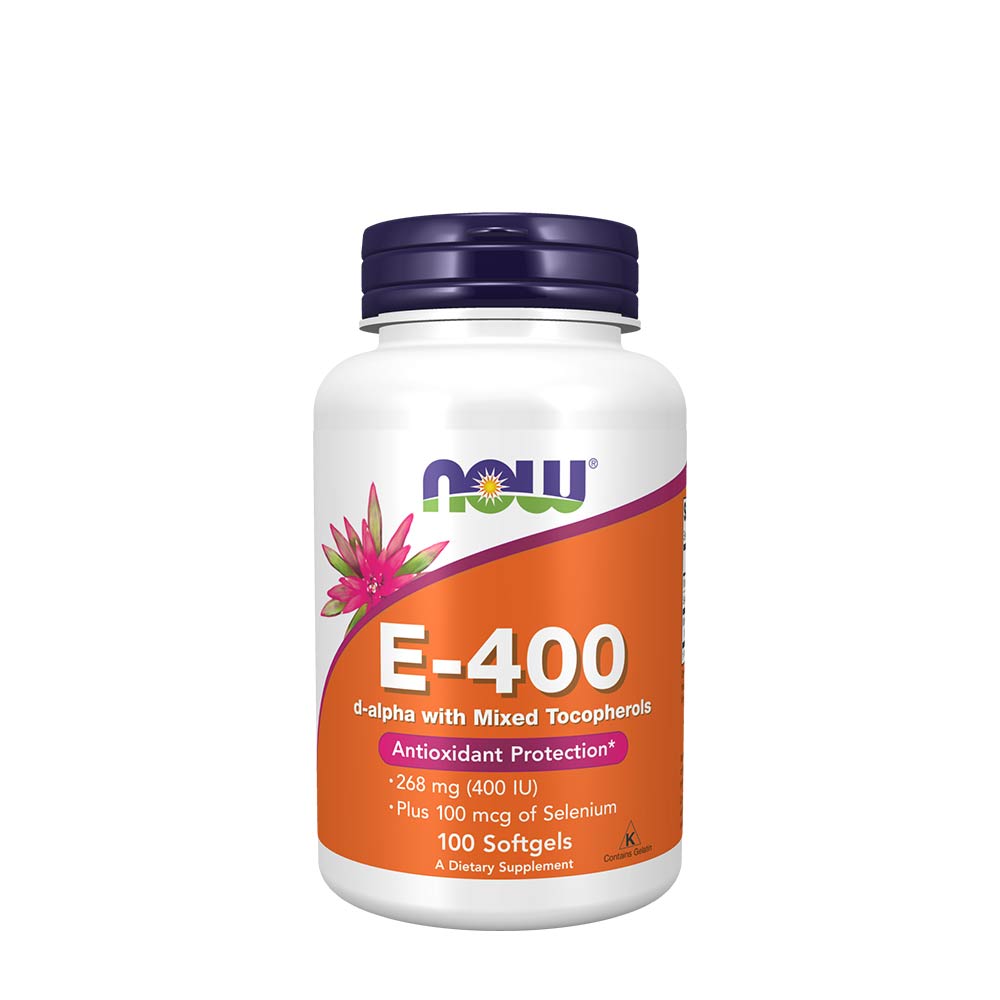
NOW Foods
NOW Foods - Vitamin E-400 - 100 Sgels
246 krIn stockWhy is this shown?
Historiskt katalogurval. Innehåll, mängd och form behöver kontrolleras mot aktuellt underlag.
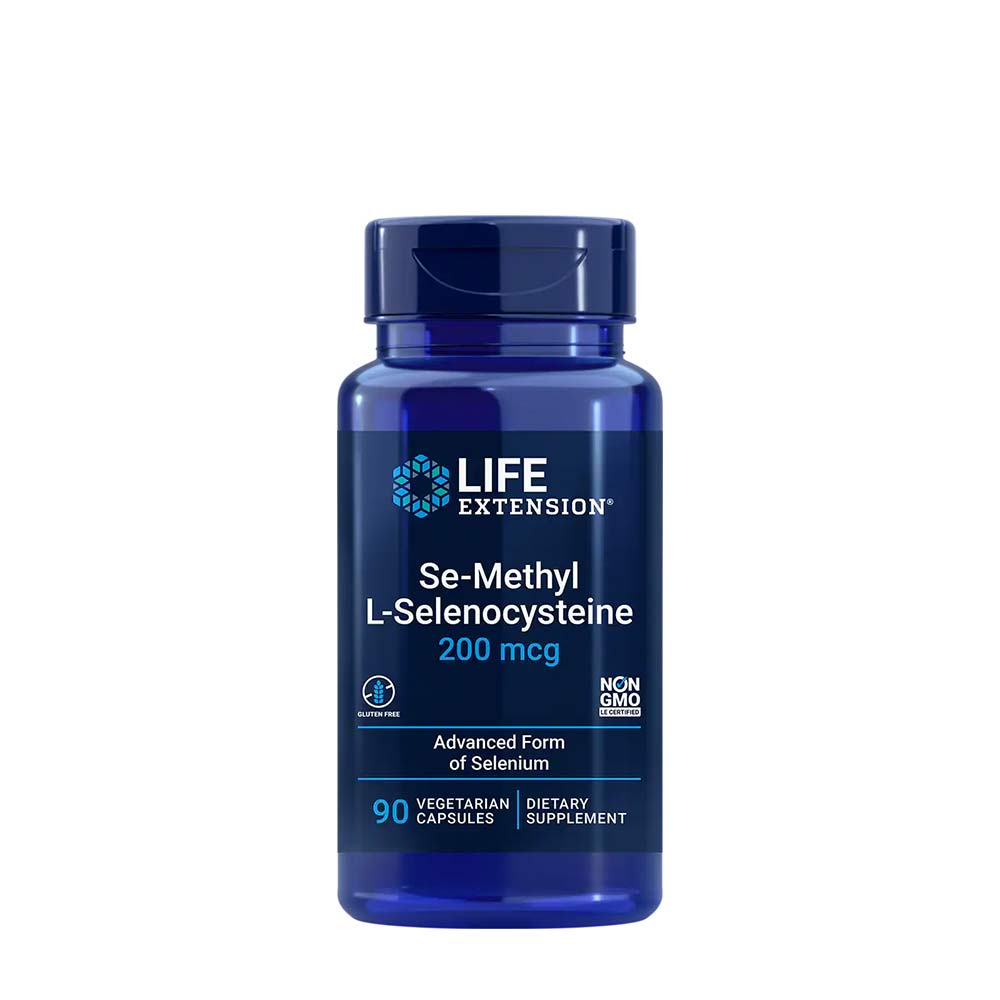
Life Extension
Life Extension - Se-Methyl L-Selenocysteine, 200mcg - 90 Vcaps
153 krIn stockWhy is this shown?
Historiskt katalogurval. Innehåll, mängd och form behöver kontrolleras mot aktuellt underlag.
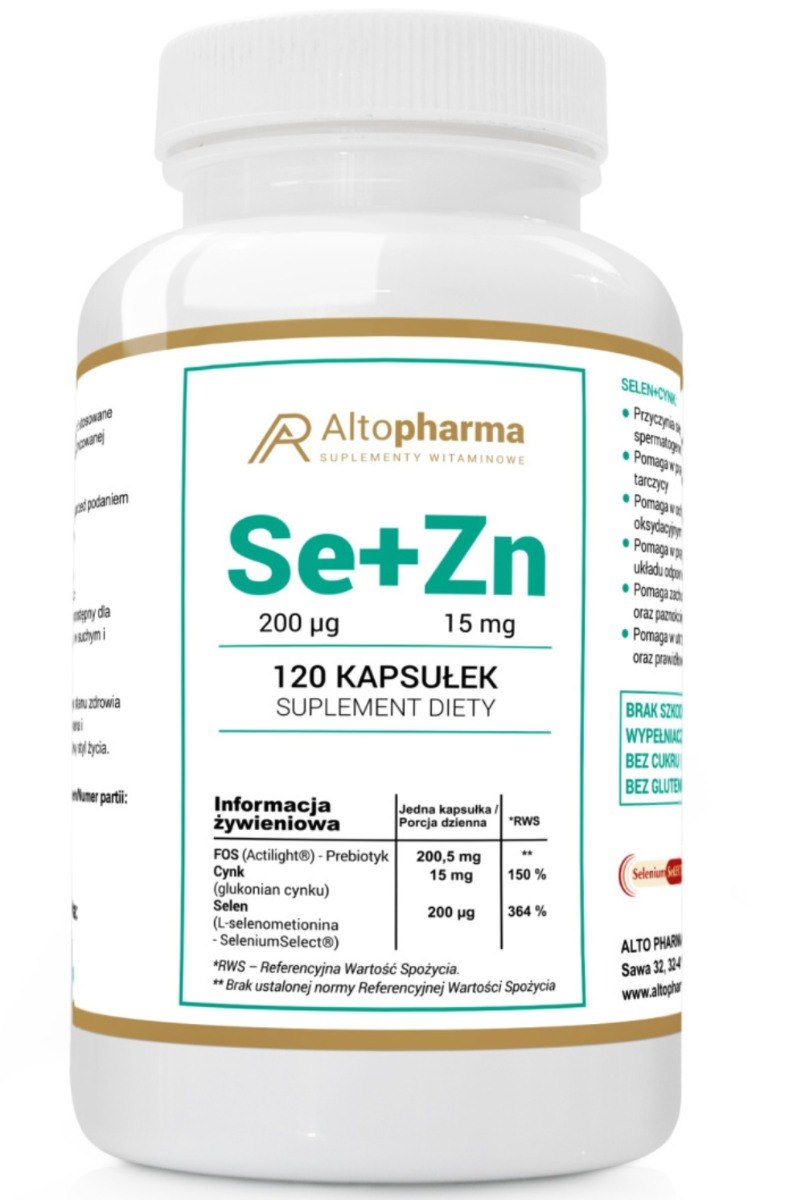
Altopharma
Altopharma - Se+Zn - 120 Caps
138 krIn stockWhy is this shown?
Historiskt katalogurval. Innehåll, mängd och form behöver kontrolleras mot aktuellt underlag.
Apollo'S Hegemony
Apollo'S Hegemony - Sibo Support - 150 Caps
490 krIn stockWhy is this shown?
Historiskt katalogurval. Innehåll, mängd och form behöver kontrolleras mot aktuellt underlag.
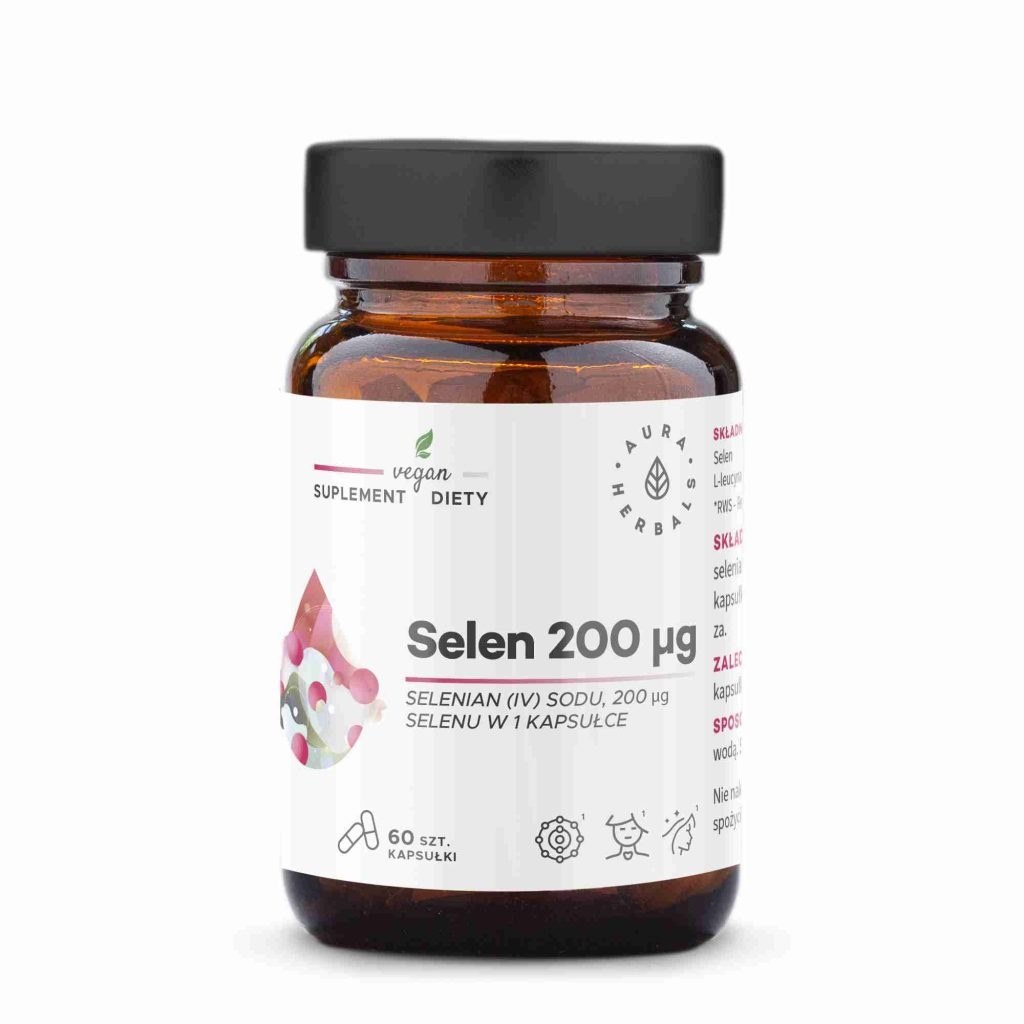
Aura Herbals
Aura Herbals - Selenium 200Μg - 60 Caps
84 krIn stockWhy is this shown?
Historiskt katalogurval. Innehåll, mängd och form behöver kontrolleras mot aktuellt underlag.


