Vitamin B3: What Does It Do and How to Choose?
Short answer
It is found in various foods and is available in multiple supplement forms. Always consult a healthcare professional before starting any supplement.
Quick facts
- Vitamin B3 is also called niacin.
- Authorised claims: supports energy-yielding metabolism and reduction of tiredness and fatigue (when at least a source).
- Available in several forms: niacin, niacinamide, nicotinamide.
- Tigoo offers 105 vitamin B3 products; median dose is 16 mg.
- Essential nutrient, not produced in sufficient amounts by the body.

How it works
Vitamin B3, commonly referred to as niacin, is a water-soluble vitamin that plays a crucial role in the body's metabolism. It is involved in converting food into usable energy and is necessary for the normal function of cells throughout the body. The body cannot produce enough vitamin B3 on its own, so it must be obtained from dietary sources or supplements.
Vitamin B3 is essential for turning the food you eat into energy your body can use.
At the biochemical level, vitamin B3 is a precursor for two important coenzymes: NAD (nicotinamide adenine dinucleotide) and NADP (nicotinamide adenine dinucleotide phosphate). These coenzymes are critical for hundreds of metabolic reactions, including those involved in the breakdown of carbohydrates, fats, and proteins to produce ATP, the body's main energy currency.
Vitamin B3 also plays a role in maintaining the health of the skin, digestive system, and nervous system, although only the energy and fatigue claims are authorised for use in food and supplements.
What the research and authorised claims say

Only specific health claims for vitamin B3 (niacin) are authorised for use in the European Union. These are:
- Niacin contributes to normal energy-yielding metabolism (claim may be used only for food which is at least a source of niacin).
- Niacin contributes to the reduction of tiredness and fatigue (claim may be used only for food which is at least a source of niacin).
The scientific evidence supporting these claims comes from human studies showing that insufficient niacin intake can lead to impaired energy metabolism and increased fatigue. Severe deficiency, although rare in developed countries, can result in pellagra, a condition marked by fatigue, skin changes, and digestive disturbances. However, the claims do not extend to disease prevention or treatment, and supplements are not a substitute for a balanced diet.
Forms of vitamin B3
Vitamin B3 exists in several forms, each with different properties:
- Niacin (nicotinic acid): The original form, often used in supplements and fortified foods. It is well-absorbed and effective at raising niacin levels in the body, but can cause a temporary skin flushing reaction in some individuals.
- Niacinamide (nicotinamide): A form that does not cause skin flushing and is commonly used in supplements and skincare products. It is equally effective at supporting the authorised health claims.
- Nicotinamide riboside and nicotinamide mononucleotide: Newer forms sometimes found in advanced supplements, but not as widely used.
Both niacin and niacinamide are converted to the active coenzyme forms (NAD and NADP) in the body. The choice between them often comes down to individual tolerance and intended use. Niacinamide is preferred by those who wish to avoid the flushing effect, while niacin (nicotinic acid) is sometimes chosen for its traditional use and availability.
| Form | Number of Products | Typical Use | Flushing Risk |
|---|---|---|---|
| Niacin (nicotinic acid) | 49 | General supplementation | Yes |
| Niacinamide (nicotinamide) | 11 | Supplements, skincare | No |
| Vitamin B3 (unspecified) | 5 | General supplementation | Varies |
| Niacinamide (other spelling) | 3 | Supplements | No |
Some products may also combine vitamin B3 with other B vitamins in so-called "B-complex" supplements. These can be convenient for those seeking a broader spectrum of B vitamins, but the specific form and dose of niacin should still be checked on the label.
Absorption and bioavailability
The absorption of vitamin B3 from food and supplements is generally high. Niacin and niacinamide are both well absorbed in the small intestine, with typical absorption rates exceeding 60-70%. Factors such as the presence of other nutrients, the form of the vitamin, and individual digestive health can influence absorption to some extent, but for most people, dietary intake is efficiently converted to the active coenzyme forms in the body.
In plant-based foods, some niacin is bound to other molecules and is less bioavailable. For example, in unprocessed cereals and corn, niacin can be tightly bound and less accessible for absorption. Traditional food preparation methods, such as nixtamalization (soaking corn in an alkaline solution), can increase the bioavailability of niacin in these foods.
Supplements typically contain niacin or niacinamide in free, readily absorbable forms. Extended-release or slow-release niacin supplements are also available, designed to reduce the risk of flushing, but these should be used with caution as they may have different safety profiles.
Food sources of vitamin B3
Vitamin B3 is naturally present in a variety of foods. Animal-based foods tend to have higher concentrations, but plant-based sources are also available. In addition, some foods are fortified with niacin to help meet population needs.
| Food | Niacin per 100g (mg) |
|---|---|
| Chicken breast (cooked) | 13. 4 |
| Tuna (canned in water) | 10. 5 |
| Peanuts | 12. 9 |
| Mushrooms | 4. 9 |
| Brown rice (cooked) | 2. 6 |
| Whole wheat bread | 3. 6 |
These values are approximate and can vary depending on preparation and source. Other notable sources include beef, turkey, salmon, sunflower seeds, lentils, and fortified breakfast cereals. In some cases, the body can also convert the amino acid tryptophan (found in protein-rich foods) into niacin, although this process is not highly efficient and depends on overall protein intake.
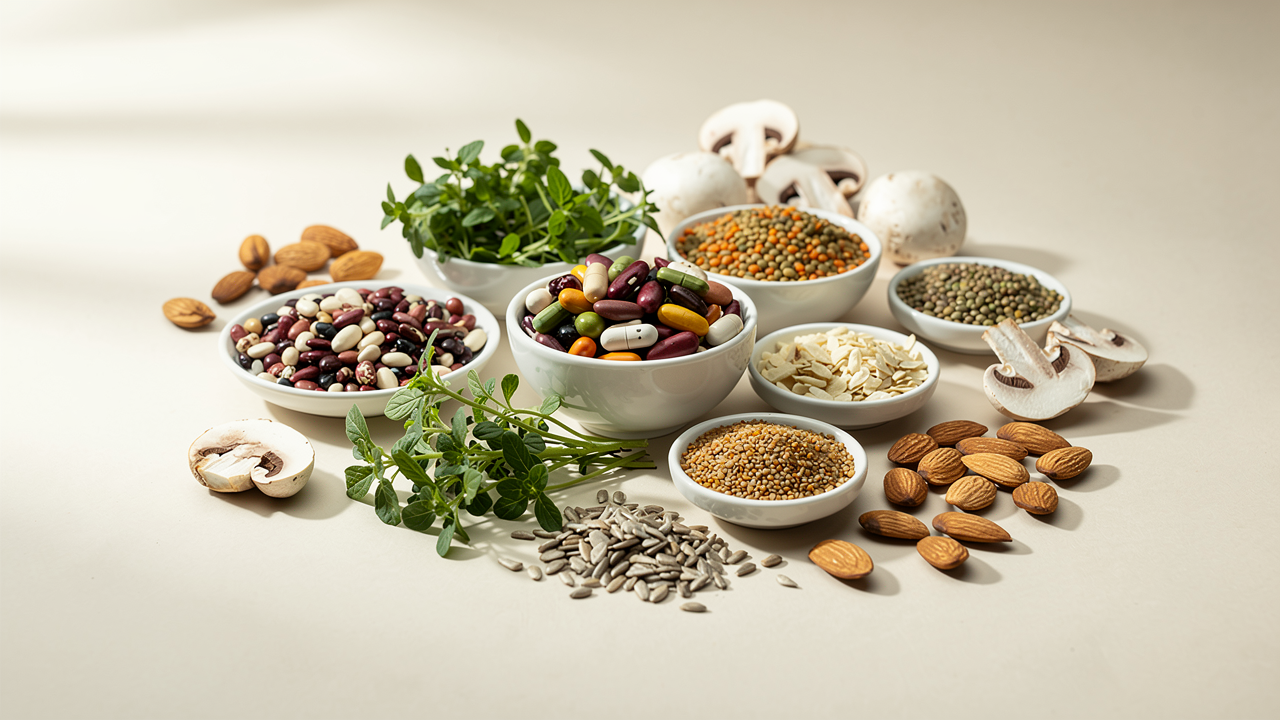
For those following vegetarian or vegan diets, it is important to include a variety of plant-based sources such as peanuts, mushrooms, whole grains, and legumes. Fortified foods can also help meet daily needs.
Key limitations

No other health effects, such as disease prevention or treatment, are authorised or should be implied.
It is important to note that vitamin B3 supplements are not a substitute for a balanced diet. Most people can meet their needs through food, and supplementation is generally only necessary in specific situations, such as certain dietary restrictions or increased needs.
Only products that are at least a source of niacin may use the authorised health claims.
There is no evidence that taking vitamin B3 supplements above the recommended daily intake provides additional benefits for energy or fatigue in healthy individuals. Excessive intake can increase the risk of side effects without improving outcomes.
How to choose

When considering a vitamin B3 supplement, several factors should be taken into account:
- Form: Niacin (nicotinic acid) and niacinamide (nicotinamide) are the most common. Niacinamide does not cause flushing, which some people find more comfortable.
- Dosage: The median dose in Tigoo's range is 16 mg per serving, which aligns with typical recommended daily intakes for adults.
- Product type: Tablets, capsules, and powders are all available. Choose the format that best fits your preferences and needs.
- Label claims: Ensure the product is at least a source of niacin if you wish to rely on the authorised claims.
- Dietary needs: Check for allergens, vegan/vegetarian status, and other ingredients.
- Quality and certification: Look for products from reputable manufacturers and those that have been tested for quality and purity.
Some supplements may combine vitamin B3 with other nutrients, such as B-complex vitamins, minerals, or herbal extracts. If you are seeking a specific benefit, check the ingredient list to ensure the product meets your requirements and does not contain unwanted additives.
For individuals with dietary restrictions (such as vegans, vegetarians, or those with allergies), it is important to verify the source of the vitamin and the presence of any potential allergens or animal-derived ingredients. Many reputable brands clearly label their products as vegan or allergen-free.
Comparing vitamin B3 products
With 105 vitamin B3 products in Tigoo's range, there is a wide variety to choose from. Consider the following when comparing products:
- Form of vitamin B3 (see table above)
- Strength per serving (median is 16 mg)
- Other ingredients (such as fillers, binders, or additional vitamins)
- Suitability for your dietary preferences (e. g. , vegan, gluten-free)
- Price per dose
Always read the label carefully and consult a healthcare professional if you are unsure which product is right for you.
It is also advisable to check for third-party testing or certifications, which can provide additional assurance of product quality and purity.
Safety, interactions and risk groups
Vitamin B3 is generally considered safe when consumed at recommended levels from food or supplements. However, high doses of niacin (nicotinic acid) can cause skin flushing, itching, and, at very high intakes, may affect liver function or cause other side effects. Niacinamide (nicotinamide) is less likely to cause flushing but can still have side effects at high doses.
- Medication interactions: Vitamin B3 may interact with certain medications, including those for cholesterol, diabetes, and blood pressure.
- Pregnancy and breastfeeding: Consult a healthcare professional before using supplements during pregnancy or breastfeeding.
- Children: Supplementation should only be given to children under medical supervision.
- Medical conditions: People with liver disease, kidney disease, diabetes, or peptic ulcers should consult a healthcare professional before using vitamin B3 supplements.
If you are taking medication, have a medical condition, are pregnant, breastfeeding, or considering giving supplements to children, always consult a healthcare professional before starting vitamin B3 supplementation.
Extended-release niacin supplements, which are sometimes marketed to reduce flushing, may carry a higher risk of liver side effects compared to immediate-release forms. It is important not to exceed recommended doses unless advised by a healthcare provider.
Some individuals may be more sensitive to the effects of niacin, including those with a history of allergies, asthma, or certain skin conditions. If you experience persistent flushing, itching, or other side effects, discontinue use and seek medical advice.
Safety and precautions
Vitamin B3 is generally safe at recommended levels, but high doses can cause side effects such as skin flushing and, rarely, liver effects. Niacinamide is less likely to cause flushing but may still cause side effects at high intakes. If you are taking medication, have a medical condition, are pregnant, breastfeeding, or considering supplements for children, consult a healthcare professional before use. Do not exceed recommended doses unless advised by a healthcare provider.
Supplements with the ingredients in this article
Compare contents, dose and price
Frequently asked questions
vitamin b3 niacinamide
Niacinamide (also called nicotinamide) is a form of vitamin B3 that does not cause skin flushing, unlike niacin (nicotinic acid).
Sources
- EFSA: Authorised health claims for niacin
- National food agency: Dietary sources and recommended intakes for vitamin B3
- Meta-analysis: Forms and safety of vitamin B3
Read more
Products related to this article

INVEX REMEDIES
Invex Remedies - Niacin (Vitamin B3) - 100 Caps
178 krIn stockWhy is this shown? Innehåller alla ämnen artikeln handlar om · Renodlat tillskott — ämnet står i produktnamnet · I lager

Life Extension
Life Extension - Bioactive Complete B-Complex - 60 Caps
189 krIn stockWhy is this shown? Innehåller alla ämnen artikeln handlar om · I lager · Betyg 5.0 av 8 kunder

NOW Foods
Now Foods - Special Two Multi Vitamin - 240 Vcaps
2 186 krIn stockWhy is this shown? Innehåller alla ämnen artikeln handlar om · I lager · Betyg 5.0 av 8 kunder

Life Extension
Life Extension - Mix Caps - 360 Caps
1 088 krIn stockWhy is this shown? Innehåller alla ämnen artikeln handlar om · I lager · Betyg 5.0 av 7 kunder

7 Nutrition
7Nutrition - B-Complex B50 Methyl - 120 Caps
231 krIn stockWhy is this shown? Innehåller alla ämnen artikeln handlar om · I lager