Vitamin D: Causes, Risk Groups & Official Guidance
Short answer
Vitamin D deficiency disease is when low vitamin D has gone beyond a blood result and started to affect bones and mineral balance. In children, it is called rickets; in teens and adults, it is osteomalacia. Many people have no clear symptoms, so a blood test is usually needed.
Quick facts
- 25(OH)D is the main blood marker for vitamin D status.
- NIH ODS defines deficiency as below 30 nmol/L (12 ng/mL).
- Children can develop rickets; teens and adults can develop osteomalacia.
- Low vitamin D can result from little UVB sun, low dietary intake, or poor absorption or activation.
- Symptoms can be absent or vague, such as tiredness and general aches.
- Thiazide diuretics and anticonvulsants need extra caution.

What is vitamin D deficiency disease?
Vitamin D is a vitamin the body can make in the skin when sunlight hits it. The NHS says it helps regulate calcium and phosphate in the body, and that these nutrients are needed to keep bones, teeth and muscles healthy. NHS vitamin D guidance
Low blood vitamin D is not the same as disease
The NIH Office of Dietary Supplements uses serum 25-hydroxyvitamin D, written as 25(OH)D, as the main blood marker for vitamin D status. In its fact sheet, deficiency is below 30 nmol/L (12 ng/mL), insufficiency is 30 to 50 nmol/L (12 to 20 ng/mL), and sufficiency for most people is at least 50 nmol/L (20 ng/mL). In plain language, this means a low result can signal a shortfall, but it does not automatically mean the body has developed bone disease. NIH ODS vitamin D fact sheet
| Serum 25(OH)D | Meaning used by NIH ODS |
|---|---|
| < 30 nmol/L (< 12 ng/mL) | Deficiency |
| 30 to 50 nmol/L (12 to 20 ng/mL) | Insufficiency |
| ≥ 50 nmol/L (≥ 20 ng/mL) | Sufficiency for most people |
When low vitamin D becomes clinical disease
In children, vitamin D deficiency can cause rickets. The NHS describes rickets as bone deformities, and a Barnsley primary-care guideline says lack of vitamin D in children can reduce calcium absorption and lead to skeletal deformities, disturbed growth and hypocalcaemia. In teens and adults, the clinical disease is osteomalacia, which the NHS describes as bone pain. NHS vitamin D guidance Barnsley vitamin D guideline
Why symptoms are often vague
Many people with low vitamin D have no symptoms, or only vague ones such as tiredness or general aches, so the problem can be missed. That is why symptoms alone are not enough to confirm the issue: a blood test is usually needed to show whether vitamin D status is low. Macduff Medical Practice patient leaflet NIH ODS vitamin D fact sheet
Low vitamin D on its own is a lab result; rickets and osteomalacia are the disease states that show the body has been affected.
In simple terms, insufficiency means lower than ideal, deficiency means below a formal cut-off, and vitamin D deficiency disease means the low level has gone on to affect bones and mineral balance. NIH ODS vitamin D fact sheet NHS vitamin D guidance
Why does vitamin D become low?
Vitamin D usually becomes low for one of three reasons: the skin does not get enough UVB sunlight, the diet does not supply much vitamin D, or the body cannot absorb or activate it properly. In the UK, the sun is generally strong enough for most people to make vitamin D only from about late March or early April to the end of September, while autumn and winter are the problem months for many people (NHS). In more northerly countries, and when people spend most of their time indoors, exposure can be too limited to keep levels up (Macduff Medical Practice).

Low vitamin D is often a mix of limited sun, low dietary intake, and a medical reason that reduces absorption or activation.
Sunlight, season, clothing, and sunscreen
People who are not often outdoors, are housebound, or live in an institution are listed as higher risk on NHS guidance (NHS). Covering most of the skin when outdoors also reduces the chance to make vitamin D in the skin, and the NHS advises that people with African, African-Caribbean or South Asian background may not make enough from sunlight (NHS). Macduff notes that strict sunscreen use may increase risk, while still protecting skin from sun damage (Macduff Medical Practice).
Diet and fortification
Dietary vitamin D comes from oily fish, red meat, egg yolks, fortified foods such as fat spreads and breakfast cereals, and supplements (NHS). The same NHS page notes that cows’ milk in the UK is generally not a good source because it is not fortified (NHS). So a diet that rarely includes fish, eggs, or fortified foods leaves fewer built-in sources to rely on.
| Cause area | Examples in the evidence | Why levels can fall |
|---|---|---|
| Sunlight | Autumn and winter, little time outdoors, covered skin, darker skin | Less UVB reaches the skin |
| Diet | Few oily fish, egg yolks, or fortified foods; UK cows’ milk is usually not fortified | Less vitamin D enters the diet |
| Absorption or activation | Obesity, gastric bypass, Crohn’s disease, coeliac disease, ulcerative colitis, cystic fibrosis, liver disease, kidney disease | Vitamin D is absorbed or handled less well |
| Medicines | Phenytoin, carbamazepine, phenobarbitone, some HIV medicines | Some drugs can lower vitamin D levels |
When the body cannot use vitamin D normally
The NIH Office of Dietary Supplements explains that vitamin D is processed in the liver and then the kidneys, and that obesity can sequester vitamin D in adipose tissue while gastric bypass can impair absorption (NIH ODS). It also lists Crohn’s disease, coeliac disease, ulcerative colitis, cystic fibrosis, and liver disease among conditions that interfere with absorption (NIH ODS). Older adults, babies who are breastfed without supplementation, and pregnant or breastfeeding women are also named as higher-risk groups in the NHS and local NHS patient guidance (NHS) (Macduff Medical Practice).
Which symptoms suggest vitamin D deficiency?
Vitamin D deficiency often shows up first as bone and muscle problems, and one UK patient leaflet says many people have no symptoms or only vague tiredness and general aches. It also warns that the picture is often nonspecific, which is why low vitamin D can be overlooked when symptoms do not point to one cause. Macduff Medical Practice vitamin D deficiency leaflet NHS vitamin D page
Think in clusters, not checklists: bone pain, muscle weakness, and movement changes are more useful than a single vague symptom.
| Symptom cluster | What it can look like | Source |
|---|---|---|
| Bone pain | Ribs, shins, lower back, hips, pelvis, thighs, or feet may be tender or painful. | Macduff Medical Practice vitamin D deficiency leaflet |
| Muscle weakness and gait change | Difficulty climbing stairs, rising from a chair, or a waddling gait in adults. | Macduff Medical Practice vitamin D deficiency leaflet |
| Children’s bone changes | Skeletal deformities, growth disturbance, hypocalcaemia, soft skull or leg bones, bowed legs, late teething, and irritability. | Barnsley guideline Macduff Medical Practice vitamin D deficiency leaflet |
| Red flags | Muscle cramps, carpopedal spasm, numbness, paresthesias, tetany, seizures, pseudo-fracture findings, or cardiomyopathy in infants. | South West London vitamin D guideline |
Adults: pain, weakness and movement changes
In adults, the clearest pattern is bone pain or tenderness together with muscle weakness. The practical clue is not one isolated ache, but a cluster that affects movement and weight-bearing. NHS vitamin D page Macduff Medical Practice vitamin D deficiency leaflet
Children: rickets and bone shape changes
In children, vitamin D deficiency can present as rickets rather than the adult pattern. The Barnsley guideline says deficiency can reduce calcium absorption and cause skeletal deformities, growth disturbance, and hypocalcaemia. The Macduff leaflet adds soft skull or leg bones, bowed legs, late teething, and irritability; it also notes that severe cases may include breathing symptoms. Barnsley guideline Macduff Medical Practice vitamin D deficiency leaflet
Red flags and the “weird” symptoms people search for
Fatigue, vague aches, and malaise are also reported, but they are nonspecific and overlap with many other conditions. The more unusual symptoms are usually calcium-related: cramps, spasm, tingling, numbness, tetany, or seizures. The South West London guideline also lists pseudo-fracture findings and cardiomyopathy in infants with severe deficiency, so suspected rickets, marked weakness, or bone pain with low-calcium symptoms should prompt medical assessment. Macduff Medical Practice vitamin D deficiency leaflet South West London vitamin D guideline
How is vitamin D deficiency diagnosed?
The blood test that matters
The standard blood marker for vitamin D status is serum 25-hydroxyvitamin D [25(OH)D], also called calcidiol. The NIH Office of Dietary Supplements says 1,25-dihydroxyvitamin D is not the routine status test because it is tightly regulated and does not reflect body stores in the same way (NIH ODS vitamin D fact sheet).
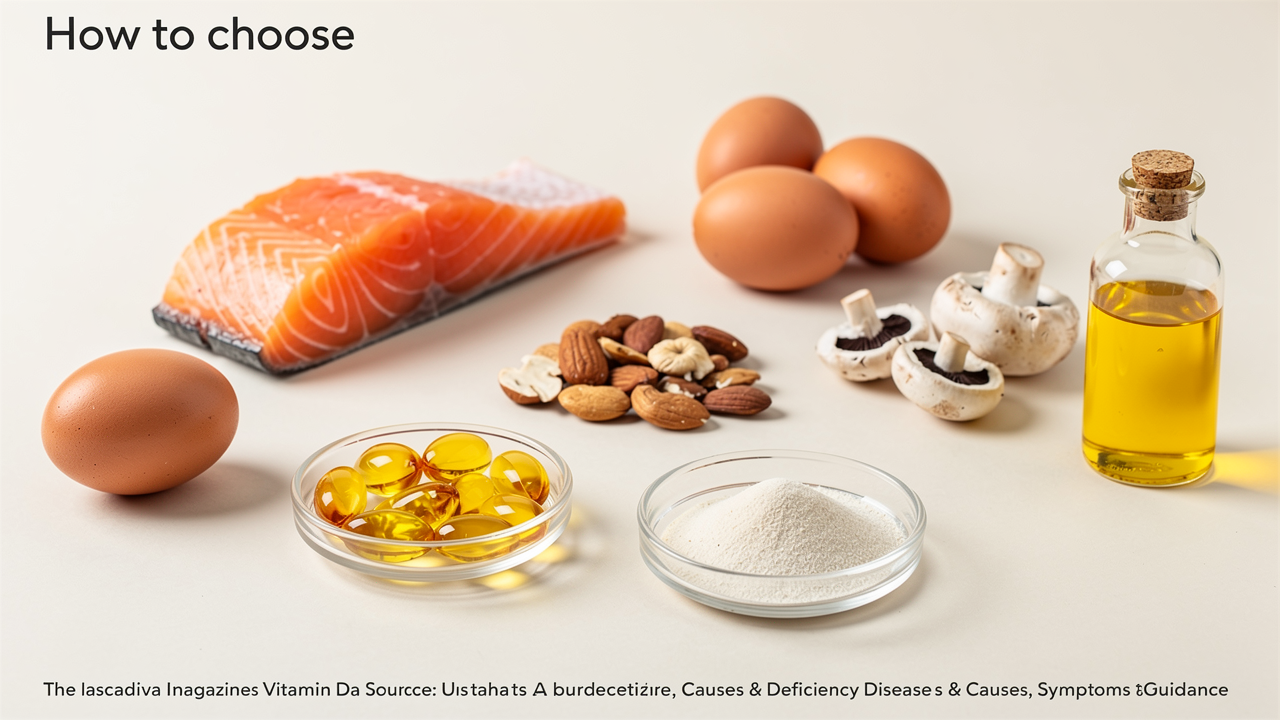
The NHS says deficiency may be suspected from medical history, symptoms, or lifestyle, and then confirmed with a simple blood test (NHS vitamin D guidance).
Why the cut-offs do not all match
Different organisations use different thresholds because they are not always answering the same question. The NIH notes that expert thresholds vary, and EFSA’s vitamin D publication is about dietary reference values rather than serum diagnosis, which is one reason readers will see different numbers in different places (NIH grant abstract on vitamin D insufficiency; EFSA vitamin D press release).
| Authority | Deficiency threshold | Other range or note |
|---|---|---|
| NIH Office of Dietary Supplements | <30 nmol/L (<12 ng/mL) | 30–50 nmol/L (12–20 ng/mL) is insufficiency; ≥50 nmol/L (≥20 ng/mL) is sufficient for most people; >125 nmol/L (>50 ng/mL) may pose risk of adverse effects (source) |
| NIH research abstract | <15 ng/mL (~37.5 nmol/L) | 15–30 ng/mL (~37.5–75 nmol/L) is insufficiency (source) |
| Barnsley NHS guideline | ≤25 nmol/L | 26–50 nmol/L is insufficiency for children and young adults in that pathway (Barnsley NHS guideline) |
Other tests that may be checked
When deficiency is suspected, the Barnsley guideline says to check vitamin D and a bone profile, and the NHS says calcium and phosphate levels, plus liver function, may also show changes linked to low vitamin D (Barnsley NHS guideline; NHS vitamin D guidance).
That means calcium alone is not the status test. The blood test that directly measures vitamin D status is still 25(OH)D, while the other labs help build the wider picture (NIH ODS vitamin D fact sheet; NHS vitamin D guidance).
Screening, diagnosis, and follow-up
Screening means checking people because they are at risk; diagnosis means confirming a suspected problem after symptoms, history, or lifestyle raise concern; follow-up means repeating the same status test to see whether the measured 25(OH)D level has changed. Because many people have no symptoms or only vague tiredness and aches, the problem can be missed unless the blood test is done (Macduff Medical Practice vitamin D leaflet; NHS vitamin D guidance).
A blood test for 25(OH)D answers the vitamin D question; calcium and symptoms by themselves do not.
How is vitamin D deficiency usually treated?
Guideline-based care is usually written as a correction phase followed by a maintenance phase. In the Barnsley primary-care guideline, children with an initial serum 25(OH)D at or below 25 nmol/L are treated, and the document separates high-dose treatment from ongoing supplementation after that course ends. The NHS likewise describes year-round daily supplementation for some higher-risk people, and autumn-and-winter supplementation for many others. Barnsley guideline NHS vitamin D guidance
| Phase | What the guidance says | Practical meaning |
|---|---|---|
| Correction | High-dose treatment is used for deficiency, with a separate high-dose poor-compliance option for patients aged 12 and over in the Barnsley guideline. | Take the exact schedule that was prescribed, rather than choosing a supplement strength yourself. |
| Maintenance | Supplementation starts after high-dose treatment, and may continue while the risk factor remains. | Long-term use depends on the reason the level fell in the first place. |
Take the prescribed schedule exactly
The NHS gives the conversion 1 microgram = 40 IU, which matters when reading labels or comparing products, and it says people should follow their doctor’s advice if a different amount has been recommended. NHS vitamin D guidance
If a person has low sun exposure, darker skin, housebound living, or a condition that affects absorption or handling of vitamin D, the maintenance plan may need to continue rather than stopping when the first bottle is finished. Barnsley advises continuing supplementation at least until completion of growth unless there has been a significant lifestyle change, and the patient leaflet notes that Crohn’s disease, coeliac disease, and some liver or kidney disease can affect vitamin D status. Barnsley guideline NHS vitamin D guidance Macduff Medical Practice leaflet
Follow-up is part of treatment
During high-dose treatment, the Barnsley guideline says serum calcium should be checked every 4 weeks. It also says children should be re-tested for bone profile and vitamin D around 2 to 3 months after starting treatment, and that 25-hydroxyvitamin D should be checked shortly after completion of the high-dose course, about 3 to 4 months after commencement. If new signs of rickets appear, if serum calcium is low, or if alkaline phosphatase is more than twice the age-based upper limit, the guideline recommends referral. Barnsley guideline
Common mistakes
- Using the maintenance amount when a clinician has prescribed a correction regimen.
- Confusing micrograms with IU: 10 micrograms equals 400 IU. NHS vitamin D guidance
- Assuming a multivitamin is always enough for long-term high-dose use, when the NHS notes that multivitamins are not suitable for this because of the vitamin A they contain. NHS vitamin D guidance
- Stopping the maintenance phase while the risk factor is still present, instead of matching the plan to the cause. NHS vitamin D guidance
When can vitamin D supplements be unsafe?
Vitamin D becomes unsafe when intake is high enough to raise calcium too far. The NIH Office of Dietary Supplements says high vitamin D intake can cause hypercalcaemia, with nausea, vomiting, muscle weakness, neuropsychiatric symptoms, dehydration, polyuria, kidney stones, and, in extreme cases, renal failure or arrhythmias. It also notes that serum 25(OH)D above 125 nmol/L (50 ng/mL) may pose a risk of adverse effects. NIH ODS vitamin D fact sheet

“The UL is not a recommended level of intake.” EFSA tolerable upper intake levels framework
Medicines that need extra caution
The supplied NHS guidance specifically flags thiazide diuretics: the Barnsley guideline says vitamin D given with thiazides increases the risk of hypercalcaemia. It also says anticonvulsants can increase vitamin D requirements, and the Macduff NHS leaflet names carbamazepine and phenytoin as medicines that can interfere with vitamin D. Barnsley NHS guideline Macduff NHS vitamin D leaflet
| Caution category | What the guidance says |
|---|---|
| Thiazide diuretics | Vitamin D with thiazides increases the risk of hypercalcaemia. Barnsley NHS guideline |
| Anticonvulsants | They can increase vitamin D requirements; carbamazepine and phenytoin are named. Macduff NHS vitamin D leaflet |
| Digestive or liver conditions | Crohn’s disease, coeliac disease, ulcerative colitis, cystic fibrosis, and liver disease can impair absorption or handling. NIH ODS consumer vitamin D page Macduff NHS vitamin D leaflet |
Groups that should not treat this casually
Pregnant and breastfeeding women are listed by NHS guidance among people with extra vitamin D needs, and the NHS also says babies up to 1 year need 8.5 to 10 micrograms a day. EFSA sets an adequate intake of 15 µg per day for healthy individuals over one year of age, including pregnant and lactating women, and 10 µg per day for infants aged 7–11 months. Older adults are also a group to watch because the NIH says the skin’s capacity to synthesise vitamin D declines with age. NHS vitamin D guidance EFSA vitamin D dietary reference values NIH ODS consumer vitamin D page
For safety, the practical rule is simple: use the limit and status cut-off from the authority or product label you are following, because EFSA’s intake framework and the NIH’s serum thresholds are not the same type of number. EFSA tolerable upper intake levels framework NIH ODS vitamin D fact sheet
Could another vitamin deficiency be causing the symptoms?
Vitamin D consumer fact sheet NHS vitamin D page
When B12 or other B vitamins fit better
Vitamin B12 deficiency is more likely when tiredness travels with anaemia-type symptoms and nerve or brain symptoms such as numbness, tingling, balance problems, a sore tongue, or cognitive changes; the NHS symptom page for B12 or folate deficiency anaemia also lists palpitations, shortness of breath, headache, and difficulty concentrating. Vitamin B12 fact sheet NHS symptoms page
The NIH folate fact sheet also notes tongue and oral mucosa ulcerations, fatigue, weakness, headache, and elevated homocysteine. Folate fact sheet
| Deficiency pattern | Typical clues | How it differs from vitamin D |
|---|---|---|
| Vitamin D | Bone pain, muscle weakness, rickets in children, osteomalacia in teens and adults | Primarily a bone-and-muscle pattern |
| Vitamin B12 | Anaemia-related fatigue, numbness, tingling, balance problems, sore tongue, cognitive changes | Neurological and blood-related features are more prominent |
When more than one deficiency is plausible
The NIH ODS vitamin D fact sheet says fat malabsorption conditions such as Crohn’s disease, celiac disease, ulcerative colitis, cystic fibrosis, and liver disease can impair vitamin D absorption. That is one reason persistent fatigue, pain, mouth symptoms, nerve symptoms, or eye symptoms should not be attributed to vitamin D alone. Vitamin D health professional fact sheet Vitamin C fact sheet Vitamin A fact sheet
Bone pain and muscle weakness fit vitamin D; numbness, bleeding, mouth sores, or eye symptoms point elsewhere.
Safety and precautions
High vitamin D intake can raise calcium too far and cause hypercalcaemia. Follow the exact prescribed schedule, and ask a healthcare professional before using vitamin D if you take thiazide diuretics, anticonvulsants, or other medicines that may affect vitamin D or calcium.
Pregnant or breastfeeding women, babies, and children should get healthcare advice before starting supplements or changing doses. If you are unsure about dosing, symptoms, or whether a supplement is appropriate, speak with a clinician.
Frequently asked questions
Can vitamin D deficiency exist with a normal calcium blood test?
Yes. The article says calcium alone is not the test that measures vitamin D status, and 25(OH)D is the blood marker used for that purpose. Calcium and phosphate can help build the wider picture, but they do not replace the vitamin D test.
Is vitamin D deficiency linked to frequent infections or low mood?
The article does not say that frequent infections or low mood are reliable signs of vitamin D deficiency. It focuses instead on bone pain, muscle weakness, and vague tiredness or aches, which are not specific enough on their own. A blood test is needed to check vitamin D status.
Can obesity or gut disease make vitamin D harder to correct?
Yes. The article says obesity can sequester vitamin D in fat tissue, and conditions such as Crohn’s disease, coeliac disease, ulcerative colitis, cystic fibrosis, and liver disease can impair absorption or handling. In those situations, the maintenance plan may need to continue rather than stopping after the first bottle.
Can a multivitamin alone fix low vitamin D?
Not necessarily. The article separates correction and maintenance phases, and the NHS notes that multivitamins are not suitable for long-term high-dose use because they contain vitamin A. The prescribed vitamin D schedule matters more than choosing a general multivitamin.
Should I ask for B12, folate, iron, or thyroid tests if I have fatigue?
The article specifically mentions B12 and folate as other possibilities when fatigue comes with anaemia-type, mouth, or nerve symptoms. It does not give specific guidance on iron or thyroid testing. A clinician can decide which tests fit your symptoms and history.
What if I eat fortified foods but still have low vitamin D?
Fortified foods can help, but they may not be enough on their own. The article notes that low sun exposure, darker skin, limited outdoor time, or absorption problems can still keep levels down. If the level stays low, the plan needs to match the cause and may need follow-up testing.
Sources
- Vitamin D - Health Professional Fact Sheet (external link)
- Grant Abstract: Treatment of Vitamin D Insufficiency (external link)
- Vitamin D - Consumer (external link)
- Draft guideline for management of children with suspected vitamin D deficiency in primary care setting (external link)
- Vitamin D Deficiency (external link)
- Vitamin D (external link)
- Who is at risk of not getting enough vitamin D? (external link)
- Patients with symptoms that could be attributed to vitamin D deficiency (especially if patients are in high-risk groups) (external link)
- Vitamin D - Health Professional Fact Sheet (external link)
- complet_chapitres.indd (external link)
- Vitamin D: EFSA sets dietary reference values | EFSA (external link)
- Vitamin B12 - Health Professional Fact Sheet (external link)
- Folate - Health Professional Fact Sheet (external link)
- Vitamin C - Health Professional Fact Sheet (external link)
- Vitamin A and Carotenoids - Health Professional Fact Sheet (external link)
- Vitamin B12 or folate deficiency anaemia - Symptoms (external link)
Read more
Products related to this article
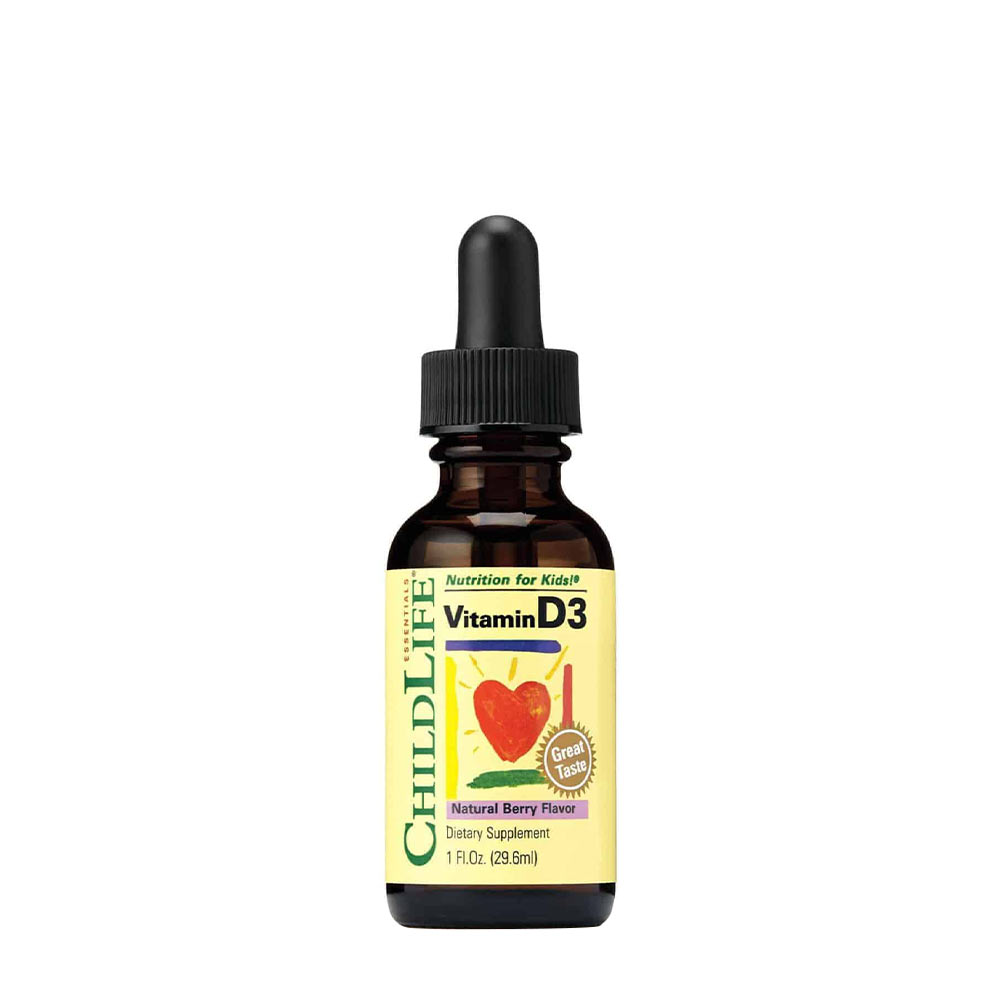
Child Life
Child Life - Vitamin D3 - 1 fl oz
124 krIn stockWhy is this shown?
Historiskt katalogurval. Innehåll, mängd och form behöver kontrolleras mot aktuellt underlag.
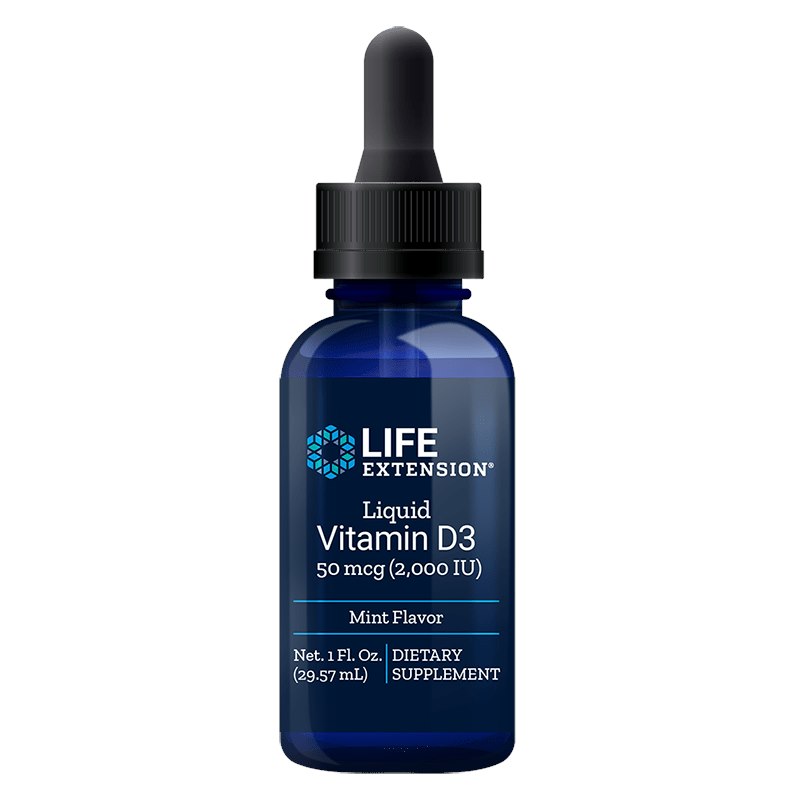
Life Extension
Life Extension - Liquid Vitamin D3 - 29.57ml
288 krIn stockWhy is this shown?
Historiskt katalogurval. Innehåll, mängd och form behöver kontrolleras mot aktuellt underlag.
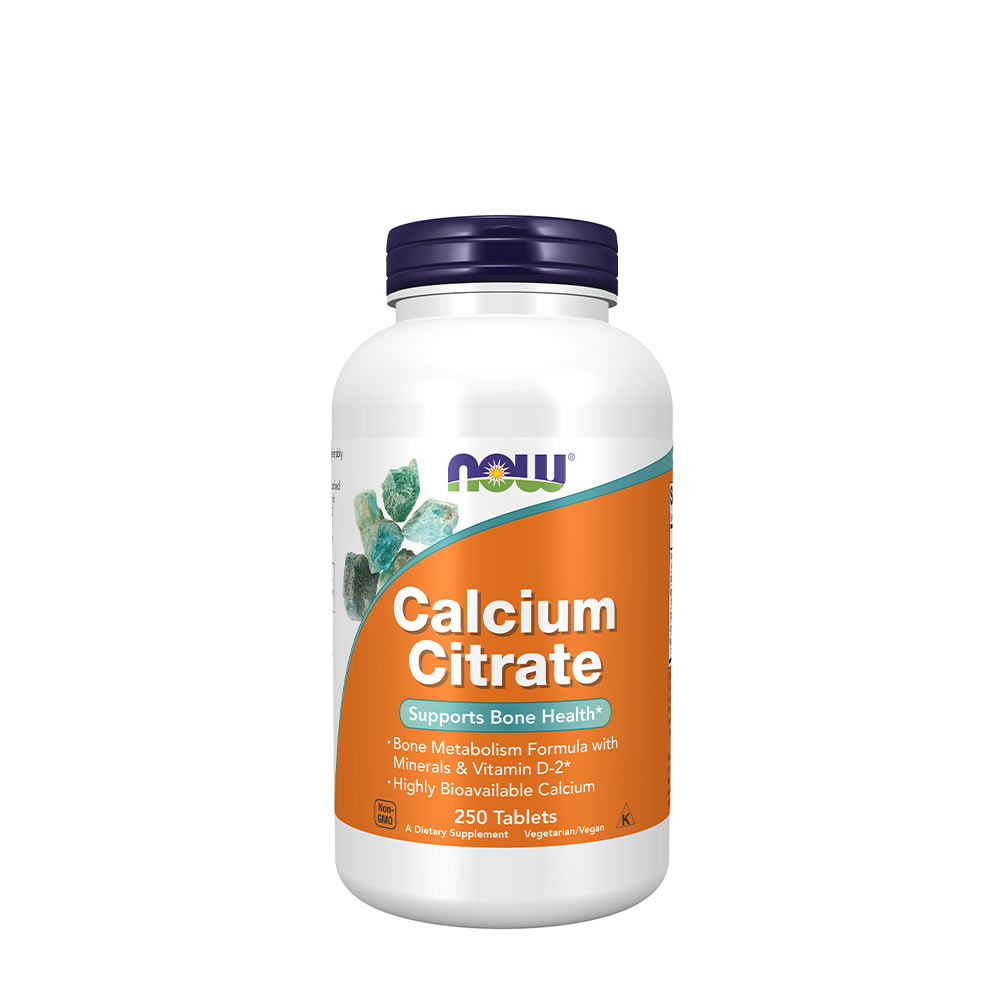
NOW Foods
NOW Foods - Calcium Citrate With Minerals & Vitamin D2 - 250 Tabs
447 krIn stockWhy is this shown?
Historiskt katalogurval. Innehåll, mängd och form behöver kontrolleras mot aktuellt underlag.
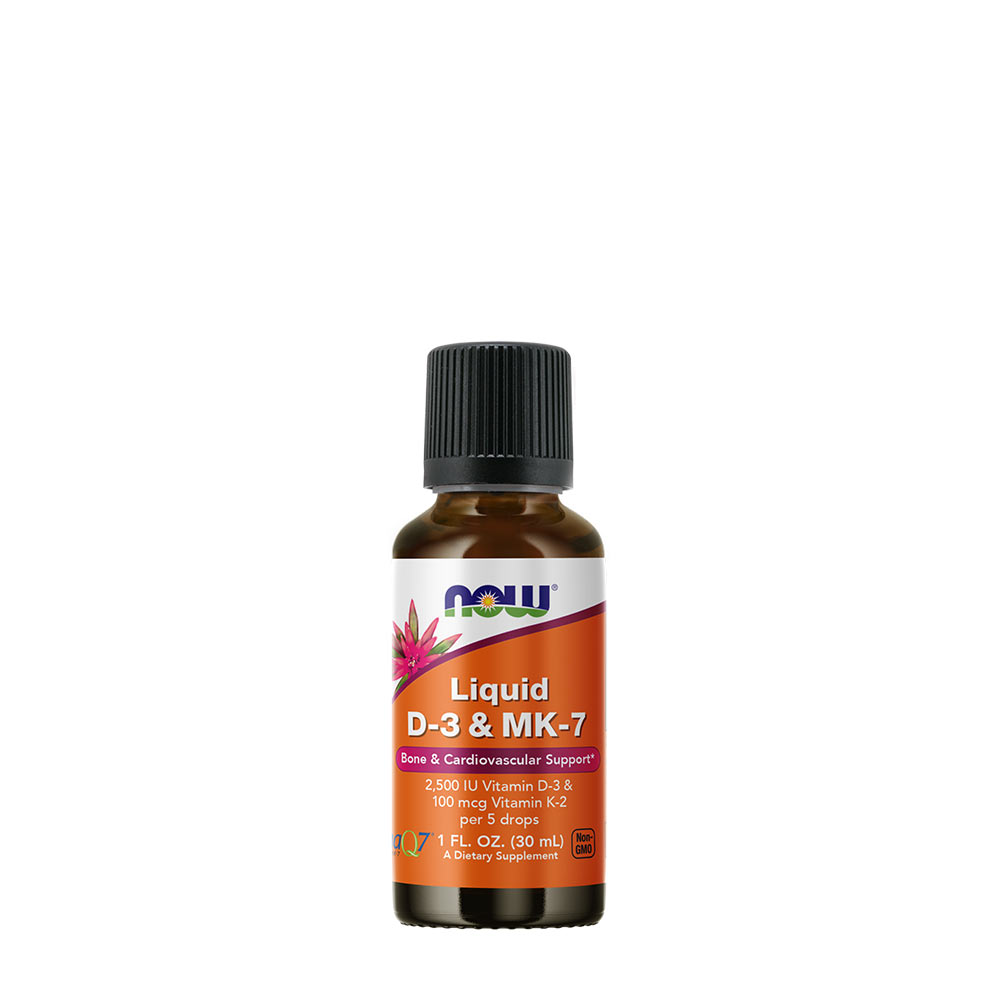
NOW Foods
NOW Foods - Liquid D-3 & MK-7 - 30ml
244 krIn stockWhy is this shown?
Historiskt katalogurval. Innehåll, mängd och form behöver kontrolleras mot aktuellt underlag.
Nutriversum
Nutriversum - Glucosamine Sulphate - 60 Caps
118 krIn stockWhy is this shown?
Historiskt katalogurval. Innehåll, mängd och form behöver kontrolleras mot aktuellt underlag.


