Lemon Balm
Citronmeliss – definition and facts in our glossary. Mild and safe.
What is Lemon Balm?
Lemon balm, or Melissa officinalis, is a perennial herb belonging to the Lamiaceae family. It has been used in traditional medicine for centuries for its calming and relaxing properties. The herb is known for its mild citrus scent and is often used in teas, dietary supplements, and as a flavour enhancer in various dishes.
How does it work in the body?
Lemon balm works by affecting the central nervous system. The active compounds in lemon balm, such as rosmarinic acid and flavonoids, have been shown to have calming effects. Additionally, lemon balm can stimulate the digestive system and alleviate symptoms such as bloating and stomach discomfort.
Scientific benefits
Several studies have investigated the effects of lemon balm on health:
- Digestive support: A study in Phytotherapy Research showed that lemon balm may be effective in relieving symptoms of gastrointestinal irritation and supporting healthy digestion.
Dosage and recommendations
The recommended dose of lemon balm varies depending on the form and purpose. Generally, the following doses are suggested:
- Tea: 1-2 teaspoons of dried lemon balm per cup of hot water, 1-3 times daily.
- Dietary supplements: 300-600 mg of standardized extract, 1-2 times daily.
- Essential oil: Topical use should always be diluted and is not recommended in large amounts.
It is important to consult a doctor or qualified health professional before starting lemon balm, especially if you are pregnant, breastfeeding, or taking medications.
Best sources and forms
Lemon balm is available in several forms, including:
- Dried herb: Ideal for making tea or using in cooking.
- Extract: Available in capsule form or as a liquid, providing a more concentrated dose of active compounds.
- Essential oil: Mostly used for aromatherapy but should be used with caution.
It is advisable to choose high-quality and preferably organic products to ensure purity and efficacy.
Side effects and warnings
Lemon balm is generally considered safe for most people when used at recommended doses. However, some side effects may occur, including:
- Dizziness
- Stomach discomfort
- Allergic reactions
It is important to avoid higher doses of lemon balm if you are taking thyroid medications, as it may affect thyroid function. As always, consult a doctor before use.
Frequently asked questions
Is lemon balm safe to use during pregnancy?
There is limited research on the safety of lemon balm during pregnancy. It is best to consult a doctor before use.
How can I use lemon balm in my diet?
Lemon balm can be used as tea, in smoothies, as a seasoning in dishes, or in dietary supplements.
Are there any interactions with medications?
Lemon balm can interact with certain medications, especially those affecting the thyroid. Always consult a doctor when using medications.
What are the most common side effects of lemon balm?
The most common side effects include dizziness and stomach discomfort, but lemon balm is generally safe at recommended doses.
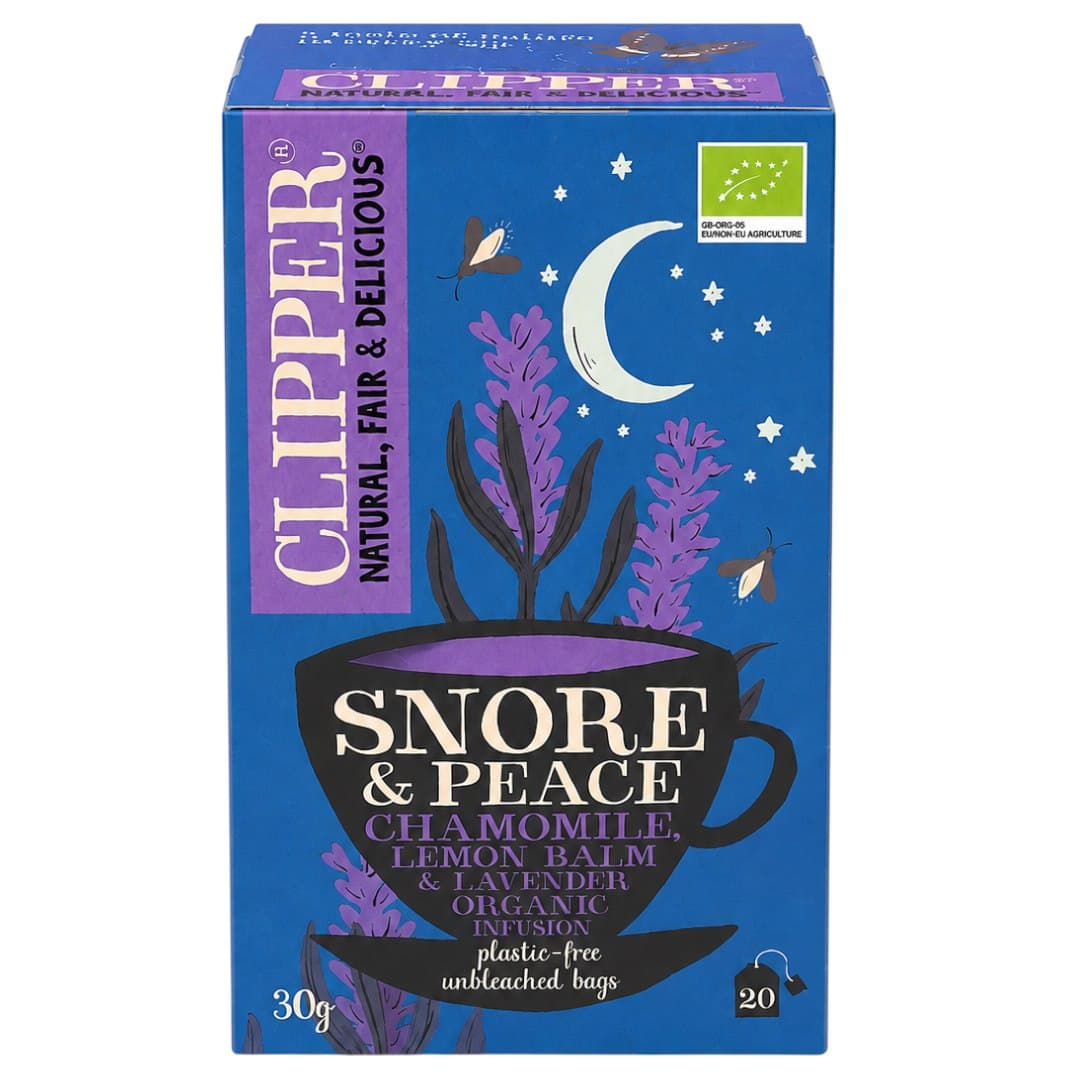
Products containing Lemon Balm
Show all 37 →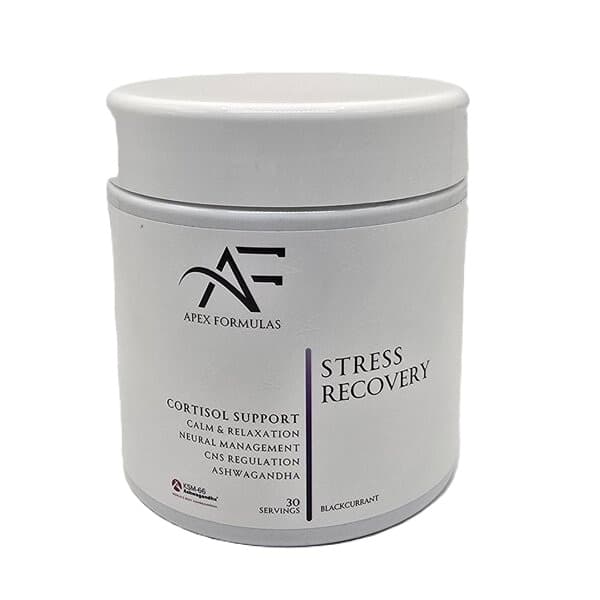


Related entries
Valerian
Valerian – definition and facts in our glossary. European herb (Valeriana officinalis) with a long tradition as a sleep aid.
Passionflower
Traditional herb (Passiflora incarnata) for anxiety and sleep difficulties. Acts via the GABA system without dependency issues.
GABA
GABA – definition and facts in our glossary. Gamma-aminobutyric acid — the brain's primary inhibitory neurotransmitter.