Collagen Protein
Kollagenprotein – definition and facts in our glossary. Collagen is the body's most common protein and naturally decreases with age.
What is Collagen Protein?
Collagen protein is an important structural protein found in the body and constitutes a large part of our skin, joints, tendons, and bones. As we age, the body's natural production of collagen decreases, which can lead to wrinkles, joint problems, and other age-related changes. Therefore, collagen protein has become a popular dietary supplement among both athletes and individuals looking to improve their overall well-being.
How does it work in the body?
Collagen acts as a building block for many of the body's tissues. It consists of amino acids, which are the fundamental building blocks of proteins. These amino acids help create a strong and flexible structure in the skin, joints, and other tissues. When we consume collagen protein, it is broken down in the stomach into its components and absorbed by the body to support the production of new collagen and other proteins.
Scientific benefits
Several studies have investigated the potential benefits of collagen protein. Here are some of the most prominent findings:
- Muscle mass: Some research suggests that collagen protein can support muscle building when combined with strength training (Zdzieblik et al., 2015).
These findings suggest that collagen protein may have several positive effects on both skin and joints, making it a popular supplement for many.
Dosage and recommendations
There is no universal recommendation for collagen protein dosage, but most studies have used doses between 2.5 to 15 grams per day. It is important to follow the manufacturer's instructions and consider individual needs. For active individuals or those with specific health goals, it may be advisable to consult a doctor or dietitian before starting supplementation.
Best sources and forms
Collagen protein is available in several different forms, including:
- Collagen peptides: These are hydrolysed forms of collagen that are easier for the body to absorb.
- Gelatin: A form of collagen used in cooking and baking, but not as concentrated as collagen peptides.
- Collagen powder: This is a popular supplement that can be mixed into smoothies, drinks, or food.
Natural sources of collagen include bone broth and certain animal products, but for those who are vegetarian or vegan, supplements can be a practical solution.
Side effects and warnings
Collagen protein is generally considered safe for most people when taken at recommended doses. However, some may experience mild side effects such as digestive discomfort or allergic reactions, especially if they are sensitive to the sources from which the collagen is derived (e.g., fish or beef). It is always advisable to consult a doctor before starting any new supplement.
Frequently asked questions
How long does it take to see results from collagen protein?
Results can vary, but many report improvements within 4 to 8 weeks after starting to take collagen protein regularly.
Can I take collagen protein if I am vegetarian or vegan?
Traditional collagen comes from animal sources, so it is not suitable for vegetarians or vegans. However, there are plant-based alternatives that may support the body's own collagen production.
Is collagen protein safe to take during pregnancy?
There is limited research on the safety of collagen protein during pregnancy, so it is best to consult a doctor before using it during this time.
Can I mix collagen protein with my smoothie?
Yes, collagen protein is easy to mix into smoothies, drinks, and other foods without significantly affecting the taste.
Products containing Collagen Protein
Show all 3 →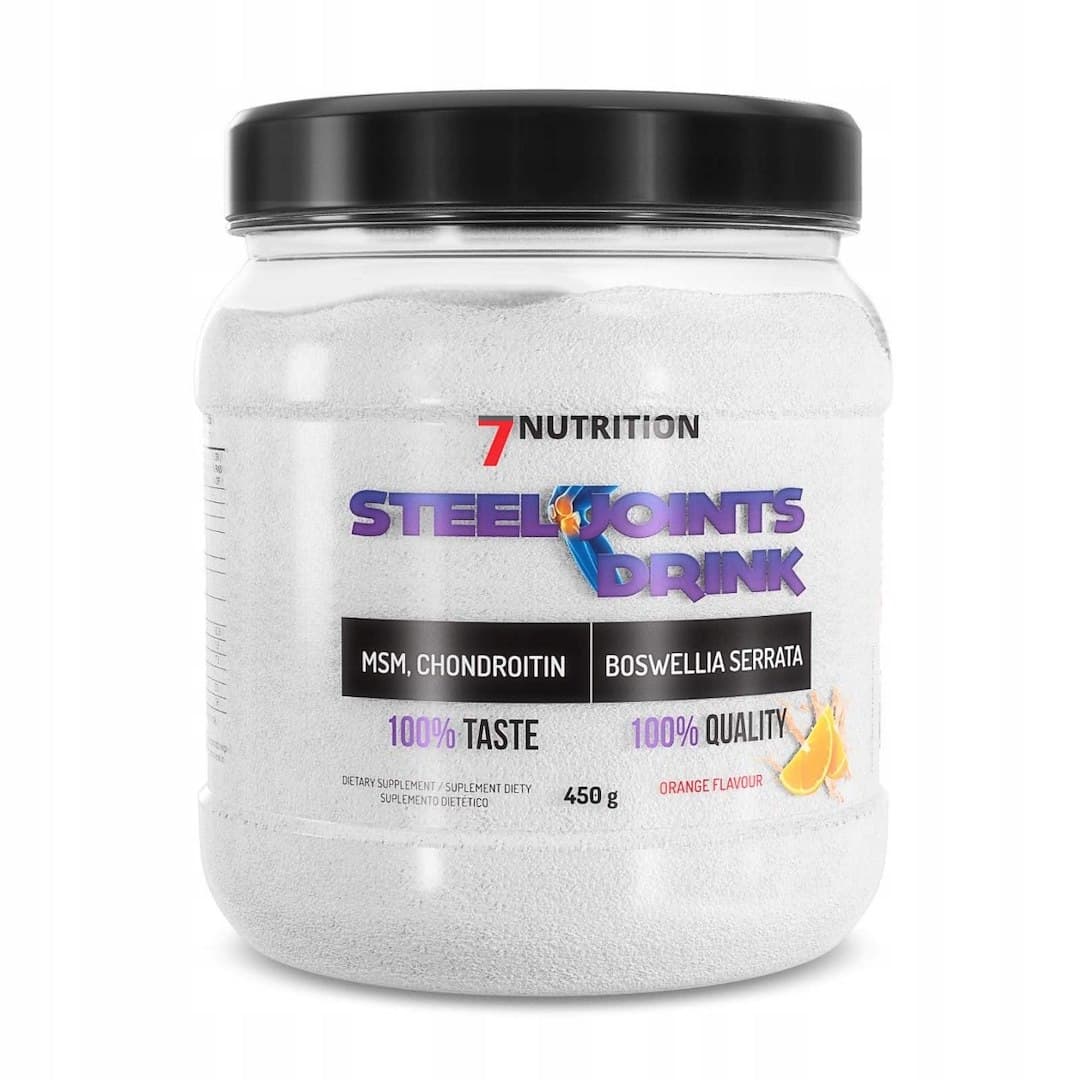

Related entries
Pea Protein
Plant-based protein from yellow peas with high bioavailability. Hypoallergenic, rich in BCAAs, and a popular vegan alternative to whey.
Vitamin C
Vitamin C (ascorbic acid) is a water-soluble vitamin and a powerful antioxidant.
Hyaluronic Acid
Naturally occurring polysaccharide that binds up to 1000 times its own weight in water. Central for skin hydration, elasticity, and joint lubrication.