Moringa
Tropical "miracle tree" (Moringa oleifera) with an exceptionally rich nutritional profile. Contains all essential amino acids.
What is Moringa?
Moringa, also known as the "miracle tree", is a tropical plant (Moringa oleifera) that has become popular in health foods and superfoods. This plant is known for its exceptionally rich nutritional profile, which includes all essential amino acids, vitamins, and minerals. Moringa leaves, seeds, and root are used to make supplements, teas, and powders that can be added to food or drinks.
How does it work in the body?
Moringa works in several ways in the body thanks to its rich content of antioxidants, vitamins, and minerals.
Scientific benefits
Several studies have investigated the potential health benefits of Moringa. Here are some of the most prominent:
- Nutrient richness: Moringa leaves contain significant amounts of vitamins such as vitamin A, C, and E, as well as minerals like calcium and iron, making them a fantastic supplement to support overall wellbeing (Fuglie, 2001).
Dosage and recommendations
There is no universal dosage for Moringa, but many supplements recommend a dose between 1-3 grams of powdered Moringa leaves per day. Please consult a doctor or dietitian before starting Moringa, especially if you have underlying health conditions or are taking medications.
Best sources and forms
Moringa is available in several forms, including:
- Powder: Moringa leaves can be dried and ground into powder, which is a popular form for adding to smoothies or dishes.
- Capsules: Moringa capsules are a convenient option for those who prefer to take supplements in tablet form.
- Tea: Moringa tea can be made from fresh or dried leaves and is a healthy alternative to regular tea.
- Seed: Moringa seeds can be eaten as snacks or used to extract oil.
Side effects and warnings
Generally, Moringa is considered safe for most people when consumed in moderate amounts. However, some side effects may occur, including:
- Digestive issues such as diarrhoea or stomach pain.
- Allergic reactions in some individuals.
It is also important to note that pregnant or breastfeeding women should avoid Moringa, especially the root, as it may have stimulating effects on the uterus. If you are taking medications, particularly blood pressure or diabetes medications, you should consult a doctor before use.
Frequently asked questions
However, more research is needed to confirm this.
Can Moringa help with fatigue?
However, it is important to combine it with a balanced diet and lifestyle for best results.
How long does it take to see results from Moringa?
The time it takes to see results can vary depending on the individual's health and lifestyle. Some people may notice improvements within a few weeks, while others may need longer.
Is Moringa safe for children?
There is not enough research to establish the safety of Moringa for children. It is best to consult a doctor before giving Moringa to children.
Can I take Moringa together with other supplements?
Moringa can interact with certain medications and supplements, so it is important to consult a healthcare provider before combining it with other products.
Products containing Moringa
Show all 3 →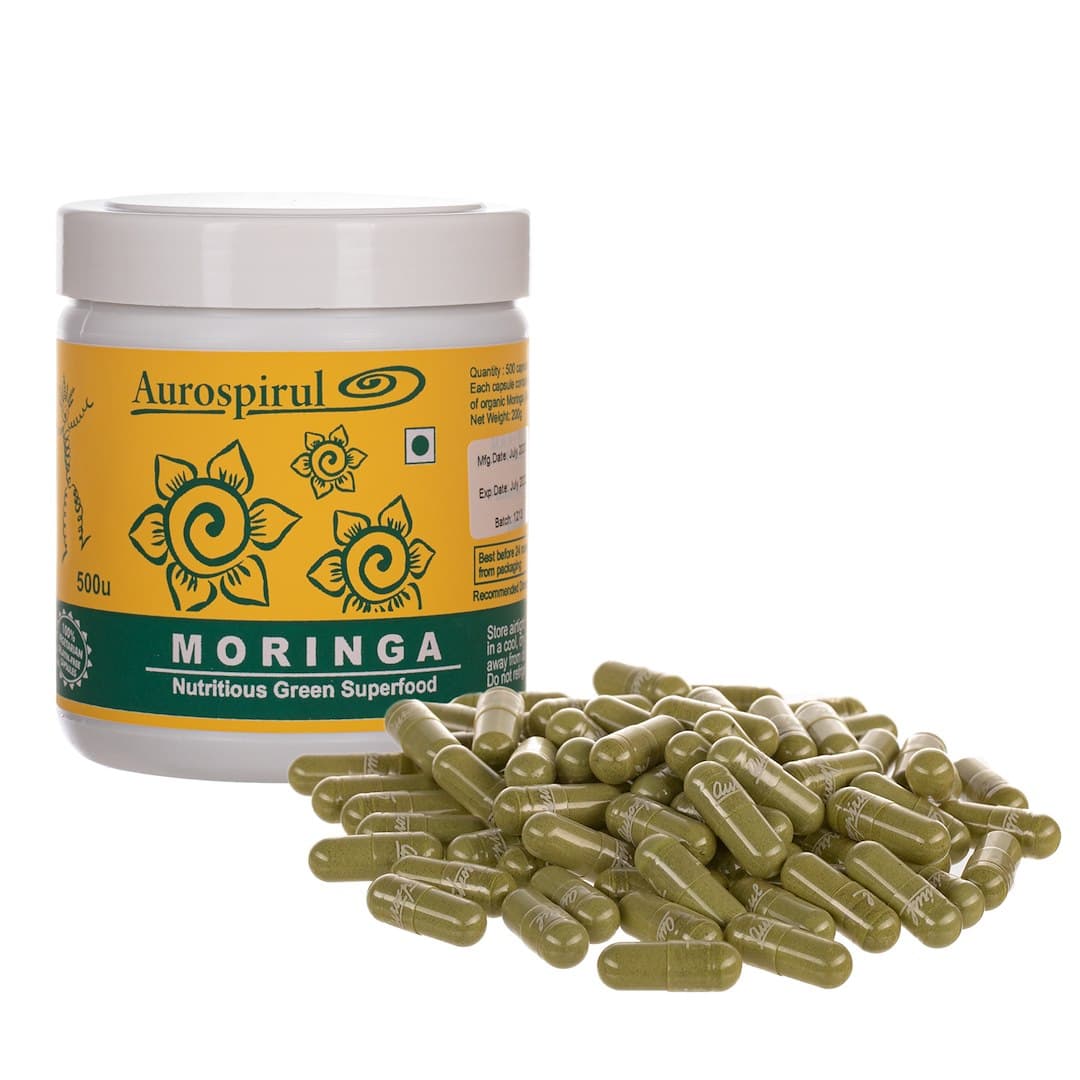

Related entries
Spirulina
Blue-green algae extremely rich in protein (60-70%), B12, iron, and the antioxidant phycocyanin. One of the world's most nutrient-dense foods.
Chlorella
Green freshwater algae with a unique ability to bind heavy metals. Rich in chlorophyll, protein, and Chlorella Growth Factor (CGF).
Iron
Järn – definition and facts in our glossary. Deficiency is the world's most common nutritional deficiency.
Calcium
The body's most common mineral 2D 99% is in the bones. Essential for bone health, muscle contraction, and nerve impulses.