Calcium: role, evidence on supplementation and
Short answer
Calcium is discussed here through reviews on dietary intake and supplementation in adults. Evidence on supplementation reports small changes in bone mineral density and differing associations across fracture categories, with certainty varying by outcome.
Quick facts
- An umbrella review included 22 meta-analyses, 69 studies and 286,584 participants.
- Small upward differences in bone mineral density were reported at several sites studied.
- Associations with some fracture categories were reported, but not with hip or wrist fractures.
- Certainty levels differ by outcome, and higher-quality, longer-term trials are needed.

Calcium: role and definition
Calcium is the subject of this article. Here, the term appears in a specific context: an umbrella review on calcium supplementation in adults and its relationship with bone mineral density and fractures. The review examines findings from evidence syntheses on these outcomes; it is therefore not a general definition of calcium or an inventory of all its functions. The 2026 review of calcium supplementation searched for systematic reviews with meta-analyses assessing bone density, osteoporosis or fracture risk in adults aged 18 years or older.
In this context, bone mineral density—often abbreviated as BMD—is an outcome measured at different skeletal sites. The review reports measurements of whole-body, hip, lumbar spine and femoral neck BMD. It also considers several fracture categories: all fractures, vertebral, non-vertebral, hip and wrist fractures. These outcomes help describe the questions studied without conflating them: a measured change in bone density and the occurrence of a fracture are distinct outcomes. The outcomes and results analysed in the review cover these different sites and types of events.
The review brings together 22 meta-analyses, representing 69 unique primary studies and 286,584 participants. It examines calcium supplementation alone or combined with vitamin D. This describes the interventions included in the research; it does not mean that the results can be attributed in the same way to every formulation or every person. This article remains focused on calcium and the scope of this review: BMD and fractures in adults. The characteristics of the umbrella review detail the number of evidence syntheses, studies and participants included.
The reported conclusions are nuanced. Supplementation was associated with small, statistically significant upward differences in BMD at the sites studied, with substantial heterogeneity across results. The review also reports an association with a lower risk of total, vertebral and non-vertebral fractures, but not hip or wrist fractures. Certainty varied by outcome: it was moderate for vertebral and non-vertebral fractures, and low or very low for other outcomes. The authors note that longer-term, higher-quality trials are still needed. The review’s results and certainty levels should therefore not be summarised as a uniform conclusion across all measures.
To understand the role of calcium in the context of this article, the starting point is limited and explicit: a synthesis of research on supplementation in adults, assessed in relation to bone mineral density and different types of fractures. The review alone cannot turn collective findings into individual advice or establish that supplementation is suitable for all adults. Rather, it provides a framework for the sections on these outcomes and how the evidence was assessed. The full synthesis sets out the results, their heterogeneity and the limits of certainty.
What the evidence shows about supplementation
An “umbrella” review—a synthesis of systematic reviews and their meta-analyses—examined evidence on calcium supplementation in adults. It included 22 meta-analyses, covering 69 distinct primary studies and 286,584 participants. The authors assessed outcomes relating to bone mineral density, osteoporosis and fractures, applying the GRADE framework to evaluate the certainty of the evidence. The umbrella review published in 2026
Overall, calcium supplementation, with or without vitamin D, was associated with slightly higher bone mineral density. These differences concerned several measured sites: the whole body, hip, lumbar spine and femoral neck. These are modest changes, not large or uniform shifts observed in every context. The review also highlights substantial heterogeneity across study results: pooled estimates therefore do not necessarily describe an identical effect from one study to another. Results on bone mineral density
For fractures, supplementation was associated with a lower risk of total, vertebral and non-vertebral fractures. In contrast, the review found no association with a reduction in hip or wrist fractures. Results by fracture category
Results should be interpreted according to their level of certainty
The strength of the evidence was not the same for all outcomes. According to the GRADE assessment, certainty was moderate for vertebral and non-vertebral fractures, but low or very low for other outcomes. Thus, the presence of a statistical association does not mean the evidence is equally reliable for every measure. Results on bone mineral density and those on different fractures should be considered separately, taking account of the uncertainty and heterogeneity identified in the synthesis. Assessment of the certainty of the evidence
Analyses by intervention type, sex and age did not show consistent differences in effect. The review therefore cannot identify, from these subgroups, a profile for which the results would be systematically more favourable. The authors state that higher-quality, longer-term trials are still needed. In sum, this synthesis reports small upward differences in bone mineral density and associations with some fracture categories, but not with hip or wrist fractures. These findings remain limited by variability in the results and by certainty levels that differ according to the outcome studied. Review conclusions and limitations
Authorised health claims and the scope of this article
No authorised health claim is provided in the sources used for this article. This section therefore attributes no beneficial effect to calcium and makes no promise related to its consumption. Nor does it allow the conclusion that a dietary supplement containing calcium would be suitable for a particular person or situation.
It is useful to distinguish a health claim from a finding reported in a scientific publication. A health claim attributes a health effect to a food or nutrient. A study, by contrast, examines a defined question using a particular method, in a specific population and context. Its results may describe associations or observed differences without, on their own, establishing that an effect is certain, generalisable or relevant to every person. The publication of a finding is therefore not a promise of an effect.
The 2026 umbrella review cited here covers meta-analyses on calcium supplementation in adults and examines, among other outcomes, bone mineral density, osteoporosis and fracture risk at different sites. It searched for systematic reviews with meta-analyses in five databases through 13 February 2025. The authors included 22 meta-analyses, covering 69 unique primary studies and 286,584 participants, and then assessed the certainty of the findings using the GRADE framework: this information describes the review’s scope and method, not a recommendation for public use.
The review reports associations between supplementation and some outcomes studied, but also substantial heterogeneity, varying certainty levels across outcomes and a need for higher-quality, longer-term trials. These findings should remain attributed to this research synthesis. They are not restated here as guaranteed benefits, supplementation recommendations or authorised health claims about calcium: scope and findings of the umbrella review.
The rest of the article can therefore present documented information about calcium while clearly separating research findings from any commercial interpretation or promise. The cited results do not replace an individual assessment and cannot, on their own, determine a need for supplementation.
Limitations of the available evidence
The available evidence presents a nuanced picture: calcium supplementation is associated with small, statistically significant upward differences in bone mineral density, but these findings are not uniform across bone sites and show substantial heterogeneity. A statistical difference does not necessarily mean that the effect is large or occurs in the same way in every situation studied. This synthesis of syntheses concludes that effects on bone outcomes are modest, rather than describing a large, uniform effect (umbrella review of calcium supplementation).
The certainty of the evidence also varies according to the outcome assessed. The review included 22 meta-analyses, bringing together 69 original studies and 286,584 participants, and assessed certainty using the GRADE method. Certainty was judged moderate for vertebral and non-vertebral fractures; for the other outcomes examined, it was low or very low. The findings should therefore not be presented as if they all rested on the same level of evidence: the confidence that can be placed in the conclusions depends on the outcome considered (assessment of the certainty of the evidence).
Subgroup analyses did not show consistent differences by intervention type, sex or age. In other words, the available results do not allow the claim that the observed association varies regularly across these categories. This does not prove that effects are identical in every situation; it means that the combined analyses did not identify a consistent pattern of differences (results of the subgroup analyses).
Finally, the synthesis calls for higher-quality, longer-term trials. This caveat is important when interpreting results pooled from numerous studies and meta-analyses: current evidence provides information on observed associations, but uncertainty remains that cannot be resolved simply by multiplying the number of syntheses. In practice, conclusions about bone mineral density should therefore remain measured, take account of heterogeneity and the level of certainty for each outcome, and not be extrapolated beyond the reported results (review conclusions and limitations).
Dietary calcium and intakes examined by the sources
Data on dietary calcium cannot be reduced to a comparison between people who consume dairy products and those who avoid them. To shed light on this question, a systematic review brought together observational studies of adults with lactose intolerance. The 2026 review therefore concerns specific groups and outcomes; it is not a general measure of population intakes.
What the studies report about calcium
The authors searched for studies published between 1980 and 2024 in four databases. Eligible studies were observational and involved adults aged at least 18; most were cross-sectional. In total, 13 studies were included, and their results were then synthesised narratively, without a meta-analysis. Study quality was most often judged to be good or satisfactory, with some studies rated as fair or unsatisfactory. These methodological characteristics are important for understanding the scope of the conclusions.
For serum calcium, the included studies generally show no difference according to lactose-intolerance status. This finding concerns a measurement in the blood: on its own, it cannot determine how much calcium people consumed or conclude that dietary intakes were equivalent in the groups studied. Nor can it establish individual requirements or support a general conclusion about calcium intakes in all adults. The review highlights these findings within the context of the observational studies it examined.
Interpreting the results with caution
The review also examines bone outcomes in relation to nutritional status, but its summary does not provide a single estimate that would allow the observations to be translated into a daily amount of calcium. The studies differed in their characteristics and assessment methods; their findings were synthesised narratively. It is therefore important to distinguish the reported finding on serum calcium from broader questions about dietary intakes and bone outcomes. The authors present their conclusions within the limits of the available data.
In practice, this source provides information about what studies of adults with lactose intolerance who avoid dairy products observed, without establishing an intake recommendation. It does not allow us to infer that a given person consumes enough calcium based on their intolerance status, or to infer an individual requirement from a serum result. Nor do the data described here justify extrapolating to populations or situations not covered by the review. The scope remains that of the included observational studies and their synthesis.
- Population studied: adults with lactose intolerance in observational studies, mainly cross-sectional. The systematic review included 13 studies.
- Calcium-related finding: the studies generally show no difference in serum calcium according to lactose-intolerance status. This finding concerns serum calcium and does not, by itself, settle the question of dietary intakes.
- Limitation to bear in mind: the findings do not support a general conclusion about calcium intakes or requirements. The review synthesises observations and does not provide an individual recommendation.
Supplementation: what can be said without extrapolating
An umbrella review published in 2026 brought together findings from systematic reviews and meta-analyses on calcium supplementation in adults. It included 22 meta-analyses, covering 69 distinct primary studies and 286,584 participants. Some interventions involved calcium alone, while others combined calcium with vitamin D: these data therefore describe several types of interventions, not a single protocol applicable to everyone. The umbrella review
For bone mineral density, the pooled results indicate small, statistically significant upward changes at the total-body, hip, lumbar-spine and femoral-neck levels. A statistically significant difference does not, on its own, mean that the effect is important for each person. The review also reports substantial heterogeneity across the results: the studies brought together therefore do not provide a uniform estimate of the effect. Results on bone mineral density
The same synthesis reports an association between calcium supplementation and a lower risk of total, vertebral and non-vertebral fractures. It reports no reduction in the risk of hip or wrist fractures. The level of certainty varies by outcome: it is rated moderate for vertebral and non-vertebral fractures, but low or very low for other outcomes. It is therefore important not to turn these findings into an individual promise or generalise a finding for one type of fracture to all others. The fracture findings and their level of certainty
What these results do not allow us to conclude
Analyses by intervention type, sex and age did not show consistent differences in effect. This does not mean that results are identical in all situations: the review states that higher-quality, long-term trials are still needed. Its overall conclusion is that bone benefits are modest, with varying levels of certainty depending on the outcomes examined. The review’s conclusion and limitations
These data are research findings at the group level and are not a supplementation recommendation for any given person. On their own, they cannot determine whether supplementation is appropriate in a particular situation. Nor does the review provide sufficiently precise practical instructions to recommend a form of calcium, an amount to take or a time to take it. The fact that some interventions included vitamin D is not enough to establish an individual course of action. The reported findings should therefore be taken as they are, without inferring a product choice, dosage or promise of an effect. Scope and conclusions of the umbrella review
Editorial cautions on safety and specific situations
The available sources do not establish safety thresholds applicable to calcium supplements. Nor do they provide sufficient grounds for specifying interactions, contraindications or particular instructions based on an individual’s profile. This information should therefore not be inferred from the findings presented here or turned into individual recommendations.
The general review on calcium supplementation examined meta-analyses of trials in adults aged at least 18. It brings together 22 meta-analyses, covering 69 unique primary studies and 286,584 participants. Its scope covers bone mineral density, osteoporosis and fracture risk; it is not sufficient to determine an appropriate course of action for a given person or to set a safety limit for supplements. The umbrella review published in 2026 reports average findings from groups of studies, with varying levels of certainty depending on the outcomes studied. On their own, these data do not allow us to conclude that supplementation is suitable for every adult or appropriate in a particular situation.
Accordingly, a synthesis of group-level findings should be distinguished from individualised advice. The findings of this review, which concerns adults, do not allow an individual course of action to be prescribed. They are neither a personal assessment nor a recommendation to start, change or stop taking a calcium supplement. The sources provided also do not specify criteria for determining how much a particular person should take or for how long.
- Do not state a maximum or any other safety threshold for calcium supplements: the cited sources do not establish one.
- Do not list interactions or contraindications: the data provided do not allow these to be confirmed for these supplements.
- Do not identify groups as being at risk or requiring a specific course of action based solely on the available sources.
- Do not turn the review’s average findings into personal advice, safety guarantees or recommendations on taking supplements.
This editorial caution reflects the limitations of the body of evidence provided, not a conclusion that supplements are safe or dangerous in all situations. To remain faithful to the available evidence, any mention of supplementation should be limited to the scope examined by the review and specify that the findings concern adults, without drawing an individual prescription from them. The umbrella review does not replace an assessment tailored to each situation.
Safety and precautions
The cited sources do not establish safety thresholds, interactions, contraindications or individual instructions for calcium supplements. The reported research findings are not a recommendation to start, change or stop supplementation.
Frequently asked questions
What does the review report about calcium and bone mineral density?
It reports small, statistically significant upward differences at several measured sites, with substantial heterogeneity across results.
Which fracture categories are covered?
The review reports associations with a lower risk of total, vertebral and non-vertebral fractures, but not with hip or wrist fractures.
Do the findings all have the same level of certainty?
No. Certainty is judged moderate for vertebral and non-vertebral fractures, and low or very low for other outcomes.
Does the review state how much calcium to take?
No. It does not provide sufficiently precise instructions to recommend an amount, form or timing of intake.
What does the review report about serum calcium in adults with lactose intolerance?
The observational studies examined generally show no difference in serum calcium according to lactose-intolerance status. This finding does not allow conclusions about dietary intake or individual needs.
Do the review’s findings constitute an individual recommendation?
No. They describe collective findings and cannot, on their own, determine whether supplementation is suitable for a given person.
Sources
Read more
Products related to this article
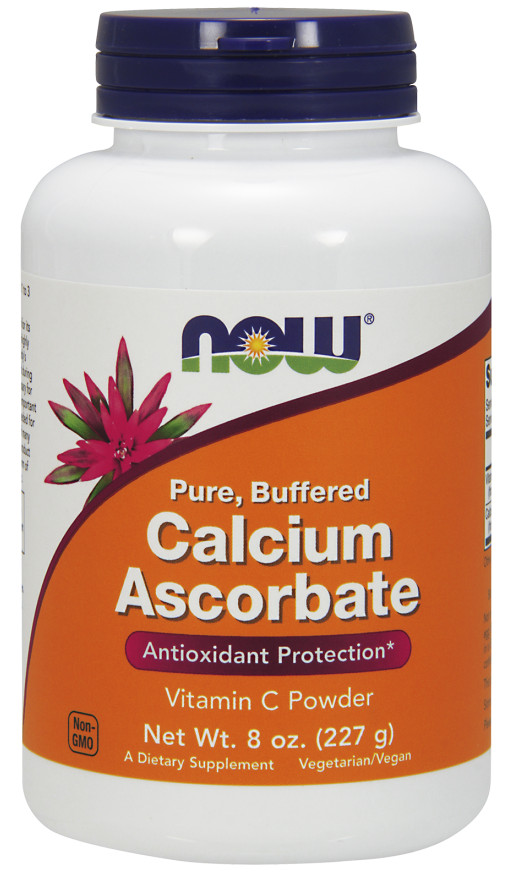
NOW Foods
NOW Foods - Calcium Ascorbate - 227g
€15.00In stockWhy is this shown?
Katalogkoppling till samtliga valda ingredienser · Ämnesnamnet förekommer i produktnamnet · I lager · Betyg 5.0 av 15 kunder
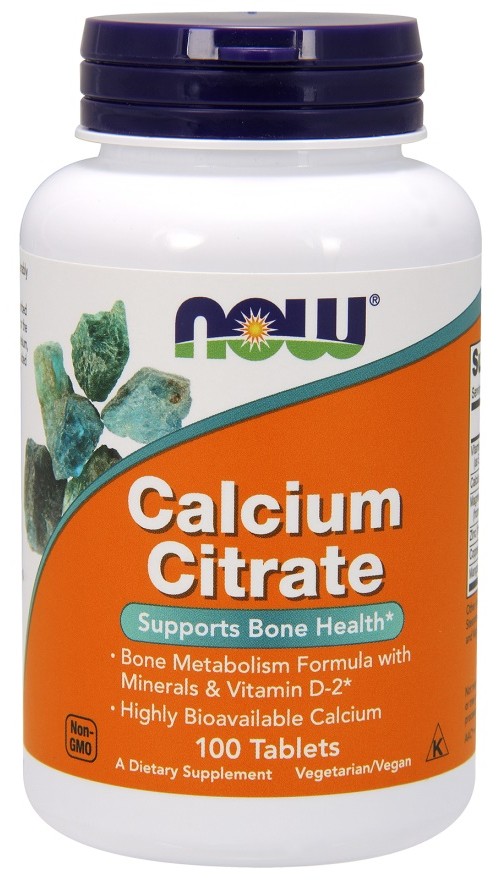
NOW Foods
NOW Foods - Calcium Citrate With Minerals & Vitamin D-2 - 100 Tabs
€18.00In stockWhy is this shown?
Katalogkoppling till samtliga valda ingredienser · Ämnesnamnet förekommer i produktnamnet · I lager · Betyg 5.0 av 16 kunder
NOW Foods
NOW Foods - Calcium Citrate With Minerals & Vitamin D2 - 250 Tabs
€40.00In stockWhy is this shown?
Katalogkoppling till samtliga valda ingredienser · Ämnesnamnet förekommer i produktnamnet · I lager · Betyg 5.0 av 16 kunder

Life Extension
Life Extension - Calcium D-Glucarate - 200mg - 60 Vcaps
€20.00In stockWhy is this shown?
Katalogkoppling till samtliga valda ingredienser · Ämnesnamnet förekommer i produktnamnet · I lager · Betyg 4.9 av 16 kunder
NOW Foods
NOW Foods - Calcium Carbonate Pure Powder - 340g
€14.00In stockWhy is this shown?
Katalogkoppling till samtliga valda ingredienser · Ämnesnamnet förekommer i produktnamnet · I lager · Betyg 4.9 av 16 kunder