Zinc Supplement: Label and Informed Use
Short answer
The cited sources do not establish a general recommendation about who should take a zinc supplement or a dose or duration that is valid for everyone. The studies examine specific groups and protocols, and their results are limited to the measures assessed in each study.
Quick facts
- One review included 18 trials and 1,023 participants with diabetes, gestational diabetes or prediabetes.
- The review on rheumatoid arthritis describes limited human studies and heterogeneous results.
- Studies on follicular disorders differed in formulation, amount, duration and measures assessed.
- In a review on olfactory disorders, reported adverse effects were generally mild and mainly gastrointestinal.

Zinc supplement: short answer
The available sources do not allow a general recommendation about who should take a zinc supplement or establish an amount or duration of use that is valid for everyone. The studies reviewed focus on specific contexts and groups, and their results must be interpreted within those limits. For example, a review on rheumatoid arthritis notes that human intervention studies are limited, include relatively small samples and report heterogeneous results (review on rheumatoid arthritis). Therefore, that review does not allow its conclusions to be applied to everyone or every product.
A systematic review and meta-analysis brings together 18 randomized trials with 1,023 participants with diabetes, gestational diabetes or prediabetes. These results apply to the populations and measures analyzed; they do not establish general effects of zinc or a regimen applicable beyond those trials.
Reviews of oral zinc for acne and hidradenitis suppurativa also describe differences between studies in formulation, amount, duration, initial zinc assessment and outcome measures. The review considers these differences a barrier to drawing firm conclusions and notes that more randomized trials are needed (review on acne and hidradenitis suppurativa).
For olfactory disorders, a systematic review included six studies, with sample sizes ranging from 25 to 606 participants and follow-up periods of one to 15 months. The meta-analysis found no statistically significant differences between the zinc groups and control groups in improvement in olfactory function or subjective perception of improvement (systematic review and meta-analysis on olfactory disorders). One individual study reported improvement in a specific subgroup, but that finding does not change the review’s overall result.
In summary, these sources describe findings from specific research, not a universal regimen or a basis for attributing general effects to any zinc supplement. Their conclusions are limited to the populations, protocols and measures assessed by each study.
What studies on zinc supplementation investigate
Research on zinc supplements is not limited to a single population or question. The available sources include a review of studies in people with rheumatoid arthritis, a meta-analysis of trials in diabetes and prediabetes contexts, a review on inflammatory follicular disorders and another on olfactory disorders. Their results should be read within these specific frameworks: they do not necessarily describe what would happen with any product or in any group.
Intervention studies in rheumatoid arthritis
A review focused on rheumatoid arthritis notes that human intervention studies of zinc are limited, include relatively small samples and report heterogeneous results. The review also covers findings from experimental research, but these are not equivalent to results from trials in people. Therefore, its account of the clinical evidence relates to the question studied in people with rheumatoid arthritis and does not allow general conclusions about zinc supplementation outside that context. The review on zinc and rheumatoid arthritis
Trials in diabetes, gestational diabetes and prediabetes
A meta-analysis brought together 18 randomized trials with a total of 1,023 participants. The included studies examined zinc supplementation in people with diabetes, gestational diabetes or prediabetes, and assessed measures related to glycemic control, insulin resistance, inflammation and oxidative stress. The figures of 18 trials and 1,023 participants describe this body of research; they do not represent a sample of the general population. The meta-analysis of trials in diabetes and prediabetes
Reviews on inflammatory follicular disorders
Another review examined studies of oral zinc for acne vulgaris and hidradenitis suppurativa. It found differences between protocols: the formulation and amount studied, duration, initial zinc assessment and outcome measures varied. This diversity makes it difficult to compare the studies directly and draw firm conclusions for these disorders from the body of research. The review concerns these specific questions, not every possible use of a zinc supplement. The review on oral zinc and inflammatory follicular disorders
Studies on olfactory disorders
A systematic review on olfactory disorders included six studies: three randomized trials and three observational studies. Sample sizes ranged from 25 to 606 participants, and follow-up periods ranged from one to 15 months. The systematic review on zinc and olfactory disorders
Together, these publications show what questions have been studied and in which groups, but their populations, protocols and assessed outcomes differ. Each finding should therefore be attributed to the study and context described, without turning it into a universal conclusion about zinc supplements.
What reviews and trials say—and what they do not allow us to conclude
Reviews and trials on zinc supplements do not provide a single answer that can be applied to every product or person. They study different groups, formulations and outcomes, so their conclusions should be read within the specific context of each study.
Trials in people with diabetes and related conditions
A systematic review with meta-analysis brought together 18 randomized trials with a total of 1,023 participants with diabetes, gestational diabetes or prediabetes.
The review also noted that the clinical relevance of some results was uncertain. These findings apply to the trials and participants analyzed; they do not allow us to infer what would happen in another population, with another product or under a different regimen, and they are not a recommendation for use.
Limited and heterogeneous human evidence
A review on zinc and rheumatoid arthritis describes human intervention studies as limited, with relatively small samples and heterogeneous results (2026 review of clinical evidence). Although the review also addresses experimental research, this should not be confused with results obtained in trials involving people. The summarized human evidence does not establish a general conclusion about zinc supplements.
Another review, focused on studies of oral zinc for inflammatory follicular disorders, notes that the studies differ in formulation, amount, duration, initial zinc assessment and outcome measures. According to its authors, these differences make it difficult to draw firm conclusions and mean that more randomized trials are needed (2026 review). This describes a limitation of the literature; it does not show that a regimen or formulation is suitable for everyone.
A review on olfactory function
A systematic review with meta-analysis included six studies—three randomized trials and three observational studies—with samples ranging from 25 to 606 participants and follow-up periods of one to 15 months.
How to interpret the body of evidence
- The results apply to the trials and groups studied; they are not instructions to take a supplement.
- Differences in formulation, amounts, duration and measures assessed limit comparisons between studies.
- An association observed in a meta-analysis does not by itself show that the same result will occur with every product or in other circumstances.
- The cited reviews summarize different research questions and do not establish a universal regimen for zinc use.
Limitations of the available evidence
Evidence on zinc supplements brings together research with different designs, groups and protocols. Therefore, a result observed in one study should not automatically be applied to other products or circumstances. The available reviews also point to specific limitations in the studies they bring together.
- Relatively small human intervention studies and heterogeneous results. A review on zinc supplementation in rheumatoid arthritis states that human intervention studies are limited, include relatively small samples and report heterogeneous results. The review contrasts this with more consistent findings from experimental animal studies, which are not equivalent to evidence obtained in people. The review on zinc and rheumatoid arthritis.
- A range of groups in the included trials. A meta-analysis brought together 18 randomized trials with 1,023 participants, but its eligibility criteria included people with diabetes, gestational diabetes or prediabetes. The population analyzed therefore does not represent a single homogeneous group. Its results should be read with this diversity in mind, not as a conclusion automatically applicable to anyone considering a zinc supplement. The meta-analysis on zinc and diabetes.
- Differences between study protocols. In the review on oral zinc and follicular disorders, studies varied in the formulation used, amount, duration, baseline zinc assessment and outcome measures. The review itself notes that these differences make it difficult to draw firm conclusions. When studies do not examine the same conditions or assess outcomes in the same way, their findings cannot be compared directly. The review on oral zinc and follicular disorders.
- Different sample sizes and follow-up periods. A review on olfactory disorders included six studies: three randomized trials and three observational studies. Sample sizes ranged from 25 to 606 participants, and follow-up periods ranged from 1 to 15 months. This range reflects relevant differences among the studies brought together and limits interpretation of their results as a whole. The review on zinc and olfactory disorders.
Together, these limitations make it important to interpret each result in the context of the study that produced it: who participated, what formulation and protocol were examined, and what measures were used. The documented differences do not allow findings to be applied automatically to other populations, products or circumstances.
Formulations and protocols: why studies are not instructions for use
Studies on zinc supplements do not necessarily use the same formulation or protocol. Their results should therefore be read in the specific context of each study: on their own, they are not instructions for choosing a product, calculating an amount or deciding how long to take it.
A review of zinc supplementation in rheumatoid arthritis examines clinical and preclinical studies and describes differences between forms of zinc, such as organic salts, chelated forms and nano-formulations. The review notes that the observed response may depend on the formulation; however, this does not allow the conclusion that one form is superior for every consumer or that research results can be applied to all available products. The review of specific formulations also indicates that human intervention studies are limited and have heterogeneous results.
In a review of oral zinc for follicular disorders, studies varied in formulation, amount and treatment duration, and also differed in their initial assessment of zinc and in outcome measures. The authors note that these differences make it difficult to draw firm conclusions. The review of oral zinc studies therefore describes diverse research protocols, not a general usage guideline.
What can and cannot be inferred from these protocols
- The fact that a study evaluated a particular formulation does not show that it is the best choice for everyone.
- The amounts and durations used describe each study's protocol; they are not instructions for calculating how much to take or for how long.
- Differences between formulations and research methods limit direct comparisons between studies and products.
- The findings of a review or trial do not, on their own, establish a general recommendation to buy or use a zinc supplement.
Accordingly, the cited sources make it possible to describe how the formulations and protocols investigated varied, but they do not provide a universal guideline or justify recommending a particular formulation for every consumer.
How to assess a zinc supplement at a pharmacy
When searching for “zinc supplement pharmacy”, you may wonder which product to choose. The available sources do not compare commercial supplements or indicate which one to buy. They therefore do not allow selection criteria to be established based on composition, chemical form, stated amount, labelling or equivalence between products.
The cited reviews analyse zinc in specific research settings, not as a comparison of products for purchase. A review of zinc studies in rheumatoid arthritis describes different formulations, including organic salts, chelated forms and nanoparticle-based formulations, but does not offer a general commercial recommendation (review of zinc in rheumatoid arthritis). A review of oral zinc for acne and hidradenitis suppurativa notes differences between studies in formulation, amount, duration, initial zinc assessment and measured outcomes (review of oral zinc in follicular disorders). These differences describe the research reviewed; they do not indicate which pharmacy product to choose.
What the sources allow us to conclude
- The formulations studied vary in these research settings.
- According to the review of follicular disorders, protocols also differ in amount, duration and outcome measures.
- The sources do not compare brands or products available in pharmacies, nor do they establish that two products are equivalent because they contain zinc.
- They also do not identify one form or product as the best purchase option for everyone.
It is therefore not possible to turn the results of these reviews into purchasing instructions, a comparison of commercial products or a calculation of elemental content. The review of rheumatoid arthritis assesses clinical and preclinical studies within that topic; the review of follicular disorders brings together studies with different protocols. Neither establishes a general usage guideline applicable to all products (review of zinc in rheumatoid arthritis; review of oral zinc in follicular disorders).
In summary, these sources are useful for describing the diversity of formulations and protocols in specific research, but not for deciding which supplement to buy at a pharmacy. They do not provide a commercial ranking or a product recommendation.
Safety, interactions and at-risk groups: what information these sources provide
The specific information on adverse effects included in the sources comes from a systematic review with meta-analysis of zinc supplementation in adults with olfactory disorders. The review brought together six studies—three randomised trials and three observational studies—with sample sizes ranging from 25 to 606 participants and follow-up periods of one to 15 months. In the included studies, reported adverse effects were generally mild and primarily gastrointestinal (systematic review of zinc and olfactory disorders).
This information should be read in that context: it describes what was reported in the studies included in that review, not the safety of all zinc supplements, all amounts or durations, or their use by everyone. The review itself covers specific protocols and participants; therefore, its description of adverse effects cannot predict what would happen with a different product or under other circumstances.
What is known about interactions?
The sources provided do not detail interactions between zinc supplements and medicines, foods or other products. It is therefore not possible, based on this material, to list interactions or determine whether a particular combination is suitable. The absence of information in these sources also does not demonstrate that no interactions exist: it simply means that this question cannot be answered.
Which at-risk groups do these sources identify?
The review of olfactory disorders focuses on adults and does not provide a classification of groups for whom zinc is especially safe or should be avoided. The other publications included in the sources study specific contexts, but the information provided does not establish general at-risk groups for zinc supplement use. Consequently, they do not make it possible to identify here who should or should not take it.
Is there a universal usage guideline?
The available sources do not offer a universal guideline for the amount or duration of zinc supplementation. The review of olfactory disorders describes studies with follow-up periods of different lengths, but these periods belong to the research protocols and are not general instructions for use. The available summary is also insufficient to establish an appropriate amount for every user.
In summary, the specific safety information these sources provide is that adverse effects reported in the studies in the review of olfactory disorders were generally mild and primarily gastrointestinal. The sources do not allow this observation to be extended to all products and users, or provide documented answers about interactions, at-risk groups or a general usage guideline.
Related questions about zinc supplements
What are zinc supplements used for?
The cited evidence does not allow a general use to be attributed to zinc supplements. The research examines specific questions in particular groups: for example, one review analyses trials in people with diabetes, and another examines studies of inflammatory follicular disorders. Their results relate to those contexts and do not establish what effect supplementation would have in other people or situations [S2] [S3]. A review of olfactory disorders, meanwhile, found no statistically significant difference between the groups that received zinc and the control groups [S4]. Therefore, these sources do not support a general claim about what zinc supplements are used for.
How should you take a zinc supplement?
The available sources do not establish general instructions for amount or duration. The reviewed studies use specific protocols and groups; for example, in the review of olfactory disorders, follow-up ranged from one to 15 months [S4]. In another review, differences in formulation, amount, duration, initial zinc assessment and outcome measures made it difficult to draw firm conclusions [S3]. These data describe how research was conducted, not a general usage guideline.
Can you buy zinc supplements at a pharmacy?
The sources provided do not describe commercial availability in pharmacies or compare products for sale. They therefore cannot confirm which supplements can be found at a pharmacy or establish differences between products. The reviews and trials included address research questions, not commercial distribution [S1] [S2] [S3] [S4].
Do the studies allow comparisons between any zinc supplements?
No. The studies differ in their formulations, protocols, participants and assessed outcomes. A review of oral zinc in follicular disorders notes that these differences make it difficult to reach firm conclusions; another review of rheumatoid arthritis also describes heterogeneous clinical results and limited human studies [S3] [S1]. The results of one study do not, on their own, determine what would happen with another product.
Safety and precautions
The sources do not establish a general regimen for the amount or duration of supplemental zinc use. In a review on olfactory disorders, adverse effects reported in the included studies were generally mild and mainly gastrointestinal; this information is limited to those studies and cannot be generalized to all products or users. The provided sources also do not detail interactions or identify general risk groups.
Frequently asked questions
What is a zinc supplement used for?
The cited sources study specific questions in particular groups, but do not establish general use or allow general effects to be attributed to any zinc supplement.
How should you take a zinc supplement?
The sources do not establish general instructions for amount or duration. The protocols described belong to specific studies and do not constitute a universal regimen.
Do the studies allow comparisons between any zinc supplements?
No. The studies differ in formulations, protocols, participants and assessed outcomes, which limits direct comparisons.
What adverse effects were reported in the studies?
In the studies included in a review on olfactory disorders, reported adverse effects were generally mild and mainly gastrointestinal. This information applies to those studies and does not necessarily describe all products or situations.
Do the sources establish interactions or risk groups?
The provided sources do not detail interactions or establish general risk groups for the use of zinc supplements.
Sources
- Therapeutic potential of zinc supplementation in rheumatoid arthritis: clinical evidence, molecular mechanisms, and formulation-specific (external link)
- Effects of Zinc Supplementation on Glycemic Control, Insulin Resistance, Inflammation and Oxidative Stress in Diabetes: A Systematic Review (external link)
- Oral Zinc Supplementation in Acne Vulgaris and Hidradenitis Suppurativa: An Updated Comprehensive Review. (external link)
- The effects of zinc supplementation on olfactory disorders: a systematic review with meta-analysis. (external link)
Read more
Products related to this article
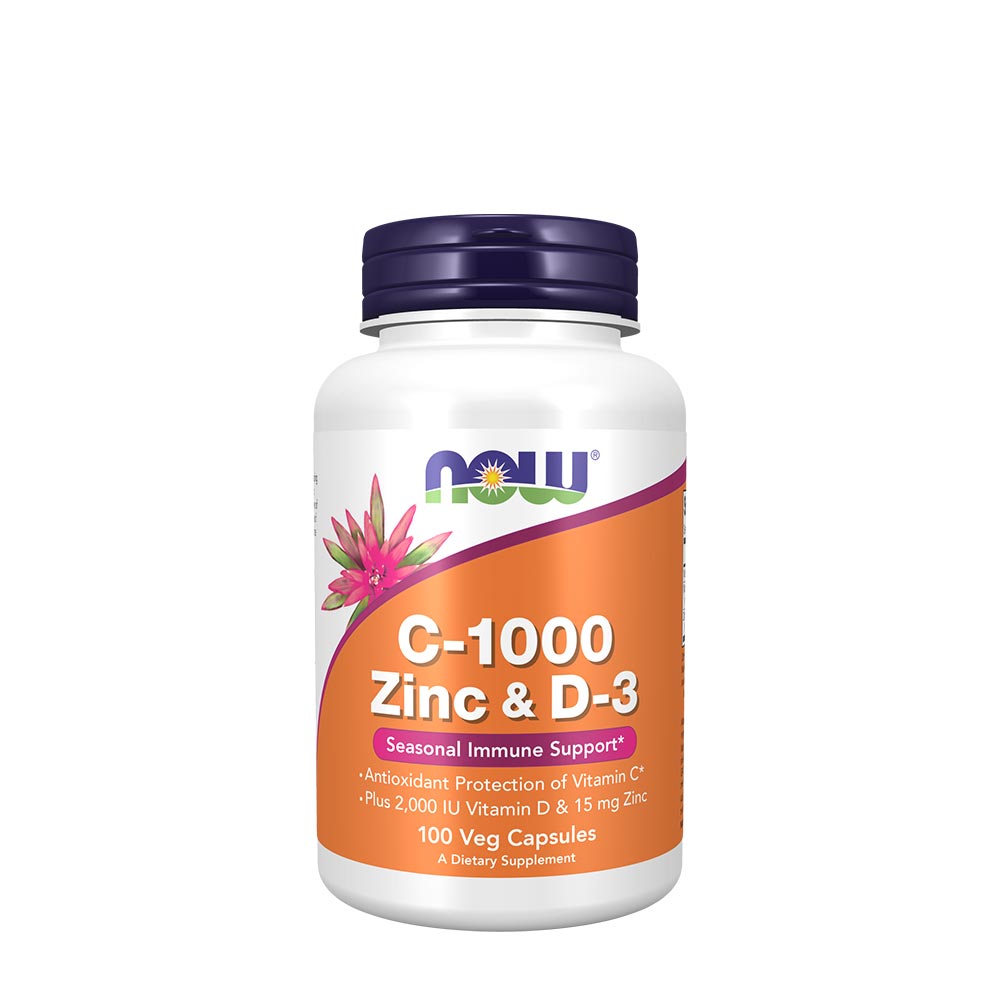
NOW Foods
NOW Foods - C-1000 Zinc & D-3 - 100 Vcaps
€16.00In stockWhy is this shown?
Katalogkoppling till samtliga valda ingredienser · Ämnesnamnet förekommer i produktnamnet · I lager · Betyg 5.0 av 12 kunder
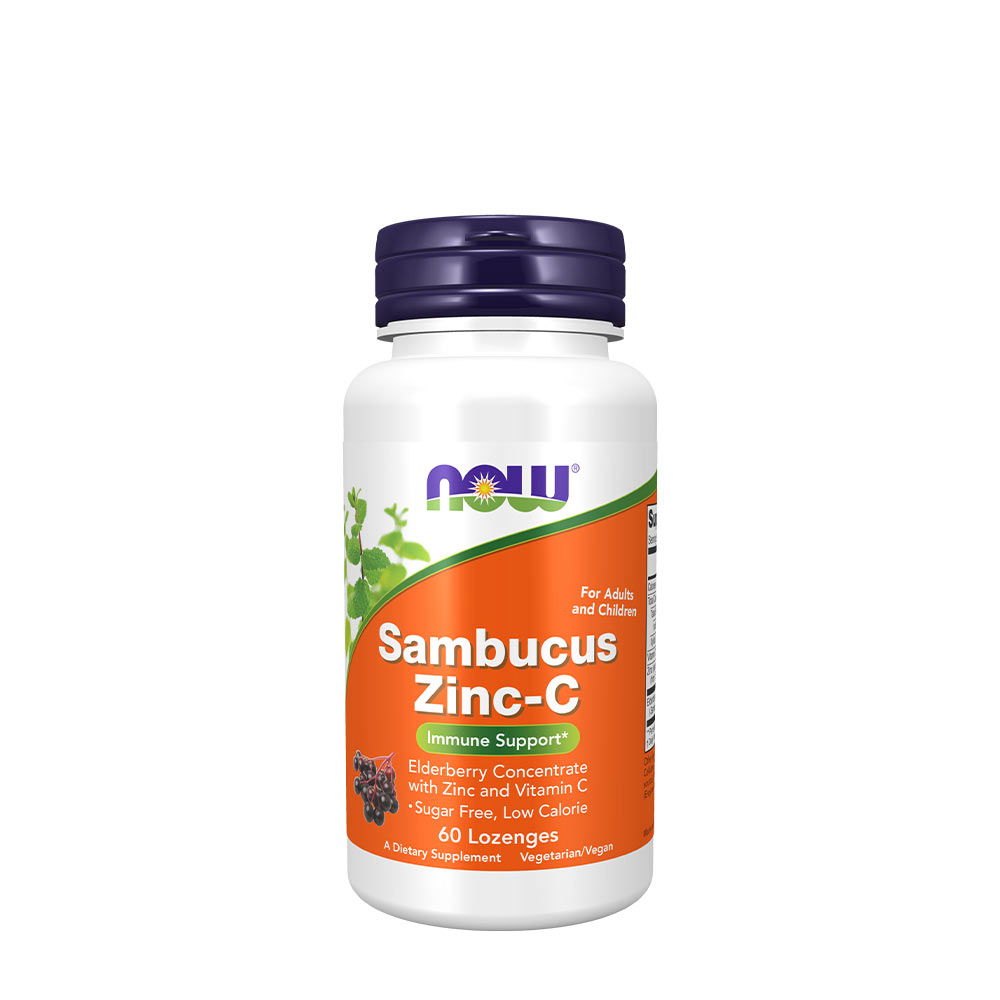
NOW Foods
NOW Foods - Sambucus Zinc-C - 60 Lozenges
€15.00In stockWhy is this shown?
Katalogkoppling till samtliga valda ingredienser · Ämnesnamnet förekommer i produktnamnet · I lager · Betyg 5.0 av 15 kunder
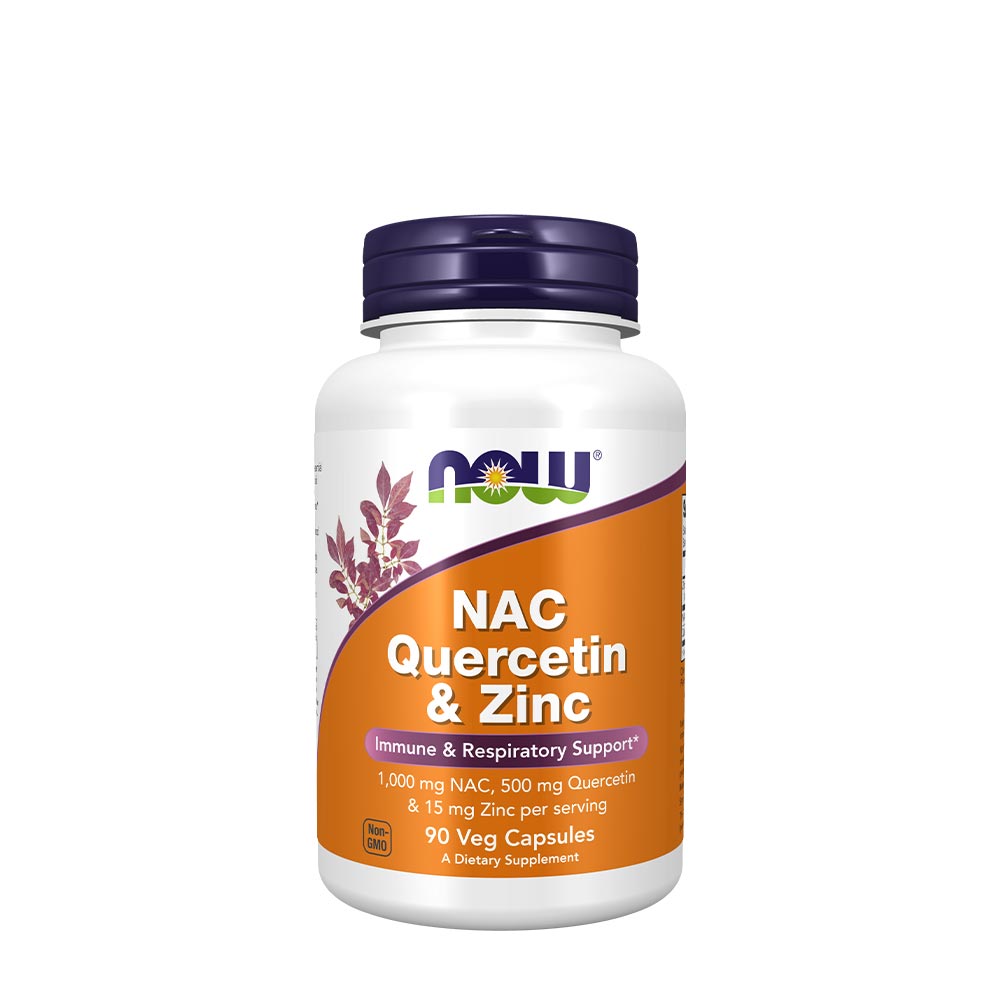
NOW Foods
NOW Foods - NAC Quercetin & Zinc - 90 capsules
€32.00In stockWhy is this shown?
Katalogkoppling till samtliga valda ingredienser · Ämnesnamnet förekommer i produktnamnet · I lager · Betyg 4.9 av 16 kunder
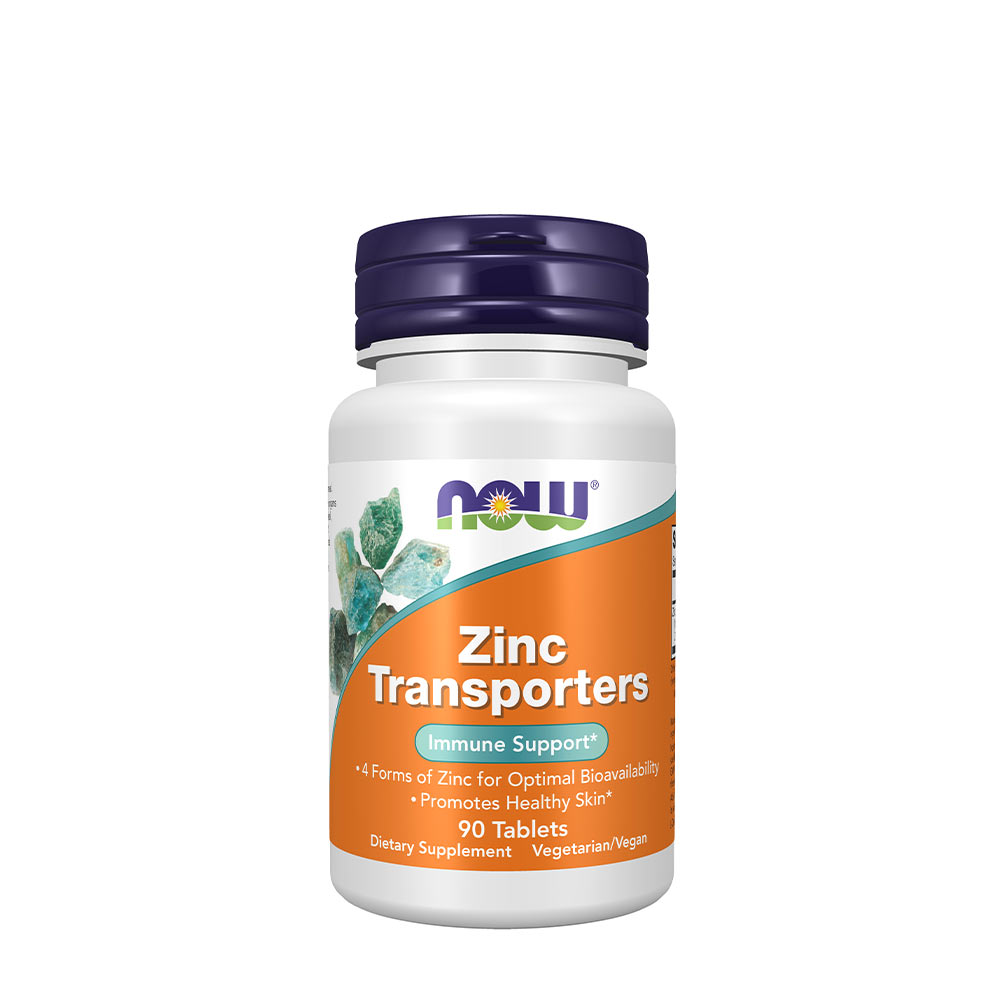
NOW Foods
NOW Foods - Zinc Transporters - 30 Caps
€10.00In stockWhy is this shown?
Katalogkoppling till samtliga valda ingredienser · Ämnesnamnet förekommer i produktnamnet · I lager · Betyg 4.9 av 10 kunder

Doctor's Best
Doctor's Best - High Absorption Zinc Bisglycinate - 90 Vcaps
€16.00In stockWhy is this shown?
Katalogkoppling till samtliga valda ingredienser · Ämnesnamnet förekommer i produktnamnet · I lager · Betyg 4.9 av 8 kunder