Niacin – side effects: what do the sources say?
Short answer
The available review generally indicates that excess vitamins may be associated with harmful effects, but its description does not list specific niacin side effects or dose thresholds. The nicotinamide analysis concerned vitamin B3 concentrations in breast milk, not the assessment of adverse effects.
Quick facts
- The review includes niacin in its discussion of possible effects of excess vitamins.
- The available review description does not give specific symptoms, their frequency, or dose thresholds.
- The analysis concerned nicotinamide at 250 mg per day and vitamin B3 concentrations in breast milk.
- Findings on nicotinamide cannot be treated as an assessment of niacin side effects.

Niacin: a brief answer about possible side effects
The most limited conclusion that can be drawn from the available sources is that excess vitamins may lead to harmful effects, and niacin was included in a review on this subject. However, the available description does not list specific adverse effects of niacin or indicate at what amount they may occur. 2026 review
This distinction matters: a general mention of possible harmful consequences of excess is not a list of symptoms or an assessment of risk for a specific serving. Based on the information provided, it is not possible to reliably determine the type, severity, or frequency of niacin side effects. Nor is it possible to identify dose thresholds or compare the safety of different amounts. Source
A second source concerns nicotinamide, a form of vitamin B3, given at 250 mg per day to breastfeeding women in a study in Tanzania. The analysis found that supplementation was associated with higher concentrations of vitamin B3 and its forms in breast milk than in the placebo group. However, the results description did not report specific adverse effects or their frequency. These measurements should therefore not be treated as evidence that side effects occurred. Analysis of a study published in 2026
This analysis also cannot establish what effects niacin may have in other circumstances or determine a safe or harmful dose. The study concerned nicotinamide supplementation at a specific dose and measurements of vitamin B3 concentrations in milk, not an assessment of side-effect symptoms. In contrast, the review on vitamin excess signals a general risk, but its available description does not provide details that would allow this risk to be estimated for niacin. Source on nicotinamide Review on vitamin excess
- What can be said: the review includes niacin among the vitamins discussed and states generally that excess vitamins may be harmful. Source
- What the sources do not specify: specific niacin side effects, their frequency, or dose thresholds. Source
- Finding on nicotinamide: supplementation in the study was associated with higher vitamin B3 concentrations in milk, but the description provided does not list adverse effects. Source
In practice, the available material does not justify attributing specific symptoms to niacin or predicting a reaction to a particular serving. A reliable answer should stick to what the sources actually report: excess vitamins may be harmful, while the descriptions provided lack detailed information about niacin side effects and doses. Review Study analysis
What is known about excess niacin
A review on hypervitaminosis discusses vitamins A, D, E, niacin, and biotin, as well as possible adverse effects of excess in a dermatological context. The authors draw attention to the belief that vitamins are safe and that taking more of them must lead to better overall health. The review warns against this assumption: excess vitamins may be associated with harmful effects. Review in “Clinics in Dermatology”
This is, however, general information about hypervitaminosis, not a detailed account of the effects of excess niacin. The publication description provided does not list specific skin reactions, state how frequently they occur, or identify an amount of niacin at which they might arise. It is therefore not possible to identify a particular symptom or explain how it develops on this basis. Review description
Separate data concern vitamin B-3 concentrations in human milk in a study involving breastfeeding mothers in Tanzania. A secondary analysis of a randomized trial compared nicotinamide supplementation at 250 mg per day with placebo. In the supplementation group, total vitamin B-3 concentrations in milk were more often above the upper limit of the reference value used: 72.9% of participants in the first month and 50.7% in the fifth month. Secondary analysis of the study
These results describe vitamin concentrations in milk, not identified side effects of niacin in participants. The analysis found no association between the concentration of total vitamin B-3 or its forms and children’s weight, height, or head circumference up to 18 months of age; it also found no association with MDAT test scores at 18 months. Exceeding the reference limit for milk concentration should therefore not be interpreted as evidence of harm. Results of the secondary analysis
The two sources have different scopes. The review indicates that excess vitamins may be harmful and includes niacin in a dermatological discussion of hypervitaminosis, but its available description does not allow reactions associated with niacin to be specified. The analysis from Tanzania reports vitamin B-3 concentrations in milk after nicotinamide supplementation, but it is not an account of side-effect symptoms. These materials therefore support conclusions about the limitations of the information presented in the abstracts, not a specific risk threshold or particular effects of excess niacin. Review on hypervitaminosis; Analysis of vitamin B-3 concentrations in milk
Niacin and nicotinamide: what these sources can establish
The sources concern different questions, so they should not be treated as two parallel accounts of adverse effects. The 2026 review discusses niacin among vitamins whose excess may be associated with harmful effects. The analysis from the same year, by contrast, concerns nicotinamide supplementation in breastfeeding women and vitamin B-3 concentrations in milk. It does not provide data on adverse effects of nicotinamide. Review on hypervitaminosis Analysis of nicotinamide and vitamin B-3 concentrations in milk
What the review says about niacin
The review authors draw attention to the mistaken belief that vitamins can be taken without concern and that more always means greater benefit. They describe hypervitaminosis as a possible source of harmful effects and include niacin in their review of vitamins discussed in a dermatological context. This allows only the conclusion that the publication addresses the potential adverse consequences of excess niacin. Review on potential effects of excess vitamins
The description provided is general: it does not list specific symptoms, their frequency, or the amount of niacin at which they might occur. The abstract alone therefore cannot be used to attribute a particular effect to every dose or assess how often it occurs in people taking a supplement. Nor should details absent from the source description provided be added. PubMed review description
What the nicotinamide analysis examined
The second publication is a secondary analysis of a randomized, placebo-controlled trial conducted in Tanzania. It assessed vitamin B-3 and its forms in the breast milk of breastfeeding women assigned to nicotinamide supplementation at 250 mg per day or to placebo. The main results presented concern measurements in milk and their association with selected child outcomes, not adverse effects in women. Description of the study and its results
In the supplementation group, median total vitamin B-3 concentrations in milk were higher than in the placebo group: by 291% in the first month and by 281% in the fifth month. The authors also reported that concentrations exceeded the upper reference limit in many participants. These results concern concentrations in milk; by themselves, they do not prove either the safety of supplementation or the presence or absence of nicotinamide side effects. Analysis results on vitamin B-3 concentrations in milk
- About niacin: the review discusses potential harmful effects of excess, but the description provided does not specify symptoms or dose thresholds. Source
- About nicotinamide: the analysis describes supplementation in breastfeeding women and vitamin B-3 concentrations in milk; it does not provide data that would allow nicotinamide side effects to be assessed. Source
It is therefore worth keeping the distinction between these forms and the scope of the publications. Findings on vitamin B-3 concentrations in milk cannot be applied to nicotinamide side effects, and the general review on vitamin excess should not be supplemented with details it does not report. Review Nicotinamide analysis
What the nicotinamide supplementation study found
The study described in the source was a randomized, placebo-controlled trial of nicotinamide supplementation in breastfeeding women from rural areas of Tanzania. The publication discussed presents a secondary analysis: it examined vitamin B-3 concentrations, including its forms, in breast milk and their associations with selected child outcomes. Women were assigned to receive 250 mg of nicotinamide per day or placebo. Description of the study and analysis scope.
In the nicotinamide group, median total vitamin B-3 concentrations in milk were higher than in the placebo group. The difference was 291% in the first month and 281% in the fifth month. In the supplementation group, some results exceeded the upper reference limit used in the analysis: this applied to 72.9% of samples in the first month and 50.7% in the fifth. These are data on concentrations in milk, not measurements of adverse effects in women. Results on vitamin B-3 concentrations in milk.
The analysis found no association between the concentration of total vitamin B-3 or its forms in milk and children’s weight, height, or head circumference during follow-up up to 18 months of age. No association was observed with children’s MDAT test scores at 18 months either. This conclusion applies only to the specified measurements and outcomes included in the analysis; it does not mean that all possible consequences of supplementation were assessed. Results on children.
The source also reports that the proportion of samples with total vitamin B-3 concentrations beneath the minimum reference threshold rose over time in both groups. In the first month, it was 0.5% in the nicotinamide group and 2.9% in the placebo group; in the fifth month, the respective figures were 9.9% and 28.8%. These results describe milk concentrations at the time points covered by the analysis; by themselves, they do not establish the cause of the changes or constitute a safety assessment. Data on values beneath the minimum reference threshold.
For the question of niacin side effects, it is therefore important to limit the conclusions: the analysis presented primarily concerned vitamin B-3 concentrations in milk and their association with specific child outcomes. The available description does not report an assessment of adverse effects in women taking the supplement, so it cannot establish which adverse effects occurred or how often. The study concerned nicotinamide at 250 mg per day, so it does not provide data on the side effects of a 500 mg dose. Scope and results of the secondary analysis.
What cannot be established from the available data
The available sources do not make it possible to create a complete, practical list of niacin side effects or determine how often they occur. The review describes generally the possibility of harmful effects associated with excess vitamins, including niacin, but the available description does not list specific symptoms, their severity or their frequency. It should therefore not be treated as a complete catalogue of side effects, nor should it be used to assume that everyone taking niacin will experience a particular reaction. Review concerning excess vitamins and their potential adverse effects.
It is also not possible to establish a relationship between the amount of niacin and the likelihood or severity of side effects. The review description contains no data comparing different amounts of niacin and does not indicate a threshold above which specific reactions occur. The second source concerned nicotinamide supplementation at 250 mg per day in breastfeeding women in Tanzania. It analysed vitamin B-3 concentrations in milk and selected outcomes in children, rather than the full range of side effects. This result cannot be used to establish a safe or unsafe amount for other people or products. Analysis of vitamin B-3 concentrations in milk after nicotinamide supplementation.
- Time of onset: the sources do not specify how long after starting niacin side effects might appear or how long they might last. The available description of the review concerning excess vitamins provides no such details.
- Contraindications and interactions: the materials presented do not include a list of situations in which niacin should be avoided or information about possible interactions with medicines or other ingredients. They therefore cannot confirm that combining it with a specific product is safe. Review concerning the potential adverse effects of vitamins.
- Differences between individuals: the data do not make it possible to determine the risk for specific groups or identify who might be more susceptible to side effects. The nicotinamide study involved a specific group of breastfeeding women, but its aim was to analyse vitamin B-3 concentrations in milk and selected outcomes in children, not to assess risk across different groups. Secondary analysis of the nicotinamide supplementation study.
Because of these gaps, it is not possible to determine an individual dose or identify the cause of a specific symptom based on these sources alone. They do not provide a basis for personalised dosing recommendations or diagnostic advice. Conclusions should remain limited to what is actually described: there is a general possibility of harmful effects from excess vitamins, while a separate analysis concerned vitamin B-3 concentrations after nicotinamide supplementation in one specific group. Review on excess vitamins; analysis of nicotinamide supplementation.
Niacin 500 mg: don’t draw conclusions from the number alone
The phrase “niacin 500 mg side effects” may suggest that the available data make it possible to determine what to expect from this amount. However, the materials used in this article do not describe a study of niacin at a dose of 500 mg or compare this dose with others. They therefore cannot be used to assess side effects or safety, or to establish whether 500 mg is associated with a particular risk. The number on the label alone is no substitute for information about the compound studied, its form, dose and conditions of use.
The review concerning adverse effects of excessive vitamin intake mentions niacin among the ingredients discussed, but the available description provides no results concerning niacin 500 mg or specific figures that would allow a particular effect to be attributed to this dose. It should therefore not be treated as evidence that a dose of 500 mg is safe or harmful, or as a basis for predicting whether an adverse effect will occur. Description of the 2026 review
It is also worth distinguishing niacin from nicotinamide. Sources may discuss both in the context of vitamin B3, but that does not make their dosing or side-effect data interchangeable. In particular, a figure referring to nicotinamide in a specific study should not be applied to niacin.
For example, one study involving breastfeeding women in Tanzania assessed supplementation with nicotinamide at 250 mg per day or placebo. This was part of a specific research project, and the source article describes a secondary analysis of vitamin B3 concentrations in milk. This information only tells us what dose of nicotinamide was used in that study. It does not establish the side effects of niacin 500 mg, compare 250 mg with 500 mg, or support conclusions about the safety of a different form and dose. Description of the study of nicotinamide at 250 mg per day
Therefore, the answer to the question about the side effects of niacin 500 mg remains limited: the sources presented do not provide data that would allow them to be reliably characterised. This does not mean that there are no side effects; it only means that they cannot be established from these materials. Assessing a specific product would require data relating to its form and dose, not merely the presence of the number “500 mg” in the query.
How to approach information about side effects responsibly
Information about possible side effects should be assessed with regard to where it comes from and what it actually concerns. A forum post may describe someone’s personal experience, but it is not in itself the result of a scientific study. The available materials do not analyse forum posts, so they cannot confirm whether the complaints described in them were related to niacin or how often they occurred. Individual accounts should therefore not be treated as proof that a similar reaction will occur in everyone.
Scientific publications must also be read within the limits of their scope. The review concerning adverse effects of excessive vitamin intake discusses niacin, among other things, and potential adverse effects associated with hypervitaminosis, but it is not a list of all possible reactions to every amount and form of niacin. Do not infer information that it does not provide, or equate a general discussion of potential effects with a description of the risk associated with a specific product. Review concerning excess vitamins and the skin
Particular caution is needed when applying findings across different forms of vitamin B3. One of the available publications concerns nicotinamide supplementation in a specific study and vitamin B3 concentrations in breast milk; it is not a direct comparison of nicotinamide and niacin in terms of side effects. Its findings should not be generalised beyond the scope described. Analysis concerning nicotinamide supplementation and vitamin B3 concentrations in breast milk
The available sources also do not establish whether niacinamide is better than vitamin C. They therefore do not justify comparing these substances or attributing specific health effects to either of them. It is worth distinguishing questions about an ingredient’s name or form from claims about its effects — especially when those claims come from an online discussion rather than a source that actually investigates them.
- Check whether the information comes from a publication or is solely a user’s account. A forum post may be a starting point for questions, but the available sources do not confirm its content.
- Pay attention to what the study concerned: a review of potential effects of excessive vitamin intake and an analysis of nicotinamide in a specific study address different questions. Source S1 Source S2
- Do not draw conclusions from these materials about the comparative superiority of niacin, niacinamide or vitamin C, or about the health effects of these substances — the available sources do not establish these points.
Safety and precautions
The available material cannot establish individual risk, a safe dose, or the cause of a specific symptom. Findings on nicotinamide should not be applied to niacin, nor should a general mention of vitamin excess be treated as a list of adverse effects. Review Nicotinamide analysis
Supplements with the ingredients in this article
Compare contents, dose and price
Frequently asked questions
What side effects of niacin do the available sources mention?
The review description generally points to possible harmful effects of excess vitamins, but does not list specific niacin side effects or their frequency. Source
Do the sources specify a dose of niacin at which side effects may occur?
No. The available review description does not give dose thresholds or data linking a specific amount of niacin to a particular effect. Source
Did the nicotinamide study assess adverse effects?
The analysis presented concerned vitamin B3 and its forms in milk and selected child outcomes. The available description does not report an assessment of adverse effects in women. Source
Can findings on nicotinamide be applied to niacin?
They should not be treated as a direct assessment of niacin side effects. The analysis concerned nicotinamide supplementation at a specific dose and measurements of vitamin B3 concentrations in milk. Source
Do the available sources allow niacin side effects at 500 mg to be assessed?
No. The material does not describe niacin at a dose of 500 mg or allow the side effects of this amount to be assessed. Source
Sources
Products related to this article
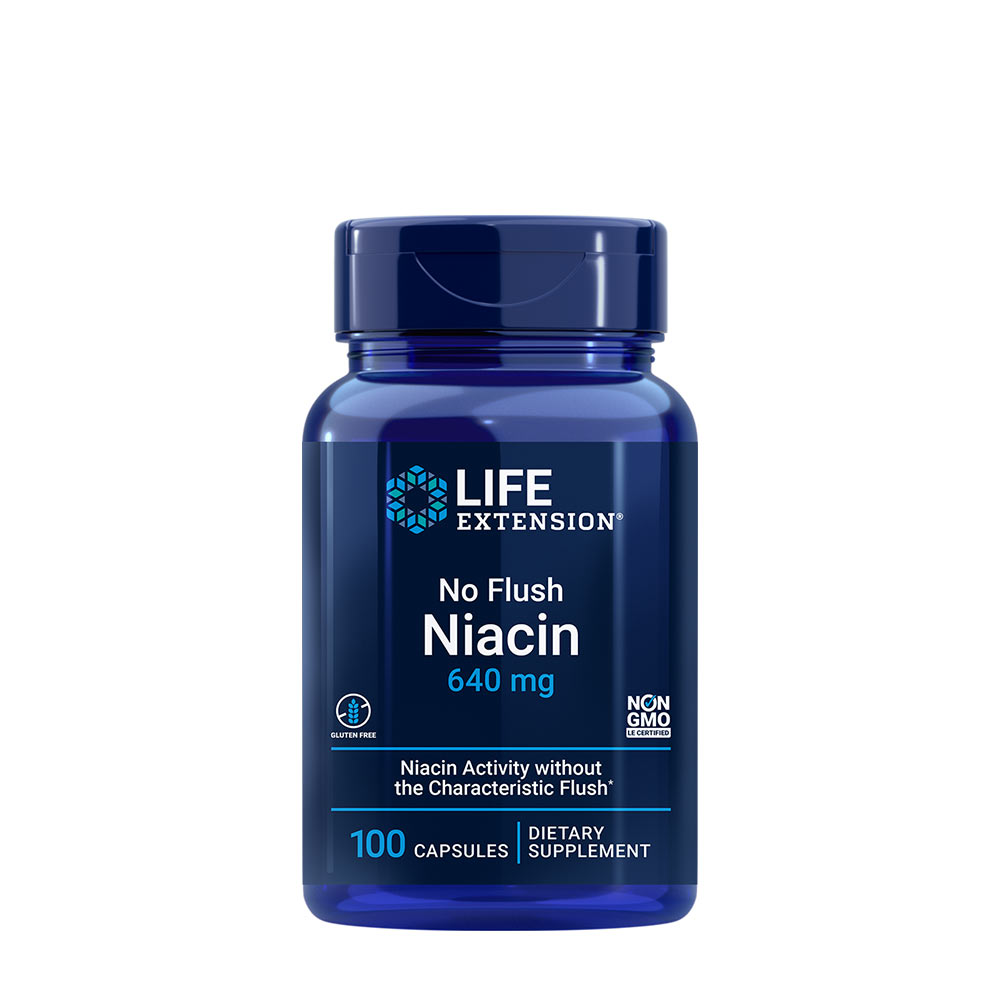
Life Extension
Life Extension - No Flush Niacin - 100 Capsules
€22.00In stockWhy is this shown?
Katalogkoppling till samtliga valda ingredienser · Ämnesnamnet förekommer i produktnamnet · I lager · Betyg 5.0 av 14 kunder

Life Extension
Life Extension - Vitamin B3 Niacin - 100 Capsules
€14.00In stockWhy is this shown?
Katalogkoppling till samtliga valda ingredienser · Ämnesnamnet förekommer i produktnamnet · I lager · Betyg 5.0 av 17 kunder
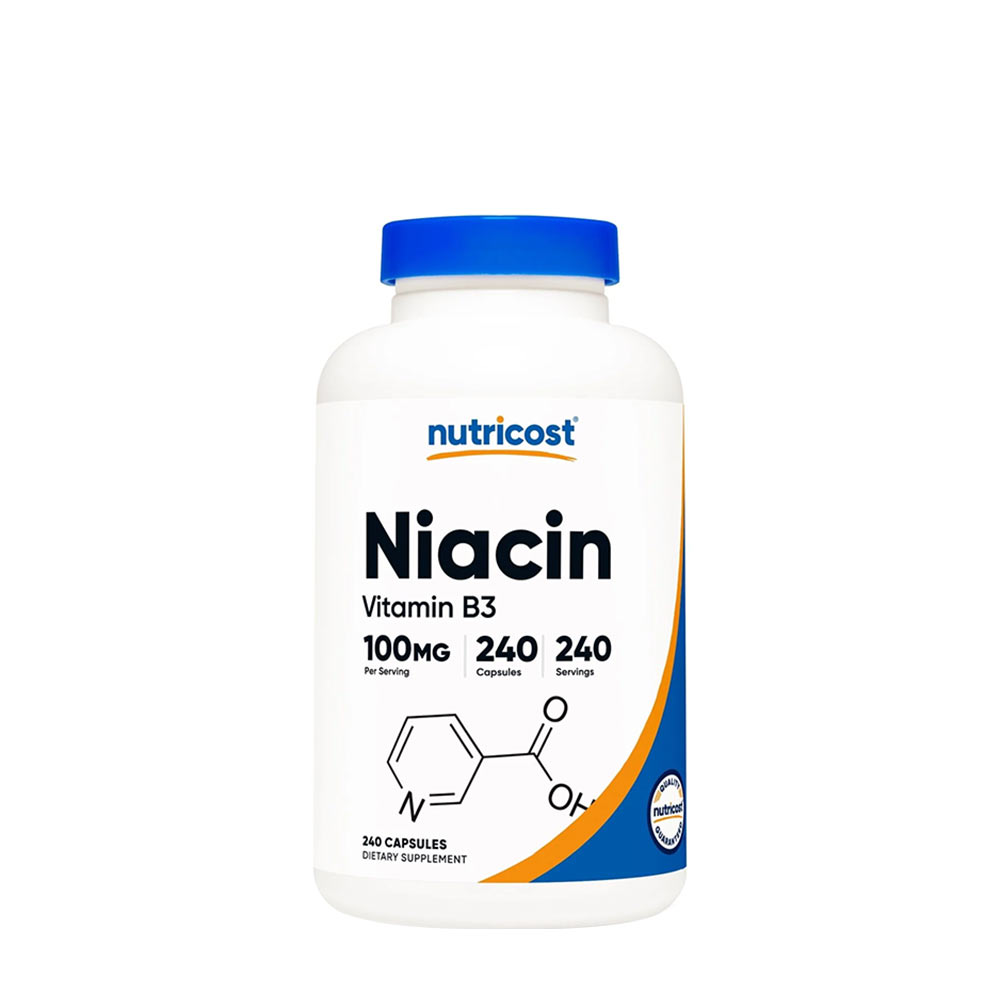
Nutricost
Nutricost - Niacin - 240 Caps
€17.00In stockWhy is this shown?
Katalogkoppling till samtliga valda ingredienser · Ämnesnamnet förekommer i produktnamnet · I lager · Betyg 4.9 av 7 kunder

Aura Herbals
Aura Herbals - B3 Niacin - 830mg, 60 Caps
€10.00In stockWhy is this shown?
Katalogkoppling till samtliga valda ingredienser · Ämnesnamnet förekommer i produktnamnet · I lager
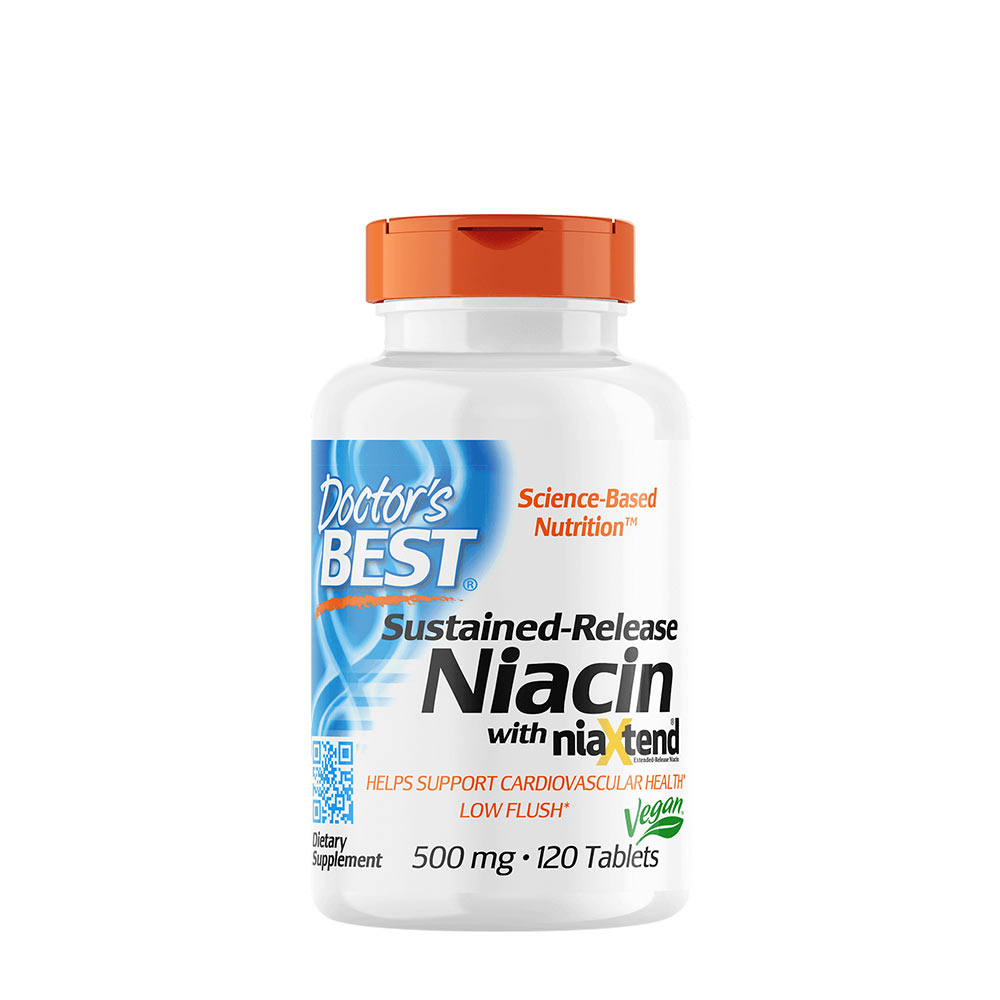
Doctor's Best
Doctor's Best - Sustained-Release Niacin with Niaxtend
€26.00In stockWhy is this shown?
Katalogkoppling till samtliga valda ingredienser · Ämnesnamnet förekommer i produktnamnet · I lager