Vitamin C in food: where is it found?
Short answer
The available studies examine associations between vitamin C intake and specific outcomes, but do not provide an overview of foods rich in vitamin C or recommended daily amounts. Their results describe associations within the groups studied and do not establish cause and effect.
Quick facts
- EPIC-Norfolk examined vitamin C intake and physical performance in more than 5,000 adults.
- In women, some intake groups showed associations with walking speed or the chair-stand test; in men, they did not.
- The TEDDY study followed 8,478 children and found no consistent association with the outcomes studied.
- Neither study provides a list of foods or a daily recommendation.

Vitamin C from food: the essentials
This page is about vitamin C obtained from food. The available sources do not provide general dietary information, such as which foods contain vitamin C, how much they contain or how much a person needs each day. For that reason, no such examples or amounts are supplied here.
A 2026 study examined dietary vitamin C in more than 5,000 participants aged 48 to 92 from the EPIC-Norfolk cohort. The researchers examined associations between reported vitamin C intake and two measures of physical performance: walking speed and the time needed to stand up from a chair five times. The study was cross-sectional: the measurements were used to examine associations, not to establish causes. The EPIC-Norfolk cohort study
The findings for vitamin C intake differed between women and men. Compared with the lowest intake group, certain groups of women with higher reported intakes walked faster or took less time in the chair-stand test. In men, no associations were found between dietary intake and these measures. These are findings within this particular study group; they do not demonstrate cause and effect or provide general dietary guidance. The EPIC-Norfolk study results
A second study, published in 2026, examined vitamin C intake in 8,478 children taking part in the TEDDY study. The researchers followed the participants and examined possible associations with islet autoimmunity and type 1 diabetes. They concluded that vitamin C intake was not consistently associated with islet autoimmunity or the development of type 1 diabetes. The study therefore provides no basis for general statements about vitamin C from food beyond the associations and group examined. The TEDDY study on vitamin C intake
The available research sources do not answer which foods are generally the main sources of vitamin C, how much specific products contain or what the Voedingscentrum advises on the subject. On the basis of these sources, it is therefore not possible to provide a food list, amounts per serving or a recommended daily amount. The studies described here concern associations examined in specific groups of participants; their results are not dietary advice. EPIC-Norfolk study TEDDY study
What the studies on vitamin C intake show
The analysis was part of the TEDDY study (Environmental Determinants of Diabetes in the Young) and included 8,478 children. Their diets and relevant autoantibodies were assessed repeatedly throughout childhood. The researchers examined associations between vitamin C intake and the onset of islet autoimmunity (IA), and progression to type 1 diabetes. The TEDDY study publication describes the results as inconsistent.

What was examined?
Vitamin C intake was assessed throughout childhood using age-specific methods. Average intake was 60.7 mg per 1,000 kilocalories, with a standard deviation of 38.8. In total, 777 children developed islet autoimmunity. IAA was the first autoantibody in 292 children, and GADA was the first in 337. Of the children with IA, 319, or 41.0%, later developed type 1 diabetes. These are outcomes within the group studied; on their own, they do not show what vitamin C intake means for an individual child. The TEDDY publication reports these figures and characteristics.
Why the findings do not show a clear association
Higher vitamin C intake was associated with a higher risk of IAA-first autoimmunity: per 10 mg higher intake per 1,000 kilocalories, the adjusted hazard ratio was 1.04, with a 95% confidence interval of 1.00 to 1.07. The pattern was different for GADA-first autoimmunity. Both the lowest and highest intake groups had a higher risk than the middle group. The reported hazard ratios were 1.65 and 1.42, respectively. Sensitivity analyses supported the main analyses and suggested possible non-linear associations between vitamin C intake and IA outcomes. The study reports these analyses and estimates.
The outcomes therefore differed according to which autoantibody was observed first and how the intake groups were compared. Moreover, the researchers concluded that vitamin C intake was not consistently associated with islet autoimmunity or progression to type 1 diabetes. The findings describe associations in a specific group of children studied and do not establish a cause. The authors summarised their conclusion as an inconsistent association.
What does this mean for vitamin C from food?
This study examined vitamin C intake but does not allow a clear conclusion about a causal effect on the outcomes studied. The results therefore provide no grounds for claiming, on the basis of vitamin C intake, that it averts or causes islet autoimmunity or type 1 diabetes. Nor do they provide individual dietary advice. The conclusion is narrower: some associations were observed in the TEDDY study, but they were not consistent. The TEDDY study.
Vitamin C intake and physical performance
Could vitamin C from food be associated with muscle strength or physical performance? A cross-sectional analysis of more than 5,000 EPIC-Norfolk study participants examined this question in adults aged 48 to 92. The researchers considered both vitamin C in blood plasma and estimated dietary intake. They compared these data with measurements of handgrip strength, walking speed and the time needed to stand up from a chair five times. The study of EPIC-Norfolk participants reported different associations depending on sex, the measure of vitamin C and the performance measure.
What did the study measure?
The researchers grouped participants by their plasma vitamin C status and dietary intake. They then examined how these measures were associated with three outcomes: handgrip strength, walking speed and the time needed to stand up from a chair five times. The analyses accounted for various lifestyle, biological, medical and dietary factors. Because the study was cross-sectional, vitamin C status and performance were compared within a single assessment rather than by following participants over a longer period. The description of the analysis and outcomes studied sets out this approach.
Associations differed by outcome
In women, an optimal plasma level, compared with a low level, was associated with greater handgrip strength relative to height, faster walking speed and a shorter chair-stand time. The reported differences were +0.54 kg/m² for handgrip strength, +0.11 m/s for walking speed and −1.03 seconds for the chair-stand test, respectively. In men with an optimal plasma level, walking speed and chair-stand time were also more favourable than in men with a low plasma level: +0.05 m/s and −0.71 seconds. No corresponding association with handgrip strength was reported for men. The results by plasma level and sex show that the findings were not the same for every measure.
Dietary intake did not show a uniform pattern either. In women, certain middle and highest dietary intake groups were associated with faster walking speed than the lowest group. For the chair-stand test, associations were found in women in the fourth and fifth intake groups. In men, the study found no associations between dietary vitamin C intake and the performance measures studied. The comparison between dietary intake groups underscores that results differed by sex and outcome.
Association is not cause and effect
These findings show associations but do not prove that more vitamin C in the diet leads to greater muscle strength or better physical performance. A cross-sectional study cannot establish which factor came first, and caution is still needed when interpreting the results even after adjustment for multiple characteristics. The researchers themselves state that longitudinal research and intervention studies are needed to test the findings further. The study explicitly notes the need for further research.
For anyone seeking information about vitamin C in food, this research therefore provides an observational indication, not dietary advice or proof of an effect. Results differed between plasma levels and dietary intake, and between men and women; moreover, not all outcomes studied were associated with vitamin C intake. On its own, the study provides no basis for recommending an amount of vitamin C for muscle strength or performance. The reported findings and limitations of the study design call for that cautious conclusion.
How to interpret the findings
The two studies examine associations between vitamin C intake and outcomes, but they ask different questions. Neither is an intervention study in which participants were randomly assigned to receive extra vitamin C from food. Their results therefore do not, on their own, show that a higher intake causes a particular outcome. Nor do they provide a direct basis for advice to increase intake.

The EPIC-Norfolk study analysed data from more than 5,000 participants aged 48 to 92. The researchers examined both dietary vitamin C intake and plasma vitamin C status in relation to muscle strength and physical performance. This distinction matters: a measured blood level and a reported dietary intake are different measures. In women, certain dietary intake groups, compared with the lowest group, were associated with faster walking speed or a shorter time on the chair-stand test. In men, no associations were found for dietary intake. For plasma levels, the study did report associations with certain performance measures in both men and women. Because the study was cross-sectional, intake, status and performance were not used in this analysis to establish a causal sequence. The authors identify longitudinal and intervention studies as necessary follow-up research. (EPIC-Norfolk study)
The research question concerned associations between vitamin C intake and islet autoimmunity or type 1 diabetes. The results were not clear-cut: higher intake was associated with a higher risk of one type of autoimmunity, while for another type, both the lowest and the highest intake groups had a higher risk than the middle group. The authors concluded that vitamin C intake was not consistently associated with autoimmunity or progression to type 1 diabetes. These findings therefore do not answer the same question as the EPIC-Norfolk study, which examined physical performance. (TEDDY study)
- The studies examined different groups, outcomes and ways of assessing vitamin C; their results are therefore not directly comparable. (EPIC-Norfolk study; TEDDY study)
- An observed association is not the same as proof that vitamin C from food caused the measured outcome. The studies therefore do not support a general conclusion about the effect of extra vitamin C from food. (EPIC-Norfolk study; TEDDY study)
What the sources do not answer
The available studies examine associations between vitamin C and the outcomes investigated; they do not provide a practical overview of vitamin C in food. As a result, they do not answer which foods are rich in vitamin C, how much vitamin C individual products contain, or how those values compare. Nor do they describe how much vitamin C someone should take each day. Anyone looking for information about vitamin C in food or an overview of recommended intakes cannot get that information from these two sources. The EPIC-Norfolk study and the TEDDY study are not food composition tables or guidelines for these purposes.
The EPIC-Norfolk study examined associations between vitamin C in the diet and in plasma, on the one hand, and muscle strength and physical performance, on the other. The analysis included more than 5,000 participants aged 48 to 92. The results describe associations within that cohort study; they do not provide a list of foods, portions or vitamin C content per product. The authors also say that longitudinal and intervention research is needed to support the findings. The study therefore does not answer which specific food choices would correspond to a particular vitamin C intake. Source: EPIC-Norfolk study.
The TEDDY study describes vitamin C intake among children as part of research into associations with the outcomes investigated. The reported intake data and analyses are part of that study; they are not a general food composition list or advice for readers. This source also provides no overview of products and their vitamin C content and does not compare preparation methods. Source: TEDDY study.
- Foods: the sources do not provide a substantiated list of products rich in vitamin C.
- Amounts and nutritional values: they do not provide values per product or portion that would allow a reader to calculate vitamin C intake from individual foods.
- Recommended intakes: the studies do not establish a daily recommendation.
- Preparation and storage: neither source compares preparation or storage methods or describes their effect on vitamin C in food.
For that reason, no product list, portion calculation or dietary advice follows here. The scope is limited: these two studies provide research findings on specific associations, but they do not answer which foods provide vitamin C, how much a product contains, or how best to prepare or store food. Those questions require other, suitable sources of nutritional information. EPIC-Norfolk; TEDDY.
Authorised health claims about vitamin C
The available research articles examine associations between vitamin C and certain research outcomes; they do not provide the official wording or conditions of use for EU health claims. Study results are therefore not the same as an authorised claim. The EPIC-Norfolk study, for example, examined associations between vitamin C status and dietary intake, on the one hand, and muscle strength and physical performance, on the other. The authors emphasise that longitudinal and intervention research is needed to support the findings. That research therefore cannot serve as a source for official claim wording or the conditions under which that wording may be used.
The study examined more than 5,000 participants aged 48 to 92 and used data from a cohort study. Among women, optimal plasma vitamin C status, compared with low status, was associated with greater handgrip strength and faster results in the walking-speed and chair-stand tests. Among men, optimal status was associated with faster results in the walking-speed and chair-stand tests. For dietary intake, certain associations were found among women but not among men. The researchers describe these as associations and call for further research; these findings must not be turned into a promise of a guaranteed effect or another health claim.
The TEDDY study does not provide official claim wording either. The results were not consistent for the outcomes investigated. Among other things, the study reported different associations depending on the outcome and intake category, and concluded that vitamin C intake was not consistently associated with islet autoimmunity or the development of type 1 diabetes. These are research findings, not general statements about diet or authorised claim wording.
When describing health claims, it is important to be able to check the official wording and the associated conditions of use. The two available articles discuss research findings and do not provide that claim information. They therefore cannot substantiate which exact EU claim wording applies, when a claim may be used, or what conditions are attached to it. Nor do they support extending the research findings into broader statements about vitamin C. The information in these sources is limited to the studies and their own results.
This keeps the distinction clear: a study may report an association within a particular study group, while a health claim requires specific wording and conditions. The EPIC-Norfolk authors point to the need for further research; the TEDDY study reports no consistent association for the outcomes investigated. EPIC-Norfolk and TEDDY therefore support only a description of their own research and results, not an official claim or a broader promise.
Questions about vitamin C in food
What do the studies tell us about vitamin C in food?
The supplied studies examine associations between vitamin C intake and certain research outcomes. They are not a practical food guide: they cannot establish which foods you should choose or how much vitamin C you should get from food each day. The studies also contain no information from Voedingscentrum. The EPIC-Norfolk study examined adults, muscle strength and physical performance; the TEDDY study examined vitamin C intake and outcomes relating to islet autoimmunity and type 1 diabetes in children. The results therefore do not directly answer questions about a daily diet.
Is more vitamin C from food always better?
These studies provide no basis for that general conclusion. In the EPIC-Norfolk study, the dietary intakes of adults were compared across five groups. Among women, some groups with higher intake than the lowest group were associated with faster walking speed or a shorter time on the chair-stand test. Among men, no association was found between vitamin C from food and the outcomes investigated. The researchers emphasise that this is a cross-sectional study and that longitudinal and intervention research is needed to provide further support for the findings. Read the study on the EPIC-Norfolk cohort.
Nor does the TEDDY study provide a simple rule that higher intake is more beneficial. The researchers found no consistent association between vitamin C intake and the outcomes investigated. That is not a practical recommendation to increase or decrease intake; it describes only the results within this study. The TEDDY study followed children and examined vitamin C intake in relation to islet autoimmunity and progression to type 1 diabetes.
Which foods contain vitamin C?
The two supplied studies do not provide an overview of foods containing vitamin C and do not compare specific products. These sources therefore cannot establish which vegetables, fruits or other foods provide vitamin C, or which of them are the best choices. The studies provide no basis for a practical list of foods, portions or dietary advice. The EPIC-Norfolk study and the TEDDY study focus on associations between intake and research outcomes, not on a list of foods.
What does Voedingscentrum say about vitamin C in food?
The supplied source material contains no information from Voedingscentrum. The studies therefore cannot be used to give dietary advice or recommended amounts on that organisation’s behalf. The EPIC-Norfolk study describes research into associations among adults, while TEDDY investigated intake and certain research outcomes among children. Neither is a dietary guideline. Source: EPIC-Norfolk study; source: TEDDY study.
Can a daily amount be inferred from these studies?
No. The data supplied here do not allow a practical recommendation for a daily amount. In TEDDY, mean vitamin C intake was 60.7 mg per 1,000 kcal, with a standard deviation of 38.8 mg per 1,000 kcal. That describes the study participants; it is not a recommended amount. The TEDDY study reports these figures as part of its analysis. The EPIC-Norfolk study compared intake groups, but the supplied information from it likewise provides no daily dietary advice. Source: EPIC-Norfolk study.
- In short: the sources examine vitamin C intake and specific outcomes, but provide no practical food guide, list of foods rich in vitamin C or information from Voedingscentrum. EPIC-Norfolk; TEDDY.
Supplements with the ingredients in this article
Compare contents, dose and price
Frequently asked questions
What do the studies tell us about vitamin C in food?
They examined associations between vitamin C intake and specific outcomes. They are not practical dietary guides and do not offer advice on foods or daily intakes.
Is more vitamin C from food always better?
The studies provide no basis for that general conclusion. Findings differed by study group and outcome, and do not demonstrate cause and effect.
Which foods contain vitamin C?
The available studies do not provide an overview of foods containing vitamin C or compare specific products.
Can a daily amount be derived from these studies?
No. The studies do not establish a daily recommendation. The average intake reported in TEDDY describes the participants and is not a recommended amount.
What did the EPIC-Norfolk study examine?
The study examined associations between vitamin C intake and status, on the one hand, and muscle strength and physical performance, on the other, in more than 5,000 adults.
What did the TEDDY study conclude?
The researchers concluded that vitamin C intake was not consistently associated with the outcomes studied.
Sources
- Optimal Vitamin C Status is Associated with Better Physical Performance in Men and Women from the EPIC-Norfolk Cohort: A Cross-Sectional (external link)
- Dietary vitamin C intake and the risk of islet autoimmunity and type 1 diabetes: The Environmental Determinants of Diabetes in the Young (external link)
Read more
Products related to this article
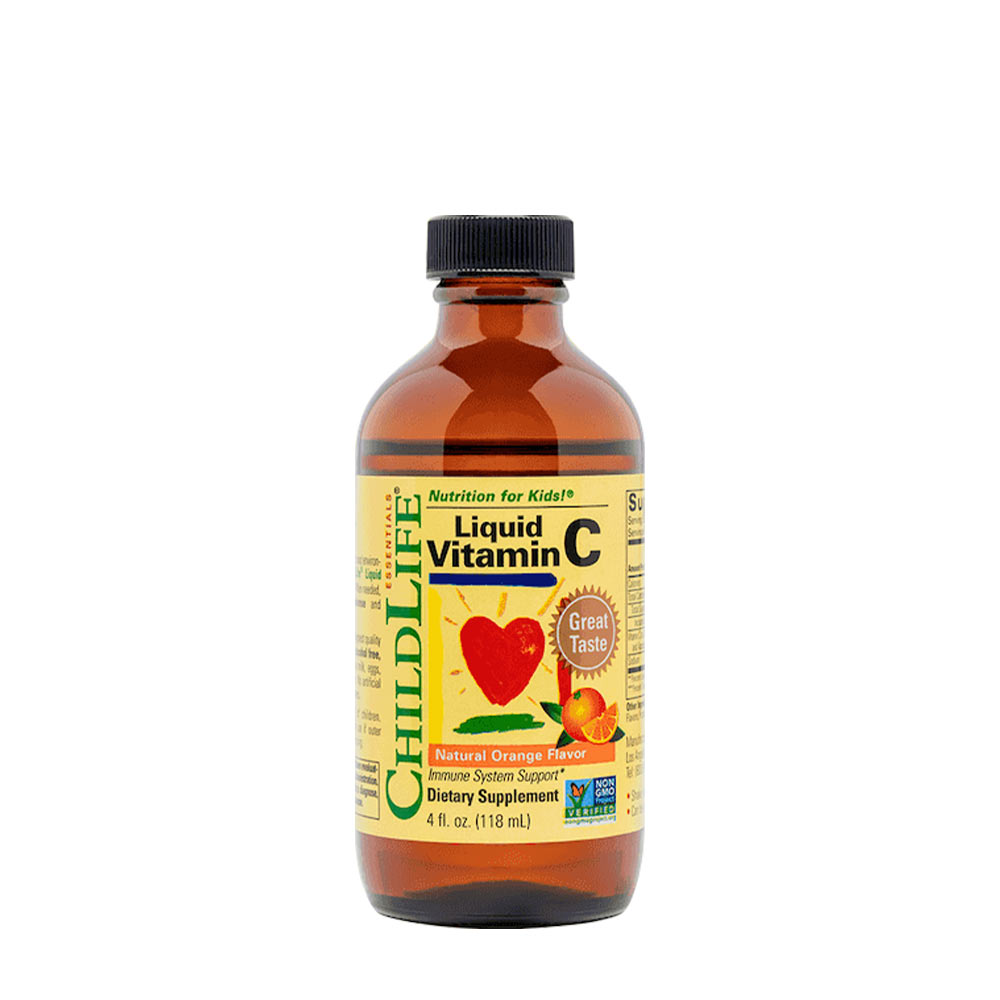
Child Life
Child Life - Liquid Vitamin C, Natural Orange - 118ml
146 krIn stockWhy is this shown?
Katalogkoppling till samtliga valda ingredienser · Ämnesnamnet förekommer i produktnamnet · I lager · Betyg 5.0 av 12 kunder

Life Extension
Life Extension - Vitamin C 24-Hour Liposomal Hydrogel - 60 Tablets
295 krIn stockWhy is this shown?
Katalogkoppling till samtliga valda ingredienser · Ämnesnamnet förekommer i produktnamnet · I lager · Betyg 5.0 av 13 kunder
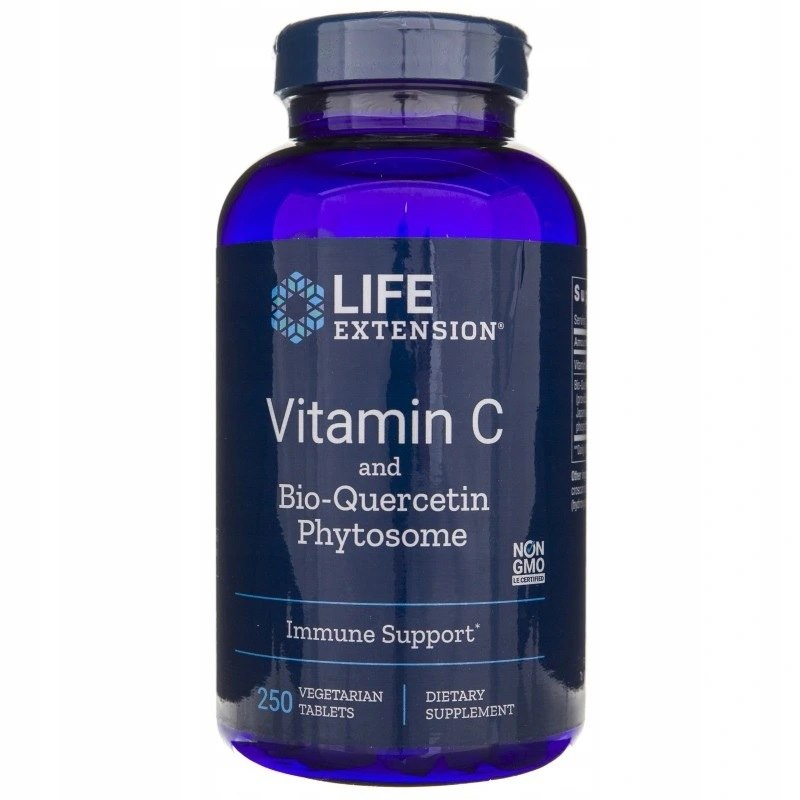
Life Extension
Life Extension - Vitamin C And Bio-Quercetin - 250 Tabs
404 krIn stockWhy is this shown?
Katalogkoppling till samtliga valda ingredienser · Ämnesnamnet förekommer i produktnamnet · I lager · Betyg 5.0 av 15 kunder
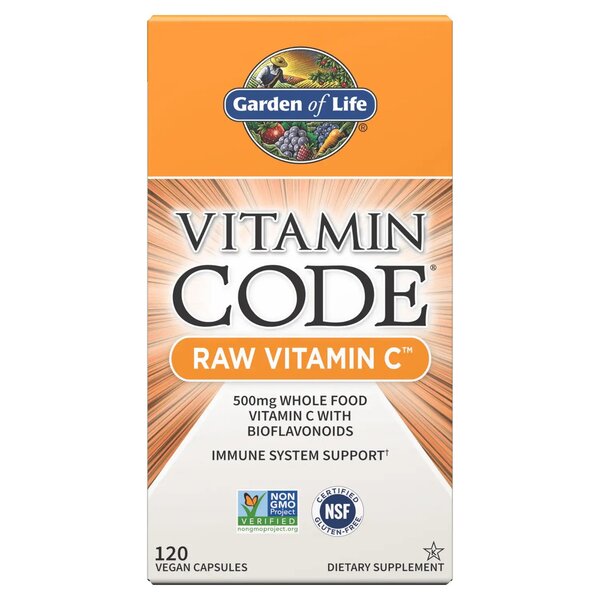
Garden of Life
Garden Of Life - Vitamin Code Raw Vitamin C - 120 Vcaps
473 krIn stockWhy is this shown?
Katalogkoppling till samtliga valda ingredienser · Ämnesnamnet förekommer i produktnamnet · I lager · Betyg 4.9 av 18 kunder
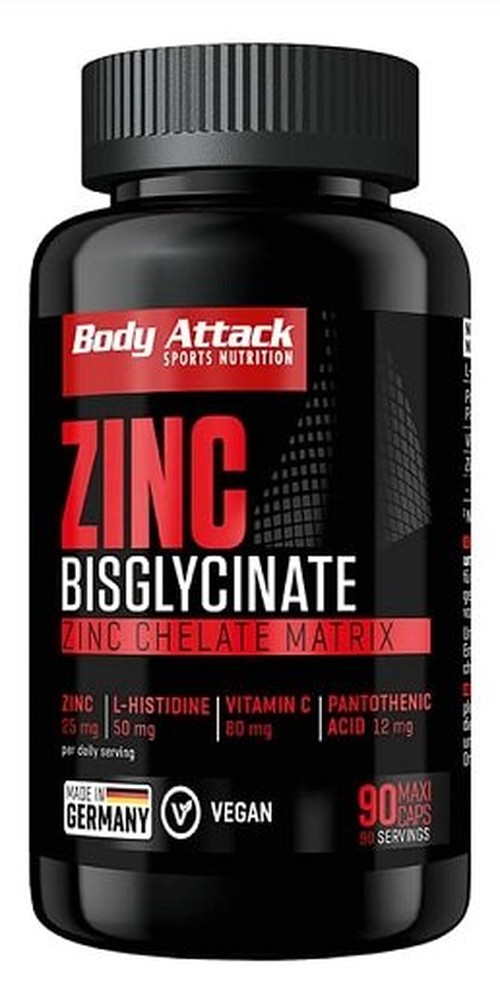
Body Attack
Body Attack - Zinc Bisglycinate - 90 Caps
178 krIn stockWhy is this shown?
Katalogkoppling till samtliga valda ingredienser · I lager