Vitamin C cancioneiro: What does the expression mean?
Short answer
The available sources do not define “vitamin C cancioneiro” or link the expression to a song or repertoire. The meaning of “cancioneiro” in this context therefore remains uncertain.
Quick facts
- The sources do not clarify the meaning of “vitamin C cancioneiro”.
- One review identifies vitamin C as ascorbic acid. Source
- The evidence on mechanisms and aging is heterogeneous; confirmation in intervention studies is limited. Source
- A meta-analysis found increased urinary oxalate excretion after supplementation in the studies it included. Source

What does “vitamin C cancioneiro” mean?
The available sources do not define the expression “vitamin C cancioneiro” or clarify what “cancioneiro” means in this context. Nor do they provide information about songs, lyrics, sheet music or chords related to vitamin C. It is therefore not possible to determine from these sources whether the expression refers to a musical work or another type of content. Its meaning remains uncertain.
It is possible, however, to describe what the sources say about vitamin C. A narrative review identifies it as ascorbic acid and examines inadequate vitamin C levels, hypovitaminosis and deficiency. For this review, a plasma level below 50 µmol/L is considered inadequate, a level of 23 µmol/L or lower indicates hypovitaminosis, and a level of 11.4 µmol/L or lower indicates deficiency. These thresholds belong to the review’s specific framework; they do not explain “cancioneiro” or establish what someone means by using the expression.
Another review describes vitamin C as L-ascorbic acid. It reports heterogeneous evidence on the mechanisms studied, drawn mainly from in vitro and preclinical models, while human data are mostly observational and have limited confirmation from intervention studies. This distinction matters: mechanistic or preliminary findings should not be turned into general conclusions. The source likewise does not link vitamin C to a songbook, a song or any other musical meaning.
There is therefore no basis in the sources for saying that “vitamin C cancioneiro” is a nutritional term or for identifying a song or repertoire by that name. “Cancioneiro” may have been included in the search for reasons the supplied materials do not reveal. Assigning it a specific origin, definition or intended meaning would be speculative.
In short, the sources allow us to discuss vitamin C and some of the names used for it, but they do not explain the full expression. This section therefore notes that gap: the meaning of “cancioneiro” in “vitamin C cancioneiro” is not documented in the available sources.
Vitamin C: Background and state of the evidence
Vitamin C, or ascorbic acid, is an essential micronutrient. The literature describes biological functions associated with antioxidant defense, epigenetic control, collagen synthesis, redox signaling and the response to cellular stress. Plausible mechanisms do not, however, show on their own that taking a supplement produces a measurable outcome in a person. A narrative review of vitamin C and aging emphasizes this distinction between observed mechanisms and confirmed clinical benefits.
In that review, the proposed mechanisms include possible influences on gene expression, control of inflammation, mitochondrial function and cellular adaptation to stress. Most data supporting these hypotheses come from in vitro and preclinical studies. Human data are mainly observational, and confirmation from intervention studies is limited. The review on aging calls for studies linking biomarkers of aging to health outcomes assessed in people.
This distinction matters when interpreting any claim about supplements. Observing an association between levels of a micronutrient and an outcome is also not enough to show that supplementation changes that outcome. The assessment depends on study design and the characteristics of the people included.
Nutritional context is an essential part of that assessment. A review of micronutrients describes varying relationships between nutritional status, supplementation and clinical outcomes, emphasizing that the evidence depends on factors such as initial nutritional status, dose, timing of use and the outcome measured. Findings from one group or setting should therefore not automatically be generalized to everyone. The review recommends assessing interventions in context rather than assuming that supplementation has uniform effects.
In summary, the sources distinguish biological plausibility from what has been demonstrated in people: for vitamin C, mechanisms have been proposed, but clinical confirmation is limited and heterogeneous. The review on aging and the review of micronutrients support this distinction.
What the reviews say about vitamin C and metabolism
A narrative review published in 2026 examines the relationship between vitamin C, hypovitaminosis C, obesity and features of metabolic syndrome. The authors aimed to bring together plausible mechanisms and assess preclinical and human studies, including research on supplementation and dietary interventions. The review of vitamin C and metabolism
How the review defines vitamin C status
To organize the evidence, the authors distinguish between plasma vitamin C levels: they consider levels below 50 µmol/L inadequate, levels of 23 µmol/L or lower to indicate hypovitaminosis, and levels of 11.4 µmol/L or lower to indicate deficiency. These thresholds are definitions the review uses to frame the studies; on their own, they do not describe any particular person’s status or establish that a vitamin C level causes metabolic changes. The criteria presented in the review
The review notes that hypovitaminosis and vitamin C deficiency are observed in developed countries despite the availability of fruit, vegetables and supplements containing it. It also presents the hypothesis that diets high in heavily processed foods and low in micronutrients may be associated with processes affecting metabolic control. These points provide context for the discussion, but they do not show that vitamin C alone determines weight or features of metabolic syndrome. The nutritional context described by the authors
Preclinical evidence and human findings
In the in vitro studies and animal models it brings together, the review describes favorable findings for vitamin C in relation to obesity and features of metabolic syndrome. Preclinical evidence can help generate hypotheses about mechanisms, but it is not equivalent to demonstrating a benefit in people. Translating laboratory or animal-model findings into clinical outcomes requires confirmation in appropriate human studies. The summary of preclinical data
In human intervention studies, by contrast, the findings are described as more modest. The review reports favorable changes in several parameters studied, including insulin sensitivity, lipid profile, metabolic inflammation, weight, blood pressure, intestinal permeability and hepatic steatosis. This list summarizes findings reported in the included studies: it does not mean they were observed in every person, in every study or with the same consistency. Nor does it justify presenting supplementation as a treatment or attributing an approved health effect to vitamin C. The human findings summarized in the review
Limitations to bear in mind
One highlighted limitation is that some clinical studies did not measure plasma vitamin C concentration before the intervention. Without that baseline measurement, it is harder to know whether participants had low levels and to interpret the findings in light of their initial nutritional status. The review also notes studies in which it was not possible to achieve the intended plasma levels in participants with hypovitaminosis C or features of metabolic syndrome. The findings should therefore not be generalized without considering how each study was designed and who took part. The methodological limitations identified by the authors
In summary, this review provides an overview of the hypotheses and available data, not a definitive conclusion about cause and effect. The contrast between more favorable preclinical findings and more modest human findings, together with limitations in baseline measurement, calls for caution in interpretation. The review also discusses vitamin C in combination with physical activity and dietary interventions, but that discussion is not, on its own, an individual recommendation or proof that supplementation is necessary or appropriate. The conclusion and scope of the narrative review
Proposed mechanisms and limits of interpretation
A narrative review describes possible links between vitamin C and several cellular processes, including redox control, gene expression, mitochondrial function, control of inflammation and cellular responses to stress. Redox control concerns oxidation and its reverse, electron gain, in a cell; the review considers that vitamin C may influence these processes and the associated cellular signals. These proposals do not, however, demonstrate that taking vitamin C produces a general or measurable effect on human aging. The review of vitamin C and aging emphasizes that the evidence is heterogeneous and comes mainly from in vitro and preclinical studies.
Even so, human data are mainly observational, and confirmation from intervention studies is limited. It is therefore not possible to conclude from the mechanisms described that supplementation provides general clinical benefits related to aging. The review calls for research linking biomarkers of biological aging to health outcomes that matter to people. Its critical assessment of the mechanisms and human evidence explicitly distinguishes biological plausibility from clinical confirmation.
This caution in interpretation also applies to other plausible mechanisms attributed to micronutrients. A review of nutritional status and the body’s defenses describes processes such as redox control and the activity of different cellular components, but stresses that deficiency and supplementation do not have uniform relationships with clinical outcomes. The evidence depends on context and how studies are conducted; the review recommends considering, among other factors, initial nutritional status, the intervention, timing, the outcome assessed and safety. The review of micronutrients and clinical evidence thus shows that a biologically plausible mechanism is not enough to establish a consistent clinical outcome.
- What mechanisms can do: help formulate hypotheses about cellular processes and guide new research questions. The review on aging discusses these possibilities mainly on the basis of in vitro and preclinical models.
- The review identifies limited human data to confirm that translation.
- How to interpret the evidence: consider the context and observed outcomes without treating a cellular explanation as proof of benefit. The review of micronutrients highlights that plausible mechanisms do not necessarily correspond to consistent clinical outcomes.
In short, redox control and cellular responses to stress are relevant research hypotheses, not guarantees of clinical effects. Appropriate intervention studies and meaningful clinical measures are needed to determine whether these observations translate into relevant outcomes during human aging. The review of vitamin C and aging considers that confirmation still insufficient.
Supplementation: what the research allows us to conclude
The available sources do not support a universal recommendation to take vitamin C supplements or to choose high doses. The evidence depends on the context studied, the characteristics of the participants and how the studies were conducted. Results observed in a specific situation should therefore not be turned into a general recommendation for supplementation. The review on micronutrients recommends considering nutritional status, context, dose and the safety of interventions, rather than adopting universal high-dose approaches.
A narrative review on vitamin C, obesity and features of metabolic syndrome describes modest results in human intervention studies. Favourable changes in various parameters were reported, but the review notes methodological limitations: some studies did not measure plasma ascorbic acid concentrations at the outset, while others were unable to bring those concentrations to more suitable levels in participants with low levels or metabolic syndrome. The results therefore do not allow us to conclude that supplementation is a suitable strategy for everyone or that a higher dose produces a greater benefit.
The same review distinguishes preclinical data from results in humans. Although laboratory and preclinical studies indicate promising effects in the contexts examined, the results in humans are more modest. This distinction matters: findings from preclinical models do not, on their own, amount to a recommendation for use in people. The review also notes that assessing initial vitamin C concentrations and whether they can be brought to more suitable levels are important considerations when interpreting the studies.
The review on micronutrients emphasises that interventions should be assessed in light of baseline nutritional status, dose, timing, the outcome measured and safety. It also recommends better-stratified studies with standardised outcomes, rather than assuming that a high-dose approach applies to everyone.
- These sources provide no basis for a universal recommendation: the review on obesity and metabolic syndrome describes modest results in humans and limitations in the studies. Read the review.
- Context matters: assessing nutritional status, dose and safety is preferable to a universal high-dose approach. Read the review on micronutrients.
- The results do not establish an individual dose: the cited sources do not establish a universal dose for vitamin C supplementation here.
In short, the research presented here indicates that supplementation should be interpreted cautiously and in light of the context studied. It does not support recommending vitamin C supplements for everyone or automatically justify high doses. The limitations described in the narrative review and the recommendation for context-informed interventions are reasons to avoid generalisations.
Safety and situations that call for caution
One relevant safety consideration in research on vitamin C supplements concerns urinary oxalate. A systematic review with meta-analysis brought together intervention studies published between 1965 and February 2023 that assessed urinary parameters associated with stone formation. Of the nine studies included, the pooled analysis found a significant increase in urinary oxalate excretion after supplementation compared with baseline values. The reported mean difference was 9.72 mg per 24 hours. The meta-analysis on vitamin C supplements and urinary stone risk included studies with participants who had a history of stones and participants who did not.
This result needs to be described precisely: it is a change in a urinary parameter associated with stone formation, not proof that everyone who takes vitamin C will develop stones. The authors indicate that increased oxalate may play a part in stone formation and, among people who already form stones, could be associated with a more severe presentation. The analysis covers both groups, but this does not make it possible to predict individual risk or determine the effect of a specific product or pattern of use. The source describes the results and the limits of the population studied.
What this result allows us to conclude
- The meta-analysis found higher urinary oxalate excretion after vitamin C supplementation across the studies reviewed. Source: systematic review and meta-analysis on urinary parameters.
- The studies included people with and without a history of stones, so the finding is not limited to either group alone. Source: the review’s inclusion criteria.
- The review links increased oxalate to a possible contribution to stone formation, but does not establish that a supplement causes stones in every user. Source: the meta-analysis’s conclusion.
These data are not enough to turn the result into personalised advice. The source provided does not make it possible to establish comprehensive guidance on vitamin C interactions with medicines or other products, groups that may require additional caution, or safe doses applicable to each person. Nor does it provide a universal rule for deciding when to start, stop or adjust supplementation. Conclusions that go beyond the urinary parameters assessed and the populations in the included studies should therefore be avoided.
In short, urinary oxalate excretion is a factor to consider when reading the evidence on vitamin C supplementation and stones. The meta-analysis observes an average increase across the studies, both among participants with a history of stones and among those without one, but does not provide an individual prediction or a complete safety plan. The review presents these results in the context of urinary parameters associated with stone formation.
How to assess the quality of information about vitamin C
When looking for information about vitamin C, it is worth distinguishing what has been observed in people from what has been proposed on the basis of laboratory experiments or preclinical models. A biologically plausible mechanism can help formulate a hypothesis, but does not, on its own, demonstrate that a supplement produces a meaningful effect in people. A review on vitamin C and ageing describes mechanisms studied mainly in cell and preclinical models, while the human data are largely observational and have limited confirmation in intervention studies (review on vitamin C and ageing).
Check what type of evidence underlies the statement
Find out whether the conclusion comes from laboratory experiments, animal studies, observations of people or intervention trials. These approaches answer different questions. Observational studies can identify associations, but do not, on their own, establish that vitamin C caused an outcome. An intervention trial assesses what happened after a defined intervention, but its results depend on who took part, what was administered and how the effect was measured. The review on ageing emphasises that the available evidence is heterogeneous and that mechanistic observations have not yet been sufficiently confirmed by interventions in people (summary of the mechanistic and human evidence).
Look for limitations, not just conclusions
A narrative review can organise mechanisms and findings from different studies, but it is not the same as a single clinical trial and does not guarantee that all the studies found the same result. In the review on vitamin C, weight and aspects of metabolic syndrome, the results of intervention studies in people are described as more modest than the preclinical data. The review also points to limitations such as the absence of initial blood vitamin C values in some studies and the difficulty of bringing those values to more suitable levels in participants with low levels (narrative review and limitations of the human studies).
It is therefore worth checking whether a source reports the type and number of studies, the participants’ characteristics, the measures assessed and the limitations acknowledged. Be wary of broad conclusions when the evidence is preliminary, heterogeneous or based mainly on mechanisms: an explanation of how something could happen is not a promise that it will happen.
Interpret results in context
The effects of a micronutrient intervention may vary according to initial nutritional status, the population, the intervention, its timing and the outcome chosen. A review on context-informed interventions recommends assessing these factors and favouring targeted approaches rather than assuming that a universal or high-dose strategy is suitable for everyone (criteria for interpreting micronutrient interventions). Applied to vitamin C, this principle means asking whom a result applies to and under what conditions it was obtained, without extrapolating to other people or situations.
Quality information separates facts from hypotheses, sets out uncertainties and does not turn preliminary results into guarantees. If a conclusion depends on an individual situation or on the interpretation of studies, the assessment should be put into context by a healthcare professional rather than based on a generalised promise.
Safety and precautions
The sources do not support a universal recommendation to take vitamin C supplements or establish an individual dose. A meta-analysis found an average increase in urinary oxalate excretion after supplementation in the studies it included, but that finding does not predict any individual’s risk. Meta-analysis of vitamin C and urinary parameters. The evidence should be interpreted in light of the context and study limitations. Review of micronutrients
Supplements with the ingredients in this article
Compare contents, dose and price
Frequently asked questions
What does “vitamin C cancioneiro” mean?
The available sources do not define the expression or explain what “cancioneiro” means in this context.
Is there an identified song or repertoire by that name?
The sources do not link vitamin C to a song, lyrics, sheet music, chords or a repertoire by that name.
How do the sources identify vitamin C?
One review identifies it as ascorbic acid, and another describes it as L-ascorbic acid. Review of vitamin C and metabolism; review of vitamin C and aging.
Do the sources support recommending vitamin C supplements to everyone?
No. The reviews described in the article identify limitations and call for findings to be interpreted in the context studied, rather than turned into a universal recommendation. Review of micronutrients
What safety finding is reported about supplementation?
A meta-analysis found increased urinary oxalate excretion after supplementation in the studies it included. That finding cannot predict individual risk. Meta-analysis of urinary parameters
Sources
- Relationship Between Hypovitaminosis C, Obesity, and Features of Metabolic Syndrome-A Narrative Review. (external link)
- Vitamin C as a Potential Geroprotector: Interactions with Aging Hallmarks and Implications for Healthy Longevity. (external link)
- Micronutrient status and host defense against infectious diseases: Mechanisms, clinical evidence, and context-dependent interventions. (external link)
- The Effect of Vitamin C Supplements on Urinary Stone Risk: A Systematic Review and Meta-Analysis. (external link)
Read more
Products related to this article
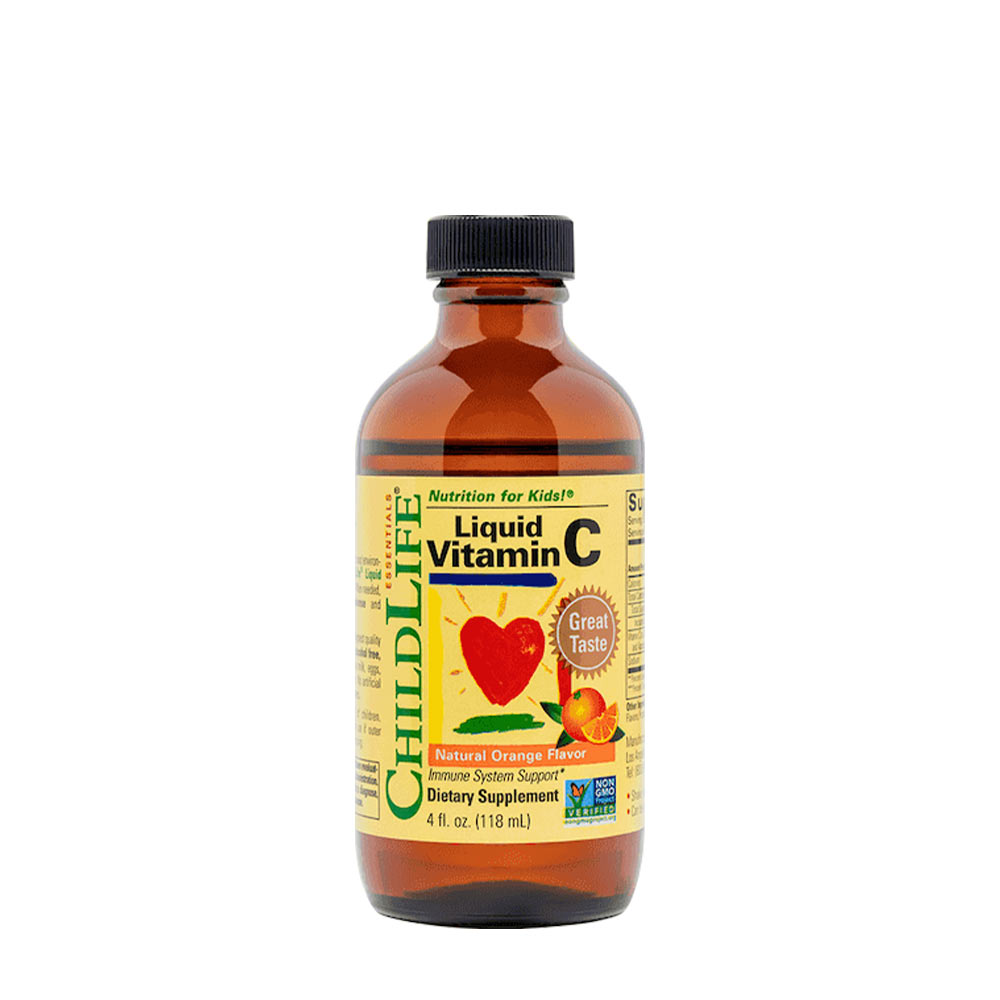
Child Life
Child Life - Liquid Vitamin C, Natural Orange - 118ml
146 krIn stockWhy is this shown?
Katalogkoppling till samtliga valda ingredienser · Ämnesnamnet förekommer i produktnamnet · I lager · Betyg 5.0 av 12 kunder

Life Extension
Life Extension - Vitamin C 24-Hour Liposomal Hydrogel - 60 Tablets
295 krIn stockWhy is this shown?
Katalogkoppling till samtliga valda ingredienser · Ämnesnamnet förekommer i produktnamnet · I lager · Betyg 5.0 av 13 kunder
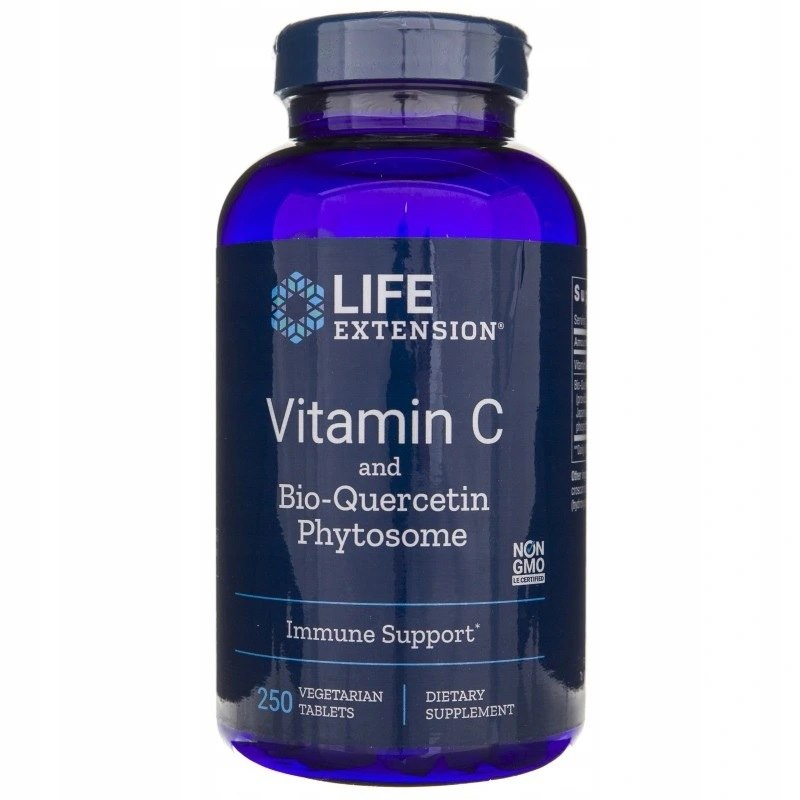
Life Extension
Life Extension - Vitamin C And Bio-Quercetin - 250 Tabs
404 krIn stockWhy is this shown?
Katalogkoppling till samtliga valda ingredienser · Ämnesnamnet förekommer i produktnamnet · I lager · Betyg 5.0 av 15 kunder
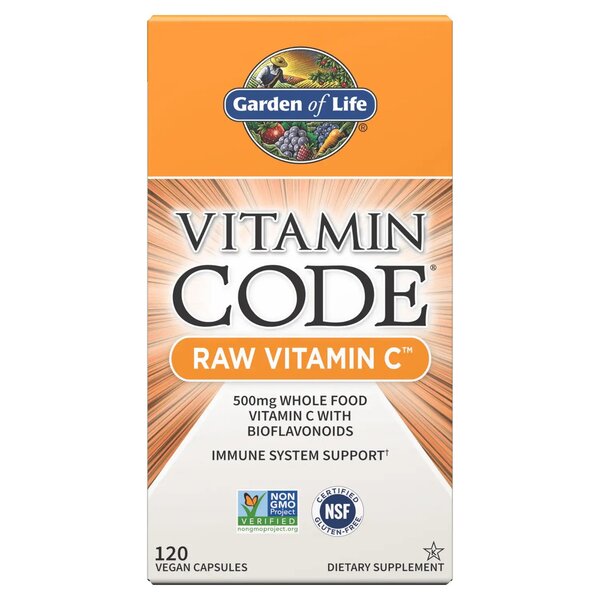
Garden of Life
Garden Of Life - Vitamin Code Raw Vitamin C - 120 Vcaps
473 krIn stockWhy is this shown?
Katalogkoppling till samtliga valda ingredienser · Ämnesnamnet förekommer i produktnamnet · I lager · Betyg 4.9 av 18 kunder
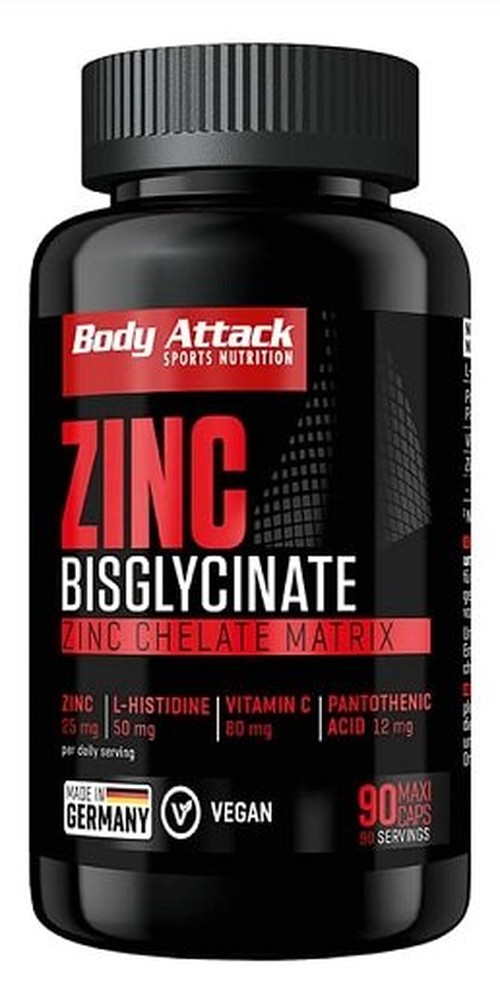
Body Attack
Body Attack - Zinc Bisglycinate - 90 Caps
178 krIn stockWhy is this shown?
Katalogkoppling till samtliga valda ingredienser · I lager