Vitamin C table: fruit and vegetables at a glance
Short answer
A vitamin C table can compare the amounts in individual foods meaningfully only if specific values and a consistent reference quantity are available. The available sources do not give comparable values for individual fruits or vegetables, so a ranking cannot be drawn from them.
Quick facts
- The sources contain no individual vitamin C values for fruits or vegetables.
- The available information does not support a ranking of varieties.
- The UK study examines vitamin C intake and the contribution of fruit juice, not the vitamin C content of individual foods. Study description
- Comparable table values need a clearly stated reference quantity.
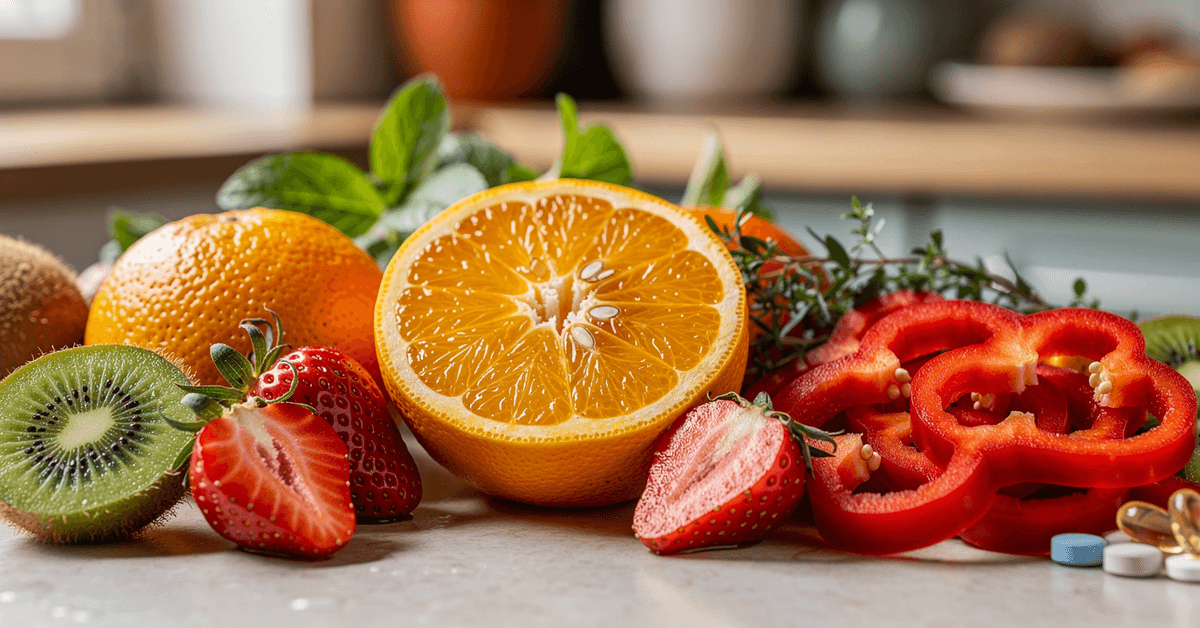
Vitamin C table: fruit and vegetables at a glance
A vitamin C table for fruit and vegetables should show at a glance which foods contain vitamin C and how their amounts compare. It can help with meal planning and putting together a varied diet. Such a comparison, however, requires reliable values for specific foods, expressed using a consistent reference quantity.
The sources available here do not contain specific vitamin C values for individual fruits or vegetables. They therefore cannot be used to create a table with amounts or determine which fruit or vegetable contains the most vitamin C. A list of figures or a ranking would not be reliable without suitable data, so none is included here. The study provided examines vitamin C intakes in a UK population and models changes in fruit juice consumption; it does not provide comparative values for individual fruits and vegetables.
Vitamin C in fruit and vegetables: what a table should show
A useful vitamin C table should clearly state what each food’s value refers to, such as a defined quantity of that food. It is equally important that the entries are comparable: values for different quantities or different forms of a food cannot simply be compared. Since the available sources do not contain this information, it would not be appropriate to highlight particular varieties as especially rich in vitamin C.
The study on vitamin C intake describes vitamin C as a water-soluble vitamin that must be obtained regularly through the diet. Its findings concern the overall diet of the UK population studied and the contribution of fruit juice to intake, not a table of values for fresh fruit or vegetables. The study description therefore provides no basis for ranking foods.
Which fruit has the most vitamin C?
The information available here does not allow this question to be answered reliably: specific, comparable values for individual fruits are missing. A general claim about which fruit ranks highest would therefore be unsupported. The same applies to a vitamin C table for vegetables. Both types of table require sources that list values for individual foods using the same reference quantity.
A PDF would also be helpful only if it contained traceable, comparable information. The sources provided do not supply such table values. Rather than presenting seemingly precise figures or an unsupported ranking, this overview therefore contains no amounts. The available research can provide information about vitamin C intake from foods and drinks, but it cannot replace a table showing the amounts in individual fruits and vegetables.
What a vitamin C table shows—and what it does not
A vitamin C table organises foods by their stated vitamin C content. This can make it easier to compare information about fruit or vegetables side by side. But such a comparison is meaningful only if suitable, comparable data are available for every food. Reliable nutritional values for individual foods are not available here. It is therefore not possible to compare exact amounts or name a fruit or vegetable that ranks highest.
Even a table containing figures would not automatically be a universally applicable ranking. It would describe the values stated for the foods and reference quantities listed in it. Without the relevant data, it is not possible to assess whether different entries were determined under the same conditions. A specific order or numerical value would therefore be unreliable and is not included here.
Nor does a table show how much vitamin C a person actually gets from their diet. That depends on which foods and drinks they consume and in what quantities. A study of dietary data from the United Kingdom examined vitamin C intakes using a population survey and modelling of fruit juice consumption; its findings relate to the population studied and the assumptions used, not to the vitamin C content of individual foods in a general table. The study of dietary data and fruit juice
It is also important to bear in mind that the body cannot produce or store vitamin C, so it must be obtained regularly through the diet. The study describes vitamin C as a nutrient that must be obtained regularly through the diet This does not mean that a table alone can establish a person’s individual needs or which foods are right for them. It is a guide—and its usefulness depends on the quality and comparability of the underlying values.
- A vitamin C table can: present stated amounts in an organised way, provided reliable, comparable data are available.
- It cannot, in this case: substantiate exact amounts in individual foods or answer which fruit or vegetable contains the most vitamin C.
- It does not replace: consideration of the overall diet; vitamin C must be obtained regularly through food. Source on regular intake through the diet
Vitamin C in fruit: putting values in context
“Which fruit has the most vitamin C?” The question suggests a simple ranking. However, the sources available here identify neither individual fruits nor their vitamin C content. They therefore cannot be used to create a fruit table with specific values—or reliably identify the fruit that ranks highest. A ranking or numerical value would be unsupported here. The study of vitamin C consumption in the United Kingdom considers foods and drinks as contributors to total intake, but the information available does not list vitamin C values for individual fruits.
Specific, comparable information is essential for a “vitamin C fruit table”: which fruit was examined, what quantity do the values refer to, and do the figures come from the same dataset? Without this information, a comparison could easily be misleading. A figure without a reference quantity does not show how much vitamin C a typical serving provides. Nor can a seemingly precise ranking be drawn from a source that does not compare different fruits.
Which fruit has the most vitamin C?
This question cannot be answered on the basis of the sources cited here. The study examines vitamin C intakes and models how different patterns of fruit juice consumption might affect them. But it is not a table of fruit vitamin C content and does not name the fruit with the highest content. The published information about the study reports, among other things, the contribution of fruit juice to vitamin C intake in the population studied; it does not provide a ranking of whole fruits.
This also matters for searches such as “which fruit has the most vitamin C table”: a reliable answer would need values for several fruits expressed using a consistent reference quantity. Since that information is missing here, it would not be appropriate to name individual fruits or estimate their vitamin C content. Anyone comparing values from different tables should also check whether the figures refer to the same quantity and the same type of measurement.
What can be concluded from the sources?
The study describes vitamin C as a nutrient that must be obtained regularly through the diet and examines contributions from foods and drinks. It does not, however, establish which fruit contains a particularly large amount. The source therefore provides evidence for the general link between diet and vitamin C intake, but not for specific values for fruits.
To put the information in context, a fruit table should show specific figures and a ranking only if its underlying source actually lists the fruits and their values. Such a table is not possible with the information available here. For that reason, no fruit is presented as supposedly having the most vitamin C.
Vitamin C in vegetables: tables and comparisons
A table of vitamin C values for individual vegetables would be a practical guide for comparisons. However, the available sources do not say how much vitamin C specific vegetables provide. They therefore cannot be used to produce reliable figures for a vegetable table or a ranking of varieties. The available study examines vitamin C intakes and the contribution of foods and drinks in a UK population group; the material provided does not give values for individual vegetables.
Specific amounts in milligrams and claims such as “highest in vitamin C” are therefore deliberately omitted here. Without substantiated values, a comparison would be misleading: a table might give the impression that vegetables had been ranked by their vitamin C content even though the necessary data are unavailable. Nor can a seemingly precise figure be derived from general findings about vitamin C intake.
What the available information tells us
The study considers vitamin C from foods and drinks overall and models changes in fruit juice intake. For example, it reports the proportion of people studied who consumed fruit juice and its contribution to vitamin C intake. These findings relate to the UK group studied and do not answer which vegetable has the highest vitamin C content. About the study
- No individual values: The available sources give no vitamin C amounts for specific vegetables.
- No reliable comparison: Without individual values, neither a numerical comparison nor a ranking is possible.
- Consider the scope: Findings on the total vitamin C intake of a population group are not a nutritional table for vegetables.
Anyone looking for a vegetable table that allows direct comparisons needs a source that explicitly lists specific foods and their vitamin C values. No such data are available for this section. The appropriate answer to a search for a “vitamin C vegetable table” is therefore that individual vegetables cannot be reliably quantified or compared here.
Vitamin C from food and drinks
Vitamin C can be obtained from food and drinks. The share of a population’s intake from each source, however, depends on what people actually eat and drink. A British dietary study examined vitamin C intake and the shares from food and drinks. It also modelled how different patterns of fruit juice consumption might affect intake. The results relate to participants in a British survey; they are not a general food table showing vitamin C values for each type of fruit or vegetable. The study on vitamin C and fruit juice
What the British study examined
The analysis used data from 3,558 people in the British National Diet and Nutrition Survey for the period 2016 to 2019. It recorded vitamin C intake and examined the proportion that came from fruit juice. A dietary model then compared scenarios in which more people drank fruit juice or existing consumers increased the amount they drank. This was an analysis of the diet of a particular population and a set of theoretical models—not a direct comparison of the vitamin C content of different foods. Methods and results of the study
In the data examined, 40 percent of the population drank fruit juice. According to the study, it supplied 25 percent of vitamin C intake across all age groups. These figures describe the dietary context observed in Britain. They do not mean that fruit juice supplies a quarter of the vitamin C in every diet, and they cannot readily be applied to other countries or individuals. Figures on the contribution of fruit juice in the British survey
What the results say about vitamin C intake
In the population studied, vitamin C intake from food and drinks was typically above the reference values of 30 to 40 mg per day used in the study. Fewer than ten percent were below the estimated average requirement; fewer than two percent were below the lower reference value considered there. These figures relate to the British sample and the reference measures used in the study. They are not a calculation of an individual’s needs or a recommendation for any particular person. Intake and reference values in the study
The model indicated that average vitamin C intake would increase if more people included fruit juice in their diets. For the proportion of the population meeting the reference values examined, the effect was greater when fruit juice consumption extended to additional people than when existing consumers drank more. These are results from a dietary scenario, not a statement that a particular amount of juice is necessary or suitable for everyone. Results of the modelled fruit juice scenarios
Why the study does not replace a fruit or vegetable table
People searching for a “vitamin C table” or “vitamin C in fruit” usually want to compare values for individual foods. The British study addresses a different question: it looks at intake within a population and models the possible influence of fruit juice. The reported results therefore cannot tell us which fruit contains the most vitamin C or how much vitamin C a particular serving of vegetables provides. That would require comparable content figures for each food and a clearly defined serving size; this study does not provide such individual values. Scope of the dietary analysis
Nor is the modelling equivalent to a trial that measures the effects of an actual dietary change in each individual. It shows how assumed changes in fruit juice consumption might affect calculated intakes in the British survey data. The study also reports that the modelled inclusion of fruit juice more widely had only a minimal effect on free sugar intake. That is a result of this model, not a general assessment of individual drinks or diets. Model assumptions and reported effects
When interpreting a food table, it is therefore important not to confuse intake with content: intake describes how much vitamin C people obtain through their diet, whereas a table of individual values would need to show the content of specific foods. The British study provides indications of the role fruit juice played in the dietary data collected there. It is not, however, a reference guide to vitamin C amounts in fruit and vegetables. British data on intake and dietary sources
What the research and authorised claims support
A table of vitamin C values in foods shows how much individual foods can provide. It does not, however, automatically show the nutritional status of a population: dietary surveys and defined reference values are used for that. A British study examined vitamin C intake using data from the National Diet and Nutrition Survey for 2016 to 2019. It included 3,558 people. The results relate to the population studied in the United Kingdom and cannot simply be applied to Germany. About the British dietary study
In this survey, food and drinks typically supplied more vitamin C than the reference values used there. At the same time, some of the population studied fell below different comparison values: fewer than ten percent were below the Estimated Average Requirement (EAR), and fewer than two percent were below the lower Lower Reference Nutrient Intake (LRNI). These figures are not contradictory: a typical value above a reference value does not mean that every individual is above it. The study describes distributions within the British survey; it is not an analysis of the German population or a test of an individual’s nutritional status. Results and comparison values used
The context of the study also matters: the researchers examined vitamin C intake and modelled possible changes associated with fruit juice consumption. The models described do not measure effects in individuals. They therefore cannot provide either a personal recommendation or a universally applicable statement about which foods to choose. When interpreting a vitamin C table, the listed values for foods and the corresponding serving sizes remain crucial; population data provide a different kind of information. Study description and modelling
What can be said about authorised EU health claims?
The sources provided do not specify which statements are authorised as EU health claims or the conditions under which they may be used. No authorised health claims are therefore added here. The British study reports on dietary surveys and reference values; on its own, it is not evidence that a claim is authorised. A vitamin C table should therefore stick to verifiable nutrient information and not recast study results as advertising claims or assessments of an individual’s health. Subject and results of the study
Limits of the data: no PDF table from the sources
People searching for a vitamin C table as a PDF usually expect a practical overview with specific amounts, such as how much vitamin C selected fruits and vegetables contain. The sources available here do not provide such values for foods. They therefore do not offer a reliable basis for creating a fruit table, a vegetable table or a PDF showing vitamin C content per 100 grams. The review on vitamin C discusses possible links with biological processes and assesses the state of the evidence; it is not a nutritional value table. The study of vitamin C intake in the United Kingdom examines dietary data and modelled changes in fruit juice consumption, but the available information likewise does not list the vitamin C content of individual fruits or vegetables.
It would therefore be unreliable to derive a table of seemingly precise values from these sources. Nor can they answer the question “Which fruit has the most vitamin C?”: that would require comparable nutritional values for specific fruits and a clearly defined quantity for comparison. The same applies to a search for a vitamin C table for vegetables. Without such data, a ranking or numerical comparison would be unsupported.
The available sources can nevertheless provide a different, narrower context. In a British dietary analysis, fruit juice contributed to vitamin C intake among the people studied; the study also examined modelled changes in consumption. These results relate to the population studied and its diet, not to the vitamin C content of particular fruits or to a comparison between fruit and vegetables. The study describes its data and modelling, but does not provide a table of values for individual foods.
Expert analysis of vitamin C does not replace a food table either. The available review assesses the evidence on various biological questions as mixed and notes that much of the mechanistic evidence comes from laboratory and preclinical models. Its purpose is therefore different from that of a nutritional database. The review does not establish specific amounts in fruit or vegetables.
What can—and cannot—be concluded from the sources
- Supported: One of the sources examines vitamin C intake and modelled amounts of fruit juice in a British dietary study. The figures relate to that study.
- Not supported: Vitamin C values for individual fruits and vegetables, amounts per 100 grams, a ranking of varieties particularly rich in vitamin C, or a direct comparison between foods. The sources provided lack the corresponding nutritional values.
- Implication for a PDF: A reliable PDF table with values for fruit or vegetables cannot be created from these sources. Numbers or rankings of varieties here would not be source-based.
This limitation matters because a well-designed table can quickly make figures appear definitive. Without a stated source, a defined quantity and suitable comparison data, such a PDF would convey more precision than the material warrants. For these sources, then, the answer to a search for a vitamin C table or a PDF version is that they provide general context, but not specific values for foods. Rather than insert unsupported figures, this overview is deliberately transparent about the missing data.
How to make good use of a vitamin C table
A vitamin C table is, first and foremost, a reference tool: it can help you compare foods by their stated vitamin C content. For the figures to be useful, it should be clear before comparing them exactly what the table shows. The following checks can help you put the information in context without reading more into it than it can tell you.
- Check the source and purpose: Is it clear who compiled the values and what the table is intended for? An overview of nutrient content answers a different question from a population study that analyses actual dietary data or uses calculations to compare different scenarios. For example, a British study examined dietary data from 3,558 people and modelled possible changes in vitamin C intake from fruit juice. Its findings are not a food table or a measurement of the vitamin C content of a single serving. The study of dietary data and modelling
- Check what the figures cover: See whether the table gives values per 100 grams, per serving or for another quantity. These figures cannot be compared directly without conversion. It also matters whether the overview covers certain foods or a predefined selection. Without this information, it remains unclear what a comparison refers to.
- Ask the right question: To answer “Which fruit has the most vitamin C?”, you need a table that lists fruit values using the same reference quantity. For a general vitamin C table or an overview of vegetables, it should likewise be clear which foods are included. A ranking cannot be inferred from the table’s heading alone without supported, comparable figures.
- Do not read table values as study findings: A population study can describe the intake recorded in a group studied or calculated in a model. That does not automatically tell you how much vitamin C a particular food contains. Conversely, an entry in a food table does not establish what a population’s diet actually looks like.
The state of the research should not be confused with a table, either. A review describes the evidence on vitamin C as mixed: much of the research it examined comes from cell-based and preclinical models; data from human intervention studies are limited. This is a reason to distinguish carefully between different types of evidence—not a reason to attribute findings to a simple nutrient-content overview that did not investigate them. The research review on vitamin C and aging
Vitamin C table as a PDF: A PDF can be convenient to save or print. Before using it, you should still be able to identify the source, the reference quantity and what the table covers. What matters is not the file format, but whether the information is transparent and suitable for the comparison you want to make.
Supplements with the ingredients in this article
Compare contents, dose and price
Frequently asked questions
Which fruit has the most vitamin C?
The available sources do not allow this question to be answered: they contain no comparable vitamin C values for individual fruits.
Is there a vitamin C table for vegetables?
The available sources do not give vitamin C amounts for individual vegetables. They therefore cannot be used to create a numerical vegetable table or a ranking.
Why is the reference quantity important in a vitamin C table?
Values for different quantities cannot simply be compared. A useful table should therefore clearly state what each value refers to.
Can the UK study replace a vitamin C table?
No. It examines vitamin C intakes in a UK population and models the contribution of fruit juice. It does not provide vitamin C content values for individual fruits or vegetables. Study description
Can a vitamin C table be created as a PDF from the sources?
A reliable PDF with specific values for fruits or vegetables cannot be created from them because comparable individual values are missing.
Sources
Read more
Products related to this article
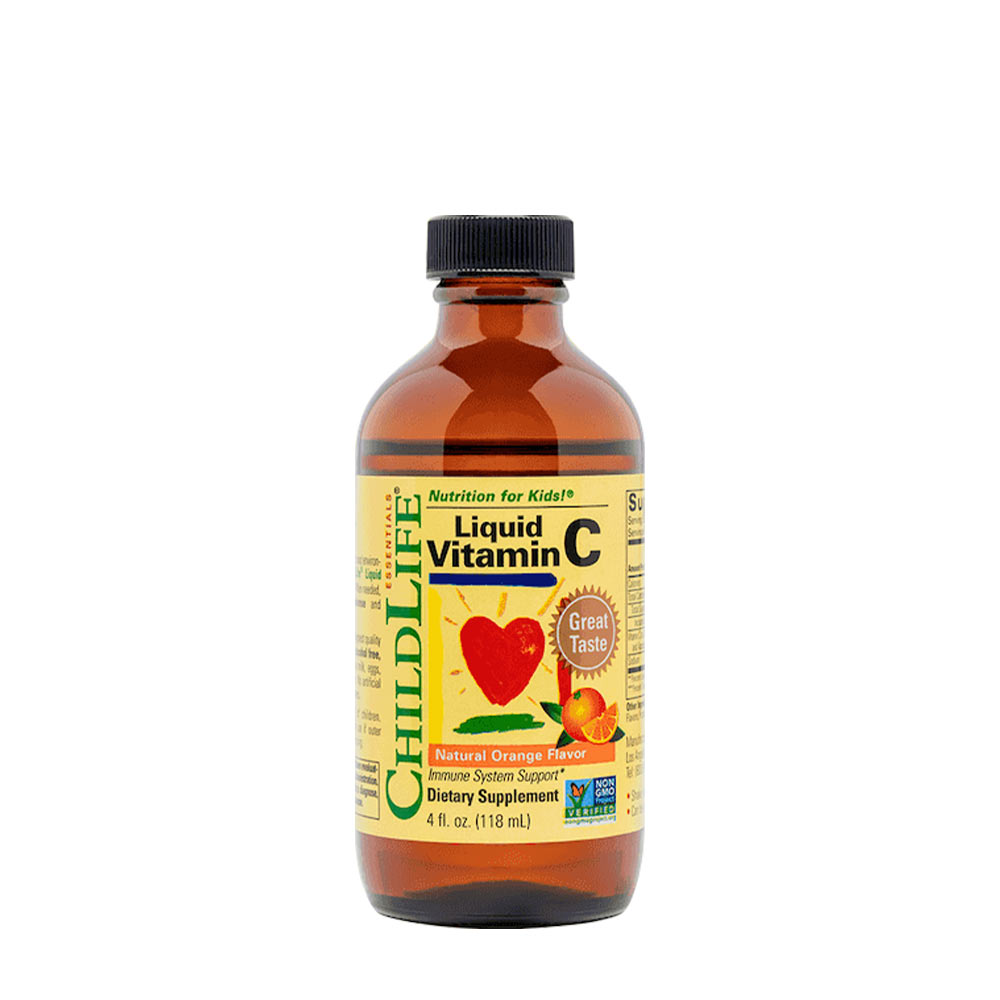
Child Life
Child Life - Liquid Vitamin C, Natural Orange - 118ml
146 krIn stockWhy is this shown?
Katalogkoppling till samtliga valda ingredienser · Ämnesnamnet förekommer i produktnamnet · I lager · Betyg 5.0 av 12 kunder

Life Extension
Life Extension - Vitamin C 24-Hour Liposomal Hydrogel
295 krIn stockWhy is this shown?
Katalogkoppling till samtliga valda ingredienser · Ämnesnamnet förekommer i produktnamnet · I lager · Betyg 5.0 av 13 kunder

Life Extension
Life Extension - Vitamin C And Bio-Quercetin - 250 Tabs
404 krIn stockWhy is this shown?
Katalogkoppling till samtliga valda ingredienser · Ämnesnamnet förekommer i produktnamnet · I lager · Betyg 5.0 av 15 kunder
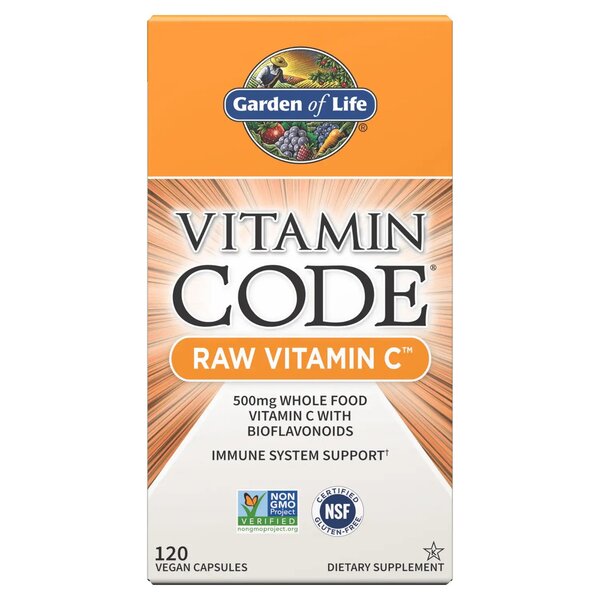
Garden of Life
Garden Of Life - Vitamin Code Raw Vitamin C - 120 Vcaps
473 krIn stockWhy is this shown?
Katalogkoppling till samtliga valda ingredienser · Ämnesnamnet förekommer i produktnamnet · I lager · Betyg 4.9 av 18 kunder

Body Attack
Body Attack - Zinc Bisglycinate - 90 Caps
178 krIn stockWhy is this shown?
Katalogkoppling till samtliga valda ingredienser · I lager