Folic Acid Deficiency: Symptoms and Diagnosis
Short answer
The available clinical description lists the manifestations of folate deficiency as a topic it discusses, but does not provide a detailed list of symptoms or their frequency (clinical review description). A review on the oral mucosa discusses various deficiencies and changes, but does not allow these to be specifically attributed to folate deficiency (review description).
Quick facts
- The clinical description does not provide a detailed list of symptoms or their frequency (source).
- The oral review covers literature on various deficiencies (source).
- The available clinical description indicates the need to distinguish folate deficiency from vitamin B12 deficiency (source).
- The sources do not provide a complete protocol for diagnosing folate deficiency (clinical description; review).

Folic acid deficiency: what symptoms are described?
To answer the question “what symptoms can folic acid deficiency cause?”, we first need to note the limits of the available clinical description: it discusses the clinical manifestations of folate deficiency, but does not provide a detailed list of symptoms or information on how often each occurs. There is therefore no basis for using it to create a checklist for self-diagnosis or to attribute specific complaints to the deficiency. Clinical description concerning folic acid
It is worth noting the terms used. The source refers to folate deficiency and does not present it as a condition that can be confirmed by a single characteristic symptom. The article title and the questions readers search for are not sufficient evidence of which complaints should be considered symptoms of deficiency. Without confirmation in the source, changes in well-being, appearance or bodily function should not be added or presented as typical.
Why is there no list of symptoms here?
The available description of the review lists topics covered in the material, including folate physiology, the clinical manifestations of deficiency, safety issues, and distinguishing folate deficiency from vitamin B12 deficiency. However, it does not summarize the manifestations themselves. It does not specify which symptoms occur, in what order they may appear, or whether they are common or rare. Description of the clinical review
There is an important difference between saying that a publication discusses symptoms and having access to a detailed list of them. Based on the description alone, we can say that symptoms of folate deficiency are addressed in the publication. However, we cannot reliably reconstruct a symptom list or attribute frequencies to them. This article therefore does not provide an unverified list of possible signs of deficiency.
Is a symptom enough to diagnose a deficiency?
The available source does not provide diagnostic criteria, a complete testing protocol, or a method for interpreting specific complaints. It therefore gives no basis for diagnosing folate deficiency from symptoms alone. If a deficiency is suspected, the appropriate step is to discuss it with a healthcare professional, who can assess the situation and decide whether further action is needed. This is a cautious note about the limits of the available description, not a diagnosis or individualized advice.
The source also notes the need to distinguish folate deficiency from vitamin B12 deficiency, but its available description does not provide details that would allow their symptoms to be compared. These deficiencies should therefore not be treated as the same issue, nor should specific symptoms be attributed to either one without appropriate data. The clinical description emphasizes the importance of distinguishing between them.
In summary, the clinical source confirms that symptoms of folate deficiency are discussed in the review, but the available description does not list them in detail or give their frequency. The most reliable answer to the question about specific symptoms is therefore limited: these data do not allow a trustworthy list to be compiled. Clinical source concerning folic acid
Folate and oral changes: what does the review say?
A 2026 narrative review discusses associations between malnutrition or nutrient deficiencies and changes in the oral mucosa. The authors include studies identified in major databases using search terms related to malnutrition, deficiencies, and diseases of the oral mucosa. Folates are included in the review as one of the nutrients discussed. However, the scope of the review does not allow every change mentioned to be considered a symptom of folate deficiency. Review description in PubMed
The changes discussed in the publication include recurrent aphthous ulcers, atrophic glossitis, angular cheilitis, a burning sensation in the mouth, redness of the oral mucosa, and oral candidiasis. This is a list of topics analyzed in the context of various deficiencies, not a list of symptoms attributed exclusively to folates. The review therefore does not provide a basis for diagnosing folate deficiency by observing just one of these changes. Review description in PubMed
Scope of the review and strength of the evidence
The authors indicate that vitamin B12 is the vitamin most frequently covered in the publications discussed. They also list iron, folates, and zinc as nutrients widely described in the literature, while characterizing the evidence concerning vitamins A, C, and D as less consistent. In the review’s summary, the strongest evidence is identified for recurrent aphthous ulcers and atrophic glossitis in the context of deficiencies described as hematinic. This summary concerns the broader issue of nutrient deficiencies, not folates alone. Review description in PubMed
The authors also emphasize an important limitation: a causal relationship cannot be assumed based on all the studies included. The review compiles and discusses reports in the literature, but does not justify concluding that a specific oral change was caused by folate deficiency. These observations should therefore be understood as part of a broader review of the relationship between nutritional status and the mucosa, not as a standalone way to identify the cause of a change. Review description in PubMed
- What does the review cover? Literature on malnutrition, nutrient deficiencies, and changes in the oral mucosa. Review description in PubMed
- Which changes does it mention? These include recurrent aphthous ulcers, atrophic glossitis, angular cheilitis, burning, redness of the oral mucosa, and oral candidiasis. Review description in PubMed
- What should not be inferred from this? That every change mentioned is a symptom of folate deficiency or that its appearance alone determines the cause. The authors note that a causal relationship cannot be assumed across all the studies included. Review description in PubMed
Thus, in the context of questions about folic acid deficiency and symptoms, the review provides information on the scope of research into the oral mucosa, but does not provide a basis for attributing the changes mentioned specifically to folate deficiency. Review description in PubMed
Folate deficiency and vitamin B12 deficiency
Folate deficiency and vitamin B12 deficiency are distinct issues that need to be distinguished in clinical practice. Educational material on folic acid lists the distinction between these deficiencies as one of the topics addressed in clinical management. This does not mean they can be treated as interchangeable or that one nutrient replaces the other. Clinical review concerning folic acid points to the need to consider both possibilities when assessing a patient’s situation.
The same material draws attention to an issue concerning the assessment of vitamin B12 status: before clinical management involving folates, this assessment is not always performed consistently. This is information about a recognized gap in practice, not detailed diagnostic instructions or a universal description of every case. The source discusses both distinguishing folate deficiency from vitamin B12 deficiency and the inconsistent assessment of B12 status before treatment.
Why should these deficiencies not be treated as the same?
Folic acid and vitamin B12 are discussed in the source as two distinct issues, and distinguishing their deficiencies is part of the material on clinical care. For this reason, a diagnosis of a folate-related problem should not be assumed, by itself, to determine vitamin B12 status. Likewise, the source does not provide grounds for treating information about B12 status as equivalent to folate deficiency. The clinical material indicates the need to distinguish these conditions, but does not present them as the same problem.
It is also important to interpret the mention of inconsistent B12 assessment precisely. The source describes it as one area where clinical practice may be inconsistent. However, it does not state how often this occurs or establish that it applies to every patient or every course of folate-related management. The review discusses this issue as a practice gap alongside other matters related to clinical management.
What can be concluded from the available material?
- Folate deficiency and vitamin B12 deficiency are distinct conditions and should not be treated as synonyms. The clinical source discusses the need to distinguish them.
- Vitamin B12 status is not always assessed consistently before management involving folates — this gap in practice is noted in the material on folic acid.
- The cited source does not provide a basis for creating a list of shared symptoms or presenting diagnostic advice. In this context, its scope covers the need to distinguish the two deficiencies and the issue of assessing B12 status. The clinical review.
The main conclusion is therefore limited but important: folates and vitamin B12 should not be treated as interchangeable, and the clinical material notes that B12 status is not always assessed consistently before management involving folates. The source discusses the need to distinguish them, but the description cited does not provide a basis for extending this to detailed symptom lists or testing protocols.
What do the sources say about identifying a deficiency?
Identifying a folate deficiency should be considered within the limits of what the available materials actually describe. A clinical resource on folic acid lists deficiency manifestations and distinguishing folate deficiency from vitamin B12 deficiency as topics covered in training for healthcare professionals. However, the resource description itself does not provide diagnostic criteria or a complete list of symptoms that could be used to determine whether a deficiency is present. Description of the clinical resource on folic acid
This distinction is important when interpreting information about symptoms: the source confirms that folate deficiency and vitamin B12 deficiency are separate topics considered in clinical assessment. However, it does not specify which particular symptoms may occur in both cases or how they are distinguished in practice. Nor does it identify test results that can establish the cause. The description alone therefore cannot be used to compile a list of symptoms that would determine whether someone has a folate deficiency. Description of the clinical resource on folic acid
The description of the clinical material notes that vitamin B12 status may not be assessed consistently before folate-related management. This is information about clinical practice, not instructions for self-diagnosing a deficiency. The source does not say which tests should be performed, in what order, or how their results should be interpreted. It also does not provide diagnostic thresholds or a complete management protocol. Description of the clinical resource on folic acid
A review concerning the oral mucosa includes folate among the nutrients discussed in the literature in connection with oral changes. It notes, for example, that studies considered recurrent aphthous ulcers and atrophic glossitis, and describes the evidence for these changes as stronger than for other topics discussed. However, the review is narrative, and its authors point out that a causal relationship cannot be assumed on the basis of all the studies included. It therefore does not provide grounds for treating an isolated oral change as confirmation of folate deficiency. Narrative review on nutrient deficiencies and the oral mucosa
In practice, the conclusions that can be drawn from these materials are limited: they indicate that clinical manifestations and the distinction between folate deficiency and vitamin B12 deficiency should be considered, but they do not provide complete criteria or the test results needed for diagnosis. Information about oral changes describes associations discussed in the literature, not a stand-alone diagnostic method. Description of the clinical resource on folic acid Narrative review on nutrient deficiencies and the oral mucosa
When may the need for folate increase?
The need for folate may be relevant when assessing the risk of deficiency, but simply identifying this possibility does not mean that a deficiency is present. In the clinical material on folic acid, increased requirements are listed as one of the circumstances in which folate-related care is discussed. The source also mentions medication-related folate depletion. However, the available description does not provide a detailed list of situations that increase requirements or identify specific medicines. Clinical resource on folic acid
Increased requirements are one possible circumstance
The term “increased requirements” describes a situation in which the need to consider folate in care may be greater. However, this alone does not establish the cause or confirm a deficiency. The cited clinical material discusses increased requirements in general terms, without identifying specific groups, stages of life or circumstances that would cause them. It therefore provides no basis for concluding that a particular situation always leads to deficiency, or that everyone it may affect needs supplementation. The source lists increased requirements as a topic in clinical care, but the available description does not elaborate on their causes.
Medicines may affect folate stores
Medication-related folate depletion is a separate issue. It is worth distinguishing this from increased requirements: the source mentions both, but does not provide the names of medicines, doses or durations of use that would allow a specific case to be assessed. Taking a medicine alone is therefore not enough to infer a deficiency. This information is also not a basis for stopping or changing treatment on your own. The clinical material includes medicines associated with folate depletion among the topics concerning assessment and care.
The source also draws attention to the need to distinguish folate deficiency from vitamin B12 deficiency, and notes that vitamin B12 status may not be assessed systematically before treatment. This reminder concerns clinical assessment; it is not a list of symptoms or a criterion for self-diagnosis. The clinical resource discusses distinguishing these deficiencies.
The review concerning the oral mucosa includes folate among the nutrients discussed in connection with oral changes, but notes that a causal relationship cannot always be assumed on the basis of the studies included. This does not establish whether a given change is due to folate deficiency or allow an individual’s requirements to be assessed. The review discusses the limitations of inferring causality.
In practice, increased requirements and the possible effects of medicines are separate circumstances that may be considered when assessing folate. Neither, on its own, confirms a deficiency. The available source descriptions do not present a complete testing protocol or individual recommendations, so they do not justify self-diagnosis or changes to treatment. The clinical material discusses increased requirements and medication-related folate depletion.
Limitations of the available information
The available sources do not present a complete, structured picture of the symptoms of folic acid deficiency. The clinical material on folic acid includes deficiency manifestations, among other topics, but its published description does not provide a complete list or their frequency. It is therefore not possible to determine from it how often a given symptom occurs or to conclude that everyone with a deficiency will experience each example mentioned in the article. Description of the clinical material on folic acid
The sources also differ in scope according to their purpose and the type of information they discuss. The clinical material is an educational resource for clinicians that covers folate physiology, dosing, clinical manifestations of deficiency, safety issues, and distinguishing folate deficiency from vitamin B12 deficiency. The available description outlines these topics but does not include a detailed list of symptoms or a complete management algorithm. Description of the clinical material
The second source is a narrative review of the literature on malnutrition, nutrient deficiencies and the oral mucosa. The observations it gathers concern various nutrients, not folate alone. Among other things, the review describes the association between deficiencies of blood-forming nutrients and recurrent aphthous ulcers and atrophic glossitis, noting that the strongest evidence in this area concerns these two changes. However, this does not mean that the review provides a complete catalogue of folate deficiency symptoms or that the changes discussed can be attributed to folate alone. Narrative review on the oral mucosa
An important limitation of the review is also its nature: it brings together findings from existing publications rather than presenting a single study that establishes the cause of every change discussed. The authors note that a causal relationship cannot be assumed on the basis of all the studies included. The associations described should therefore be understood as topics discussed in the literature, not as proof that a particular oral change results from folic acid deficiency. Narrative review on the oral mucosa
The sources also point to the need to distinguish folate deficiency from vitamin B12 deficiency. The clinical material lists this as one of the topics discussed and notes that vitamin B12 status may not be assessed systematically before management begins. However, the available description does not provide diagnostic criteria or detailed guidance on interpreting results. It is therefore not enough to determine which tests are appropriate in a particular situation or how their results should be assessed. Description of the clinical material on folic acid
When interpreting information, it is useful to distinguish observations about groups and the literature from conclusions about an individual’s health. In the descriptions available, neither source combines a complete list of symptoms with data on their frequency and a full diagnostic protocol. The examples discussed should therefore not be used as a stand-alone way to diagnose a deficiency or as a basis for attributing an isolated symptom to a specific cause. Narrative review; clinical material
Safety and precautions
The available materials do not support diagnosing a deficiency based on a single symptom or oral changes. The clinical review emphasizes the need to distinguish folate deficiency from vitamin B12 deficiency, but its available description does not include diagnostic criteria or a complete testing protocol (source; review).
Frequently asked questions
What are the symptoms of folic acid deficiency?
The available clinical description discusses the manifestations of folate deficiency, but does not list specific symptoms or how frequently they occur (source).
Can oral changes be used to diagnose folate deficiency?
This does not follow from the available review. It discusses oral changes in the context of various deficiencies, not as symptoms attributed solely to folates (source).
Are folate deficiency and vitamin B12 deficiency the same?
No. The clinical material mentions the need to distinguish these deficiencies, but the available description does not compare their symptoms in detail (source).
Do the available sources provide criteria for diagnosing a deficiency?
No. The available clinical description does not provide diagnostic criteria or a complete testing protocol (source).
Does the oral review prove that a particular change is caused by folate deficiency?
No. The review discusses literature on various deficiencies and notes the limitations of drawing conclusions about causality (source).
Sources
Read more
Products related to this article
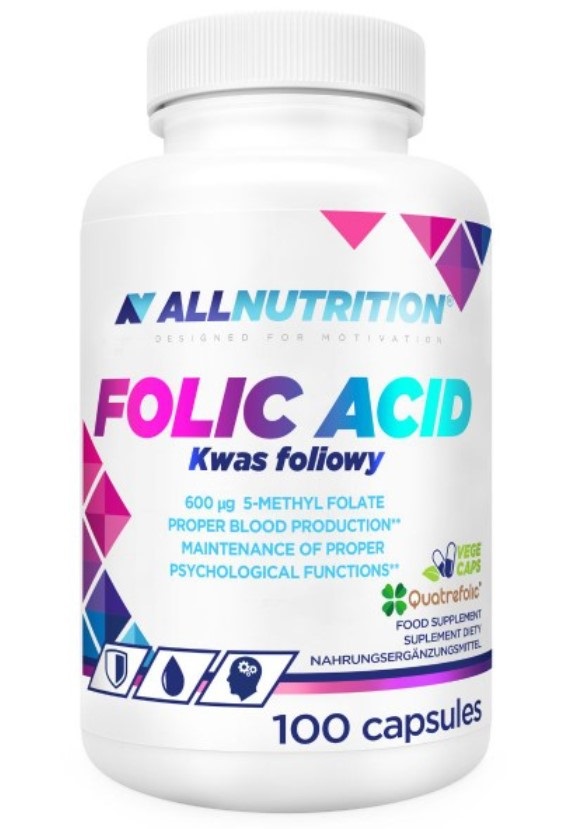
Allnutrition
Allnutrition - Folic Acid - 100 capsules
193 krIn stockWhy is this shown?
Katalogkoppling till samtliga valda ingredienser · Ämnesnamnet förekommer i produktnamnet · I lager

Grassberg
Grassberg - Folic Acid 400 mcg - Unflavoured
129 krIn stockWhy is this shown?
Katalogkoppling till samtliga valda ingredienser · Ämnesnamnet förekommer i produktnamnet · I lager

Holland & Barrett
Holland & Barrett - Folic Acid + Vitamin D3 - 180 Tabs
113 krIn stockWhy is this shown?
Katalogkoppling till samtliga valda ingredienser · Ämnesnamnet förekommer i produktnamnet · I lager
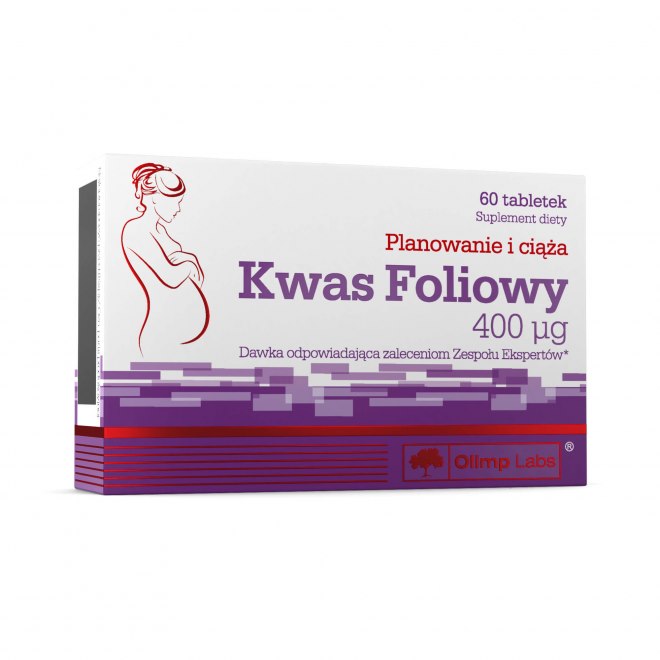
Olimp Labs
Olimp Labs - Folic Acid - 60 Tabs
104 krIn stockWhy is this shown?
Katalogkoppling till samtliga valda ingredienser · Ämnesnamnet förekommer i produktnamnet · I lager

OstroVit
Ostrovit - Magnesium Citrate - 60 Caps
70 krIn stockWhy is this shown?
Katalogkoppling till samtliga valda ingredienser · I lager