What are folic acid tablets for?
Short answer
Folic acid tablets contain folic acid, the man-made form of vitamin B9. They are sold as standalone tablets or in combination products, and the body text says they are commonly used in early pregnancy or when a higher prescription dose is needed.
Quick facts
- Folic acid is the man-made form of vitamin B9, also called folate.
- Tablets can be sold on their own or combined with other vitamins and minerals.
- Most adults and children over 12 months can take folic acid tablets or liquid on their own.
- The usual pregnancy amount is 400 micrograms daily, ideally started 3 months before conception.
- A 5 milligram dose can be prescribed for some higher-risk situations.
- Some products are multivitamins, while others are single-ingredient folic acid tablets.

What are folic acid tablets used for?
Folic acid is the man-made form of vitamin B9, also called folate. The NHS says folic acid medicines and supplements are used to treat folate deficiency anaemia, to help a baby's brain, skull and spinal cord develop properly, to stop folate levels getting too low during dialysis, and to prevent side effects from methotrexate. EFSA notes that folate deficiency can impair DNA replication and cell division, and that megaloblastic anaemia is the main feature of folate deficiency EFSA folate opinion.
Why the tablet form is used
Folic acid usually comes as tablets or a liquid, and the NHS says there are also tablets and capsules that combine folic acid with other vitamins and minerals NHS folic acid medicine guide.
Who usually takes folic acid tablets?
The NHS says most adults and children over 12 months can take folic acid tablets or liquid on their own, but multivitamins containing other vitamins combined with folic acid are not recommended for children under 12 years of age NHS folic acid medicine guide.
The NHS says you should take a folic acid supplement for the first 12 weeks of pregnancy, and if you are planning a pregnancy you should start before you get pregnant, ideally 3 months before NHS folic acid medicine guide. NHS Somerset says 400 micrograms daily should be started 3 months before pregnancy where possible and continued throughout the first 12 weeks, and that this is available over the counter and suitable for self-care NHS Somerset ICB.
Self-care or prescription
NHS Somerset describes 400 micrograms daily as over the counter, while the NHS pregnancy page says a higher dose is 5 milligrams and can be prescribed by a GP NHS Somerset ICB NHS pregnancy vitamins and supplements.
| Product type | What the sources say | Typical use described |
|---|---|---|
| Folic acid tablets or liquid | Available with a prescription, and some types can be bought from shops or pharmacies | Treatment of folate deficiency anaemia and other listed uses |
| Folic acid plus other vitamins and minerals | Tablets and capsules can combine folic acid with other ingredients | Multivitamin-style products |
| Higher-dose folic acid | 5 milligrams can be prescribed by a GP | Used when a higher dose is needed in pregnancy planning or early pregnancy |
Why are they recommended before and during pregnancy?
Early development needs folate right away
NHS guidance says folic acid is taken during pregnancy to help a baby’s brain, skull and spinal cord develop properly, and that taking it during this time reduces the chance of neural tube defects such as spina bifida. NHS folic acid medicine page NHS pregnancy vitamins and supplements

That is why the advice starts before pregnancy rather than waiting for a later appointment. The NHS says that if you are trying to get pregnant, you should start folic acid before you get pregnant, ideally 3 months before, and then take it for the first 12 weeks of pregnancy. NHS folic acid medicine page NHS pregnancy vitamins and supplements
| Timing window | What the NHS says | Why it matters for the reader |
|---|---|---|
| Before conception | Start ideally 3 months before you get pregnant. | Planning matters because the guidance is built around the earliest stage. |
| First 12 weeks | Continue daily folic acid through the first 12 weeks of pregnancy. | This is the main pregnancy window covered by the advice. |
| After 12 weeks | Taking it longer than this will not harm your baby. | The main recommendation is still the first 12 weeks. |
Why preconception advice is public health advice
NHS Somerset says folic acid should be taken by all women and people assigned female at birth who may become pregnant to reduce the risk of having a baby with a neural tube defect. The same guidance says the usual amount is 400 micrograms daily, started 3 months before pregnancy where possible and continued through the first 12 weeks. NHS Somerset guidance
> The practical message is simple: don’t wait for pregnancy to be confirmed before thinking about folic acid. The routine advice is designed for people who could become pregnant, because the recommended start point is before conception. NHS pregnancy vitamins and supplements NHS Somerset guidance
What folic acid can and cannot do
The NHS says folic acid can also help prevent other problems, such as cleft lip and palate or some heart conditions, but the core pregnancy recommendation is still about reducing the chance of neural tube defects. NHS pregnancy vitamins and supplements
How many months should you take folic acid?
Start before conception, not after a positive test
The usual advice is to begin folic acid before you try to conceive. The NHS says that if you are planning a pregnancy, you should start taking it before you get pregnant, ideally 3 months before; if you are already pregnant, start as soon as you find out. The pregnancy supplement page gives the same timing and says to take folic acid every day in early pregnancy. NHS folic acid medicine page NHS pregnancy vitamins and supplements
This timetable is tied to the earliest stage of pregnancy: the NHS says folic acid helps a baby’s brain, skull and spinal cord develop properly, and that it reduces the chance of neural tube defects such as spina bifida. NHS folic acid medicine page NHS pregnancy vitamins and supplements
Keep going through the first 12 weeks
For routine pregnancy use, the usual finish point is the first 12 weeks of pregnancy. Both NHS pages say to take folic acid for that period, and the pregnancy page adds that taking it for longer than 12 weeks will not harm your baby. NHS folic acid medicine page NHS pregnancy vitamins and supplements
For most people, the schedule is measured in months before conception and weeks after it: start before you are pregnant, then continue through week 12.
If you start late, start straight away
If you only remember once you are already pregnant, the NHS advice is still to start as soon as you find out you are pregnant and keep going through the first 12 weeks. That means a late start is better than waiting for the next appointment or next month. NHS pregnancy vitamins and supplements NHS folic acid medicine page
| Situation | When to start | How long to continue | Example source |
|---|---|---|---|
| Routine pregnancy schedule | Ideally 3 months before conception, or as soon as pregnancy is known | Through the first 12 weeks | NHS |
| Selected higher-risk schedules | At least 4 weeks before pregnancy, or 3 months before conception in some guidance | Through the first 12 weeks; some guidance continues longer for specific conditions | Guy’s and St Thomas’ NHS Foundation Trust CUH NHS Somerset ICB |
Some higher-risk plans are longer than the routine schedule: for example, Guy’s and St Thomas’ NHS Foundation Trust says women with diabetes should take 5 mg daily from at least 4 weeks before pregnancy through the first 12 weeks, CUH says 5 mg daily from at least 3 months before conception and through 12 weeks (or until a dating scan confirms gestational age), and NHS Somerset notes that some people with conditions such as sickle cell disease or thalassaemia may be prescribed folic acid throughout the entire pregnancy. Guy’s and St Thomas’ NHS Foundation Trust CUH NHS Somerset ICB
400 micrograms or 5 mg: which dose is right?
The usual folic acid amount for people trying to get pregnant is 400 micrograms (µg) a day, not 400 mg. The NHS recommends 400 micrograms when you are trying to get pregnant, ideally from 3 months before conception, and continuing for the first 12 weeks of pregnancy Pregnancy vitamins and supplements - NHS.

That unit difference matters because a microgram is 1,000 times smaller than a milligram Diabetes and pregnancy - Your health during pregnancy | Guy's and St Thomas' NHS Foundation Trust. So 400 µg = 0.4 mg, while 5 mg = 5,000 µg. On labels, µg and mcg both mean micrograms.
What 400 µg and 5 mg mean on a label
| Label amount | Same amount in another unit | How NHS guidance uses it |
|---|---|---|
| 400 µg | 0.4 mg | The amount recommended for people trying to get pregnant and for the first 12 weeks of pregnancy NHS |
| 5 mg | 5,000 µg | A higher dose that can be prescribed for people with higher-risk factors NHS NHS folic acid medicine page |
When 5 mg is used
The NHS says a higher dose of 5 milligrams (5 mg) is recommended for some people who are planning a pregnancy, or are less than 12 weeks pregnant, when extra risk factors apply Pregnancy vitamins and supplements - NHS. Examples include a personal or partner history of a neural tube defect, a relative with a neural tube defect, a previous pregnancy affected by a neural tube defect, diabetes, a blood condition such as sickle cell anaemia or thalassaemia, or taking medicine for epilepsy or HIV Pregnancy vitamins and supplements - NHS.
The NHS also says some women who are pregnant, or planning a pregnancy, need a higher dose than others, and to check with a pharmacist, midwife or doctor if you are not sure Folic acid: medicine used to keep your baby healthy in pregnancy and to treat folate deficiency anaemia. - NHS.
Do not treat 5 mg as a routine upgrade: the higher-dose tablet is for specific higher-risk situations and is used on clinical advice.
Do not self-escalate
If a packet says 5 mg, that does not mean it is the right choice for everyone. The safer buying step is to match the label to the dose you were advised, and if you are unsure, confirm with a pharmacist, midwife or doctor before switching from 400 µg to 5 mg NHS folic acid medicine page.
How does folic acid work, and where is folate found?
What changes after you swallow a tablet
Folic acid is the synthetic form of folate.
FDA’s label guidance says the body has an easier time absorbing folic acid than folate, which is why folate is shown as mcg DFE on Nutrition Facts and Supplement Facts labels, with any folic acid listed in parentheses. FDA: Folate and folic Acid on the Nutrition and Supplement Facts Labels
What folate is used for inside the body
EFSA says folate is essential for the synthesis of RNA and DNA and is involved in cell division.
Food folate and tablet folic acid are related, but they are not presented the same way on labels, and folic acid is the more easily absorbed form. FDA folate label guidance
Where folate comes from in food
| Food group | Examples named by FDA | How it appears |
|---|---|---|
| Natural folate | Asparagus, brussels sprouts, dark green leafy vegetables such as spinach and mustard greens, oranges and orange juice, beef liver, walnuts, kidney beans, black-eyed peas. FDA folate sources | Occurs naturally in food |
| Fortified foods | Enriched breads, flours, pastas, rice and cornmeal; fortified corn masa flour; certain fortified breakfast cereals. FDA fortified sources | Folic acid is added during manufacturing |
| Supplements | Folic acid is also found in certain dietary supplements. FDA supplement source statement | Tablet or supplement form |
Meals still matter because they add folate from several food groups, while tablets add folic acid in a measured form. The FDA lists both natural food sources and fortified foods, so a mixed diet can contribute alongside a supplement. FDA folate overview
What does the evidence and authorised claims say?
The clearest evidence is tied to timing
The strongest public guidance in the supplied sources is about starting before conception and continuing early in pregnancy. The NHS says folic acid should be started before pregnancy, ideally 3 months before you get pregnant, and taken for the first 12 weeks of pregnancy. Its pregnancy page adds that some people are advised to take a higher dose if they are planning a pregnancy or are less than 12 weeks pregnant NHS pregnancy vitamins and supplements. The FDA page likewise says people who could become pregnant should consume 400 mcg of folic acid daily from fortified foods, supplements, or both, and says folate is important for lowering the risk of serious problems that affect the baby’s brain and spine.

What EFSA actually authorises
| Source | Exact wording in the supplied material | What it is |
|---|---|---|
| EFSA | Dietary reference values are intended for healthy people | Population reference values, not individual medical advice EFSA dietary reference values |
That distinction matters: an authorised nutrient-function claim is not the same thing as a disease-treatment claim. EFSA’s wording is narrow, and the agency’s dietary reference values page says people with diseases may have different needs and that health professionals provide guidance for those cases EFSA dietary reference values.
Where marketing often overreaches
The NHS medicine page does list medical uses for folic acid, including treatment of folate deficiency anaemia and prevention of side effects from methotrexate, and it also mentions use during dialysis NHS folic acid medicine page. Those are medicine uses, not a licence to turn every supplement label into a promise. The practical limit is simple: dose matters, timing matters, and the tablet sits alongside a healthy eating pattern rather than replacing it FDA folate label guidance.
The main limits to keep in mind
EFSA’s summary report says the existing upper limit for folate remains 1,000 micrograms per day for adults, and notes that regular users of high-dose supplements may exceed the upper limit EFSA DRVs summary report. The FDA also frames folic acid as part of a broader diet: fortified foods, supplements, or both, in addition to a healthy eating pattern FDA folate label guidance. That is why the evidence is strongest when the right dose is taken at the right time, and weakest when claims are stretched beyond the source wording.
How to choose a folic acid tablet
Start with the label, not the front of the box. The FDA says dietary supplement labels must list the names and quantities of dietary ingredients in the Supplement Facts, and folate is shown in mcg DFE with any added folic acid shown in parentheses. The label also gives the serving size and servings per container, so a tablet product is not automatically a one-tablet-a-day product. FDA
| What to compare | What the label should tell you | Why it matters |
|---|---|---|
| Dose per tablet | Amount per serving, units, and whether folic acid is listed in parentheses after folate | Two products can both mention folic acid but still declare different amounts |
| Pack size | Servings per container and the number of tablets in the pack | Helps you compare value and how long the pack will last |
| Formula | Standalone folic acid or a multivitamin/prenatal blend | Shows whether you are buying one nutrient or several in one product |
| Identity statement | The product name must identify it as a dietary supplement, such as a folic acid supplement or another descriptive term | Confirms what the product is intended to be |
A plain folic acid tablet can be the cleaner choice when you want a single-ingredient product. The FDA says the identity statement may be simply “dietary supplement,” or a more specific term such as “folic acid supplement,” and that the ingredient list and Supplement Facts will show whether folic acid stands alone or appears in a multivitamin. If you prefer one product that combines nutrients, a prenatal formula may be more practical because the label will show the added ingredients and their amounts. FDA identity statement guide FDA Supplement Facts guide
The best choice is the tablet whose declared amount, serving size and formula match the reason you are buying it.
For a simple decision framework: choose an OTC folic acid tablet if the label shows the amount you want and you are buying a standalone supplement; choose a prenatal multinutrient if you want folic acid together with other ingredients and the label clearly lists them; choose a prescription product if a clinician has told you to use a higher dose, because the NHS says some people need more than the usual amount and higher-dose folic acid may be prescribed. The NHS also says that if you need higher-dose folic acid, you should speak to a GP, and if you are pregnant you should check with a doctor or pharmacist before taking a multivitamin that contains folic acid. NHS folic acid medicine page NHS pregnancy vitamins and supplements
Safety, interactions and higher-risk groups
The NHS says folic acid tablets and liquid are not suitable for everyone. They may not be suitable if you have had an allergic reaction to folic acid or another ingredient, if you have vitamin B12 deficiency anaemia or pernicious anaemia, if you have a coronary stent, or if you have cancer. Before starting, the safest move is to tell a doctor or pharmacist about any medical conditions and to check the packet or leaflet that comes with the medicine. NHS folic acid medicine guidance
Medicines that need a check
The same NHS guidance lists medicines that may not mix well with folic acid tablets or liquid: epilepsy medicines such as phenytoin, phenobarbital and primidone; antibiotics such as chloramphenicol and co-trimoxazole; sulfasalazine; lithium; and aspirin used for pain relief or to thin the blood. It also says to tell your doctor if you are taking any other medicines, herbal remedies, vitamins or supplements. NHS folic acid medicine guidance
| Situation | What the guidance says |
|---|---|
| Vitamin B12 deficiency anaemia or pernicious anaemia | Folic acid tablets or liquid may not be suitable; get medical advice first. |
| Coronary stent or cancer | Folic acid tablets or liquid may not be suitable; check with a clinician. |
| Phenytoin, phenobarbital, primidone, chloramphenicol, co-trimoxazole, sulfasalazine, lithium or aspirin | These medicines may not mix well with folic acid. |
| Planning pregnancy and you need a higher dose | A 5 milligram (5mg) dose can be prescribed by a GP for some higher-risk groups. |
Who should not choose 5mg on their own
For pregnancy, the NHS recommends 400 micrograms a day for most people trying to get pregnant, while a higher dose of 5 milligrams is recommended only for specific higher-risk groups and can be prescribed by a GP. Those groups include people with a personal or family history of a neural tube defect, a previous pregnancy affected by one, diabetes, a blood condition such as sickle cell anaemia or thalassaemia, or people taking medicine for epilepsy or HIV. NHS Somerset adds that a body mass index of 25 kg/m2 or more on its own does not mean you need more than 400 micrograms unless those other risk factors apply. NHS pregnancy vitamins and supplements NHS Somerset medicines used in pregnancy
Side effects and when to get reviewed
The NHS says folic acid tablets and liquid can cause side effects, although not everyone gets them. Tablets may cause bloating, flatulence, nausea and loss of appetite; liquid folic acid can also cause diarrhoea, vomiting and an itchy rash. Serious allergic reactions are rare, but symptoms such as a swollen face, throat or tongue, a raised itchy rash, or difficulty breathing need urgent help. If side effects are bothering you or do not go away, speak to a doctor or pharmacist rather than carrying on unchanged. NHS folic acid medicine guidance
Safety and precautions
Folic acid tablets may not be suitable if you have had an allergic reaction to folic acid or another ingredient, vitamin B12 deficiency anaemia or pernicious anaemia, a coronary stent, or cancer. They can also interact with medicines such as phenytoin, phenobarbital, primidone, chloramphenicol, co-trimoxazole, sulfasalazine, lithium, and aspirin, so check with a doctor or pharmacist before use if you take any medicine.
For pregnancy, children and breastfeeding, ask a pharmacist, midwife or doctor if you are unsure. The text says most adults and children over 12 months can take folic acid tablets or liquid, but multivitamins containing folic acid are not recommended for children under 12 years, and higher-dose 5 milligram products should only be used on clinical advice.
Frequently asked questions
Can I take folic acid tablets at any time of day?
The body text does not give a specific time-of-day rule. If your pack or clinician has told you when to take it, follow that schedule.
What should I do if I miss a dose?
The body text does not cover missed doses. Check the leaflet or ask a pharmacist, midwife or doctor for the right next step.
Are folic acid tablets safe while breastfeeding?
There is no breastfeeding-specific rule in the body text. Because advice can vary by situation, ask a pharmacist, midwife or doctor before using folic acid tablets while breastfeeding.
Do men ever need folic acid tablets?
Yes. The body text says most adults can take folic acid tablets or liquid on their own, so they are not only for pregnancy.
Do folic acid tablets need to be taken with food?
The body text does not say whether they need food. If you have a product label or professional advice, follow that.
How quickly can folic acid tablets correct a folate deficiency?
The body text does not give a timeframe for correcting a folate deficiency. A doctor or pharmacist can tell you what to expect for your dose and situation.
Sources
- Folic acid: medicine used to keep your baby healthy in pregnancy and to treat folate deficiency anaemia. (external link)
- Pregnancy vitamins and supplements (external link)
- Scientific Opinion on Dietary Reference Values for folate (external link)
- Medicines used in pregnancy - NHS Somerset ICB (external link)
- Diabetes and pregnancy - Your health during pregnancy | Guy's and St Thomas' NHS Foundation Trust (external link)
- Diabetes and pregnancy: type 2 diabetes | CUH (external link)
- Dietary reference values | EFSA (external link)
- Folate and Folic Acid on the Nutrition and Supplement Facts Labels | FDA (external link)
- Dietary Supplement Labeling Guide: Chapter I. General Dietary Supplement Labeling | FDA (external link)
- Dietary Supplement Labeling Guide: Chapter IV. Nutrition Labeling | FDA (external link)
- Dietary Supplement Labeling Guide: Chapter II. Identity Statement | FDA (external link)
Read more
Products related to this article
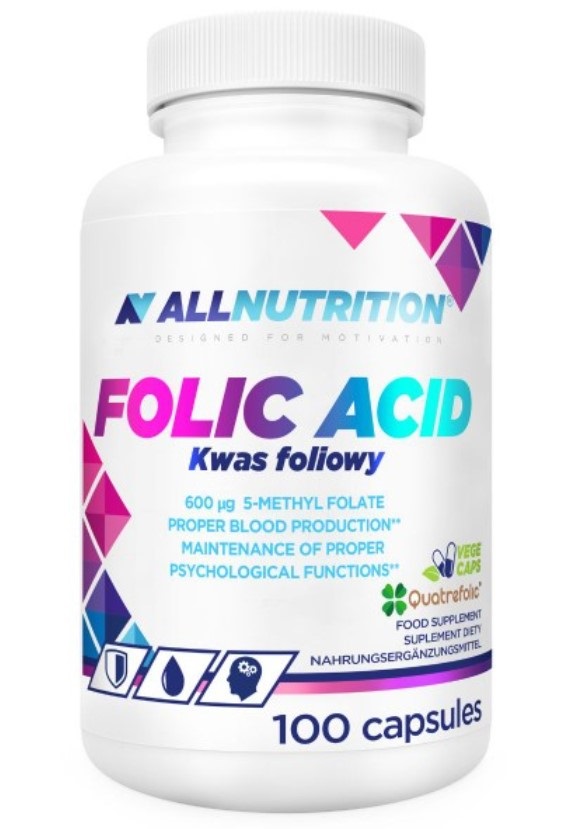
Allnutrition
Allnutrition - Folic Acid - 100 capsules
193 krIn stockWhy is this shown?
Historiskt katalogurval. Innehåll, mängd och form behöver kontrolleras mot aktuellt underlag.
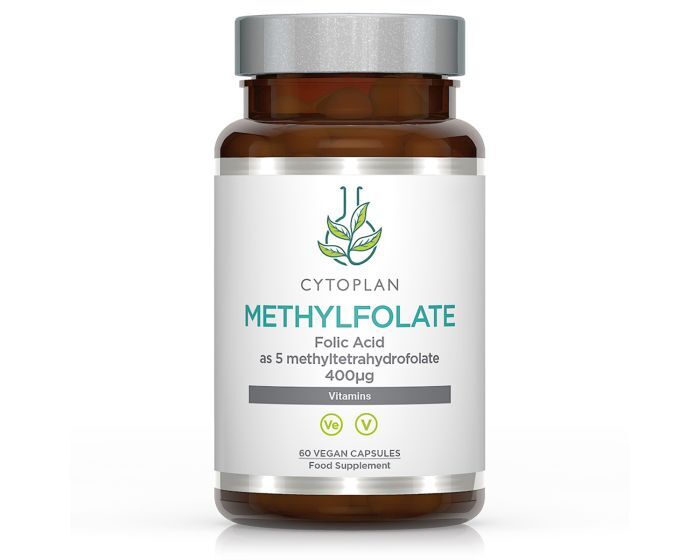
Cytoplan
Cytoplan - Methylfolate - 60 Vcaps
165 krIn stockWhy is this shown?
Historiskt katalogurval. Innehåll, mängd och form behöver kontrolleras mot aktuellt underlag.

FORMEDS
Formeds - BICAPS Menofem - 60 Caps
262 krIn stockWhy is this shown?
Historiskt katalogurval. Innehåll, mängd och form behöver kontrolleras mot aktuellt underlag.
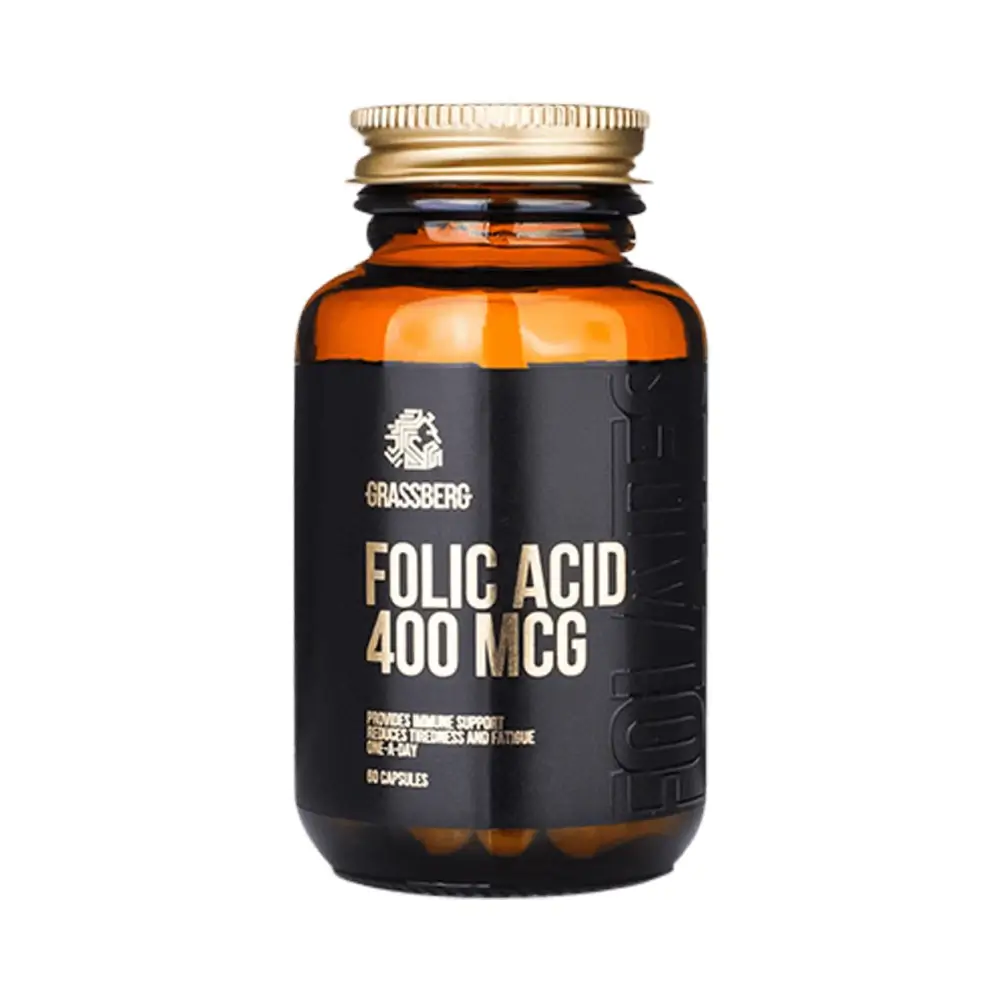
Grassberg
Grassberg - Folic Acid 400 mcg - Unflavoured
129 krIn stockWhy is this shown?
Historiskt katalogurval. Innehåll, mängd och form behöver kontrolleras mot aktuellt underlag.
OstroVit
Ostrovit - Magnesium Citrate - 60 Caps
70 krIn stockWhy is this shown?
Historiskt katalogurval. Innehåll, mängd och form behöver kontrolleras mot aktuellt underlag.


