What is chelated iron and how does it work?
Short answer
Chelated iron is iron bound to another molecule, forming a chelate such as ferrous bisglycinate. The chelate name tells you the form, but the elemental iron amount on the label tells you how much iron the serving provides.
Quick facts
- Ferrous bisglycinate is named by FDA as an iron amino-acid chelate.
- Chelated tells you the structure, not the full weight of the ingredient.
- In one breakfast study, iron bis-glycine chelate was absorbed about twice as well as ferrous sulfate.
- Tea, coffee, phytates, and polyphenols can reduce iron absorption.
- The body regulates iron uptake through hepcidin and the intestinal lining.

What is chelated iron?
Iron bound to another molecule
In the FDA review for Ferrochel®, the ingredient is described as ferrous bisglycinate and as a novel excipient made from ferrous bisglycinate, citric acid, glycine, water, maltodextrin, and silica. The review also says that after oral ingestion, ferrous bisglycinate dissociates in the acid environment of the stomach to release free iron and glycine. FDA review of Ferrochel®
FDA’s substance record names ferrous bisglycinate as an iron amino-acid chelate, and the FDA GSRS browse page shows iron preparations that include chelate entries. Another FDA-listed chelated form is sodium iron EDTA. FDA substance record for ferrous bisglycinate FDA iron-preparations search
How chelated forms are named
| Form name seen in the sources | What the source says | What it tells you |
|---|---|---|
| Ferrous bisglycinate | Named by FDA as an iron amino-acid chelate | The iron is bound in a chelated complex |
| Ferrous glycinate | Listed in the FDA review as a name for the same ingredient | A naming variant for the same chelated form |
| Ferrous bisglycinate chelate | Listed in the FDA review as a name for the same ingredient | Explicitly identifies the chelated structure |
| Iron(II) amino acid chelate | Listed in the FDA review as a name for the same ingredient | Signals iron bound to an amino acid ligand |
| Sodium iron EDTA | Shown in FDA’s iron-preparations search | Another iron chelate, here with EDTA as the ligand |
What the word “chelated” does, and does not, tell you
“Chelated” describes the compound structure: iron is chemically joined to a ligand, rather than being described only by the iron amount alone. It does not tell you the full weight of the ingredient. In the FDA review, ferrous bisglycinate is described as containing approximately 20% iron by weight, so the milligrams of compound and the milligrams of elemental iron are not the same number. FDA review of Ferrochel®
For a shopper, that means the label name and the iron amount are two different pieces of information. FDA review of Ferrochel®
Chelated tells you how the iron is packaged; it does not tell you how much elemental iron you are getting.
How does chelated iron work in the body?
The gut gate and gastric acidity
Iron uptake depends on what happens as the supplement reaches the intestinal lining and on how much iron remains available to cross it. The NIH Office of Dietary Supplements notes that proton pump inhibitors, by reducing gastric acidity, may decrease non-heme iron absorption, especially in people with deficiency NIH Office of Dietary Supplements: Iron Health Professional Fact Sheet.
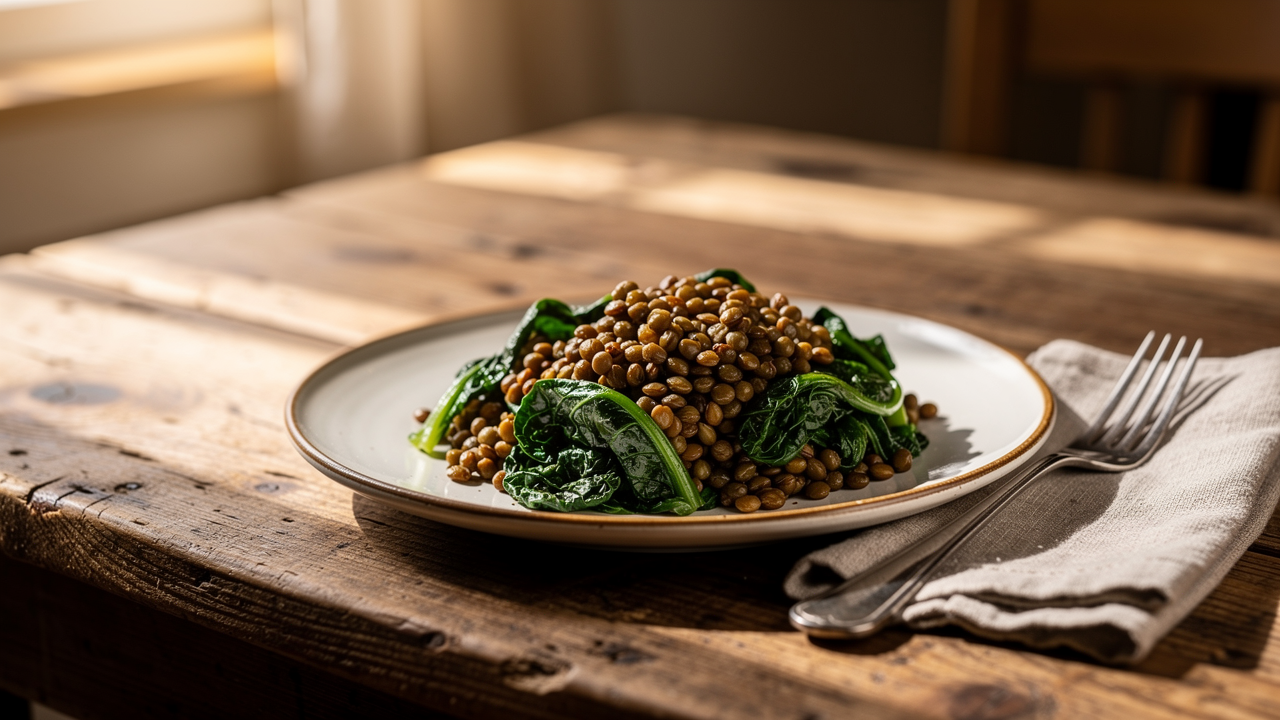
That helps explain why the same amount of iron can behave differently in different meals. A stable-iron study in healthy UK women found that tea taken with an iron-containing meal inhibited absorption, while waiting 1 hour reduced about half of that inhibition A 1-h time interval between a meal containing iron and consumption of tea attenuates the inhibitory effects on iron absorption.
Hepcidin and the intestinal barrier
The body also regulates iron uptake through hepcidin, the hormone that controls how much iron gets through from food and supplements. In healthy young women, higher serum hepcidin was associated with lower iron absorption from both food and supplemental sources Serum hepcidin is significantly associated with iron absorption from food and supplemental sources in healthy young women.
Oral iron itself can change that control. In iron-depleted young women, ferrous sulfate increased hepcidin within 24 hours, and later absorption from repeated doses fell by 35% to 45% Oral iron supplements increase hepcidin and decrease iron absorption from daily or twice-daily doses in iron-depleted young women.
Why chelation can change the meal chemistry
Chelation means the iron is bound in a complex rather than sitting as a simple salt. In a human breakfast study, ferrous bisglycinate chelate showed about twice the absorption of ferrous sulfate, and it was less affected by phytates and polyphenols such as coffee and tea Iron bioavailability in humans from breakfasts enriched with iron bis-glycine chelate, phytates and polyphenols.
| Form | What was seen in human studies | What that suggests |
|---|---|---|
| Ferrous sulfate | Used as the comparison salt; absorption fell when hepcidin rose or tea was taken with the meal PubMed PubMed | More exposed to regulatory and dietary interference |
| Ferrous bisglycinate chelate | About twice the absorption of ferrous sulfate in one breakfast study; partly resisted inhibitors PubMed | May interact less with some meal inhibitors in that setting |
Even so, mechanism studies do not show that every chelated form behaves the same way or works better for every person. The clearest human data are for specific compounds in specific meals, so results from one chelate cannot be assumed for all products or all diets Iron bioavailability in humans from breakfasts enriched with iron bis-glycine chelate, phytates and polyphenols.
Practical takeaway: chelation may help keep iron less reactive with some food components, but the body still regulates absorption through hepcidin and the intestinal lining PubMed PubMed.
What does the research and authorised claims say?
What the head-to-head evidence shows
In the clearest comparison in the supplied material, iron bis-glycine chelate in fortified breakfasts was absorbed at about twice the rate of ferrous sulfate, and the chelate was partly less affected by phytates and polyphenols. In that study, coffee or tea cut absorption by about 50% in the same meal setting.
That is a useful signal, but it is still a meal-study signal: the retrieved evidence here does not report ferritin or haemoglobin outcomes for this comparison, so it does not show long-term improvement in iron status, only higher acute absorption under those conditions.
| Form or setting | What the supplied evidence found | What that does and does not show |
|---|---|---|
| Iron bis-glycine chelate | About twice the absorption of ferrous sulfate in a fortified-breakfast study | Suggests better acute bioavailability in that context |
| Ferrous sulfate | Lower absorption in the same comparison | Served as the reference salt |
| Tea with an iron meal | About 50% less inhibition when tea was delayed by 1 hour | Shows timing can matter for absorption |
Where the evidence is stronger, and where it stays narrow
The strongest supplied signal is for iron bisglycinate, not for every chelated form. The evidence base here is limited to acute absorption work, so it is not enough to say that chelated iron is universally better for ferritin, haemoglobin, or tolerability across all products and all users.
Best supported: a better absorption signal for iron bisglycinate in a specific meal study; not proven: class-wide superiority or treatment claims.
What labels are allowed to say
They do not prove that a chelated form works better than ferrous sulfate, and they do not prove treatment of iron deficiency.
How much iron do you need, and how is deficiency checked?
Reference values are set by authority and life stage
EFSA’s dietary reference values for healthy adults are 6 mg/day average requirement and 11 mg/day population reference intake for men and post-menopausal women; for pre-menopausal, pregnant, and lactating women, EFSA gives 7 mg/day AR and 16 mg/day PRI. EFSA also says these values are intended for healthy people, and that people with disease may have different needs.

The same EFSA material gives a safe level of intake of 40 mg/day for adults, including pregnant and lactating women, and separate safe levels for younger groups: 10 mg/day for children aged 1–3, 35 mg/day for adolescents aged 15–17, and 5 mg/day for infants aged 4–11 months. EFSA also states that no DRVs have been set for infants below 6 months. EFSA’s iron opinion and EFSA DRVs page
| Authority | Group | Reference value in the retrieved material | What the source says about it |
|---|---|---|---|
| EFSA | Men and post-menopausal women | 6 mg/day AR; 11 mg/day PRI | For healthy people |
| EFSA | Pre-menopausal, pregnant, and lactating women | 7 mg/day AR; 16 mg/day PRI | Separate life-stage values |
| EFSA | Adults | 40 mg/day safe level of intake | Not a UL |
| NIH ODS | Adults | 45 mg/day UL | Upper level in the fact sheet |
| National authorities | Country-specific | No single value in the retrieved material | EFSA says national recommendations may differ from country to country |
Who often needs the higher end of the range
In EFSA’s framework, the higher values are not random: they are set separately for pre-menopausal women, pregnancy, lactation, children, and adolescents. That is why one person’s “normal” intake can be too low for another life stage. EFSA dietary reference values
EFSA also notes that nutrient requirements vary with age, gender, pregnancy, dietary habits, and genetic background, and that national nutrient recommendations can differ because they are tailored to local public-health priorities and diets. EFSA DRVs
Which blood tests are used
The NIH Office of Dietary Supplements names serum ferritin, transferrin saturation, and hemoglobin as common markers, and in one deficiency definition for toddlers it counts at least two abnormal results among transferrin saturation, free erythrocyte protoporphyrin, and serum ferritin. NIH ODS iron fact sheet
ODS also says that the best measures and cut-points for iron status are still debated, so a single number is a poor way to judge iron status on its own. That is why symptom checks alone are not enough, and why iron deficiency is assessed with a panel rather than guesswork. NIH ODS Iron Initiative
Takeaway: compare intake against the right life-stage reference value, then use ferritin, transferrin saturation, and hemoglobin together instead of relying on symptoms alone.
What is actually in Tigoo's iron range?
Tigoo's iron range snapshot is dated 2026-09-20 and contains 64 iron products. The measured range figure that appears in the snapshot is a median declared product amount of 3.00 mg. That number is a declared product amount, not a recommended dose, so it tells you what the product label states rather than what anyone should take.
What the snapshot lets you compare
For a shopper, the useful part of the snapshot is not a promise of effect; it is a quick way to compare what is printed on labels. The table below stays within the fields actually visible in the snapshot and avoids inventing a form breakdown that is not there.
| Catalog field | Snapshot value | How to read it |
|---|---|---|
| Snapshot date | 2026-09-20 | Shows when the range was measured |
| Total iron products | 64 | Shows the size of Tigoo's iron range |
| Median declared product amount | 3.00 mg | Declared product amount on the label; not a recommended dose |
| Visible form labels | Not supplied in the snapshot text provided here | No form-by-form comparison can be built from the available snapshot |
How to use the number when comparing products
Use the 3.00 mg figure as a catalog comparison point, not as a signal that one product is better than another. A product can only be compared fairly if you look at the exact iron form and the exact milligrams printed on the pack. For label checking, the FDA page on Daily Value on Nutrition and Supplement Facts labels explains that iron should be listed with its amount and % Daily Value when present.
That is the practical limit of the Tigoo snapshot: it shows range size and a central declared amount, but it does not supply enough visible form detail to build a chelate-versus-salt ranking. If you are comparing products, the safest habit is to read the front and back label together, then compare only the printed iron form and the printed milligrams.
Takeaway: Tigoo's snapshot shows a 64-product iron range with a 3.00 mg median declared product amount, but it does not provide enough form detail to judge one product as stronger or better from the catalog alone.
So the range is best used as a label-checking tool: count the product options, note the declared amount, and verify the exact form on the pack before buying.
How should you choose and take chelated iron?
Read the iron line first
On a Supplement Facts label, iron should be listed with its amount and % Daily Value, so the first number to compare is the elemental iron per serving rather than the chelate name alone. The FDA’s label guidance puts the amount on the panel, not the ingredient title, at the centre of the comparison: FDA Daily Value on Nutrition and Supplement Facts labels.

That is the practical trap with chelated products: “chelated iron” tells you the form, but the label line tells you how much iron the serving actually contributes. If two products both use the same chelate, the one with the higher milligrams of iron per serving is the one to compare first.
Check the format, serving size, and directions together
| What to compare | What the label tells you | Why it matters |
|---|---|---|
| Elemental iron per serving | mg of iron and % Daily Value | This is the number to compare, not the compound name alone |
| Serving size | How many units make one serving | It changes the real amount you get from the bottle |
| Form name | Chelate name or ingredient name | Shows whether you are looking at a chelated form or another iron source |
| Directions | How the product is intended to be used | Helps you see whether it is meant for routine use or for following professional advice |
If a product page shows a capsule, tablet, liquid, or proprietary blend, use the same method: identify the serving, then read how much iron that serving provides. A larger bottle count or a longer ingredient name does not automatically mean more iron per day.
Common buying mistakes
- Assuming a bigger compound weight means more iron. The chelate name can sound larger than the actual iron amount on the label.
- Ignoring serving size. One serving may require more than one unit, so the front-of-pack number can be misleading if you do not check the panel.
- Choosing by price alone. A lower shelf price does not tell you the iron per serving or the serving count.
- Skipping the directions. Always read how the product is supposed to be taken before deciding whether it fits your routine.
Quick rule: compare iron per serving first, then serving size, then form and directions.
That simple order keeps chelated iron labels easy to compare and helps you avoid paying for compound weight, packaging, or marketing language instead of the iron amount shown on the facts panel.
Which foods help maintain iron status?
Heme and non-heme iron are not absorbed the same way
A classic estimate is that about 25% of heme iron is absorbed, while non-heme iron varies much more with the meal around it, including the presence of enhancers and inhibitors (PubMed: Nutritional iron requirements and food iron absorption; PubMed: The absorption of iron from whole diets).
| Iron type | Practical food examples | What the evidence shows |
|---|---|---|
| Heme iron | Meat, poultry, seafood | Absorption is relatively higher and less dependent on the rest of the meal; the classic estimate is about 25% (PubMed). |
| Non-heme iron | Plant foods and fortified grains | Absorption changes substantially with the whole diet, and can rise or fall with the meal pattern (PubMed). |
What helps iron absorption at the table
Vitamin C is the best-supported dietary enhancer in the evidence here. A molar ratio of 2:1 ascorbic acid to iron — about 20 mg vitamin C with 3 mg iron — improved absorption in moderate-inhibitor meals, and higher ratios of more than 4:1 were needed when inhibitors were strong (PubMed: Enhancers of iron absorption: ascorbic acid and other organic acids).
Meals that include meat, poultry, or seafood supply heme iron, and mixed diets with enhancers tend to perform better than low-bioavailability diets in whole-diet studies (PubMed).
What blocks iron, and how to avoid the mistake
Tea taken with an iron-containing meal reduced absorption in a controlled trial, while waiting 1 hour after the meal attenuated about 50% of that inhibition (PubMed: A 1-h time interval between a meal containing iron and consumption of tea attenuates the inhibitory effects). Coffee, phytates, and some polyphenol-rich foods also interfere with absorption, and calcium may inhibit both heme and non-heme iron (PubMed: Iron bioavailability in humans from breakfasts enriched with iron bis-glycine chelate, phytates and polyphenols; NIH ODS: Iron fact sheet).
For plant-based meals, the simplest move is to pair the iron source with vitamin C and keep tea or coffee away from the meal.
Why diet helps, and where it may not be enough
Whole-diet evidence shows that absorption can range from 0.7% to 22.9%, and that higher-bioavailability diets outperform low-bioavailability ones (PubMed). That means food strategy can make a real difference even before supplements enter the picture, but the same evidence also shows that absorption varies with iron status, so diet alone may not close the gap for everyone (PubMed; PubMed: Serum hepcidin is significantly associated with iron absorption from food and supplemental sources in healthy young women).
Is chelated iron safe for everyone?
EFSA says dietary reference values are intended for healthy people, and that people with disease may have different needs; for iron, it sets a safe level of intake of 40 mg/day for adults and notes that prolonged excess can affect the liver, while high-dose iron supplements may also cause gastrointestinal adverse effects EFSA dietary reference values.
Who should get advice before starting?
The clearest avoid-list in the supplied evidence is hereditary haemochromatosis: the NIH Office of Dietary Supplements says people with this iron-overload condition should avoid iron supplements, and also avoid vitamin C supplements because vitamin C can enhance iron absorption NIH ODS iron consumer fact sheet. The same source says pregnant women should only take iron supplements if a healthcare provider recommends them NIH ODS iron consumer fact sheet.
| Group | What the evidence says | Practical read-across |
|---|---|---|
| Adults | EFSA sets a safe level of intake of 40 mg/day and warns that prolonged excess can cause harm EFSA dietary reference values | Do not treat a higher amount as a routine target |
| Infants 4-11 months | EFSA sets a safe level of intake of 5 mg/day EFSA dietary reference values | Use age-appropriate products only |
| Children 1-3 years | EFSA sets a safe level of intake of 10 mg/day EFSA dietary reference values | Check the label carefully before giving a supplement |
| People with hereditary haemochromatosis | ODS says to avoid iron supplements, and avoid vitamin C supplements as well NIH ODS iron consumer fact sheet | Ask a clinician before using any iron product |
What to watch for once you start
If a clinician has already advised iron, keep the dose within the amount you were told to use: EFSA notes that high-dose iron supplements may cause gastrointestinal adverse effects, and its guidance points readers with specific needs to health professionals for individual advice EFSA dietary reference values.
With iron, safety depends on the person as much as the product: EFSA’s reference values are for healthy people, not a signal to self-dose higher.
Safety and precautions
Iron supplements should not be self-dosed above the label or professional advice, and high intakes can cause gastrointestinal adverse effects. EFSA's guidance is for healthy people, so if you take medication, are pregnant, or are choosing an iron product for a child, ask a healthcare professional first.
People with hereditary haemochromatosis should avoid iron supplements, and the source material also advises avoiding vitamin C supplements in that condition unless a clinician says otherwise.
Frequently asked questions
Is iron bisglycinate the same as chelated iron?
Not exactly. Iron bisglycinate is one chelated form of iron, while chelated iron is the broader category of iron bound to another molecule. The material also names sodium iron EDTA as another chelated form.
What does elemental iron mean on a supplement label?
Elemental iron is the actual amount of iron in the serving, not the full weight of the chelated ingredient. A chelate includes the iron plus the bound molecule, so the compound weight and the iron amount are not the same number.
How long does it take for ferritin to rise after starting iron?
The provided material does not give a specific timeline for ferritin to rise. It only notes acute absorption findings and says that ferritin, transferrin saturation, and hemoglobin are used together to assess iron status. If you are tracking ferritin, follow healthcare guidance rather than guessing from symptoms alone.
Can chelated iron be used if hemoglobin is normal but ferritin is low?
The material does not say to use chelated iron in that situation. It does say that iron status is assessed with ferritin, transferrin saturation, and hemoglobin together, and that the evidence here does not prove long-term improvement in ferritin or hemoglobin. A healthcare professional can help interpret the test results and choose whether a supplement is appropriate.
Are iron supplements vegan?
The material provided does not say whether iron supplements are vegan. Chelated iron describes the iron form, but vegan suitability depends on the full product and other ingredients, which are not given here. You would need to check the specific label and product details.
Can iron supplements cause black stools?
The provided material does not mention black stools. It does say that high-dose iron supplements may cause gastrointestinal adverse effects. If a new symptom appears after starting iron, ask a healthcare professional.
Sources
- FERROUS BISGLYCINATE (external link)
- GSRS (external link)
- NDA #208612 Reviewer: Leslie McKinney, PhD (external link)
- Serum hepcidin is significantly associated with iron absorption from food and supplemental sources in healthy young women - PubMed (external link)
- Oral iron supplements increase hepcidin and decrease iron absorption from daily or twice-daily doses in iron-depleted young women - PubMed (external link)
- A 1-h time interval between a meal containing iron and consumption of tea attenuates the inhibitory effects on iron absorption: a controlled trial in a cohort of healthy UK women using a stable iron isotope - PubMed (external link)
- Iron bioavailability in humans from breakfasts enriched with iron bis-glycine chelate, phytates and polyphenols - PubMed (external link)
- untitled (external link)
- Dietary reference values | EFSA (external link)
- Iron - Health Professional Fact Sheet (external link)
- Scientific opinion on the tolerable upper intake level for iron | EFSA (external link)
- Daily Value on the Nutrition and Supplement Facts Labels | FDA (external link)
- Nutritional iron requirements and food iron absorption - PubMed (external link)
- Enhancers of iron absorption: ascorbic acid and other organic acids - PubMed (external link)
- The absorption of iron from whole diets: a systematic review - PubMed (external link)
- Iron - Consumer (external link)
- Iron Initiative (external link)
Read more
Products related to this article
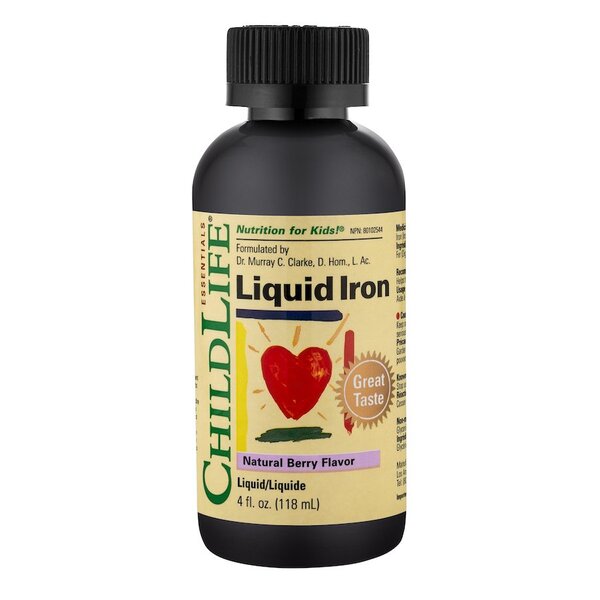
Child Life
Child Life - Liquid Iron - 118ml
170 krIn stockWhy is this shown? Innehåller alla ämnen artikeln handlar om · Renodlat tillskott — ämnet står i produktnamnet · I lager · Betyg 5.0 av 8 kunder
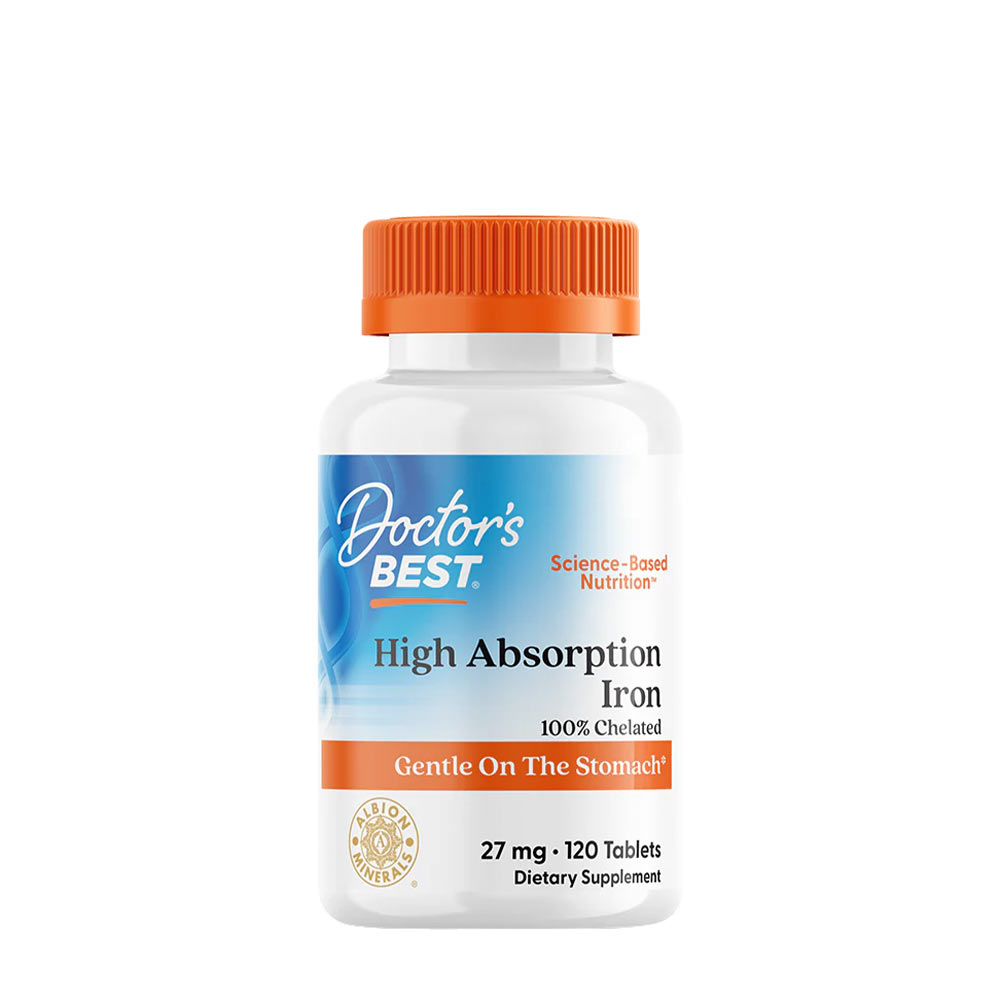
Doctor's Best
Doctor's Best - High Absorption Iron - 120 Tabs
173 krIn stockWhy is this shown? Innehåller alla ämnen artikeln handlar om · Renodlat tillskott — ämnet står i produktnamnet · I lager
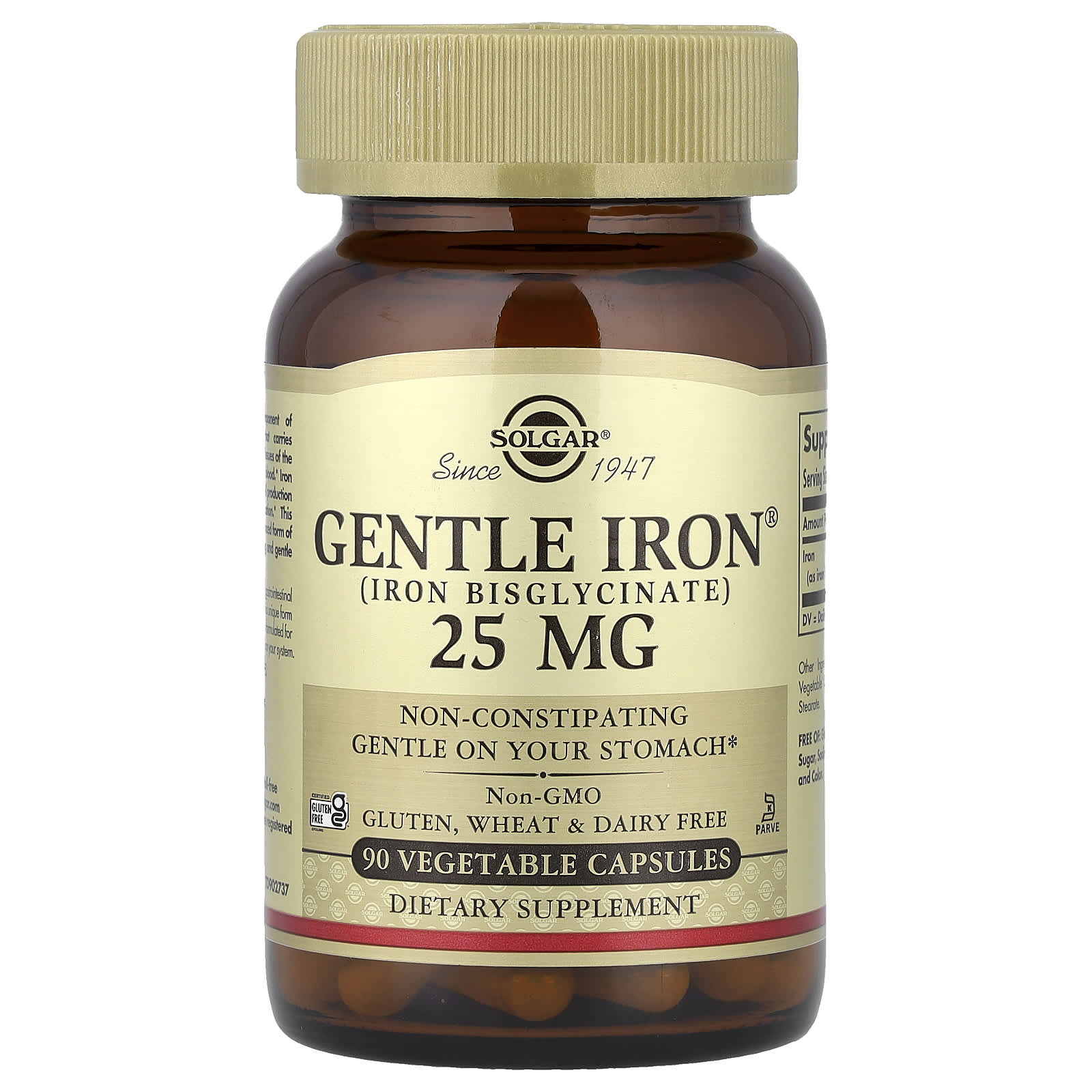
Solgar
Solgar - Gentle Iron® - 25mg, 90 Caps
293 krIn stockWhy is this shown? Innehåller alla ämnen artikeln handlar om · Renodlat tillskott — ämnet står i produktnamnet · I lager
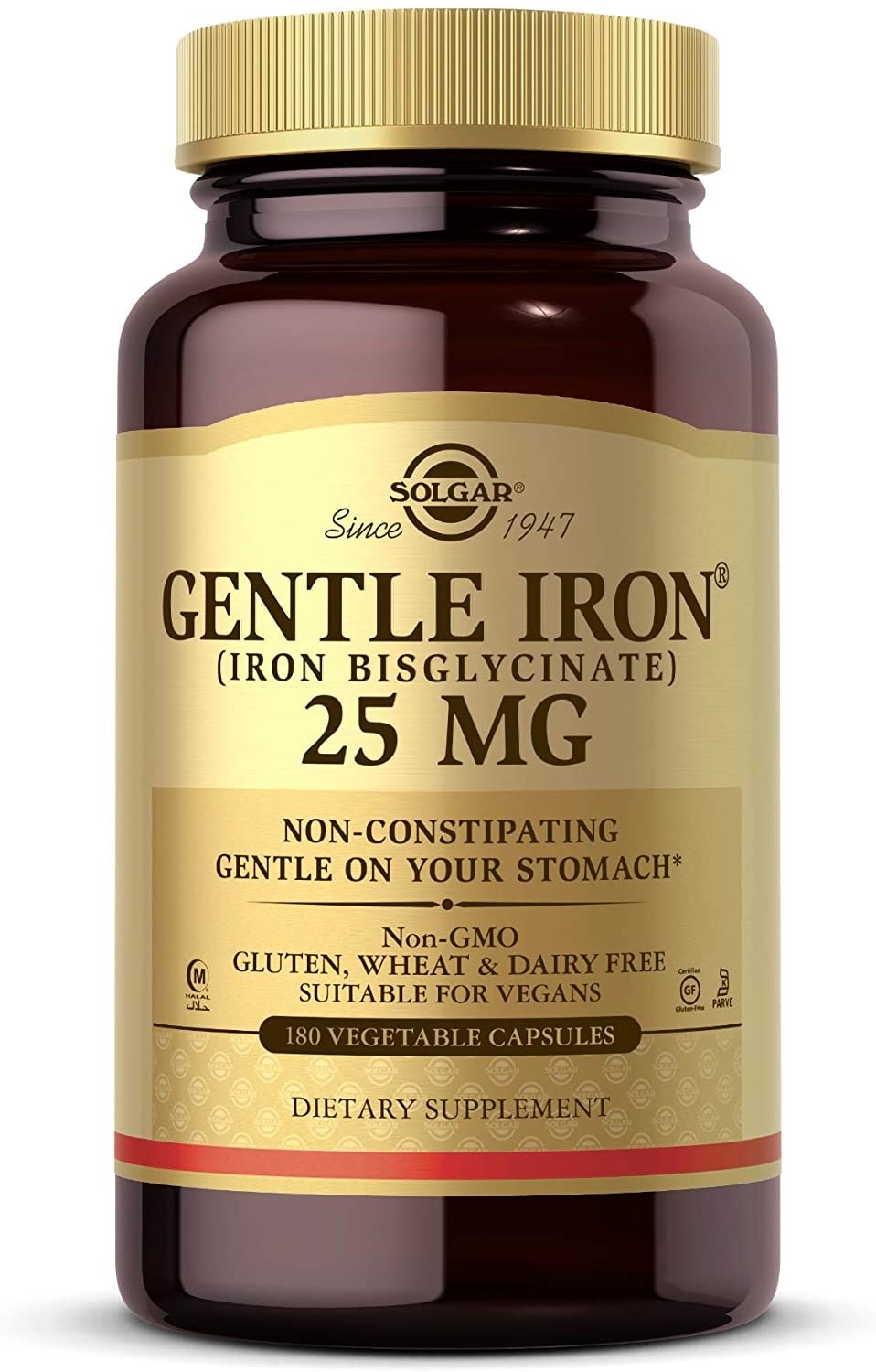
Solgar
Solgar Gentle Iron 25mg 180 Caps
312 krIn stockWhy is this shown? Innehåller alla ämnen artikeln handlar om · Renodlat tillskott — ämnet står i produktnamnet · I lager
Swanson
Swanson - Just One Multi with Iron - 130 Tablets
191 krIn stockWhy is this shown? Innehåller alla ämnen artikeln handlar om · Renodlat tillskott — ämnet står i produktnamnet · I lager