Which iron supplement should you choose?
Short answer
Choose an iron supplement by the elemental iron per serving, the iron form, and the daily schedule rather than the biggest number on the front of the pack. Standard ferrous salts are common and well absorbed, while lower-dose liquids or alternate-day use may suit tolerance better. If you have low ferritin, anaemia, pregnancy, unexplained symptoms, or are buying for a child, get medical advice first.
Quick facts
- Ferritin below 12 micrograms/L indicates no stored iron; below 30 micrograms/L indicates iron depletion.
- Premenopausal women have higher iron reference intakes than adult men.
- A label saying 100 mg may refer to the whole compound, not 100 mg of elemental iron.
- Ferrous sulfate is about 20% elemental iron, ferrous fumarate about 33%, and ferrous gluconate about 12%.
- Tea, coffee, calcium products and acid-suppressing medicines can reduce iron absorption.
- If oral iron is working, haemoglobin is often expected to rise by about 20 g/L after 4 weeks.

What are iron supplements for, and who may need one?
Iron supplements fit a specific problem: low iron stores or anaemia with evidence of iron deficiency, not a vague wish for more energy. The NIH iron fact sheet for professionals says iron is crucial for haemoglobin, and the Threetermsreadersoftenmixup
| Term | Plain-Englishmeaning | Whattheguidanceuses |
|---|---|---|
| Irondeficiency | Storedironislow | |
| Iron deficiency without anaemia | Iron is low, but haemoglobin is not below range | NHS Borders says the same guidance can apply to proven iron deficiency without anaemia |
| Iron-deficiency anaemia | Haemoglobin is low and iron deficiency is present | Barnsley uses Hb below 120 g/L in women, 130 g/L in men, and 110 g/L in pregnancy |
Symptoms can point to the issue, but they do not prove it
The NIH consumer sheet says low iron stores may cause no symptoms at first. As deficiency progresses, iron-deficiency anaemia can develop; red blood cells become smaller and contain less haemoglobin, so they carry less oxygen. Symptoms listed there include weakness, tiredness, lack of energy, reduced concentration or memory, and impaired immunity. The NHS leaflet adds breathlessness, pale skin, and palpitations. Fatigue on its own is not enough to tell low iron from other causes.
Which blood tests usually answer the question
NIH says haemoglobin and haematocrit are widely used for screening, but they are neither sensitive nor specific. Ferritin is the key marker because it reflects iron stores, yet NHS Highland warns that inflammation can make ferritin look falsely normal or high; the same page says ferritin 30-50 micrograms/L can still fit iron deficiency, especially in elderly patients and inflammatory states. The Barnsley pathway tells clinicians to check ferritin, transferrin saturation, and CRP, and NHS Borders says that if ferritin is normal but suspicion remains, a fasting serum iron plus transferrin check can help.
Who should not guess
NHS Highland lists common reasons for low iron as blood loss, poor dietary intake, malabsorption, blood donation, and higher requirements such as pregnancy. The same guidance tells clinicians to look for gastrointestinal, gynaecological, or urological blood loss and to check for coeliac disease; NHS Borders adds heavy menstrual bleeding and says long-term PPI use can contribute by reducing absorption.
Possible bleeding or unexplained anaemia belongs in medical assessment, not aisle-guessing.
NHS Highland’s oral-iron formulary says iron deficiency should be regarded as a symptom and the underlying cause investigated. NHS Borders advises urgent gastroenterology referral for all male patients unless there is an obvious alternative source of blood loss, for non-menstruating women, for women over 50, and for women with a strong family history of colorectal cancer. The Barnsley pathway says frank blood loss needs urgent admission.
How much iron do you need, and can food cover it?
Reference intakes rise when losses and absorption change
EFSA’s iron opinion separates requirements by life stage and sex because iron losses are not the same across the population. In that opinion, adult men have an average requirement of 6 mg/day and a population reference intake of 11 mg/day, while premenopausal women have an average requirement of 7 mg/day and a population reference intake of 16 mg/day, reflecting the extra variability created by menstrual losses. In the EFSA draft opinion, pregnancy and lactation use the same DRVs as premenopausal women rather than a separate higher European figure in that document.
The mechanism matters as much as the headline number. In EFSA’s model, median obligatory iron losses are 0.95 mg/day in men and 1.34 mg/day in premenopausal women, and predicted absorption at a serum ferritin concentration of 30 µg/L is 16% in men and 18% in premenopausal women according to the same opinion. Pregnancy is the hardest stage to reduce to one simple number: EFSA describes requirements rising across gestation while non-haem iron absorption increases from 7.2% in weeks 0–23 to 36.3% in weeks 24–35 and 66.1% in weeks 36–40 in its pregnancy section.
What foods actually contribute meaningful iron
NIH ODS distinguishes between food sources: plants and iron-fortified foods contain nonheme iron only, while meat, seafood, and poultry contain both heme and nonheme iron.
| Food | Approximate iron per common serving |
|---|---|
| Fortified breakfast cereal | About 18 mg per serving |
| Oysters, cooked | 8 mg per 3 ounces |
| Beef liver | 5 mg per 3 ounces |
| Lentils, boiled | 3 mg per 1/2 cup |
| Tofu, firm | 3 mg per 1/2 cup |
| Spinach, boiled and drained | 3 mg per 1/2 cup |
| Beef | 2 mg per 3 ounces |
| Pumpkin seeds | The supplied sources name nuts as iron sources but do not give a pumpkin-seed serving value |
The same NIH page estimates total absorption at about 14–18% from mixed diets that include meat and vitamin C, versus about 5–12% from vegetarian diets. That does not mean vegetarian or vegan diets automatically lead to low iron; it means meal composition carries more weight. NHS Highland guidance advises vitamin C or orange juice to improve uptake and to avoid taking iron alongside calcium-containing products, while NHS Borders says tea and coffee taken with iron reduce absorption.
When food can cover needs, and when it usually cannot do the whole job
Food can realistically help cover day-to-day needs for many readers, especially where requirements are lower, such as adult men, and where meals regularly include iron-rich foods plus absorption-friendly pairings. It gets harder when losses or demands rise, especially with menstruation, growth, or pregnancy in EFSA’s modelling of losses and pregnancy physiology. Once iron deficiency has already been identified, NHS Highland states that dietary changes are usually insufficient on their own and that supplementation is usually required, which is the clearest line between food for prevention and food-only strategies after stores are already low.
Which iron forms absorb best, and what does ‘100 mg’ mean?
Read the elemental iron line, not just the big number
“100 mg” is only meaningful if the label says whether that means elemental iron or the weight of the whole iron compound. The NIH Office of Dietary Supplements says ferrous fumarate is about 33% elemental iron by weight, ferrous sulfate about 20%, and ferrous gluconate about 12%. In practice, that means 100 mg of ferrous sulfate is only about 20 mg of elemental iron, while 100 mg of ferrous fumarate is about 33 mg.
NHS Highland gives the same lesson in real products: a 200 mg ferrous sulfate tablet provides 65 mg iron, and a 210 mg ferrous fumarate tablet provides 68 mg iron. One NHS adult pathway also lists a 305 mg ferrous fumarate capsule that provides 100 mg elemental iron. So a higher-looking milligram number can simply reflect a heavier compound, not more usable iron.
Compare products by elemental iron per daily serving, not by the size of the compound name on the front of the pack.
What the common forms actually tell you
| Form on label | What the sources support | What to compare |
|---|---|---|
| Ferrous sulfate | About 20% elemental iron; ferrous salts are more soluble and better bioavailable than ferric salts. | Elemental iron amount and side effects at that dose. |
| Ferrous fumarate | About 33% elemental iron. | A smaller tablet can still deliver a high elemental dose. |
| Ferrous gluconate | About 12% elemental iron. | Lower elemental iron per tablet may change tolerability and the number of tablets needed. |
| Ferric iron salts | Less soluble and less bioavailable than ferrous salts. | Do not assume ferric and ferrous products are interchangeable milligram for milligram. |
| Bisglycinate, heme iron polypeptide, other chelates | Alternative forms may cause fewer gastrointestinal side effects, but the NIH sheet does not give a fixed absorption advantage for bisglycinate over ferrous sulfate. | Look for elemental iron first; treat “gentle” claims cautiously. |
Form matters, but dose and frequency matter too
NHS Highland notes that gastric irritation is the most common side effect and is related to elemental iron content. Its guidance also says lower-dose, once-daily or alternate-day dosing may be better tolerated, and warns against slow-release or enteric-coated preparations because they often release iron after the optimal absorption site. That is why “gentle,” “slow-release,” and “high strength” are marketing language, not standard medical categories.
For shoppers searching “iron supplements 100 mg,” the key distinction is whether that means 100 mg of the salt or 100 mg of elemental iron. A product delivering 100 mg elemental iron is not automatically “better”; it is simply a larger dose. EFSA’s 2024 opinion did not set a formal upper limit for iron, but it did set a safe level of total intake of 40 mg/day for adults from all sources, and said that figure does not apply to people using iron under medical supervision for iron deficiency anaemia.
Are iron drinks, liquids, and sachets better than tablets?
Format changes convenience; it does not change what matters most
NHS guidance shows why tablets, capsules, drinks and liquids are not comparable by format alone. The same category of “oral iron” can deliver very different amounts per serving: a dried ferrous sulfate tablet 200 mg provides 65 mg iron, a ferrous fumarate tablet 210 mg provides 68 mg iron, a ferrous fumarate syrup 140 mg/5 mL provides 45 mg iron, and sodium feredetate elixir 190 mg/5 mL provides 27.5 mg iron (NHS Highland formulary). A Barnsley NHS pathway also lists a ferrous fumarate capsule 305 mg as 100 mg elemental iron (Barnsley pathway).

| Format example | Serving example | Stated iron |
|---|---|---|
| Tablet | Ferrous sulfate 200 mg | 65 mg iron |
| Tablet | Ferrous fumarate 210 mg | 68 mg iron |
| Capsule | Ferrous fumarate 305 mg | 100 mg elemental iron |
| Liquid syrup | Ferrous fumarate 5 mL | 45 mg iron |
| Liquid elixir | Sodium feredetate 5 mL | 27.5 mg iron |
That is why a ready-to-drink shot, powder or sachet is only meaningful if the label tells you the elemental iron per serving. The NIH notes that ferrous fumarate is about 33% elemental iron by weight, ferrous sulfate about 20%, and ferrous gluconate about 12%; it also states that ferrous salts are generally more bioavailable than ferric salts (NIH Office of Dietary Supplements). Format alone does not guarantee better absorption.
When liquids and similar formats can help
If swallowing tablets is the sticking point, liquids are the clearest alternative. They also allow smaller measured amounts: NHS Highland gives sodium feredetate as 5 mL, increasing gradually to 10 mL three times daily (formulary). NHS Borders says liquid preparations, oral sprays and iron-fortified water can help people who get gastrointestinal symptoms, though they may need to be taken for longer periods of time to fully replace iron stores (NHS Borders).
What to inspect on a drink, sachet or powder label
Check five things before you buy: elemental iron per serving, serving size, the iron form, whether vitamin C is included, and how many servings are in the pack. NHS Highland advises taking oral iron with vitamin C or orange juice and avoiding calcium-containing products and tannins such as tea and wine around dosing (NHS Highland guideline).
One final check: products sold as easier to tolerate can contain low amounts of elemental iron (NHS Highland guideline). Count servings per pack before assuming a drink or sachet is simpler; that is the quickest way to judge portion size, likely routine fit, and the cost per useful serving. Whatever the format, store iron supplements carefully to avoid accidental overdose (NHS Highland guideline).
What is the best iron supplement for anaemia?
No single product is “best” without the diagnosis behind it
The better question is whether the anaemia is actually due to iron deficiency, how low the haemoglobin and ferritin are, and what is causing the iron loss or poor absorption. NHS Highland states that iron deficiency should be regarded as a symptom and that the underlying cause needs investigation. The same guideline says ferritin below 30 micrograms/L indicates iron depletion, ferritin above 50 micrograms/L generally excludes iron deficiency unless there is inflammation, and a normal full blood count does not rule iron deficiency out NHS Highland iron deficiency guideline.
That is why low ferritin without anaemia is different from established iron-deficiency anaemia. NHS Borders defines iron-deficiency anaemia as anaemia plus evidence of iron deficiency, and notes that normal or high ferritin can still miss deficiency because ferritin is an acute-phase reactant NHS Borders iron deficiency anaemia guidance.
What oral iron often looks like in practice
Clinical pathways do not use a simple “more is better” rule. One adult NHS pathway starts oral iron at 50 to 100 mg elemental iron once daily, with examples including ferrous fumarate providing 100 mg elemental iron once daily, ferrous fumarate 68 mg once daily, or ferrous sulfate 65 mg once daily adult iron deficiency anaemia pathway. NHS Borders says once-daily supplementation is effective and better tolerated, while NHS Highland notes that alternate-day dosing can improve haemoglobin as effectively as daily dosing in small trials, with fewer side effects NHS Borders NHS Highland.
| Approach | How it appears in guidance |
|---|---|
| Once daily | Common starting point at 50 to 100 mg elemental iron daily Barnsley pathway |
| Alternate day | Used when tolerance is a problem; small trials cited as showing similar haemoglobin response with fewer side effects NHS Highland |
| Switch preparation | Lower-elemental-iron options or liquid paediatric formulations may help if GI side effects are the barrier NHS Highland |
How response is checked, and when oral iron is not enough
NHS Highland expects haemoglobin to rise by about 20 g/L after 4 weeks if bleeding and absorption problems are not getting in the way. If that response does not happen, guidance says to check adherence, continued blood loss, acid suppressants, calcium or tannins, coeliac disease, Helicobacter pylori, and other deficiencies NHS Highland. Oral iron is usually continued for 3 months after anaemia resolves, and NHS Borders advises ferritin above 50 micrograms/L before stopping NHS Borders.
Intravenous iron becomes a clinician-led option when oral products are not tolerated after trials of at least two agents, when inflammation or inflammatory bowel disease reduces absorption, when blood loss is ongoing, when severe anaemia needs faster repletion, or in settings such as late pregnancy or postpartum anaemia NHS Highland. A separate NHS pathway flags severe symptomatic anaemia or haemoglobin below 80 g/L for urgent clinical discussion rather than self-selection of a supplement Barnsley pathway.
Which iron supplements make sense for women?
Teens, reproductive years, and after menopause are different situations
In Europe, EFSA’s DRV summary gives premenopausal women an average requirement of about 7 mg/day and a population reference intake of about 16 mg/day, compared with about 6 mg/day and 11 mg/day for adult men. In EFSA’s iron opinion draft, postmenopausal women are given the same reference values as men.
| Group | What the sources flag | Why that changes supplement thinking |
|---|---|---|
| Teen girls | Higher deficiency risk is specifically flagged by NIH. | Do not assume tiredness is automatically “normal. ” |
| Menstruating women | Heavy menstrual bleeding is a recognised recurrent driver. | Bleeding pattern matters as much as the supplement choice. |
| Postmenopausal women | Non-menstruating women with iron deficiency anaemia are treated differently in referral guidance. | Repeated self-treatment is a poor substitute for finding the cause. |
Symptoms can overlap with low iron, but they do not prove it
NIH lists weakness, tiredness, lack of energy, and reduced concentration or memory among symptoms of iron deficiency anaemia. EFSA’s review also describes impaired muscle endurance as haemoglobin falls in women, and iron-responsive reduced endurance in groups with ferritin below 16 micrograms/L even without anaemia. But NHS Highland says ferritin is usually the key test, serum iron is not a good stand-alone test, and inflammation can make ferritin look falsely normal.
Lower-dose maintenance is not the same as treatment
NHS Highland says once-daily or alternate-day iron is usually enough for long-term prophylaxis in people with ongoing losses, and notes that better-tolerated commercial products often contain low amounts of elemental iron. The same guidance warns those lower-dose products may not be sufficient in iron deficiency anaemia. For confirmed iron deficiency anaemia, NHS Borders advises once-daily iron until haemoglobin normalises, then another 3 months, aiming for ferritin above 50 before stopping.
Questions worth taking to a clinician
NHS Highland lists blood loss, blood donation or repeated phlebotomy, poor dietary iron intake, and malabsorption among common causes of iron deficiency, and says history should ask about blood donation, malabsorption symptoms, and diet. For women who avoid meat, NIH’s professional fact sheet estimates iron absorption at about 5–12% from vegetarian diets versus 14–18% from mixed diets. If heavy periods keep driving the problem, NHS Borders advises discussing treatments for the bleeding itself, including tranexamic acid or hormonal options, instead of repeatedly cycling through self-chosen iron alone. For women with high training loads, these sources still point back to checking measurable causes and blood results rather than guessing from fatigue alone.
What should you know about iron supplements in pregnancy?
Pregnancy raises iron needs, but trimester does not give you a self-dosing formula
U. S. guidance sets iron at 27 mg/day in pregnancy, compared with 18 mg/day for non-pregnant women aged 19–50, and the NIH summary says ACOG recommends low-dose iron from the first trimester plus anaemia screening in the first trimester and again at 24–28 weeks on the NIH ODS pregnancy fact sheet and the NIH ODS iron fact sheet. An EFSA draft opinion on iron reference values describes pregnancy needs as relatively lower early on and then rising later, while iron absorption also becomes more efficient. That is why maternity care uses blood results and follow-up, not symptoms alone.

Prenatal multivitamin and stand-alone iron are different decisions
A routine prenatal is not the same purchase as a separate high-dose iron product. The NIH ODS pregnancy fact sheet summarises WHO guidance as 30–60 mg/day of iron plus 400 µg/day of folic acid for pregnant women. In populations with under 20% anaemia prevalence, and when daily dosing causes side effects, WHO allows a weekly option of 120 mg iron plus 2,800 µg folic acid. For pregnant women with diagnosed anaemia, WHO uses 120 mg/day iron plus folic acid until haemoglobin normalises. Those figures belong to clinical care pathways, not to self-selecting the strongest label.
| Pregnancy guidance point | Amount |
|---|---|
| Pregnancy RDA in U. S. guidance | 27 mg/day |
| WHO routine daily guidance | 30–60 mg iron + 400 µg folic acid |
| WHO weekly alternative | 120 mg iron + 2,800 µg folic acid weekly |
| WHO guidance when anaemia is diagnosed | 120 mg/day iron + folic acid |
Ferritin, haemoglobin, and prior status matter more than tiredness
The NIH consumer sheet notes that low iron stores can be symptomless at first. The professional sheet says haemoglobin and haematocrit are commonly used but are not sensitive or specific, while ferritin reflects iron stores but can be affected by inflammation. NHS Highland is more concrete: ferritin below 30 µg/L indicates iron depletion, and 30–50 µg/L can still fit deficiency in inflammatory states. If you entered pregnancy with low ferritin, that history matters. Diet matters too: NIH estimates iron absorption at about 14–18% from mixed diets and 5–12% from vegetarian diets.
Side effects are common, and follow-through often continues after birth
Practical adherence is often the real problem. NHS patient guidance lists stomach upset, nausea, diarrhoea, and constipation. Pregnancy is not the time to improvise with high-dose products: EFSA set no UL but gave a safe total intake of 40 mg/day for adults, including pregnant and lactating women, while the NIH pregnancy sheet says excess iron in iron-replete women has been associated with gestational diabetes, preterm birth, and impaired fetal growth.
How should you choose and take an iron supplement in Ireland?
Read the back panel before the front claim
The first number to compare is elemental iron per serving, because the compound name and the headline milligrams can mislead. The NIH fact sheet says ferrous fumarate is about 33% elemental iron by weight, ferrous sulfate about 20%, and ferrous gluconate about 12%. NHS Highland gives real label-style examples: ferrous sulfate 200 mg tablets provide 65 mg iron, ferrous fumarate 210 mg tablets 68 mg, ferrous fumarate syrup 140 mg/5 mL 45 mg, and sodium feredetate elixir 190 mg/5 mL 27. 5 mg. That is why two products can both shout “100 mg” yet deliver different amounts of actual iron.
| Label check | What to look for |
|---|---|
| Elemental iron | How much iron you get per tablet, capsule, sachet, or 5 mL |
| Iron form | Ferrous sulfate, fumarate, gluconate, sodium feredetate, or another named form |
| Serving pattern | Serving size and how many doses make up the day’s total |
| Added ingredients | Whether vitamin C is included, plus sweeteners and allergens in liquids or sachets |
| Product type | Standalone iron or a multinutrient that may also contain calcium |
How to judge claims and big numbers
For shoppers in Ireland or the wider EU, front-of-pack wording is not proof that one product works better than another. The more useful comparison is the declared iron form, elemental iron per serving, and total daily intake. On safety, EFSA did not establish a tolerable upper intake level for iron, but set a safe level of total intake of 40 mg/day for adults, including pregnant and lactating women; the same summary says this does not apply to people taking iron under medical supervision. A larger front-number is not automatically a smarter buy.
Choose by declared elemental iron and the full daily schedule, not by the biggest milligram headline.
Take it in a way that does not quietly reduce absorption
More iron is absorbed on an empty stomach, ideally one hour before a meal, and NHS Highland also states that absorption is increased when taken on an empty stomach. If nausea or bowel upset gets in the way, taking iron with food may help, although absorption can fall; the same guidance suggests lower-dose options, liquid paediatric formulations, or alternate-day use if that has been advised.
Common mistakes are very practical: taking iron with tea or coffee, with milk or other high-calcium products, which should be separated by 2 hours, or with acid suppressants and calcium-containing products. NHS Highland also advises taking iron with vitamin C or orange juice, in the morning. If more than one daily dose has been advised, leave at least 8 hours between doses. Finally, iron deficiency should be regarded as a symptom, so a product choice should not distract from finding the reason iron is low.
What side effects, interactions, and risk groups matter most?
Expected gut effects vs signs that need review
Across NHS guidance, the usual problems with oral iron are stomach upset, nausea, constipation and diarrhoea. EFSA’s safety review also notes GI effects with higher-dose non-haem iron, and its plain-language summary says black stools are not harmful in themselves, although they show that significant unabsorbed iron is present in the gut EFSA draft opinion on iron DRVs EFSA 2024 iron safety summary.
| Often manageable with dose or format changes | Do not keep self-managing |
|---|---|
| Nausea, stomach upset, constipation, diarrhoea, black stools | No expected response after about 4 weeks, complete intolerance of oral iron, or severe symptomatic anaemia |
If side effects are the barrier, NHS Highland suggests practical changes rather than simply pushing on: lower the elemental-iron dose, use alternate-day dosing, switch preparation, or take it with food if necessary, knowing that food may reduce absorption NHS Highland iron deficiency guideline. The same guideline says there should usually be about a 20 g/L rise in haemoglobin after 4 weeks; if that does not happen, bleeding, poor absorption or another factor should be considered rather than endlessly changing brands NHS Highland iron deficiency guideline.
Interactions and total intake
The clearest interaction warnings in the supplied public guidance are for levothyroxine, calcium-containing products, tea, coffee and acid-suppressing medicines. The NIH fact sheet notes reduced absorption of levothyroxine with iron, while NHS advice says not to take iron at the same time as milk or other high-calcium products and to separate them by 2 hours; NHS Highland also advises avoiding acid suppressants where possible if oral iron is not working NIH Office of Dietary Supplements: Iron Barnsley NHS iron pathway NHS Highland iron deficiency guideline. EFSA also highlights interactions between high iron intakes and other minerals, including zinc, calcium, copper and manganese EFSA 2024 iron safety summary.
For cumulative exposure, EFSA did not set a formal UL, but it did set a safe level of total iron intake of 40 mg/day for adults, including pregnant and lactating women, from all sources combined. That means the label check is not just your iron capsule: add up iron from any multivitamin, prenatal or fortified product you use alongside it EFSA 2024 iron safety summary.
Who should not rely on self-prescribing
NHS referral guidance is much more cautious when iron deficiency anaemia appears in men, non-menstruating women, or women over 50. In those groups, the guidance says referral is usually needed rather than treating the supplement aisle as the whole answer, and NHS Highland states plainly that iron deficiency should be regarded as a symptom whose cause needs investigation NHS Borders iron deficiency anaemia guidance NHS Highland oral iron formulary.
Two groups need especially careful handling. First, children: NHS Highland says supplements should be stored carefully to avoid accidental overdose, and EFSA notes that large acute intakes can damage the intestinal lining and, in severe cases, other organs NHS Highland iron deficiency guideline EFSA draft opinion on iron DRVs.
Safety and precautions
Iron supplements are for confirmed low iron stores or iron-deficiency anaemia, not for guessing at the cause of tiredness. Common side effects include stomach upset, nausea, constipation, diarrhoea and dark stools, and taking more is not automatically better because total intake from all products adds up.
Ask a healthcare professional before using iron if you are pregnant, taking medicines such as levothyroxine or acid suppressants, have unexplained anaemia or possible bleeding, or are buying for a child. Store iron carefully out of children’s reach.
Supplements with the ingredients in this article
Compare contents, dose and price
Frequently asked questions
How long does it usually take ferritin and haemoglobin to improve after starting iron?
If oral iron is working, haemoglobin is often expected to rise by about 20 g/L within around 4 weeks. Ferritin usually takes longer because rebuilding iron stores continues after blood counts improve. That is why treatment is often continued for about 3 more months after haemoglobin normalises, with some guidance aiming for ferritin above 50 micrograms/L before stopping.
Can you have low ferritin without anaemia, and does it matter?
Yes. Iron stores can be low before haemoglobin falls below range, and early low ferritin may cause no symptoms at all. It still matters because proven iron deficiency without anaemia can need follow-up, but the cause of the deficiency still needs checking rather than just repeating supplements.
Do slow-release or 'gentle' iron supplements work as well as standard iron tablets?
Not necessarily. Slow-release and enteric-coated products are often discouraged because they may release iron after the main absorption site. Products sold as gentle can also contain lower amounts of elemental iron, which may help tolerance but may be less suitable when iron deficiency is clearly established.
Why do iron supplements turn stools dark, and when is that not normal?
Iron can make stools dark because some iron remains unabsorbed in the gut, and that change on its own is usually not harmful. What is not normal is frank blood loss, severe worsening symptoms, or unexplained anaemia that is being self-managed without assessment. In those cases, medical review matters more than changing brand.
Does taking vitamin C with iron still make a meaningful difference?
It can. Taking iron with vitamin C or orange juice is standard practical advice because it can help absorption, especially when most of the iron involved is non-haem iron. It also helps to avoid taking iron at the same time as calcium, tea, coffee or acid-suppressing medicines.
Can iron supplements help hair loss if blood tests are normal?
That is not a good assumption. Iron supplements fit low iron stores or anaemia with evidence of iron deficiency, not unexplained symptoms when tests are normal. If hair loss is the issue and iron markers are normal, it is better to look for other causes with a clinician instead of adding iron blindly.
Sources
- Iron - Health Professional Fact Sheet (external link)
- Iron - Consumer (external link)
- Dietary Reference Values for nutrients Summary report (external link)
- Scientific opinion on the tolerable upper intake level for iron | EFSA (external link)
- Oral iron: iron deficiency anaemias (Formulary) | Right Decisions (external link)
- Taking Iron Supplements (external link)
- Iron deficiency (Guidelines) | Right Decisions (external link)
- Iron deficiency anaemia | Right Decisions (external link)
- Dietary Supplements and Life Stages: Pregnancy - Health Professional Fact Sheet (external link)
- Scientific Opinion on Dietary Reference Values for iron (external link)
- Small Entity Compliance Guide: Label Warning Statements for Iron-Containing Supplements and Drugs | FDA (external link)
Read more
Products related to this article
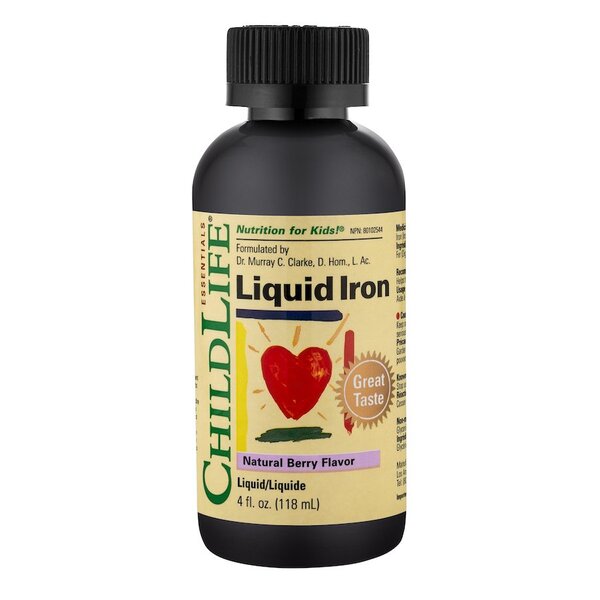
Child Life
Child Life - Liquid Iron - 118ml
166 krIn stockWhy is this shown? Innehåller 1 av 2 ämnen artikeln handlar om · Renodlat tillskott — ämnet står i produktnamnet · I lager · Betyg 5.0 av 8 kunder
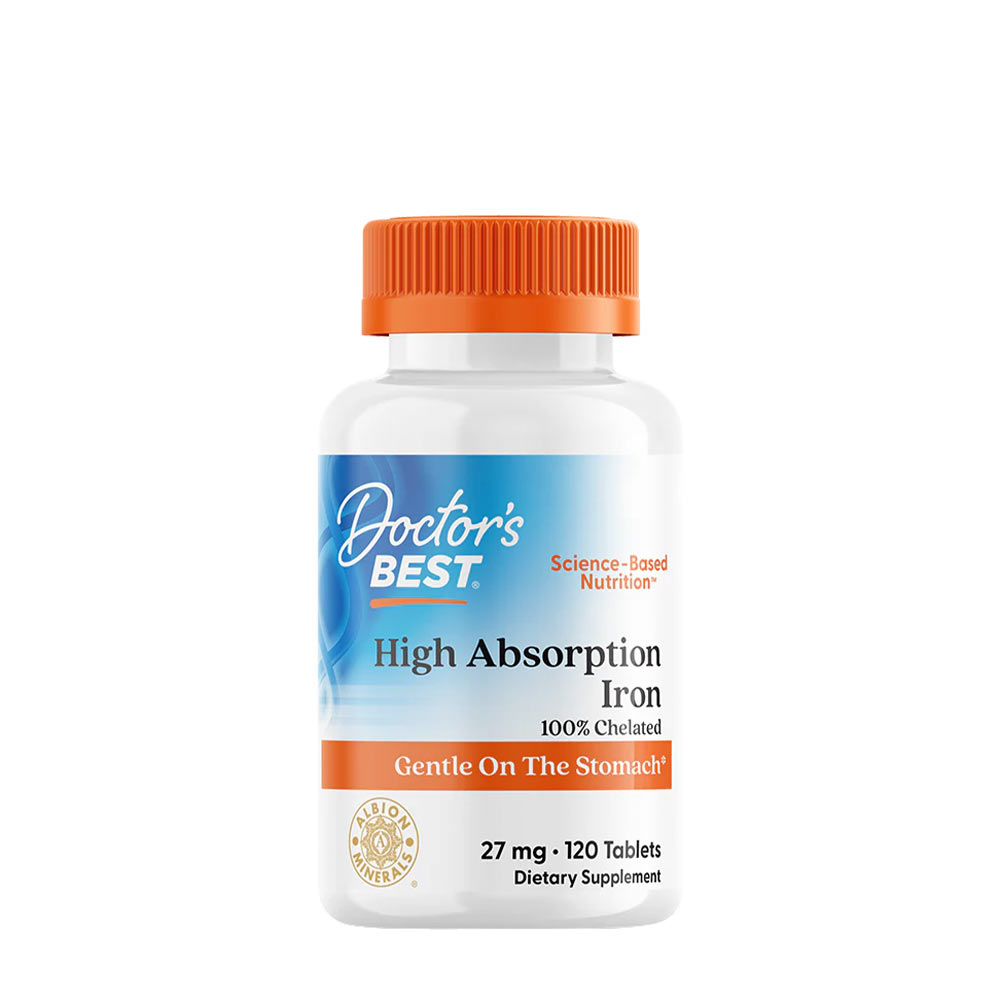
Doctor's Best
Doctor's Best - High Absorption Iron - 120 Tabs
169 krIn stockWhy is this shown? Innehåller 1 av 2 ämnen artikeln handlar om · Renodlat tillskott — ämnet står i produktnamnet · I lager
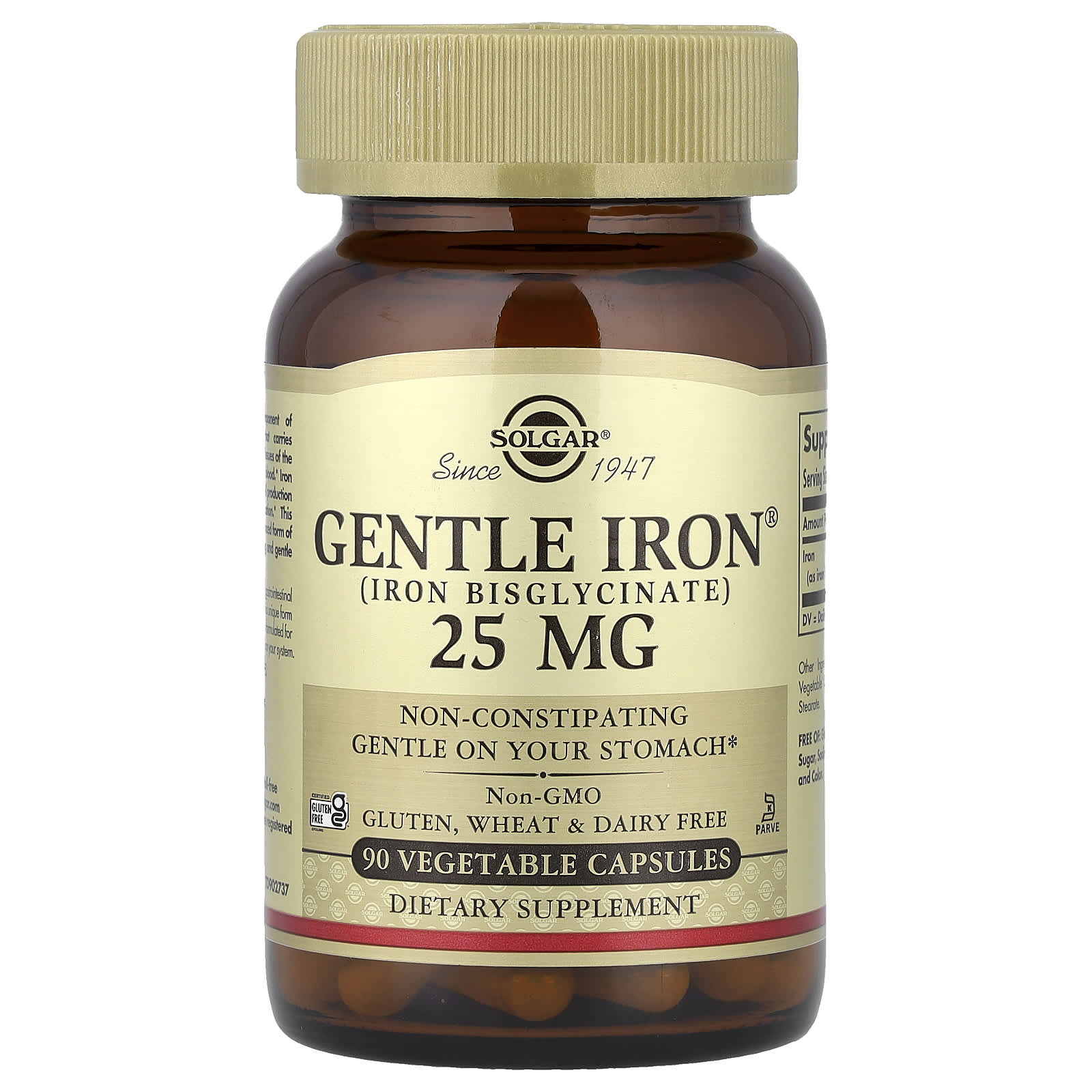
Solgar
Solgar - Gentle Iron® - 25mg, 90 Caps
293 krIn stockWhy is this shown? Innehåller 1 av 2 ämnen artikeln handlar om · Renodlat tillskott — ämnet står i produktnamnet · I lager
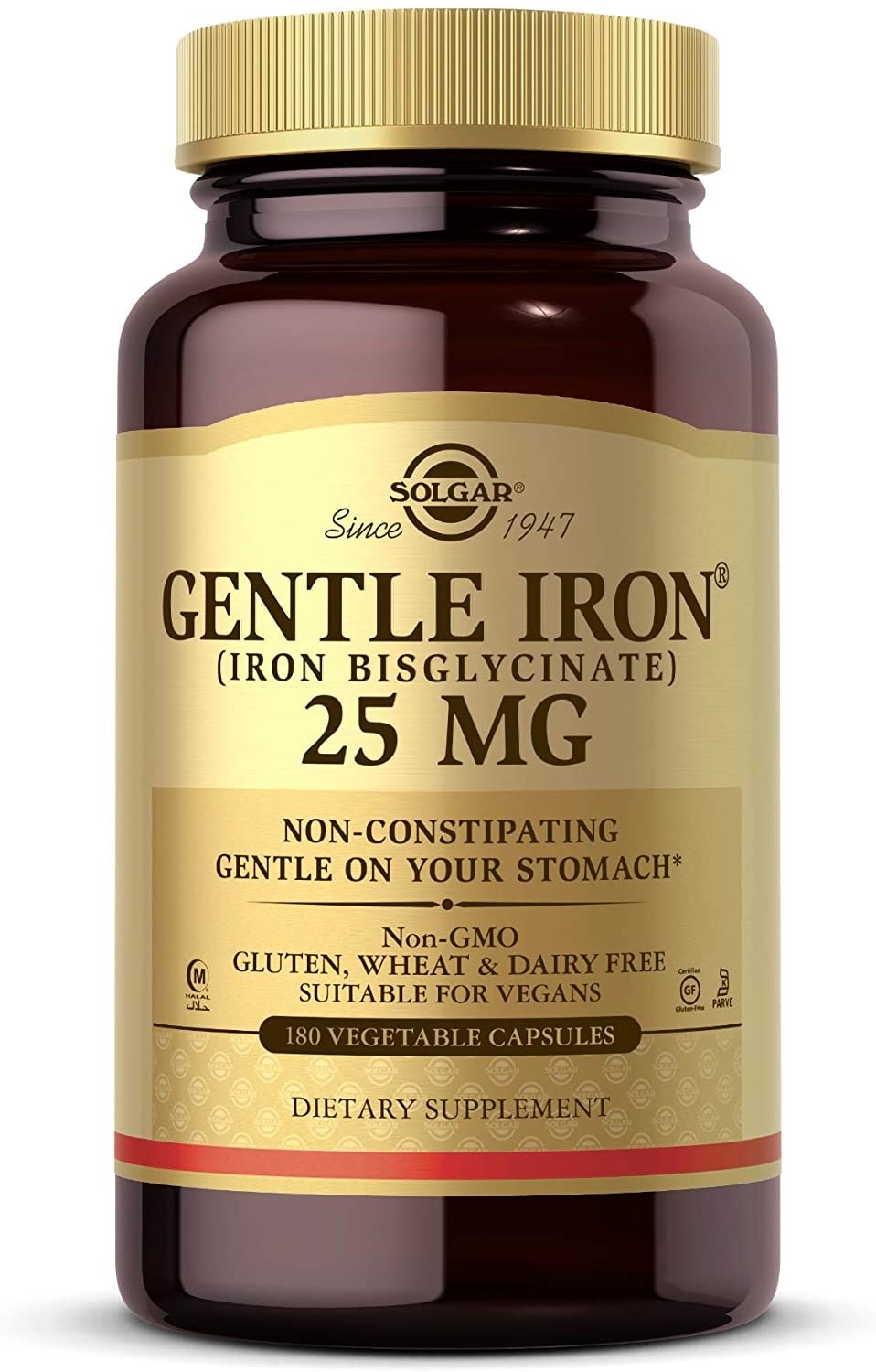
Solgar
Solgar Gentle Iron 25mg 180 Caps
327 krIn stockWhy is this shown? Innehåller 1 av 2 ämnen artikeln handlar om · Renodlat tillskott — ämnet står i produktnamnet · I lager
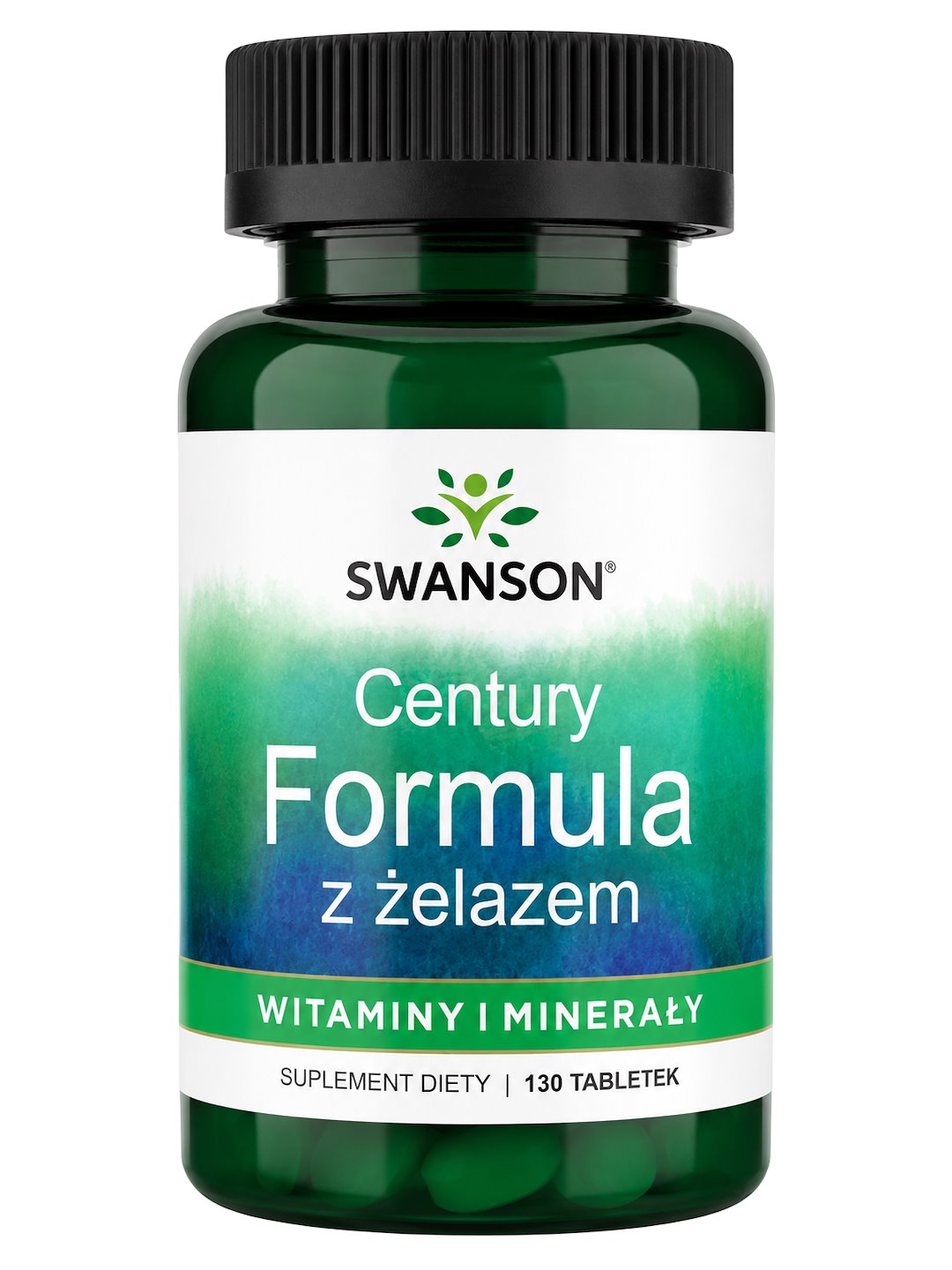
Swanson
Swanson - Just One Multi with Iron - 130 Tablets
191 krIn stockWhy is this shown? Innehåller 1 av 2 ämnen artikeln handlar om · Renodlat tillskott — ämnet står i produktnamnet · I lager