When should you take iron tablets?
Short answer
Iron tablets are generally used when iron deficiency or iron-deficiency anaemia has been diagnosed, not for unexplained tiredness. They are usually taken on an empty stomach if tolerated, and should be kept away from tea, coffee and other absorption blockers.
Quick facts
- Unexplained fatigue should be medically evaluated first.
- Frequent blood donors are a higher-risk group for iron deficiency.
- Vitamin C can help iron absorption.
- Tea, coffee, eggs and dairy can reduce absorption.
- Treatment is often continued for several months.
- Iron products must be kept out of reach of children.

When are iron tablets actually needed?
Fatigue is a symptom, not a diagnosis
Low energy by itself does not tell you whether iron is the cause. The NIH Office of Dietary Supplements describes iron deficiency as a process that can move from depleted stores to erythropoietic deficiency and then to anemia, and it says oral iron is appropriate when iron deficiency or iron deficiency anemia has been diagnosed, not when the cause of tiredness is unclear (NIH ODS professional iron fact sheet). The consumer fact sheet says symptoms such as tiredness or low energy should prompt medical evaluation rather than self-treatment (NIH ODS consumer iron fact sheet).
Who is more likely to need an evaluation
The people NIH ODS highlights as higher risk include teenage girls, especially with heavy menstruation, pregnant women and pregnant teens, infants, frequent blood donors, and people with gastrointestinal disorders, chronic diseases such as rheumatoid arthritis, inflammatory bowel disease, cancer, or heart failure (NIH ODS consumer iron fact sheet). In these groups, oral iron may be considered after assessment, but the factsheets do not support casual use just because someone feels tired (NIH ODS professional iron fact sheet).
| Situation | Why it matters | What the evidence supports |
|---|---|---|
| Heavy menstrual bleeding, pregnancy, frequent blood donation, gastrointestinal disease, chronic disease, heart failure | These groups are described as higher risk for iron deficiency | They may need supplementation or medical evaluation rather than self-treatment (NIH ODS consumer iron fact sheet) |
| Unexplained tiredness or low energy | Symptoms are non-specific and can have many causes | Use laboratory testing and clinical review before starting or repeating iron (NIH ODS professional iron fact sheet) |
What testing is looking for
When clinicians check iron status, the NIH ODS says they use markers such as serum ferritin, transferrin saturation, hemoglobin, and hematocrit to assess whether stores are depleted and whether anemia is present (NIH ODS professional iron fact sheet). That matters because someone can have early depletion without full anemia, and the management question is different at each stage (NIH ODS professional iron fact sheet).
Oral iron tablets are for confirmed iron deficiency, while unexplained fatigue should be investigated first (NIH ODS professional iron fact sheet).
The same guidance also notes that, for exercise-related low energy, supplementation should follow a healthcare provider’s diagnosis of iron depletion, because routine use without evidence of deficiency is not endorsed (NIH ODS exercise and athletic performance fact sheet).
How much iron do you need, and how is deficiency found?
Reference intakes vary by authority and life stage
The numbers are not the same across authorities. EFSA plain-language summary

| Authority | Population group | Reference intake |
|---|---|---|
| NIH ODS | Adult men | 8 mg/day |
| NIH ODS | Women 19–50 | 18 mg/day |
| NIH ODS | Pregnant people | 27 mg/day |
| NIH ODS | Girls 14–18 | 15 mg/day |
Which laboratory markers help confirm deficiency?
The NIH ODS health professional sheet describes iron deficiency as a progression from depleted stores to erythropoietic deficiency and then anaemia. In that sequence, ferritin reflects iron stores, transferrin saturation helps show whether circulating iron is becoming limited, and haemoglobin and haematocrit show later anaemia. The same source says classic haematological indicators are not perfectly sensitive or specific, so diagnosis may require more than one test and clinical correlation. NIH ODS health professional fact sheet
Normal haemoglobin does not rule out depleted iron stores; ferritin and transferrin saturation can change earlier.
Why follow-up testing matters
That is why the NIH ODS says oral iron is appropriate when deficiency or iron-deficiency anaemia has been diagnosed, not as casual self-treatment, and why the same laboratory markers are used with clinical correlation over time. NIH ODS health professional fact sheet
What foods supply iron, and how much do you get?
Animal sources give the most absorbable iron
NIH ODS says lean meat and seafood are the richest dietary sources of heme iron, and that in the United States bread, cereal and grain products often contribute about half of dietary iron intake because many are fortified Iron - Health Professional Fact Sheet. That matters because heme and non-heme iron are handled differently: heme iron comes from animal foods, while non-heme iron is the form found in plant foods and fortified products.
The same source estimates about 14% to 18% absorption in mixed diets rich in meat, seafood and vitamin C, compared with about 5% to 12% in vegetarian diets Iron - Health Professional Fact Sheet.
| Food source | Iron form | What the source material says |
|---|---|---|
| Lean meat, seafood, poultry | Heme | Richest sources of heme iron |
| Fortified cereals and breads | Non-heme | Major contributors to intake in the U.S. |
| Beans, spinach, peas, nuts, raisins | Non-heme | Useful plant sources that fit into everyday meals |
What changes absorption at the table
Meat, poultry and seafood also enhance non-heme absorption Iron - Consumer Fact Sheet.
On the reducing side, phytate in grains and beans, polyphenols in cereals and legumes, and calcium can lower absorption; NIH ODS adds that these effects are often attenuated in typical Western diets, but meal composition still changes how much iron is available from the same plate Iron - Health Professional Fact Sheet.
Only part of dietary iron is absorbed, and the fraction depends on whether the meal is built around heme iron, vitamin C and meat, or around plant foods with more inhibitors.
Portion logic: what looks meaningful on a plate
A serving built around lean meat or seafood is a concentrated heme-iron contribution; a meal based on fortified cereal or bread, or on beans, spinach, peas, nuts or raisins, contributes non-heme iron instead Iron - Health Professional Fact Sheet. Because the body absorbs only a fraction of what is eaten, the practical difference is not just how much iron is on the label, but whether the rest of the meal helps or hinders uptake Iron - Health Professional Fact Sheet.
Food is still the foundation of intake, but the evidence above shows why two iron-containing meals can deliver very different absorbed amounts. A breakfast cereal, a bean-based lunch and a seafood dinner all count; the one paired with vitamin C and fewer inhibitors is the one that gives the body more to work with Iron - Consumer Fact Sheet.
How do iron tablets work, and what claims are proven?
What the tablet is doing in the body
Oral iron is used to raise iron status in people with confirmed deficiency. Once absorbed, iron is used to make haemoglobin and to rebuild iron stores. The NIH Office of Dietary Supplements describes deficiency as a staged process: first iron stores fall, then iron-deficient erythropoiesis appears, and later haemoglobin and haematocrit drop Iron - Health Professional Fact Sheet.

That is why iron products are not one interchangeable category. Systematic reviews separately evaluate different formulations, including ferrous bisglycinate, sucrosomial iron, and iron protein succinylate, and the results vary by population and product ferrous bisglycinate systematic review comparative oral iron salts review iron protein succinylate review.
What EFSA-authorised claims allow
What the trials actually showed
| Population | What oral iron changed | What the evidence did not show |
|---|---|---|
| Older adults with anaemia | Three trials with 440 participants found haemoglobin rose by 0.35 g/dL after 4 to 6 weeks systematic review in elderly people | Adverse effects, mortality, and hospital stay were not significantly changed |
Iron tablets have evidence for improving low iron status in deficient people; they are not evidence for general wellness or unexplained fatigue when iron status is normal.
That boundary matches NIH ODS guidance: routine supplementation without evidence of deficiency is not endorsed, and in exercise settings benefit is described only when iron depletion has been diagnosed Dietary Supplements for Exercise and Athletic Performance - Health Professional Fact Sheet.
Which iron tablet form should you choose?
Start with the iron salt, the elemental iron amount per tablet, and the release profile. A clinical overview concluded that slow-release ferrous sulfate remains a standard treatment because of bioavailability, efficacy and acceptable tolerability, while EFSA notes that gastrointestinal effects depend on the form, dose, mode of administration and individual predisposition. EFSA on iron tolerability
That means tablet weight alone is not a reliable guide. Two products can look similar while differing in elemental iron content and in how quickly that iron is released. Words such as gentle, high strength or premium are marketing labels, not proof that one form is absorbed better.
What the comparison data actually show
| Form | What the retrieved evidence showed | What a buyer should notice |
|---|---|---|
| Slow-release ferrous sulfate | The 2012 overview identified it as a standard treatment; the 2013 systematic review found extended-release ferrous sulfate with mucoproteose had the lowest overall adverse-event rate, 4.1%, with gastrointestinal adverse events at 3.7%. Overview Tolerability review | Release profile matters, not just the salt name. |
| Ferrous gluconate | 30.9% adverse events in the same review. Tolerability review | Check the exact salt, not the front-of-pack promise. |
| Ferrous fumarate | 47.0% adverse events in the same review. Tolerability review | Higher tablet strength on the label does not tell you tolerability. |
| Ferrous bisglycinate | In pregnant women, a 2023 meta-analysis found a larger haemoglobin increase and fewer gastrointestinal adverse events versus comparators. Bisglycinate meta-analysis | Most relevant when comparing products for pregnancy. |
| Ferric polymaltose complexes | The 2012 overview compared them with slow-release ferrous sulfate, but the retrieved evidence here does not give a simple superiority ranking. Clinical overview | A “complex” name does not automatically mean better performance. |
| Chewables and liquids | The comparative reviews cited here do not establish a better format for these delivery forms. FDA’s boxed warning rule applies to iron-containing products in solid oral dosage form, not liquid or powder form. FDA label warning guide | Use the label details, not the format name, to compare products. |
The label checks that matter before you buy
FDA requires a boxed warning on iron-containing dietary supplements and drugs in solid oral dosage form: accidental overdose is a leading cause of fatal poisoning in children under 6. FDA label warning guide
Also check whether the product is a dietary supplement or a drug product, because that affects how it is labelled and used. If you are comparing products for a confirmed need, remember that EFSA’s safe intake levels do not apply to people receiving iron under medical supervision for iron deficiency anaemia. EFSA safe-level note
Key takeaway: compare the salt, elemental iron amount and release profile first; the biggest words on the carton are not the best proof.
How should you take iron tablets for best absorption?
The simplest evidence-based routine is to take iron 30 minutes before eating or 2 hours after eating if you can tolerate it, because the NHS says that timing gives the best chance of absorption NHS guidance on ferrous sulfate timing. If the tablet upsets your stomach, the same guidance says you can take it with or after food instead NHS guidance on ferrous sulfate timing.

Practical rule: empty stomach if you can manage it, food if you need it for stomach comfort, and keep tea, coffee and other blockers away from the dose NHS guidance on ferrous sulfate timing.
What helps, and what gets in the way
The NHS says a doctor or pharmacist may recommend taking ferrous sulfate with orange juice or a vitamin C supplement, because vitamin C is believed to increase the amount of iron absorbed NHS guidance on ferrous sulfate timing. The NIH Office of Dietary Supplements also notes that vitamin C-rich foods such as citrus fruits, strawberries, sweet peppers, tomatoes and broccoli boost non-heme iron absorption, and that meat, poultry and seafood can enhance it too NIH ODS iron consumer fact sheet.
| Habit around the tablet | What the evidence says |
|---|---|
| Orange juice or a vitamin C supplement | May help absorption NHS |
| Tea, coffee, eggs or dairy products | Can reduce the amount of iron that gets into your system; leave a 2-hour gap NHS |
| Grains and beans, cereals and legumes, or calcium-rich meals | Phytate, polyphenols and calcium can reduce iron absorption NIH ODS iron health professional fact sheet |
| Meals that include meat, poultry or seafood | Can enhance non-heme iron absorption NIH ODS |
How long to keep taking them
Iron tablets are usually not a short course. For iron deficiency anaemia, the NHS says ferrous sulfate is typically taken for several months, and then for 3 to 6 months after your condition has improved to help build up your body’s iron supply NHS guidance on duration. In other words, the plan is often to continue after you feel better, not stop the moment you notice a change NHS guidance on duration.
Common mistakes to avoid
- Stopping too early: the NHS advises continuing for months, including after improvement, to rebuild iron supply NHS.
- Doubling up after a missed tablet: the NHS says do not take 2 doses to make up for one you forgot NHS.
- Taking it with tea or coffee: both can reduce the amount absorbed, so leave the advised gap NHS.
- Expecting an immediate result: the guidance describes treatment lasting several months, with extra time after improvement to rebuild iron supply NHS.
Meal composition also matters because the ODS notes that bioavailability varies with meal composition and other digestive factors NIH ODS iron health professional fact sheet.
What are the safety risks, interactions and who should avoid them?
Common stomach effects and black stools
EFSA says short-term supplemental doses around 50–60 mg/day, especially when taken without food, may cause gastrointestinal adverse effects such as nausea, epigastric discomfort and constipation. Its 2024 iron summary adds that black stools are not harmful in themselves, but they show that significant unabsorbed iron is still in the gastrointestinal tract and may be an early sign of iron metabolism dysfunction before overload and toxicity. EFSA tolerable upper intake level report EFSA iron summary
The child-safety warning is not cosmetic
FDA requires a boxed warning on iron-containing dietary supplements and drugs in solid oral dosage form because accidental overdose of iron-containing products is a leading cause of fatal poisoning in children under 6. The required warning tells users to keep the product out of reach of children and to call a doctor or poison control center immediately if an overdose happens. FDA iron warning guide
WARNING: Accidental overdose of iron-containing products is a leading cause of fatal poisoning in children under 6.
Interactions and higher-risk situations
FDA says dietary supplements can change a medicine’s absorption, metabolism or excretion, and its dolutegravir information specifically says iron or multivitamins containing iron can bind with the drug and reduce absorption. The label advice is to take dolutegravir-containing treatment 2 hours before or 6 hours after iron, or to take them together with food if that option is allowed. FDA consumer update on supplement interactions FDA dolutegravir, lamivudine and tenofovir disoproxil fumarate tablets label
| Situation | What the evidence says | What to do |
|---|---|---|
| Children under 6 | Iron overdose can be fatal | |
| Pregnancy or breastfeeding | FDA says to discuss dietary supplements with a health care professional | Ask before starting iron |
| Older adults with complex regimens | FDA advises consulting pharmacists to avoid interactions | Review all medicines and supplements |
| GI disorders or chronic diseases | NIH ODS lists these as higher-risk situations for iron deficiency evaluation | Do not self-treat unexplained low energy |
For people with low energy, the NIH ODS says suspected deficiency should be medically investigated rather than self-treated, and it highlights higher-risk groups such as teenage girls with heavy menstruation, pregnant women and teens, infants, frequent blood donors, and people with gastrointestinal disorders, chronic diseases such as rheumatoid arthritis, inflammatory bowel disease, cancer or heart failure. NIH ODS iron consumer fact sheet
Galfer vs Ferrograd: what should buyers check?
The starting point is Läkemedelsverket’s Sök läkemedelsfakta, where the official Produktresumé and bipacksedel can be checked before use.
| Field to verify | Galfer | Ferrograd | What the label should answer |
|---|---|---|---|
| Active ingredient | Check the official product text | Check the official product text | The exact iron form should be named in the monograph. |
| Release profile | Check whether it is immediate-release or modified-release | Check whether it is immediate-release or modified-release | The release type tells you how the dose is delivered. |
| Dosing directions | Follow the official leaflet | Follow the official leaflet | Use the schedule written for that exact product. |
| Warnings and suitability | Check the leaflet | Check the leaflet | Look for age limits, contraindications, excipients, and handling rules. |
Why release type matters
The oral-iron literature compares tolerability and bioavailability across different formulations, including slow-release and extended-release tablets; one clinical overview concluded that slow-release ferrous sulfate remains a standard option because of good bioavailability, efficacy, and acceptable tolerability, and a tolerability review of oral iron forms is indexed at PubMed. For a buyer, that means the label should make clear whether Galfer or Ferrograd is immediate-release or modified-release before any decision is made.
Check the warning text, excipients and tablet-handling rules
Iron-containing solid oral products carry a prominent child-overdose warning in U.S. labeling guidance: “WARNING: Accidental overdose of iron-containing products is a leading cause of fatal poisoning in children under 6. Keep this product out of reach of children.” The same FDA guidance covers tablets, capsules and caplets, and it requires the warning to appear on the label. If the product is taken with other medicines, the prescription information for iron-interacting drugs may require separation such as 2 hours before or 6 hours after iron.
Best buying rule: choose by the official formulation and your own tolerance, not by brand reputation or online reviews.
Safety and precautions
Speak with a healthcare professional before starting iron if you are pregnant, breastfeeding, taking prescription medicines, or giving it to a child. Iron can interact with some medicines, so a pharmacist or clinician should review the full medication list first.
Supplements with the ingredients in this article
Compare contents, dose and price
Frequently asked questions
Can iron tablets be taken after blood donation?
Frequent blood donors are listed as a higher-risk group for iron deficiency, so iron may be considered after assessment. Donating blood does not automatically mean you should start tablets. If you donate often, ask a clinician whether testing is appropriate first.
Can iron tablets be split, crushed or opened?
It depends on the exact product and its release type. The article stresses checking whether a tablet is immediate-release or modified-release before using it, so follow the official leaflet before changing the dosage form. Do not assume every iron tablet can be handled the same way.
How are iron infusions different from iron tablets?
This page discusses oral tablets, which are taken by mouth. It does not compare them directly with iron infusions, so the choice depends on the treatment plan and medical advice. Tablets are used when iron deficiency or iron-deficiency anaemia has been diagnosed.
Are iron tablets used for restless legs syndrome?
This article does not discuss restless legs syndrome. It only states that oral iron is used when iron deficiency or iron-deficiency anaemia has been diagnosed. If restless legs are a concern, a healthcare professional should decide whether iron status needs testing first.
Sources
- 2 • IRON FACT SHEET FOR CONSUMERS (external link)
- Iron - Health Professional Fact Sheet (external link)
- Dietary Supplements for Exercise and Athletic Performance - Health Professional Fact Sheet (external link)
- Iron - Consumer (external link)
- Scientific opinion on the tolerable upper intake level for iron | EFSA (external link)
- Scientific Opinion on Dietary Reference Values for iron (external link)
- complet_chapitres.indd (external link)
- Efficacy of iron supplementation on fatigue and physical capacity in non-anaemic iron-deficient adults: a systematic review of randomised controlled trials - PubMed (external link)
- Systematic review and meta-analysis: what is the evidence for oral iron supplementation in treating anaemia in elderly people? - PubMed (external link)
- Tolerability of different oral iron supplements: a systematic review. (external link)
- The effects of oral ferrous bisglycinate supplementation on hemoglobin and ferritin concentrations in adults and children: a systematic review and meta-analysis of randomized controlled trials. (external link)
- Comparative evaluation of different oral iron salts in the management of iron deficiency anemia - PubMed (external link)
- Efficacy and tolerability of oral iron protein succinylate: a systematic review of three decades of research - PubMed (external link)
- Ferrous versus ferric oral iron formulations for the treatment of iron deficiency: a clinical overview - PubMed (external link)
- Small Entity Compliance Guide: Label Warning Statements for Iron-Containing Supplements and Drugs | FDA (external link)
- DOLUTEGRAVIR, LAMIVUDINE AND TENOFOVIR DISOPROXIL FUMARATE TABLETS, for oral use (external link)
- Mixing Medications and Dietary Supplements Can Endanger Your Health | FDA (external link)
- As You Age: You and Your Medicines | FDA (external link)
- Sök läkemedelsfakta | Läkemedelsverket (external link)
- How and when to take ferrous sulfate (external link)
Read more
Products related to this article
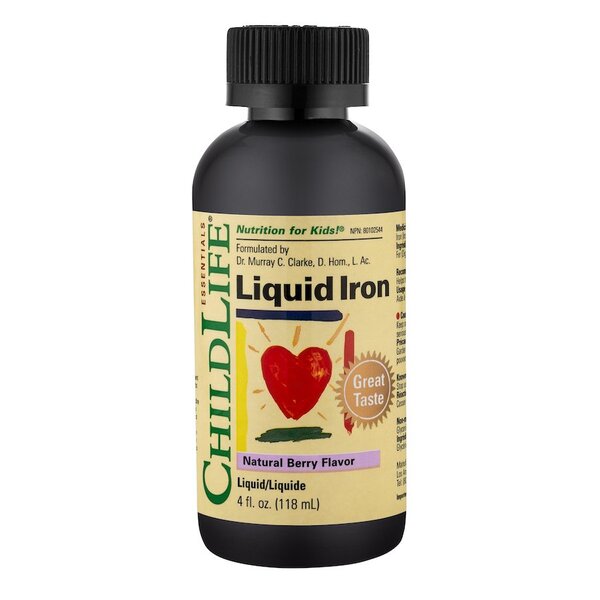
Child Life
Child Life - Liquid Iron - 118ml
166 krIn stockWhy is this shown? Innehåller alla ämnen artikeln handlar om · Renodlat tillskott — ämnet står i produktnamnet · I lager · Betyg 5.0 av 8 kunder
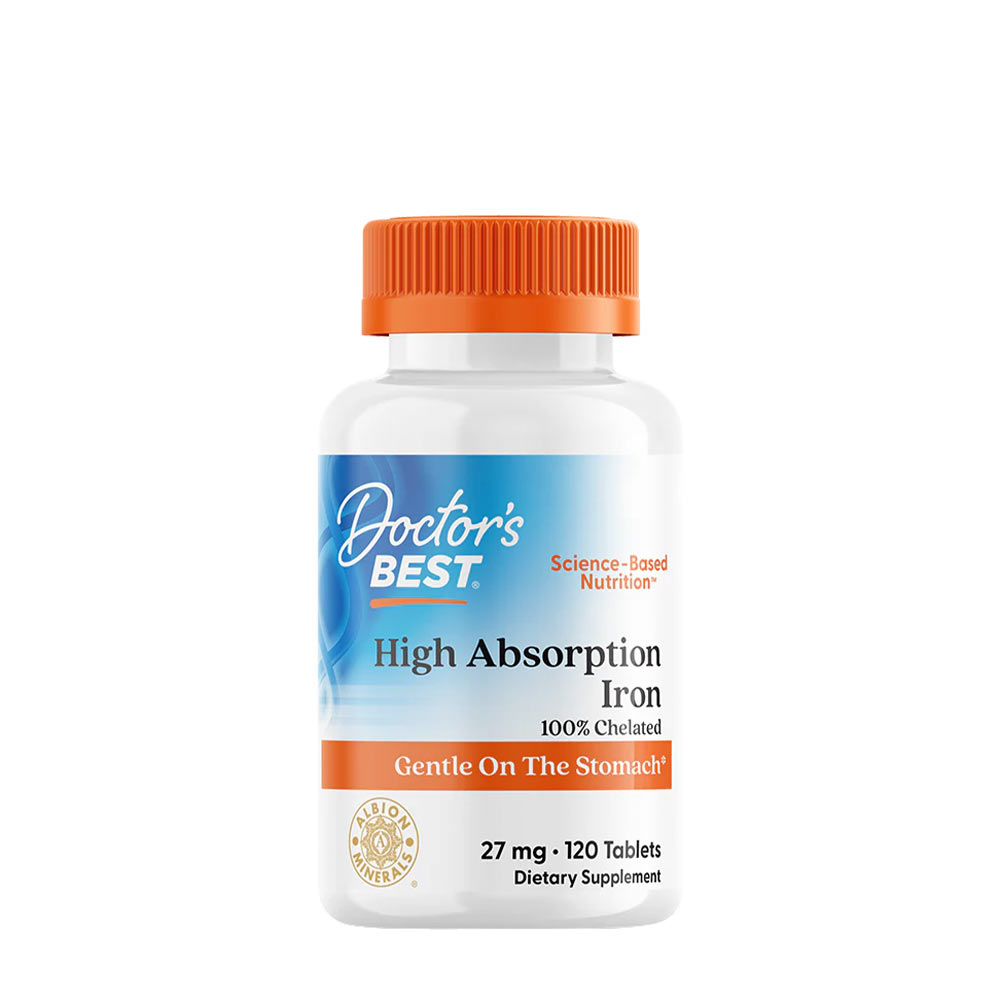
Doctor's Best
Doctor's Best - High Absorption Iron - 120 Tabs
169 krIn stockWhy is this shown? Innehåller alla ämnen artikeln handlar om · Renodlat tillskott — ämnet står i produktnamnet · I lager
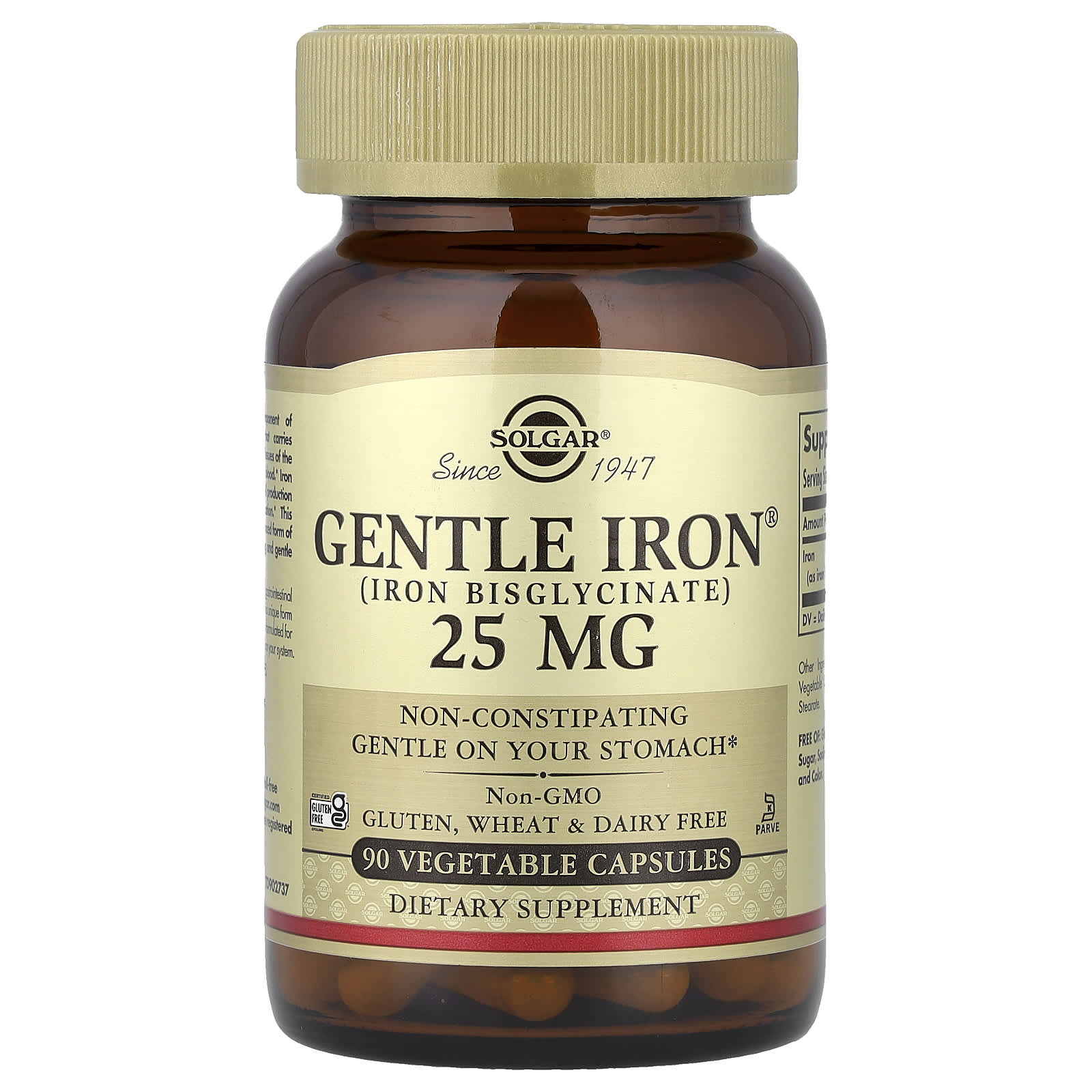
Solgar
Solgar - Gentle Iron® - 25mg, 90 Caps
293 krIn stockWhy is this shown? Innehåller alla ämnen artikeln handlar om · Renodlat tillskott — ämnet står i produktnamnet · I lager
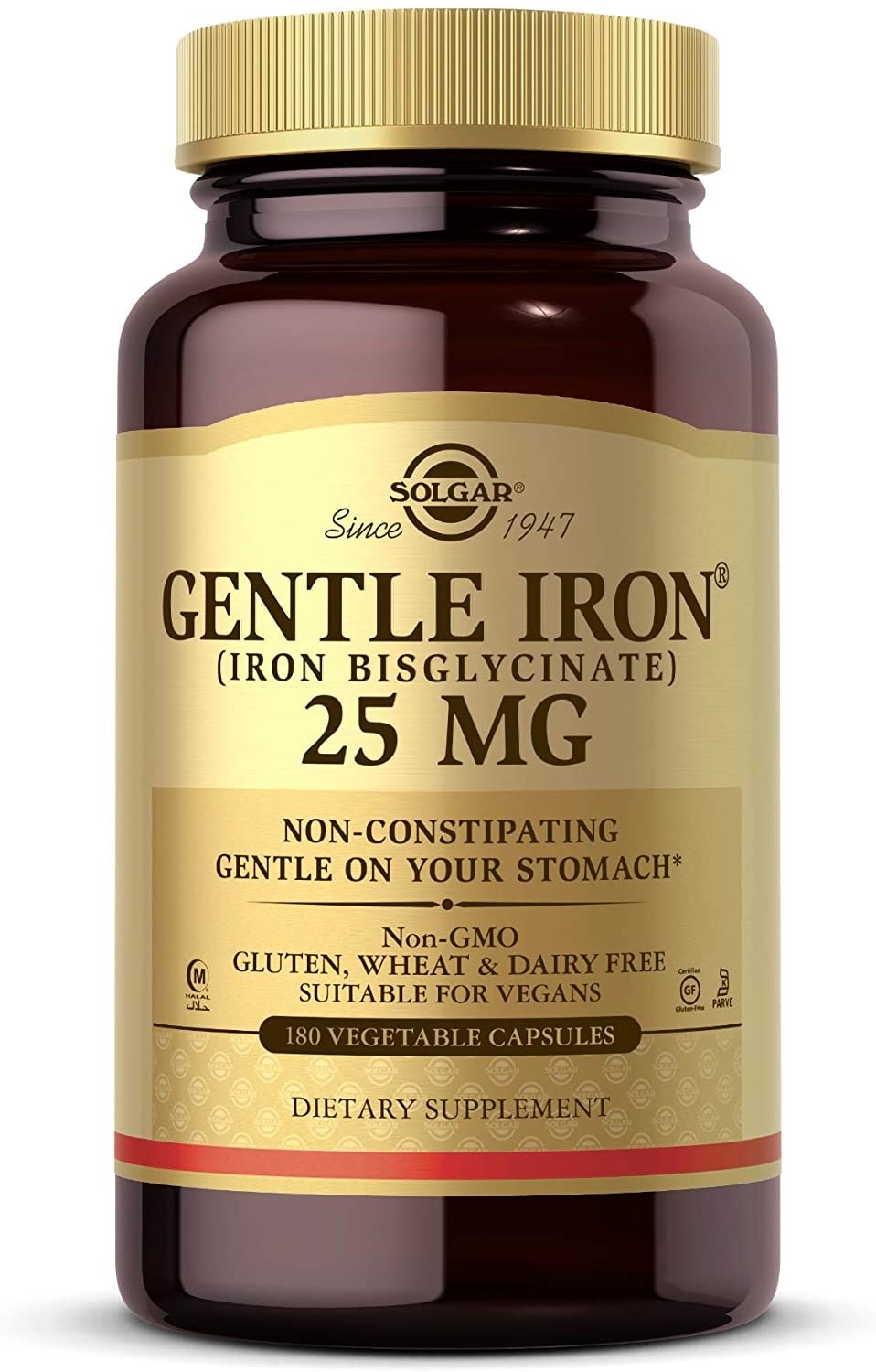
Solgar
Solgar Gentle Iron 25mg 180 Caps
327 krIn stockWhy is this shown? Innehåller alla ämnen artikeln handlar om · Renodlat tillskott — ämnet står i produktnamnet · I lager
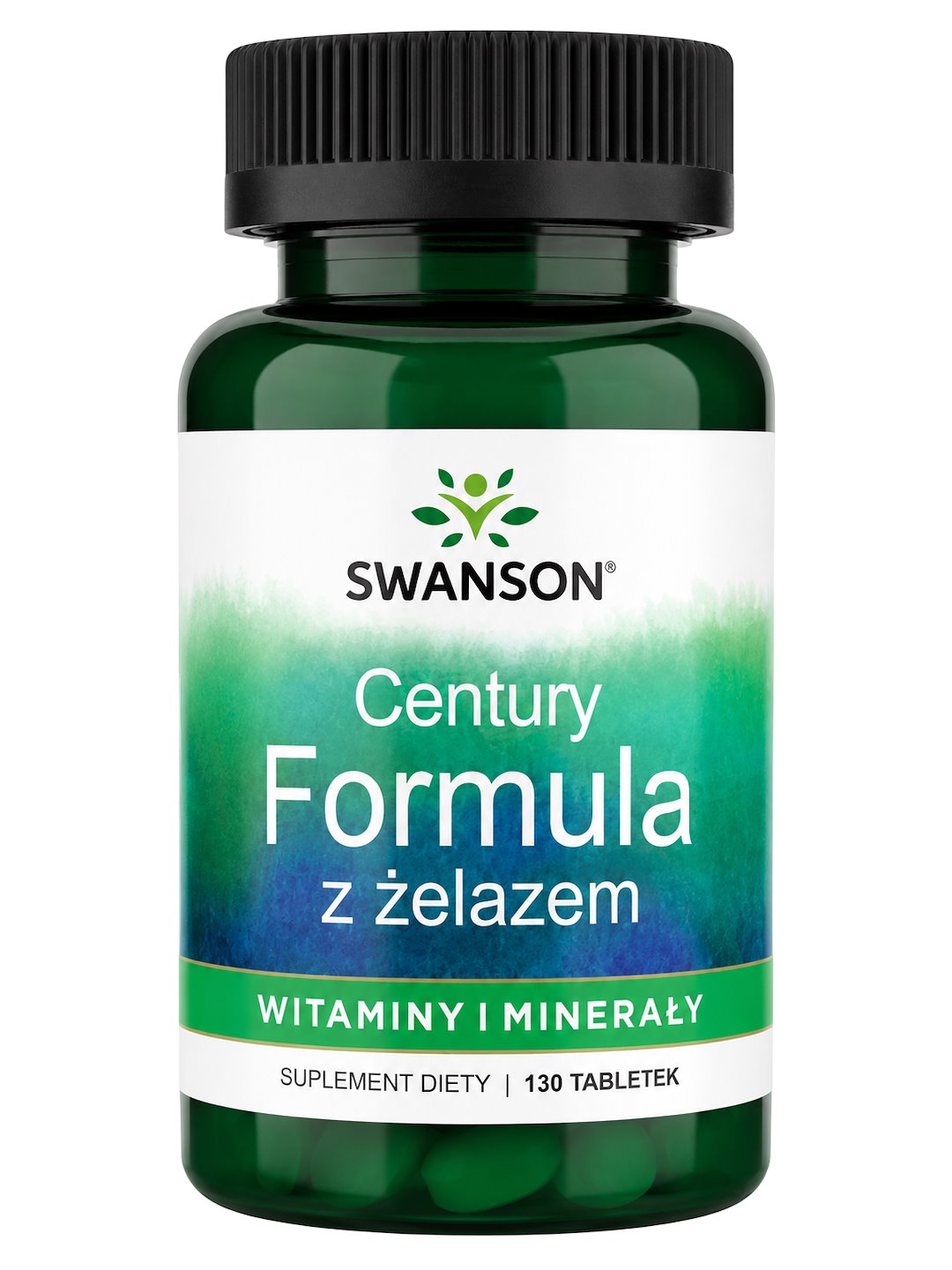
Swanson
Swanson - Just One Multi with Iron - 130 Tablets
191 krIn stockWhy is this shown? Innehåller alla ämnen artikeln handlar om · Renodlat tillskott — ämnet står i produktnamnet · I lager