Vitamin D Foods: Sources and Labelling
Short answer
The EU list of novel foods lists UV-treated mushrooms in connection with vitamin D2. A study also examined poultry and eggs bioenriched with 25-hydroxyvitamin D3. However, the available sources do not provide a complete list of vitamin-D-rich foods or generally applicable content values for individual products. EU list of novel foods Study on bioenriched poultry and eggs
Quick facts
- The EU list includes UV-treated mushrooms in connection with vitamin D2. EU list
- The listing does not give content values for individual mushroom products. EU list
- An eight-week study investigated bioenriched poultry and eggs in 57 adults. Study
- The available sources do not provide a complete list of vitamin-D-rich foods.

Vitamin D in foods: an overview
People searching for “vitamin D foods” or “foods rich in vitamin D” usually want to know which foods could be a source of this vitamin. The evidence-based answer is deliberately brief: the EU list of novel foods includes UV-treated mushrooms and vitamin D2. The EU regulation on novel foods is therefore a specific source for this connection. However, it does not provide a general list of all foods containing vitamin D or a basis for comparing the vitamin D content of different foods.
The term “UV-treated mushrooms” must be interpreted precisely: it refers to a food category that appears in the EU list in connection with vitamin D2. No quantities for individual mushrooms or products can be inferred from this. Nor does it follow that every mushroom contains vitamin D2 or that the content of different mushroom products can be compared without specific data. To find out whether a particular product contains vitamin D, and in what quantity, reliable information about that specific product is needed. The EU list alone does not answer these product-specific questions.
What does “rich in vitamin D” mean?
“Rich in vitamin D” sounds like a clear-cut classification, but it requires substantiated information on the vitamin D content of the food in question. The available EU source mentions UV-treated mushrooms in connection with vitamin D2, but the information available here does not include values that would allow foods especially rich in vitamin D to be ranked or specific foods to be compared. A ranking or a table of content values would therefore not be substantiated. Nor can reliable conclusions about which other foods provide particularly large amounts of vitamin D be drawn from this source. The EU regulation serves here as evidence for the entry mentioned, not as a complete nutrition table.
When looking for vitamin D in foods, it is therefore helpful to distinguish between a general food category and information about specific products. The entry for UV-treated mushrooms mentions vitamin D2, but makes no statement about the content of a particular product. Without a substantiated value, neither a precise quantity should be stated nor a food classified as especially rich in vitamin D. This keeps the answer to the question of vitamin-D-rich foods closely aligned with the available source: UV-treated mushrooms are listed in the EU list as a novel food in connection with vitamin D2; further comparisons of content are not substantiated. See the EU list of novel foods.
UV-treated mushrooms as a source of vitamin D
The EU list of novel foods includes UV-treated mushrooms in connection with vitamin D2. This classification expressly applies to mushrooms treated with UV light, not to all mushrooms in general. The EU regulation on novel foods
This distinction is important when considering vitamin D in foods: the listing concerns UV-treated mushrooms and vitamin D2. It does not allow generalisation to mushrooms for which UV treatment is not specified. Nor does it, on its own, provide a specific vitamin D content for a particular product or a generally applicable amount that should be consumed. EU Regulation 2017/2470
What the EU regulation says—and what it does not
- The EU list mentions UV-treated mushrooms in connection with vitamin D2. EU Regulation 2017/2470
- The entry concerns UV-treated mushrooms, not all mushrooms. EU Regulation 2017/2470
- This classification alone does not establish the vitamin D content of a specific product. EU Regulation 2017/2470
The term “UV-treated” therefore describes an important limitation on the scope here. The EU listing is a regulatory classification; it does not replace product-specific information about vitamin D content. Anyone wanting to know the content of a particular mushroom product cannot calculate it from the mere mention of UV-treated mushrooms in the regulation. The source does not give a uniform content value that would apply to all such products. EU Regulation 2017/2470
This source also cannot be used to compare mushrooms with other foods: the regulatory entry provides neither a ranking of vitamin-D-containing foods nor information showing that UV-treated mushrooms contain more or less vitamin D than other products. Such comparisons are therefore not supported by the listing. EU Regulation 2017/2470
The available scientific review of nutrients from different food matrices discusses, among other things, vitamin D bioavailability and possible matrix effects. It notes in general that nutrient content and bioavailability are not the same and that preparation and the food matrix may play a role. However, this review makes no specific statements about UV-treated mushrooms or their vitamin D2 content. The literature review on nutrient bioavailability
A precise assessment must therefore remain limited to what is substantiated: the EU list mentions UV-treated mushrooms in connection with vitamin D2. Specific quantities, consumption recommendations and comparisons with other vitamin-D-containing foods cannot be inferred from it. EU Regulation 2017/2470
Vitamin D2 and the food matrix
When considering vitamin D2 in foods, two aspects must be distinguished: a food’s nutrient content and how nutrients are absorbed from the particular food matrix. A literature review notes in general that nutritional science considers not only absolute nutrient content, but also bioavailability and interactions within the food matrix (literature review on bioavailability and the food matrix). However, this does not establish how much vitamin D2 is absorbed from a particular food.
Here, the food matrix means the context in which a nutrient occurs in a food. The review discusses such matrix effects in general and considers various vitamins and minerals from different food sources (review of nutrients and the food matrix). However, the available summary gives no specific absorption rates or comparative measurements for vitamin D2 in individual foods. It would therefore not be appropriate to derive a ranking of specific foods from the general point about matrix effects.
According to the review, processing and the overall diet may also play a role in bioavailability in general (literature review). These statements are not specific enough to support a recommendation for preparing particular foods containing vitamin D2. Nor does the review substantiate a specific amount absorbed from a single food. An overview of foods containing vitamin D should therefore distinguish between stated nutrient content and bioavailability, which has not been quantified in more detail.
The EU regulation lists UV-treated mushrooms as a novel food in connection with vitamin D2 (EU regulation on novel foods). This regulatory classification alone, however, provides no information about the bioavailability of vitamin D2 from mushrooms. It therefore does not allow comparisons with other foods or indicate what proportion of the vitamin is absorbed.
For practical purposes, general findings about bioavailability and the food matrix can broaden the focus beyond nutrient content alone, but they do not replace product- or food-specific data. The literature review available here provides a cautious general context, but not specific conclusions about the absorption of vitamin D2 from individual foods (literature review).
Fortified eggs and poultry: state of the research
A randomised controlled study examined whether chicken and eggs bioenriched with 25-hydroxyvitamin D3 (25(OH)D3) affected vitamin D status. The eight-week winter study included 57 adults. Participants were randomly assigned to three groups: one group received the enriched chicken and eggs, along with placebo tablets. A second group received unenriched foods and 1,000 IU of vitamin D3 daily; the third also received unenriched foods, along with placebo tablets. Chicken was consumed throughout all eight weeks, and eggs were added in the final four weeks. Study description
The researchers took blood samples every two weeks and measured vitamin D metabolites in them. In the group given bioenriched chicken and eggs, serum 25(OH)D concentration remained at baseline. Among participants who received 1,000 IU of vitamin D3 daily, the serum level rose significantly by 4.3 ng/ml over eight weeks. In the placebo group, it fell significantly by 4.4 ng/ml. The results thus show different patterns across the three study groups: in this study, enrichment maintained the baseline level, while daily vitamin D3 supplementation was associated with an increase. Results of the randomised study
This comparison is important for interpretation: according to the study results, bioenrichment was not as effective as daily administration of 1,000 IU of vitamin D3. The finding relates to the foods studied, the participants and the eight-week period; it does not follow that every fortified egg or poultry product has the same effect. The study also does not provide a basis for stating the vitamin D content of arbitrary products. Study results and conclusion
The type of outcome studied also limits what can be concluded: changes in blood vitamin D metabolites were measured, not any further health effect. The results should therefore be understood as a finding about the measured serum level during the intervention. They do not establish that fortified poultry or eggs treat illnesses or avert their onset. Study design and results
A further review covered 37 human intervention studies on fortified eggs, with differences in the nutrients studied and study designs. Most studies examined eggs fortified with omega-3 fatty acids; only a few studied iodine or other fortified nutrients. Overall, the review reports that fortified eggs could be associated with improved intake and short-term biomarkers of the nutrient in question. At the same time, it emphasises that evidence for further health outcomes was more limited, inconsistent and difficult to compare across nutrient groups. Since the review did not focus specifically on vitamin D, it does not replace direct evidence for vitamin-D-fortified eggs. Scoping review of human intervention studies on fortified eggs
Overall, the eight-week study provides a specific indication that the combination of chicken and eggs bioenriched with 25(OH)D3 that was studied could maintain baseline serum 25(OH)D during the winter intervention. However, this finding should not be extrapolated to all products and was smaller than the observed increase with daily vitamin D3 supplementation. Read the study
What research says about fortified eggs
Fortified eggs are being investigated as a possible way to provide nutrients through food. However, the available research on them cannot be generalised to vitamin D: a review of human studies evaluated 37 studies on eggs fortified or biofortified with different nutrients. Most studies focused on omega-3 fatty acids, followed by carotenoids; only a few investigated iodine or other fortified nutrients. The review of fortified eggs therefore does not bring together a single body of research specifically on vitamin D eggs.
The interventions, comparison groups, time periods and outcomes measured also differed considerably. Because of this heterogeneity, the researchers summarised the findings narratively rather than treating them as a single effect across all nutrients. Improvements in estimated intake or short-term biomarkers were reported for selected nutrients. By contrast, findings on broader health outcomes were more limited, inconsistent and difficult to compare between nutrient groups. The review therefore does not provide a basis for a general statement about the nutrient content or effects of all fortified eggs.
What a vitamin D egg study investigated
A separate randomised study investigated biofortified poultry and eggs containing 25-hydroxyvitamin D3. The eight-week winter intervention involved 57 healthy adults, divided into three groups of 19 each. One group received biofortified chicken and, during weeks five to eight, eggs, as well as placebo tablets. A second group received control products and a daily vitamin D3 supplement containing 1,000 IU; the third received control products and a placebo. The randomised study measured vitamin D metabolites in the blood.
In the group receiving biofortified poultry and eggs, the measured serum levels remained at baseline throughout the study. They fell over the course of the study in the placebo group, while the group taking the vitamin D3 supplement showed an increase. The researchers concluded that biofortification halted the seasonal decline in this study, but was less effective than the daily supplement. These results relate to the specific intervention and the group studied.
What can be concluded about vitamin D-rich foods
The individual study provides evidence on a specific form of biofortification, a set period and a limited number of participants. It does not prove that eggs are generally rich in vitamin D or that all fortified eggs contain comparable amounts. Nor does the broader review allow findings on omega-3 fatty acids or carotenoids to be applied to vitamin D. The review highlights the diversity of nutrients and interventions investigated; the vitamin D study describes a specific investigation using biofortified products.
So, when asking “Which foods are rich in vitamin D?”, this research should be interpreted narrowly: there is one study on biofortified poultry and eggs, but this does not support a general statement about eggs as a food group. The results describe what was measured in this specific study; they do not replace information on the actual vitamin D content of an individual product. The study description sets out the intervention and blood measurements, while the review puts the fragmented evidence on fortified eggs into context.
Limits of the available evidence
The available sources are not sufficient to compile a complete list of foods rich in vitamin D. Nor do they provide reliable content figures for specific products or comparable values per serving. It is therefore not possible to determine from them which foods generally contain particularly high amounts of vitamin D, or how much a specific product contributes in everyday use. Such claims would require specific, comparable nutritional data; the sources cited here do not provide them.
The EU Regulation lists UV-treated mushrooms in connection with vitamin D2 as a novel food. This is a regulatory classification, not a comprehensive nutritional comparison of different mushrooms or other foods. The Regulation therefore cannot be used to produce a ranking of vitamin D-rich foods or to determine the amount per serving. The EU Regulation on novel foods answers a different question from a table of analysed vitamin D values for specific products.
Studies on fortified eggs and poultry should also be interpreted in light of the questions they set out to answer. A scoping review covered human intervention studies on fortified eggs published between 2005 and 1 June 2025. The fortification methods, populations, study designs and outcomes varied; the review therefore describes the findings narratively. Since most studies investigated eggs with omega-3 fatty acids or carotenoids and only a few considered other fortified nutrients, it is not a comprehensive review of the vitamin D content of eggs. The review of fortified eggs consequently does not provide universally applicable content values for eggs on the market.
A randomised study investigated biofortified poultry and eggs containing 25(OH)D3 in 57 healthy adults over eight weeks in winter. Participants were assigned to three groups: one received fortified poultry and eggs, one control group received regular products together with a vitamin D3 supplement, and another control group received regular products with a placebo. According to the study summary, the serum level in the group receiving fortified foods remained at baseline, while it fell in the placebo group; the supplement group showed an increase. The result relates to this intervention, the products studied and the healthy adults who participated. It does not prove that arbitrary eggs or poultry products have the same content, or that a comparable effect can be assumed for other products and situations. The randomised study on biofortified poultry and eggs therefore does not provide a general nutritional table for vitamin D foods.
When asking “Which foods are rich in vitamin D?”, it is therefore important to consider the scope of each source: regulatory information, reviews and individual interventions answer different questions. The available evidence does not justify a complete food list, general product content figures or comparisons of typical servings.
Guidance on choosing foods
Anyone searching for “vitamin D foods” or “foods rich in vitamin D” should interpret the available evidence carefully: the sources cited here provide two specific but different examples. The EU list includes UV-treated mushrooms in connection with vitamin D2 as a novel food. A clinical study, by contrast, investigated poultry and eggs fortified with 25-hydroxyvitamin D3. This does not provide a complete overview of which foods contain vitamin D or how much is present in a typical serving. EU list of novel foods Randomised study on fortified poultry and eggs
UV-treated mushrooms: a specifically listed example
The EU Regulation lists UV-treated mushrooms containing vitamin D2 in the Union list of novel foods. This is specific evidence for this food and this form of vitamin D; however, it does not prove the vitamin D content of all mushrooms. Nor does this source provide a basis for classifying ordinary mushrooms generally as rich in vitamin D. EU Regulation and Union list
The listing is also not the same as a general nutritional table. It cannot be used to determine the serving size or specific content of any given product. It is therefore important to stick to what is actually documented: UV-treated mushrooms containing vitamin D2 are listed in the EU list. Further claims about other mushroom varieties, preparations or amounts would go beyond what this source alone establishes. EU list of novel foods
Fortified poultry and eggs: results from a single trial
The available study was a randomised investigation involving 57 adults over eight weeks in winter. Participants were assigned to three groups. One group received poultry and eggs fortified with 25-hydroxyvitamin D3, as well as placebo tablets; a second received unfortified poultry and eggs, as well as 1,000 IU of vitamin D3 daily; the third received unfortified foods and a placebo. Poultry was provided throughout the eight weeks, and eggs from week five onwards. Study description and results
In the group receiving fortified foods, the serum level of 25-hydroxyvitamin D remained at baseline during the study period. According to the study report, it fell by 4.4 ng/ml in the placebo group, while it increased by 4.3 ng/ml in the group receiving daily vitamin D3 supplementation. The researchers report that the observed seasonal decline did not occur in the group receiving fortified foods in this study, but that the fortified foods were less effective than daily supplementation with 1,000 IU. Results of the eight-week trial
These figures relate to the study design and the groups investigated. They are not a general statement about every poultry or egg product, and do not provide comparative values for ordinary, unfortified foods. Nor can a single eight-week trial establish a comprehensive ranking of vitamin D foods. Study report
What can be concluded from the examples
- UV-treated mushrooms containing vitamin D2 are listed in the EU list of novel foods; this information does not establish a specific vitamin D content for all mushrooms. EU list
- The study on poultry and eggs specifically investigated biofortified foods containing 25-hydroxyvitamin D3 and lasted eight weeks. Study
- The trial results describe the groups investigated and do not support a general statement about all poultry or egg products. Study report
The evidence-backed examples therefore remain clearly distinct: the EU source documents the inclusion of UV-treated mushrooms containing vitamin D2 in a list of novel foods; the study reports results for a specific supply of fortified poultry and eggs in a time-limited trial. Neither source alone provides a complete list of foods rich in vitamin D or generally applicable amounts for arbitrary products. EU list of novel foods Eight-week study
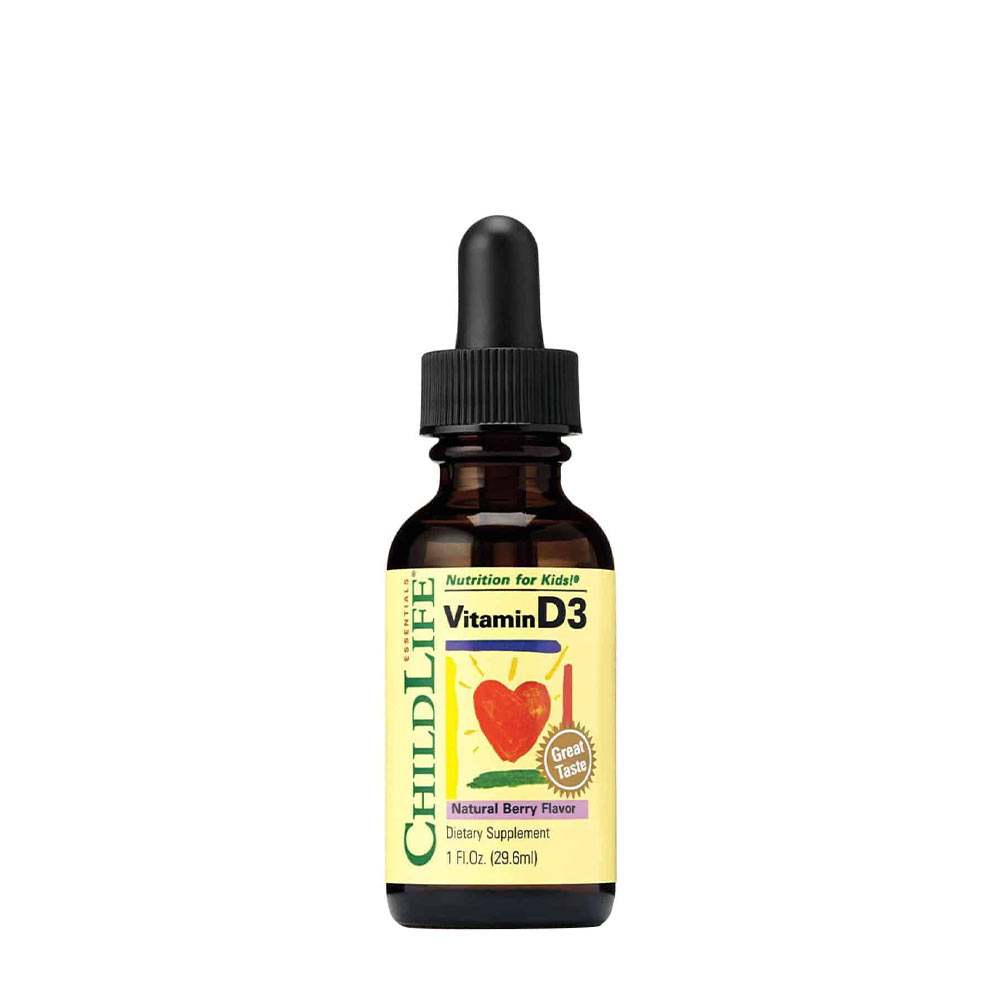
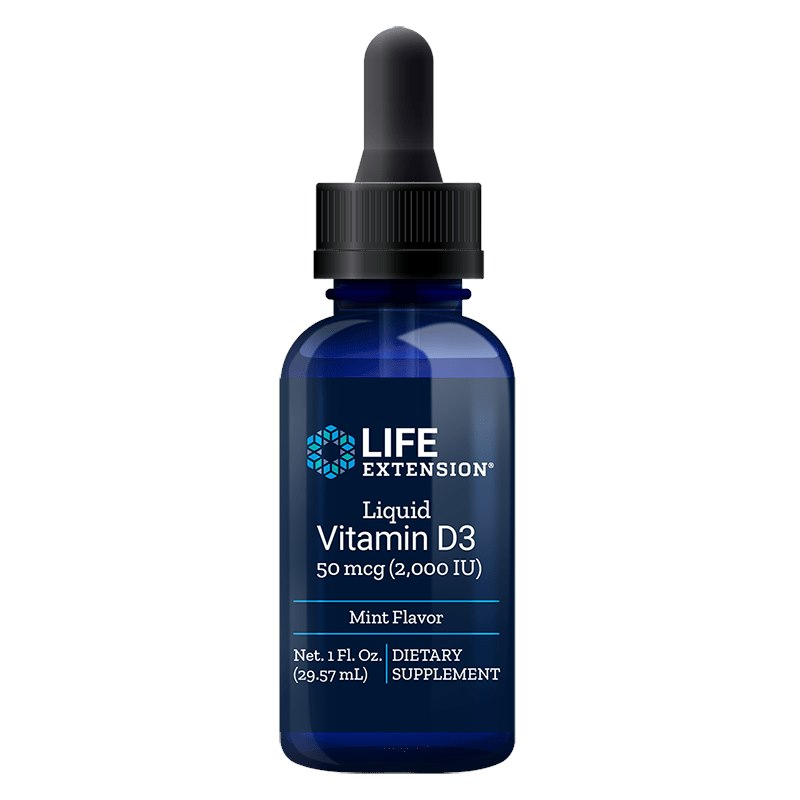
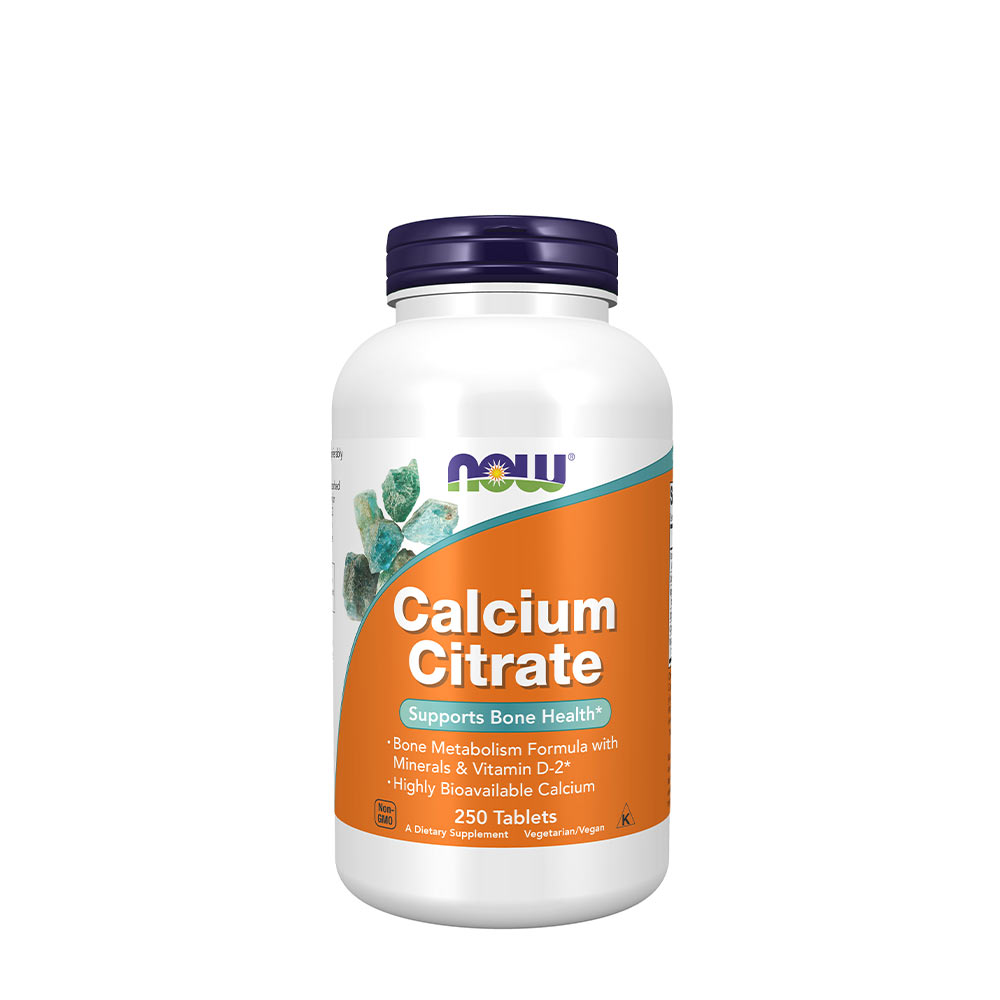
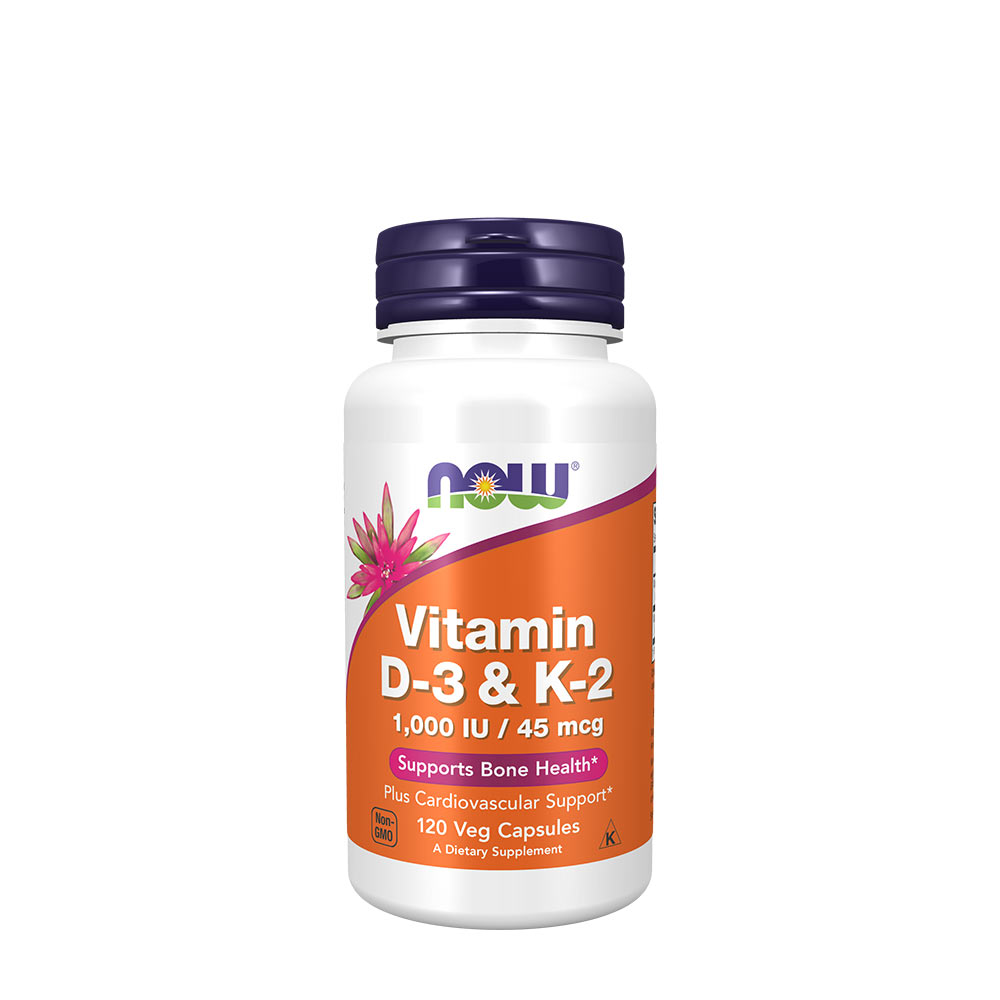
Supplements with the ingredients in this article
Compare contents, dose and price
Frequently asked questions
Which foods does the EU source mention in connection with vitamin D?
The EU list of novel foods lists UV-treated mushrooms in connection with vitamin D2. EU list
Does this establish all mushrooms as a source of vitamin D?
No. The listing concerns UV-treated mushrooms and cannot be applied broadly to all mushrooms. EU list
Can the vitamin D content of a product be determined from the EU list?
No. The EU list does not provide specific content values for individual products or generally applicable quantities. EU list
What did the study on poultry and eggs investigate?
The randomised study investigated poultry and eggs bioenriched with 25-hydroxyvitamin D3 over eight weeks in 57 adults. Its results relate to the specific intervention and the groups studied. Study
Is there a complete ranking of vitamin-D-rich foods?
The available sources do not provide a complete food list, comparable content values or a basis for a general ranking.
Sources
- UV-treated mushrooms (vitamin D2) (external link)
- Bioavailability of Nutrients from Animal-Derived Foods Versus Other Sources of Foods: A Comprehensive Literature Review. (external link)
- Fortified Eggs as Food-Based Vehicles for Nutrient Delivery: A Scoping Review of Human Intervention Studies. (external link)
- 25-Hydroxyvitamin D 3 bioenriched chicken and eggs maintained vitamin D status over the winter in healthy-adult males and females (external link)