What is a high protein breakfast? Guide, ideas & facts
Short answer
A high protein breakfast is a meal that contains a higher proportion of protein compared to typical breakfasts, often from foods like eggs, dairy, legumes, or protein supplements. While protein is an essential nutrient, only specific claims are authorised and supplements should not be used to treat or prevent disease. Always consider individual dietary needs and consult a healthcare professional if unsure.
Quick facts
- Protein is an essential macronutrient found in many foods.
- A high protein breakfast typically contains 20–30 grams of protein per meal.
- Tigoo offers 4 protein products, including powders and shakes.
- Supplements cannot replace a balanced diet or treat medical conditions.
How it works
Protein is one of the three main macronutrients required by the human body, alongside carbohydrates and fats. It is made up of amino acids, which are used by the body to build and maintain tissues, including muscles, skin, and enzymes. At breakfast, including a source of protein can help you meet your daily protein needs, which vary depending on age, sex, and activity level.
Protein is made up of amino acids, which are essential for the body's structure and function.
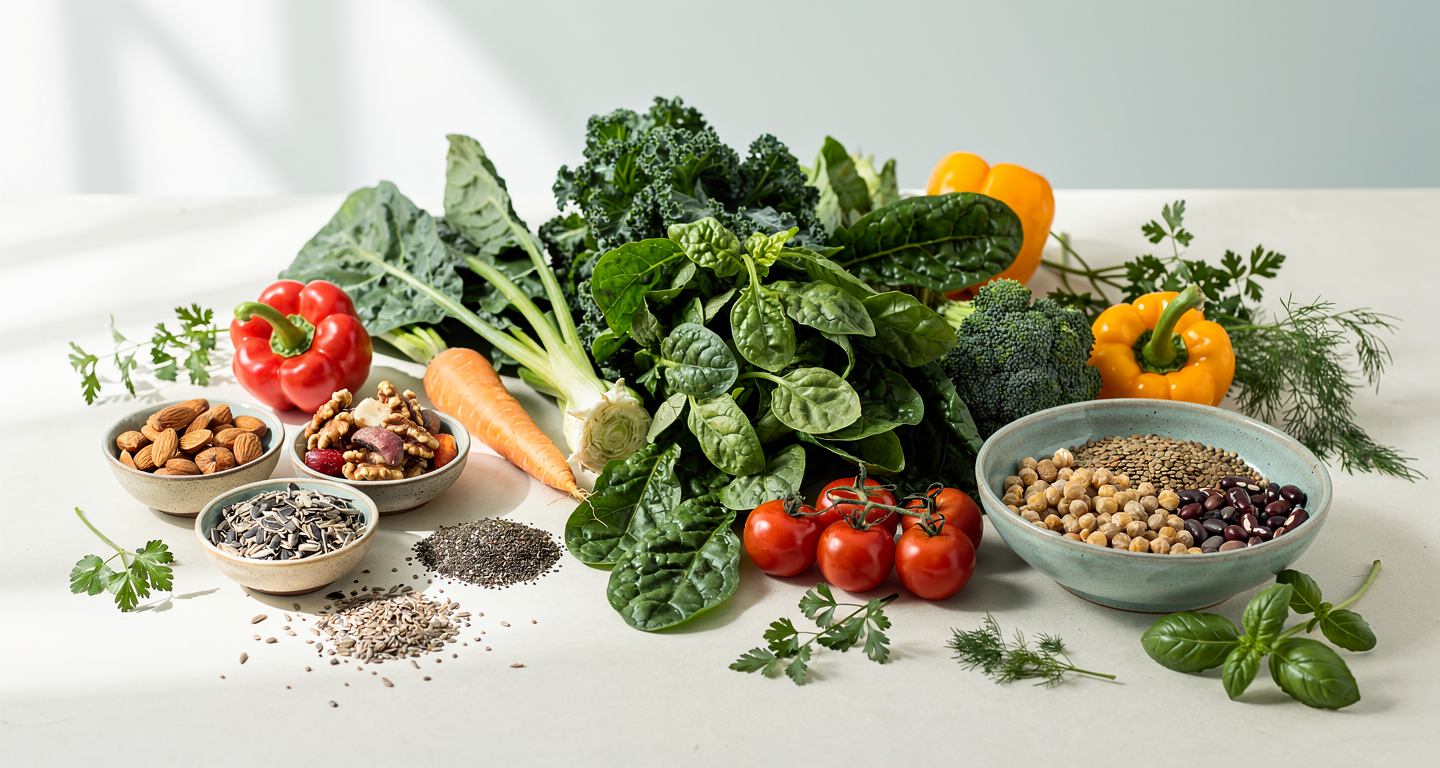
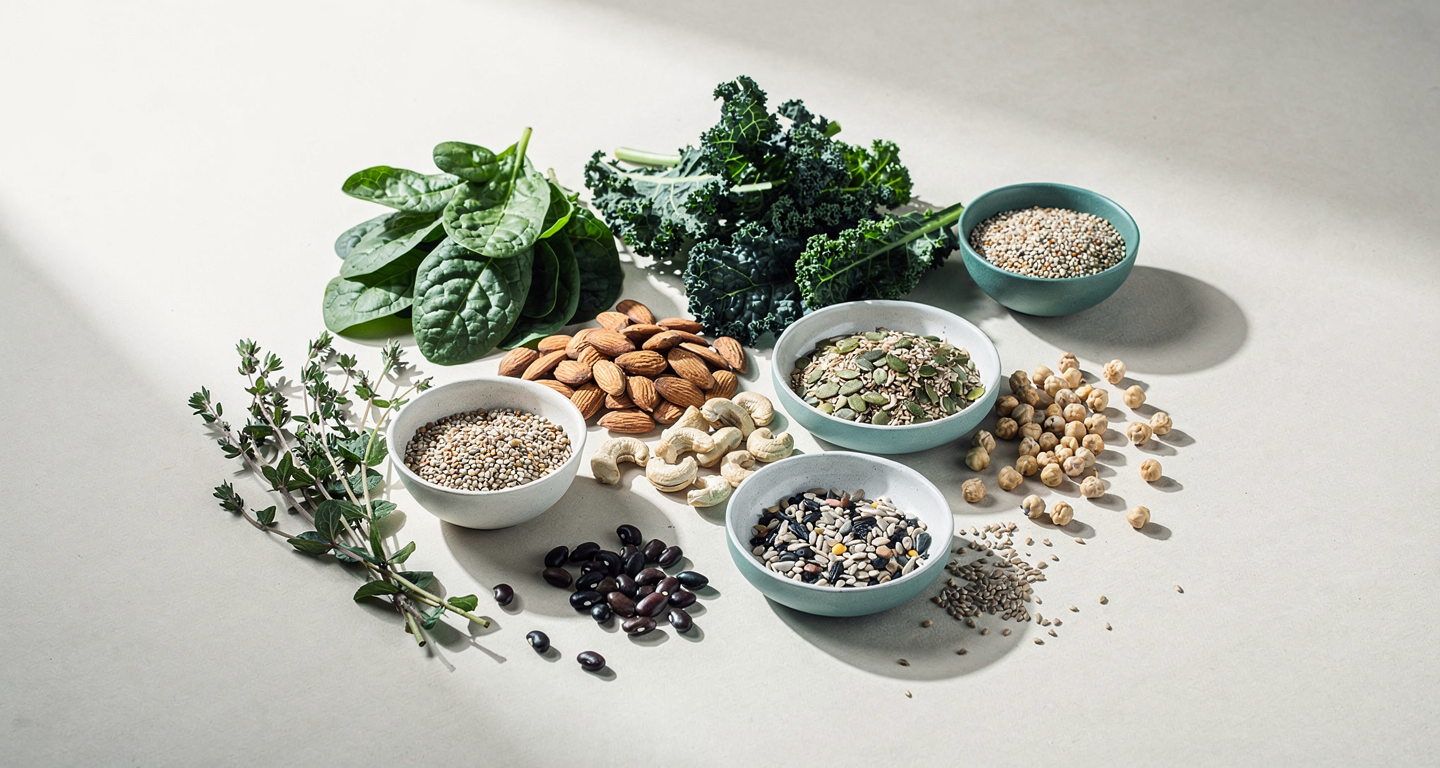
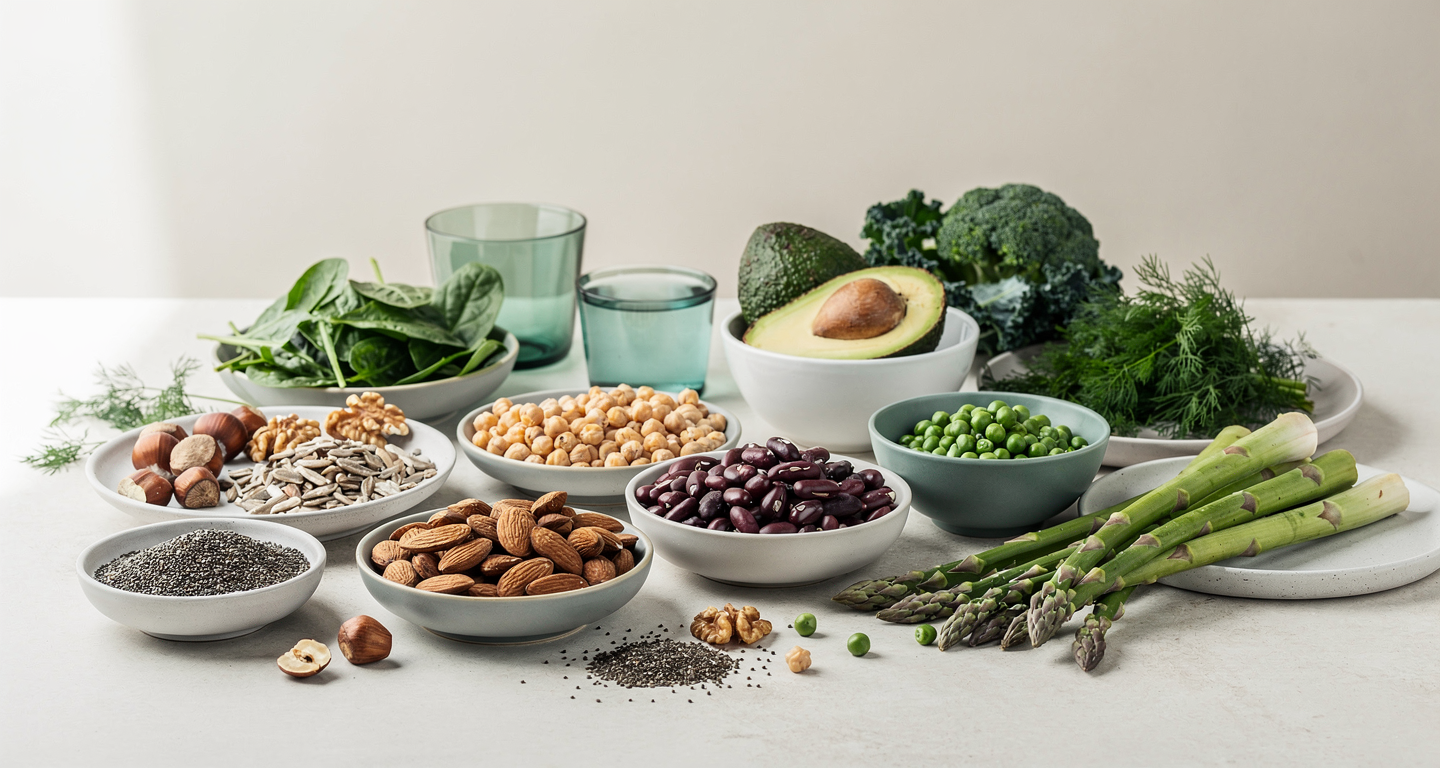
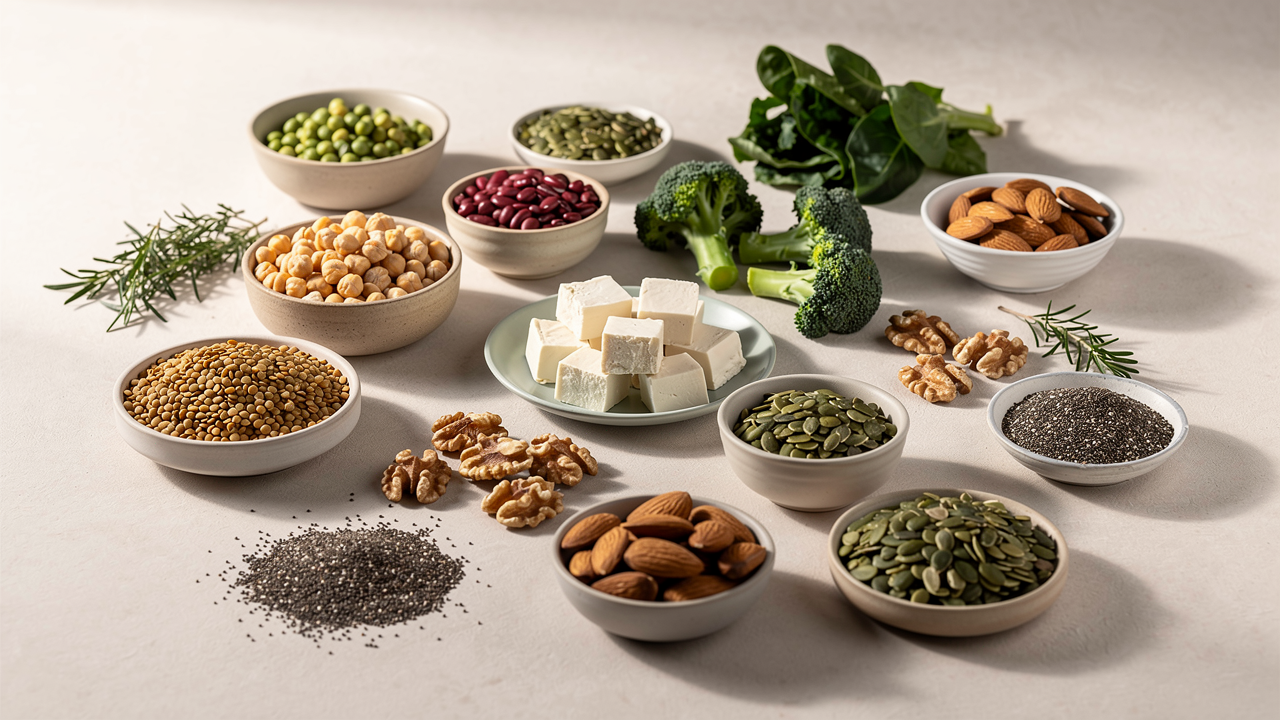
Common sources of protein at breakfast include eggs, dairy products (such as yogurt and cheese), legumes, nuts, seeds, and protein supplements like powders or ready-to-drink shakes.
Proteins are classified according to their amino acid composition. Animal-based proteins, such as those found in eggs, dairy, and meat, are considered "complete" proteins because they contain all essential amino acids in proportions suitable for human requirements. Plant-based proteins, such as those from legumes, grains, nuts, and seeds, often lack one or more essential amino acids but can be combined to form a complete amino acid profile.
During digestion, proteins are broken down into amino acids, which are then absorbed and used by the body for various functions, including the synthesis of new proteins, enzymes, and hormones. The body does not store excess amino acids in the same way it stores carbohydrates or fats, so regular dietary intake is necessary.
In the context of breakfast, including protein may help distribute protein intake more evenly throughout the day, which is recommended by some dietary guidelines. This approach can help ensure that the body receives a steady supply of amino acids for tissue maintenance and other physiological processes.
Breakfasts that are high in protein often include foods such as eggs, Greek yogurt, cottage cheese, tofu, tempeh, beans, lentils, nuts, seeds, and various protein supplements. The choice of protein source can depend on dietary restrictions, preferences, and cultural traditions.
What the research and authorised claims say
These are the only authorised claims for protein in the EU.
- (Claim applies to foods or supplements that are a source of protein. )
- (Claim applies to foods or supplements that are a source of protein. )
- (Claim applies to foods or supplements that are a source of protein. )
No other health or nutrition claims for protein are authorised. This means that statements about protein's effects on weight management, satiety, energy levels, or disease prevention are not permitted.
Research on protein intake has explored many areas, including the distribution of protein throughout the day, the quality of different protein sources, and the role of protein in various dietary patterns. However, only the claims above are permitted in the EU, regardless of emerging research.
Some studies have examined the effects of protein-rich breakfasts compared to lower-protein breakfasts, but no additional health claims are authorised based on these findings.
It is important to note that the protein content required for a meal to be considered "high protein" is not universally defined. Some guidelines suggest that a high protein meal contains at least 20 grams of protein, but this is not an official regulatory threshold.
Key limitations
- Supplements cannot replace a balanced diet based on whole foods.
- Individual protein needs vary. General recommendations may not fit everyone.
- Only the authorised claims listed above can be made about protein.
- Some people may have allergies or intolerances to common protein sources (e. g. , dairy, eggs, soy, nuts).
- Protein supplements may contain additional ingredients such as sweeteners, flavourings, or thickeners, which may not be suitable for all individuals.
Only specific, authorised claims about protein can be made in the EU.
How to choose
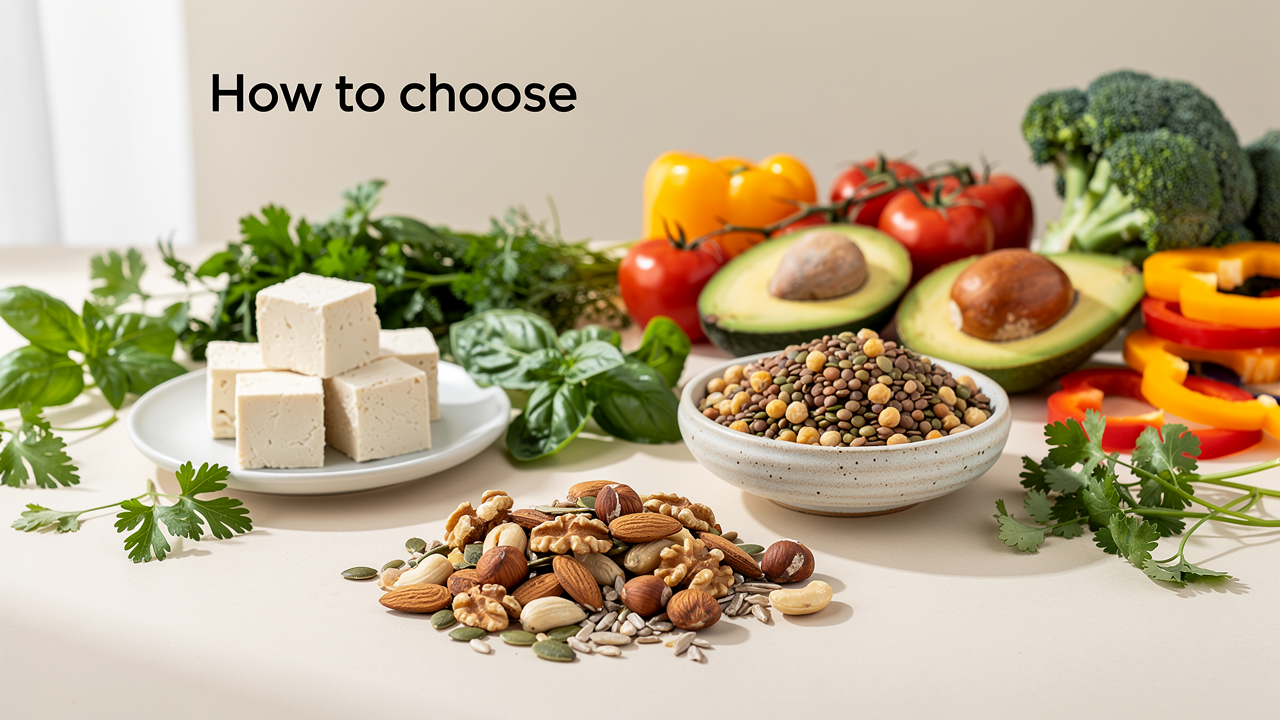
When selecting a high protein breakfast, consider your dietary preferences, allergies, and nutritional needs. Protein can come from animal sources (such as eggs, dairy, or lean meats) or plant sources (such as legumes, nuts, seeds, and soy products). Some people may also choose to use protein supplements, such as powders or ready-to-drink shakes, especially if they have higher protein requirements or dietary restrictions.
Of the 4 protein products in Tigoo's range, options include different forms such as whey protein powder, plant-based protein powder, and ready-to-drink shakes. These can be mixed with water, milk, or plant-based beverages, or added to foods like porridge or smoothies.
When choosing between animal and plant-based protein sources, consider factors such as amino acid profile, digestibility, and the presence of other nutrients. Animal-based proteins are typically complete and highly digestible, while plant-based proteins may require combining different foods to achieve a complete amino acid profile.
For individuals with lactose intolerance, vegan preferences, or allergies, plant-based protein sources such as soy, pea, or rice protein may be preferable. Some protein powders are formulated to be free from common allergens, but always check the ingredient list for potential allergens or additives.
Convenience is another factor. Ready-to-drink shakes and protein bars can be useful for busy mornings, while whole food options may require more preparation but offer additional nutrients such as fibre, vitamins, and minerals.
Cost and availability can also influence your choice. Whole foods such as eggs, beans, or yogurt are widely available and often less expensive per serving of protein than some supplements. However, supplements may offer a concentrated source of protein with minimal preparation.
Comparison of common protein sources for breakfast
| Food or Supplement | Protein per serving (approx.) | Typical serving size | Notes |
|---|---|---|---|
| Eggs | 6 g per egg | 2 eggs | Contains all essential amino acids |
| Greek yogurt | 10 g per 100 g | 150 g | Also provides calcium |
| Cottage cheese | 12 g per 100 g | 100 g | Low in fat options available |
| Chickpeas (cooked) | 7 g per 100 g | 100 g | Plant-based, high in fibre |
| Whey protein powder (Tigoo range) | 20–25 g per scoop | 30 g powder | Mix with liquid, quick preparation |
| Plant-based protein powder (Tigoo range) | 15–22 g per scoop | 30 g powder | Vegan, allergen options |
| Ready-to-drink protein shake (Tigoo range) | 20–25 g per bottle | 330 ml bottle | Convenient, portable |
| Oats (uncooked) | 2. 5 g per 30 g | 30 g | Combine with milk/yogurt for more protein |
When comparing products, check the protein content per serving, ingredient list, and whether the product fits your dietary needs (e. g. , vegan, lactose-free, gluten-free).
Some protein-rich foods also provide other important nutrients. For example, dairy products are a source of calcium and vitamin B12, while legumes provide fibre, iron, and folate. Choosing a variety of protein sources can help ensure a broader intake of nutrients.
It is also important to consider the overall composition of your breakfast. Combining protein with whole grains, fruits, and vegetables can increase the meal's nutrient density and provide a more balanced start to the day.
Tips for building a high protein breakfast
- Combine multiple protein sources (e. g. , eggs with beans, yogurt with nuts) to increase total protein and variety.
- Include whole foods where possible for additional nutrients.
- If using supplements, follow the manufacturer's instructions for serving size.
- Consider preparation time and convenience for your morning routine.
- Read labels carefully to check for added sugars, salt, or other additives in processed protein products.
- Balance your breakfast with other food groups, such as whole grains and fruits, for a more complete meal.
- For plant-based diets, combine different sources (e. g. , grains and legumes) to ensure a complete amino acid profile.
Meal planning can help ensure you have protein-rich options available in the morning. Preparing ingredients the night before or choosing quick options like Greek yogurt or ready-to-drink shakes can make it easier to include protein at breakfast.
For those who prefer savoury breakfasts, options like omelettes, tofu scrambles, or bean-based dishes can provide substantial protein. For sweet breakfasts, Greek yogurt with fruit and nuts, or protein smoothies, are popular choices.
High protein breakfast ideas
- Scrambled eggs with black beans and salsa, served with whole grain toast.
- Greek yogurt parfait layered with berries, seeds, and a sprinkle of oats.
- Cottage cheese with sliced peaches and chia seeds.
- Protein smoothie made with plant-based protein powder, spinach, banana, and almond milk.
- Overnight oats prepared with milk and a scoop of protein powder, topped with nuts and fruit.
- Tofu scramble with sautéed vegetables and whole grain bread.
- Chickpea pancakes (socca) with tomatoes and herbs.
- Ready-to-drink protein shake (Tigoo range) with a piece of fruit.
These ideas can be adapted to suit different dietary needs and preferences. For example, dairy-free yogurts made from soy or pea protein are available for those avoiding animal products.
Safety, interactions and risk groups
Most people can safely include higher protein foods at breakfast as part of a balanced diet. However, individuals with kidney disease, certain metabolic disorders, or other health conditions should consult a healthcare professional before increasing protein intake or using protein supplements. Children, pregnant or breastfeeding women, and those taking medication should seek medical advice before using supplements. Always follow recommended serving sizes and avoid exceeding the daily protein intake suggested for your age and activity level.
Protein supplements may interact with certain medications or medical conditions. For example, some protein powders contain added vitamins, minerals, or herbal extracts that could interact with prescription drugs. Always check product labels and consult a healthcare professional if you have concerns.
Some individuals may experience digestive discomfort, such as bloating or gas, when consuming large amounts of protein or certain types of protein (e. g. , lactose-containing whey protein for those with lactose intolerance). Choosing the appropriate type of protein and adjusting portion sizes can help minimise these effects.
Allergic reactions to protein sources such as dairy, eggs, soy, or nuts can occur in sensitive individuals. Always read ingredient lists carefully if you have known allergies.
Excessive protein intake over long periods may place strain on the kidneys in susceptible individuals, although this is not typically a concern for healthy adults consuming protein within recommended ranges. Supplements should not be used to replace whole foods or as a primary source of nutrition.
Safety and precautions
Protein-rich foods and supplements are generally safe for most healthy adults when consumed as part of a balanced diet. However, individuals with kidney disease, pregnant or breastfeeding women, children, and those taking medication should consult a healthcare professional before increasing protein intake or using protein supplements. Always follow the recommended serving sizes and do not exceed the daily protein intake suggested for your age and activity level. Supplements should not be used as a substitute for a varied diet.
Supplements with the ingredients in this article
Compare contents, dose and price
Frequently asked questions
high protein breakfast ideas
Examples of high protein breakfasts include scrambled eggs with beans, Greek yogurt with nuts and seeds, cottage cheese with fruit, or a protein shake made with powder from Tigoo's range. You can also combine oats with milk and a scoop of protein powder for a balanced meal.
high protein lunches
High protein lunch options include grilled chicken or tofu salads, lentil soups, chickpea stews, or sandwiches with lean meats or plant-based protein spreads. Adding a portion of beans, lentils, or a protein shake can help increase protein content.
protein breakfast ideas
Try an omelette with vegetables, cottage cheese with berries, or a smoothie with protein powder, spinach, and banana. Combining different protein sources can help you reach your protein goals.
protein breakfast
A protein breakfast typically includes foods like eggs, dairy, legumes, or protein supplements. The goal is to include a source of protein in your morning meal to help meet daily needs.
high protein lunch ideas
Consider meals like quinoa salad with beans, grilled fish with vegetables, or a wrap with hummus and chicken. You can also add a protein shake from Tigoo's range for convenience.
high protein low calorie breakfast
Low calorie, high protein breakfast ideas include egg white omelettes with vegetables, Greek yogurt with berries, or a protein shake mixed with water. Choose options that are low in added sugars and fats.
Sources
- EFSA: Authorised claims for protein
- National food agency: Protein recommendations
- Meta-analysis: Protein intake and dietary patterns
Read more
Products related to this article
NOW Foods
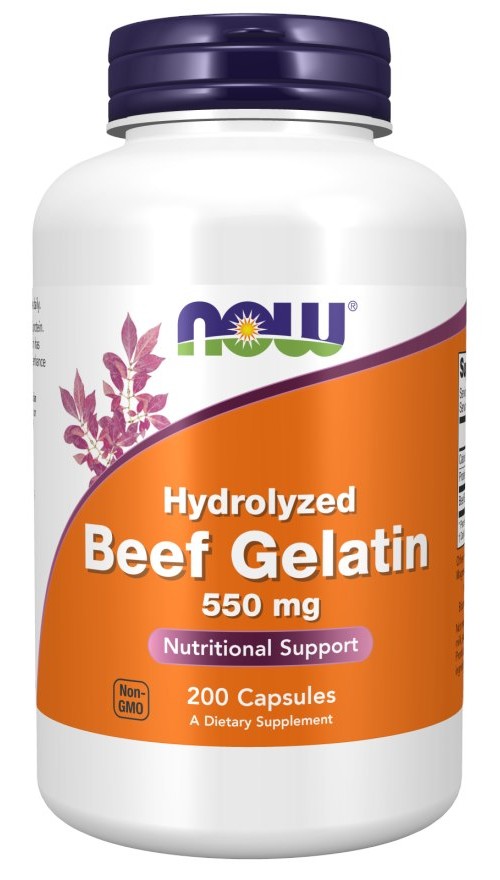
NOW Foods - Hydrolyzed Beef Gelatin - 200 Caps
209 krIn stockWhy is this shown? Innehåller alla ämnen artikeln handlar om · I lager · Betyg 5.0 av 9 kunder
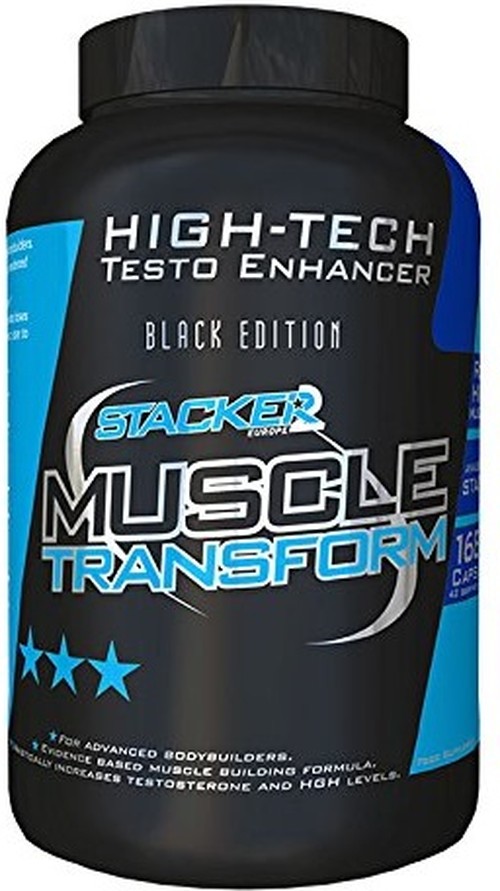
Stacker2
Stacker2 Europe - Muscle Transform - 168 Caps
288 krIn stockWhy is this shown? Innehåller alla ämnen artikeln handlar om · I lager
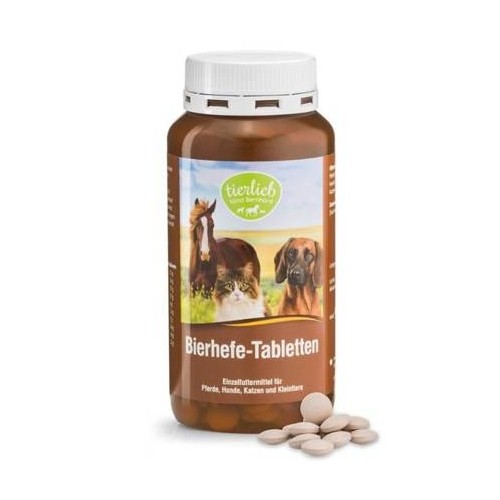
Tierlieb
Tierlieb - Brewer'S Yeast For Dogs, Cats And Horses (400 Tabs) - 400 Tabs
80 krIn stockWhy is this shown? Innehåller alla ämnen artikeln handlar om · I lager