Sona Magnesium: What to Know Before You Buy
Short answer
Sona Magnesium 500 mg should not be judged by the front-panel number alone. Before you buy, check whether it is sold as a food supplement or a medicinal product, then confirm the exact magnesium form, the elemental magnesium per serving, and the serving size.
Quick facts
- 500 mg on the front does not automatically mean 500 mg elemental magnesium.
- Magnesium may appear as citrate, oxide, chloride, aspartate, glycinate, or other forms.
- Elemental magnesium is the number used to compare strength across products.
- Adult magnesium reference intakes differ by sex and life stage.
- The body notes a 350 mg/day upper limit for magnesium from supplements and medications, not food.

What is Sona Magnesium 500 mg, exactly?
Start with the product category
The front of the pack does not tell you enough on its own. First check whether Sona Magnesium 500 mg is being sold in your market as a food supplement or as a medicinal product, because the document you need to read will depend on that classification.
For a magnesium product, the brand name alone is not a strength guide. “500 mg” may describe the amount named on the label, but it does not automatically tell you how much elemental magnesium is in a tablet, capsule, or daily serving.
Why the 500 mg figure needs a second look
The FDA explains that magnesium supplements can be made from several forms, including magnesium oxide, citrate, chloride, aspartate, and glycinate, and that these forms have different absorption rates. It also states that the Supplement Facts label declares the amount of elemental magnesium in a serving, not the weight of the full magnesium-containing compound. FDA discussion of magnesium supplement forms and elemental labeling
That distinction is the main thing to verify before buying. Look for the exact magnesium form, the active ingredient name, and the amount of elemental magnesium per tablet, capsule, or daily serving. If the pack shows only a compound weight, you still do not know the magnesium amount in the form that is compared across products.
| What to verify | What the pack should show | Why it matters |
|---|---|---|
| Product category | Food supplement or medicinal product | It tells you which product information to use |
| Exact magnesium form | For example, citrate, oxide, chloride, aspartate, or glycinate | Different forms are not identical |
| Elemental magnesium | Mg per tablet, capsule, or daily serving | This is the number that lets you compare strength |
| Serving size | One unit or the full daily serving | The listed amount is read per serving, not by brand name alone |
The common mistake is to treat the front-panel number as if it were the full answer. In magnesium products, the compound name, the elemental amount, and the serving size are all needed to understand what the pack is actually offering. Without those details, the number “500 mg” is not enough to judge strength, form, or suitability.
Check the exact magnesium form and the elemental magnesium amount per serving before you compare Sona Magnesium 500 mg with any other product.
How much magnesium do adults need each day?
Adult reference intakes are set by sex
In U.S. guidance, adult magnesium needs are not one flat number: the NIH Office of Dietary Supplements magnesium fact sheet lists 400-420 mg/day for men and 310-320 mg/day for women for adults age 19 and older, while an FDA review notes the Daily Value is 420 mg for adults and children 4 years and older. In the same FDA document, the average intake from foods and beverages alone was 289 mg/day for people age 2 and over, excluding supplements, which shows why some adults may fall short from diet alone.

| Measure | Value | How to read it |
|---|---|---|
| Recommended intake for adult men | 400-420 mg/day | Targets total daily intake from food plus supplements |
| Recommended intake for adult women | 310-320 mg/day | Lower than men’s because needs differ by sex |
| Daily Value for labeling | 420 mg/day | Used on packs, not a personal target for every adult |
| Mean intake from foods and beverages | 289 mg/day | Average dietary intake before supplements are added |
Pregnancy and lactation need separate numbers
Magnesium reference intakes also change in pregnancy and lactation. The retrieved ODS material shows pregnancy values of 400 mg/day for ages 14-18, 350 mg/day for ages 19-30, and 360 mg/day for ages 31-50. For lactation, the retrieved material lists 320 mg/day for ages 19-30. That is why a supplement dose that looks modest for one adult may be too much, or too little, for another life stage.
Reference intake is not the same as the upper limit
European and U.S. authorities use slightly different frameworks. EFSA set an Adequate Intake for adults rather than a population reference intake because it could not derive adult ARs and PRIs from the available data, and the adult intake range reported in EU surveys was 232-439 mg/day. See the EFSA scientific opinion on magnesium. By contrast, the U.S. ODS consumer fact sheet and FDA review both note a 350 mg/day upper limit for magnesium from supplements and medications, not from food.
The 350 mg/day upper limit applies to supplements and medications, not to magnesium naturally present in food.
That matters in practice: a normal diet may contribute a large share of needs, and supplements are usually a top-up, not a substitute. Because magnesium needs vary by age, sex, diet quality, and life stage, the safest buying habit is to compare the label dose with both the relevant reference intake and the 350 mg/day supplement limit.
What does magnesium actually do in the body?
EFSA describes magnesium as involved in numerous physiological functions and metabolic interactions, especially reactions involving ATP, and as a structural or catalytic component in the body’s chemistry EFSA magnesium opinion. In practical terms, that places magnesium in the body’s energy-use, signalling and maintenance machinery rather than in one single organ system.
Core biology, not marketing language
It also helps explain why magnesium is discussed alongside everyday cell processes, not just symptoms. When a label stays close to this biology, it is talking about the nutrient’s normal contribution to the body, not about a product performing like a drug.
The approved wording is narrow
| Approved claim wording | Condition for use | Plain-English reading |
|---|
For shoppers, the key point is to read the exact wording literally.
Why low status can feel different
Because magnesium is built into enzyme systems and membrane transport, low status can leave the same pathways less well supported.
Which magnesium forms are absorbed best?
Check elemental magnesium, not just the salt name
The same milligram number can mean very different things on two labels. The NIH Office of Dietary Supplements gives a concrete example: 833 mg of magnesium citrate per serving can provide only about 121.6 mg of elemental magnesium, or roughly 14.6% by weight. That is why buyers need to read the elemental-magnesium line, not only the compound name. NIH ODS label example

The FDA also notes that magnesium is sold in several chemical forms, including magnesium oxide, citrate, chloride, aspartate and glycinate, and that these forms have different rates of absorption. FDA magnesium claim letter
What the comparative evidence says
Across the sources here, citrate repeatedly comes out ahead of oxide in absorption comparisons. A randomized double-blind trial in healthy adults found that magnesium citrate and an amino-acid chelate produced higher serum magnesium and urinary excretion than magnesium oxide, while oxide did not differ significantly from placebo in that study. Randomized trial comparing oxide, citrate and chelate A review in Magnesium for Pain Treatment in 2021? likewise states that magnesium citrate is more bioavailable than magnesium oxide.
| Form | What the evidence here supports | Practical reading tip |
|---|---|---|
| Oxide | Used as a common comparison form; several reviews describe it as less bioavailable than citrate. PubMed trial | Do not assume a larger salt weight means more elemental magnesium. |
| Citrate | More bioavailable than oxide in the studies above. PMC review | Check the elemental-magnesium amount per serving. |
| Glycinate / bisglycinate | Discussed among the organic forms in review literature, which generally shows higher bioavailability than inorganic forms. PubMed systematic review | Look at the full formulation, not just the word on the front. |
| Chloride | Appears in comparative studies; a chloride form with a novel matrix showed better bioavailability in one RCT. PMC review | Formulation can matter as much as the salt itself. |
| Lactate | Included in the review literature and in bioavailability discussions, but the evidence here does not rank it above all others. PMC review | Compare elemental magnesium, not just compound weight. |
| Carbonate | Appears in comparative work, but the sources here do not support calling it universally better or worse than other forms. PMC review | Use the label to compare actual magnesium delivered. |
| Malate | Named among the organic salts discussed in review literature, which tend to show higher bioavailability than inorganic forms. PubMed systematic review | Do not treat the salt name as a guarantee of a specific dose. |
There is no single winner for every shopper
One review of magnesium supplementation says organic formulations generally show higher bioavailability than inorganic ones, but also notes that large head-to-head trials are still limited and that comparisons across forms remain difficult. PubMed systematic review The same evidence base also stresses that improved bioavailability does not automatically mean improved overall effectiveness unless that is demonstrated in clinical trials. PMC review
Takeaway: if you are choosing between forms, the practical decision is usually a trade-off between dose density, absorption data and how the product is formulated. NIH ODS label example FDA magnesium claim letter
How do you read the SPC and label before buying?
If you are searching for magnesium spc or magnesium sona spc, open the official product document or the pack itself, not a search snippet. For a U.S. dietary supplement, FDA says the label must identify the product as a dietary supplement or an equivalent term, show the name and place of business of the manufacturer, packer, or distributor, include a Supplement Facts panel, list other ingredients, and state the net quantity of contents. FDA dietary supplement Q&A FDA general labeling guide
Start with the strength line and the serving size
The most important reading check is whether the stated amount is per tablet, per capsule, per dose, or per daily serving. FDA says the Supplement Facts panel must list the serving size, the number of servings per container, and the amount of each dietary ingredient per serving; depending on the ingredient, that amount is declared by weight, as a percentage of Daily Value, or both. FDA dietary supplement Q&A
That is why a front-panel number by itself is not enough. FDA also says the net quantity of contents is the amount of supplement in the container or package, and it may be written as a count such as “100 tablets.” FDA net quantity guide
| Label line | What to verify | How to read it |
|---|---|---|
| Product identity | Does it say dietary supplement or an equivalent term? | That tells you the label is using supplement rules, not drug-style labeling. FDA |
| Serving size | Tablet, capsule, dose, or daily serving | This shows what the strength statement refers to. FDA |
| Other ingredients | Fillers, binders, excipients, colors, flavors, or capsule material | FDA says ingredients not listed in Supplement Facts must appear here. FDA ingredient labeling guide |
| Net quantity | Total tablets, capsules, or total weight | This is the pack count, not the per-serving amount. FDA |
Read the rest of the pack, not just the front panel
FDA says the ingredient list must be in descending order of predominance by weight. It also says expiration dating is not required on dietary supplement labels, but a firm may include it if supported by valid data showing the date is not false or misleading. So if a pack prints storage instructions, batch number, or an expiry date, read those details together rather than treating the front label as the whole story. FDA ingredient labeling guide FDA general labeling guide
If the label makes a structure/function claim, FDA says it must carry the disclaimer: “This statement has not been evaluated by the Food and Drug Administration. FDA dietary supplement Q&A
Watch for market and product-type differences
For U.S.-market products, the label must identify the item as a dietary supplement or equivalent term; imported articles of foreign origin must also conspicuously indicate country of origin unless exempted by law. That is one reason the same magnesium product can look different across markets, even before you compare the amount per serving. FDA dietary supplement Q&A
The safest read is simple: separate the per-serving magnesium amount from the pack count, then check the ingredient list, disclaimer, and any expiry or storage text on the official label.
What does the research say magnesium can and can’t do?
Blood pressure and glucose control: modest, not dramatic
The strongest pattern in the supplied studies is for blood pressure and a few cardiometabolic markers. A dose–response meta-analysis of 78 randomized trials reported small average improvements: systolic blood pressure fell by about 2.5 mmHg and diastolic blood pressure by about 1.6 mmHg, with additional average changes in fasting glucose, HbA1c, HOMA-IR, triglycerides, LDL-cholesterol, IL-6, weight, and HDL-cholesterol. Most included trials used at least 300 mg/day for 12 weeks or longer, which matters when you compare a short-term supplement label with a longer clinical trial source.

That does not make magnesium a general wellness shortcut. The FDA’s review of the blood-pressure petition focused on a reduced risk claim for hypertension and examined whether the totality of evidence could support that wording for foods and supplements containing magnesium source.
Sleep, cramps, fatigue, and mood: mixed or weak
For sleep, a systematic review of 12 randomized controlled trials found mixed results across subjective, actigraphy, physiological, and EEG measures, and rated the certainty low to very low. The authors did not recommend routine use on the basis of the evidence they reviewed source.
For muscle cramps, the clearest finding is negative. A Cochrane review of idiopathic cramps found no significant benefit of oral magnesium at 100–520 mg/day, or intravenous magnesium, for cramp frequency, responder rates, intensity, or duration; gastrointestinal side effects such as diarrhea were reported source.
Evidence for fatigue and mood is weaker still. In a 2021 review of magnesium in pain, the authors described the overall evidence as globally modest and controversial, and specifically noted gaps around fatigue, stress, anxiety, and depression source.
| Outcome | What the supplied evidence shows | How to read it as a buyer |
|---|---|---|
| Blood pressure | Small average reductions in RCT meta-analysis | Most plausible when a trial uses a sustained dose and a relevant population |
| Glucose control | Modest improvements in fasting glucose, HbA1c, and HOMA-IR | Not a stand-alone answer to metabolic problems |
| Sleep | Mixed results, low to very low certainty | Do not expect a reliable sleep effect |
| Muscle cramps | No meaningful benefit in the Cochrane review | Not a strong self-care reason to buy |
| Fatigue and mood | Evidence remains a gap | Do not buy on the assumption that these outcomes are established |
Magnesium looks most convincing in the data when the goal is a small cardiometabolic change, and least convincing when the promise is quick relief for sleep, cramps, fatigue, or mood source source.
The main limits are easy to miss: study populations differ, baseline magnesium status is often not the same, doses vary, salt forms vary, and many trials are short. In the pain review, the authors also noted that magnesium citrate appeared more bioavailable than magnesium oxide in the RCTs they examined, but they cautioned that better absorption does not automatically prove better outcomes source.
Practical takeaway: if you are buying Sona Magnesium for general wellness, keep expectations modest. The evidence is strongest for small blood-pressure and glucose-related shifts in longer trials, while sleep, cramps, fatigue, and mood remain inconsistent, weak, or negative in the supplied research source source source.
Who should avoid magnesium or ask a doctor first?
Health situations that deserve extra caution
FDA tells consumers to talk to a doctor, pharmacist, or other health care professional before using a dietary supplement because some supplements might interact with medicines or other supplements. FDA Questions and Answers on Dietary Supplements
FDA’s review also notes that many magnesium dietary supplements contain about 200 mg to 400 mg of elemental magnesium, so stacking products can push a person into the range where side effects become more likely. FDA magnesium review
| Situation | Why to check first | Practical step |
|---|
Common side effects, and the rarer overload risk
Ask first if you have kidney problems, take regular medicine, or already use more than one mineral product.
Medicines and minerals that may need dose spacing
FDA says supplements may interact with medicines or other supplements, so a pharmacist or prescriber should confirm whether doses need to be separated for the specific products you take. FDA Questions and Answers on Dietary Supplements
If you are already using a multi-mineral formula, read the label for the elemental magnesium amount and check the total from all products before adding another magnesium supplement. FDA magnesium review
How do you choose the right magnesium supplement?
Start with elemental magnesium, not the salt weight
The FDA’s magnesium petition response says the Supplement Facts label declares the amount of elemental magnesium in a serving, not the weight of the whole magnesium compound. That is the first figure to compare when you are looking at dose density, tablet count, and everyday convenience.
The cleanest comparison is elemental magnesium per serving, then how many tablets or capsules you need to reach it.
A label that states the elemental amount makes it easier to judge whether a product is a one-unit serving or a multiple-capsule routine.
Compare the form, but do not assume more is automatically better
A review in PMC reports that magnesium citrate was more bioavailable than magnesium oxide in several randomised trials, while also noting that larger head-to-head trials are still lacking. In the same review, one comparison used 180 mg elemental magnesium as magnesium oxide versus 48 mg elemental magnesium as magnesium citrate, and another found magnesium citrate and amino-acid chelate more bioavailable than magnesium oxide. That means form matters, but the evidence does not support a simple “best” label for every buyer.
| What to compare | What to check | Why it matters |
|---|---|---|
| Elemental magnesium per serving | Look for the stated milligrams of magnesium in the Supplement Facts | Lets you compare products fairly |
| Number of units per serving | Count tablets or capsules needed for one daily dose | Affects convenience and routine fit |
| Pack size | Check servings per pack, not only front-panel marketing | Shows how long one purchase lasts |
| Label clarity | Look for a complete label and clear manufacturer details | Makes dose tracking and product comparison easier |
Daily maintenance or intake-boosting purchase?
For a daily maintenance product, many readers will prefer a simple serving they can repeat without counting several capsules. For a product aimed at raising intake, start with the elemental amount, then work out how many units you would need each day and whether that is practical. Price comparison is straightforward: divide the shelf price by the number of servings in the pack, then by your chosen daily serving to get a daily cost. That gives a cleaner value check than judging by the biggest number on the front of the box.
If a pack mentions third-party testing or other quality checks, read the claim carefully and make sure it is clearly stated on the label. The safest shopping habit is the simplest one: choose the product whose elemental amount, serving size, and pack count are easiest to understand before you buy.
Safety and precautions
Magnesium supplements can interact with medicines or other supplements, so speak with a doctor or pharmacist before use if you take regular medication or already use more than one mineral product. If you are pregnant, breastfeeding, or buying for a child, get healthcare advice first.
The body also notes a 350 mg/day upper limit for magnesium from supplements and medications, not food, so check the total from all products before you add another magnesium product.
Supplements with the ingredients in this article
Compare contents, dose and price
Frequently asked questions
What does 'elemental magnesium' mean on a supplement label?
Elemental magnesium means the actual amount of magnesium provided in a serving. It is not the total weight of the magnesium salt, such as citrate or oxide.
How do I compare two magnesium products when the pack sizes differ?
Compare products by elemental magnesium per serving, serving size, and servings per pack. If pack sizes differ, judge value by cost per serving or cost per daily dose rather than by total tablet count.
Can I take magnesium with a multivitamin or mineral blend?
Check the total elemental magnesium from all products before adding another magnesium supplement. If you use a multivitamin or mineral blend, ask a pharmacist or prescriber whether the products fit together.
Should magnesium be taken with meals or on an empty stomach?
The body does not give one universal rule for meal timing. Follow the product directions on the label and ask a healthcare professional if you need a personalized schedule.
How do I know whether the dose is per tablet or per daily serving?
Look for the Supplement Facts serving size and the amount listed per serving. That tells you whether the milligrams are per tablet, per capsule, per dose, or per full daily serving.
What should I do if the label lists a different magnesium salt than I expected?
Read the exact form and the elemental magnesium amount, because the salt name alone does not tell you how much magnesium you are getting. Different salts are not identical, so verify the label details before you compare products.
Sources
- Magnesium - Health Professional Fact Sheet (external link)
- Magnesium - Consumer (external link)
- FDA Letter in Response to Petition for a Qualified Health Claim for Magnesium and Reduced Risk of High Blood Pressure (Docket No. FDA-2016-Q-3770) (external link)
- Scientific Opinion on Dietary Reference Values for magnesium (external link)
- Bioavailability of magnesium food supplements: A systematic review - PubMed (external link)
- Magnesium for Pain Treatment in 2021? State of the Art - PMC (external link)
- Mg citrate found more bioavailable than other Mg preparations in a randomised, double-blind study. (external link)
- Magnesium: Health Effects, Deficiency Burden, and Future Public Health Directions - PMC (external link)
- Comprehensive Effects of Magnesium Supplementation on Cardiometabolic Risk Factors: A Systematic Review and Dose–Response Meta-Analysis - PMC (external link)
- Magnesium Supplementation for Sleep in Adults: A Systematic Review of Randomized Controlled Trials. (external link)
- Magnesium for skeletal muscle cramps - PMC (external link)
- Dietary Supplements and Life Stages: Pregnancy - Health Professional Fact Sheet (external link)
- Healthier Together (external link)
- Dietary Supplement Labeling Guide: Chapter I. General Dietary Supplement Labeling | FDA (external link)
- Dietary Supplement Labeling Guide: Chapter III. Net Quantity of Contents | FDA (external link)
- Questions and Answers on Dietary Supplements | FDA (external link)
- Dietary Supplement Labeling Guide: Chapter V. Ingredient Labeling | FDA (external link)
Read more
- Magnesium Sachets: What to Know Before You Buy
- Magnesium vs Manganese: What’s the Difference and How to Choose?
- Viridian Magnesium: Forms, Label Amounts and Comparisons
- What Is Magnesium? Forms, Uses, and Nutrition
- What does magnesium do in the body?
- Can You Take Magnesium With Water? Forms, Absorption & Safety
Products related to this article
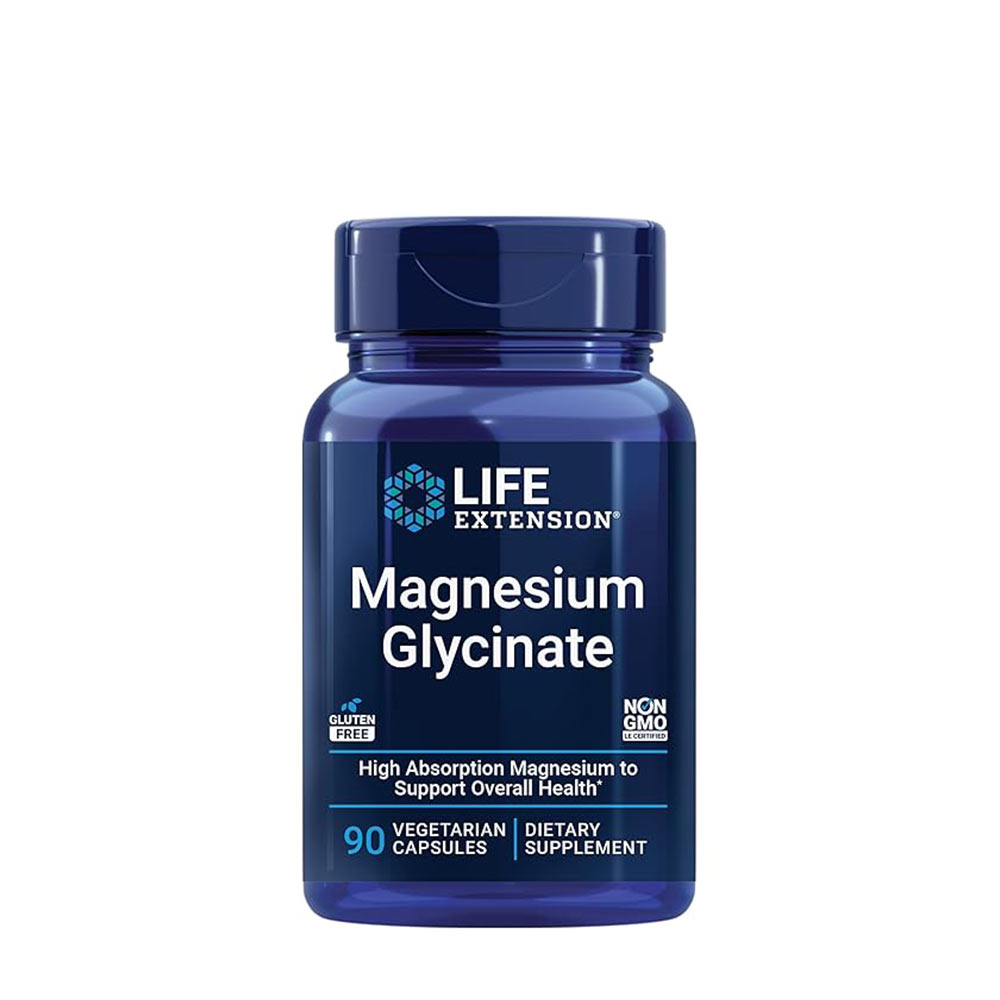
Life Extension
Life Extension - Magnesium Glycinate - 90 Vcaps
260 krIn stockWhy is this shown?
Katalogkoppling till samtliga valda ingredienser · Ämnesnamnet förekommer i produktnamnet · I lager · Betyg 5.0 av 15 kunder
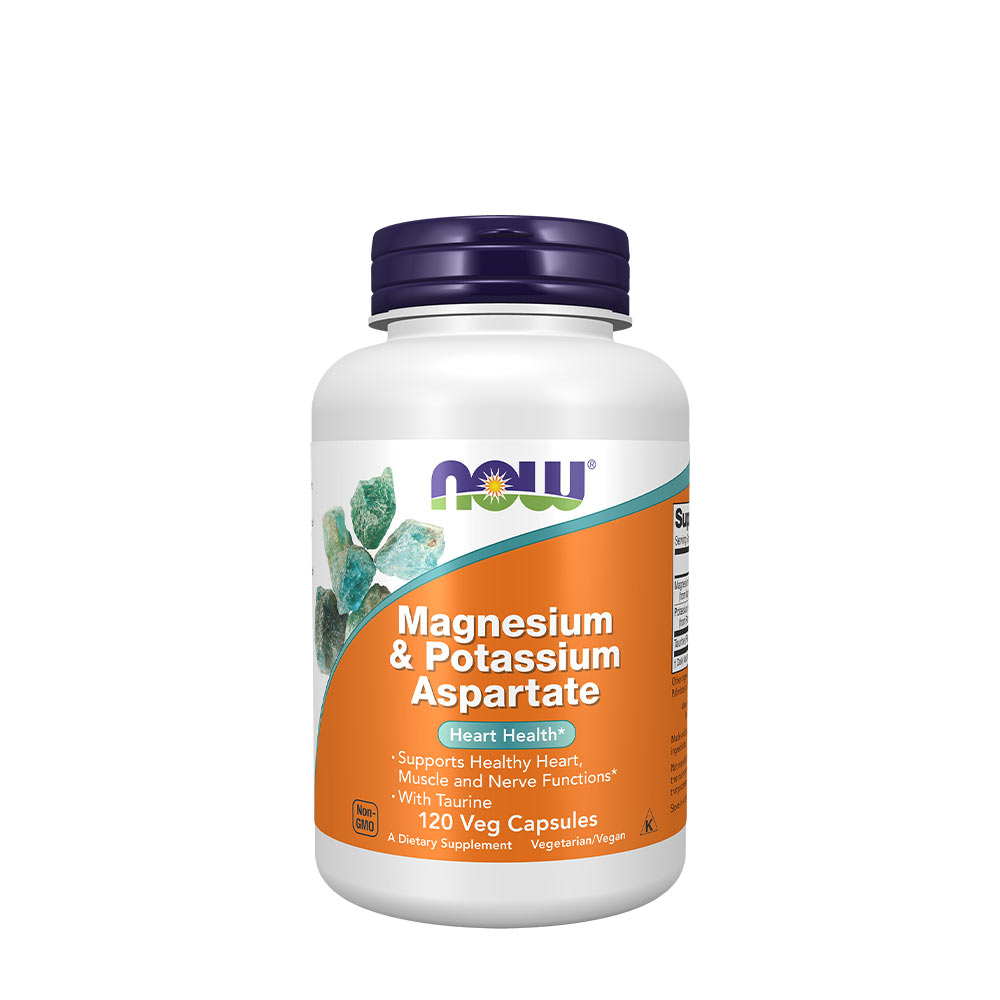
NOW Foods
NOW Foods - Magnesium & Potassium Aspartate - 120 Vcaps
210 krIn stockWhy is this shown?
Katalogkoppling till samtliga valda ingredienser · Ämnesnamnet förekommer i produktnamnet · I lager · Betyg 4.9 av 17 kunder
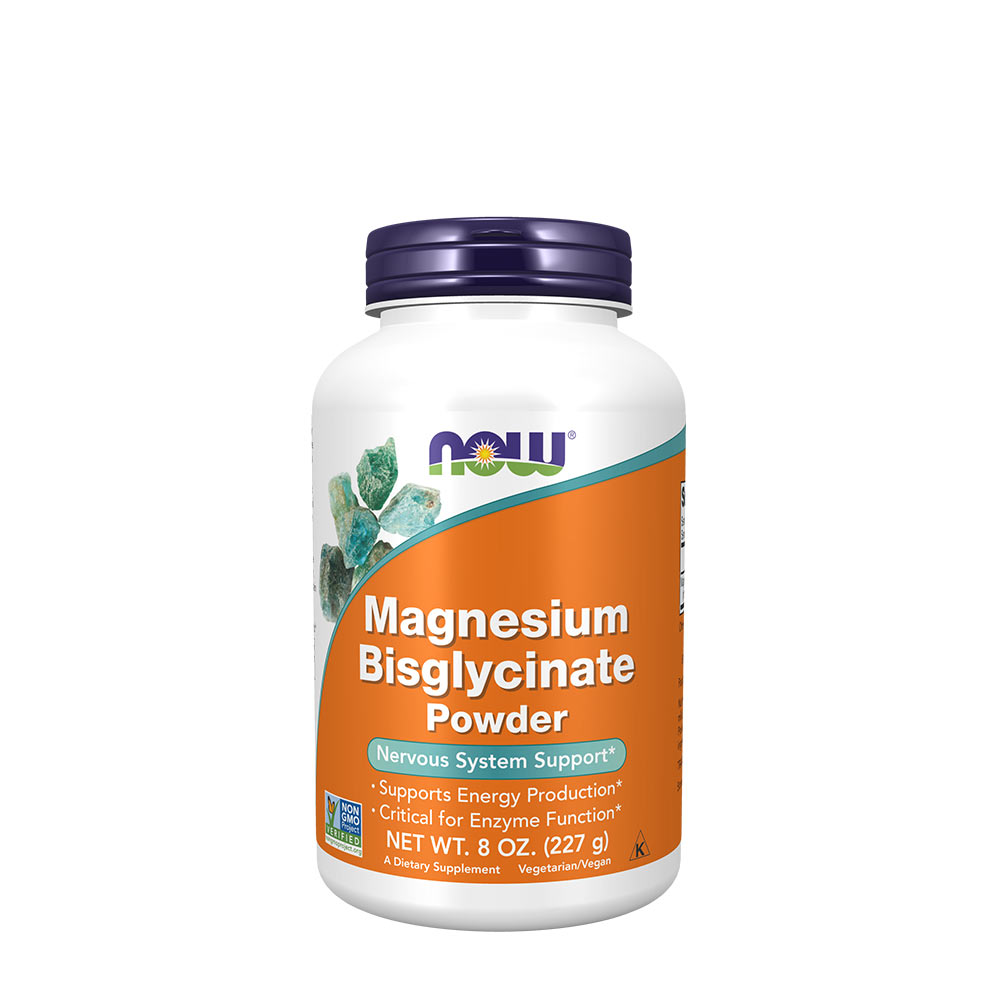
NOW Foods
Now Foods - Magnesium Bisglycinate Powder - 227g
235 krIn stockWhy is this shown?
Katalogkoppling till samtliga valda ingredienser · Ämnesnamnet förekommer i produktnamnet · I lager · Betyg 4.9 av 16 kunder
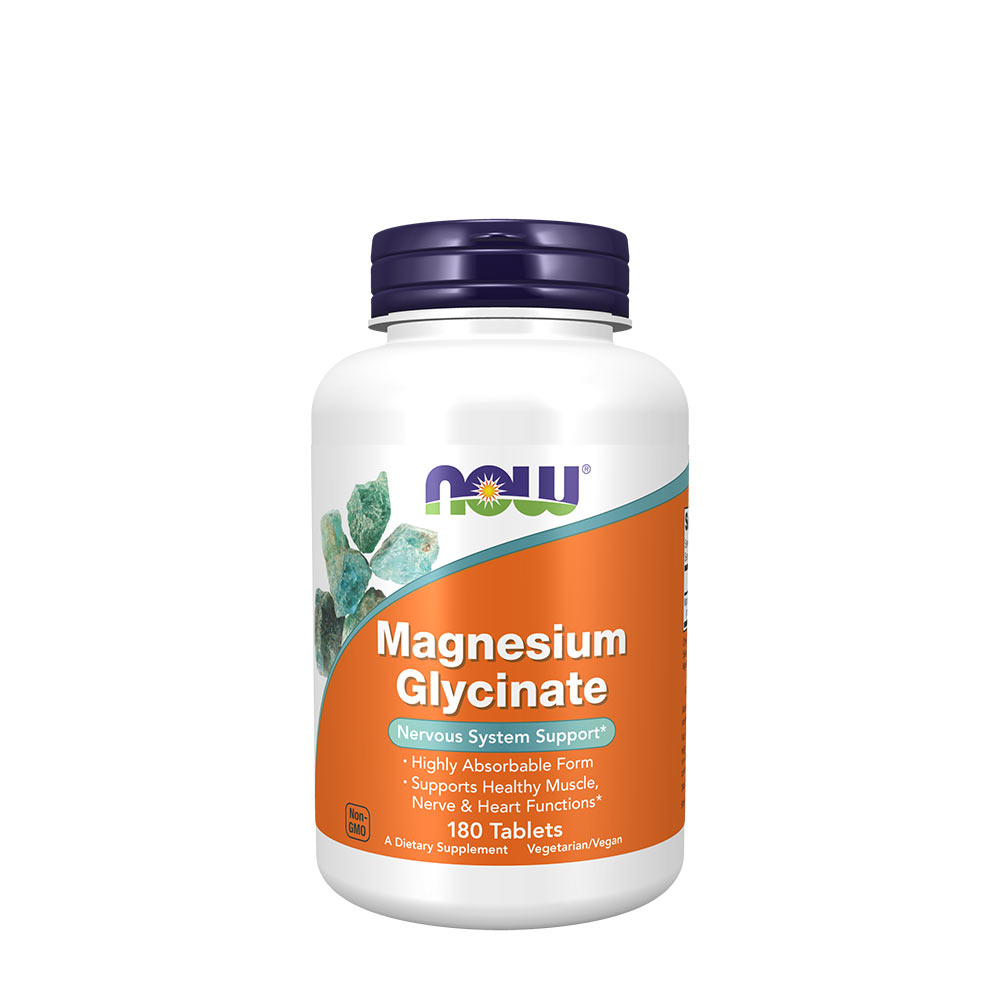
NOW Foods
Now Foods - Magnesium Glycinate - 180 Tabs
313 krIn stockWhy is this shown?
Katalogkoppling till samtliga valda ingredienser · Ämnesnamnet förekommer i produktnamnet · I lager · Betyg 4.9 av 17 kunder
NOW Foods
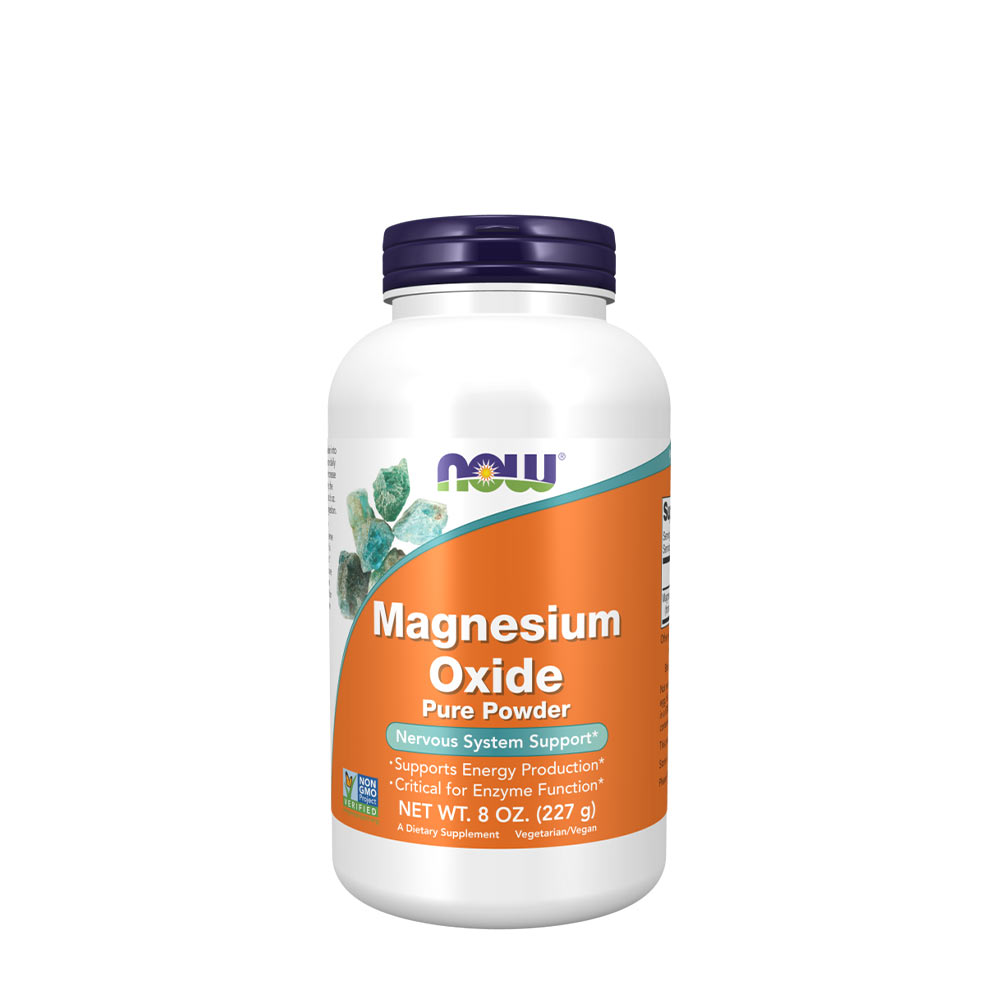
Now Foods - Magnesium Oxide - 227g
141 krIn stockWhy is this shown?
Katalogkoppling till samtliga valda ingredienser · Ämnesnamnet förekommer i produktnamnet · I lager · Betyg 4.9 av 15 kunder


