Omega-3 Foods: What Are the Best Sources and How to Choose?
Short answer
The best omega-3 foods depend on whether you want ALA, EPA and DHA, or a fish-free option. Flax, chia, walnuts and rapeseed oil provide ALA, while algal oil and cultivated marine algae provide direct EPA and DHA without fish.
Quick facts
- Flax, chia, walnuts and rapeseed/canola oil mainly provide ALA.
- Algal oil is the main fish-free source of direct EPA and DHA.
- Fortified eggs, milk, yoghurt, bread and spreads may contain added omega-3.
- The body converts ALA to EPA and DHA only in a very limited way.
- Labels matter because fortified amounts vary by brand.
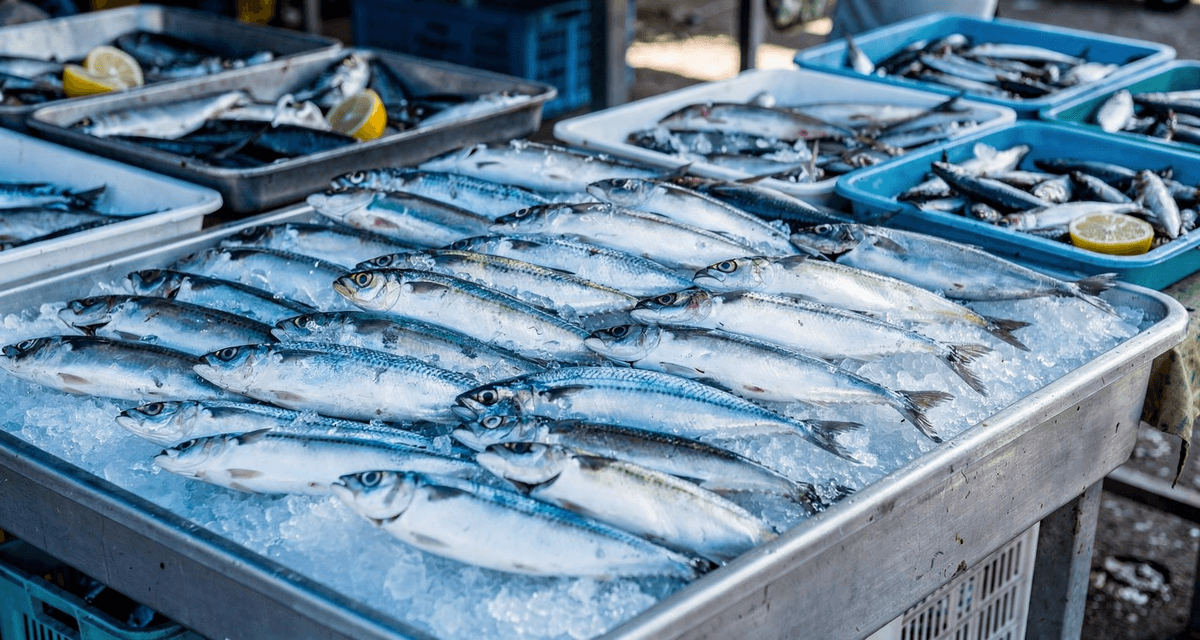
Which omega-3 foods work for vegetarians?
Plant foods give you ALA
The clearest vegetarian omega-3 foods named in the evidence are flax (linseed), rapeseed/canola oil, chia seeds and walnuts. The British Dietetic Association factsheet also mentions foods with added omega-3 such as spreads, fortified eggs and milks. British Dietetic Association omega-3 factsheet
These foods mainly provide ALA, the short-chain plant omega-3. That makes them useful for vegetarian and vegan eating patterns, but they are not the same as the long-chain omega-3s EPA and DHA. NIH consumer omega-3 fact sheet
ALA is not the same as EPA and DHA
The limitation is conversion: the NIH health professional fact sheet says the body turns ALA into EPA and DHA only in a very limited way, with reported conversion often under 15% for EPA and even less for DHA. For anyone avoiding fish, that means a plant-only omega-3 pattern does not automatically provide preformed EPA and DHA. NIH health professional omega-3 fact sheet
A practical way to read that is simple: flax, chia, walnuts and rapeseed oil cover the plant side of omega-3, but they do not replace direct EPA/DHA sources. That distinction matters when you are choosing foods for a vegetarian or vegan diet rather than a fish-based one. NIH health professional omega-3 fact sheet
Direct vegetarian EPA and DHA come from algae
When you want preformed EPA and DHA without fish, algal oil is the main option in the evidence. NIH describes algal oil supplements as a vegetarian source providing both DHA and EPA, and EFSA lists cultivated marine algae among foods that contain long-chain omega-3 fatty acids. NIH consumer omega-3 fact sheet EFSA long-chain omega-3 press release
| Source | Main omega-3 form | Fits vegetarian eating? | Fits vegan eating? |
|---|---|---|---|
| Flax, chia, walnuts, rapeseed/canola oil | ALA | Yes | Yes |
| Algal oil | DHA and sometimes EPA | Yes | Yes |
| Fortified eggs and milks | Added omega-3 | Yes, lacto-ovo | No |
| Fortified spreads | Added omega-3 | Depends on product | Depends on product |
So the split is straightforward: use ALA-rich plant foods as your everyday vegetarian base, and use algae-based oil if you want a direct EPA/DHA source that fits a fish-free diet. NIH consumer omega-3 fact sheet
Which omega-3 foods are not fish?
The clearest fish-free omega-3 options in the supplied evidence are plant ALA foods, cultivated marine algae, and omega-3-enriched foods such as some eggs, milk, yoghurt, bread and spreads. The NHS/BDA factsheet lists flaxseed, rapeseed oil, chia seeds, walnuts, soya and soya products as vegan ALA sources, while EFSA notes that long-chain omega-3s are also found in cultivated marine algae and can be added to food or taken as supplements. BDA omega-3 food factsheet EFSA on long-chain omega-3 fatty acids

That split matters because not fish is broader than vegetarian. Eggs and dairy are fish-free, but they are still animal foods; plant ALA foods are the main vegan-friendly choice in the evidence, and algae-based omega-3 sits in a separate fish-free marine category. BDA omega-3 food factsheet NIH ODS omega-3 consumer fact sheet
ALA foods are the everyday pantry choice
ALA is the essential omega-3 found in flaxseed, soybean and canola oils, and the body converts only very small amounts of ALA into EPA and DHA. So if you want a fish-free food source from the supermarket shelf, ALA-rich oils, seeds and nuts are the easiest place to start, but they do not supply the same omega-3 forms as fish or algae. NIH ODS omega-3 consumer fact sheet
What gives EPA and DHA without fish?
EFSA says cultivated marine algae contain long-chain omega-3 fatty acids such as EPA and DHA, and that these can also be added to foods or supplements. The BDA sheet also points to omega-3-enriched eggs, milk, yoghurt, bread and spreads, but those foods need label checks because the amount added varies by brand. EFSA on long-chain omega-3 fatty acids BDA omega-3 food factsheet
| Food source | Omega-3 form in the evidence | Fish-free? | Best fit |
|---|---|---|---|
| Flaxseed, chia, walnuts, soya and canola/rapeseed oils | Mainly ALA | Yes | Vegetarian or vegan |
| Cultivated marine algae / algal oil | EPA and DHA | Yes | Fish-free marine option |
| Eggs, milk, yoghurt, bread and spreads with added omega-3 | Added omega-3; check the label | Yes | Depends on the product; not vegan if egg or dairy |
In a normal shopping trip, the practical rule is simple: look for plant oils, seeds and nuts if you want ALA; look for algae-based products if you want fish-free EPA and DHA; and scan the label on fortified eggs and dairy products because the omega-3 content is not fixed across brands. BDA omega-3 food factsheet EFSA on long-chain omega-3 fatty acids
Fish-free does not automatically mean vegan: the label tells you whether a product is plant-based, algae-based, or an egg or dairy food with added omega-3. BDA omega-3 food factsheet NIH ODS omega-3 consumer fact sheet
How do omega-3s work in the body?
EPA, DHA and ALA are not interchangeable after you eat them. EFSA describes EPA and DHA as long-chain omega-3 polyunsaturated fatty acids involved in the growth and development of the brain, the regulation of blood pressure, renal function, blood clotting, and inflammatory and immunological reactions, while the NIH says DHA is a structural fat in retina, brain and sperm cell membranes. EFSA on long-chain omega-3 safety NIH consumer fact sheet on omega-3 fatty acids
ALA starts as the plant omega-3
ALA is the essential omega-3 found in plant foods and oils, and the body converts some of it into EPA and DHA, but only in very small amounts. The NIH Health Professional Fact Sheet says that conversion happens mainly in the liver and is very limited; the immune-function fact sheet adds that some sources report under 15% conversion to EPA and even less to DHA. That is why a diet can be high in ALA yet still provide little preformed EPA or DHA. NIH Health Professional fact sheet on omega-3 fatty acids NIH fact sheet on omega-3s and immune function
| Form | How the body handles it | What that means |
|---|---|---|
| ALA | Essential plant omega-3; conversion to EPA and DHA is very limited. NIH Health Professional fact sheet | Useful as a food omega-3, but it does not replace preformed long-chain omega-3. |
| EPA | Long-chain omega-3 linked by EFSA to blood clotting and inflammatory and immunological reactions. EFSA on long-chain omega-3 safety | Acts more directly because it is already in long-chain form. |
| DHA | Structural fat in retina, brain and sperm cell membranes. NIH consumer fact sheet | Provides a direct long-chain source for tissues that use DHA in their membranes. |
Absorption is not identical for every source
ODS says omega-3 bioavailability changes mildly with chemical form, including triglyceride versus ethyl ester forms, and it reports a small study in which DHA from algal oil had equivalent bioavailability to DHA from cooked salmon. The practical point is simple: the label amount and the way the omega-3 is packaged are not always the same thing. NIH Health Professional fact sheet on omega-3 fatty acids
ALA is a useful starting point, but EPA and DHA are the forms the body uses more directly. NIH Health Professional fact sheet on omega-3 fatty acids
Because conversion is limited, plant omega-3s and marine or algal omega-3s behave differently once absorbed, and the body does not make the same long-chain output from every source. NIH consumer fact sheet on omega-3 fatty acids NIH Health Professional fact sheet on omega-3 fatty acids
What do authorities say about benefits and intake?
In the EU, omega-3 claims on foods and supplements must be scientifically substantiated and authorised; EFSA’s guidance specifically lists claims such as “source of omega-3” and “heart health” as claims that need approval rather than marketing language alone. EFSA health claims guidance

What EFSA has authorised
EFSA’s 2012 opinion says that 250 mg/day of EPA + DHA is sufficient for the maintenance of normal cardiac function. The same opinion says that 2 g/day to 4 g/day of EPA and DHA are needed to reach claimed effects for the maintenance of blood pressure and triglyceride levels. EFSA opinion on long-chain omega-3 fatty acids
For adults, EFSA’s clearest reference point is 250 mg/day of EPA + DHA for normal cardiac function; higher intakes are discussed only for specific claimed effects and safety. EFSA
What the intake numbers mean in practice
EFSA also concluded that supplemental intakes up to 5 g/day of EPA and DHA do not raise safety concerns for adults. In the same opinion, average intake from food in EU adults is reported at 400–500 mg/day, while the highest consumers can reach 2,700 mg/day. EFSA opinion on long-chain omega-3 fatty acids
| Group or use case | Amount | What EFSA says |
|---|---|---|
| Adults | 250 mg/day EPA + DHA | Maintenance of normal cardiac function |
| Adults | 2 g/day to 4 g/day EPA + DHA | Intakes needed to reach claimed effects on blood pressure and triglyceride levels |
| Adults | Up to 5 g/day supplemental EPA + DHA | No safety concerns identified |
| EU adults, observed food intake | 400–500 mg/day | Typical intake from food |
| Highest-consuming EU adults | Up to 2,700 mg/day | Observed intake from food and supplements |
What is biology, and what is an authorised claim?
EFSA describes n-3 long-chain polyunsaturated fatty acids as playing an important role in the growth and development of the brain, as well as in blood pressure regulation, renal function, blood clotting, and inflammatory and immunological reactions. That is a statement about biological roles, not a blanket promise from every omega-3 food. EFSA opinion on long-chain omega-3 fatty acids
For shoppers, the practical check is simple: look for the authorised wording and the required amount, and do not treat a front-of-pack omega-3 slogan as proof of a specific benefit unless the claim is approved and the conditions are met. EFSA health claims guidance
What are the main limits of omega-3 foods?
Omega-3 foods are not interchangeable. EFSA notes that long-chain omega-3s such as EPA, DHA and DPA are found in foods like fish, milk and cultivated marine algae, and that they can also be added to foods or taken as supplements. EFSA on long-chain omega-3 fatty acids By contrast, many plant foods mainly provide ALA, and the U.S. Office of Dietary Supplements says the body converts ALA to EPA and DHA only very inefficiently, with EPA conversion often under 15% and DHA conversion even lower. ODS omega-3 health professional fact sheet
A diet can be perfectly sensible and still be low in EPA and DHA if marine or algal sources are rare.
ALA is useful, but it is not the same as marine omega-3
That difference matters because flax, chia, walnuts and rapeseed oil are ALA sources, not direct EPA/DHA sources. The British Dietetic Association’s food fact sheet also points out that plant-based diets may use omega-3-fortified foods such as spreads, milk, yoghurt, bread and eggs, but the omega-3 content depends on the product and the label. BDA omega-3 food fact sheet
| Omega-3 form | Common food examples | Main limit |
|---|---|---|
| ALA | Flax, chia, walnuts, rapeseed oil | Only a limited amount is converted to EPA and DHA |
| EPA and DHA | Fish, milk, cultivated marine algae | Depends on how often these foods appear in the diet |
| Fortified foods | Spreads, milk, yoghurt, bread, eggs | Amounts vary by product and label |
Healthy eating patterns can still leave gaps
EFSA’s press release reports that adults in the EU typically consume up to 400-500 mg a day of n-3 LCPUFA from food, while the highest consumers can reach 2,700 mg a day. EFSA on intake levels That spread shows how uneven omega-3 intake can be when oily fish, algae-based foods or fortified products are not regular choices.
Where the evidence is stronger and weaker
EFSA’s summary report on dietary reference values says nutrient advice is built from reviews of physiology and existing literature, but also shows that the evidence base is not equally strong for every group. EFSA dietary reference values summary report The report notes that child data are sparse and that certainty is only moderate-to-low, which is why food lists alone should be read as practical guidance rather than a guarantee of intake.
In other words, omega-3 foods are best viewed as one part of an overall diet pattern, not as a magic fix. The practical question is less “Is this an omega-3 food?” and more “Does this diet regularly include a source of EPA or DHA, or only ALA?”
How should you choose the right omega-3 source?
Start with the form you actually want
Begin by separating the omega-3 type from the food itself. EFSA says long-chain omega-3s such as EPA, DHA and DPA are found in foods like fish, fish oils, milk and cultivated marine algae, and they can also be added to foods; the BDA food sheet points plant-based eaters toward flax or linseed, rapeseed oil, chia seeds, walnuts, soya foods, and omega-3-enriched eggs, milk, yoghurt, bread and spreads. EFSA on long-chain omega-3 food sources BDA omega-3 food guide

Front-of-pack “omega-3” is not enough: the ingredient list tells you whether a food supplies plant ALA, marine EPA/DHA, or omega-3 added during fortification.
Read labels for the actual source, not just the claim
| Food choice | What the omega-3 comes from | What to check on the label |
|---|---|---|
| Fatty fish and other fish foods | Natural EPA, DHA and DPA | Species, origin and portion context |
| Flax, rapeseed oil, chia, walnuts, soya foods | Plant ALA | The plant ingredient itself |
| Eggs, milk, yoghurt, bread, spreads | Omega-3 added to the food | Whether it is fortified and how much is declared |
| Cultivated marine algae foods | Marine omega-3 from algae | Whether the ingredient is algae-based |
That distinction matters because not every omega-3 food is interchangeable. A plant oil or seed is chosen as a plant ingredient; a fortified egg, milk or spread depends on the added omega-3 declared by the producer; and algae-based foods are a fish-free way to get marine omega-3. EFSA on cultivated marine algae BDA omega-3 food guide
Match the source to diet, use and budget
If you eat fish, EFSA’s fish advice says one to two portions of fatty fish a week is the usual dietary pattern, but species, life stage, diet and catch location all affect contaminant levels, so the source is part of the decision. EFSA advice on wild and farmed fish
If you prefer a fish-free pattern, the BDA highlights everyday plant foods and omega-3-enriched products that fit different routines: oils for cooking and dressings, seeds and walnuts for snacking or topping meals, and fortified eggs, milk, yoghurt, bread or spreads for familiar foods. If sustainability matters, the BDA also notes that stocks of some fish species such as wild salmon and trout are declining. BDA omega-3 food guide
For context, EFSA says adults in EU populations average up to 400-500 mg a day of n-3 LCPUFA from food, while the highest consumers can reach 2,700 mg a day; it also concluded that supplemental EPA and DHA up to 5 g a day do not raise safety concerns for adults. EFSA safety assessment of long-chain omega-3
Are omega-3 foods safe for everyone?
Ordinary meals versus concentrated products
EFSA’s safety review concluded that supplemental intakes of EPA and DHA of up to 5 g/day do not raise safety concerns for adults, and that this level did not increase reported bleeding episodes, impaired glucose regulation, or impaired immune function. That finding is about concentrated products, not everyday meals. EFSA also reported that adults in EU populations consume about 400-500 mg/day of long-chain omega-3s from food on average, and children about 320 mg/day; the highest intakes from food and supplements can rise to 2,700 mg/day in adults and 1,700 mg/day in children.
| Exposure level | What EFSA reported | Why it matters |
|---|---|---|
| Typical food intake | About 400-500 mg/day in adults; about 320 mg/day in children | This is the baseline food range EFSA observed in EU populations |
| Highest observed intakes | Up to 2,700 mg/day in adults; 1,700 mg/day in children | These come from fatty fish and/or food supplements |
| Supplemental intake reviewed by EFSA | Up to 5 g/day EPA and DHA | EFSA found no safety concerns for adults at this level |
Fish allergy, labels, and source checking
If you avoid fish or shellfish, the ingredient source matters more than the omega-3 number on the front of the pack. EFSA notes that n-3 long-chain fatty acids can come from fish and fish oils, milk, and cultivated marine algae, so the same nutrient name can cover very different ingredients. If a product is fish-derived, read the source statement carefully; if it is not fish-based, the label should say so clearly.
Contaminants in fish-based choices
For fish-based omega-3 foods, EFSA’s advice is to weigh the nutrient value against contaminants, especially for vulnerable groups such as pregnant women, women of child-bearing age, and the unborn child. In its fish assessment, EFSA says women eating up to two portions of fish per week are unlikely to exceed the tolerable intake for methylmercury if certain top predatory fish are avoided. The same assessment notes that marlin, pike, swordfish and shark frequently contain high levels of methylmercury, and that Baltic herring and wild Baltic salmon are much more contaminated with dioxins and dioxin-like PCBs than non-Baltic herring and farmed salmon. EFSA’s fish safety opinion also says species, season, location, diet, life stage and age all have a major impact on nutrient and contaminant levels.
Pregnancy, breastfeeding, and other higher-attention situations
For pregnancy and breastfeeding, the practical food-choice issue is species selection: EFSA advises choosing fish from a wide range of species and avoiding undue preference for top predatory fish.
Common omega-3 foods are usually a food-choice question; the biggest safety differences come from the source, the species, and whether you have moved from meals to a concentrated product.
For contaminant background, EFSA’s metals topic page explains that fish and seafood are part of its ongoing risk-benefit work, including mercury and other contaminants: EFSA metals and contaminants overview.
Which omega-3 foods are best for kids?
Use foods that fit the child’s age and texture
EFSA also notes that long-chain omega-3s are found in fish, milk and cultivated marine algae, while the BDA fact sheet adds practical family foods such as eggs, milk, yoghurt, bread and spreads, plus plant sources including flax/linseed, rapeseed oil, chia seeds, walnuts, soya beans, soya milk and tofu EFSA on long-chain omega-3 fatty acids BDA omega-3 fact sheet.
Best-fit foods for lunchboxes and family meals
| Food group | Child-friendly form | Why it fits family eating |
|---|---|---|
| Oily fish | Flaked into pasta, rice or a sandwich filling | EFSA identifies fish as a long-chain omega-3 source, and the fish advice says young children should choose from a wide range of species rather than rely on top predatory fish EFSA omega-3 safety note EFSA fish advice |
| Eggs, milk, yoghurt, bread, spreads | Breakfast, packed lunch, after-school snack | The BDA sheet lists these as omega-3-enriched options when omega-3 is added BDA omega-3 fact sheet |
| Flax, chia, walnuts, rapeseed oil, soya foods | Ground seeds, stirred-in toppings, or blended into familiar dishes | These are the main plant-based ALA sources named by the BDA fact sheet BDA omega-3 fact sheet |
Watch bones, textures and portion size
For children, the practical issue is not only what food contains omega-3, but how it is served. EFSA’s fish advice also says children should not over-focus on top predatory species such as swordfish and tuna, and should instead choose from a wide range of species EFSA fish advice.
The development angle is simple: EFSA says long-chain omega-3 fatty acids play an important role in the growth and development of the brain, and the BDA notes their role in the retina (eyes) and brain in infants EFSA on long-chain omega-3 fatty acids BDA omega-3 fact sheet.
Safety and precautions
Omega-3 foods are usually a source-and-label question, but fish-based choices can also involve contaminant differences by species, location and life stage. If you are taking medication, are pregnant or breastfeeding, or are choosing omega-3 foods for children, ask a healthcare professional for advice.
For concentrated EPA and DHA products, the body notes that adult supplemental intakes up to 5 g/day were not a safety concern in the EFSA review. Read labels carefully, especially for fish-derived, fortified or algae-based products, because the source and amount can vary.
Supplements with the ingredients in this article
Compare contents, dose and price
Frequently asked questions
Are canned sardines and mackerel still good omega-3 foods?
The article does not single out canned sardines or mackerel, but fish foods in general remain natural omega-3 sources because fish is one of the long-chain omega-3 food categories named in the body. It also says species, origin and portion context matter. If you want a fish-free option, the separate marine choice here is cultivated algae or algal oil.
Does cooking or smoking fish reduce its omega-3 content?
The body does not give a general rule that cooking or smoking lowers omega-3 content. It only mentions one small comparison where DHA from algal oil had similar bioavailability to DHA from cooked salmon. So this article focuses more on source, form and labeling than on processing losses.
Do flaxseed and chia need to be ground to count as omega-3 foods?
The body lists flax/linseed and chia as omega-3 foods, and it also says seeds can be used as ground seeds, stirred-in toppings or blended into familiar dishes. It does not say they must be ground to count. Grounding may be a practical way to use them, but the article does not make it a requirement.
Can you get meaningful omega-3 from seaweed or spirulina?
Spirulina is not mentioned, so this body does not support treating it as an omega-3 source. The supported marine option here is cultivated marine algae.
What is the easiest omega-3 food to add to breakfast?
The body does not name a single easiest breakfast choice. It does say that fortified eggs, milk, yoghurt, bread and spreads are familiar breakfast foods, and that flax, chia and walnuts can be used as toppings or add-ins. The simplest option is usually the one you already eat regularly and can verify on the label.
Which omega-3-rich foods are best if you are trying to keep costs low?
The body does not compare prices directly, but it does point to everyday pantry foods like flax/linseed, chia, walnuts, rapeseed/canola oil and soya foods. Those are the main regular plant-based options named in the article.
Sources
- Omega-3 Fatty Acids - Consumer (external link)
- EFSA assesses safety of long-chain omega-3 fatty acids | EFSA (external link)
- Food Fact Sheet (external link)
- Omega-3 Fatty Acids - Health Professional Fact Sheet (external link)
- Dietary Reference Values for nutrients Summary report (external link)
- Dietary Supplements for Immune Function and Infectious Diseases - Health Professional Fact Sheet (external link)
- Health claims | EFSA (external link)
- Metals as contaminants in food | EFSA (external link)
- EFSA provides advice on the safety and nutritional contribution of wild and farmed fish | EFSA (external link)