What are omega-3 capsules and how do you compare them?
Short answer
Omega-3 capsules are supplements made from fish oil, krill oil, cod liver oil, or cultivated algae. The most important comparison is the separate EPA and DHA amounts on the label, because the headline oil weight does not show the active omega-3 content.
Quick facts
- Omega-3 includes ALA, EPA, and DHA.
- Capsules may use fish, krill, cod liver, or algal oil.
- 1,000 mg of oil is not the same as 1,000 mg of EPA plus DHA.
- Labels should show serving size and the daily portion.
- Cod liver oil can also include vitamins A and D.
- Algal oil is the main non-fish route to DHA.

What are omega-3 capsules and how do they work?
Three omega-3s, three different jobs on the label
Omega-3 is a family of fatty acids, not a single ingredient. The names shoppers see most often are ALA, EPA and DHA. ALA is found mainly in plant oils and seeds, is essential, and the body converts only a limited amount of it into EPA and then DHA; NIH ODS reports conversion rates of less than 15%. EPA and DHA are the long-chain marine forms commonly used in capsules, and DHA is especially abundant in the brain and retina. NIH ODS omega-3 fact sheet
| Omega-3 type | Common source examples | What the shopper should notice |
|---|---|---|
| ALA | Plant oils and seeds | Essential omega-3; not the same as EPA + DHA |
| EPA | Fish oil, krill oil, some algal oils | Look for the declared milligrams separately |
| DHA | Fish oil, krill oil, algal oil, cod-liver oil | Often the main omega-3 in algal products |
What is inside the capsule
Capsules may contain fish oil, krill oil, cod-liver oil or oil from cultivated algae. Fish and krill supply mainly EPA and DHA; algal products usually supply DHA and sometimes EPA. The capsule shell is a separate ingredient from the oil: in the FDA label for icosapent ethyl, the inactive ingredients include gelatin.
How omega-3s act in the body
EPA and DHA are incorporated into cell membranes and participate in pathways relevant to cardiovascular and inflammatory function. That is a biological mechanism, not a promise of a quick effect like a stimulant or a painkiller. NIH ODS omega-3 fact sheet
Who looks for capsules in practice
For shoppers, the main practical question is whether the product is fish-based or algae-based, and how much EPA and DHA the label states per daily serving. That matters for people who want a measured supplement rather than relying on food alone, and for people who prefer a non-fish source such as algal oil. EFSA’s reference values and the Nordic recommendations are dietary intake targets, not capsule prescriptions, so the label still has to be read fatty-acid by fatty-acid. Nordic Nutrition Recommendations 2023 NIH ODS omega-3 fact sheet
When you compare products, start with the source oil, then check the separate EPA and DHA amounts, then note whether the capsule shell and other ingredients suit you. The oil name alone does not tell you how much of the long-chain omega-3s the capsule actually delivers. FDA dietary supplement labeling guide
Does 1000 mg mean 1000 mg of omega-3?
Oil weight is not the same as EPA plus DHA
A label that says 1000 mg usually gives the weight of the oil, not 1000 mg of the active omega-3 fatty acids. NIH’s Omega-3 Fact Sheet gives a plain example: 1,000 mg of fish oil can contain 180 mg EPA and 120 mg DHA, which is 300 mg EPA+DHA in total. The same logic applies to algal oil or other omega-3 capsules: the front-of-pack number is not enough to know how much EPA and DHA you are getting.

Takeaway: compare the declared EPA and DHA amounts, not the headline oil weight.
What to read on the Supplement Facts panel
Start with the serving size. FDA guidance says a Supplement Facts panel must state the serving size and the dietary-ingredient amounts per serving, and the directions tell you whether that serving is one capsule, two capsules, or something else: FDA Supplement Facts labeling guidance. Then look for the separate amounts of EPA and DHA. If the label lists only “fish oil 1000 mg” or only “omega-3 1000 mg,” you still need the line that names the individual fatty acids to know what you are actually comparing.
For EU food supplements, the declared amounts must be given per portion recommended for daily consumption, along with the recommended portion itself: Directive 2002/46/EC. That is why two products can both say “1000 mg” yet refer to different daily intakes or different ingredients.
| Label phrase | What it can mean | What to check |
|---|---|---|
| Fish oil 1000 mg | Weight of the oil, not EPA+DHA | EPA and DHA listed separately, and whether the amount is per capsule or per daily serving |
| Providing X mg omega-3 | Could mean total omega-3s, or only EPA+DHA, depending on the label | Exact breakdown of EPA, DHA and any other omega-3s |
| High strength / concentrated | Marketing wording, not a universal dose standard | The actual mg of EPA+DHA in the recommended daily serving |
How to compare 1000 mg capsules across brands
Do not compare capsule count alone. Compare mg EPA + mg DHA per intended daily dose, because one capsule may deliver less than the label’s oil weight suggests, and some products require two capsules to reach the stated serving. ODS also notes that there is no FDA Daily Value for omega-3s, so a missing or unhelpful %DV does not tell you the product is equivalent to another one: NIH ODS omega-3 fact sheet.
In practice, that means a shopper should line up the same units before comparing brands: per capsule versus per daily serving, fish oil weight versus EPA+DHA weight, and any added ingredients that change the formula. Only then can two “1000 mg” products be compared on the numbers that matter on the label.
What benefits are actually supported by research?
The same regulation also covers maintenance of normal blood triglyceride levels at 2 g/day EPA+DHA and maintenance of normal blood pressure at 3 g/day EPA+DHA.
| Claim | Applies to | Minimum amount | Label basis |
|---|---|---|---|
| EPA + DHA | 250 mg/day | Per day | |
| Maintenance of normal brain function | DHA | 250 mg/day | Per day |
| Maintenance of normal vision | DHA | 250 mg/day | Per day |
| Maintenance of normal blood triglyceride levels | EPA + DHA | 2 g/day | Per day |
| Maintenance of normal blood pressure | EPA + DHA | 3 g/day | Per day |
| Source of omega-3 fatty acids | ALA or EPA + DHA | 0.3 g ALA or 40 mg EPA+DHA | Per 100 g and per 100 kcal |
For the related nutrition claim, "high in omega-3 fatty acids" requires 0.6 g ALA or 80 mg EPA+DHA on the same per-100 g and per-100 kcal basis. Those thresholds describe the food, not a promise that a capsule will prevent disease.
What the trials show most clearly
The strongest repeatable finding in the supplied evidence is triglyceride lowering, not broad disease prevention. In the Cochrane review of 86 randomised trials and 162,796 adults, omega-3s had little or no effect on overall cardiovascular events (RR 0.96; 95% CI 0.92–1.01) or stroke (RR 1.02; 0.94–1.12), while coronary events were only possibly lower (RR 0.91; 0.85–0.97, low-certainty evidence). The same review found EPA+DHA lowered triglycerides by about 15%.
The ODS summary of REDUCE-IT describes 4 g/day of prescription icosapent ethyl in 8,179 statin-treated people with established cardiovascular disease or diabetes plus another risk factor, where the composite cardiovascular outcome was 25% lower; the same ODS page also notes that STRENGTH found no significant composite-event benefit from 4 g/day of an EPA+DHA formulation. Those prescription results do not make an over-the-counter capsule a substitute for the medicine.
Meeting a claim threshold is not the same as proving a clinical outcome.
Where evidence is mixed or limited
For cognition, a 2024 review of 24 cognitive-outcome trials found improvement in only five; all four trials in people with Alzheimer’s disease were null. For inflammation-related symptoms, a review of 23 placebo-controlled rheumatoid-arthritis trials found small, statistically uncertain differences in pain, tender joints and swollen joints, with low or very low certainty. In both areas, the evidence is not strong enough to turn capsules into a general promise of symptom control.
How much omega-3 do adults need, and from which foods?
Adult targets are not the same for ALA and EPA/DHA
Authorities separate ALA from EPA and DHA. The U.S. National Academies values reported by NIH give adults an adequate intake for ALA of 1.6 g/day for men and 1.1 g/day for women; they also list 1.4 g/day in pregnancy and 1.3 g/day during lactation, with no separate EPA or DHA recommendation. EFSA uses a different framework: 0.5% of dietary energy as ALA, about 1.1 g/day at 2,000 kcal, plus 250 mg/day combined EPA+DHA for adults. These are adequate intakes, not evidence that everyone needs a supplement, and they are not the same as higher-dose uses under clinical supervision. EFSA’s DRV summary defines adequate intake as the level used when an average requirement cannot be set.

| Authority | Group | Intake target |
|---|---|---|
| NIH / U.S. National Academies | Adult men | ALA 1.6 g/day |
| NIH / U.S. National Academies | Adult women | ALA 1.1 g/day |
| EFSA | Adults | ALA 0.5% of energy; EPA + DHA 250 mg/day combined |
| EFSA | Pregnancy and lactation | Adult EPA + DHA target plus 100–200 mg/day preformed DHA |
| EFSA | 6–24 months | DHA 100 mg/day |
Food portions make the targets easier to see
A few ordinary servings already contain substantial omega-3. NIH’s food table lists about 7.26 g ALA per tablespoon of flaxseed oil, 5.06 g per ounce of chia seeds, 2.57 g per ounce of walnuts, and 1.28 g per tablespoon of canola oil. For marine foods, a 3 oz serving of farmed Atlantic salmon provides about 0.59 g EPA plus 1.24 g DHA, Atlantic herring about 0.77 g EPA plus 0.94 g DHA, and canned sardines in tomato sauce, drained, about 0.45 g EPA plus 0.74 g DHA. NIH’s composition table also notes that species, feed and preparation can change the numbers.
That difference matters in practice: plant foods mainly contribute ALA, while oily fish and seafood contribute EPA and DHA. Algal products usually supply DHA and sometimes EPA, so people avoiding fish can still look for those labels; the amount still has to be read from the package rather than assumed from the ingredient name.
Pregnancy, breastfeeding and early life need a separate lens
EFSA and NNR both single out DHA in early life and during pregnancy and lactation. EFSA adds 100–200 mg/day of preformed DHA to the adult EPA+DHA target in pregnancy and lactation, while NNR 2023 sets pregnancy and lactation at 1% of energy from omega-3, including 200 mg/day DHA. For infants, EFSA gives 100 mg/day DHA for 6–24 months, and NNR specifies at least 1% of energy from omega-3 at 6–11 months and 0.5% at 12–23 months. NNR 2023 uses total omega-3 for those youngest age bands rather than an adult-style EPA+DHA target.
For most healthy adults, the food question is usually whether the week includes enough ALA-rich plants, oily fish or an algae-based option; higher-dose capsule use belongs to a different conversation and should follow the specific product label and a clinician’s advice.
Which capsule forms absorb best and suit vegans?
Omega-3 capsules can contain fish oil, krill oil, cod-liver oil or cultivated algal oil, and the omega-3s inside them may be packaged as natural triglycerides, re-esterified triglycerides, ethyl esters or phospholipids. Fish and krill products usually supply EPA and DHA, while algal products usually supply DHA and sometimes EPA. That means “omega-3” on the front of a pack is not enough to tell you what is inside. NIH ODS omega-3 fact sheet
| Form | What it usually means | Practical shopper takeaway |
|---|---|---|
| Triglyceride / re-esterified triglyceride | A triglyceride-based oil; one 2-week study in 72 volunteers found higher measured availability for re-esterified triglycerides than for natural fish oil. | Useful to compare by declared EPA and DHA, not by oil weight alone. |
| Ethyl ester | A different chemical form used in some concentrates; the same 72-volunteer study found lower measured availability than natural fish oil. | Meal timing can matter more than the front label suggests. |
| Phospholipid | A form found in krill oil; in a 12-man crossover study it produced the highest plasma phospholipid response, but DHA and combined EPA+DHA differences were not statistically significant. | Short-term blood tests do not prove a better long-term result. |
| Algal oil | The main non-fish route to DHA; some products also provide EPA. | Check the label for declared DHA and EPA, plus a vegan capsule claim if that matters to you. |
Food and the exact form can change absorption
Absorption is not fixed by chemistry alone. In one 24-person study of a specially formulated ethyl-ester dose, a high-fat meal increased the EPA blood-exposure measure relative to fasting, while DHA did not differ significantly across the tested meal conditions. In a separate 56-adult crossover study, exposure from an ethyl-ester preparation was about 25 times higher with a high-fat meal than when fasted, while a phospholipid/free-fatty-acid mixture was much less affected. Those are product-specific findings, not a universal ranking for every capsule on the shelf. Ethyl-ester meal-effect study Single-dose comparative bioavailability study
Short-term blood levels can differ by form and meal, but they do not prove that one capsule form is better for every person.
Why algae is the vegan route
If you avoid fish, algal oil is the clearest option to look for. In a study of 32 healthy adults, 600 mg DHA per day from algal-oil capsules for two weeks produced similar changes in plasma and red-cell DHA to DHA from assayed cooked salmon. Algal-oil capsules and cooked salmon study NIH ODS omega-3 fact sheet
For everyday use, the most practical comparison is still the label: declared mg of EPA and DHA, the oil source, and whether the product is meant to be taken with food. Reported supplement effects include unpleasant taste, bad breath, heartburn, nausea and diarrhoea, so a formulation that sits better with a meal may feel easier to use even when its chemistry is similar. NIH ODS omega-3 fact sheet
How do you compare branded omega-3 capsules?
Compare the label line by line, not the front-of-pack headline. The FDA supplement-label guide says the serving size and dietary-ingredient amounts must appear per serving, and the EU supplement directive requires amounts to be declared per recommended daily portion, along with the portion itself and a warning not to exceed it. That is why two packs can both say “1,000 mg” and still deliver very different amounts of EPA and DHA.

One NIH ODS example shows the point clearly: 1,000 mg fish oil may contain 180 mg EPA and 120 mg DHA, so the active omega-3 total is 300 mg, not 1,000 mg. If a label does not separately disclose EPA and DHA, you cannot reliably work them out from the oil weight alone.
| Label item | What to check | Why it matters |
|---|---|---|
| EPA amount | mg per capsule and per daily serving | Lets you compare the actual EPA delivered |
| DHA amount | mg per capsule and per daily serving | Needed because products can be DHA-heavy or EPA-heavy |
| Total EPA + DHA | Add the two numbers for the intended daily dose | More useful than capsule count alone |
| Serving size | One capsule, two capsules, or another portion | “1,000 mg” may refer to oil per serving, not per capsule |
| Source oil | Fish, krill, algal, or cod-liver oil | Different sources can mean different compositions and added nutrients |
| Form | Triglyceride, ethyl ester, phospholipid, or another stated form | Useful for comparison only if the exact product states it |
| Added vitamins | Especially vitamins A and D in cod-liver-oil products | These need separate checking on the label |
| Expiry date | Use-by or best-before date | Part of routine product checking before purchase |
Use the same checklist for Seven Seas
For a brand such as Seven Seas, the name alone does not tell you the dose. Check whether the exact product is intended for general wellness or a narrower label-defined use, what the daily serving is, whether the source is fish oil or cod-liver oil, and what the EPA:DHA ratio is. The same brand family can cover more than one formulation, so brand reputation is not a substitute for the numbers on the panel.
Best comparison rule: compare delivered EPA+DHA per daily serving, then check source oil, form, and added vitamins.
That is also the cleanest way to compare value without prices: use the amount of EPA plus DHA you actually get each day, not the headline capsule strength or the number of capsules in the pack. An EU label’s daily-portion declaration, together with the EPA and DHA lines, gives you the arithmetic you need to compare products fairly.
Who should avoid omega-3 capsules or ask first?
Medicines, bleeding risk and planned procedures
High-dose omega-3 products deserve a medication check, especially if you take a prescription EPA product or anything else that affects clotting. In the FDA label’s REDUCE-IT trial, 4 g/day of icosapent ethyl was associated with more bleeding than placebo in a statin-treated population: 12% versus 10% for any bleeding and 3% versus 2% for serious bleeding; bleeding was more frequent with concurrent antithrombotic medicines, including aspirin, clopidogrel and warfarin. The NIH ODS fact sheet likewise says people taking warfarin or similar anticoagulants should discuss omega-3 use with a clinician. FDA prescribing information NIH ODS omega-3 fact sheet
If you are scheduled for surgery or have a bleeding disorder, tell the clinician managing the procedure exactly what you take rather than making a last-minute change on your own. The key issue is the exact product and dose, because ordinary supplement capsules are not the same as a prescription 4 g/day product.
Pregnancy, breastfeeding and allergy checks
Pregnant or breastfeeding people considering omega-3 supplements beyond usual dietary amounts should get advice first. The FDA label says use in pregnancy or breastfeeding should be considered alongside the mother’s clinical need. People with known hypersensitivity to fish and/or shellfish should also check the label carefully, because the FDA warns about potential allergic reactions with fish-derived icosapent ethyl. FDA prescribing information
Common side effects versus the rarer concerns
Most reported side effects are non-serious and digestive: the ODS fact sheet lists unpleasant taste, bad breath, heartburn, nausea, abdominal discomfort, diarrhoea and headache. Those effects are different from the higher-dose concerns above, where the question is not taste but whether a product belongs in a clinician-supervised plan. NIH ODS omega-3 fact sheet
When omega-3 capsules are being used for a medical reason, or alongside clotting medicines, the label and the dose matter more than the front-of-pack “omega-3” claim.
That is especially true when the product is part of a treatment plan rather than general nutrition: the evidence quoted here is product-specific, dose-specific and not interchangeable with a standard capsule from the shelf. FDA prescribing information
How should you take omega-3 capsules day to day?
Keep the routine easy to repeat
Take omega-3 capsules in the same way each day, and use the serving size on the label or the amount your clinician advised rather than guessing from capsule count alone. FDA supplement-label guidance says the serving size and ingredient amounts are listed per serving, and the NIH Office of Dietary Supplements warns that “1,000 mg fish oil” is not the same as 1,000 mg of EPA plus DHA. FDA supplement label guidance NIH ODS omega-3 fact sheet
In one crossover study, exposure to EPA and DHA changed with meal conditions for a specific ethyl-ester formulation, and the FDA label for prescription icosapent ethyl says the capsules were taken with food in clinical studies and are dosed with food. That makes “with a meal” a practical routine, not a promise of a better outcome. Meal-effect bioavailability study FDA icosapent ethyl label
Avoid the common label mistakes
| Common mistake | Better habit |
|---|---|
| Counting total fish oil instead of EPA and DHA | Read the separate EPA and DHA amounts and add them if you need the combined figure. NIH ODS omega-3 fact sheet |
| Taking capsules only now and then | Use a repeatable daily routine so the serving is actually delivered as directed. Short-term studies measure blood exposure, not immediate symptom relief or disease prevention. Meal-effect bioavailability study |
| Switching products without re-reading the panel | Check the new serving size and ingredient amounts again, because products vary. FDA supplement label guidance |
| Expecting a quick, obvious change | Judge the product by whether you can take it as directed and whether the labelled amount still fits your needs after a sensible trial period. Meal-effect bioavailability study |
Store it carefully and reassess fit
Keep the bottle closed and store it as the label directs; for prescription icosapent ethyl, the FDA label specifies 20–25°C with permitted short excursions. FDA icosapent ethyl label
If the product is hard to tolerate, if you keep missing doses, or if the goal is a medical one rather than a general dietary gap, switch form or ask for advice instead of forcing a product that does not fit your routine. Prescription-strength omega-3 treatment is not the same as an ordinary supplement, and the FDA label for icosapent ethyl reminds patients not to change dose without clinician input. FDA icosapent ethyl label
Safety and precautions
Read the label carefully and follow the serving size or daily portion listed. High-dose omega-3 products deserve a medication check, especially if you take blood-thinning medicines or are scheduled for surgery, and people with fish or shellfish allergy should check the source oil and label.
If you are pregnant or breastfeeding, ask a healthcare professional before use. Children have separate age-based needs, so get medical advice before giving omega-3 supplements to a child.
Supplements with the ingredients in this article
Compare contents, dose and price
Frequently asked questions
What is the difference between omega-3 capsules and cod liver oil capsules?
Cod liver oil capsules are one type of omega-3 capsule, but not all omega-3 capsules are cod liver oil. Generic omega-3 products may use fish oil, krill oil, or algal oil, while cod liver oil is a specific source and may also include vitamins A and D. The label should tell you the source oil and the EPA and DHA amounts.
Can omega-3 capsules be opened and mixed with food or drink?
The article does not say whether they can be opened and mixed. It does say to follow the label directions and serving size, so check the pack instructions before changing how you take them. If the directions are unclear, ask a healthcare professional.
Do krill oil capsules count the same as fish oil capsules?
Not automatically. Krill oil and fish oil can both supply EPA and DHA, but the amounts can differ, and the article says to compare the declared EPA and DHA rather than the oil name alone. Use the label, not the source name, to compare products.
Can vegetarians or vegans get enough EPA and DHA from algae oil?
Algae oil is the clearest non-fish source mentioned in the article, and it usually supplies DHA and sometimes EPA. Whether it is enough depends on the product’s labelled amounts and the target intake you are trying to meet. The article does not say that every algal product provides both fatty acids in the same amounts.
Can omega-3 capsules replace eating oily fish entirely?
The article does not present capsules as a full stand-in for oily fish. It says food and supplements are different, and that people avoiding fish can look for algal oil if they want a non-fish source. The label still needs to be checked for the actual EPA and DHA amounts.
How can I tell whether an omega-3 product has gone stale or oxidised?
The article does not explain how to spot oxidation or stale oil. It does say to check the expiry date and to store the product as the label directs. If you are unsure, stop using it and ask a healthcare professional.
Sources
- Omega-3 Fatty Acids - Health Professional Fact Sheet (external link)
- Directive - 2002/46 - IT - EUR-Lex (external link)
- EUR-Lex - 02006R1924-20141213 - EN - EUR-Lex (external link)
- EUR-Lex - 02012R0432-20250820 - EN - EUR-Lex (external link)
- Omega-3 fatty acids for the primary and secondary prevention of cardiovascular disease - PubMed (external link)
- Designing Newer Omega-3 Supplementation Trials for Cognitive Outcomes: A Systematic Review Guided Analysis - PubMed (external link)
- Efficacy of n-3 fatty acid supplementation on rheumatoid arthritis' disease activity indicators: a systematic review and meta-analysis of randomized placebo-controlled trials - PubMed (external link)
- Dietary Reference Values for nutrients Summary report (external link)
- NORDIC NUTRITION RECOMMENDATIONS 2023 (external link)
- Bioavailability of marine n-3 fatty acid formulations - PubMed (external link)
- Incorporation of EPA and DHA into plasma phospholipids in response to different omega-3 fatty acid formulations--a comparative bioavailability study of fish oil vs. krill oil - PubMed (external link)
- Minimal food effect for eicosapentaenoic acid and docosahexaenoic acid bioavailability from omega-3-acid ethyl esters with an Advanced Lipid TechnologiesTM (ALT®)-based formulation. (external link)
- Algal-oil capsules and cooked salmon: nutritionally equivalent sources of docosahexaenoic acid - PubMed (external link)
- Dietary Supplement Labeling Guide: Chapter IV. Nutrition Labeling | FDA (external link)
- Approval Label_202057Orig1s058lbl.pdf (external link)
- A Single-dose, Comparative Bioavailability Study of a Formulation containing OM3 as Phospholipid and Free Fatty Acid to an Ethyl Ester Formulation in the Fasting and Fed States - PubMed (external link)
Read more
Products related to this article
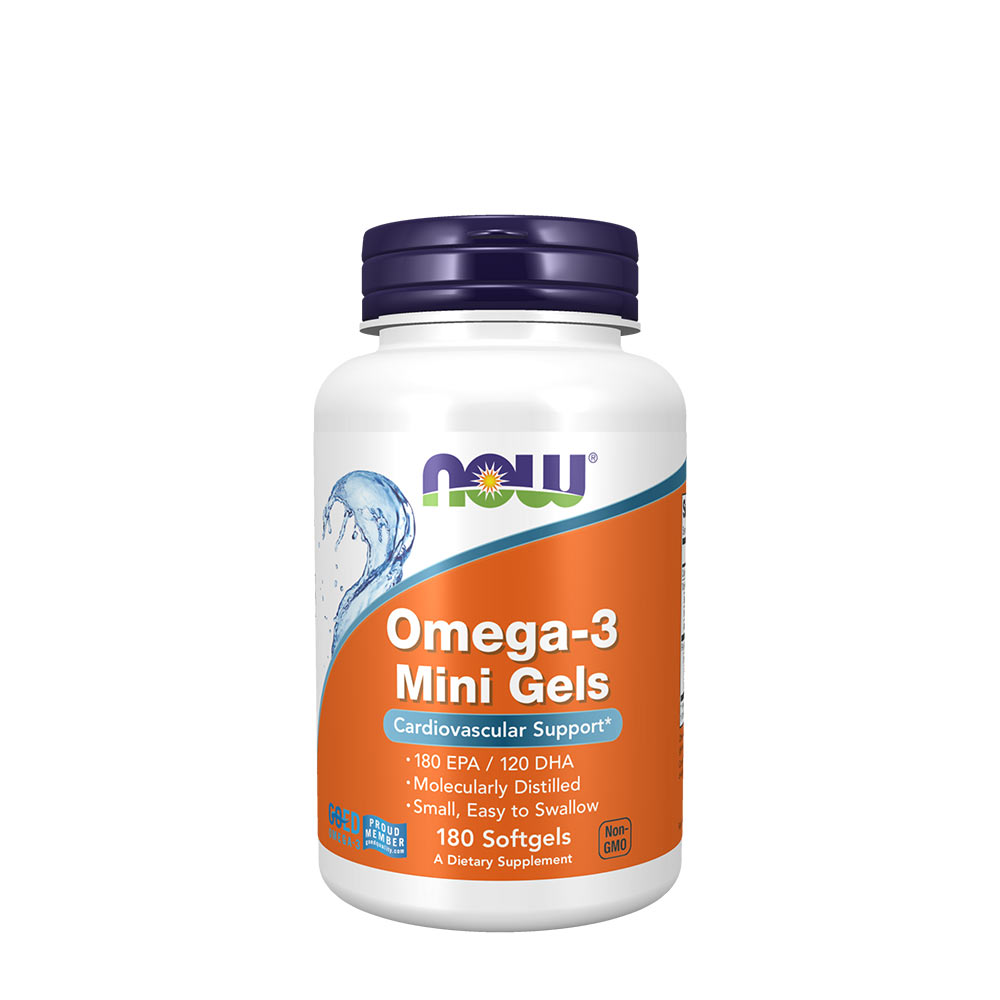
NOW Foods
NOW Foods - Omega-3 Mini Gels - 180 Sgels
217 krIn stockWhy is this shown?
Katalogkoppling till samtliga valda ingredienser · Ämnesnamnet förekommer i produktnamnet · I lager · Betyg 5.0 av 17 kunder
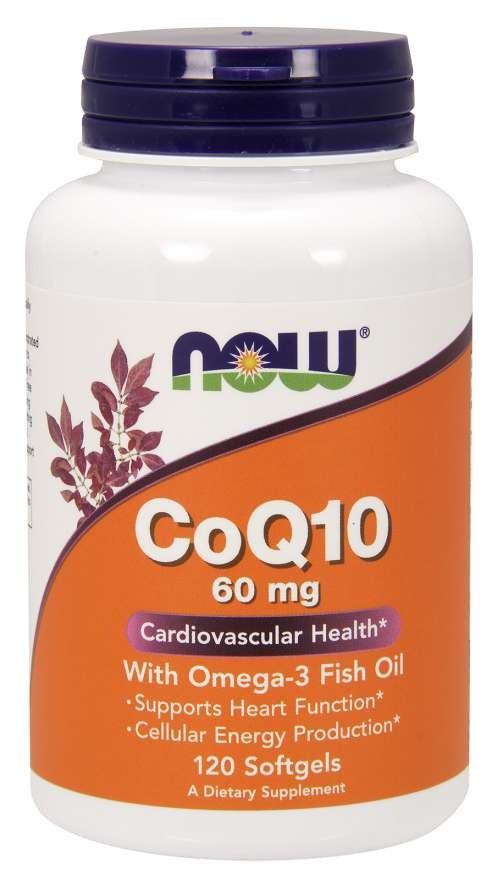
NOW Foods
NOW Foods - CoQ10 With Omega-3 - 120 Sgels
232 krIn stockWhy is this shown?
Katalogkoppling till samtliga valda ingredienser · Ämnesnamnet förekommer i produktnamnet · I lager · Betyg 4.9 av 14 kunder

Aura Herbals
Aura Herbals - Omega-3 - 1200mg, 120 Caps
240 krIn stockWhy is this shown?
Katalogkoppling till samtliga valda ingredienser · Ämnesnamnet förekommer i produktnamnet · I lager
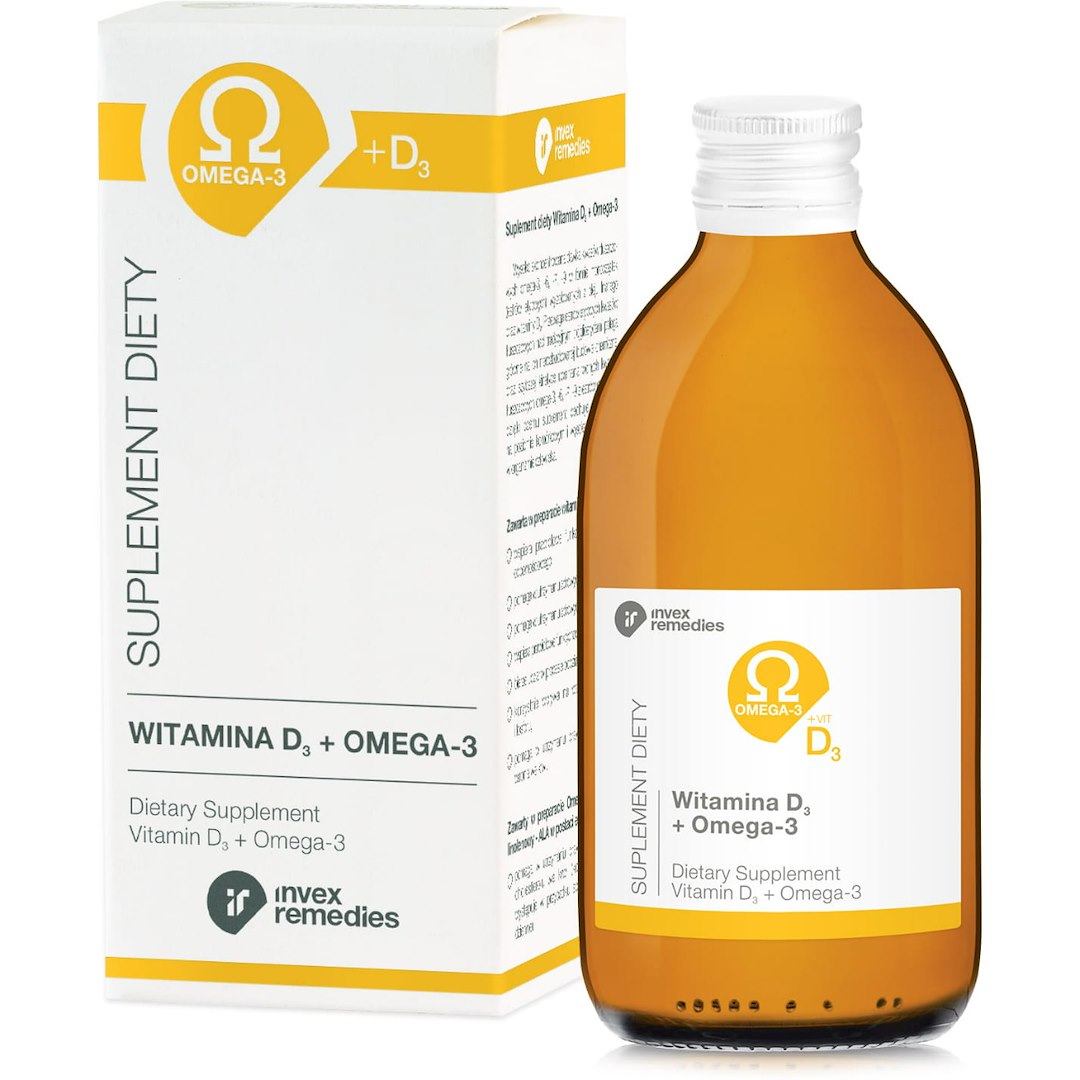
INVEX REMEDIES
Invex Remedies - Vitamin D3 + Omega-3 - 300 ml
406 krIn stockWhy is this shown?
Katalogkoppling till samtliga valda ingredienser · Ämnesnamnet förekommer i produktnamnet · I lager
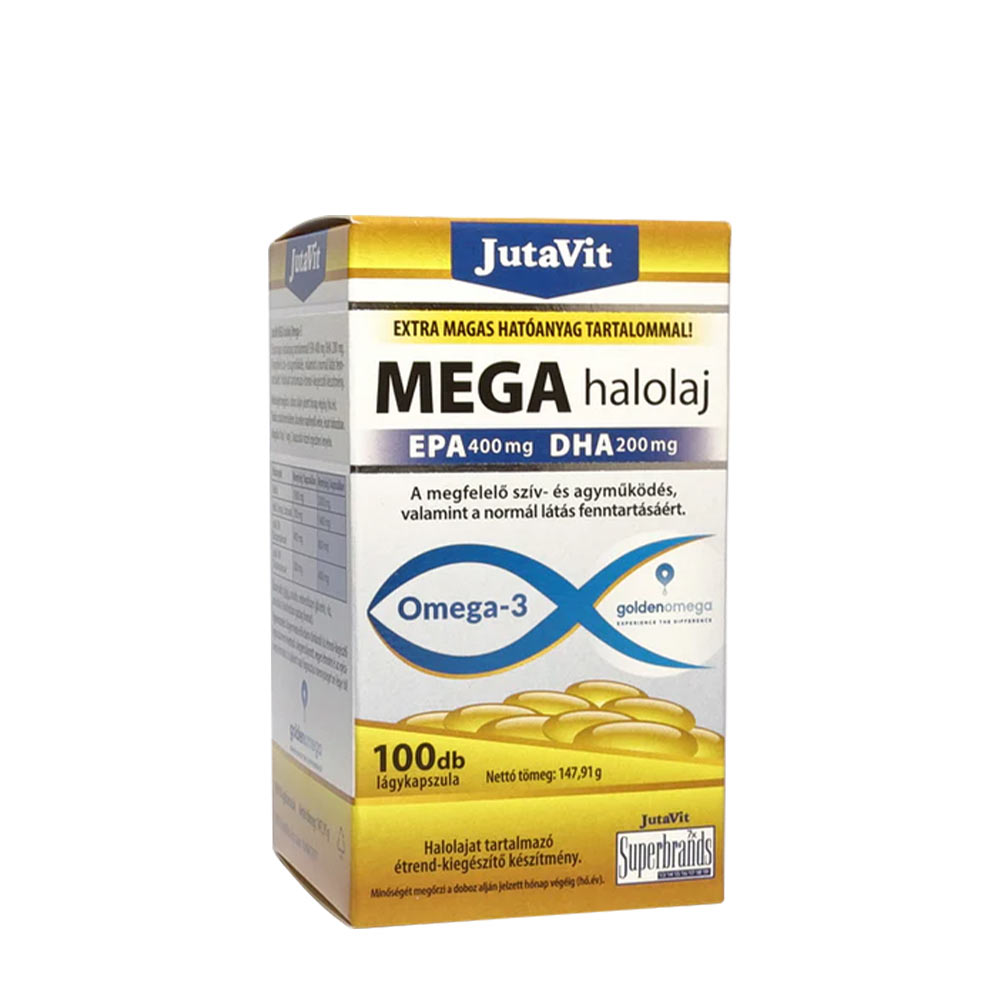
Jutavit
JutaVit - Mega Halolaj Omega-3 - 100 Sgels
260 krIn stockWhy is this shown?
Katalogkoppling till samtliga valda ingredienser · Ämnesnamnet förekommer i produktnamnet · I lager


