What is omega-3 DHA, and why does it matter?
Short answer
DHA is docosahexaenoic acid, a long-chain omega-3 fat that is especially concentrated in the brain and retina. Algal oil is the main direct non-fish source mentioned for vegetarians and vegans.
Quick facts
- DHA means docosahexaenoic acid.
- DHA is a long-chain omega-3 polyunsaturated fatty acid.
- It is especially concentrated in brain and retinal tissue.
- ALA conversion to longer-chain omega-3s is limited.
- Fish oil capsule weight is not the same as DHA content.
- Algal oil is a direct DHA source for vegetarians and vegans.

What is omega-3 DHA, and how is it different?
DHA is one member of the omega-3 family
DHA means docosahexaenoic acid, a long-chain omega-3 polyunsaturated fatty acid with the shorthand 22:6 n-3. The family name omega-3 covers several different fats, including ALA, EPA, DPA and DHA; NIH ODS notes that DHA is especially concentrated in brain and retinal tissue. NIH ODS omega-3 fact sheet
The chain notation matters because these fats are not identical: EPA is 20:5 n-3, DPA is 22:5 n-3, and DHA is 22:6 n-3. DPA is a distinct omega-3 fatty acid, not another name for DHA, and it sits between EPA and DHA in the metabolic pathway. NIH ODS omega-3 fact sheet
How ALA, EPA, DPA and DHA relate
ALA is the plant omega-3 precursor. Human conversion of ALA to longer-chain omega-3s is limited: NIH ODS reports the process it describes at less than 15%. That is why a food or supplement rich in ALA is not the same thing as a direct DHA source. NIH ODS omega-3 fact sheet
DHA and EPA can be obtained preformed from seafood or certain oils, and DHA also appears in algal-oil capsules. One PubMed study described algal-oil capsules and cooked salmon as nutritionally equivalent sources of DHA. PubMed: algal-oil capsules and cooked salmon
| Fatty acid | Family shorthand | Typical description |
|---|---|---|
| ALA | ALA | Plant omega-3 precursor with limited conversion to longer-chain omega-3s |
| EPA | 20:5 n-3 | Long-chain omega-3 obtained preformed from seafood or certain oils |
| DPA | 22:5 n-3 | Distinct omega-3 between EPA and DHA in the pathway |
| DHA | 22:6 n-3 | Long-chain omega-3 especially concentrated in brain and retina |
Why labels often say omega-3
The number that matters on the label is the amount of each fatty acid: NIH ODS gives an example of a 1,000 mg fish-oil capsule that may provide only about 120 mg DHA and 180 mg EPA. Capsule weight and omega-3 content are therefore not the same thing. NIH ODS omega-3 fact sheet
Check the milligrams of DHA and EPA, not just the total oil weight of the capsule.
That is the simplest way to compare products when the front label only says “omega-3.” NIH ODS omega-3 fact sheet
What does DHA do in the brain, eyes and body?
A structural fat in brain and retinal membranes
DHA is incorporated into neural and retinal cell membranes, and NIH notes that it is especially concentrated in the brain and retina. That makes it a structural nutrient: membrane composition helps set the environment in which cells work, rather than acting like a stimulant or a quick-performance ingredient.

The approved European wording reflects that limited but real scope: “DHA contributes to maintenance of normal brain function” and “DHA contributes to the maintenance of normal vision”. In both cases, the condition is the same: the food must provide a daily intake of 250 mg of DHA. Those are claim conditions, not a promise of an immediate mental or visual effect.
Why pregnancy and infancy get special attention
The strongest reason DHA is discussed separately from other omega-3 fats is development. EFSA sets an intake of 100 mg/day DHA for older infants over six months and under 24 months, and for pregnancy and lactation it adds 100–200 mg/day of preformed DHA on top of 250 mg/day EPA plus DHA. That fits DHA’s role in the developing brain and visual system, not a claim that more always means better.
| Life stage | What DHA is doing | What that does not prove |
|---|---|---|
| Fetus and infant | Supporting membrane structure in the developing brain and eyes | Guaranteed gains in test scores or vision |
| Adults | Maintaining DHA-rich membranes in brain and retina | Fast cognitive enhancement or disease treatment |
Adult roles are plausible, but not hype
A systematic review of pregnancy-only randomized trials found mixed results across child cognitive measures, and a more recent meta-analysis reported no significant improvement in the neurodevelopmental domains it assessed. That is why DHA is best understood as a nutrient with a defined place in membranes, not a fast-acting “brain booster.”
DHA helps build and maintain brain- and retina-rich membranes; it is not a stimulant, and more DHA is not the same as a guaranteed functional gain.
For readers choosing a product, the practical takeaway is simple: look for the milligrams of DHA on the label, not the size of the oil capsule.
What does DPA add to EPA and DHA?
DPA sits between EPA and DHA in the omega-3 pathway
DPA means docosapentaenoic acid and is written as 22:5 n-3; in the omega-3 pathway it sits between EPA and DHA. The NIH ODS fact sheet describes the sequence ALA → EPA → DPA → DHA, while also noting that conversion from ALA into longer-chain omega-3s is limited. In the human body, DPA is therefore not a synonym for DHA and not a separate name for fish oil; it is a distinct fatty acid with its own place in the chain. NIH ODS omega-3 fact sheet
Short human studies show that the pathway is active in both directions around DPA. In 14 healthy adults, about 4 g/day of purified EPA or DHA ethyl esters for five weeks led to EPA being elongated to DPA and some DHA converting back toward EPA. In a separate crossover study in 12 women, 1 g/day of purified DPA for six days raised both DPA and EPA in red-blood-cell phospholipids. Those results show that DPA can change measurable blood fatty acids, but they do not show a long-term health advantage from choosing a supplement because it contains DPA. PubMed: purified EPA and DHA fatty-acid absorption study PubMed: short-term n-3 DPA supplementation study
| Fatty acid | Position | What the evidence here shows |
|---|---|---|
| ALA | Starting omega-3 | Can be converted onward, but the conversion is limited. NIH ODS omega-3 fact sheet |
| EPA | Before DPA | Can be elongated to DPA in humans. PubMed: purified EPA and DHA fatty-acid absorption study |
| DPA | Between EPA and DHA | Changes blood fatty-acid markers, but short studies do not establish a clinical benefit. PubMed: short-term n-3 DPA supplementation study PubMed: divergent lipid mediator profile after DPA and EPA |
| DHA | Downstream omega-3 | Has its own official intake guidance; DPA does not. EFSA DRVs summary report NIH ODS omega-3 fact sheet |
Why DPA usually stays secondary when choosing a supplement
For buying decisions, DPA is usually secondary because the cited intake guidance specifies ALA, EPA + DHA or DHA—not a DPA target. EFSA’s adult adequate intake is 250 mg/day of EPA plus DHA combined, and for ages over six months to under two years it gives 100 mg/day DHA; the US guidance listed by NIH ODS sets AIs for ALA, not for DHA, EPA or DPA. That means a supplement label that highlights DPA is not filling an official intake category in the way a declared DHA amount can. EFSA DRVs summary report NIH ODS omega-3 fact sheet
A rise in blood DPA is a biomarker change, not proof that a product delivers better health outcomes.
The practical check is simple: if your goal is a DHA-oriented supplement choice, compare the milligrams of DHA per serving first, then treat DPA as a minor ingredient unless a product gives a clear reason to focus on it. PubMed: divergent lipid mediator profile after DPA and EPA NIH ODS omega-3 fact sheet
What do research and authorised claims actually support?
EU law separates authorised claims from broader marketing language, and that distinction matters. For DHA, the exact authorised wording is DHA contributes to maintenance of normal brain function and DHA contributes to the maintenance of normal vision, and each claim may be used only for food which provides a daily intake of 250 mg of DHA. These are claim conditions, not everyday dose targets or disease promises. EUR-Lex 2012/432

| Claim area | Legal condition | Reader meaning |
|---|---|---|
| DHA and brain | 250 mg/day DHA | Normal-function wording, not a claim about memory, grades or dementia |
| DHA and vision | 250 mg/day DHA | Normal-function wording, not an eye-disease treatment claim |
| EPA + DHA and heart | 250 mg/day EPA + DHA | Normal heart-function wording, not a prevention claim |
| Maternal DHA | 200 mg/day DHA in addition to 250 mg/day EPA + DHA | Normal brain and eye development of the fetus and breastfed infant |
For pregnancy, the authorised wording is narrower than many marketing headlines. The evidence originally submitted was insufficient to establish that supplementary maternal DHA improved children’s cognitive or visual development, so the authorised wording stayed with normal development. EUR-Lex 32011/440
Where research is stronger, it is still more specific than a broad “benefits everyone” claim. In a 2023 meta-analysis of cardiovascular randomised trials, the combined major-event outcome was not significantly reduced (hazard ratio 0.98; 95% CI 0.91–1.06), although cardiovascular mortality was lower and atrial fibrillation was higher (HR 1.56; 95% CI 1.27–1.91). A 2025 meta-analysis of 34 trials and 114,326 participants aged at least 50 found a significant increase in new atrial fibrillation in the high-cardiovascular-risk, >1,500-mg/day EPA/DHA subgroup (odds ratio 1.48; 95% CI 1.21–1.81). PubMed cardiovascular meta-analysis
Cognition, dry eye and inflammation are mixed, not simple. In a 2024 systematic review of adult trials with at least 100 participants, only 5 of 24 articles reported improved cognition, and all four Alzheimer’s disease trials were null. A separate review of 19 randomised trials and 4,246 dry-eye patients reported symptom improvement, but the patient groups, causes and regimens varied. EPA and DHA can affect inflammatory pathways, but that mechanism alone does not establish a clinical claim. PubMed cognition review PubMed dry-eye review
When doses, formulas, populations and follow-up tests differ, one headline benefit does not automatically apply to every reader.
That is why an omega-3 label should be read as a precise intake statement, not as a shortcut from one study to every possible outcome.
How much DHA, EPA and DPA do you need?
Daily targets depend on which authority you follow, and they are not interchangeable. EFSA’s adult adequate intake is 250 mg/day of EPA plus DHA combined, not 250 mg of each fat, and EFSA says the evidence was not enough to set an average requirement, so this AI is a practical reference value rather than a measured minimum for every person. EFSA dietary reference values summary report
For pregnancy and lactation, EFSA keeps the adult 250 mg/day EPA + DHA and adds 100–200 mg/day of preformed DHA. For infants older than six months and younger than two years, EFSA sets 100 mg/day DHA. The Nordic Nutrition Recommendations 2023 also include 200 mg/day DHA for pregnant and lactating people. EFSA dietary reference values summary report Nordic Nutrition Recommendations 2023
| Authority | Group | Daily target | What it refers to |
|---|---|---|---|
| EFSA | Adults | 250 mg/day | EPA + DHA combined |
| EFSA | Pregnancy and lactation | 250 mg/day + 100–200 mg/day | EPA + DHA, plus preformed DHA |
| EFSA | 6 months to under 2 years | 100 mg/day | DHA |
| US NIH ODS | Age 1+ years | No separate EPA, DHA or DPA target | Adult AIs are for ALA: 1.6 g/day men, 1.1 g/day women; infant AI is 0.5 g/day total omega-3 |
The US NIH Office of Dietary Supplements does not set a separate EPA-, DHA- or DPA-specific target for people aged one year and older; its adult AIs are for ALA, and the infant figure is for total omega-3, not DHA alone. None of the cited guidance sets a separate official DPA goal, so readers should not expect a number for DPA comparable with the DHA and EPA figures above. NIH Office of Dietary Supplements omega-3 fact sheet
DHA contributes to maintenance of normal brain function — the claim may be used only for food which provides a daily intake of 250 mg of DHA. DHA contributes to the maintenance of normal vision — the claim may be used only for food which provides a daily intake of 250 mg of DHA. EU claim conditions
Because intake is expressed in milligrams per day, comparing products by capsule count alone is misleading. For a DHA-related purchase, the relevant label figure is the milligrams of DHA per daily serving, not the total fish oil amount or the number of capsules in the tub. NIH Office of Dietary Supplements omega-3 fact sheet
Which foods provide DHA, EPA and DPA?
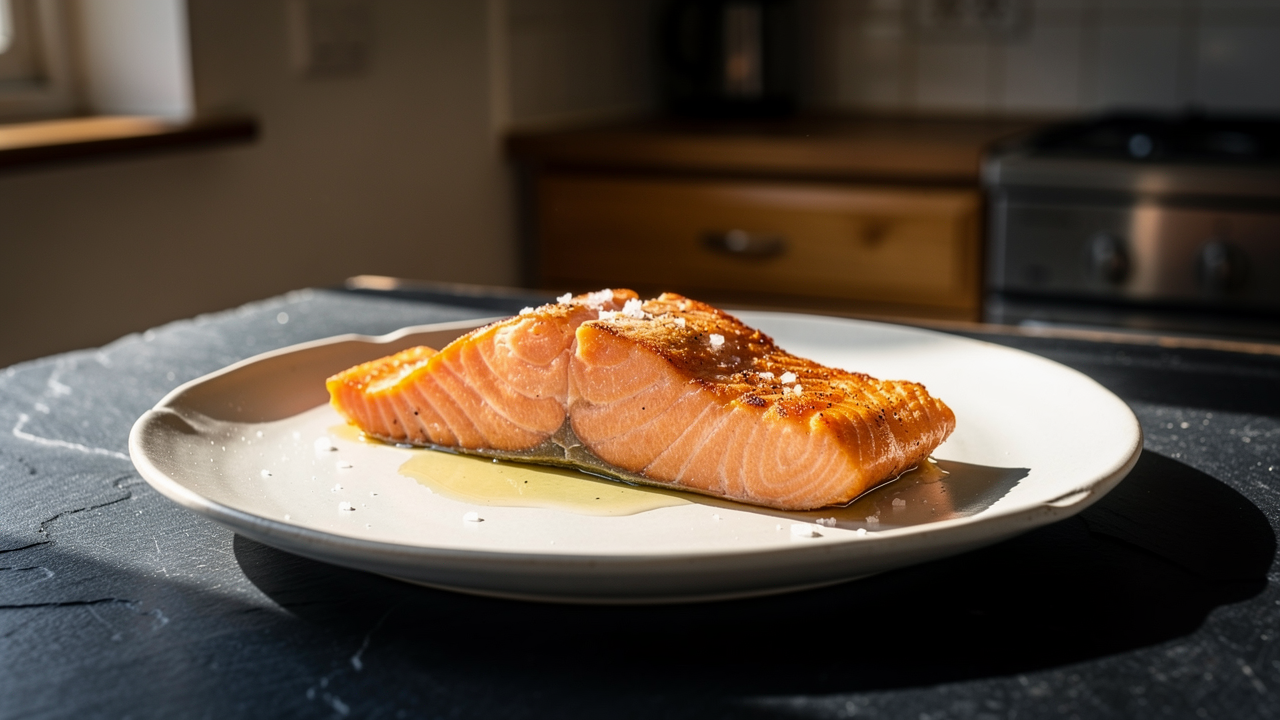
The clearest everyday numbers in the retrieved material are for oily fish, and they are given for the specified prepared serving, not for a raw whole fish. NIH ODS reports that per 3 oz, about 85 g, cooked edible portion, farmed Atlantic salmon provides about 1.24 g DHA and 0.59 g EPA; wild Atlantic salmon, 1.22 g DHA and 0.35 g EPA; Atlantic herring, 0.94 g DHA and 0.77 g EPA; Atlantic mackerel, 0.59 g DHA and 0.43 g EPA; and canned sardines in tomato sauce, drained, 0.74 g DHA and 0.45 g EPA. Species, feed and preparation change the values, so the same fish name is not a fixed number. NIH ODS omega-3 factsheet
| Food or product | Serving used in the source | DHA | EPA | Practical note |
|---|---|---|---|---|
| Farmed Atlantic salmon | 3 oz cooked edible portion | 1.24 g | 0.59 g | Prepared serving only |
| Wild Atlantic salmon | 3 oz cooked edible portion | 1.22 g | 0.35 g | Prepared serving only |
| Atlantic herring | 3 oz cooked edible portion | 0.94 g | 0.77 g | Prepared serving only |
| Atlantic mackerel | 3 oz cooked edible portion | 0.59 g | 0.43 g | Prepared serving only |
| Canned sardines in tomato sauce, drained | 3 oz | 0.74 g | 0.45 g | Drainage is part of the serving |
| Fish oil capsule | 1,000 mg oil | about 120 mg | about 180 mg | Oil weight is not the same as DHA + EPA |
| Algal oil capsule | Serving varies | about 100–300 mg | may or may not contain EPA | Direct DHA source for vegetarians and vegans |
What about white fish and shellfish?
The retrieved food table excerpt does not give a white-fish average or a serving-by-serving shellfish figure. NIH ODS does note lower-mercury seafood advice of 8–12 oz per week, naming options including salmon, sardines, oysters and trout, but that advice is not a per-serving omega-3 table. NIH ODS omega-3 factsheet
Where vegetarians and vegans can look
For vegetarians and vegans, the practical direct source of DHA in the retrieved material is algae. The same source says algal oils often provide about 100–300 mg DHA per serving and may or may not contain EPA. NIH ODS omega-3 factsheet
Where DPA fits
DPA is a distinct omega-3 fatty acid, but the accessible NIH/USDA serving table reported by NIH ODS lists DHA and EPA separately and not DPA. That means the everyday food comparisons most readers can make are still centered on DHA and EPA, while DPA is not usually the number shown in standard food tables. NIH ODS omega-3 factsheet
For day-to-day shopping, the most usable numbers are the declared DHA and EPA amounts for the exact prepared serving; DPA is recognised, but it is not usually quantified in the common food table excerpt.
How should you choose a DHA or omega-3 supplement?
Match the format to your goal
| Format | What it usually offers | Who it may suit | Label check |
|---|---|---|---|
| Fish oil | Usually a mix of DHA and EPA; a 1,000 mg fish-oil capsule may provide only about 120 mg DHA and 180 mg EPA. | People who want a mainstream marine omega-3 source. | Check the milligrams of DHA and EPA per daily serving, not the oil weight. |
| Cod liver oil | Marine omega-3s plus vitamins A and D, which need separate checking. | People who deliberately want a combined oil-and-vitamin product. | Look closely at vitamin A and D amounts as well as DHA and EPA. |
| Algal oil | A non-fish DHA source; some products supply around 100–300 mg DHA per serving. | People avoiding fish or preferring a vegan option. | Confirm the DHA milligrams per serving and whether EPA is present. |
| Krill oil | Omega-3s mainly in phospholipids; evidence that it absorbs better than fish oil is mixed. | People who prefer a marine oil in a different lipid form. | Do not pay extra for the format alone. |
NIH ODS reports that omega-3 supplements can come as triglycerides, re-esterified triglycerides, free fatty acids, ethyl esters and phospholipids. In plain terms, that is the way the fat is packaged. ODS notes somewhat greater bioavailability for triglyceride, re-esterified triglyceride and free-fatty-acid forms than for ethyl esters, while all of these forms raise blood EPA and DHA. The practical difference is usually about absorption and tolerance, not a guarantee of a better result.
Read the Supplement Facts, not the front panel
Front-of-pack phrases such as “high-strength” can hide a simple fact: the capsule weight is not the same as the omega-3 content. A product may say 1,000 mg fish oil, yet list far less DHA and EPA on the Supplement Facts panel. If DPA is included, it should be listed separately; DHA and EPA are not interchangeable with DPA.
The number that matters is the milligrams of DHA and EPA per daily serving, not the milligrams of oil in the capsule.
If you want a product for the EU brain or vision claim, the authorised wording is exact: “DHA contributes to the maintenance of normal brain function” and “DHA contributes to the maintenance of normal vision”. The condition is also exact: the claim may be used only for food which provides a daily intake of 250 mg of DHA.
Use quality signals, but don’t overread them
Look for oxidation control, third-party testing, purity information and sustainability details, because these are sensible quality checks. A short randomized trial of oxidised fish oil found very different peroxide and anisidine values between products but no significant differences in the measured oxidative-stress and inflammation markers, so a freshness claim alone does not prove a better result.
Before choosing, decide whether you want a fish oil, a cod liver oil, a vegan algal oil or a krill oil, then compare the declared DHA and EPA per daily dose. Concentration matters; the brand name on the front does not.
What are the safety issues and who needs medical advice?
Omega-3 supplements are usually tolerated well, but the NIH ODS lists gastrointestinal discomfort, reflux and an unpleasant taste among the common side effects, which is why some people notice a fishy aftertaste after swallowing capsules. The evidence here is stronger on dose than on form: ODS says triglyceride, re-esterified triglyceride and free-fatty-acid forms are somewhat more bioavailable than ethyl esters, but all forms still raise blood EPA and DHA. NIH ODS omega-3 fact sheet
Medicines, bleeding and monitoring
If you use an anticoagulant, especially warfarin, discuss omega-3 supplements with your clinician and ask whether monitoring is needed. ODS notes that most studies using 3–6 g/day fish oil did not significantly change anticoagulant status in warfarin users, but it still advises caution. In the REDUCE-IT trial, serious bleeding occurred in 2.7% of the icosapent ethyl group versus 2.1% with placebo, a difference that was not statistically significant at P=0.06. NIH ODS omega-3 fact sheet REDUCE-IT trial
| Who should check first | Why it matters | Practical step |
|---|---|---|
| People taking anticoagulants | ODS advises discussion and monitoring; most 3–6 g/day studies did not show a significant change in anticoagulant status. NIH ODS omega-3 fact sheet | Share the exact product and dose. |
| Pregnant people using cod-liver oil | Cod-liver oil contains vitamin A; the US upper limit for preformed vitamin A is 3,000 mcg RAE/day for adults, including pregnancy. NIH ODS omega-3 fact sheet | Check the vitamin A amount, not only DHA. |
The safest habit is to match the product to the person’s medicines, pregnancy status and planned dose, then ask a clinician if the product is concentrated rather than food-like. NIH ODS omega-3 fact sheet
When dose discipline matters most
The key difference is between ordinary dietary intake and concentrated supplements. ODS says the 4 g/day safety findings came from large trials in people with cardiovascular disease or high cardiovascular risk, not from normal meals, so “more” is not automatically better or safer. NIH ODS omega-3 fact sheet
Safety and precautions
Omega-3 supplements are usually tolerated well, but gastrointestinal discomfort, reflux and an unpleasant taste can happen. If you use medicines, especially anticoagulants, ask a healthcare professional before starting an omega-3 supplement.
Pregnant or breastfeeding people should get medical advice first, and children should also be checked with a healthcare professional before use. If you choose cod liver oil, check vitamin A as well as DHA and EPA.
Supplements with the ingredients in this article
Compare contents, dose and price
Frequently asked questions
What is the omega-3 index, and is it useful for most people?
The article does not discuss the omega-3 index, so it does not say whether it is useful for most people. What it does stress is that DHA and EPA amounts per daily serving are the numbers to compare on a label.
Does cooking, frying or canning fish reduce its DHA and EPA content much?
The article does not give a percentage loss from cooking, frying or canning. It does say that omega-3 values vary by species, feed and preparation, and that the figures shown are for specific prepared servings such as cooked edible portions or drained canned fish.
Can vegetarians get enough DHA without eating fish or taking fish oil?
The article says algae are the practical direct source of DHA for vegetarians and vegans, and that algal oils often provide about 100 to 300 mg DHA per serving. It also notes that some algal oils may contain EPA and some may not.
Do omega-3 supplements lose quality over time, and how can you tell if they are stale?
The article says oxidation control, third-party testing and purity information are sensible quality checks. It also notes that oxidised fish-oil products can have very different peroxide and anisidine values, and that an unpleasant taste can happen with omega-3 supplements, but it does not give a simple home test for staleness.
Sources
- Omega-3 Fatty Acids - Health Professional Fact Sheet (external link)
- Effects of highly purified eicosapentaenoic acid and docosahexaenoic acid on fatty acid absorption, incorporation into serum phospholipids and postprandial triglyceridemia - PubMed (external link)
- Dietary Reference Values for nutrients Summary report (external link)
- NORDIC NUTRITION RECOMMENDATIONS 2023 (external link)
- Omega-3 Fatty Acid Dietary Supplements Consumed During Pregnancy and Lactation and Child Neurodevelopment: A Systematic Review - PubMed (external link)
- A short-term n-3 DPA supplementation study in humans - PubMed (external link)
- Divergent shifts in lipid mediator profile following supplementation with n-3 docosapentaenoic acid and eicosapentaenoic acid - PubMed (external link)
- untitled (external link)
- Regulation - 440/2011 - IT - EUR-Lex (external link)
- Omega-3 Polyunsaturated Fatty Acids Supplements and Cardiovascular Disease Outcome: A Systematic Review and Meta-Analysis on Randomized Controlled Trials - PubMed (external link)
- Designing Newer Omega-3 Supplementation Trials for Cognitive Outcomes: A Systematic Review Guided Analysis - PubMed (external link)
- Efficacy of Omega-3 Intake in Managing Dry Eye Disease: A Systematic Review and Meta-Analysis of Randomized Controlled Trials. (external link)
- Algal-oil capsules and cooked salmon: nutritionally equivalent sources of docosahexaenoic acid - PubMed (external link)
- Oxidised fish oil does not influence established markers of oxidative stress in healthy human subjects: a randomised controlled trial - PubMed (external link)
- Cardiovascular Risk Reduction with Icosapent Ethyl for Hypertriglyceridemia - PubMed (external link)
Read more
Products related to this article
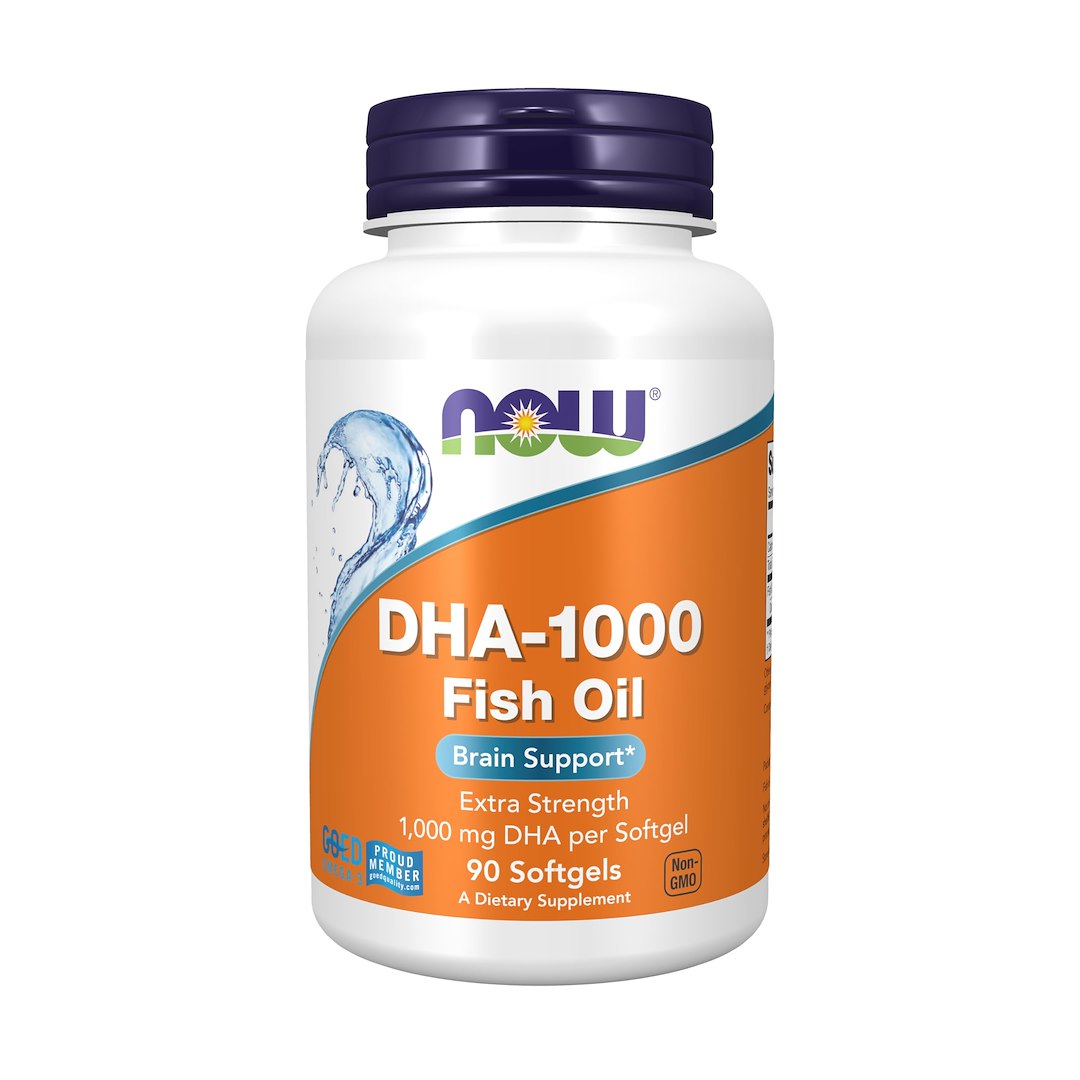
NOW Foods
NOW Foods - DHA-1000 Brain Support - 90 Sgels
510 krIn stockWhy is this shown?
Historiskt katalogurval. Innehåll, mängd och form behöver kontrolleras mot aktuellt underlag.

Garden Of Life
Garden Of Life - Dr. Formulated Prenatal DHA - 30 Sgels
307 krIn stockWhy is this shown?
Historiskt katalogurval. Innehåll, mängd och form behöver kontrolleras mot aktuellt underlag.
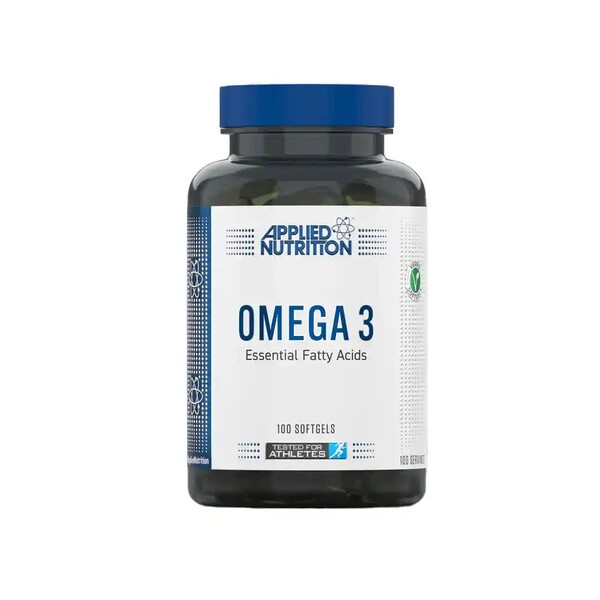
Applied Nutrition
Applied Nutrition - Omega 3 - 100 Sgels
225 krIn stockWhy is this shown?
Historiskt katalogurval. Innehåll, mängd och form behöver kontrolleras mot aktuellt underlag.
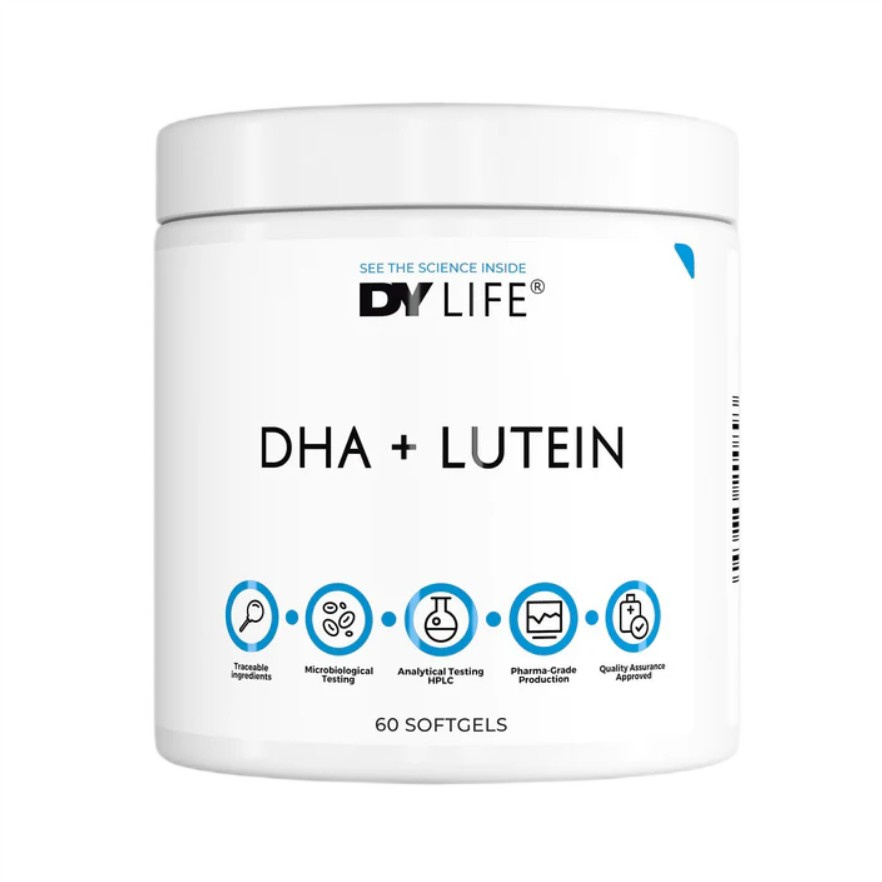
DY LIFE
DY LIFE - DHA + Lutein - 60 softgels
176 krIn stockWhy is this shown?
Historiskt katalogurval. Innehåll, mängd och form behöver kontrolleras mot aktuellt underlag.
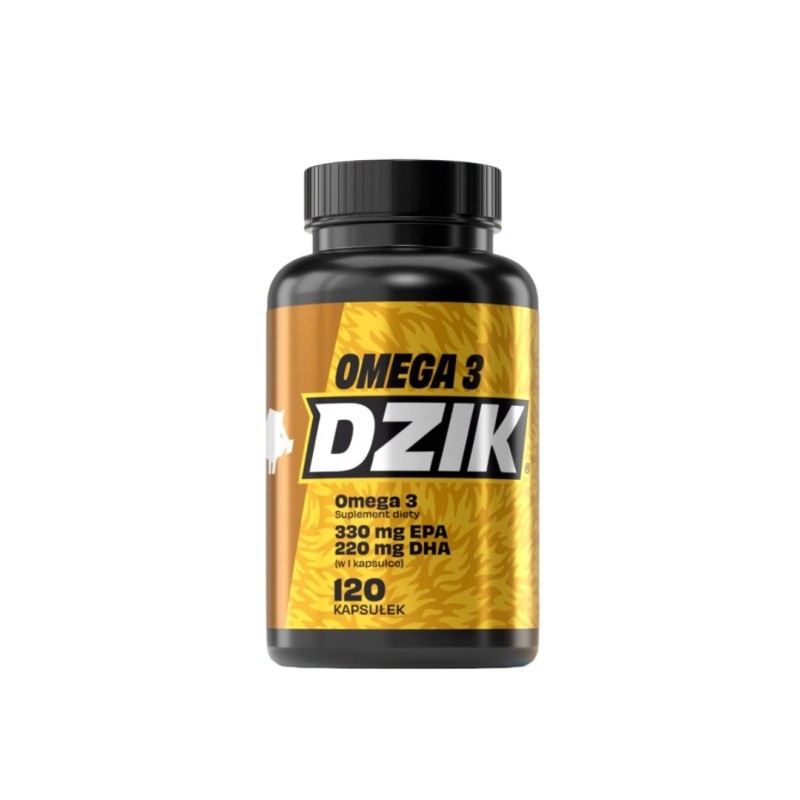
DZIK
DZIK - Omega 3 - 120 Caps
213 krIn stockWhy is this shown?
Historiskt katalogurval. Innehåll, mängd och form behöver kontrolleras mot aktuellt underlag.


