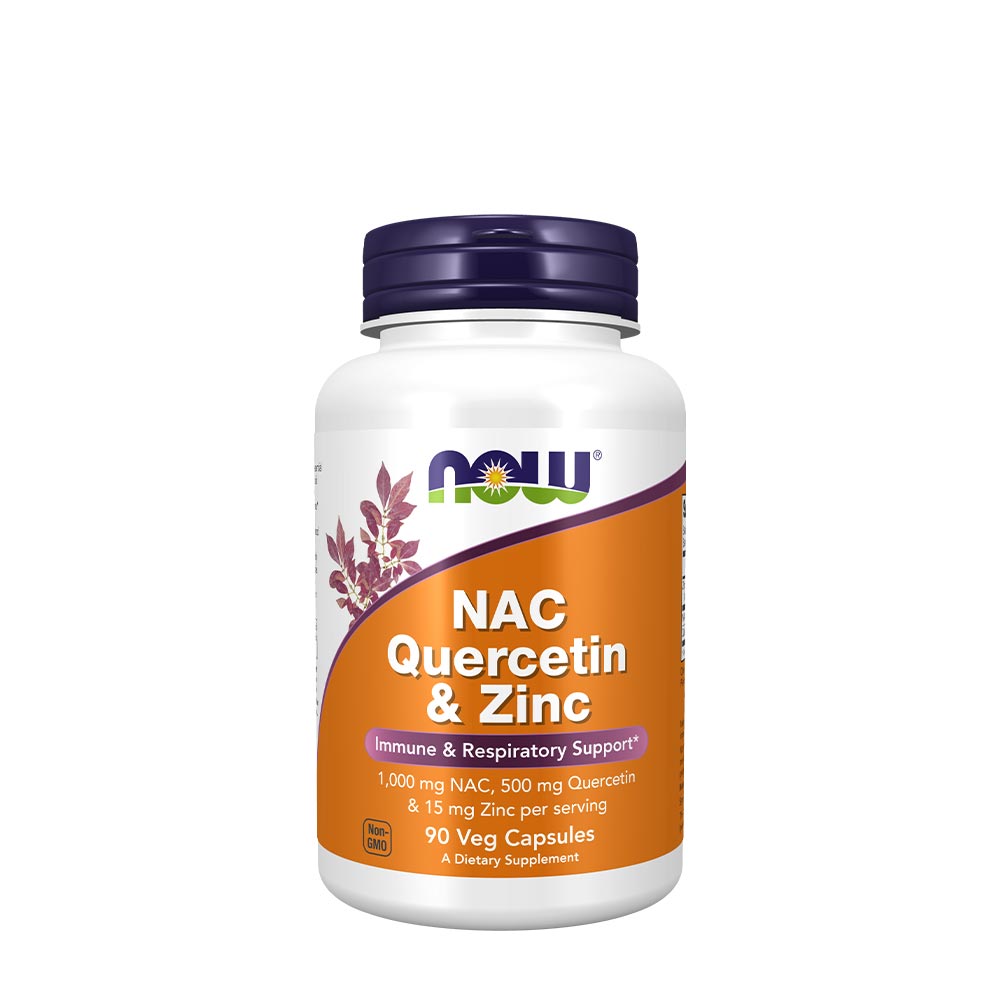
Zinc: sources, forms and supplement choice
Short answer
Zinc is found in animal foods (meat, seafood and dairy) and plant foods (nuts, seeds, legumes, whole grains and leafy vegetables). The supplement forms most often encountered are peptide-chelated forms (ZCP) and zinc-l-carnosine chelate.
Quick facts
- An adult’s body contains about 2–3 g of zinc https://pubmed.ncbi.nlm.nih.gov/42645799/ .
- Zinc from plant foods has lower bioavailability because of phytates https://pubmed.ncbi.nlm.nih.gov/42581029/ .
- Zinc-chelating peptides (ZCP) show greater stability in the digestive tract https://pubmed.ncbi.nlm.nih.gov/42588032/ .
- Zinc-l-carnosine does not dissolve rapidly under gastric conditions and requires further research into its bioavailability https://pubmed.ncbi.nlm.nih.gov/42317619/ .

What is zinc and which foods contain it?
Zinc (Zn) is an essential trace element that plays a key role in numerous physiological processes, including the control of immune-system activity, cell survival, nervous system function and erythropoiesis https://pubmed.ncbi.nlm.nih.gov/42645799/. An adult human body contains about 2–3 g of this element, and its presence is required for the proper functioning of hundreds of enzymes.
Natural dietary sources of zinc can be divided into foods of animal and plant origin. The richest animal sources include:
- red meat (beef, lamb), poultry and offal (e.g. liver),
- seafood, especially oysters, mussels and shrimp,
- dairy products – hard cheese, cottage cheese and milk.
Plant foods provide smaller amounts of zinc, but are important in a plant-based diet. The main sources include:
- nuts and seeds – pumpkin seeds, sunflower seeds, cashews and almonds,
- legumes – lentils, chickpeas and beans,
- whole-grain cereals – oats, barley and quinoa,
- leafy vegetables – spinach and kale.
Zinc bioavailability from plant foods may be lower than from animal foods because they contain binding compounds such as phytates, which form insoluble complexes with minerals https://pubmed.ncbi.nlm.nih.gov/42581029/. In vitro studies using the INFOGEST protocol show that the food matrix significantly affects the extent to which zinc is released and absorbed, making it difficult to estimate precisely how much is available from a plant-based diet.
However, their effectiveness requires further clinical validation.
One novel source of zinc under evaluation is zinc-l-carnosine, considered a novel food. The EFSA Panel notes that the available data do not rule out the presence of small particles, including nanoparticles, and do not confirm rapid dissolution under gastric conditions. This means its bioavailability and safety have not yet been fully established https://pubmed.ncbi.nlm.nih.gov/42317619/.
Therefore, when planning a balanced diet, it is worth including both animal and plant sources, as well as preparation techniques (e.g. soaking and fermentation) that may reduce the effect of inhibitors and increase the absorption of this trace element.
What forms of zinc are found in supplements?
In dietary supplements, zinc is available in various chemical forms that differ in how the Zn²⁺ ion is coordinated, how they are produced and their physicochemical properties. The most common groups are:
- Zinc-chelating peptides (ZCP) – short amino acid chains derived from food proteins that form complexes with zinc ions through coordination bonds. Studies have shown that ZCP are highly stable under gastrointestinal conditions, limit mineral precipitation and enable more efficient transport by intestinal zinc-transporting proteins S2. ZCP can also modulate the epithelial barrier and interact with the intestinal microenvironment, which may affect overall mineral availability S2. At the same time, the authors emphasize that research to date is limited in the number of clinical studies and in detailed understanding of transport kinetics in the human gastrointestinal tract.
- Zinc-l-carnosine (Zn-l-carnosine chelate) – a synthetic complex in which the Zn²⁺ ion is bound to the dipeptide l-carnosine. The product is available as a powder, is insoluble in water at neutral pH and does not dissolve rapidly under gastric conditions S5. The EFSA Panel notes that the available data do not rule out the presence of small particles, including nanoparticles, and that the actual bioavailability of zinc from this source remains unverified S5. The assessment also emphasizes that the physicochemical properties of the novel food have not been fully characterized, making it difficult to assess its behaviour in the gastrointestinal tract.
The key differences between these forms include:
- Stability in the gastrointestinal tract – ZCP show greater stability and a lower risk of precipitation, whereas the Zn-l-carnosine chelate is described as insoluble in water at neutral pH, with an undetermined rate of release in the stomach.
- Production method – ZCP are derived from natural food proteins, whereas Zn-l-carnosine is produced by chemical synthesis.
- Particle characteristics – EFSA indicates that small particles, including nanoparticles, may be present in the Zn-l-carnosine product, which may affect its behaviour in the digestive system S5.
- Scope of available data – ZCP are described in the literature as promising carriers, but their clinical validation is limited S2. For Zn-l-carnosine, there is insufficient data to confirm bioavailability and safety at the proposed intake levels S5.
The choice of a particular form of zinc in a supplement depends on the manufacturer’s requirements for stability and production method, as well as the desired technical characteristics and availability of scientific data.
Mechanisms of zinc absorption and transport in the gastrointestinal tract
Zinc is absorbed mainly in the duodenum and small intestine. This process is regulated by both the chemical form of zinc and the presence of ligands that can form complexes with it.
Role of chelating peptides
Such complexes show more efficient transport across intestinal barriers compared with traditional zinc salts [S2]. Zinc-peptide (ZCP) may also affect the integrity of the epithelial barrier, supporting the controlled flow of ions.
Intestinal transporters
After dissolving in the intestinal environment, free Zn2+ ions are taken up by specific membrane transporters such as ZIP4 (SLC39A4) and ZnT-1 (SLC30A1). Their activity depends on the availability of free ions and therefore on the degree of dissociation of the peptide complex. Because they precipitate less, peptide complexes provide a greater amount of free zinc available to these transporters [S2].
Methods for assessing bioavailability
The standard INFOGEST in vitro model, used to simulate digestion, makes it possible to determine the bioactive fraction of zinc after exposure to gastrointestinal conditions. This method accounts for both solubility and interactions with other components of the food matrix, allowing different forms of zinc to be compared in terms of their potential availability in the gastrointestinal tract [S4]. Results obtained using INFOGEST indicate that zinc-peptide complexes have a higher fraction of the bioactive form than non-chelated salts.
Summary of key factors affecting absorption
- Stability of the zinc-peptide complex under gastric conditions.
- The degree of complex dissociation, which determines the availability of free Zn2+ ions to transporters.
- The presence and activity of specific transporters (ZIP4, ZnT-1) in enterocytes.
- Bioactivity assessment methods such as INFOGEST, which allow different forms of zinc to be compared in terms of their potential bioavailability [S4].
Association between zinc deficiency and anemia
Zinc deficiency may play a part in the development of anemia, as described in the review A Narrative Review of Zinc Deficiency-Associated Anemia. The authors emphasize that zinc is an essential trace element in erythropoiesis—the production of red blood cells—and in the stability of their membranes. A lack of this element may affect enzymes involved in heme synthesis and the integrity of erythrocytes, which may consequently raise the risk of their premature breakdown.
The review identifies three main mechanisms through which zinc deficiency affects the blood-forming system:
- Control of erythropoiesis: zinc acts as a cofactor for enzymes involved in the division of bone marrow progenitor cells, which may result in fewer mature erythrocytes.
- Heme synthesis: zinc deficiency disrupts the activity of enzymes involved in heme biosynthesis, which may leave newly formed blood cells with less hemoglobin.
- Erythrocyte stability: zinc affects the integrity of red blood cell membranes; a lack of zinc makes erythrocytes more susceptible to mechanical and oxidative damage, which may shorten their lifespan.
The authors draw attention to groups of patients at higher risk of zinc deficiency and associated anemia, including people with chronic kidney illness, sickle cell disorder, malabsorption disorders, long-term use of proton pump inhibitors, and older adults. In these populations, the causes of anemia may extend beyond traditional factors such as iron deficiency, suggesting that zinc status should be considered in diagnostic assessments.
The review emphasizes that the available evidence comes from different study designs—including observational studies and small clinical interventions—and its strength varies depending on the clinical context. Limitations include small participant numbers, heterogeneity in methods for assessing zinc levels, and a lack of standardized diagnostic criteria. For this reason, the authors call for further well-designed prospective studies to determine the extent to which assessing and potentially correcting zinc status may help explain anemia in selected patient groups.
Limitations of the available data and the need for further research
Current knowledge about the bioavailability and safety of different forms of zinc in supplements is limited. The main gaps concern both laboratory methods and clinical data, making it difficult to draw definitive conclusions for consumers.
In vitro methods versus actual bioavailability
Many studies use an in vitro digestion model, such as the INFOGEST method, to estimate zinc availability after consumption. S4 points out that although this method is widely accepted, there are significant technical issues: interference from reagents, strong matrix-dependent mineral–ligand interactions, and no uniform definition of the “bioactive” fraction after digestion. In addition, difficulties in separating and measuring the bioactive fraction can lead to overestimating or underestimating zinc absorption. These factors limit comparability between studies and call for further validation against in vivo data.
Zinc l-carnosine – a new, not fully characterised form
One example of an innovative form of zinc is the zinc l-carnosine chelate. S5 indicates that the available data do not allow the presence of small particles, including nanoparticles, to be ruled out, and do not confirm rapid dissolution under gastric conditions. In addition, the EFSA Panel notes that, owing to limitations in the submitted studies, the actual bioavailability of zinc from this source at the proposed levels of use remains undetermined. The lack of a full physicochemical characterisation, including solubility at neutral and acidic pH, makes it impossible to reliably assess potential benefits and risks.
Directions for future research
- Standardise and validate in vitro methods against in vivo data so they better reflect actual zinc absorption.
- Comprehensively characterise new forms physicochemically, including analyses of particle size, crystal structure and solubility under gastrointestinal conditions.
- Conduct controlled clinical studies to determine the bioavailability and safety profile of zinc l-carnosine and other innovative chelates.
- Assess potential interactions between different forms of zinc and other dietary components, which may affect their absorption and overall tolerance.
- Develop methods to quantify the bioactive fraction after digestion, taking into account the effects of food matrices and additives.
Progress in these areas of research is essential to ensure a reliable assessment of new sources of zinc and enable consumers to make informed choices about supplements.
Tips for choosing a zinc supplement
Choosing the right zinc supplement involves considering several key criteria that affect product quality and its potential bioavailability. Below are practical recommendations based on the available sources.
1. Chemical form of zinc
- Supplements containing zinc in the form of peptide complexes (so-called zinc-chelating peptides) show greater stability in the gastrointestinal tract and more efficient intestinal transport than traditional zinc salts S2. It is therefore worth considering products in which zinc is bound to short peptide chains.
- Forms such as zinc l-carnosine, a chelate of Zn²⁺ and l-carnosine, do not have sufficient data on their characterisation, bioavailability or safety S5. Therefore, their use should be limited to situations where the manufacturer provides additional, reliable study results.
2. Information about bioavailability
- For products based on zinc peptides, it is worth checking whether the manufacturer provides in vitro or in vivo study results confirming increased mineral availability S2. A lack of such data may indicate lower absorption effectiveness.
- For supplements containing zinc l-carnosine, current EFSA assessments indicate that the bioavailability of this source has not yet been clearly established S5. Consumers should ask the manufacturer for additional studies confirming absorption.
3. Certifications and safety
- Choose products with quality certifications (e.g. GMP, ISO 9001) and markings confirming compliance with EU requirements for food supplements. These markings increase confidence that the product has been checked for purity and the stated ingredient content.
- Avoid supplements that do not provide detailed information about their physicochemical characteristics (e.g. particle size, solubility). This is particularly important for zinc l-carnosine, for which the presence of small particles and the lack of rapid dissolution under gastric conditions have been highlighted as unclear S5.
4. At-risk groups and individual needs
- People who may have a higher requirement for zinc (e.g. athletes, older adults) should consider forms with documented higher bioavailability, such as peptide-zinc complexes S2.
- At the same time, if there are concerns about the safety of a particular form (e.g. zinc l-carnosine), it is recommended to consult a doctor or dietitian before starting supplementation S5.
In summary, when choosing a zinc supplement, it is worth considering its chemical form (preferably peptide complexes), the availability of reliable bioavailability data, and quality and safety certifications. Avoid products whose characteristics are not fully documented, especially zinc l-carnosine.
Safety, interactions and at-risk groups when supplementing with zinc
Further research is needed to assess the safety of different forms of zinc in supplements. The EFSA opinion on zinc l-carnosine points out that the available data do not allow the presence of small particles, including nanoparticles, to be ruled out, and do not confirm rapid dissolution under gastric conditions. Consequently, both the bioavailability and safety of this form at the proposed levels of use remain undetermined.
Groups who should exercise caution
- People over 12 years of age – most of the data concern this age group; supplements are intended for them.
- Pregnant and breastfeeding women – EFSA excludes these groups as the intended recipients of the new source of zinc (zinc l-carnosine).
- People taking medicines that affect stomach acidity (e.g. proton pump inhibitors) – owing to uncertainty about the solubility and absorption of some forms of zinc.
- People with mineral absorption disorders – limited characterisation of bioavailability makes it difficult to assess the risk.
Potential interactions
Although the cited sources do not describe specific interactions between zinc and other substances, there is a general principle of competition for transport in the gastrointestinal tract. Therefore, it is recommended to avoid taking high doses of zinc at the same time as other minerals, such as iron or copper, which may compete for the same absorption mechanisms.
Methodological limitations in assessing bioavailability
Studies on zinc bioavailability often use in vitro digestion models, such as the INFOGEST method. The INFOGEST methodological review points to significant challenges: mineral interference from reagents, strong matrix–ligand interactions, and no uniform definition of the “bioactive” fraction. These limitations make it difficult to translate in vitro results into actual absorption in the body.
New forms of zinc delivery
Peptide-chelating zinc complexes (ZCP) show greater stability in the gastrointestinal tract and potentially more efficient transport, according to studies on chelating peptides. Nevertheless, the authors emphasise that clinical evidence remains limited and the mechanisms of controlled zinc release are not yet fully understood.
Summary
The safety of some forms of zinc, especially zinc l-carnosine, has not yet been fully documented, limiting the possibility of definitively determining their bioavailability and risk. Supplementation should primarily be considered for people over 12 years of age, excluding pregnant and breastfeeding women, and any concerns about interactions with other supplements or medicines should be discussed with a specialist. Further research, including clinical studies and the optimisation of methods for assessing bioavailability, is essential to precisely determine the safety profile of different sources of zinc.
Related reader questions
1. What should you not take zinc with?
- Supplements containing high doses of iron or calcium may reduce zinc availability in the gastrointestinal tract. In vitro studies have shown that the presence of these minerals affects zinc “bioaccessibility” (availability), which may limit its absorption S4.
- Some forms of zinc, such as the l-carnosine chelate, are not fully characterised in terms of safety and bioavailability. EFSA points out that the lack of data does not allow the presence of small particles (including nanoparticles) to be ruled out, and does not confirm rapid dissolution under gastric conditions S5. Therefore, combining such a product with other mineral supplements requires particular care.
2. Can zinc be taken together with other supplements?
- In practice, it is recommended to separate zinc from iron and calcium supplements, for example by taking them at different times of day, to minimise potential interactions affecting absorption S4.
- Forms of zinc with increased stability in the gastrointestinal tract, such as peptide-bound complexes (ZCP), show greater resistance to precipitation and may have more favourable transport properties, although their clinical effects require further study S2. In this case, the risk of interactions with other minerals may be lower, but there is no definitive data on practical recommendations.
3. Are there particular groups who should avoid taking zinc at the same time as other substances?
- People taking high doses of iron or calcium supplements as part of treatment should consult a doctor or pharmacist before taking zinc supplements at the same time, to avoid a potential reduction in the absorption of one of the minerals S4.
- Users of products containing zinc l-carnosine should be aware that their safety and bioavailability have not been fully established, which may require an additional risk assessment when taking other mineral supplements at the same time S5.
4. Are there recommendations on when to take zinc in relation to meals?
- Although the available studies do not provide definitive guidelines, clinical practice suggests that taking zinc on an empty stomach may increase its absorption, while consuming foods rich in iron or calcium at the same time may reduce the availability of this micronutrient S4.
Safety and precautions
Zinc forms with documented stability in the gastrointestinal tract, such as peptide-chelated complexes (ZCP), are considered safe within permitted doses. For zinc-l-carnosine, EFSA notes that there is insufficient data on solubility and the possible presence of nanoparticles, warranting caution when using it, particularly among pregnant and breastfeeding women and people taking medicines that affect stomach acidity.
Supplements with the ingredients in this article
Compare contents, dose and price
Frequently asked questions
Which animal foods are richest in zinc?
The richest animal sources include red meat, poultry, offal, seafood (oysters, mussels and shrimp), and dairy products (hard cheese, cottage cheese and milk) https://pubmed.ncbi.nlm.nih.gov/42645799/ .
Why may zinc bioavailability from plants be lower?
Plants contain phytates, which form insoluble complexes with zinc, limiting its release and absorption https://pubmed.ncbi.nlm.nih.gov/42581029/ .
What are zinc-chelating peptides (ZCP)?
ZCP are short amino acid chains derived from food proteins that form stable complexes with Zn²⁺ ions, increasing their stability in the gastrointestinal tract and transport efficiency https://pubmed.ncbi.nlm.nih.gov/42588032/ .
What are the limitations of current knowledge about zinc-l-carnosine?
The data do not rule out the presence of small particles, including nanoparticles, and do not confirm rapid dissolution under gastric conditions. As a result, the bioavailability and safety of this form have not yet been established https://pubmed.ncbi.nlm.nih.gov/42317619/ .
Which in vitro models are used to assess zinc bioavailability?
The INFOGEST digestion model is widely used to simulate gastrointestinal conditions and assess the bioactive fraction of zinc after digestion https://pubmed.ncbi.nlm.nih.gov/42581029/ .
Who should exercise caution when supplementing with zinc?
Pregnant and breastfeeding women and people taking medicines that affect stomach acidity should avoid undocumented forms such as zinc-l-carnosine because complete safety data are lacking https://pubmed.ncbi.nlm.nih.gov/42317619/ .
Sources
- A Narrative Review of Zinc Deficiency-Associated Anemia. (external link)
- Food-Derived Zinc-Chelating Peptides: Coordination Chemistry, Intestinal Transport, and Nutritional Functionality. (external link)
- Assessing iron, zinc and calcium bioaccessibility using the INFOGEST method: challenges and opportunities. (external link)
- Safety of zinc l-carnosine as a novel food pursuant to Regulation (EU) 2015/2283 and bioavailability of zinc from this source (external link)