What is potassium chloride?
Short answer
Potassium chloride, usually written KCl, is a potassium ingredient used in foods, supplements, and medicines. The label tells you whether it is being used as a food additive, a source of potassium, or an electrolyte medicine.
Quick facts
- Potassium chloride is usually written KCl.
- It is used in foods and medicines.
- EFSA lists it as food additive E 508.
- Supplement labels may show both the ingredient source and the potassium amount.
- FDA allows the alternate food-label name potassium salt when it replaces part of sodium chloride.
- The kidneys are the main route for clearing extra potassium.

What is potassium chloride?
A potassium ingredient with different jobs
Potassium chloride, usually written KCl, is a potassium ingredient used in both foods and medicines. FDA’s food-substances listing places it among ingredients used as a flavor enhancer, nutrient supplement, pH control agent, processing aid, and stabilizer or thickener, while EFSA lists it as food additive E 508. FDA Substances Added to Food EFSA food additive listing
In medicine, the FDA substance record classifies potassium chloride as an electrolyte replacement agent. That is a different use from food processing: the ingredient can appear in a food, a supplement, or a medicine, but the purpose and regulatory category depend on the finished product. FDA potassium chloride substance record
How labels separate the ingredient from the potassium amount
Supplement labels often name the ingredient source and the potassium amount separately. One example label shows “Potassium (as potassium chloride) 80 mg”, and the NIH Office of Dietary Supplements says most potassium supplements provide no more than 99 mg elemental potassium per serving. That is why the same ingredient can appear on a label even when the potassium number is modest. ODS supplement label example NIH ODS potassium health professional fact sheet
FDA also says manufacturers may use “potassium salt” as an alternate name for potassium chloride on food labels when it is used as a partial substitute for sodium chloride. That wording is meant to help shoppers recognize its role as a salt substitute, not as ordinary table salt. FDA labeling guidance
Where you will see it
| Context | What potassium chloride is doing | Label clue |
|---|---|---|
| Food additive | Used for flavoring, stabilization, pH control, or replacing part of sodium chloride | E 508 or “potassium salt” EFSA FDA |
| Dietary supplement | Source of potassium on a Supplement Facts panel | “Potassium (as potassium chloride)” with the potassium amount in mg ODS label example |
| Medicine | Electrolyte replacement agent | Medicinal product labeling and directions FDA |
One ingredient can be used in food, supplements, and medicines, but the label tells you which role it is playing.
For readers, the practical mistake to avoid is assuming every product with potassium chloride is meant for the same purpose. The label may describe a food additive, a supplement source of potassium, or an electrolyte medicine, and those categories are not interchangeable. FDA Substances Added to Food FDA potassium chloride substance record
How does potassium chloride work in the body?
Potassium works inside cells
NIH ODS describes potassium as essential for heart and kidney function, muscle contraction, and nerve transmission, while EFSA says potassium plays a role in fluid distribution, nerve impulse transmission, and muscle contraction. NIH ODS potassium consumer fact sheet EFSA potassium advice

Potassium chloride is a paired salt
Potassium chloride is not potassium by itself; it is the salt made from potassium cations and chloride anions, so the ingredient name refers to both parts of the compound. The cited authorities here describe the potassium side of the story most clearly, but the form still matters because oral potassium chloride products do not all behave the same way once swallowed. FDA substance record for potassium chloride NIH ODS potassium health professional fact sheet
| Form | What the evidence says |
|---|---|
| Liquid potassium chloride | Absorbed within a few hours. NIH ODS potassium health professional fact sheet |
| Enteric-coated potassium chloride tablet | Absorbed more slowly. NIH ODS potassium health professional fact sheet |
| Potassium taken in | Excess potassium is normally excreted in urine. EFSA potassium advice |
| Impaired kidney function | Higher risk of hyperkalaemia with potassium intake. NIH ODS potassium health professional fact sheet |
Why kidney clearance matters
Because the kidneys are the main route for clearing extra potassium, renal function strongly affects safety. NIH ODS warns that people with impaired kidney function, or those taking medicines that reduce potassium excretion, can develop hyperkalaemia. If potassium is being lost faster than it is being replaced, the balance can slip back again unless intake keeps up with the loss. NIH ODS potassium health professional fact sheet EFSA potassium advice
Potassium chloride works as a potassium source, but its effect depends on absorption, ongoing losses, and kidney clearance.
That is why the same ingredient can be useful in one context and unsuitable in another: the body does not treat every potassium chloride product the same way, and the route for removing excess is concentrated in the kidneys. NIH ODS potassium health professional fact sheet EFSA potassium advice
What do authorities say about potassium needs?
In its 2016 opinion, EFSA set an adequate intake of 3,500 mg/day for adults, including pregnant women, and 4,000 mg/day for lactating women. EFSA dietary reference values for potassium
| Group | EFSA adequate intake | NIH ODS recommended amount |
|---|---|---|
| Adults | 3,500 mg/day | Men 3,400 mg/day; women 2,600 mg/day |
| Pregnancy | 3,500 mg/day | 2,900 mg/day |
| Lactation | 4,000 mg/day | 2,800 mg/day |
NIH ODS lists U.S. recommended amounts of 3,400 mg/day for men and 2,600 mg/day for women age 19+ years, with 2,900 mg/day in pregnancy and 2,800 mg/day during breastfeeding. NIH ODS potassium consumer fact sheet
What benefits are officially recognised?
EFSA’s press notice also states that low potassium intakes are associated with raised blood pressure and increased risk of stroke, which is why the reference values focus on adequate intake rather than a supplement dose. EFSA potassium reference values
Potassium targets are daily intake reference values, not a blanket promise that any potassium chloride product will deliver the same effect in every diet.
How do usual intakes compare?
An FDA GRAS notice cited median U.S. dietary potassium intakes of about 2.9–3.2 g/day for men and 2.1–2.3 g/day for women. That puts many adults below EFSA’s 3,500 mg/day benchmark and below the NIH ODS adult recommended amounts for men, while women are below both the EFSA adult value and the NIH adult female value. FDA GRAS notice with intake estimates
For readers comparing labels with official guidance, the practical point is simple: the target is total daily intake from food and, when relevant, supplements, not a special claim that potassium chloride alone is a universal health booster. The strongest authority-backed message is to reach adequate potassium intake across the whole diet. EFSA scientific opinion on potassium NIH ODS potassium health professional fact sheet
Where do potassium chloride and potassium-rich foods show up?
Most potassium comes from foods, not from pure potassium chloride
EFSA says potassium is present in natural foods such as starchy roots or tubers, vegetables, fruit, whole grains, dairy products and coffee, and it set an adequate intake of 3,500 mg a day for adults and pregnant women, and 4,000 mg a day for lactating women. NIH ODS potassium fact sheet

| Source of potassium | What the evidence says |
|---|---|
| Fruit examples | NHLBI’s DASH handout points to fruit such as peaches and apricots, and also mentions chopped bananas as a potassium-rich choice. NHLBI DASH potassium handout |
Salt substitutes often use potassium chloride
Potassium chloride appears in salt substitutes, and FDA says manufacturers may use the alternate label name “potassium salt” when potassium chloride is used as a partial substitute for sodium chloride. NIH ODS potassium fact sheet
Electrolyte products are label-dependent
ODS Digest on electrolyte products NIH ODS consumer potassium fact sheet
Simple rule: use food first for routine potassium intake; use a labelled electrolyte product only for its stated purpose; and if potassium replacement is needed for a medical reason, follow professional advice rather than guessing from a salt-substitute label.
What do ER, CR and electrolyte labels mean?
How the label points to release style
| Label wording | What it usually tells you | What to check first |
|---|
What “potassium chloride electrolyte” usually means
That means an electrolyte product and a tablet may use potassium chloride differently, even if both contain potassium.
The label details worth checking every time
First, look for the salt form: FDA allows “potassium salt” as an alternate name for potassium chloride when it is used as a partial substitute for sodium chloride in food labeling. FDA final guidance on alternate naming Then check the elemental potassium amount, not just the ingredient name, because ODS notes that supplements may contain potassium chloride while still providing only small amounts of elemental potassium per serving.
The FDA’s food-substances listing identifies potassium chloride as a food ingredient used for roles such as flavor enhancement, nutrient supplementation, pH control and stabilizing functions, while the label guidance shows that the ingredient may appear under an alternate name in foods. FDA Substances Added to Food entry for potassium chloride
When is potassium chloride given IV, and what is the SPC?
IV potassium chloride is a medicine, not a consumer salt substitute
That separation matters because oral supplements and food uses are not interchangeable with an IV medicine.

For food, the FDA also says potassium chloride may appear on labels as “potassium salt” when it is used as a partial substitute for sodium chloride. NIH ODS potassium fact sheet
What to read in the SPC
Do not read an IV potassium chloride name as if it were a tablet, powder, or salt substitute: the label, route, and handling rules are product-specific.
Why the label matters more than the brand name
The same mineral can be sold in food, supplement, and medicine forms, but the label conventions differ sharply. FDA food-substances listing
| Product form | Where it appears | What to check first |
|---|---|---|
| Potassium chloride in foods | Ingredient label | Whether it is being used as a salt substitute or technical food ingredient |
Because the source documents distinguish these uses, IV potassium chloride should be read as a clinician-managed medicine with product-specific instructions, not as a routine retail supplement or a substitute for a salt-replacement ingredient. FDA potassium chloride injection label
Potassium bicarbonate or potassium chloride: which is which?
Start with the anion, not just the potassium
These salts are not interchangeable just because they all contain potassium. The companion anion changes the job of the product: potassium chloride is the common food and supplement form listed by the FDA as a flavor enhancer, nutrient supplement, pH control agent, stabilizer or thickener, while the NIH Office of Dietary Supplements notes that potassium also appears as bicarbonate, citrate, phosphate, aspartate and gluconate. ODS adds that no form has been shown to be superior overall in bioavailability or efficacy. FDA food-substance listing for potassium chloride NIH ODS potassium fact sheet
| Form | What comes with the potassium | Typical use logic | What to check on the label |
|---|---|---|---|
| Potassium chloride | Chloride | Choose when the goal is straightforward potassium replacement or a salt substitute in food | Food ingredient, supplement, or medicinal product are not the same category |
| Potassium bicarbonate | Bicarbonate | Choose when an alkali load is desired; ODS notes alkali forms may help preserve bone tissue by reducing calcium excretion and bone turnover | Look for a listed salt form, not just “potassium” |
| Sodium-potassium chloride blend | Both sodium and potassium salts | Choose when the culinary goal is a lower-sodium salt substitute | Formulation matters; it is a partial substitute, not plain potassium chloride |
Culinary blends are not medical replacement products
The FDA’s 2020 guidance says manufacturers may use the alternate name “potassium salt” in ingredient statements when potassium chloride is used as a partial substitute for sodium chloride, so consumers can better recognize it as a salt substitute. That is a food-labeling decision, not a sign that the product is a medicine. FDA guidance on alternate naming
For cooking, pick the salt system that matches the goal: potassium chloride for potassium replacement, potassium bicarbonate when you want an alkali form, and sodium-potassium chloride blends when the point is a lower-sodium table or recipe salt.
A simple decision framework
- Need potassium without an alkali effect: potassium chloride is the plain, widely used choice. NIH ODS potassium fact sheet
- Need an alkali-containing potassium salt: potassium bicarbonate fits that purpose better than potassium chloride. NIH ODS potassium fact sheet
- Want to cut sodium in cooking: a sodium-potassium chloride blend is the relevant category, because the sodium reduction comes from replacing some sodium chloride with potassium chloride. FDA guidance on alternate naming
The common mistake is treating all potassium salts as if they behave the same. In practice, the label should tell you whether you are buying a food ingredient, a salt substitute, or a supplement form, and that distinction determines how the product is meant to be used. FDA food-substance listing for potassium chloride NIH ODS potassium fact sheet
Is potassium chloride safe for everyone?
Who needs extra caution
The NIH Office of Dietary Supplements names chronic kidney disease, heart failure, type 1 diabetes, liver disease, adrenal insufficiency, and impaired urinary potassium excretion as situations where hyperkalaemia can develop more easily, even with usual potassium intake. NIH ODS potassium safety guidance
EFSA also says the evidence was not sufficient to set a formal upper intake level for potassium, and it reports hyperkalaemia after higher supplemental intakes or acute single doses. EFSA tolerable upper intake review
Oral, IV, and salt-substitute risk are different
| Form | What the source says | Why it matters |
|---|---|---|
| Oral potassium chloride | The FDA label for an oral potassium chloride solution says it is contraindicated in people taking potassium-sparing diuretics, and it should be used cautiously with ACE inhibitors or ARBs. FDA oral potassium chloride label | Swallowed products are still relevant if you already take medicines that reduce potassium excretion. |
| IV potassium chloride | The FDA label for potassium chloride injection lists existing hyperkalaemia as a contraindication. FDA potassium chloride injection label | Injected potassium chloride belongs under direct clinical oversight. |
| Salt substitutes | NIH ODS says potassium-containing salt substitutes can provide about 440 mg to 2,800 mg of potassium per teaspoon. NIH ODS potassium fact sheet | These products can add potassium quickly and are easy to overlook. |
What warning signs need urgent review
NIH ODS says severe hyperkalaemia can lead to muscle paralysis and life-threatening arrhythmias. If someone using potassium chloride develops sudden marked weakness or a suspected rhythm problem, that needs urgent medical review rather than waiting for the next routine appointment. NIH ODS potassium safety guidance
Potassium chloride is not a “use freely” ingredient when kidneys do not clear potassium well or when potassium-retaining medicines are already in the picture.
When to ask a clinician before starting
Before starting any potassium chloride product, ask a clinician first if you have any of the risk factors above, if you take an ACE inhibitor, ARB, or potassium-sparing diuretic, or if you plan to use a potassium-rich salt substitute. NIH ODS potassium safety guidance FDA oral potassium chloride label
Safety and precautions
Use potassium chloride with extra caution if you have kidney problems or other conditions that can raise potassium, and check with a healthcare professional if you take medicines that reduce potassium excretion. Do not assume food, supplement, and medicine forms are interchangeable.
If you are pregnant, giving potassium products to a child, or using a prescription potassium product, ask a healthcare professional for advice first. Get urgent medical help for sudden marked weakness, muscle paralysis, or a suspected heart rhythm problem.
Frequently asked questions
Is potassium chloride the same as elemental potassium on a label?
No. Potassium chloride is the ingredient source, while elemental potassium is the actual potassium amount listed on the Supplement Facts panel. A label can say potassium (as potassium chloride) to show both.
What is the difference between potassium chloride and potassium citrate?
They are different potassium salts with different companion anions, so the label should name the exact form. The key point is that potassium alone does not identify the compound.
Why do some potassium chloride tablets need to be taken with food and water?
The article does not give one universal food-and-water rule. It does say oral potassium chloride products are product-specific and that some tablet forms absorb more slowly than liquid, so the instructions depend on the exact product. Follow the label or prescriber directions rather than assuming all tablets are taken the same way.
Can potassium chloride be used in cooking as a salt substitute?
Yes, potassium chloride can be used in cooking as part of a salt substitute. FDA says it may be labeled as potassium salt when it is used as a partial substitute for sodium chloride. That means it is not plain table salt, but a lower-sodium alternative.
Why would a doctor prescribe an ER potassium chloride tablet instead of a powder?
The article notes that liquid potassium chloride is absorbed within a few hours and enteric-coated tablets are absorbed more slowly, so different dosage forms are not interchangeable. The exact choice is product-specific.
Sources
- POTASSIUM CHLORIDE (external link)
- Call for food additives usage level and/or concentration data in food and beverages intended for human consumption (Batch 5) | EFSA (external link)
- Substances Added to Food <em>(formerly EAFUS)</em> (external link)
- FDA Issues Final Guidance Regarding Use of an Alternate Name for Potassium Chloride in Food Labeling | FDA (external link)
- Potassium - Consumer (external link)
- Dietary reference values: advice on potassium | EFSA (external link)
- Potassium - Health Professional Fact Sheet (external link)
- Scientific Opinion on Dietary Reference Values for potassium (external link)
- Dietary reference values for potassium | EFSA (external link)
- GRAS Notice 618 Purified Seawater (external link)
- complet_chapitres.indd (external link)
- DASH Eating Plan: Getting More Potassium (external link)
- ODS Digest: News & Insights - July 2, 2026 (external link)
- label (external link)
- POTASSIUM CHLORIDE Label (external link)
Read more
Products related to this article
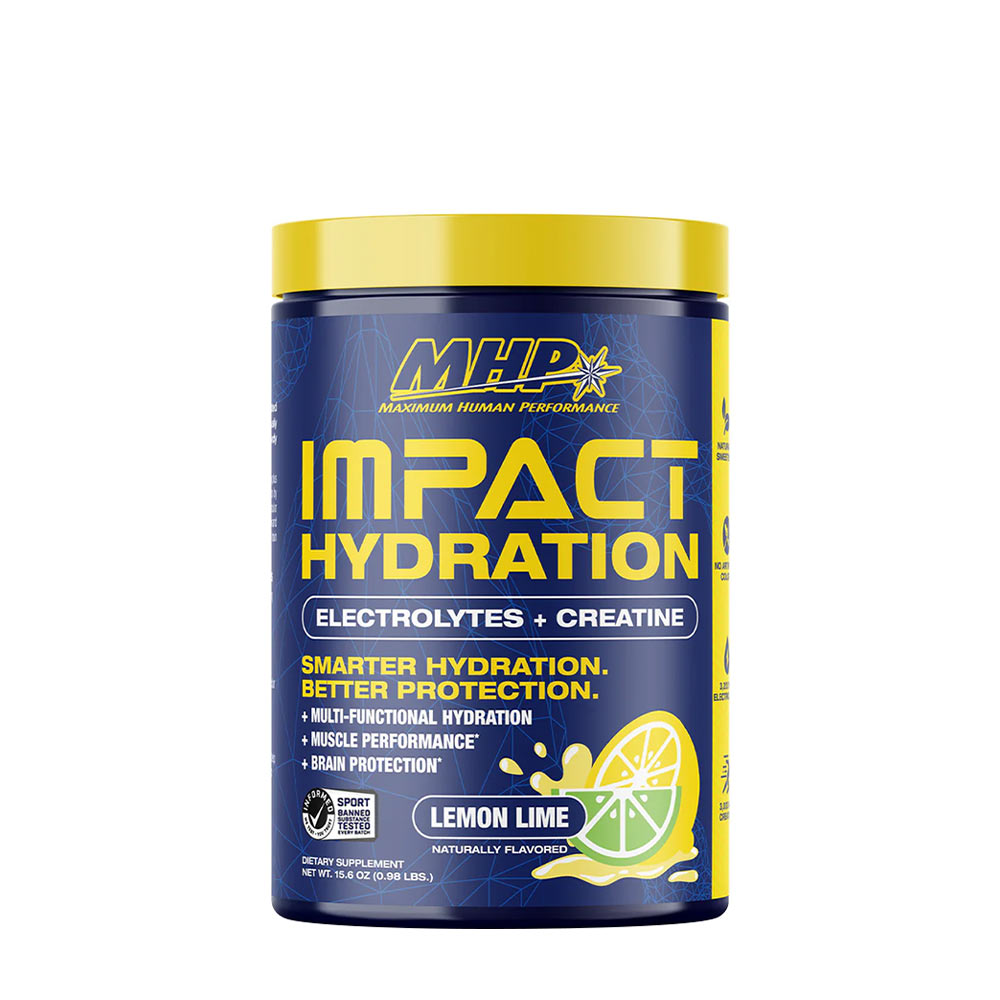
MHP
MHP - Impact Hydration - 15.6 oz
410 krIn stockWhy is this shown? Innehåller 1 av 2 ämnen artikeln handlar om · I lager · Betyg 5.0 av 8 kunder

Trace Minerals
Trace Minerals - Fast-Absorbing Fiber - 14g
403 krIn stockWhy is this shown? Innehåller 1 av 2 ämnen artikeln handlar om · I lager

Trace Minerals
Trace Minerals - Ionic Zinc - 50ml
174 krIn stockWhy is this shown? Innehåller 1 av 2 ämnen artikeln handlar om · I lager
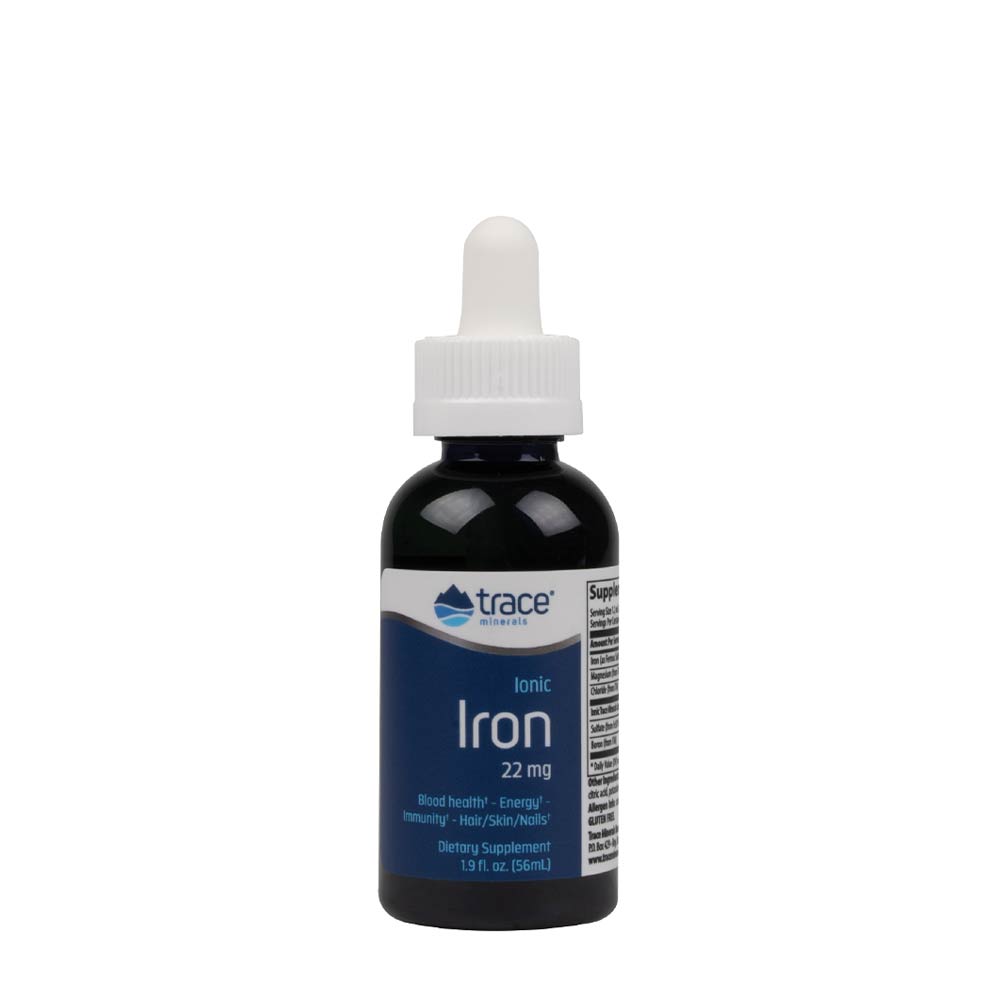
Trace Minerals
Trace Minerals - Iron - 56ml
148 krIn stockWhy is this shown? Innehåller 1 av 2 ämnen artikeln handlar om · I lager
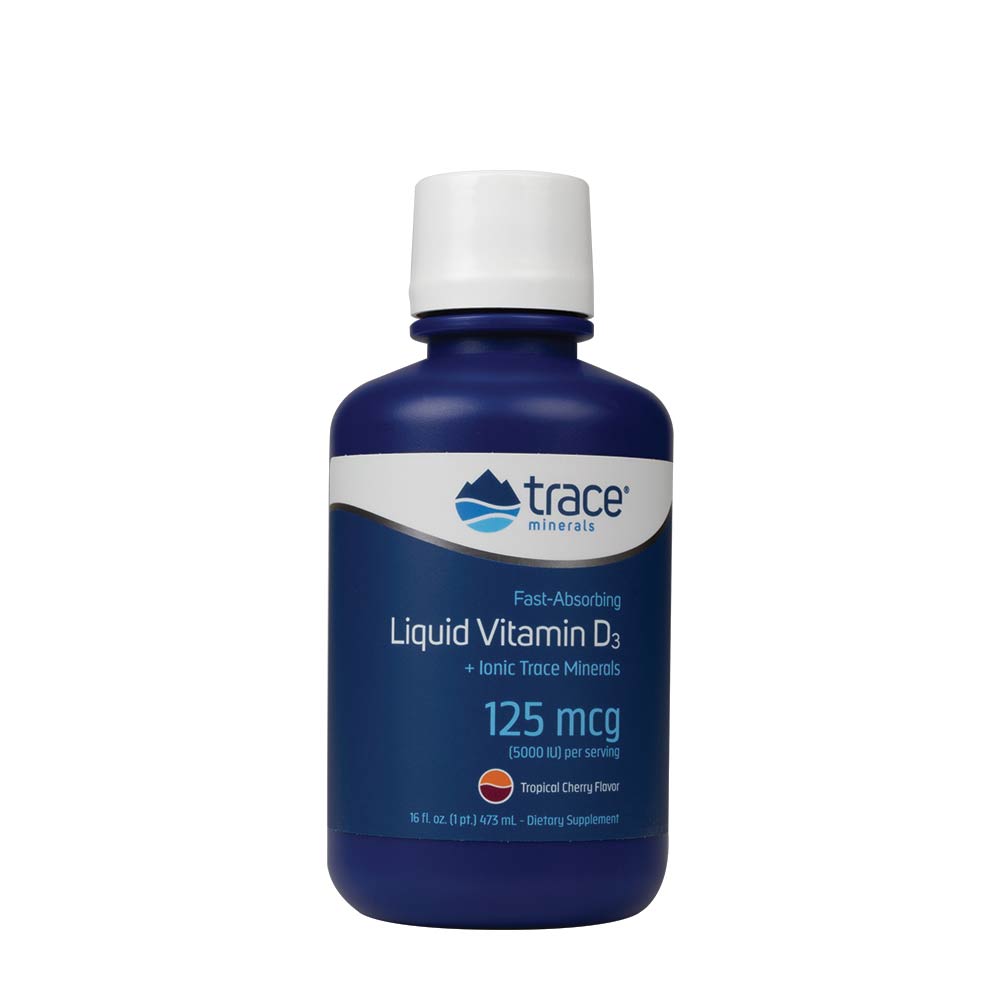
Trace Minerals
Trace Minerals - Vitamin D3 - 473ml
333 krIn stockWhy is this shown? Innehåller 1 av 2 ämnen artikeln handlar om · I lager