What Is Potassium Food and How Much Do You Need?
Short answer
Potassium food means foods that naturally contain potassium and show it on the label. How much you need depends on which adult reference value you follow, and portions, cooking method, and medical advice can change what fits your plate.
Quick facts
- Potassium is an essential mineral and the principal intracellular cation in the body.
- About 85% to 90% of potassium from food is absorbed.
- Adult reference values differ: NIH gives 3,400 mg for men and 2,600 mg for women, FDA uses 4,700 mg, and NHS uses 3,500 mg for adults 19 to 64.
- Boiling vegetables or starchy foods in plenty of water and discarding the water can reduce potassium by 60% to 80%.
- Foods that can add up quickly include potatoes, sweet potatoes, beans, lentils, tomato products, bananas, dairy, nuts, and orange juice.
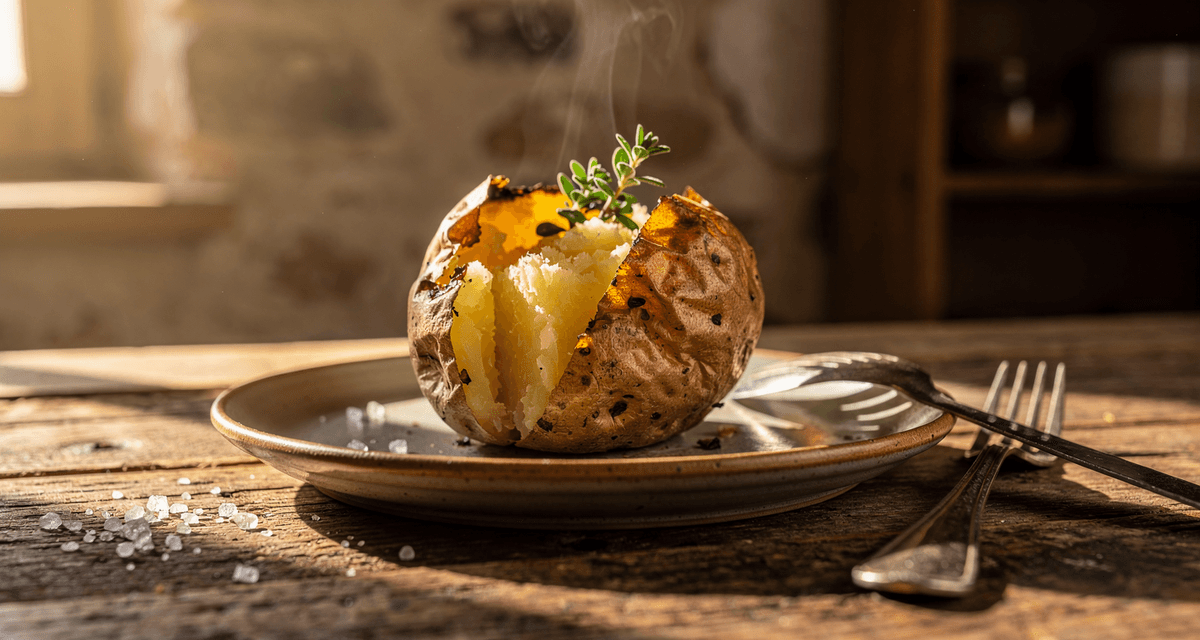
What is potassium in food and how much do you need?
What potassium is and what it does
Potassium is an essential mineral and the principal intracellular cation in the human body. The NIH Office of Dietary Supplements says it has critical roles in muscle contraction, cardiac function, nerve transmission, fluid balance, and regulation of blood pressure.
How food potassium is handled by the body
Dietary potassium is well absorbed: the NIH ODS says about 85% to 90% of intake from food is absorbed. In foods, potassium occurs mainly as phosphate, citrate, sulfate, and similar organic salts, while potassium chloride is common in supplements and salt substitutes. That makes food potassium and supplemental potassium salts different in form, even before you compare their label amounts. NIH ODS health professional fact sheet
How much adults need
| Authority | Adult reference value | Population or use |
|---|---|---|
| NIH ODS | 3,400 mg/day for adult men; 2,600 mg/day for adult women | Adequate Intake |
| FDA | 4,700 mg/day | Daily Value used on Nutrition Facts and Supplement Facts labels |
| NHS | 3,500 mg/day | Adults aged 19 to 64 |
These targets are not interchangeable. They come from different authorities and apply to different groups, so the same food can look “high” or “moderate” depending on which benchmark you use. The NIH ODS consumer fact sheet gives separate adult values for men and women, the FDA gives one label value, and the NHS gives a single adult figure for ages 19 to 64. NIH ODS consumer fact sheet FDA Daily Value guide NHS vitamins and minerals guide
What “potassium food” means in practice
For shoppers, a potassium food is usually a food that lists potassium on the Nutrition Facts label, and the %DV helps you compare servings. The FDA says 5% DV or less is low and 20% DV or more is high. For a potassium health claim, the FDA says a qualifying food must be a good source of potassium, meaning at least 10% of the Daily Value, or 350 mg per reference amount customarily consumed. The NIH ODS also notes that no upper limit is set for healthy adults solely from food. FDA Daily Value guide FDA health claim notification NIH ODS consumer fact sheet
Which foods are low in potassium?
A lower-potassium plan is built around the whole meal, not one “forbidden” ingredient. In NHS renal-diet guidance, the safest way to shop is to start with foods that are already listed as low potassium and then keep an eye on portion size and your own medical advice.
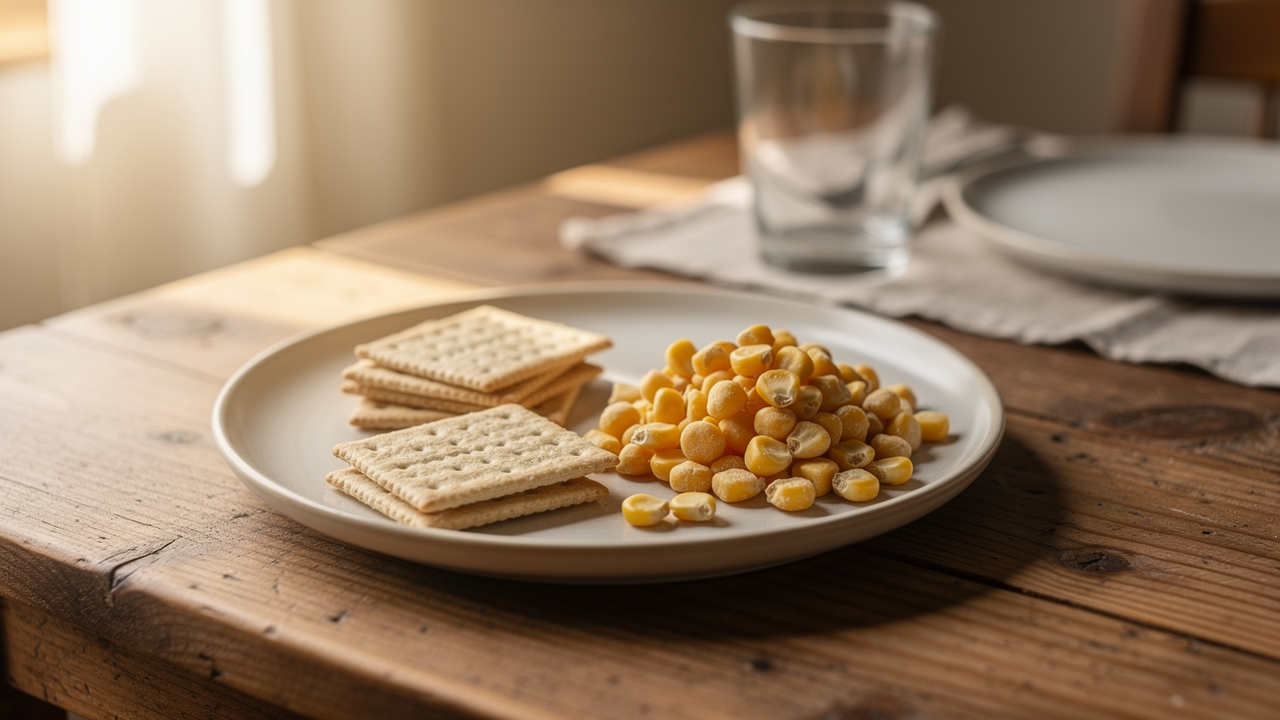
Build plates from low-potassium staples
| Food group | Lower-potassium examples from renal guidance | How to use them |
|---|---|---|
| Starches | Pasta, rice, noodles, bread, rolls, pitta, tortillas, bagels, crumpets, Yorkshire pudding | Use these as the base of breakfast, lunch, or dinner plates according to CUH renal guidance. |
| Snacks and sweets | Maize/corn snacks, rice-based snacks, plain crackers, plain or jam-filled biscuits, boiled sweets, jelly sweets, marshmallows, mints | Keep these for simple snack swaps instead of choosing richer, more concentrated foods listed by CUH. |
| Fruits, vegetables, proteins and dairy | Choose the portions and items your renal plan allows | These groups are handled differently in different plans, so the exact cutoff comes from your own diet advice rather than a single universal rule. |
How to turn that into meals
For breakfast, a bread-based or rice-based meal can be the anchor, with a snack from the low-potassium list if needed. For lunch, use pasta, rice or bread as the main starch, then keep the rest of the plate within your allowance. For dinner, build around the starch first, then add the protein and vegetables your plan allows in the portion you have been given. That pattern works better than trying to label one ingredient as automatically safe or unsafe.
Cooking methods can lower potassium
Preparation matters. Boiling vegetables or starchy foods in plenty of water and discarding the water can reduce potassium by 60–80% according to East Kent Hospitals University NHS Foundation Trust. North Bristol NHS Trust also recommends peeling, cutting foods into small pieces, boiling thoroughly, and not reusing the cooking water for soups or gravies in its kidney-disease advice.
Low-potassium eating is mostly about portions, preparation, and the pattern of the whole plate.
The exact cutoff varies by diet plan and by medical advice, so the same food may fit one person’s renal plan and not another’s.
Which high-potassium foods should you limit?
FDA says potassium must be listed on Nutrition Facts and Supplement Facts labels, using a Daily Value of 4,700 mg per day. On that label, 5% DV or less is low and 20% DV or more is high. FDA’s potassium health-claim notification also uses 350 mg per reference amount customarily consumed as the minimum for a “good source” claim, so portion size matters as much as the food itself.
Common foods that add up quickly
| Food | Typical serving | Potassium |
|---|---|---|
| Potato | 1 small | 738 mg |
| Sweet potato | 1 medium | 542 mg |
| Plain yogurt, nonfat or low-fat | 8 ounces | 530–570 mg |
| Orange juice | 1 cup | 496 mg |
| Lima beans | 1/2 cup | 478 mg |
| Banana | 1 medium | 422 mg |
| Tomato sauce | 1/2 cup | 405 mg |
| Prunes, stewed | 1/2 cup | 398 mg |
| Skim milk | 1 cup | 382 mg |
| Lentils, cooked | 1/2 cup | 365 mg |
| Almonds, roasted | 1/3 cup | 310 mg |
Those are the everyday foods most likely to matter in normal diets: potatoes, sweet potatoes, beans, lentils, tomato products, bananas, dried fruit, orange juice, dairy, and nuts. NHLBI’s DASH guidance lists several of them in ordinary servings, and the NHS notes that potassium is found in bananas, beans and pulses, nuts and seeds, and fish, beef, chicken and turkey. NHLBI DASH potassium examples NHS potassium
Limit does not always mean avoid
For most people, these foods are not forbidden. “Limit” usually means watch the portion and how often you eat them. Strict avoidance is usually reserved for an individualized low-potassium diet, often in kidney care; CUH advises people on potassium-lowering diets to avoid low-sodium salts that contain potassium chloride. CUH potassium-lowering dietary advice
For most readers, the practical rule is limit first, avoid only if a clinician has set a low-potassium plan.
How to spot hidden potassium
A food can look healthy, natural, or “good for you” and still be a high-potassium choice. FDA requires potassium to appear on the label, so packaged foods should be checked by %DV, not by marketing. If a serving reaches 20% DV, it is high in potassium; if it reaches 350 mg per reference amount, it can qualify as a “good source.” That is why the label matters as much as the ingredient list.
The phrase “high potassium foods to avoid” is only accurate for people who have been told to follow a specific low-potassium diet. For everyone else, the same foods are usually better treated as foods to portion carefully rather than eliminate outright.
Do people with high blood pressure need more potassium?
The short answer from the blood-pressure guidance is that potassium-rich foods are generally encouraged, not avoided, when someone is following a DASH-style pattern. NHLBI says the DASH eating plan is designed to be rich in potassium, with a target of 4,700 mg potassium daily, while daily sodium is kept at 2,300 mg or 1,500 mg if desired: DASH eating plan guidance. The same page links that potassium-rich pattern with blood-pressure control, and the official DASH trial summary shows why.

What the trial data showed
In the DASH study, 459 adults with systolic blood pressure below 160 mm Hg and diastolic blood pressure of 80 to 95 mm Hg were assigned to a control diet, a fruits-and-vegetables diet, or a combination diet emphasizing fruits, vegetables, and low-fat dairy. Sodium intake and body weight were held constant. The combination diet lowered systolic blood pressure by 5.5 mm Hg and diastolic blood pressure by 3.0 mm Hg more than control.
A separate review from NHLBI reported that in 12 trials with 1,049 normotensive participants, potassium supplementation at a median of 75 mmol/day (about 2.9 g) reduced systolic blood pressure by 1.8 mm Hg and diastolic blood pressure by 1.0 mm Hg. The effect was greater when sodium intake was higher: NHLBI primary-prevention review.
| Evidence source | Group | Blood-pressure result | Practical reading |
|---|---|---|---|
| NHLBI DASH guidance | Adults following DASH | Target of 4,700 mg potassium daily, sodium limited to 2,300 mg or 1,500 mg | Potassium-rich foods fit best when sodium is also controlled |
| DASH trial | 459 adults with elevated blood pressure range | Combination diet lowered systolic by 5.5 mm Hg and diastolic by 3.0 mm Hg more than control | Fruits, vegetables, and low-fat dairy were part of the stronger pattern |
Food first, not supplements, for routine eating
The FDA says the Nutrition Facts label must list potassium, gives potassium a Daily Value of 4,700 mg, and notes that people more often should choose foods that are higher in potassium and lower in sodium: FDA Daily Value page. The NIH Office of Dietary Supplements says potassium is well absorbed from food and is a principal intracellular cation involved in muscle contraction, cardiac function, nerve transmission, fluid balance, and blood pressure: NIH ODS potassium fact sheet.