Vitamin B2 (Riboflavin): What It Does, Sources, and Safety
Short answer
It is found in a variety of foods, and most people can meet their needs through a balanced diet. Deficiency is rare but can occur in specific groups.
Quick facts
- Good dietary sources include dairy, eggs, lean meats, green vegetables, and fortified cereals.
- Deficiency is uncommon in healthy populations but may affect vegetarians, vegans, and certain risk groups.
- Riboflavin supplements are generally considered safe at typical intake levels.
How it works
It acts as a precursor for two essential coenzymes: flavin mononucleotide (FMN) and flavin adenine dinucleotide (FAD). These coenzymes are required for the metabolism of carbohydrates, fats, proteins, and other B vitamins, supporting cellular energy-yielding processes and normal physiological function.
Riboflavin is also involved in the conversion of tryptophan to niacin (vitamin B3) and the activation of vitamin B6, as well as the maintenance of normal homocysteine levels. Most dietary riboflavin is absorbed in the small intestine, and any excess is excreted in urine.
Riboflavin is essential for the body's energy-yielding metabolism and must be obtained regularly from the diet.
What the research and authorised claims say
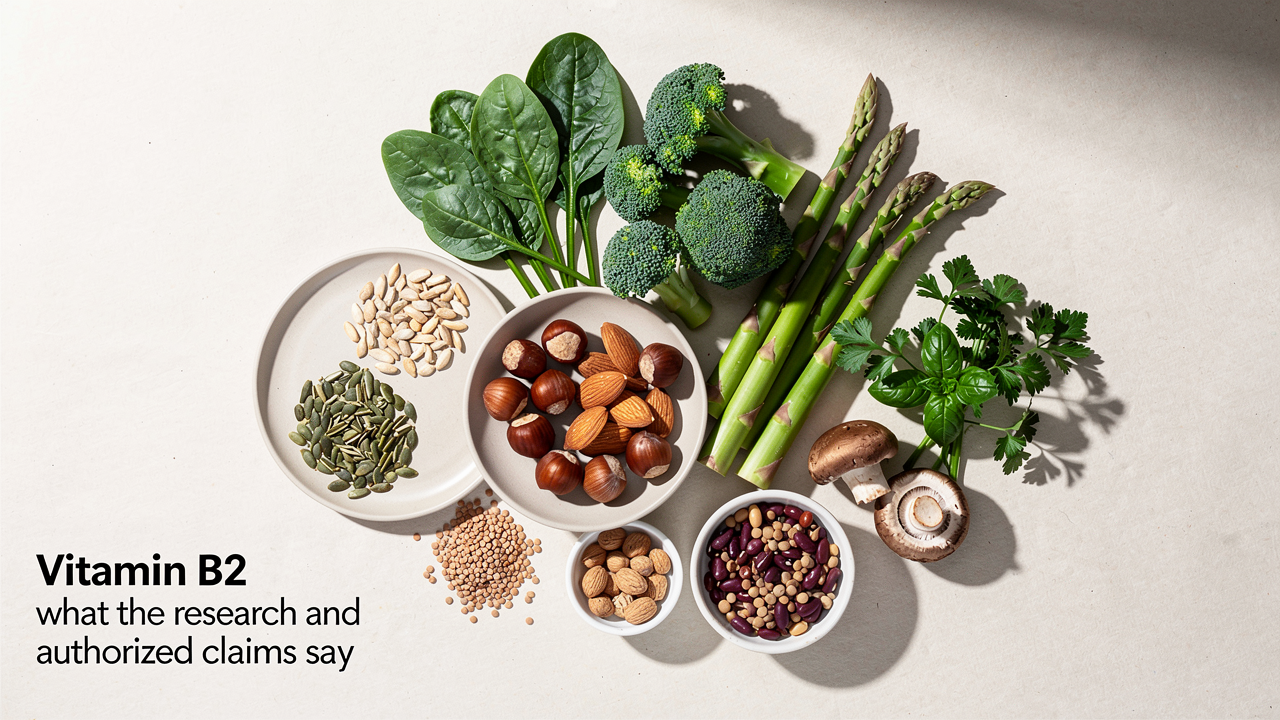
According to the European Food Safety Authority (EFSA), the following health claims are authorised for riboflavin, provided the food is at least a source of riboflavin:
- Riboflavin contributes to normal energy-yielding metabolism.
- Riboflavin contributes to the reduction of tiredness and fatigue.
The majority of people in Europe and North America obtain sufficient riboflavin from a varied diet, but certain groups—such as vegetarians, vegans, pregnant and breastfeeding women, and individuals with specific genetic disorders—may be at higher risk of insufficient intake.
Deficiency can manifest as mucocutaneous symptoms (such as cracks at the corners of the mouth, sore throat, and skin disorders), anemia, and, in severe cases, neurological symptoms. Inherited metabolic disorders may benefit from riboflavin therapy under medical supervision, but such uses are outside the scope of general supplementation.
Key limitations
- There is a lack of robust intervention trials in healthy populations assessing the functional outcomes of varying riboflavin intake.
- Biomarkers for riboflavin status, such as the erythrocyte glutathione reductase activity coefficient (EGRAC), have interpretive limitations and may not be universally applicable.
- Observational associations between riboflavin and broader health outcomes (such as migraine, cancer, or cardiovascular risk) are preliminary and not conclusive for general recommendations.
While riboflavin is vital for health, evidence for benefits beyond authorised claims remains limited in healthy populations.
How to choose
When selecting a riboflavin supplement or evaluating dietary sources, consider the following factors:
- Form: Riboflavin is available as tablets, capsules, and in multivitamin complexes. All forms are generally well absorbed.
- Declared amount: Check the label for the amount of riboflavin per serving. Typical supplements provide between 1 and 25 mg per dose, but higher amounts are not necessarily more beneficial for healthy individuals.
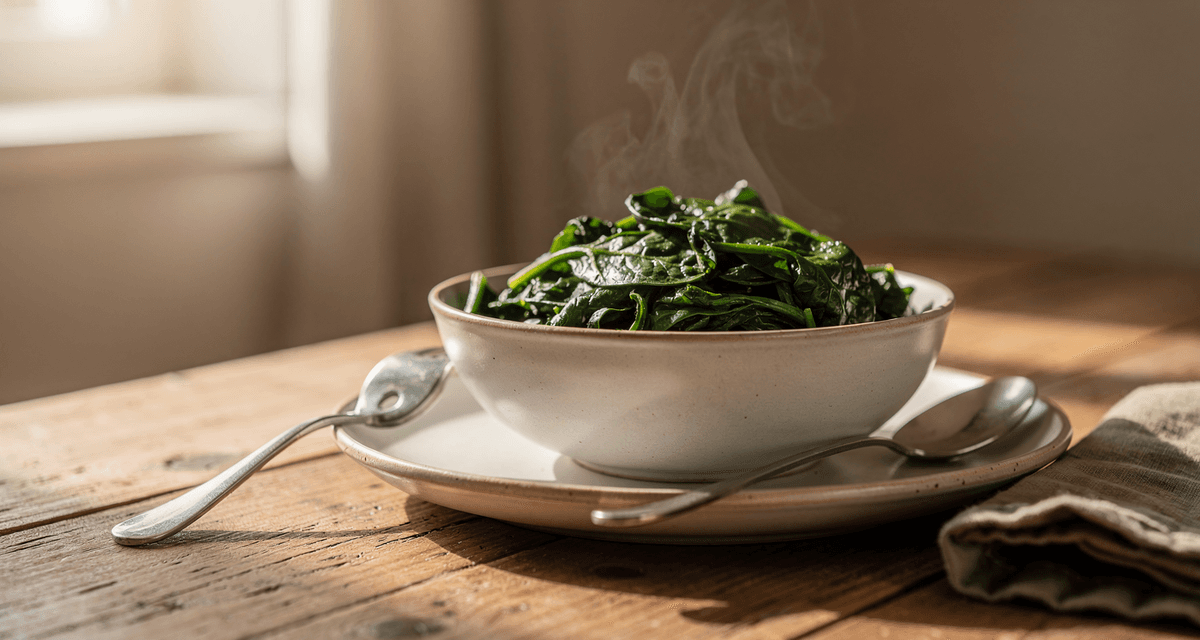
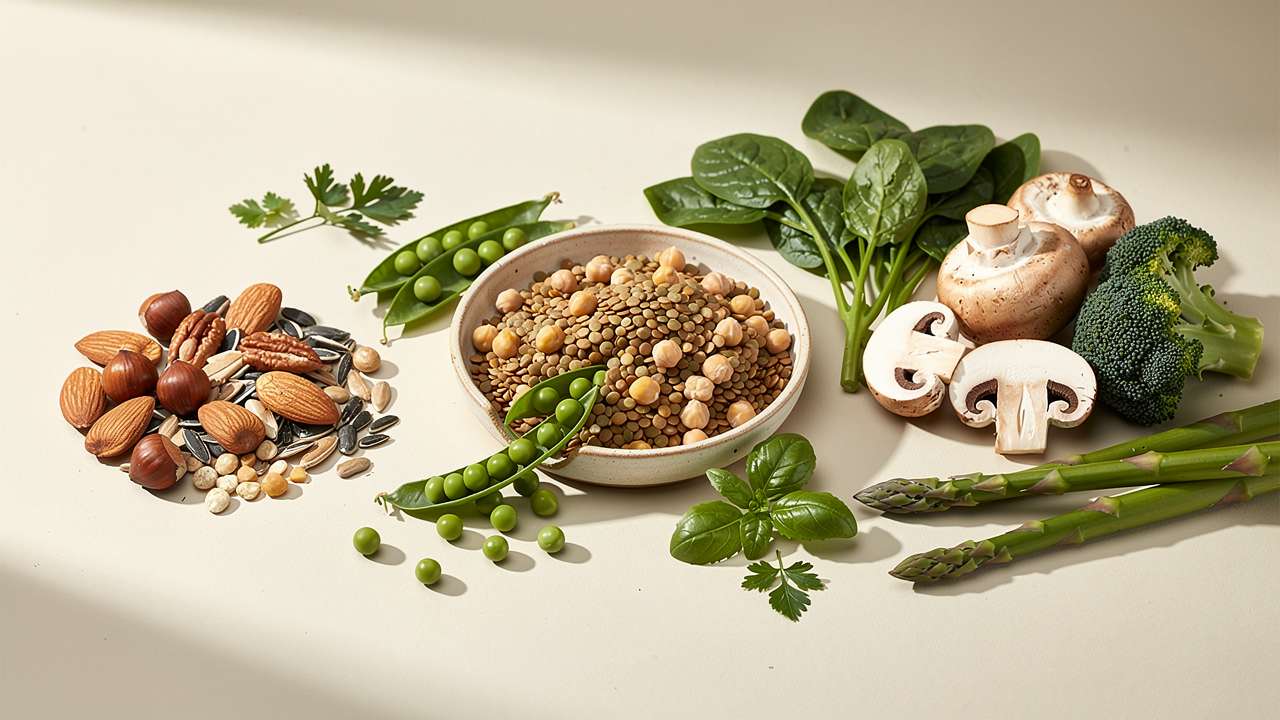
- Dietary sources: Many people can meet their needs through food. Good sources include dairy products, eggs, lean meats, green vegetables (such as spinach and broccoli), and fortified cereals.
- Suitability: Consider dietary restrictions (e.g. , vegan or vegetarian) and any allergies or intolerances.
- Quality and certification: Choose products from reputable manufacturers that adhere to food safety and quality standards.
| Food | Approximate Riboflavin Content (mg per serving) |
|---|---|
| Milk (1 cup/250 ml) | 0.4 |
| Egg (1 large) | 0.2 |
| Lean beef (100 g) | 0.2 |
| Spinach (1/2 cup cooked) | 0.2 |
| Fortified breakfast cereal (30 g) | 0.4–1.0 |
| Almonds (30 g) | 0.3 |
Table values are approximate and may vary by brand and preparation.
Safety, interactions and risk groups
Riboflavin is considered safe for most people when consumed at recommended levels. Excess intake is generally excreted in urine, and no adverse effects have been documented at typical supplemental doses. However, individuals with medical conditions, those taking medications, pregnant or breastfeeding women, and parents considering supplements for children should consult a healthcare professional before starting riboflavin supplements. People with rare genetic absorption disorders or those on restricted diets may require individual assessment. Always follow the recommended dosage and avoid exceeding the amount stated on the product label unless advised by a healthcare provider.
Safety and precautions
Riboflavin is generally well tolerated and considered safe at recommended intake levels. Excess amounts are excreted in urine. However, individuals who are pregnant, breastfeeding, taking medications, have medical conditions, or are considering supplements for children should consult a healthcare professional before use. Do not exceed the recommended dose unless advised by a healthcare provider. Supplements are not a substitute for a varied diet.
Supplements with the ingredients in this article
Compare contents, dose and price
Frequently asked questions
vitamin b2 ppt
A vitamin B2 (riboflavin) presentation (ppt) typically covers its biochemical role, dietary sources, deficiency signs, and safety. For accurate and up-to-date information, refer to trusted sources such as the European Food Safety Authority (EFSA) or the U. S. National Institutes of Health Office of Dietary Supplements.
vitamin b1 b2
Thiamine is essential for carbohydrate metabolism and nerve function, while riboflavin is required for the metabolism of fats, proteins, and other B vitamins. Both are found in a wide range of foods and are important for overall health.
flavin vitamin b2
The term 'flavin' in vitamin B2 refers to its chemical structure, which forms the basis for the coenzymes flavin mononucleotide (FMN) and flavin adenine dinucleotide (FAD).
Sources
- Riboflavin - Health Professional Fact Sheet (external link)
- Riboflavin - Consumer (external link)
- Riboflavin Deficiency - PubMed (external link)
- Effectiveness of Riboflavin in Inherited Metabolic Diseases: A Systematic Review - PubMed (external link)
- Riboflavin: a scoping review for Nordic Nutrition Recommendations 2023 - PubMed (external link)
- Riboflavin and health: A review of recent human research. (external link)
- complet_chapitres.indd (external link)
- Riboflavin (vitamin B-2) and health - PubMed (external link)
Read more
Products related to this article
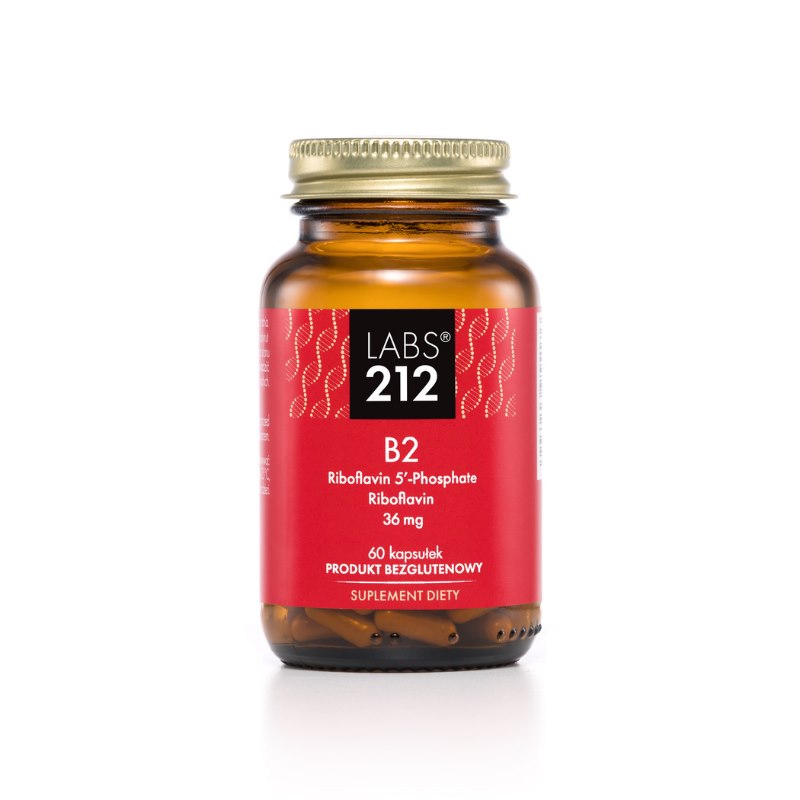
LABS 212
LABS 212 - Vitamin B2 Riboflavin 5'-Phosphate - 60 Caps
212 krIn stockWhy is this shown? Innehåller alla ämnen artikeln handlar om · Renodlat tillskott — ämnet står i produktnamnet · I lager
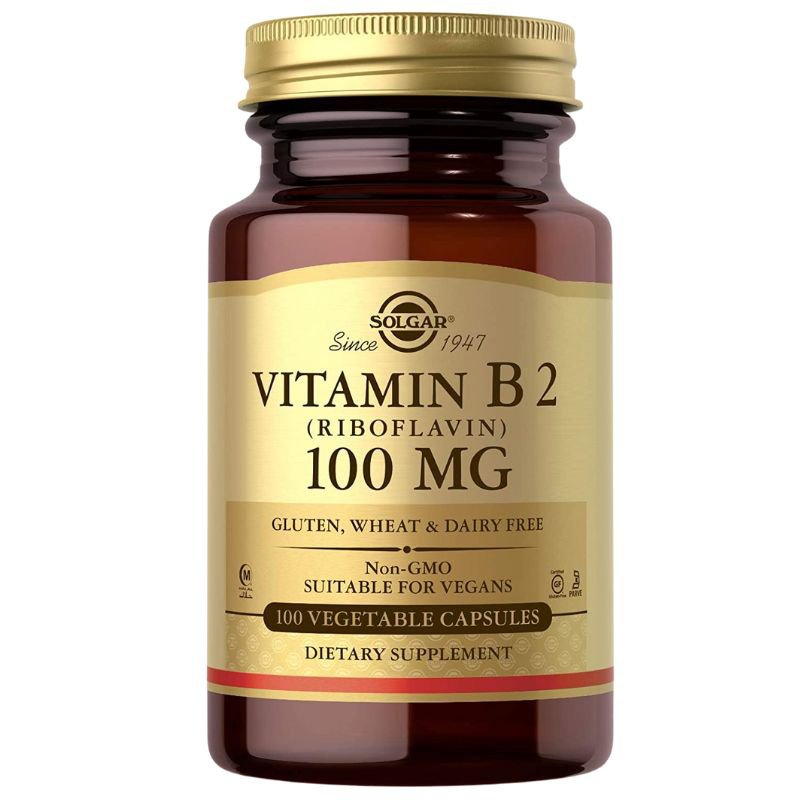
Solgar
Solgar Vitamin B2 (Ribolfavin) 100mg (100 Caps)
381 krIn stockWhy is this shown? Innehåller alla ämnen artikeln handlar om · Renodlat tillskott — ämnet står i produktnamnet · I lager

Garden Of Life
Garden Of Life - Vitamin Code Women - 120 Vcaps
595 krIn stockWhy is this shown? Innehåller alla ämnen artikeln handlar om · I lager · Betyg 5.0 av 9 kunder

Life Extension
Life Extension - Whole Food Multivitamin - 90 Vcaps
352 krIn stockWhy is this shown? Innehåller alla ämnen artikeln handlar om · I lager · Betyg 5.0 av 9 kunder
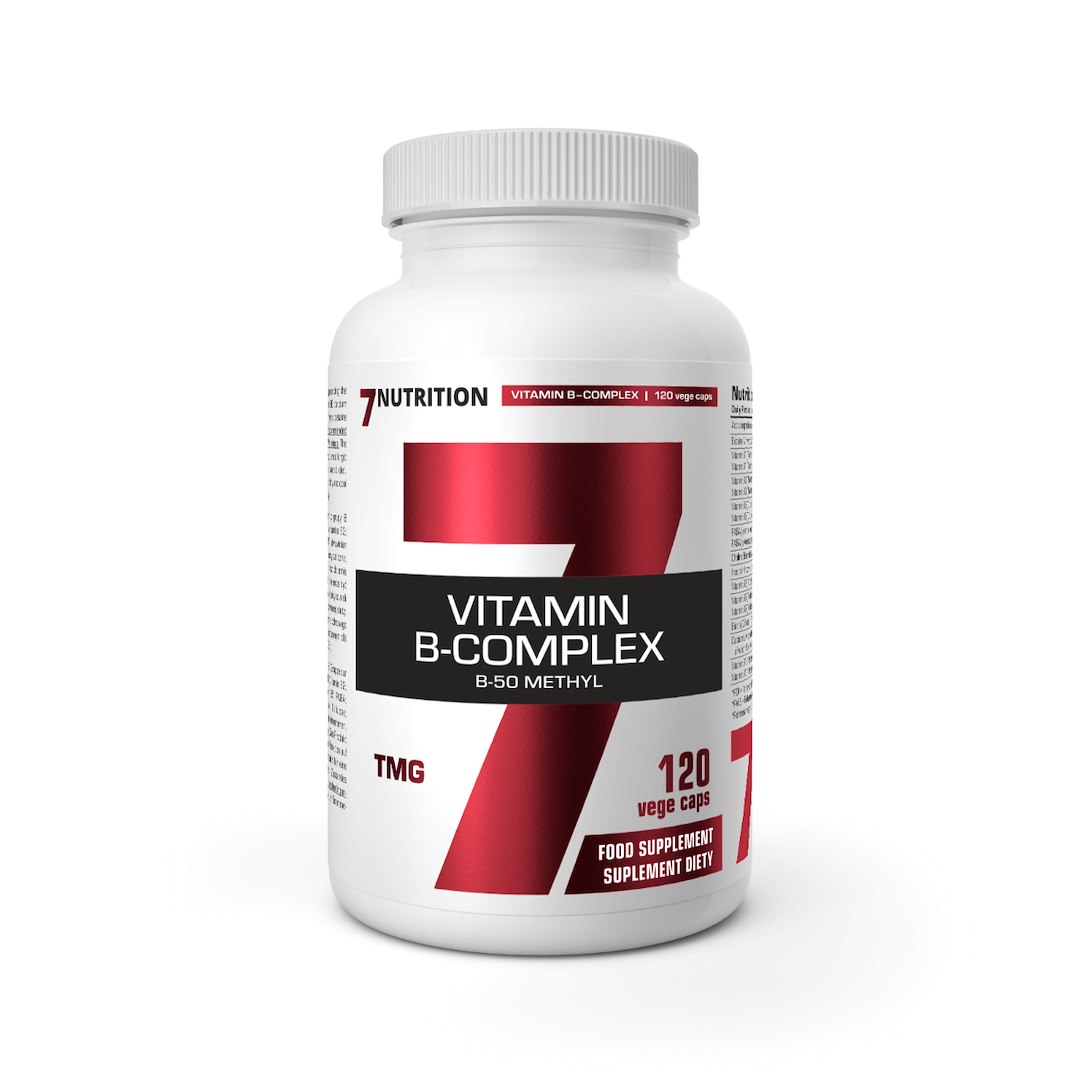
7 Nutrition
7 Nutrition - B-Complex B50 Methyl - 120 Caps
232 krIn stockWhy is this shown? Innehåller alla ämnen artikeln handlar om · I lager