Vitamin E Oil: What It Is, Uses, and Evidence-Based Facts
Short answer
Vitamin E oil is a topical or oral product containing vitamin E, a fat-soluble antioxidant nutrient. Consult a healthcare provider before use, especially for children, pregnancy, or if taking medication.
Quick facts
- Vitamin E is a group of eight fat-soluble compounds, mainly tocopherols and tocotrienols.
- Vitamin E contributes to the protection of cells from oxidative stress when consumed in adequate amounts.
- Topical vitamin E oil may cause skin irritation in some users.
- Oral vitamin E supplements above recommended levels may increase bleeding risk.

How it works
Vitamin E refers to a family of eight fat-soluble compounds, including four tocopherols and four tocotrienols. The most biologically active form in humans is alpha-tocopherol. As a nutrient, vitamin E acts as an antioxidant, helping to protect cells from oxidative stress caused by free radicals. This function is relevant when vitamin E is consumed as part of the diet or in supplements that provide at least a source of vitamin E. In the skin, vitamin E is present in both the epidermis and dermis, where it can help neutralize oxidative damage from environmental exposures such as ultraviolet (UV) light.
Vitamin E contributes to the protection of cells from oxidative stress when consumed in sufficient amounts.
Vitamin E oil is typically derived from natural or synthetic sources and may be used orally (as a supplement) or topically (applied to the skin). Topical formulations may contain pure vitamin E (often as alpha-tocopherol or its acetate ester) or be blended with other oils and stabilizing agents. The stability of vitamin E is a key consideration: non-esterified forms can oxidize quickly when exposed to air, while esterified forms such as vitamin E acetate are more stable and may release active vitamin E in the skin.
What the research and authorised claims say
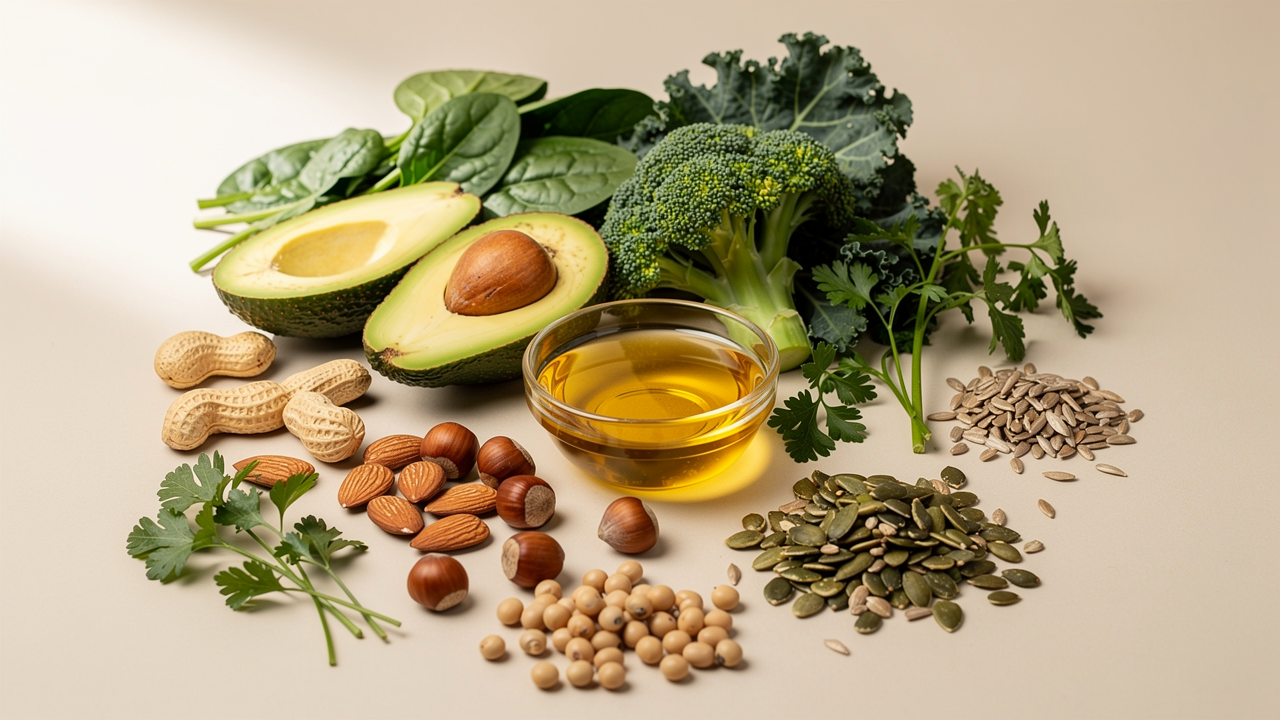
The only authorised nutrition claim for vitamin E in the European Union is: "Vitamin E contributes to the protection of cells from oxidative stress. " This claim may be used only for foods or supplements that are at least a source of vitamin E.
Regarding topical use, controlled studies and systematic reviews have found inconsistent evidence for cosmetic benefits such as scar reduction or improved wound healing. In several clinical trials, topical vitamin E oil did not significantly improve scar appearance or healing outcomes compared to control treatments. Some studies reported marginal improvements, often when vitamin E was used in combination with other agents, but these findings are not consistent across the literature.
Adverse skin reactions, such as contact dermatitis, itching, or rash, have been reported in a notable proportion of users applying vitamin E oil to the skin. In some studies, up to one-third of participants experienced irritation.
For oral supplementation, large randomized controlled trials have not demonstrated a reduction in the incidence or progression of age-related conditions such as cataracts when vitamin E is taken at doses far above the recommended daily intake. Evidence for other health outcomes, such as cardiovascular disease or cancer prevention, is generally rated as low or very low quality in umbrella reviews.
Controlled studies do not consistently support the use of topical vitamin E oil for scar improvement.
Key limitations
- Many studies on topical vitamin E oil are small, lack blinding, or use subjective outcome measures.
- There is significant variability in the formulations, concentrations, and application methods studied, making comparisons difficult.
- Evidence for most health outcomes related to oral vitamin E supplementation is of low or very low quality.
- Topical vitamin E oil may cause skin irritation or allergic reactions in a notable minority of users.
- High-dose oral supplementation may increase the risk of bleeding and, in some studies, has been associated with other adverse outcomes.
How to choose
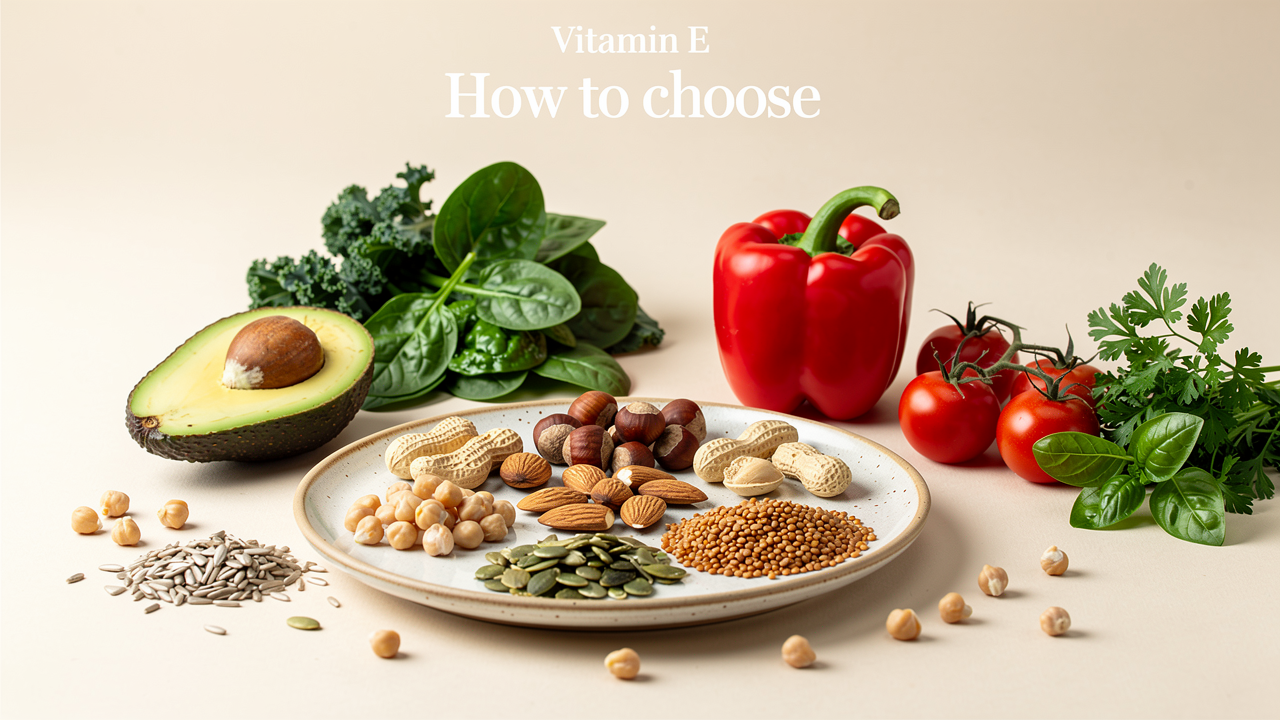
When selecting a vitamin E oil or supplement, consider the following factors:
- Form: Vitamin E oil for topical use is often available as pure alpha-tocopherol or as an esterified form (e.g. , alpha-tocopherol acetate), which is more stable. Oral supplements may be in the form of softgels, capsules, or liquid drops.
- Source: Natural vitamin E (d-alpha-tocopherol) and synthetic vitamin E (dl-alpha-tocopherol) differ in bioavailability, with the natural form generally being more biologically active.
- Concentration: Check the label for the amount of vitamin E per serving or per application. For oral supplements, compare the declared amount to the recommended daily intake (15 mg for adults) and the established upper intake limit (1,000 mg for adults).
- Stability and formulation: Esterified forms (e.g. , acetate) are less prone to oxidation and may be preferable for topical use. Some products combine vitamin E with other antioxidants or stabilizing agents.
- Intended use: For dietary supplementation, ensure the product provides at least a source of vitamin E. For topical use, be aware of the risk of skin irritation and consider patch testing before widespread application.
| Form | Common Use | Stability | Notes |
|---|---|---|---|
| Alpha-tocopherol (natural) | Oral supplement, topical oil | Moderate (oxidizes in air) | Most biologically active |
| Alpha-tocopherol acetate (esterified) | Topical oil, creams | High (more stable) | Releases active vitamin E in skin |
| Synthetic vitamin E (dl-alpha-tocopherol) | Oral supplement | Moderate | Lower bioactivity than natural form |
| Mixed tocopherols/tocotrienols | Dietary supplements | Varies | Includes gamma-tocopherol, common in diet |
When comparing vitamin E oil products, look for clear labeling of the form and concentration of vitamin E, as well as any additional ingredients. For topical use, consider whether the product is intended for cosmetic application, and check for any added fragrances or potential allergens.
Safety, interactions and risk groups
Vitamin E oil and supplements are generally well tolerated at recommended dietary intake levels. However, topical application may cause skin irritation, redness, or allergic reactions in some individuals. If you experience any discomfort, discontinue use and consult a healthcare professional.
Oral vitamin E supplements above recommended daily amounts may increase the risk of bleeding, especially in individuals taking anticoagulant or antiplatelet medications. High-dose supplementation is not recommended without medical supervision, particularly for people with bleeding disorders, those scheduled for surgery, or individuals with a history of stroke.
Pregnant or breastfeeding women, children, and anyone taking regular medication should consult a healthcare provider before using vitamin E oil or supplements. Always follow product instructions and do not exceed the recommended intake unless advised by a qualified professional.
Safety and precautions
Vitamin E oil and supplements are generally safe when used as directed. Topical application may cause skin irritation or allergic reactions in some people; discontinue use if irritation develops. Oral supplements above the recommended daily intake may increase the risk of bleeding, especially for those on blood-thinning medications. Pregnant or breastfeeding women, children, and individuals taking medication should consult a healthcare provider before using vitamin E oil or supplements. Do not exceed recommended intake unless advised by a qualified professional.
Supplements with the ingredients in this article
Compare contents, dose and price
Frequently asked questions
vitamin e boots
When comparing vitamin E oil or supplement products, consider the form (natural or synthetic), concentration, stability (e.g. , acetate forms are more stable), and any added ingredients. Look for clear labeling and check for potential allergens. If buying in-store or online, review the product's declared amount of vitamin E and ensure it meets your intended use.
vitamin e oil boots
Vitamin E oil products can vary in form (pure oil, acetate, mixed tocopherols), concentration, and additional ingredients. When choosing, check the label for the type of vitamin E, its concentration, and whether it is suitable for your skin type. Patch testing is recommended before widespread use, as topical vitamin E may cause irritation in some individuals.
vitamin e oil ireland
Vitamin E oil is available in Ireland through various retailers and pharmacies. When selecting a product, compare the form (natural or synthetic), concentration, and intended use (topical or oral). Always check for clear labeling, and consult a healthcare provider if you have specific health concerns or are taking medication.
Sources
- Vitamin E Fact Sheet for Consumers (external link)
- Vitamin E Fact Sheet for Consumers (external link)
- 3 • VITAMIN E FACT SHEET FOR CONSUMERS (external link)
- Pediatric Facial Lacerations: Evidence-Based Over-the-Counter Wound Care and Scar Prevention for Clinicians and Caregivers - PMC (external link)
- Vitamin E for treating children’s scars: Does it help reduce scarring? - PMC (external link)
- The Efficacy of Complementary and Alternative Medicines Utilized In Cosmetic and Surgical Dermatology: A Comprehensive Review - PMC (external link)
- Acute radiation dermatitis in breast cancer: topical therapy with vitamin E acetate in lipophilic gel base - PMC (external link)
- Associated use of silicone-vitamin E gauzes and α-tocopherol acetate oil in healing of skin graft donor sites - PubMed (external link)
- Vitamin E in dermatology - PMC (external link)
- The Role of Topical Vitamin E in Scar Management: A Systematic Review - PubMed (external link)
- Vitamin E supplementation and cataract: randomized controlled trial - PubMed (external link)
- Vitamin E intake and multiple health outcomes: an umbrella review - PubMed (external link)
- Vitamin E and Multiple Health Outcomes: An Umbrella Review of Meta-Analyses. (external link)
Read more
Products related to this article
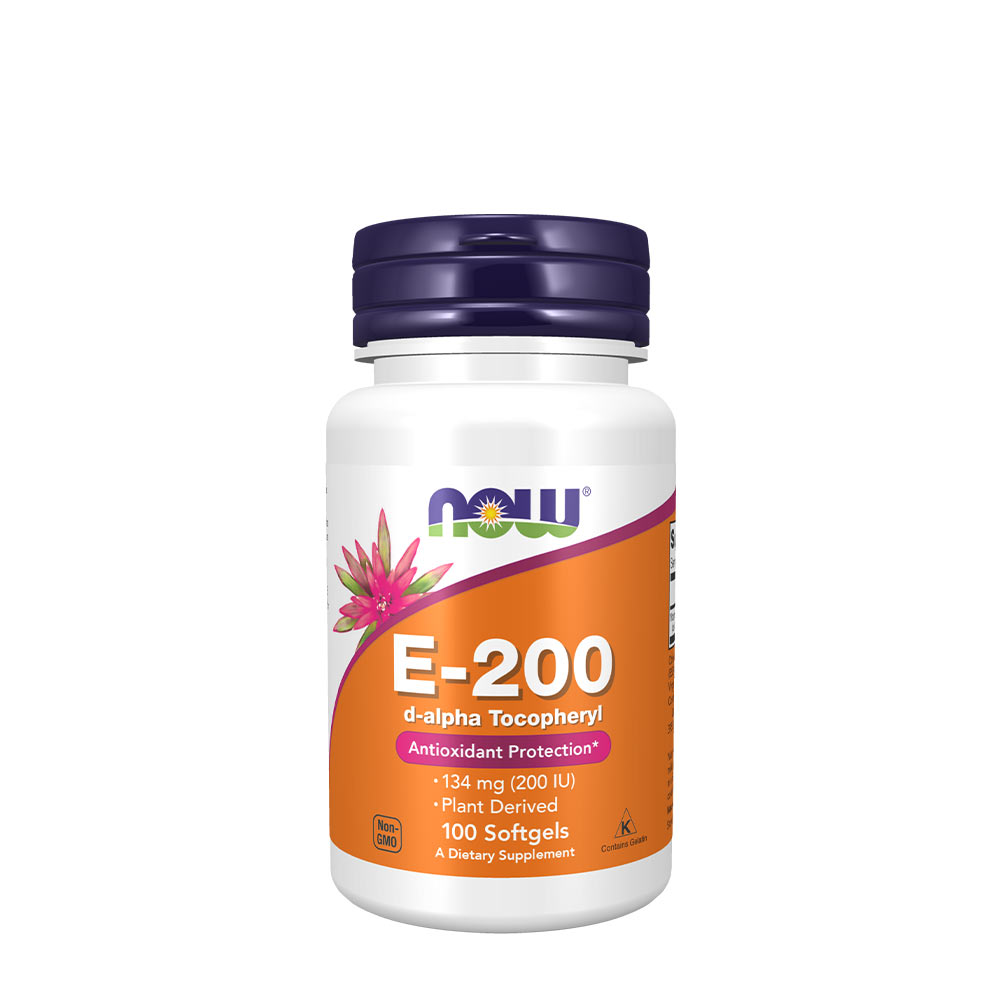
NOW Foods
NOW Foods - Vitamin E-200, Natural - 100 Sgels
151 krIn stockWhy is this shown? Innehåller alla ämnen artikeln handlar om · Renodlat tillskott — ämnet står i produktnamnet · I lager · Betyg 5.0 av 8 kunder
NOW Foods
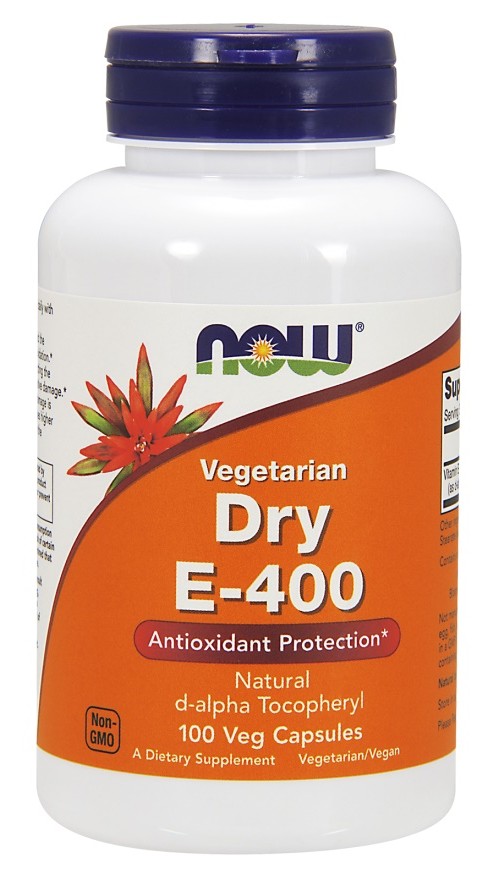
Now Foods - Vitamin E-400 Dry, Vegetarian - 100 Vcaps
262 krIn stockWhy is this shown? Innehåller alla ämnen artikeln handlar om · Renodlat tillskott — ämnet står i produktnamnet · I lager · Betyg 5.0 av 8 kunder
NOW Foods
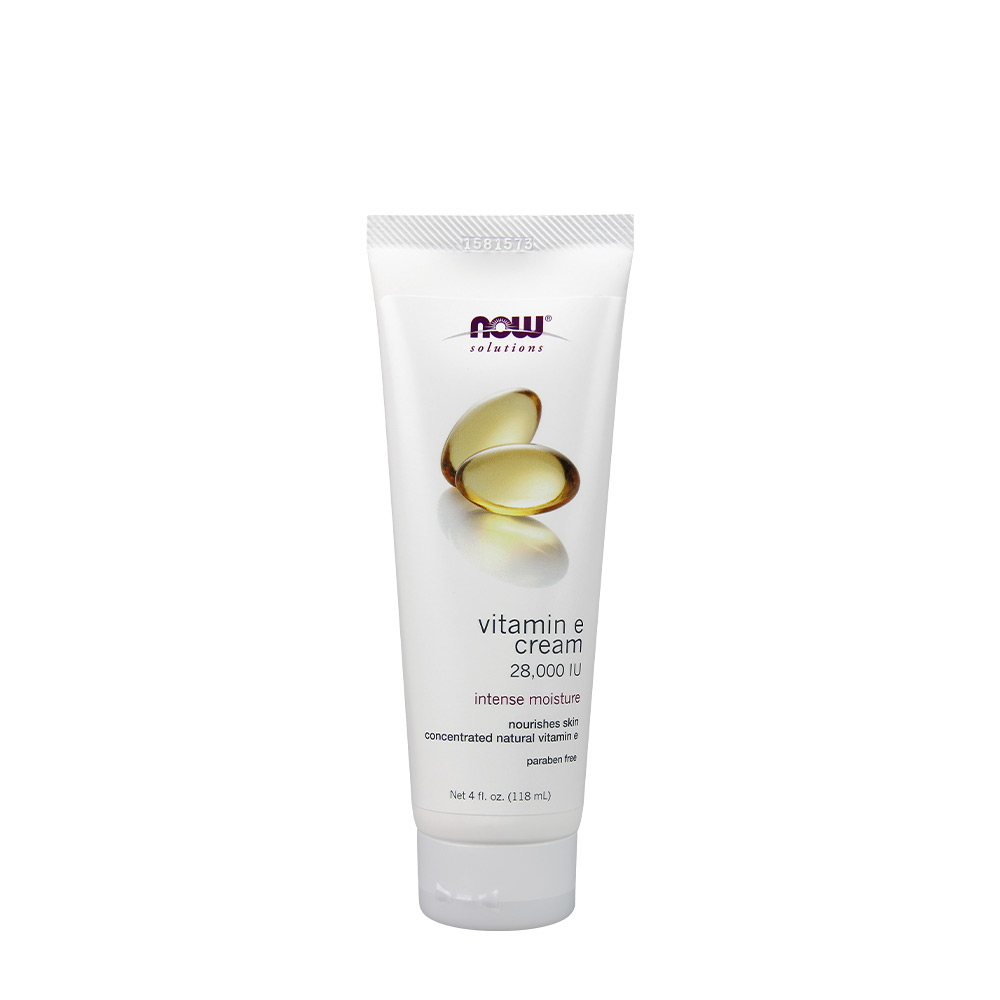
NOW Foods - Vitamin E Cream - 118ml
162 krIn stockWhy is this shown? Innehåller alla ämnen artikeln handlar om · Renodlat tillskott — ämnet står i produktnamnet · I lager · Betyg 5.0 av 7 kunder
Aura Herbals
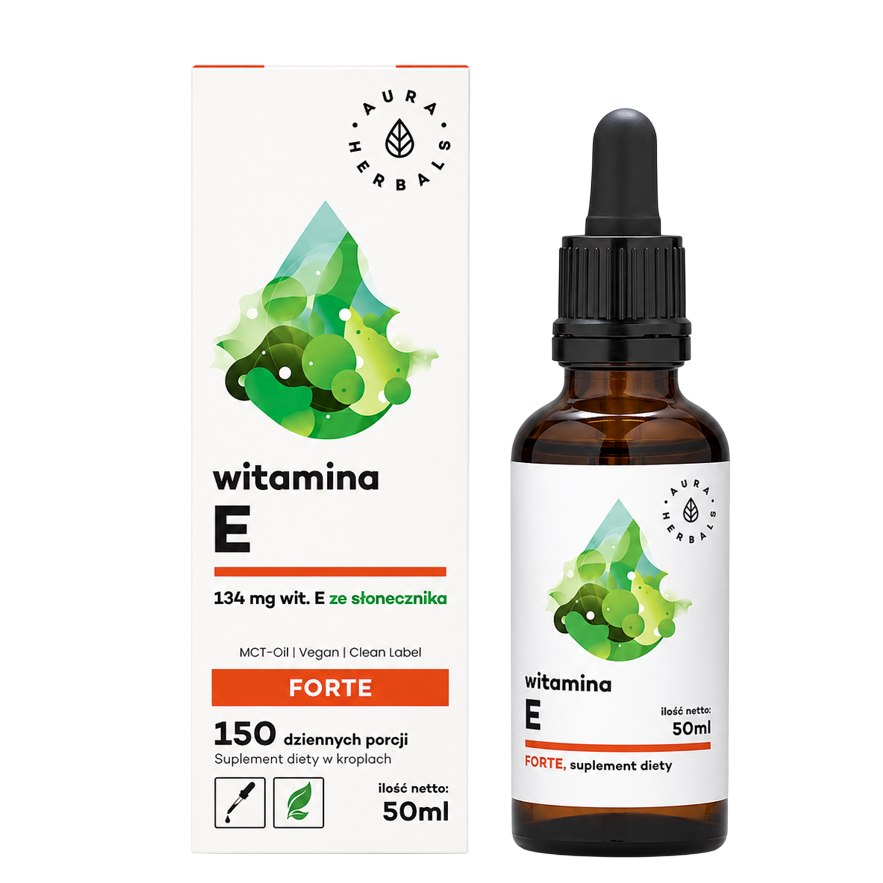
Aura Herbals - Vitamin E Forte 200IU MCT Oil Drops 50ml
184 krIn stockWhy is this shown? Innehåller alla ämnen artikeln handlar om · Renodlat tillskott — ämnet står i produktnamnet · I lager
BioTechUSA
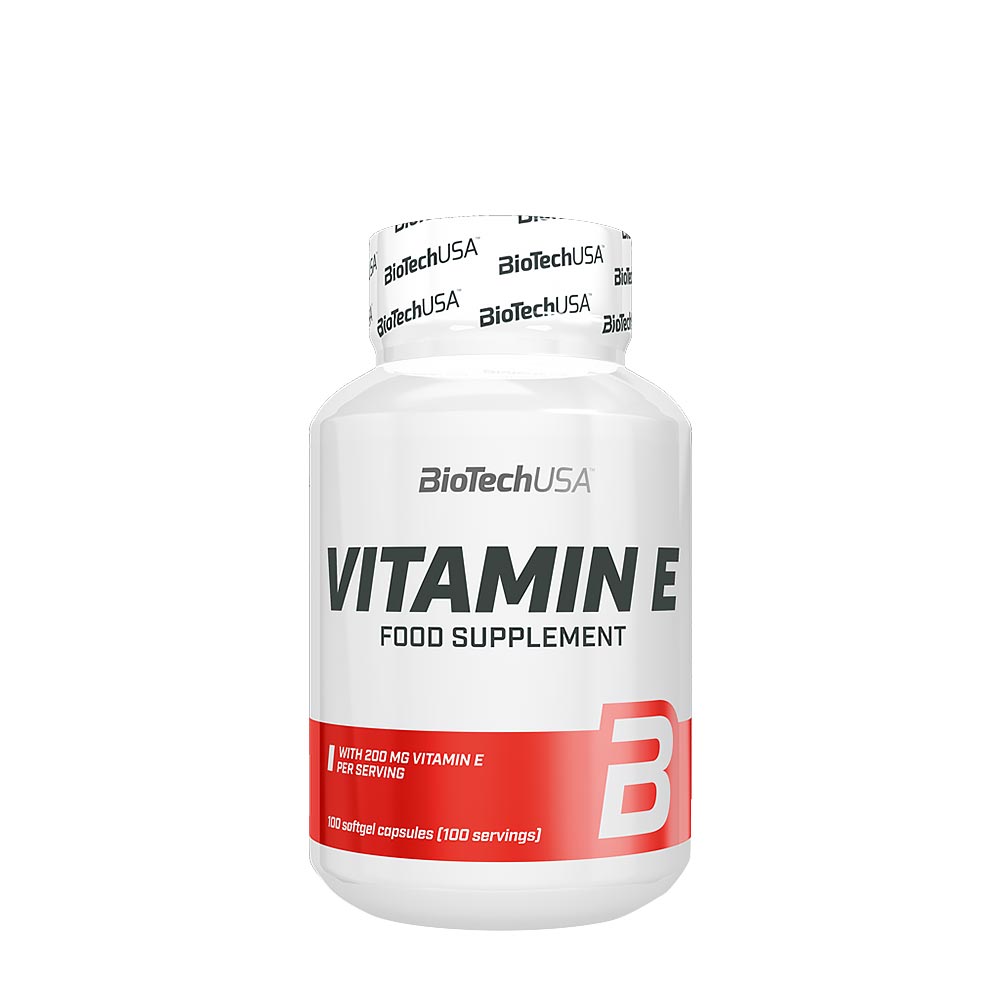
BioTechUSA - Vitamin E
199 krIn stockWhy is this shown? Innehåller alla ämnen artikeln handlar om · Renodlat tillskott — ämnet står i produktnamnet · I lager