Which foods are high in vitamin D? Sources, data & tips
Short answer
The highest measured examples in the cited food tables are cod liver oil and fatty fish such as rainbow trout and sockeye salmon. UV-treated mushrooms and fortified foods such as milk, some plant-based drinks and some breakfast cereals can also provide vitamin D, while fruits are not listed among the higher-vitamin D examples in the cited data.
Quick facts
- Cod liver oil, rainbow trout and sockeye salmon are among the highest measured examples in the cited food table.
- UV-exposed mushrooms are a notable non-animal example, while ordinary mushrooms can be much lower in the same table.
- Fortified milk, fortified plant-based drinks and fortified breakfast cereals can add smaller amounts per serving.
- EFSA sets an adequate intake of 15 µg per day for healthy people over 1 year of age, assuming minimal sun exposure.
- EFSA sets an adequate intake of 10 µg per day for infants aged 7 to 11 months.
- Fortification practices vary between European countries, so label reading matters.
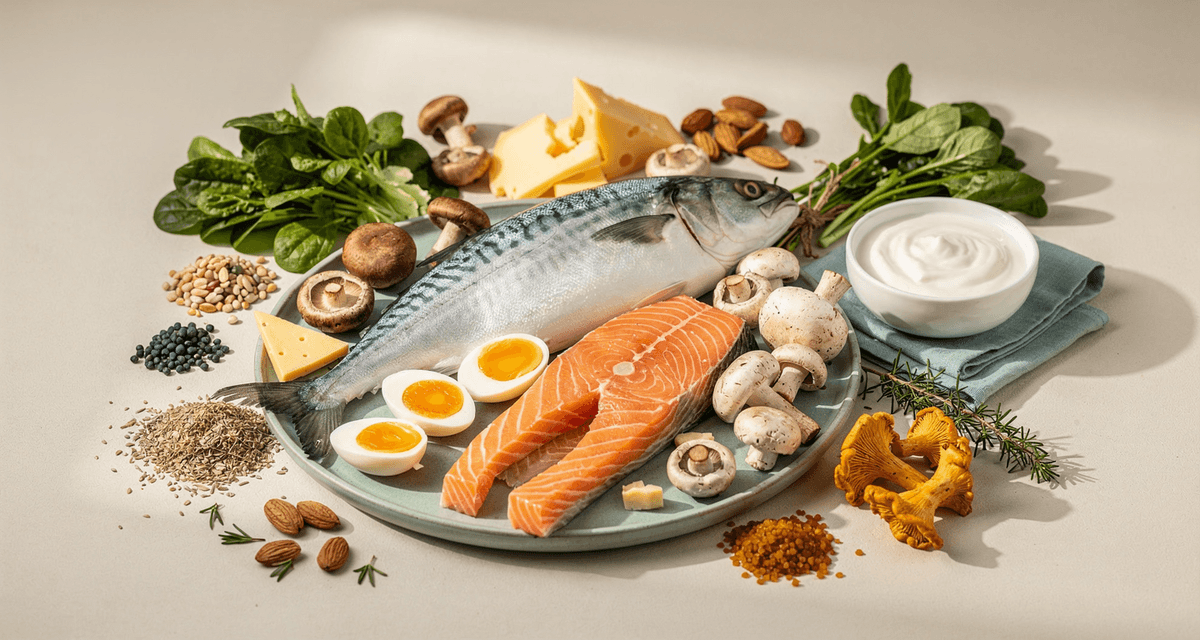
If you are asking which foods are high in vitamin D, the clearest answer comes from measured food-composition examples rather than from long unranked lists. In the cited examples from the U. S. Office of Dietary Supplements, the standout foods are cod liver oil, fatty fish such as rainbow trout and sockeye salmon, UV-exposed mushrooms, and selected fortified foods such as milk, plant-based drinks and breakfast cereals (NIH Office of Dietary Supplements).
The shortest evidence-based shopping answer is simple: fish liver oil and fatty fish sit at the top of the measured examples.
How it works
For shopping, it helps to separate vitamin D foods into a few practical groups. EFSA describes vitamin D as the generic term for ergocalciferol (vitamin D2) and cholecalciferol (vitamin D3), and notes that vitamin D2 and D3 are present in foods. The same EFSA source also notes that vitamin D3 can be synthesised in the skin following exposure to UV-B irradiation (EFSA).
In food lists, that usually translates into three shopper-friendly categories. First are foods that the cited table shows as naturally higher examples, especially fish liver oils and fatty fish. Second are foods with smaller listed amounts, such as eggs, beef liver and cheese. Third are foods where vitamin D has been added or increased, such as fortified milk, fortified plant-based drinks, fortified breakfast cereals, and mushrooms exposed to UV light under controlled conditions (NIH Office of Dietary Supplements; EU-kommissionen).
EFSA also gives intake reference points that can help you read labels in context. Its press summary sets an adequate intake of 15 µg per day for healthy people over 1 year of age, including pregnant and lactating women, and 10 µg per day for infants aged 7 to 11 months. Those values are based on the assumption of minimal sun exposure (EFSA).
What the research and authorised claims say
This article does not use health claims. For this question, the useful evidence is food-composition data and EU labelling rules. The most practical source is the ODS food table, which gives specific serving examples, while the EU mushroom authorisation letter gives a concrete label cue for shoppers looking for vitamin D from mushrooms (NIH Office of Dietary Supplements; EU-kommissionen).
Measured examples: which foods come out highest?
The table below uses only quantified examples that appear in the cited ODS material. It is best read as a comparison of example servings, not as a universal ranking of every product sold in Europe or every food in the category (NIH Office of Dietary Supplements).
| Food | How it appears in the source | Serving | Vitamin D per serving |
|---|---|---|---|
| Cod liver oil | Fish liver oil | 1 tablespoon | 34.0 µg (1,360 IU) |
| Rainbow trout, cooked | Fatty fish | 3 oz | 16.2 µg (645 IU) |
| Sockeye salmon, cooked | Fatty fish | 3 oz | 14.2 µg (570 IU) |
| White mushrooms, UV-exposed | UV-exposed mushroom | About 1/2 cup | 9.2 µg (366 IU) |
| Milk, fortified, 2% | Fortified dairy | 1 cup | 2.9 µg (120 IU) |
| Plant-based drinks, fortified | Fortified plant-based drinks | 1 cup | 2.5-3.6 µg (100-144 IU) |
| Ready-to-eat cereal, fortified | Fortified cereal | 1 serving | 2.0 µg (80 IU) |
| Egg, scrambled | Egg | 1 large egg | 1.1 µg |
| Beef liver, braised | Beef liver | 3 oz | 1.0 µg |
| Portabella mushrooms, raw | Ordinary mushroom | About 1/2 cup | 0.1 µg (4 IU) |
Two patterns stand out from those figures. First, cod liver oil is far above the other listed examples per tablespoon. Second, fatty fish servings are clearly above eggs, beef liver and standard fortified servings in this particular table (NIH Office of Dietary Supplements).
If you want a practical answer to searches such as highest vitamin D foods, what food has vitamin D or which food is rich in vitamin D, the supported short list is cod liver oil, rainbow trout and sockeye salmon. If you want a plant-based example, UV-exposed mushrooms are the strongest quantified non-animal option in the cited material (NIH Office of Dietary Supplements).
What about fruits, vegetables and vegetarian options?
Fruits are not among the higher-vitamin D examples in the cited ODS food list. The measured examples instead focus on fish liver oil, fatty fish, mushrooms, eggs, beef liver and fortified foods. So if you are specifically searching for vitamin D fruits, the cited evidence does not support fruit as a leading category (NIH Office of Dietary Supplements).
For vegetarian shopping, the two strongest evidence-based routes are UV-exposed mushrooms and fortified foods. The contrast within mushrooms is especially useful: the ODS examples list ordinary raw portabella mushrooms at about 0.1 µg per half cup, while UV-exposed white mushrooms are listed at 9.2 µg per half cup. That means the treatment and the label matter much more than the word mushroom on its own (NIH Office of Dietary Supplements).
For plant-based choices, the label often tells you more than the category name.
Fortified foods: often useful, but compare the actual label
The ODS fact sheet states that fortified foods provide most dietary vitamin D in the United States, including milk, plant-based milks, breakfast cereals, juices, yogurt and margarine. Its quantified examples include fortified 2% milk at 2.9 µg per cup, fortified soy, almond and oat drinks at 2.5-3.6 µg per cup, and fortified ready-to-eat cereal at 2.0 µg per serving (NIH Office of Dietary Supplements).
That matters because fortified foods can make vitamin D easier to fit into ordinary meals. A fish dinner may provide more vitamin D in one sitting, but a fortified drink or cereal can still contribute in a smaller everyday portion. The key is not to assume that every item in a category is fortified to the same level. Check the nutrition panel and serving size on the exact product you are considering (NIH Office of Dietary Supplements).
For European shoppers, there is one extra reason to read labels carefully: EFSA notes that food fortification practices vary substantially from one country to the other. So a figure from a U. S. table is helpful for comparison, but it is not a substitute for the label on the product you actually buy in your own market (EFSA).
UV-treated mushrooms in the EU
The EU authorisation letter gives a useful real-world clue for mushroom shoppers. It states that the approval applies to commercially grown Agaricus bisporus mushrooms and that labels will indicate that a controlled light treatment was used to increase vitamin D levels. In other words, the pack itself should tell you when this treatment has been used (EU-kommissionen).
That label requirement is practical because it helps explain why one mushroom product may resemble the higher ODS example and another may not. If a mushroom pack does not state controlled light treatment, you should not assume it matches the UV-exposed example in the food table (EU-kommissionen; NIH Office of Dietary Supplements).
Key limitations
Measured food tables are useful, but they are still example tables. The servings above come from one cited source with its own selected food entries and serving sizes. A tablespoon of cod liver oil, a cup of fortified drink and a 3 oz fish portion are very different formats, so a simple list can hide large differences in how people actually eat those foods (NIH Office of Dietary Supplements).
It is also important to separate U. S. composition examples from European shopping conditions. The ODS figures are helpful for comparison, but EFSA notes that food fortification practices vary substantially across European countries. That means two products with similar names may not match each other across markets (EFSA).
Finally, the mushroom authorisation letter is not a shortcut for assuming that all mushrooms are high in vitamin D. For shoppers, that means the product description matters (EU-kommissionen).
How to choose
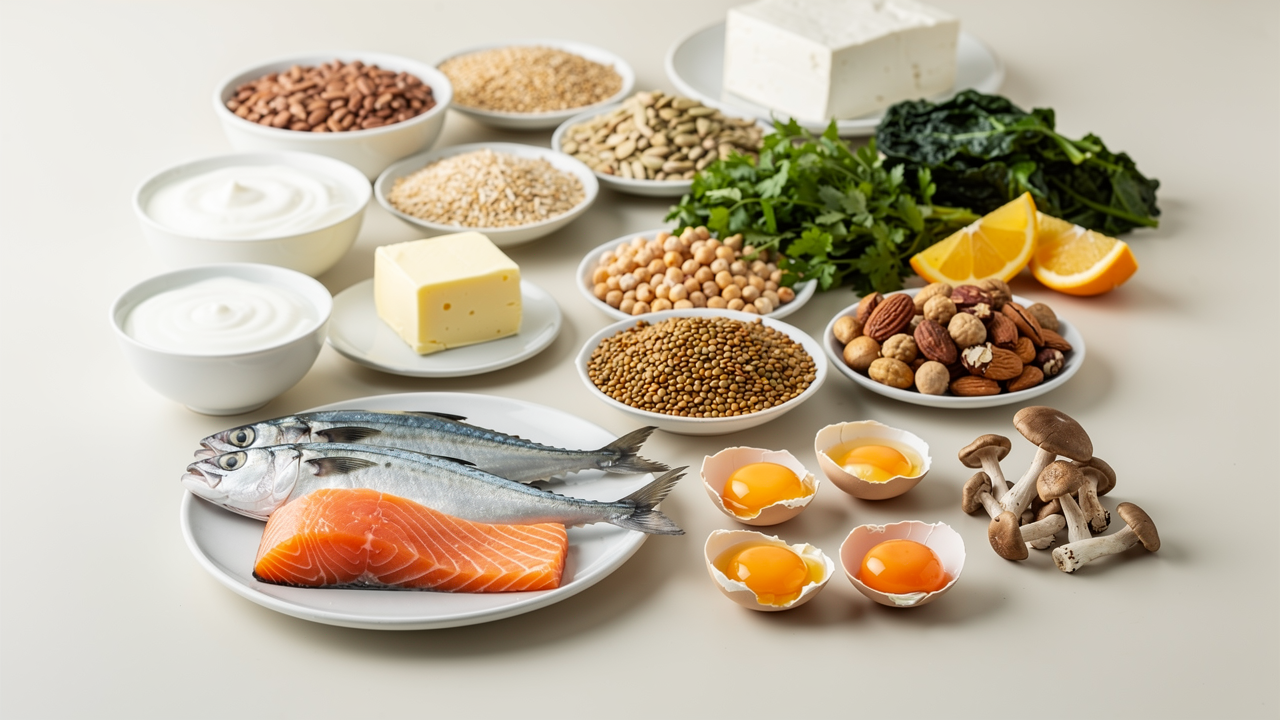
If your goal is to buy foods with more vitamin D, start by deciding which route fits your eating pattern: a higher natural source, a vegetarian option, or an everyday fortified staple. Then compare the declared amount per serving and the serving size you are likely to use (NIH Office of Dietary Supplements).
| If you want... | Look first at... | What to check |
|---|---|---|
| Highest measured examples | Cod liver oil, rainbow trout, sockeye salmon | Serving size and whether you will actually use that amount |
| A non-animal example | UV-exposed mushrooms | Label wording showing controlled light treatment |
| Everyday smaller amounts | Fortified milk, plant-based drinks, breakfast cereals | Nutrition panel and amount per serving |
| General context | EFSA adequate intake figures | 15 µg/day for healthy people over 1 year; 10 µg/day for infants 7-11 months, assuming minimal sun exposure |
- Compare like with like. A product can look impressive until you notice that its serving size is much larger or much smaller than the alternative.
- Do not rely on the category name alone. “Mushrooms” and “plant-based drink” are broad labels; the actual vitamin D content depends on the exact product and, for mushrooms, whether controlled light treatment was used (EU-kommissionen; NIH Office of Dietary Supplements).
- Use fortified foods deliberately. If you do not eat fish, fortified drinks or cereals may be the most practical category to compare on shelf, but read the nutrition panel because fortification is not uniform across markets (EFSA).
- Keep reference values as context, not as a product ranking tool. EFSA's adequate intake figures help frame daily totals, but they do not make one food automatically the right choice for everyone (EFSA).
If you want a quick buying rule, use this order: fish liver oil and fatty fish for the highest measured examples, UV-exposed mushrooms for a supported plant-based example, and fortified drinks or cereals for smaller everyday amounts. For fruits, the cited evidence does not support them as a leading vitamin D category (NIH Office of Dietary Supplements).
Safety, interactions and risk groups
Food sources of vitamin D are part of normal eating patterns, but total intake can rise when concentrated foods, fortified products and supplements are used together. This is especially relevant with products such as cod liver oil alongside multiple fortified foods or a supplement.
If you take medicines, are pregnant or breastfeeding, or are choosing products for a child, take a cautious approach and speak with a healthcare professional before adding a supplement or using concentrated vitamin D products regularly. For babies and young children, use age-appropriate feeding advice rather than adapting adult products.
For infants, EFSA sets an adequate intake of 10 µg per day for ages 7 to 11 months assuming minimal sun exposure. In its infant safety opinion, EFSA kept the tolerable upper intake level at 25 µg per day for infants up to 6 months and set 35 µg per day for infants aged 6 to less than 12 months. That is one more reason to get professional guidance before using concentrated products for babies (EFSA; EFSA).
Safety and precautions
Be careful with total vitamin D intake if you combine concentrated foods such as cod liver oil with fortified products or supplements. If you take medicines, are pregnant or breastfeeding, or are choosing products for a child, speak with a healthcare professional before adding a supplement or using concentrated vitamin D products regularly. For babies and young children, use age-appropriate feeding advice rather than adapting adult products.
Frequently asked questions
What are the highest vitamin D foods?
In the cited measured examples, cod liver oil is the highest listed item, followed by fatty fish such as rainbow trout and sockeye salmon. Those examples are clearly above eggs, beef liver and standard fortified servings in the same table.
Do fruits or vegetables contain much vitamin D?
Fruits are not listed among the higher-vitamin D examples in the cited food data. For plant-based shopping, the strongest supported example is UV-exposed mushrooms, while fortified foods may also help.
What are good vegetarian vitamin D foods?
The best-supported vegetarian options in the cited sources are UV-exposed mushrooms and fortified foods such as some plant-based drinks and breakfast cereals. Ordinary mushrooms can be much lower unless controlled light treatment has been used.
What are 10 vitamin D foods to compare?
A useful comparison list from the cited examples is cod liver oil, rainbow trout, sockeye salmon, UV-exposed white mushrooms, fortified milk, fortified plant-based drinks, fortified ready-to-eat cereal, scrambled egg, braised beef liver and raw portabella mushrooms. Compare the serving size as well as the vitamin D amount.
Which food is rich in vitamin D?
If you want one simple food answer, fatty fish is a strong choice in the cited data, and cod liver oil provides even more per tablespoon. For a non-animal option, look for UV-exposed mushrooms with clear label wording.
What about vitamin D foods for babies?
For babies, do not adapt adult concentrated products without guidance. Use age-appropriate feeding advice, and ask a healthcare professional before using supplements or regularly giving concentrated vitamin D products.
Sources
Read more
Products related to this article
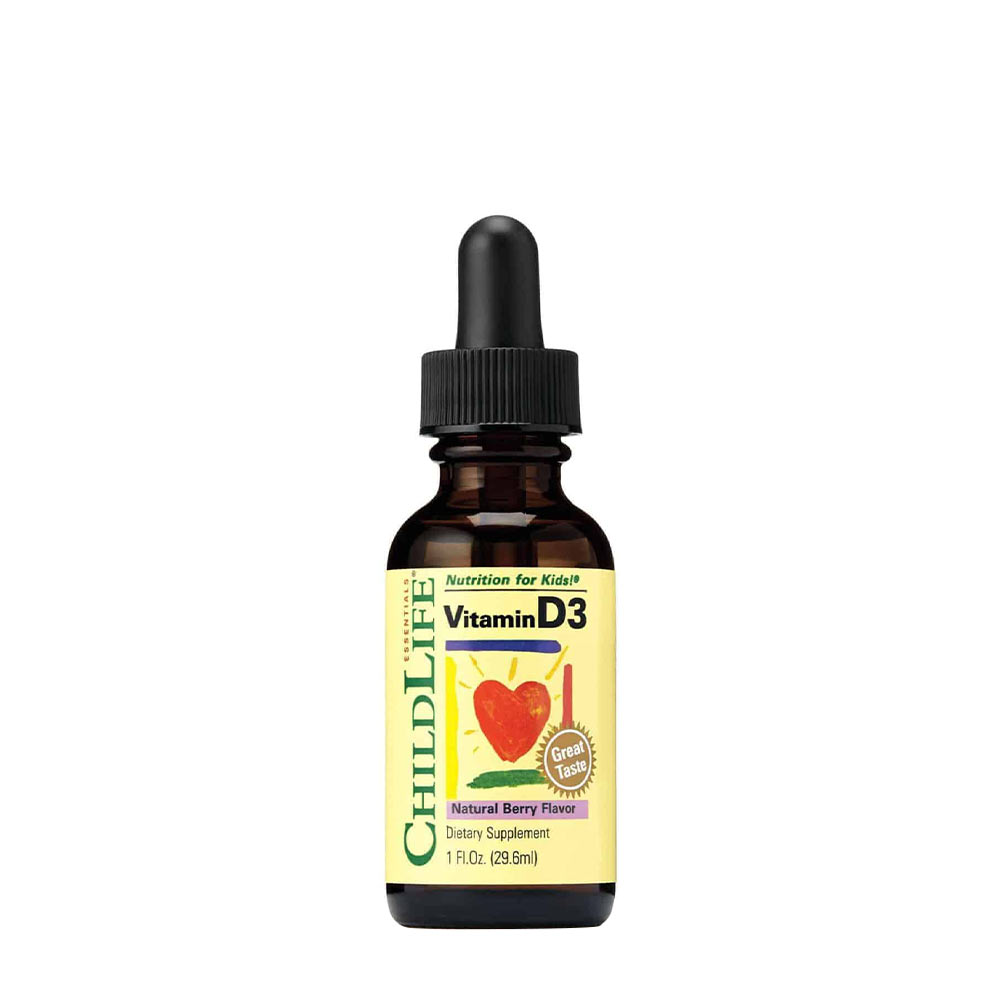
Child Life
Child Life - Vitamin D3 - 1 fl oz
124 krIn stockWhy is this shown?
Katalogkoppling till samtliga valda ingredienser · Ämnesnamnet förekommer i produktnamnet · I lager · Betyg 5.0 av 16 kunder
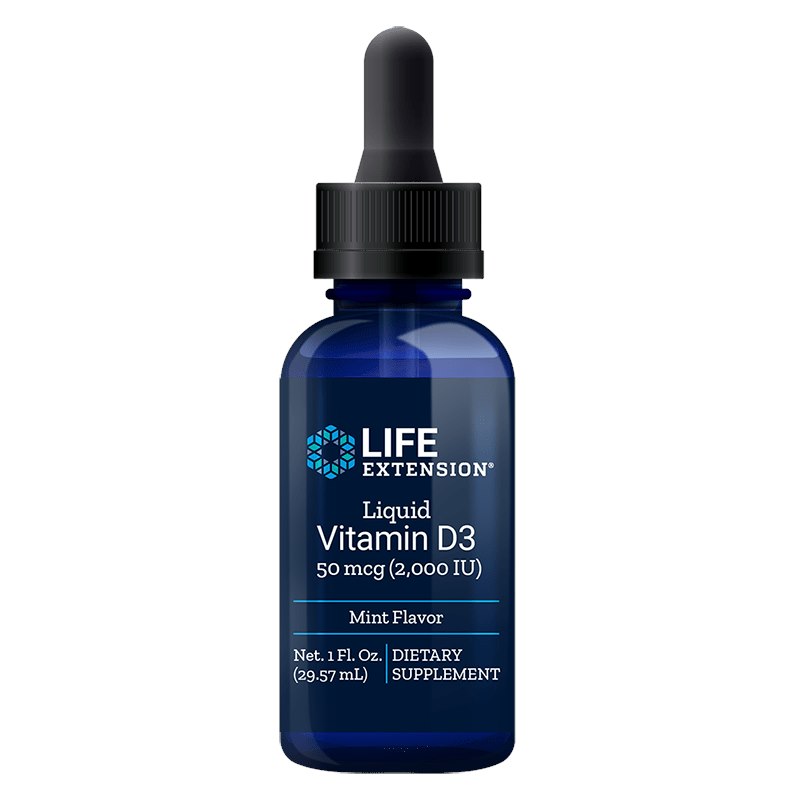
Life Extension
Life Extension - Liquid Vitamin D3 - 29.57ml
288 krIn stockWhy is this shown?
Katalogkoppling till samtliga valda ingredienser · Ämnesnamnet förekommer i produktnamnet · I lager · Betyg 5.0 av 13 kunder
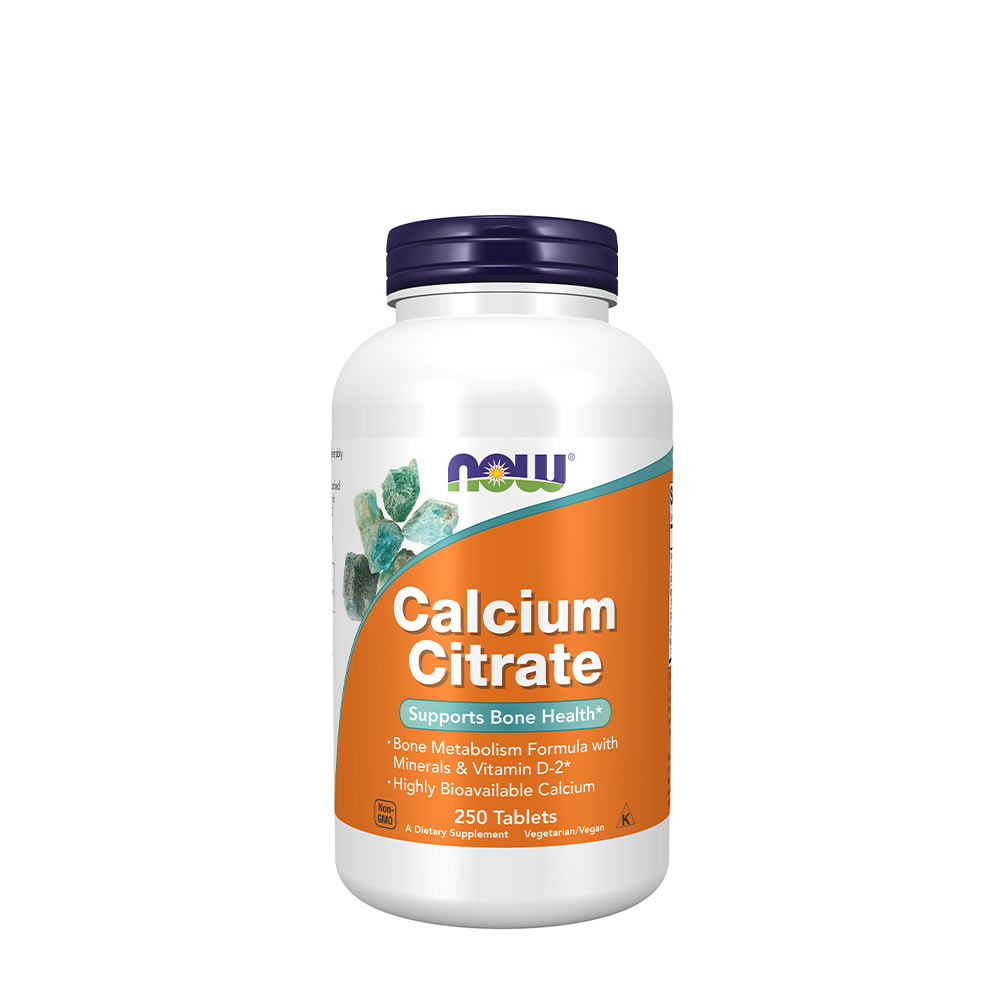
NOW Foods
NOW Foods - Calcium Citrate With Minerals & Vitamin D2 - 250 Tabs
439 krIn stockWhy is this shown?
Katalogkoppling till samtliga valda ingredienser · Ämnesnamnet förekommer i produktnamnet · I lager · Betyg 5.0 av 16 kunder

NOW Foods
NOW Foods - Calcium & Magnesium, Citrate Powder With Vitamin D3 - 227g
221 krIn stockWhy is this shown?
Katalogkoppling till samtliga valda ingredienser · Ämnesnamnet förekommer i produktnamnet · I lager · Betyg 4.9 av 13 kunder
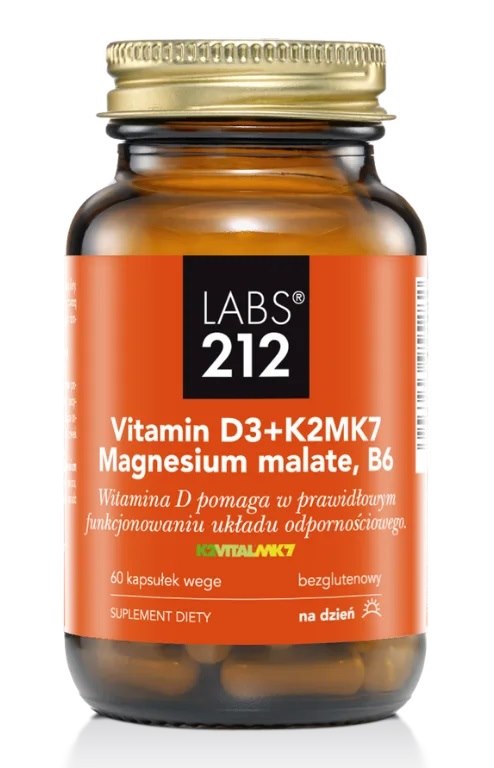
LABS 212
LABS 212 - Vitamin D3 + K2MK7 Magnesium Malate B6 - 60 Caps
254 krIn stockWhy is this shown?
Katalogkoppling till samtliga valda ingredienser · Ämnesnamnet förekommer i produktnamnet · I lager


