Zinc Supplements: What to Know, How to Choose, and Safety Tips
Short answer
Zinc supplements are available in various forms and strengths. They are intended to supplement dietary intake of zinc, an essential mineral. Always consult a healthcare professional before starting any supplement, especially if you have health conditions or take medication.
Quick facts
- Zinc is an essential mineral found in many foods and available as a dietary supplement.
- No authorised health claims are permitted for zinc supplements beyond those approved by regulatory authorities.
- Zinc supplements come in several forms, including zinc gluconate, zinc bisglycinate, and zinc sulfate.
- Zinc and copper are sometimes combined in supplements to help maintain a balanced intake.
- Consult a healthcare professional before use if you are pregnant, breastfeeding, taking medication, or considering supplements for children.

How it works
Zinc is a chemical element with the symbol Zn and atomic number 30. It is classified as an essential mineral, meaning the human body requires it in small amounts for normal physiological functions. Zinc is naturally present in a wide variety of foods, including meat, seafood, dairy products, nuts, and whole grains.
In the context of dietary supplements, zinc is provided in various chemical forms, such as zinc gluconate, zinc bisglycinate, zinc sulfate, and zinc citrate. These forms differ in their elemental zinc content and bioavailability.
Zinc is an essential mineral that must be obtained from the diet or supplements.
The absorption of zinc from supplements can be influenced by several factors, including the presence of other nutrients in the digestive tract. For example, high intakes of iron or calcium may reduce zinc absorption, while certain amino acids may enhance it.
Once absorbed, zinc is distributed throughout the body and is involved in numerous enzymatic processes. It is stored primarily in muscle and bone, with smaller amounts found in the skin, liver, and other tissues. The body regulates zinc levels through absorption and excretion, primarily via the gastrointestinal tract.
Zinc homeostasis is tightly controlled, as both deficiency and excess can have physiological consequences. The body does not have a specialized storage system for zinc, so regular dietary intake is necessary to maintain adequate levels.
What the research and authorised claims say
According to European regulatory authorities, only specific health claims for zinc are authorised for use in the EU. These claims may be used only when the product contains at least 1.5 mg of zinc per 100 g or 100 ml, or per serving if the product is a single-serve portion.
No other health or nutrition claims are permitted for zinc supplements in the EU.
It is important to note that these authorised claims are based on the established role of zinc in normal physiology, not on any therapeutic effect.
Research on zinc supplementation has explored its effects in various populations and contexts. However, regulatory authorities only permit the above claims, and other potential effects are not recognised for marketing purposes.
Some studies have investigated zinc status in specific groups, such as older adults, vegetarians, and people with certain dietary patterns. These groups may have different dietary zinc intakes, but supplementation should only be considered after dietary assessment and professional guidance.
Key limitations
- There is no evidence that zinc supplements are effective for any medical condition unless a deficiency is diagnosed by a healthcare professional.
- Excessive intake of zinc can interfere with the absorption of other minerals, such as copper.
- Only the authorised claims listed above may be used; other effects are not supported by regulatory authorities.
Always follow the recommended dosage and consult a healthcare professional if unsure.
Another limitation is that the absorption and utilisation of zinc from supplements can vary depending on the form of zinc, the presence of other dietary components, and individual factors such as age, health status, and genetic differences.
Supplements should not be used as a substitute for a balanced and varied diet. The bioavailability of zinc from food sources is generally higher, especially from animal-based foods, compared to plant-based sources, which may contain phytates that inhibit zinc absorption.
Long-term use of high-dose zinc supplements without medical supervision can lead to adverse effects, including copper deficiency, altered lipid profiles, and potential impacts on immune function.
How to choose
When selecting a zinc supplement, consider the following factors:
- Form of zinc: Common forms include zinc gluconate, zinc bisglycinate, zinc sulfate, and zinc citrate. Each form contains a different percentage of elemental zinc and may vary in absorption.
- Elemental zinc content: The amount of actual zinc in a supplement varies by form. Check the label for elemental zinc per serving.
- Combination with copper: Some supplements combine zinc and copper to help maintain a balanced intake, as high zinc intake can reduce copper absorption.
- Dosage: The recommended daily intake for adults varies by age and sex, but generally ranges from 7 to 11 mg per day.
- Quality and purity: Choose products from reputable manufacturers that comply with food safety regulations.
- Supplement format: Zinc supplements are available as tablets, capsules, lozenges, liquids, and powders. The choice of format may depend on personal preference, ease of swallowing, and intended use.
- Label transparency: Reputable supplements should clearly state the form of zinc used, the amount of elemental zinc per serving, and any other minerals included.
- Allergens and additives: Check for potential allergens (such as gluten, lactose, or soy) and unnecessary additives, especially if you have sensitivities.
Comparison of common zinc supplement forms
| Form | Elemental Zinc (%) | Typical Use |
|---|---|---|
| Zinc gluconate | ~14% | Widely used in tablets and lozenges |
| Zinc bisglycinate | ~25% | Often marketed for higher absorption |
| Zinc sulfate | ~23% | Common in capsules and liquids |
| Zinc citrate | ~31% | Used in tablets and chewables |
Note: The percentage refers to the proportion of elemental zinc in the compound, not the total weight of the supplement.
The choice of zinc form may affect tolerability. For example, some people find that zinc sulfate can cause more gastrointestinal discomfort than other forms. Zinc bisglycinate, a chelated form, is sometimes chosen for its potential to reduce stomach upset, but only authorised claims may be made.
Some supplements are designed to be taken with food to improve absorption and reduce the risk of stomach irritation. Always follow the instructions on the product label.
When considering combination products (such as zinc with copper or other minerals), check the amounts of each mineral to ensure they do not exceed recommended intakes.
Safety, interactions and risk groups
Zinc supplements are generally considered safe when used as directed. However, excessive intake can cause adverse effects, including nausea, vomiting, loss of appetite, stomach cramps, diarrhea, and headaches. Chronic high intake may interfere with copper absorption and lead to copper deficiency.
- Do not exceed the recommended daily dose unless advised by a healthcare professional.
- Consult a healthcare professional before use if you are pregnant, breastfeeding, taking medication, or considering supplements for children.
- People with certain health conditions or those taking medications that affect zinc or copper levels should seek medical advice before using zinc supplements.
Some medications can interact with zinc, including antibiotics (such as tetracyclines and quinolones), penicillamine (used for Wilson's disease and rheumatoid arthritis), and diuretics. Zinc can reduce the absorption of these medications, and vice versa. If you are taking any prescription medication, consult your healthcare provider before starting a zinc supplement.
High-dose zinc supplementation over extended periods can suppress copper absorption, potentially leading to anemia and neurological symptoms associated with copper deficiency. For this reason, some supplements include copper to help maintain balance.
Children, pregnant and breastfeeding women, and older adults may have different requirements and tolerances for zinc. Supplementation in these groups should only occur under medical supervision.
People with certain gastrointestinal disorders (such as Crohn's disease or celiac disease) may have impaired zinc absorption and could be at higher risk of deficiency. However, supplementation should be based on individual assessment and professional guidance.
Individuals following plant-based diets may have lower zinc bioavailability due to the presence of phytates in whole grains and legumes, which can inhibit zinc absorption. Food preparation methods such as soaking, fermenting, or sprouting may help reduce phytate content and improve zinc bioavailability from plant foods.
Signs of excessive zinc intake can include gastrointestinal symptoms, reduced immune function, and changes in blood lipid levels. Chronic high intake may also affect iron metabolism and lead to copper deficiency.
Practical considerations for use
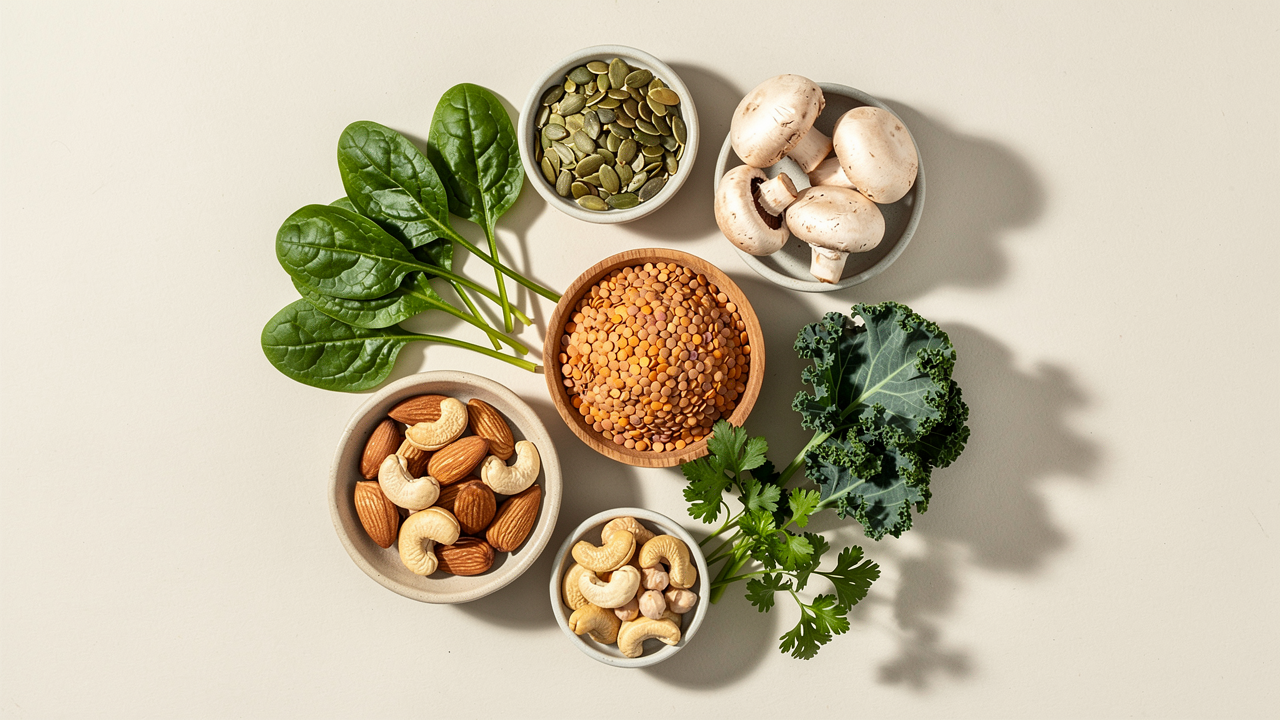
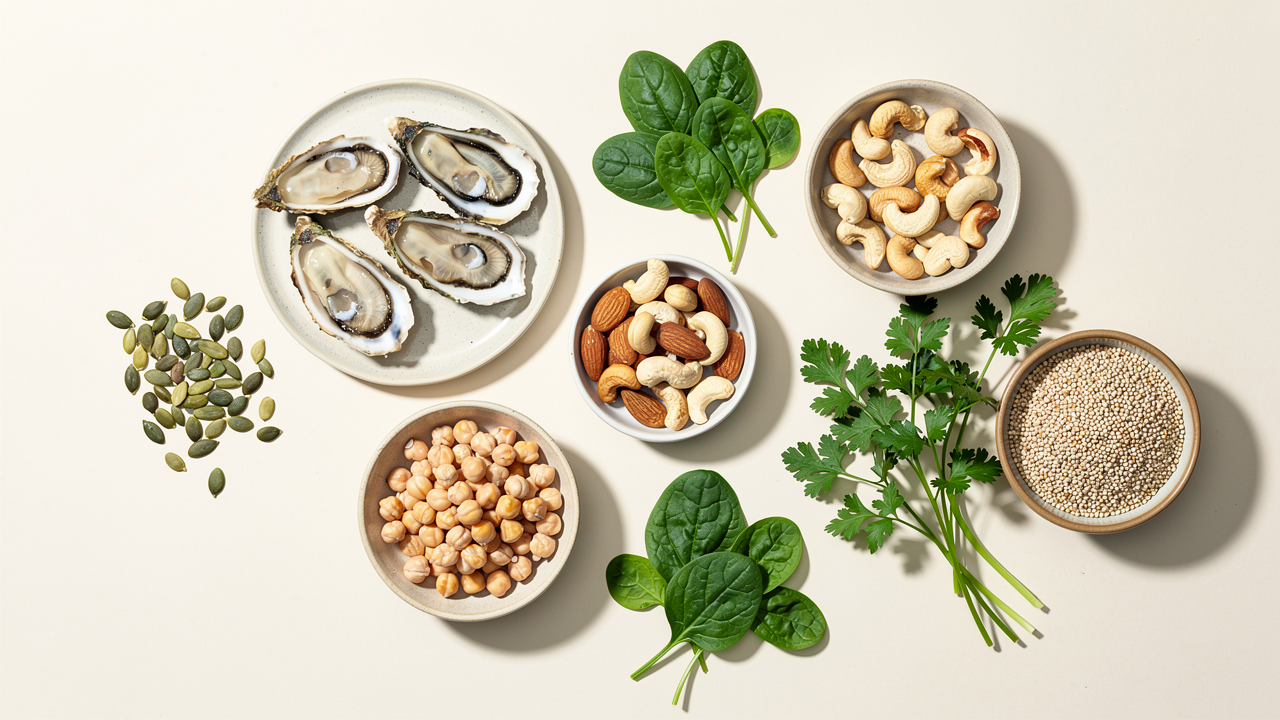
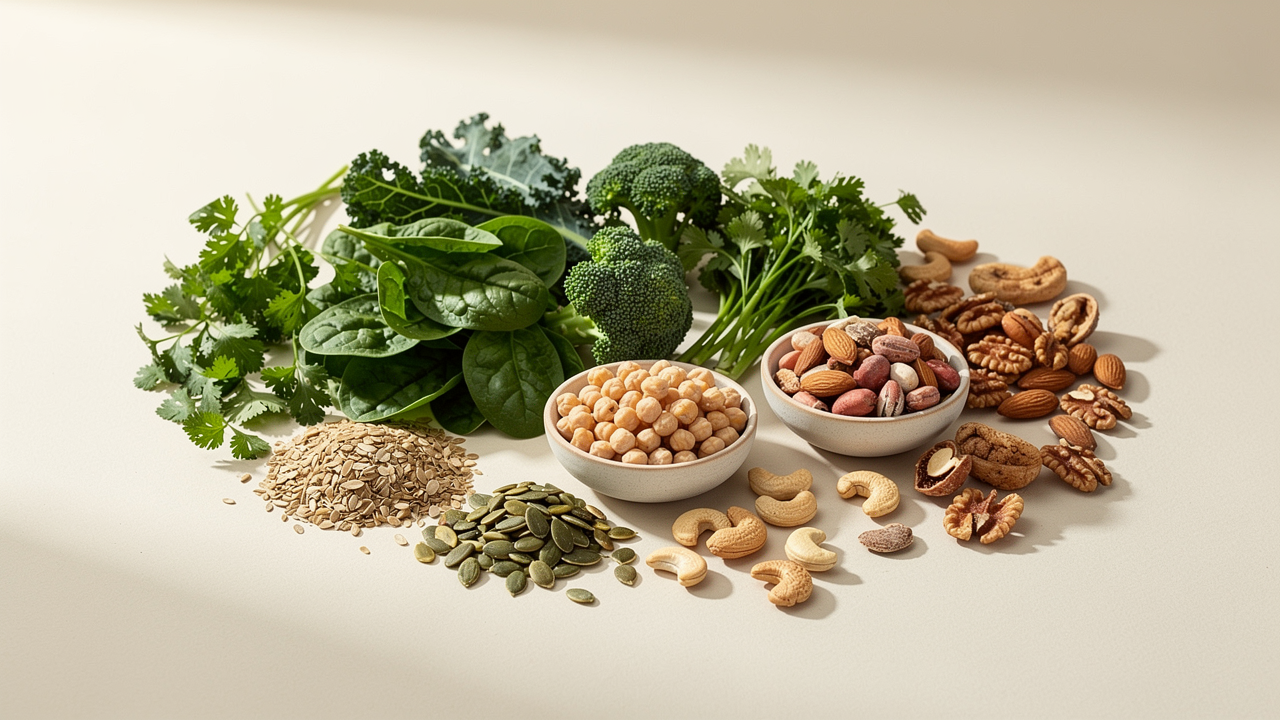
Before starting a zinc supplement, assess your dietary intake and consider whether your needs can be met through food sources. Foods rich in zinc include oysters, beef, poultry, beans, nuts, whole grains, and dairy products.
If you choose to use a supplement, take it as directed on the label. Some forms of zinc are better absorbed on an empty stomach, but this may increase the risk of stomach upset. Taking zinc with a meal may reduce gastrointestinal discomfort but could also decrease absorption slightly.
Store zinc supplements in a cool, dry place, away from direct sunlight and out of reach of children. Do not use supplements past their expiration date.
If you experience side effects such as nausea, vomiting, or stomach pain, discontinue use and consult a healthcare professional.
Regular monitoring is not usually necessary for people taking zinc supplements at recommended doses, but those using high-dose supplements or with health conditions affecting mineral status may require periodic assessment by a healthcare provider.
Environmental and regulatory considerations
Zinc supplements sold in the EU must comply with food safety and labeling regulations. Only forms of zinc approved for food use are permitted in supplements. The label must state the form of zinc, the amount of elemental zinc per serving, and any authorised health claims.
Supplements should not be marketed as a substitute for a balanced diet or as having unapproved health effects. Claims beyond those authorised by regulatory authorities are not permitted.
The environmental impact of zinc production and mining is a consideration for some consumers. While not directly related to supplement efficacy, choosing products from companies with transparent sourcing and sustainability practices may be important to some individuals.
Disposal of unused or expired supplements should follow local guidelines to avoid environmental contamination. Do not flush supplements down the toilet or throw them in household waste where prohibited.
Safety and precautions
Zinc supplements should not be used as a substitute for a varied diet. Excessive zinc intake can cause gastrointestinal discomfort and may interfere with copper absorption. Always follow the recommended dosage on the product label. Consult a healthcare professional before use if you are pregnant, breastfeeding, taking medication, or considering supplements for children. Individuals with health conditions affecting mineral absorption should seek medical advice before starting zinc supplementation.
Frequently asked questions
zinc supplements benefits
No other benefits can be claimed.
zinc supplement copper
Some supplements combine zinc and copper to help maintain a balanced intake, as high doses of zinc can reduce copper absorption. Always check the label for both minerals and consult a healthcare professional before use.
zinc bisglycinate
Zinc bisglycinate is a chelated form of zinc, where zinc is bound to the amino acid glycine. It is often marketed for its potential absorption properties, but only authorised claims may be made.
zinc and copper
Zinc and copper are both essential minerals. High zinc intake can interfere with copper absorption, so some supplements include both to help maintain balance.
zinc supplement for men
Zinc is an essential mineral for all adults. Authorised claims include its contribution to normal fertility and reproduction, which applies to men and women.
zinc supplement side effects
Possible side effects of excessive zinc intake include nausea, vomiting, diarrhea, stomach cramps, and headaches. Chronic high intake may cause copper deficiency.
copper and zinc solution
Copper and zinc solutions may be used in laboratory or industrial contexts. In supplements, they are sometimes combined to help maintain mineral balance.
copper or zinc for roof moss
Copper and zinc strips are sometimes used on roofs to help reduce moss growth, but this is unrelated to dietary supplements.
zinc and copper sulfate
Zinc sulfate and copper sulfate are chemical compounds used in various industrial and laboratory applications. In supplements, only forms approved for food use are permitted.
copper and zinc combined
Some dietary supplements combine copper and zinc to help maintain a balanced intake, as high zinc intake can reduce copper absorption.
zinc supplement dosage
The recommended daily intake for adults generally ranges from 7 to 11 mg of zinc per day, depending on age and sex. Do not exceed the recommended dose unless advised by a healthcare professional.
zinc supplement for skin
No other skin-related claims are permitted.
Sources
- EFSA: authorised claims for zinc
- national food agency: safety guidance and dosage recommendations
- meta-analysis: evidence on zinc supplementation and deficiency