Magnesium or calcium: which should you choose?
Short answer
Start with the mineral your diet is most likely missing. Calcium is the first check when dairy or fortified foods are low, while magnesium is the first check when intake is low or losses are higher. If both are short, both matter.
Quick facts
- Calcium is the first check when dairy or fortified foods are scarce.
- Magnesium is often the first check when intake is low or losses are higher.
- EFSA lists adult magnesium adequate intakes of 350 mg/day for men and 300 mg/day for women.
- NIH gives calcium RDAs of 1,000 mg/day for younger women and 1,200 mg/day for women over 50.
- Calcium carbonate is about 40% elemental calcium, while calcium citrate is about 21%.
- Calcium is absorbed best in doses of 500 mg or less at a time.

Magnesium or calcium: which matters more for you?
Start with food, because EFSA uses dietary reference values to plan and assess diets, and says usual intakes should sit between the average requirement and the upper limit. If your diet already covers both reference values, neither mineral needs to be the first focus. EFSA dietary reference values
Choose calcium first when calcium intake is the gap
NIH ODS gives calcium RDAs of 1,000 mg/day for younger women and 1,200 mg/day for women over 50. If dairy or fortified foods are scarce, or your calcium intake is repeatedly low, calcium is the mineral to check first. NIH ODS calcium fact sheet
Choose magnesium first when intake is low or losses are higher
NIH ODS lists poor dietary intake, gastrointestinal losses, chronic alcoholism, renal dysfunction, type 2 diabetes, older age, and medications among the causes linked with magnesium deficiency. EFSA’s adult adequate intakes are 350 mg/day for men and 300 mg/day for women. NIH ODS magnesium fact sheet EFSA magnesium adequate intakes
| Situation | Mineral to check first | Why this one |
|---|---|---|
| Low dairy or fortified-food intake, or calcium intake that stays below the RDA | Calcium | ODS sets a higher RDA for women over 50, at 1,200 mg/day, and 1,000 mg/day for younger women. Source |
| Poor intake, gastrointestinal losses, chronic alcoholism, older age, or medication-related losses | Magnesium | ODS lists these as causes of magnesium deficiency. Source |
| Low intake of both minerals, or a pattern where calcium and magnesium shortfalls may coexist | Both | Source |
One mineral does not replace the other, and a combined product is not automatically better; the right first step is to match the supplement to the gap your diet or health pattern is actually creating.
When the pattern is unclear, choose the mineral with the stronger intake gap first, rather than assuming a two-in-one product solves both.
How do calcium and magnesium act in the body?
Calcium appears in the supplied sources as a structural and signalling mineral: NIH ODS says it is critical for bone mineralization, muscle contraction, nerve signaling and electrophysiology. Calcium Health Professional Fact Sheet That puts it at the centre of both bone structure and fast communication between cells and tissues.

Magnesium works in a different way. EFSA describes it as a cofactor for more than 300 enzymatic reactions, including the synthesis of carbohydrates, lipids, nucleic acids and proteins, while NIH ODS links it to energy-yielding metabolism, muscle function and the nervous system.
| Mineral | Main roles in the supplied sources | Interaction note |
|---|---|---|
| Calcium | Bone mineralization; muscle contraction; nerve signaling; electrophysiology. NIH ODS | Severe magnesium deficiency can disturb calcium homeostasis. NIH ODS |
| Magnesium | Cofactor in more than 300 enzymatic reactions; involved in synthesis of carbohydrates, lipids, nucleic acids and proteins; linked to energy-yielding metabolism, muscle function and the nervous system. EFSA NIH ODS | Magnesium absorption can be inhibited by phosphate. EFSA consultation |
| Phosphorus | Involved in the cell’s energy cycle, acid-base balance, cell regulation and signalling, and mineralisation of bones and teeth. EFSA | Part of the same mineralisation picture as calcium and magnesium. EFSA |
When magnesium falls too low, calcium balance can be disturbed; when phosphorus is part of bone mineralisation, the three minerals belong in one conversation rather than separate ones. NIH ODS EFSA
What do official claims and research actually support?
Official wording is not the same as marketing copy, and it also changes by jurisdiction. In the material here, the clearest regulatory example is the FDA’s qualified health claim for magnesium and high blood pressure; EFSA, by contrast, publishes dietary reference values rather than disease claims. For calcium, the retrieved NIH sheet focuses on physiology and deficiency, not a comparable claim list.
Magnesium: the exact function claims are narrow
EFSA also describes magnesium as a cofactor in more than 300 enzymatic reactions and notes its role in neuromuscular and cardiovascular systems. EFSA magnesium reference values
What the trials suggest, and where the gaps are
| Area | What the sources here show | How to read it |
|---|---|---|
| Magnesium and blood pressure | NIH cites a Cochrane review of 12 trials using 243–973 mg/day for 8–26 weeks, with about a 2.2 mmHg drop in diastolic blood pressure; another meta-analysis of 22 studies found 3–4 mmHg lower systolic pressure and 2–3 mmHg lower diastolic pressure, with larger effects above 370 mg/day. NIH magnesium trials | Modest effect, not a broad wellness result. |
| Calcium and body composition | A meta-analysis of 41 randomized trials, including 4,802 adults, found calcium had no effect on body weight or body fat unless it was paired with energy restriction. NIH calcium trials | Not a stand-alone weight-loss claim. |
| Common marketing extras | The allowed sources here do not confirm trial evidence for cramps, sleep quality, mood, blood sugar or glycated outcomes, heart rhythm beyond general physiology, or exercise performance. | These remain unverified in this evidence set. |
The benefits look most plausible when intake is low or a deficiency is present. NIH notes that magnesium deficiency can bring fatigue, weakness, cramps, personality changes, abnormal heart rhythms, and severe disturbances of calcium and potassium balance; calcium deficiency is tied to hypocalcemia and neuromuscular irritability. NIH magnesium deficiency NIH calcium deficiency
When intake is already adequate, supplement effects are usually smaller, harder to measure, or uncertain.
The biggest limitation in the magnesium literature is study design: the FDA review says many reports did not clearly establish baseline magnesium status, and many studies were too inconsistent to support firm conclusions. FDA review
How much do you need from food each day?
EFSA uses dietary reference values for healthy people, and the report says they are meant to estimate how much of a nutrient is needed when other nutrients are already satisfied. For magnesium, EFSA set adequate intakes of 350 mg/day for men and 300 mg/day for women, with lower age-group values ranging from about 80 mg/day in 7–11-month infants to 300 mg/day depending on age and sex. EFSA dietary reference values summary report EFSA magnesium press release

NIH ODS gives magnesium reference amounts for adults of about 400–420 mg/day for men and 310–320 mg/day for women, and its fact sheet also specifies pregnancy and lactation variations. For calcium, the NIH ODS health-professional fact sheet shows 1,000 mg/day for younger women and 1,200 mg/day for women over 50, with similar adult values for men. NIH ODS magnesium fact sheet NIH ODS calcium fact sheet
Magnesium and calcium side by side
| Nutrient | Reference intakes in the supplied sources | Common signs and causes of low status | Upper limit note |
|---|
Why the numbers are guides, not diagnoses
EFSA notes that magnesium deficiency can cause hypocalcaemia and hypokalaemia, but also that it is difficult to relate magnesium deficiency to one specific symptom because mineral interactions blur the picture. The practical result is that intake targets and upper limits help you compare food and supplements, while blood tests and symptoms need to be read together. EFSA magnesium scientific opinion EFSA dietary reference values summary report
Foods with both minerals: what is calcium magnesium phosphate?
Food sources that actually deliver calcium or magnesium
For calcium, NIH ODS lists milk, yogurt, cheese, canned sardines and salmon with bones, kale, broccoli, bok choy, calcium-fortified fruit juices, soy or almond beverages, tofu, and cereals as main sources. NIH ODS calcium food sources
For magnesium, EFSA names nuts, whole grains and grain products, fish and seafood, several vegetables, legumes, berries, bananas, coffee and cocoa beverages, and even tap or bottled water as contributors. EFSA magnesium opinion EFSA magnesium scientific opinion
| Mineral | Food examples named in the sources | Practical way to read the list |
|---|---|---|
| Calcium | Milk, yogurt, cheese, canned sardines and salmon with bones, kale, broccoli, bok choy, fortified juices, soy or almond beverages, tofu, cereals | These are ordinary foods and fortified foods, not ingredient names. NIH ODS |
| Magnesium | Nuts, whole grains and grain products, fish and seafood, vegetables, legumes, berries, bananas, coffee and cocoa beverages, tap or bottled water | EFSA shows that magnesium can come from a wide mix of foods and drinks. EFSA |
What changes absorption in the food matrix
Among the allowed sources, EFSA specifically notes that magnesium absorption can be inhibited by phytic acid and phosphate. That makes the surrounding food matrix relevant: a mineral is not the same thing as the whole food that carries it. EFSA magnesium scientific opinion
The sources here do not give a full comparison for every factor sometimes discussed in nutrition writing, but they do show one clear point: magnesium from foods is not limited to a single food group, and some food components can reduce its absorption. EFSA magnesium scientific opinion
What calcium magnesium phosphate means on a label
How do you choose the right supplement form?
Magnesium: read the elemental amount first
The FDA notes that magnesium supplements come in several forms and that the forms have varying rates of absorption FDA magnesium petition review. In the permitted sources, there is no direct ranking for magnesium oxide, citrate, hydroxide, lactate, glycinate, malate, or chloride, so the useful comparison is the label itself: how much elemental magnesium you get per serving, and whether you can take that product comfortably and consistently.

The same FDA review says many magnesium supplements contain 200 mg to 400 mg of elemental magnesium per serving, and the label declares the elemental amount rather than the total weight of the salt FDA magnesium petition review. That matters because two products can look very different on the front of the pack while delivering the same elemental mineral on the nutrition panel.
Calcium: carbonate and citrate are not interchangeable
For calcium, the NIH fact sheet gives a clearer practical comparison. Calcium carbonate is about 40% elemental calcium by weight, while calcium citrate is about 21% NIH ODS calcium fact sheet. Carbonate is better absorbed with food and may cause more gastrointestinal side effects, whereas citrate is less dependent on stomach acid and may be taken without food NIH ODS calcium fact sheet.
A 300 mg dose is absorbed better than a 1,000 mg dose, so a large single tablet is not automatically the best use of the mineral NIH ODS calcium fact sheet.
| Form | What the permitted sources support | Practical takeaway |
|---|---|---|
| Magnesium oxide, citrate, hydroxide, lactate | Different magnesium forms have varying absorption, but no head-to-head ranking is provided in the permitted sources FDA magnesium petition review | Compare elemental magnesium per serving and choose the form you tolerate |
| Magnesium glycinate, malate, chloride | No direct comparison is given in the permitted sources | Do not assume superiority from the salt name alone |
| Calcium carbonate | About 40% elemental calcium by weight; better with food; more GI side effects NIH ODS calcium fact sheet | Often easier to use with meals |
| Calcium citrate | About 21% elemental calcium by weight; less dependent on stomach acid; may be taken without food NIH ODS calcium fact sheet | Often easier if you prefer not to take it with meals |
| Calcium citrate-malate | No separate comparison is given in the permitted sources | Check elemental calcium and dosing instructions on the label |
Read the label for elemental mineral, not just the compound name; that is what lets you compare products fairly.
Combined formulas are not automatically better
The allowed sources do not show that a combined magnesium-calcium formula is inherently superior. A mixed product only makes sense if the elemental amounts, the dosing schedule, and the way you tolerate it fit your needs; otherwise, a single-mineral product can be the cleaner choice FDA magnesium petition review NIH ODS calcium consumer fact sheet.
Products with citrat

Who should be careful with supplements or combinations?
The clearest caution in the source material is not one single product, but anything that already changes calcium or magnesium balance. NIH lists vitamin D deficiency, magnesium deficiency, hypoparathyroidism, impaired bone resorption, critical illness, and medications as causes of calcium deficiency, and it notes that severe magnesium deficiency can disturb calcium and potassium homeostasis. If you already have an abnormal mineral pattern, extra calcium or magnesium should be reviewed as part of the full daily picture, not as a stand-alone tablet. NIH calcium health professional fact sheet NIH magnesium health professional fact sheet
Medicines that can clash with magnesium or calcium
| Combination | What the source says | Practical step |
|---|---|---|
| Magnesium + bisphosphonates | Magnesium supplements reduce absorption of bisphosphonates. | Take the bisphosphonate at least 2 hours before or after magnesium-containing products. NIH magnesium health professional fact sheet |
| Calcium + dolutegravir | Calcium can significantly reduce dolutegravir absorption. | Take dolutegravir 2 hours before or 6 hours after calcium supplements. NIH calcium health professional fact sheet |
| Calcium + lithium | Long-term lithium use can cause hypercalcemia, and added calcium may heighten that risk. | Get clinician guidance before combining them. NIH calcium health professional fact sheet |
| Calcium + bisphosphonates, cisplatin, proton pump inhibitors | NIH lists these medicines among causes of calcium deficiency. | Review the full medicine list if calcium status is a concern. NIH calcium health professional fact sheet |
| Magnesium + diuretics | NIH notes that diuretics can affect magnesium status. | Do not assume more magnesium is always the answer; check the medicine first. NIH magnesium health professional fact sheet |
Symptoms that deserve a closer look
For magnesium, NIH lists early deficiency signs as loss of appetite, nausea, vomiting, fatigue, and weakness; worsening deficiency may bring numbness, tingling, muscle cramps, seizures, personality changes, and abnormal heart rhythms, and severe deficiency can disturb calcium and potassium homeostasis. For calcium, NIH notes neuromuscular irritability and more severe systemic effects. New symptoms after starting a mineral product are a reason to pause and review the whole routine. NIH magnesium health professional fact sheet NIH calcium health professional fact sheet
The total daily amount is what counts
FDA notes that many single-ingredient magnesium supplements provide 200 to 400 mg of elemental magnesium, while multivitamin/multimineral products usually provide 100 mg or less; the adult upper limit for supplemental magnesium is 350 mg/day. For calcium, NIH states that adult upper limits for calcium from food and supplements together range from 2,000 to 2,500 mg/day. That is why the same day’s total, across several products, matters more than the label on one bottle. FDA magnesium qualified-health-claim letter NIH calcium health professional fact sheet NIH magnesium consumer fact sheet
NIH calcium health professional fact sheet NIH magnesium health professional fact sheet
What mistakes make calcium or magnesium supplements less useful?
Starting with a pill instead of the whole diet
The most common mistake is to treat magnesium or calcium as a shortcut. The official numbers are not huge: EFSA set magnesium adequate intakes at 350 mg/day for adult men and 300 mg/day for adult women, while NIH ODS lists a supplemental upper limit of 350 mg/day for adults. For calcium, NIH ODS gives adult RDAs around 1,000 to 1,200 mg/day and adult ULs around 2,000 to 3,000 mg/day depending on age, and EFSA notes that no calcium UL could be set from the evidence it reviewed. That makes “more” a poor default; the practical starting point is whether intake is already close to a normal range rather than whether a dose looks impressive on the label. EFSA magnesium reference values NIH ODS calcium fact sheet
| Mistake | What the sources show | Better approach |
|---|---|---|
| Using more than the supplement limit | Magnesium supplements above 350 mg/day can cause diarrhea, nausea, and abdominal cramping; very high doses may cause irregular heartbeat, hypotension, or cardiac arrest. Calcium has age-based ULs that should not be exceeded. NIH ODS magnesium fact sheet NIH ODS calcium fact sheet | Use normal intake ranges first, not megadoses. |
| Choosing a form for the wrong reason | Calcium carbonate is better absorbed with food and calcium citrate is less dependent on stomach acid; calcium is absorbed best when single doses are 500 mg or less. Several magnesium forms, including carbonate, chloride, gluconate, and oxide, are commonly associated with diarrhea or GI discomfort. NIH ODS calcium consumer fact sheet NIH ODS magnesium fact sheet | Pick the form that fits tolerance and routine, not the one that sounds strongest. |
| Expecting a supplement to explain every symptom | Fatigue, weakness, muscle cramps, tingling, and abnormal heart rhythms can appear with magnesium deficiency, while calcium deficiency can cause neuromuscular irritability and spasms. Those are possible signs, not proof of the cause. NIH ODS magnesium fact sheet NIH ODS calcium fact sheet | Look for the broader pattern before assuming one mineral is the answer. |
What the evidence can and cannot promise
The best-supported use of these nutrients is correcting a shortfall. NIH ODS cites only modest magnesium effects in some blood-pressure trials, while other outcome claims are not confirmed in the permitted sources. For calcium, the fact sheet also notes that deficiency can be driven by vitamin D or magnesium deficiency, so a supplement alone does not explain every bone- or muscle-related complaint. In practice, the careful reader starts with a normal intake target, checks the rest of the diet, and uses supplements to fill a gap rather than to chase broad promises. NIH ODS magnesium fact sheet NIH ODS calcium fact sheet
Safety and precautions
If you take medicines, check for interactions before using calcium or magnesium, since both can affect absorption of some drugs. If you are pregnant, breastfeeding, or choosing supplements for a child, ask a healthcare professional first.
Stop and get medical advice if new symptoms appear after starting a mineral product, or if you already have a mineral imbalance or health condition that may affect calcium or magnesium levels.
Supplements with the ingredients in this article
Compare contents, dose and price
Frequently asked questions
Which should I choose first, magnesium or calcium?
Choose the mineral that matches the gap in your diet or health pattern. Calcium is the first check when dairy or fortified foods are low, while magnesium is the first check when intake is low or losses are higher. If both look low, both need attention.
How are calcium and magnesium different in the body?
Calcium is mainly described as a structural and signalling mineral, especially for bones, muscle contraction and nerve signaling. They support different parts of the same system.
Are combined magnesium and calcium supplements better?
Not automatically. The body text says a combined product is only useful if the elemental amounts and dosing fit your actual need. A single-mineral product can be the cleaner choice when only one intake gap is present.
What supplement details matter most on the label?
For magnesium, the key number is elemental magnesium per serving, not just the salt name. For calcium, the form matters because carbonate and citrate are not interchangeable, and the elemental calcium amount helps you compare products fairly. Dose size also matters because calcium is absorbed best in smaller amounts.
When should I be careful with calcium or magnesium?
Be careful if you take medicines that interact with these minerals, because timing can matter. The body also advises caution when mineral balance is already disturbed, and it recommends professional guidance for pregnancy, breastfeeding and children. New symptoms after starting a product should be reviewed.
Sources
- Dietary reference values: magnesium and phosphorus | EFSA (external link)
- Version 10 (June 2024) (external link)
- Magnesium - Consumer (external link)
- Magnesium - Health Professional Fact Sheet (external link)
- Calcium - Health Professional Fact Sheet (external link)
- Magnesium - Health Professional Fact Sheet (external link)
- Dietary Reference Values for nutrients Summary report (external link)
- Scientific Opinion on Dietary Reference Values for magnesium (external link)
- Calcium - Consumer (external link)
- Magnesium - Consumer (external link)
- FDA Letter in Response to Petition for a Qualified Health Claim for Magnesium and Reduced Risk of High Blood Pressure (Docket No. FDA-2016-Q-3770) (external link)
Read more
Products related to this article
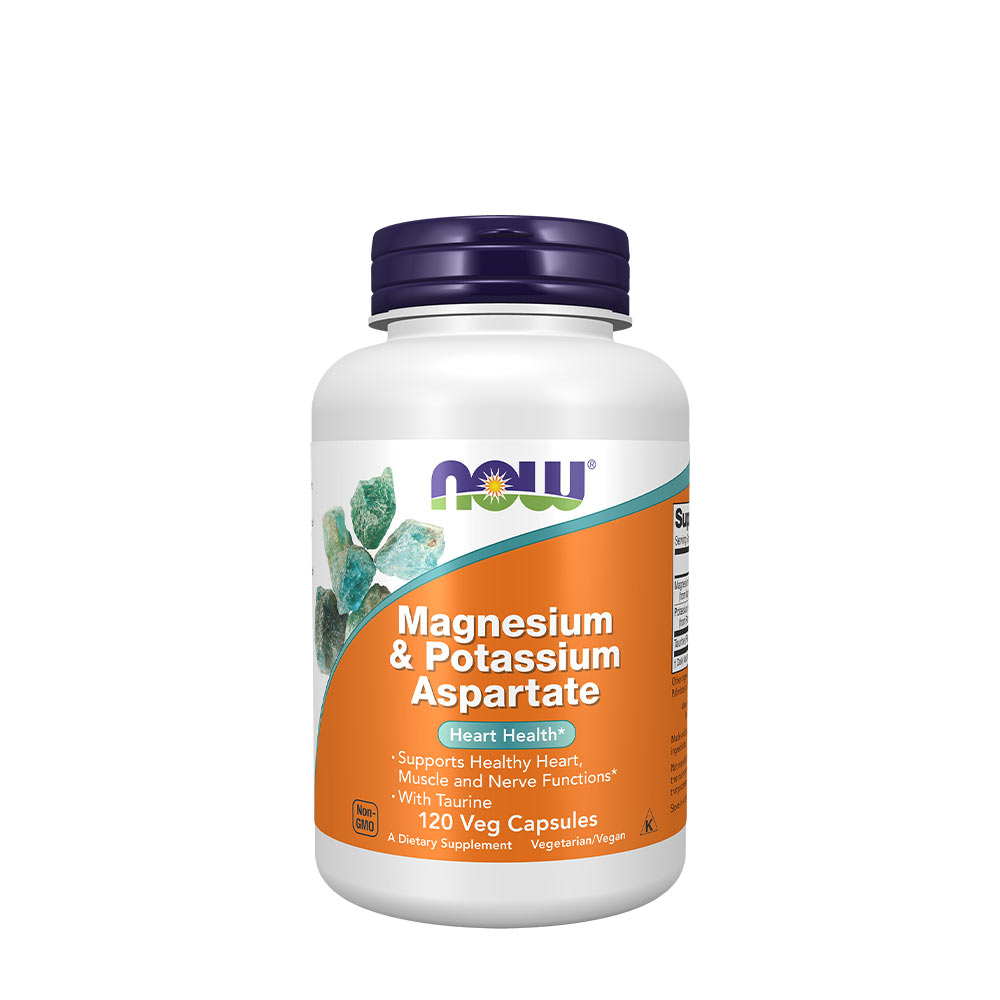
NOW Foods
NOW Foods - Magnesium & Potassium Aspartate - 120 Vcaps
216 krIn stockWhy is this shown? Innehåller alla ämnen artikeln handlar om · Renodlat tillskott — ämnet står i produktnamnet · I lager · Betyg 5.0 av 10 kunder

Life Extension
Life Extension - Magnesium Glycinate - 90 Vcaps
260 krIn stockWhy is this shown? Innehåller alla ämnen artikeln handlar om · Renodlat tillskott — ämnet står i produktnamnet · I lager · Betyg 5.0 av 8 kunder

Life Extension
Life Extension - Potassium with Extend-Release Magnesium
169 krIn stockWhy is this shown? Innehåller alla ämnen artikeln handlar om · Renodlat tillskott — ämnet står i produktnamnet · I lager · Betyg 5.0 av 8 kunder

7 Nutrition
7 Nutrition - Magnesium Bisglycinate - 120 Vcaps
152 krIn stockWhy is this shown? Innehåller alla ämnen artikeln handlar om · Renodlat tillskott — ämnet står i produktnamnet · I lager