PrizMAG Magnesium: What the Label Shows and How to Compare It
Short answer
PrizMAG’s label should be read by checking the magnesium form, the elemental magnesium per serving, and the recommended daily portion. That is the clearest way to compare it with other products, because the salt name and serving size change what the numbers mean.
Quick facts
- Compare elemental magnesium, not the full salt weight.
- The magnesium form or source should be named on the pack.
- The recommended daily portion and warning statements matter.
- Adult reference intakes are 350 mg/day for men and 300 mg/day for women.
- Large supplemental amounts can cause diarrhoea or nausea.

What does the PrizMAG Magnesium label actually tell you?
Start with the magnesium form, not just the word “magnesium”
EFSA says the EU food-supplement rules require labels to show the names of the categories of nutrients or substances that characterise the product, or an indication of their nature, and that Directive 2002/46/EC sets harmonised rules for vitamins and minerals in food supplements, including authorised source substances in Annex II (EFSA food supplements overview). For a PrizMAG pack, that means the named magnesium form on the front or in the ingredient list matters alongside the generic word “magnesium.”
The amount you compare across products is the amount of elemental magnesium, not the full weight of the magnesium salt. The FDA’s dietary supplement labelling guide says the Supplement Facts panel declares elemental magnesium in a serving, not the weight of the entire magnesium-containing compound (FDA dietary supplement labeling guide). That is the key distinction when two products use different salts but look similar on pack.
Check the serving size and the daily portion together
EFSA says food-supplement labels must include the portion recommended for daily consumption, a warning not to exceed that dose, a statement that supplements should not be used as a substitute for a varied diet, and a statement that the product should be stored out of the reach of young children (EFSA food supplements overview). In practice, read the serving size and the stated daily portion as one unit: that is the manufacturer’s own frame for how the product is meant to be taken.
| Label item | What it tells you | Why it matters |
|---|---|---|
| Magnesium form or source | Which authorised mineral source is used | Helps you see what is actually inside the product |
| Elemental magnesium per serving | The magnesium amount in one serving | Lets you compare products correctly |
| Daily portion | The amount the manufacturer recommends per day | Shows how the product is intended to be used |
Read the ingredient list and the claim wording
EFSA notes that food supplements may contain additives such as sweeteners, colours and coating agents, and that ingredients other than vitamins or minerals may be governed by other rules depending on what they are (EFSA food supplements overview). So a product labelled as magnesium may still include other ingredients that change how you judge it as a formula.
On the label, the safest reading is simple: check the form, check the elemental magnesium, and check the warning statements before you compare the brand name.
EFSA also states that presentation and advertising must not attribute to food supplements the property of preventing, treating or curing a human disease, and its health-claim process shows that authorised claims are handled through a formal EU procedure and, if approved, appear in the register of authorised claims (EFSA food supplements overview; EFSA health claim application procedure). That is the line between a dietary supplement and a medicine on pack: a supplement can carry regulated claim wording, but it cannot be presented as a disease treatment.
How much magnesium do adults need each day?
EFSA’s published adequate intake for magnesium is 350 mg/day for adult men and 300 mg/day for adult women. EFSA also gives children’s AIs from 170 to 300 mg/day, depending on age, which shows that magnesium needs vary by life stage rather than following one flat adult number. EFSA dietary reference values for magnesium

| Group | Reference value | Authority |
|---|---|---|
| Adult men | 350 mg/day | EFSA |
| Adult women | 300 mg/day | EFSA |
| Pregnancy | 350 to 400 mg/day, depending on age | NIH ODS |
| Lactation | 310 to 360 mg/day, depending on age | NIH ODS |
How to read the European number
EFSA defines an AI as the average nutrient level consumed daily by a typical healthy population that is assumed to be adequate. In practice, that makes the number a benchmark for usual intake, not a supplement instruction and not a verdict on one low day. EFSA dietary reference values for magnesium
The practical comparison is your total intake from food plus supplements across ordinary days. EFSA’s food-supplement guidance also separates the intake benchmark from the product label: supplements must carry the recommended daily portion and warning statements, while the reference value itself comes from the dietary standard. EFSA food supplements
Pregnancy and lactation are checked separately
Pregnancy and lactation are not the same as the standard adult target. The NIH Office of Dietary Supplements gives separate stage-specific RDAs, with pregnancy at 350 to 400 mg/day and lactation at 310 to 360 mg/day, depending on age. NIH ODS pregnancy fact sheet NIH ODS magnesium consumer fact sheet
That means a generic adult number should not be copied blindly across every life stage. The right comparison is always between the person’s current stage and the matching reference figure. NIH ODS pregnancy fact sheet
When usual intake can be harder to keep up
Magnesium balance can be harder to maintain when intake falls or when losses rise. NHS Specialist Pharmacy Service lists decreased intake, intestinal loss such as diarrhoea, renal loss, and medication side effects among causes of hypomagnesaemia, and it specifically flags aminoglycosides, loop diuretics, proton pump inhibitors, tacrolimus and thiazide diuretics for review. NHS SPS guidance on acute hypomagnesaemia
That does not mean one low day proves a problem. It means persistent low intake or repeated losses are more relevant than a single meal, so the best check is the pattern of food plus supplement intake over time. EFSA dietary reference values for magnesium NHS SPS guidance on acute hypomagnesaemia
The reference intake is a population benchmark for usual intake, not a supplement dose recommendation.
Which magnesium forms are easiest to compare?
Read the salt name first
Magnesium supplements are sold under different label names, including oxide, citrate, chloride, aspartate and glycinate. The FDA notes that these forms have varying rates of absorption, so the name on the front of the pack matters, not just the word “magnesium” FDA letter on magnesium forms.

The clearest comparison from the retrieved sources is that more soluble salts are generally absorbed better than less soluble ones. The NIH Office of Dietary Supplements says citrate, aspartate, lactate and chloride are typically more completely absorbed than oxide and sulfate, but it also points out that the studies are small NIH ODS magnesium fact sheet.
No single form wins for everyone
Other guidance is less absolute. NHS Specialist Pharmacy Service says there are no significant differences in bioavailability between oral magnesium salts in routine oral replacement, and advises trying a different salt if the first choice is ineffective or not tolerated NHS SPS guidance on oral magnesium replacement. Put simply: the best form depends on what you are comparing — absorption, tolerance, or how easy the product is to take.
What looks like the same supplement can deliver a different amount of magnesium depending on the salt and the way the label expresses it.
Why some products feel gentler
Tolerance is partly about the dose you take and partly about the product form. NHS SPS says oral magnesium salts are poorly absorbed and can cause diarrhoea in large doses NHS SPS guidance on oral magnesium replacement. That is why some people prefer a form or format they can take consistently, even when the headline ingredient is the same mineral.
Compare the label amount, not just the ingredient name
| Label form | What the retrieved sources say | Useful comparison point |
|---|---|---|
| Magnesium citrate | Listed by NHS SPS as a licensed oral salt; ODS says citrate is generally more absorbed than oxide and sulfate NHS SPS NIH ODS | Check whether the label states the salt amount or the magnesium amount |
| Magnesium aspartate | ODS groups aspartate with the better-absorbed salts; NHS SPS lists oral powder sachets containing 10 mmol magnesium NIH ODS NHS SPS | Different formats can carry very different amounts |
| Magnesium chloride / lactate | ODS places both among the more completely absorbed salts NIH ODS | Useful when the label prioritises a more soluble salt name |
| Magnesium oxide | FDA lists it as a common supplement form; ODS places it among the less absorbed salts FDA NIH ODS | Do not assume a bigger milligram number means more usable magnesium |
| Magnesium glycerophosphate | NHS SPS lists tablets, capsules and oral solutions, including 1.6 to 4 mmol in tablet/capsule forms and 4 to 5 mmol in 5 mL oral solution NHS SPS | Format changes the amount you actually receive |
For a quick label check, use three questions: what salt is named, how much magnesium is actually stated, and what format it comes in. Those details matter more than marketing language about “high absorption” unless the pack explains the numbers behind the claim.
Which foods supply magnesium best?
The food groups that do most of the work
EFSA gives a similar benchmark for adults: an adequate intake of 350 mg/day for men and 300 mg/day for women, with children’s adequate intakes ranging from 170 to 300 mg/day depending on age. That makes it easier to judge whether a day’s food choices are doing enough of the work on their own. EFSA dietary reference values for magnesium
What the food database shows in practice
The USDA legacy magnesium sheet shows the mineral across a wide range of foods, not just one category. In the excerpt retrievable here, the values include whole-wheat pasta, dry, at 65 mg per serving; QUAKER MultiGrain Oatmeal, dry, at 46 mg per serving; QUAKER OAT LIFE, plain, at 31 mg per serving; and wheat crackers, regular, at 24 mg per serving. USDA National Nutrient Database Legacy magnesium sheet
| Food example | Magnesium shown | Source |
|---|---|---|
| Whole-wheat pasta, dry | 65 mg per serving | USDA National Nutrient Database Legacy (2018) |
| QUAKER MultiGrain Oatmeal, dry | 46 mg per serving | USDA National Nutrient Database Legacy (2018) |
| QUAKER OAT LIFE, plain | 31 mg per serving | USDA National Nutrient Database Legacy (2018) |
| Wheat crackers, regular | 24 mg per serving | USDA National Nutrient Database Legacy (2018) |
What that means for a mixed day of eating
With adult targets around 300–350 mg/day, several magnesium-containing foods in the same day can add up meaningfully.
How and when should magnesium be taken?
The number to read on the pack is the amount of elemental magnesium per serving, not the total weight of the salt it is bound to. EU food-supplement rules require the recommended daily portion, a warning not to exceed it, a statement that supplements are not a substitute for a varied diet, and a storage warning for children; FDA labeling guidance also refers to the quantity of elemental magnesium per serving. That makes the front label a serving statement, not a personal target for everyone.

Upper limits are not the same in every reference. EFSA’s summary tables give 250 mg/day of supplemental magnesium from readily dissociable salts for adults and children aged 4 and older, while the NIH Office of Dietary Supplements lists a 350 mg/day supplemental upper limit for adults. Those ceilings exist because excess supplemental magnesium can cause gastrointestinal effects such as diarrhoea and nausea.
Choose the gentlest routine first
NHS SPS says oral magnesium salts are poorly absorbed and can cause diarrhoea in large doses, so its practical advice is straightforward: take oral magnesium with meals, use divided doses, and start low before increasing only to the maximum tolerated dose. If diarrhoea appears, the same guidance says to reduce the dose or temporarily withhold it until symptoms improve.
| Routine | What the sources support | Why it helps |
|---|---|---|
| Take with food | NHS SPS advises oral magnesium with meals. | It is a simple first step when the stomach feels sensitive. |
| Split the serving | The same guidance recommends divided doses. | Smaller amounts are easier to tolerate than one large dose. |
| Separate from some medicines | NIH ODS notes that magnesium can reduce absorption of some medicines and advises spacing by 2 to 6 hours; NHS guidance says to separate doses by as long as possible for several drugs. | It helps avoid reduced absorption. |
| Lower or stop if side effects persist | NHS SPS says to reduce the dose or temporarily withhold treatment if diarrhoea occurs. | Persistent upset is a sign the current routine is not a good fit. |
Do not double-count magnesium
If you use more than one magnesium product, add the elemental magnesium from each serving before comparing the total with the supplemental upper limit. One easy error is to read only one label and forget the rest of the routine. A high number on the front of one bottle is not a reason to assume more is better; the label amount is a serving amount, and the upper limits above show why bigger is not automatically better.
How do you compare PrizMAG with other magnesium products?
The cleanest comparison starts with the number that actually tells you how much magnesium is in each serving: the elemental magnesium amount on the Supplement Facts panel. FDA says magnesium supplements declare elemental magnesium in a serving, and that different magnesium forms can have different rates of absorption. FDA on elemental magnesium on the Supplement Facts panel
Read the label in the right order
| What to compare | What to read on the pack | Why it beats marketing |
|---|---|---|
| Elemental magnesium per serving | The amount of magnesium listed for one serving | This is the shared unit that lets you compare products fairly |
| Form or source | Magnesium citrate, aspartate, glycerophosphate, oxide, or another named source | The source is part of what you are buying, not just the front-of-pack promise |
| Serving count and package format | Capsules, tablets, sachets, liquids, and the number of servings in the pack | It shows how long one pack lasts and how easy it is to use |
EFSA’s supplement rules also require the recommended daily portion, a warning not to exceed that dose, a statement that supplements are not a substitute for a varied diet, and a storage warning to keep them out of the reach of young children. Those are the label facts that matter more than broad claims on the front. EFSA food supplement labelling requirements
How to judge quality without chasing hype
FDA says manufacturers are responsible for quality and accurate labeling, and that dietary supplements are not pre-approved for effectiveness. That means the label is your main comparison tool, not a badge of approval on the box. FDA on manufacturer responsibility and pre-market approval
That is a useful reminder not to assume one named form is automatically better than another just because the marketing sounds more technical. NHS SPS on oral magnesium salts
How to compare value
Compare the elemental magnesium per serving and the number of servings per pack, then check whether the dosage form is one you will actually use consistently. A product with clearer label detail is easier to review later, especially when you want to recheck the source, the serving size, or the other ingredients.
If two products look similar on the shelf, choose the one whose pack makes the essentials easiest to verify: serving size, elemental amount, source form, other ingredients, and the manufacturer details you may need to check again later. That is a more reliable buying test than front-of-pack language about strength or quality.
Safety and precautions
Follow the recommended daily portion, do not exceed it, and keep supplements out of the reach of young children. Larger supplemental amounts can cause diarrhoea or nausea, so start low and reduce or stop if side effects appear.
If you take any medicines, are pregnant, breastfeeding, or are considering magnesium for a child, ask a healthcare professional first so the dose and timing can be checked for your situation.
Supplements with the ingredients in this article
Compare contents, dose and price
Frequently asked questions
Can magnesium supplements help with constipation?
This article does not cover constipation, so it does not say whether magnesium supplements help with it. It does note that larger supplemental amounts can cause diarrhoea, so tolerance is important. If constipation is persistent, seek healthcare advice.
Is topical magnesium spray or oil effective?
This article does not assess sprays or oils, so it cannot confirm their effectiveness from the information given here. The label guidance in the article is about oral supplements and how to compare their magnesium content. For a product choice, the key point here is still what the label says about the form and amount.
Can I take magnesium with vitamin D, calcium or zinc?
This article does not give specific instructions for combining magnesium with vitamin D, calcium or zinc. It focuses on reading the label, comparing elemental magnesium, and watching the total amount across your routine. If you use several supplements together, a healthcare professional can help check the overall plan.
Do I need a blood test before supplementing?
The article does not say that a blood test is required before taking magnesium. If you have concerns about your intake or symptoms, speak with a healthcare professional.
Sources
- Food supplements | EFSA (external link)
- Dietary reference values: magnesium and phosphorus | EFSA (external link)
- Magnesium - Consumer (external link)
- Magnesium - Health Professional Fact Sheet (external link)
- Dietary Supplements and Life Stages: Pregnancy - Health Professional Fact Sheet (external link)
- Health claim application procedure | EFSA (external link)
- USDA National Nutrient Database-Magnesium (external link)
- Version 10 (June 2024) (external link)
- Treating acute hypomagnesaemia in adults – NHS SPS - Specialist Pharmacy Service – The first stop for professional medicines advice (external link)
- Magnesium - Health Professional Fact Sheet (external link)
- FDA Letter in Response to Petition for a Qualified Health Claim for Magnesium and Reduced Risk of High Blood Pressure (Docket No. FDA-2016-Q-3770) (external link)
- Healthier Together (external link)
- Dietary Supplement Labeling Guide: Chapter IV. Nutrition Labeling | FDA (external link)
- Mixing Medications and Dietary Supplements Can Endanger Your Health | FDA (external link)
Read more
Products related to this article
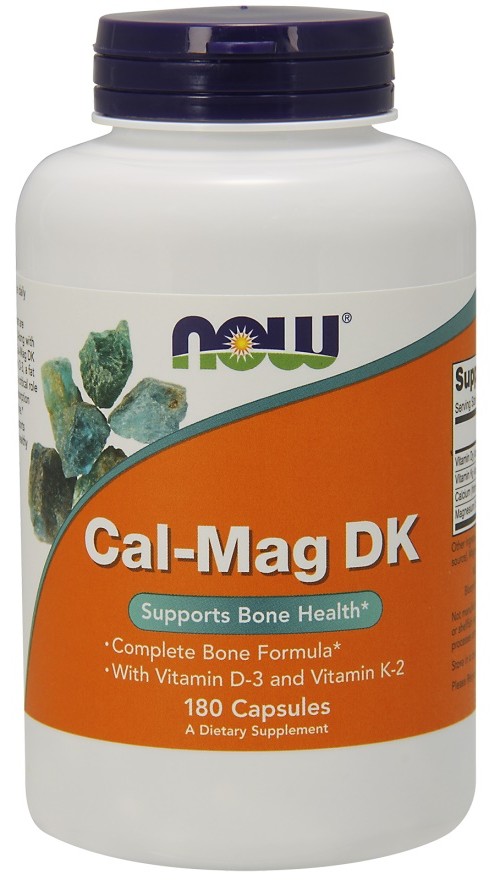
NOW Foods
NOW Foods - Calcium Magnesium Dk - 180 Caps
228 krIn stockWhy is this shown? Innehåller alla ämnen artikeln handlar om · Renodlat tillskott — ämnet står i produktnamnet · I lager · Betyg 5.0 av 8 kunder

NOW Foods
NOW Foods - Magnesium Ascorbate, Buffered Powder - 227g
191 krIn stockWhy is this shown? Innehåller alla ämnen artikeln handlar om · Renodlat tillskott — ämnet står i produktnamnet · I lager · Betyg 5.0 av 8 kunder
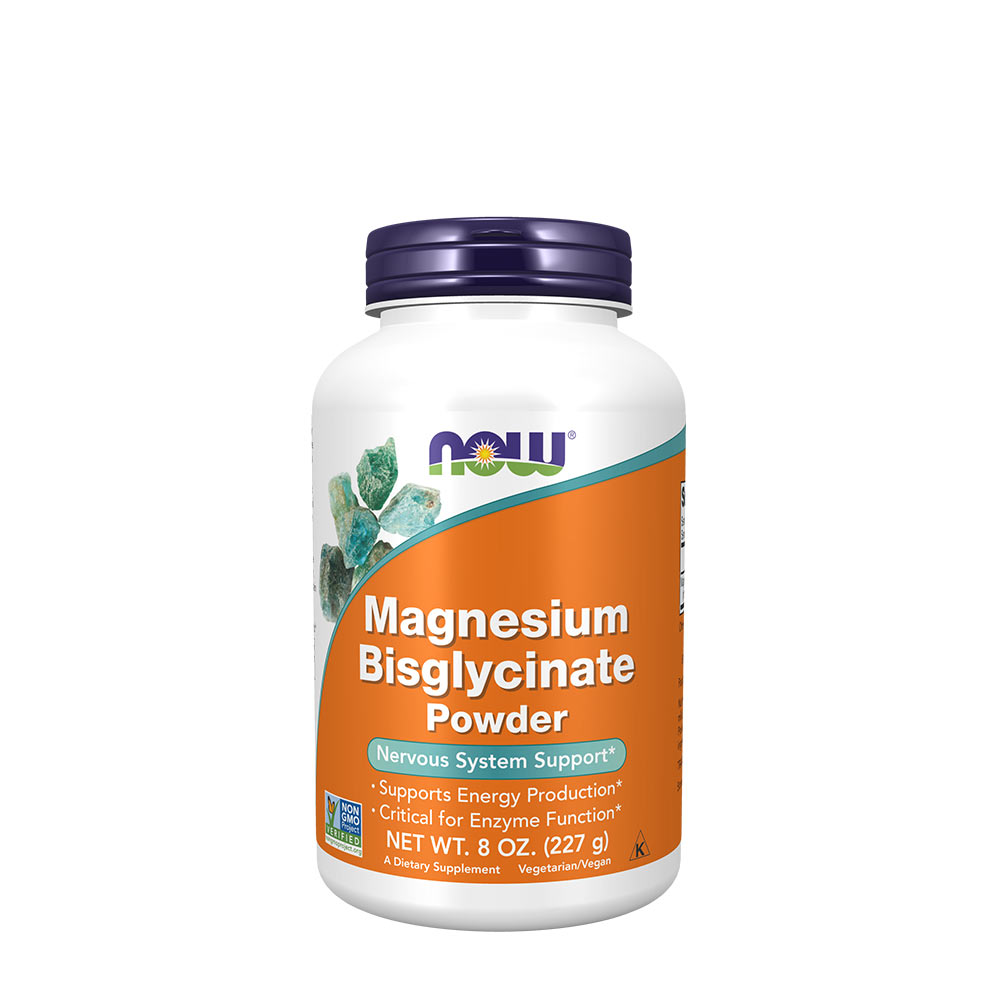
NOW Foods
Now Foods - Magnesium Bisglycinate Powder - 227g
236 krIn stockWhy is this shown? Innehåller alla ämnen artikeln handlar om · Renodlat tillskott — ämnet står i produktnamnet · I lager · Betyg 5.0 av 7 kunder
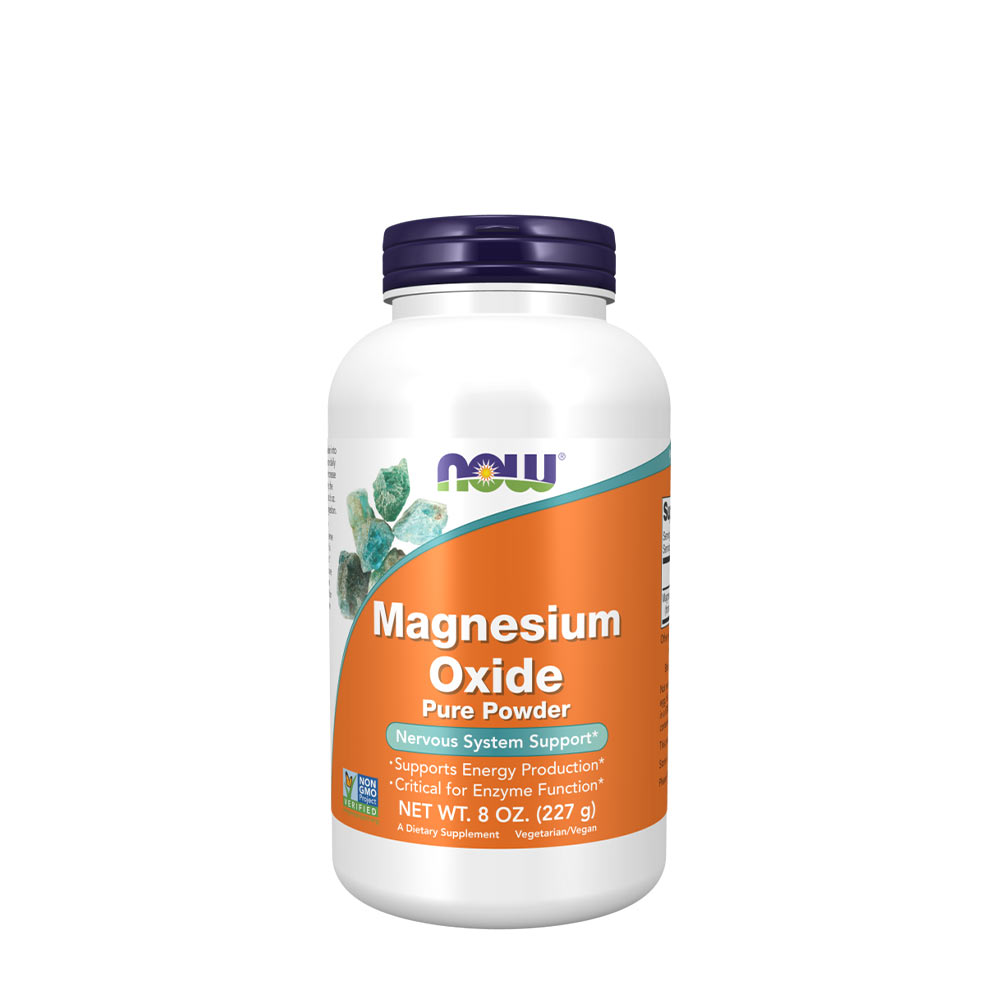
NOW Foods
Now Foods - Magnesium Oxide - 227g
145 krIn stockWhy is this shown? Innehåller alla ämnen artikeln handlar om · Renodlat tillskott — ämnet står i produktnamnet · I lager · Betyg 5.0 av 7 kunder

Apollo'S Hegemony
Apollo'S Hegemony - Magnesium Citrate + P5P - 200 Caps
240 krIn stockWhy is this shown? Innehåller alla ämnen artikeln handlar om · Renodlat tillskott — ämnet står i produktnamnet · I lager