Magnesium Uses: What Is Magnesium Used For?
Short answer
Magnesium is used by the body for muscle and nerve function, energy production, protein synthesis, bone structure, DNA and RNA synthesis, and regulation of blood glucose, blood pressure, and normal heart rhythm. In practice, magnesium supplements are mainly used to increase intake when diet is not enough; evidence for disease-specific uses is limited, with only modest average blood-pressure effects and cautious, medically supervised use for migraine.
Quick facts
- NIH says magnesium helps regulate muscle and nerve function and is needed to make protein, bone, and DNA.
- The NIH professional fact sheet says magnesium is a cofactor in more than 300 enzyme systems.
- An adult body contains about 25 g of magnesium, and roughly 50% to 60% is in bone.
- U.S. adult recommended intake is 400–420 mg/day for men and 310–320 mg/day for women.
- The adult upper limit of 350 mg/day applies only to magnesium from supplements and medications, not food.

What magnesium is used for in the body
Magnesium is used throughout the body’s basic biochemistry. According to NIH, it supports protein synthesis, muscle and nerve function, blood glucose control, and blood pressure regulation. It is also required for energy production, oxidative phosphorylation, and glycolysis, contributes to bone structure, and is needed for DNA and RNA synthesis. NIH further notes that magnesium helps move calcium and potassium across cell membranes, which matters for nerve impulse conduction, muscle contraction, and normal heart rhythm. NIH professional
NIH also states that an adult body contains about 25 g of magnesium, with roughly 50% to 60% in bone, most of the rest in soft tissues, and less than 1% in blood serum. The kidneys play a central role in keeping magnesium levels under control. NIH professional
How people usually get magnesium
Food is the usual source. NIH lists legumes, nuts, seeds, whole grains, green leafy vegetables, fortified foods, and some milk products as dietary sources. The NIH professional fact sheet says the body typically absorbs about 30% to 40% of the magnesium obtained from food and beverages. NIH consumer NIH professional
Magnesium is also sold in supplements and appears in some medicines, including certain laxatives, antacids, and products for heartburn or indigestion. NIH lists magnesium aspartate, citrate, lactate, and chloride among forms that are more easily absorbed than some others. NIH consumer
What magnesium supplements are actually used for
In everyday practice, supplements are mainly used to raise magnesium intake when food alone is not enough. That is different from saying magnesium is a reliable treatment for a wide range of conditions. NIH summarizes research on blood pressure, type 2 diabetes, osteoporosis, and migraine, but repeatedly notes that evidence is mixed, modest, or still incomplete for several outcomes. NIH consumer NIH professional
For blood pressure, a 2025 systematic review and meta-analysis of 38 randomized controlled trials found small average reductions versus placebo: about 2.81 mm Hg systolic and 2.05 mm Hg diastolic. The authors also reported high heterogeneity across studies and advised caution in interpreting the effect size. PubMed BP review
For migraine, the NIH consumer sheet says several small studies found that magnesium supplements can modestly reduce migraine frequency, but it also says more research is needed and that people should use magnesium for this purpose only under a health care provider’s care. NIH consumer
How much is enough in the U.S.?
NIH lists recommended intakes for adults at 400 to 420 mg per day for men and 310 to 320 mg per day for women. The adult upper limit of 350 mg per day applies only to magnesium from dietary supplements and medications, not to magnesium naturally present in food. NIH consumer
Choosing a supplement label
If you use a supplement, compare both the magnesium form and the declared amount of elemental magnesium. The NIH professional fact sheet notes that the Supplement Facts panel lists elemental magnesium, not the total weight of the whole magnesium-containing compound. Food remains the default source, with supplements used to fill a gap rather than replace a balanced diet. NIH professional
Safety and precautions
Magnesium that is naturally present in food is not considered harmful in healthy people because the kidneys can remove excess amounts in urine. High doses from supplements or medications, however, can cause diarrhea, nausea, and abdominal cramping. Very high doses can cause magnesium toxicity, including hypotension, difficulty breathing, irregular heartbeat, and cardiac arrest. NIH consumer NIH professional
The adult upper limit is 350 mg per day from supplements and medications only; it does not include magnesium naturally present in food. Magnesium supplements can also interact with bisphosphonates, some antibiotics, diuretics, long-term acid-reflux or ulcer medicines, and very high-dose zinc supplements. If you use prescription medicines, check with a clinician or pharmacist before adding a magnesium supplement. NIH consumer
Supplements with the ingredients in this article
Compare contents, dose and price
Frequently asked questions
Is magnesium mainly for muscles?
No. Muscle function is one role, but NIH also describes magnesium as important for nerve function, protein synthesis, bone, DNA and RNA synthesis, blood glucose control, blood pressure regulation, and energy production.
Should I get magnesium from food or supplements?
Food is the usual first choice. NIH lists legumes, nuts, seeds, whole grains, green leafy vegetables, fortified foods, and some milk products as sources. Supplements are mainly used when intake from food is not enough.
Which magnesium forms are more easily absorbed?
The NIH consumer fact sheet lists magnesium aspartate, citrate, lactate, and chloride among the forms that are more easily absorbed by the body.
Can magnesium lower blood pressure?
Possibly, but the average effect seen in trials is small. A 2025 meta-analysis of 38 randomized controlled trials found average reductions of about 2.81 mm Hg systolic and 2.05 mm Hg diastolic versus placebo, with high heterogeneity across studies.
Sources
Read more
Products related to this article
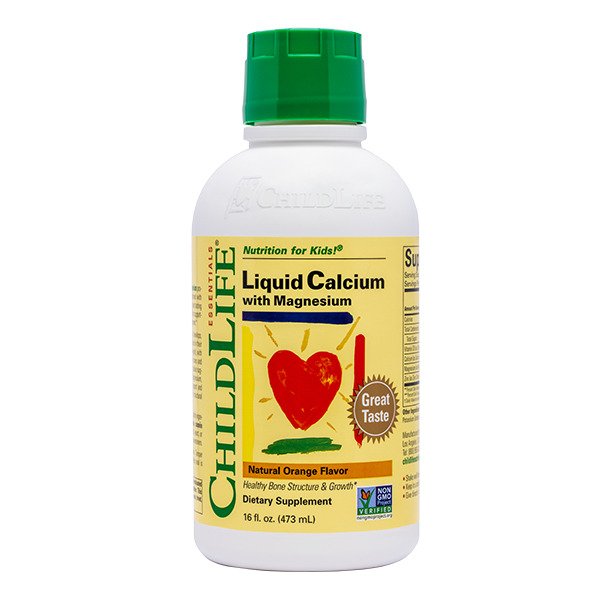
Child Life
Child Life - Liquid Calcium with Magnesium - 16 fl. oz.
238 krIn stockWhy is this shown? Innehåller alla ämnen artikeln handlar om · Renodlat tillskott — ämnet står i produktnamnet · I lager · Betyg 5.0 av 8 kunder

Life Extension
Life Extension - Neuro-Mag Magnesium L-Threonate - 90 Vcaps
519 krIn stockWhy is this shown? Innehåller alla ämnen artikeln handlar om · Renodlat tillskott — ämnet står i produktnamnet · I lager · Betyg 5.0 av 8 kunder

NOW Foods
NOW Foods - Calcium & Magnesium, Citrate Powder With Vitamin D3 - 227g
218 krIn stockWhy is this shown? Innehåller alla ämnen artikeln handlar om · Renodlat tillskott — ämnet står i produktnamnet · I lager · Betyg 5.0 av 8 kunder
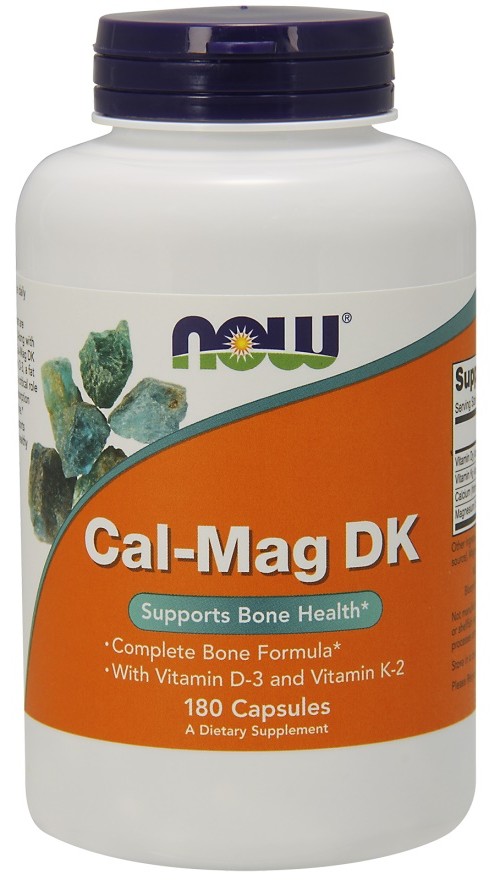
NOW Foods
NOW Foods - Calcium Magnesium Dk - 180 Caps
228 krIn stockWhy is this shown? Innehåller alla ämnen artikeln handlar om · Renodlat tillskott — ämnet står i produktnamnet · I lager · Betyg 5.0 av 8 kunder
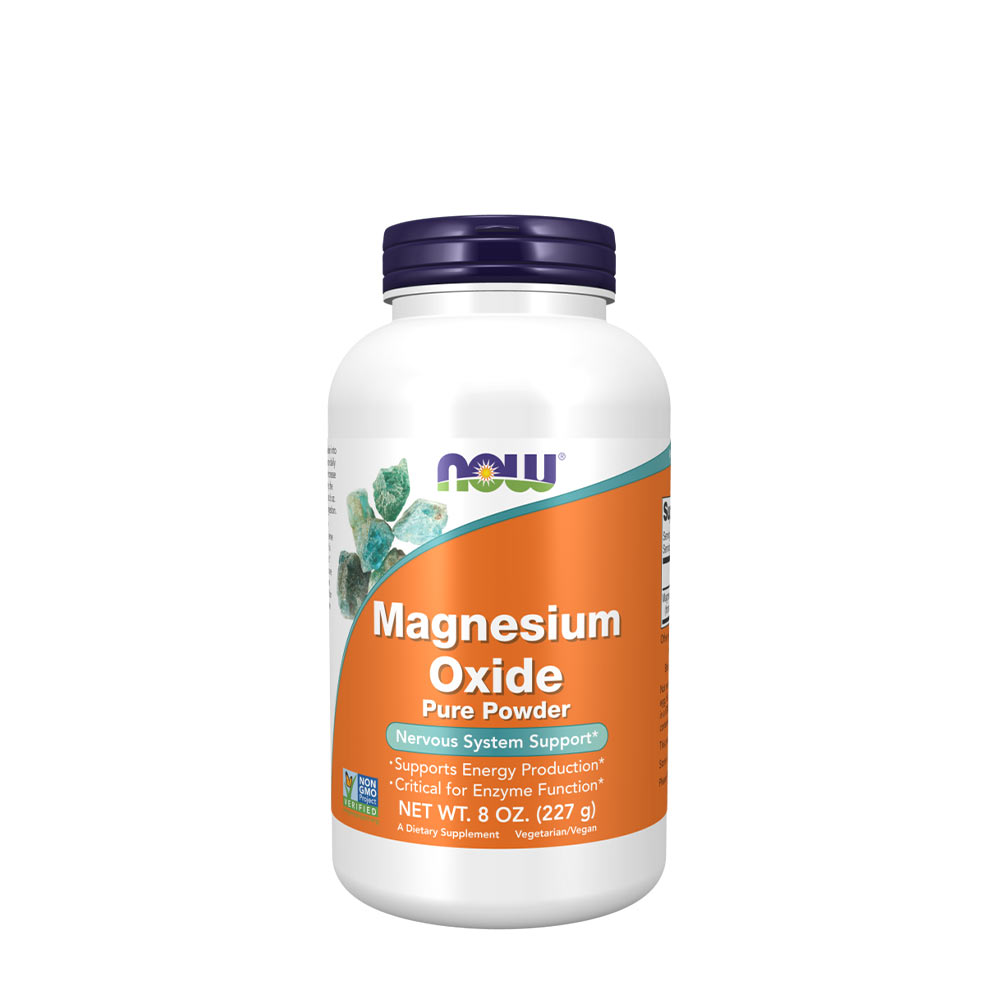
NOW Foods
Now Foods - Magnesium Oxide - 227g
145 krIn stockWhy is this shown? Innehåller alla ämnen artikeln handlar om · Renodlat tillskott — ämnet står i produktnamnet · I lager · Betyg 5.0 av 7 kunder