What are the benefits of magnesium for men?
Short answer
Magnesium is most useful for men when it helps fill a gap in intake.
Quick facts
- Adult men need magnesium from all sources, not supplements alone.
- Many men do not reach the usual target from food alone.
- Good food sources include nuts, seeds, legumes, green leafy vegetables, and whole grains.
- Magnesium contributes to normal energy-yielding metabolism.
- Magnesium contributes to normal muscle function.
- Higher supplemental intakes can cause diarrhea, nausea, and abdominal cramping.

What benefits does magnesium offer men?
The strongest case: normal function, not a stimulant effect
For adult men, the most solid evidence is for basic physiology. EFSA says magnesium is a cofactor in more than 300 enzymatic reactions and is necessary for actions in the neuromuscular and cardiovascular systems, while NIH ODS says it helps regulate muscle and nerve function and is involved in making protein, bone, and DNA.
Where the evidence is more convincing for men
The clearest practical benefit is correcting a shortfall. NIH ODS says adult men need 400-420 mg/day, yet non-supplement users in the U.S. average about 268 mg/day from food, which is below the recommended range. In that setting, magnesium is more likely to matter as a correction of low intake than as a universal upgrade for men who already eat enough.
Magnesium status also matters more when deficiency signs appear. NIH ODS lists early signs such as fatigue and weakness, and more advanced deficiency may involve muscle cramps and abnormal heart rhythms. For men who train hard, feel run down, or notice frequent cramps, the first question is often whether intake is low enough to explain it.
What is possible, and what is not proven
Evidence for blood pressure and glucose control is modest, not dramatic. A newer dose-response meta-analysis found small improvements in fasting glucose, HOMA-IR, HbA1c, LDL-C, triglycerides, and HDL-C. These are supportive findings, but they are not the same as a guaranteed, noticeable effect in every man.
The permitted sources do not give clear direct evidence for those benefits in adult men, so magnesium should not be sold as a hormone booster, recovery shortcut, or sleep aid. The honest expectation is narrower: it helps most when it fills a gap.
| Benefit area | How strong is the support? | What the sources actually show |
|---|---|---|
| Blood pressure and glucose markers | Moderate | Small average improvements in pooled trials |
| Sleep, exercise, testosterone, fertility | Weak or insufficient | No clear direct support in the allowed sources |
How does magnesium work in the body?
A cofactor for energy and cell building
EFSA says magnesium is a cofactor in more than 300 enzymatic reactions, including the synthesis of carbohydrates, lipids, nucleic acids, and proteins, and that it is necessary for specific actions in the neuromuscular and cardiovascular systems EFSA on magnesium. The NIH Office of Dietary Supplements adds that magnesium is involved in regulating muscle and nerve function, blood sugar, and blood pressure, and in making protein, bone, and DNA NIH ODS magnesium fact sheet.

In practical terms, that means magnesium sits inside the chemistry that helps cells use ATP, build proteins, and handle DNA and RNA-related processes. The supplied sources do not give a detailed hormone pathway, but they do connect magnesium with blood sugar regulation and with metabolic control in the same enzyme systems NIH ODS magnesium fact sheet.
Muscles, nerves, and heart rhythm
Because magnesium is involved in neuromuscular function, low status can show up as fatigue, weakness, muscle cramps, and, in more advanced deficiency, abnormal heart rhythms NIH ODS health professional fact sheet. EFSA also notes that deficiency can cause hypocalcaemia and hypokalaemia, which can lead to neurological or cardiac manifestations EFSA magnesium opinion.
Where magnesium is stored, and why blood tests can miss low stores
| Body handling | What the sources say |
|---|---|
| Storage | About 60% of body magnesium is stored in bone and about 25% in muscle EFSA magnesium opinion. |
| Blood testing | Serum magnesium is commonly used, but EFSA says its usefulness as a marker of intake or status is questionable EFSA magnesium opinion. |
| Regulation | The kidney plays a major role in magnesium homeostasis and in maintaining serum concentration EFSA magnesium opinion. |
Magnesium absorption takes place in the distal intestine, mainly as the ionised form. EFSA says absorption is generally estimated at 40% to 50%, but reported figures range from 10% to 70% EFSA magnesium opinion. That is why diet composition and gut health matter: phytic acid and phosphate can inhibit absorption, while gastrointestinal disease, older age, type 2 diabetes, chronic alcoholism, and some medicines can all affect magnesium status NIH ODS health professional fact sheet.
A normal serum magnesium result does not always rule out low body stores, because most magnesium is in bone and muscle, not in blood EFSA magnesium opinion.
How much magnesium do men need each day?
Official magnesium targets are set as total daily intake from food plus supplements, not as a supplement-only number. The NIH Office of Dietary Supplements says adult men should aim for 400 mg/day at ages 19-30 and 420 mg/day at 31 years and older (NIH ODS consumer fact sheet). EFSA, by contrast, set a single Adequate Intake of 350 mg/day for men over 18 based on observed intakes in healthy EU populations (EFSA magnesium press release; EFSA draft scientific opinion).
Reference values by age and authority
| Authority | Adult men | Age band | Reference value |
|---|---|---|---|
| EFSA | All adult men | >18 years | 350 mg/day AI |
| EFSA draft opinion | D-A-CH | 19-<25 years | 400 mg/day |
| EFSA draft opinion | D-A-CH | ≥25 years | 350 mg/day |
| NIH ODS | Adult men | 19-30 years | 400 mg/day |
| NIH ODS | Adult men | ≥31 years | 420 mg/day |
That table shows the key point: there is no single universal adult-man number. The figure changes with age, and the European and U.S. authorities use different methods. EFSA’s adult-men value is an AI, while NIH ODS lists RDAs for older and younger adult men (EFSA; NIH ODS).
How close are typical diets?
EFSA reported average habitual intakes in adult men in Europe ranging from 264 to 439 mg/day (EFSA DRVs summary report). In the U.S., the NIH ODS says non-supplement users average about 268 mg/day, while supplement users average about 449 mg/day total (NIH ODS health professional fact sheet). NIH also notes that many Americans consume less than their Estimated Average Requirement, with older men especially at risk (NIH ODS).
For many men, ordinary food intake lands near the lower end of the official range, so the gap between a typical diet and the reference value can be small but real.
In everyday terms, that means the answer is not to chase a special “male” magnesium target, but to check whether your total daily intake is actually reaching the age-based reference value. If your usual pattern resembles the lower intake figures above, you are probably under the official target; if you are closer to the upper end, you may already be around it (EFSA; NIH ODS).
Which foods give men the most magnesium?
The clearest everyday sources named in the primary sources are nuts, seeds, legumes, green leafy vegetables, and whole grains; EFSA also lists nuts, whole grains and grain products, fish and seafood, and several vegetables and fruits as magnesium-rich foods. NIH Office of Dietary Supplements: Magnesium Fact Sheet for Health Professionals EFSA: Dietary reference values for magnesium and phosphorus

Common portions that make comparison easier
| Food | Common portion | Magnesium | Source |
|---|---|---|---|
| Pumpkin seeds | 1 ounce, about 28 g | 156 mg | NIH ODS |
| Edamame, shelled and cooked | 1/2 cup | 50 mg | NIH ODS |
These serving values come from the ODS fact sheet, which cites FoodData Central data for common foods. NIH ODS magnesium fact sheet
How to use food first
Food-based intake is the simplest first step because the sources above already point to familiar meal ingredients rather than rare specialty products. A seed topping, a legume-based lunch, or a side of whole grains or leafy vegetables can each add magnesium across the day without changing the whole menu. NIH ODS magnesium fact sheet EFSA magnesium page
For a concrete comparison, 1 ounce of pumpkin seeds supplies 156 mg, while 1/2 cup of cooked shelled edamame supplies 50 mg. That makes seed-based portions especially efficient when a meal needs a bigger magnesium boost, while legumes and greens still contribute useful amounts across the day. NIH ODS magnesium fact sheet
When you want a food-first approach, build around the richest serving you already eat, then add another magnesium-containing food group later in the day.
These numbers are food-composition values, so they are best used to compare portions and plan meals. The retrieved sources here do not give absorption figures for each food, so the practical takeaway is to rotate among the named food groups and use serving size to judge how much magnesium a plate is likely to provide. NIH ODS magnesium fact sheet
Who is most likely to need a magnesium supplement?
Men are most likely to benefit when their usual diet is short on the foods ODS identifies as dependable magnesium sources: nuts, seeds, legumes, green leafy vegetables, and whole grains. In the NIH Office of Dietary Supplements summary, many American men who do not use supplements average about 268 mg/day from food, while the adult male RDA is 400–420 mg/day; EFSA sets an adequate intake of 350 mg/day for men. When food intake sits below those levels, a supplement is better thought of as a backup than as something every man needs. NIH ODS magnesium fact sheet EFSA magnesium opinion
Diet patterns that make a gap more likely
Men with little variety at meals, especially if they rarely eat those magnesium-rich food groups, are the clearest low-intake candidates. ODS also notes that serum magnesium may not reflect total body status, so diet history and clinical context matter more than a single lab value alone. NIH ODS magnesium fact sheet
Older men deserve special attention: ODS says adult men age 71 years and older are particularly at risk of low intake, and the reasons include lower intake, reduced absorption, and increased excretion. If appetite has fallen or food variety has narrowed, it is reasonable to check the diet first and consider supplementation only if a gap remains. NIH ODS magnesium fact sheet
Medical situations that can lower magnesium status
ODS lists gastrointestinal disease such as Crohn’s disease and celiac disease, type 2 diabetes, chronic alcoholism, and medicines including proton pump inhibitors and diuretics as factors that can impair magnesium status. Those situations do not automatically mean a supplement is needed, but they do make a careful review more worthwhile. NIH ODS magnesium fact sheet
| Pattern | What the evidence says | Why it matters |
|---|---|---|
| Low intake from food | Nuts, seeds, legumes, green leafy vegetables, and whole grains are consistent magnesium contributors, and non-supplement users average about 268 mg/day from food. Source | A supplement is most sensible when the usual diet is plainly below reference intakes. |
| Age 71 years and older | ODS flags older men as particularly at risk of low intake, with lower intake, reduced absorption, and increased excretion cited as reasons. Source | Reduced appetite or food variety can make a gap more likely. |
| GI disease, type 2 diabetes, chronic alcoholism, PPI or diuretic use | ODS lists these as factors that can impair magnesium status. Source | These are situations where intake may deserve closer review with a clinician. |
That is why supplementation makes the most sense when the diet is clearly inadequate, intake is uncertain, or a clinician has identified a risk factor. It is not a replacement for a magnesium-rich diet, and it is not automatically needed for every man. NIH ODS magnesium fact sheet
Which magnesium form should men choose?
Absorption and tolerance are the main differences
Among the forms covered in NIH guidance, magnesium aspartate, citrate, lactate, and chloride are described as dissolving well and being absorbed more completely than magnesium oxide and sulfate NIH Office of Dietary Supplements, Health Professional Fact Sheet. The consumer fact sheet also says magnesium glycinate is often described as more easily absorbed and better tolerated than oxide, but it does not give a numerical ranking for it NIH Office of Dietary Supplements, Consumer Fact Sheet.

That is why the label matters more than the marketing on the front of the box. A product name alone does not tell you whether you are buying citrate, glycinate, oxide, or another salt, and the serving size determines how much magnesium you actually get per serving.
How the common forms compare
| Form | What the supplied sources support | Practical reading |
|---|---|---|
| Citrate | Listed by NIH ODS among forms that dissolve well and are absorbed more completely than oxide NIH ODS | A well-supported mainstream option |
| Aspartate | Also listed among the better-absorbed forms NIH ODS | Reasonable if you want a form with stronger absorption support |
| Lactate | Also listed among the better-absorbed forms NIH ODS | Another option with direct NIH support for absorption |
| Chloride | Also listed among the better-absorbed forms NIH ODS | Useful when absorption is the main priority |
| Oxide | Described as less completely absorbed than citrate, aspartate, lactate, and chloride NIH ODS | Do not assume the cheapest powder is the best fit |
| Glycinate | Often described as more easily absorbed and better tolerated than oxide, but not quantified in NIH data NIH ODS | Worth considering if stomach comfort matters to you |
| Malate | The supplied NIH and EFSA materials do not give a comparative ranking for it | Choose it for the label, dose, and price—not for assumed superiority |
How to read the label before you buy
- Elemental magnesium per serving: this is the number to compare across products.
- Compound form: citrate, glycinate, oxide, malate, or another salt should be stated clearly.
- Serving size: one tablet, two capsules, or a scoop can change the daily amount a lot.
- Added ingredients and allergens: check excipients if you avoid certain fillers or ingredients.
The best choice is the form that fits your goal, your tolerance, and your budget; the supplied sources do not support one magnesium form as universally superior.
Some product labels in the ODS supplement database make claims such as “high bioavailability” or “excellent GI tolerance” for magnesium glycinate-type products, but those are product claims rather than a clinical ranking of all forms ODS product label example ODS product label example. For shoppers, the safest shortcut is simple: start with the amount of elemental magnesium per serving, then check whether the form is one with better-supported absorption or a form you personally tolerate well.
What are the risks and drug interactions?
Side effects and upper limits
Magnesium from food is treated differently from magnesium from supplements: EFSA’s adult upper limit is 250 mg/day for supplemental or readily dissociable magnesium salts, while the NIH Office of Dietary Supplements lists 350 mg/day for supplemental magnesium only, and both limits exclude magnesium naturally present in foods. EFSA upper-limit tables NIH ODS health professional fact sheet
The most common problems with higher supplemental intakes are gastrointestinal: the NIH ODS says high doses often cause diarrhea, nausea, and abdominal cramping. Very large doses from laxatives or antacids, especially above 5,000 mg/day, have been linked with magnesium toxicity. NIH ODS health professional fact sheet
Who is at highest risk
People with impaired kidney function are the group most likely to run into trouble, because the kidneys clear excess magnesium; if that clearance is reduced, magnesium can build up and cause hypermagnesemia. The ODS lists toxicity signs such as hypotension, facial flushing, urine retention, depressed respiration, and cardiac arrest. NIH ODS health professional fact sheet
Medicines that need spacing
| Medicine group | What magnesium can do | Practical spacing or caution |
|---|---|---|
| Bisphosphonates | Can reduce absorption | Separate by at least 2 hours |
| Tetracycline antibiotics | Can form insoluble complexes | Take antibiotics at least 2 hours before or 4–6 hours after magnesium |
| Quinolone antibiotics | Can form insoluble complexes | Take antibiotics at least 2 hours before or 4–6 hours after magnesium |
| Diuretics | Loop and thiazide types can increase urinary magnesium loss | Use caution and monitor magnesium status |
| PPIs | Long-term use has been linked with low magnesium | FDA recommends baseline and periodic serum magnesium monitoring |
The ODS also notes that about 25% of PPI-associated hypomagnesemia cases did not respond to magnesium alone and needed the PPI stopped. NIH ODS health professional fact sheet
When magnesium causes problems, it is usually the supplement form and the dose that matter most; food magnesium is not subject to the supplement upper limit. EFSA upper-limit tables
Seek medical advice if supplement use leads to severe or persistent stomach upset, or if symptoms of excess magnesium appear, especially low blood pressure, irregular heartbeat, depressed breathing, or urine retention. NIH ODS health professional fact sheet
How should men take magnesium in practice?
A practical starting point is to anchor the dose to the adult reference ranges: the NIH lists 400–420 mg/day for men from all sources, while EFSA sets an adequate intake of 350 mg/day for men. For supplements, the ceiling is lower: 350 mg/day in the U.S. for supplemental magnesium only and 250 mg/day in the EU for supplemental or readily dissociable magnesium salts. That means the label number to watch is the elemental magnesium amount, not the capsule count.
Start modestly and adjust to tolerance
Higher supplemental doses can cause diarrhea, nausea, and abdominal cramping, so the safest day-to-day approach is to start low and increase only if the product is well tolerated. Avoid stacking multiple magnesium products unless you have checked the combined supplemental total against the adult upper limit.
| Practical question | Source-based answer | What to watch |
|---|---|---|
| How much? | Keep total supplemental magnesium within 350 mg/day in the U.S. or 250 mg/day in the EU. | Elemental magnesium on the label; total from more than one product. |
| When? | The clearest timing rule is to separate magnesium from medicines it can interfere with, especially bisphosphonates and tetracycline or quinolone antibiotics. | Your medication schedule. |
| How long? | Trial outcomes were assessed over weeks, including 8–26 weeks in blood-pressure studies and 3–24 weeks in broader trials. | Bowel tolerance, consistency, and whether symptoms change gradually. |
Timing is mostly about convenience and medication spacing
There is no source-based reason to chase a special “magic hour”; the useful timing question is whether the supplement fits your routine and avoids medicine interactions. If you take a bisphosphonate, magnesium should be separated by at least two hours; tetracycline or quinolone antibiotics should be taken at least 2 hours before or 4–6 hours after magnesium (ODS). For men who use magnesium because their diet is low, that matters more than trying to link the supplement to a workout or bedtime window.
More is not better: keep the supplemental total within the adult upper limit, and let stomach comfort and consistency guide any adjustment.
Common mistakes to avoid
- Buying several products and accidentally exceeding the supplemental upper limit.
- Ignoring the elemental magnesium amount and focusing only on the form name.
- Expecting a fast change; the human studies cited by NIH tracked outcomes over weeks, not days.
- Using supplements as a substitute for a low-magnesium diet. In the U.S., men who do not use supplements average about 268 mg/day from food, which is below the reference range.
If your goal is practical, monitor two things first: whether the dose is easy on your gut, and whether you can keep the routine steady without conflicting with other medicines.
Safety and precautions
Higher supplemental magnesium can cause diarrhea, nausea, and abdominal cramping, and total supplemental intake should stay within the relevant upper limit. Magnesium can also interact with some medicines, so spacing and monitoring may be needed.
If you take prescription medicines, or if you are pregnant, breastfeeding, or giving magnesium to a child, ask a healthcare professional before using it.
Supplements with the ingredients in this article
Compare contents, dose and price
Frequently asked questions
Does magnesium help with testosterone in men?
It is better viewed as a nutrient that helps cover a gap than as a hormone booster.
Can magnesium help with muscle cramps after training?
The article does not support magnesium as a guaranteed fix for post-training cramps. If cramps are frequent, it makes sense to look at the bigger picture rather than expecting a fast result from one supplement.
Is magnesium better taken in the morning or at night?
There is no special best hour in the sources provided. The practical issue is choosing a time you can keep consistent and making sure it does not clash with medicines that need spacing. Routine matters more than morning versus night.
How long does magnesium usually take to work?
The human studies referenced were measured over weeks, not days. That means magnesium should not be expected to act like a quick fix. If it helps, the change is usually gradual and depends on whether intake was low to begin with.
Can men get enough magnesium from food alone?
Yes, some men can, especially if their diet includes nuts, seeds, legumes, leafy greens, and whole grains. The issue is that many usual diets fall below the reference range. Food is the first place to look before adding a supplement.
Do magnesium supplements help with constipation?
The sources here do not support presenting magnesium supplements as a constipation solution. In fact, higher supplemental intakes can cause diarrhea and abdominal cramping. If digestive symptoms are the reason you are considering magnesium, it is best to ask a healthcare professional first.
Sources
- Dietary reference values: magnesium and phosphorus | EFSA (external link)
- Magnesium Fact Sheet for Consumers (external link)
- Magnesium Supplementation and Blood Pressure: A Systematic Review and Meta-Analysis of Randomized Controlled Trials - PubMed (external link)
- Comprehensive Effects of Magnesium Supplementation on Cardiometabolic Risk Factors: A Systematic Review and Dose-Response Meta-Analysis. (external link)
- Magnesium - Health Professional Fact Sheet (external link)
- Dietary Reference Values for nutrients Summary report (external link)
- Scientific Opinion on Dietary Reference Values for magnesium (external link)
- Magnesium - Consumer (external link)
- Version 10 (June 2024) (external link)
Read more
Products related to this article
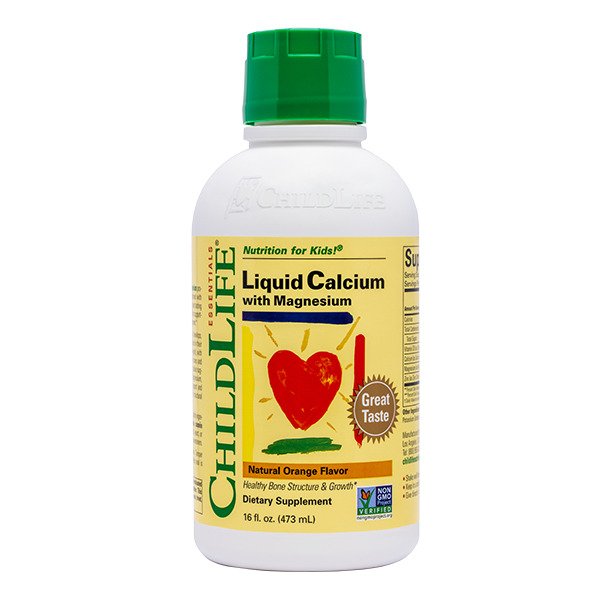
Child Life
Child Life - Liquid Calcium with Magnesium - 16 fl. oz.
238 krIn stockWhy is this shown? Innehåller alla ämnen artikeln handlar om · Renodlat tillskott — ämnet står i produktnamnet · I lager · Betyg 5.0 av 8 kunder

Life Extension
Life Extension - Magnesium Glycinate - 90 Vcaps
260 krIn stockWhy is this shown? Innehåller alla ämnen artikeln handlar om · Renodlat tillskott — ämnet står i produktnamnet · I lager · Betyg 5.0 av 8 kunder

Life Extension
Life Extension - Potassium with Extend-Release Magnesium
165 krIn stockWhy is this shown? Innehåller alla ämnen artikeln handlar om · Renodlat tillskott — ämnet står i produktnamnet · I lager · Betyg 5.0 av 8 kunder

NOW Foods
NOW Foods - Calcium & Magnesium, Citrate Powder With Vitamin D3 - 227g
218 krIn stockWhy is this shown? Innehåller alla ämnen artikeln handlar om · Renodlat tillskott — ämnet står i produktnamnet · I lager · Betyg 5.0 av 8 kunder

7 Nutrition
7 Nutrition - Magnesium Bisglycinate - 120 Vcaps
152 krIn stockWhy is this shown? Innehåller alla ämnen artikeln handlar om · Renodlat tillskott — ämnet står i produktnamnet · I lager