Vitamin B1 (Thiamine): What It Does, Sources, and How to Choose
Short answer
Vitamin B1 is thiamine, a water-soluble vitamin with very small body stores. Thiamine contributes to normal energy-yielding metabolism and thiamine contributes to the normal functioning of the nervous system. The article also explains food sources, common supplement forms, and how to compare labels.
Quick facts
- Vitamin B1 is thiamine, a water-soluble vitamin.
- TPP is the main active coenzyme form in the body.
- Thiamine is stored in very small amounts, mainly in the liver.
- Whole grains, pulses, red meat, fish, seeds and nuts are food sources.
- Common supplement forms include thiamine mononitrate, thiamine hydrochloride and benfotiamine.
- Multivitamin/mineral supplements often provide about 1.5 mg or more of thiamine.

What does vitamin B1 do in the body?
Vitamin B1 is thiamine, and TPP is the active form
Vitamin B1 is thiamine, a water-soluble vitamin. In the body, most thiamine exists as thiamine diphosphate, also called thiamine pyrophosphate (TPP), which acts as a coenzyme for enzymes involved in carbohydrate, amino acid, and lipid metabolism. NIH ODS thiamine fact sheet
| Form | What it is | What the evidence says it does |
|---|---|---|
| Thiamine | Vitamin B1 in food and supplements | |
| Thiamine pyrophosphate (TPP) | The main active coenzyme form in the body | Helps enzymes involved in carbohydrate, amino acid, and lipid metabolism |
| Body stores | Very small, mainly in the liver | Regular intake is needed because thiamine has a short half-life |
Why energy metabolism is the headline role
Thiamine is central to energy-yielding metabolism because the body uses its active form inside enzyme systems that help process carbohydrate into usable energy.
- “Thiamine contributes to normal energy-yielding metabolism”
- “Thiamine contributes to the normal functioning of the nervous system”
Claim may be used only for food which is at least a source of thiamine. EU authorised claims for thiamine
Why the nervous system and heart are mentioned
EFSA says thiamine plays an important role in maintaining healthy nervous and cardiovascular systems, and that deficiency can affect neurological and cardiovascular function. In plain language, that makes thiamine relevant to how nerves communicate and how the heart functions as part of the body’s energy-demanding systems. EFSA thiamin opinion
Thiamine is not a vitamin the body can store in large amounts, so it has to be supplied regularly. NIH ODS thiamine fact sheet
That small-storage pattern is the practical reason vitamin B1 is usually discussed as a regular part of diet, not a nutrient the body can safely depend on for long-term reserves. NIH ODS thiamine fact sheet
How much vitamin B1 do you need?
There is no single universal daily number for thiamine. EFSA sets a Population Reference Intake of 0.1 mg per megajoule of energy requirement for people older than 7 months, and describes a PRI as an intake likely to meet the needs of almost all healthy people in a population. EFSA’s thiamin reference values and the Nordic reference values in Livsmedelsverket’s 2023 report both use that energy-based approach.

In other words, a larger appetite, a higher calorie intake, or a bigger body size can mean a higher thiamine target even when the reference rate stays the same. These are reference intakes, not treatment doses.
| Population | European reference intake | U.S. NIH RDA |
|---|---|---|
| Children 1–3 years | 0.1 mg/MJ | 0.5 mg/day |
| Children 4–8 years | 0.1 mg/MJ | 0.6 mg/day |
| Older children / early teens 9–13 years | 0.1 mg/MJ | 0.9 mg/day |
| Adult men | 0.1 mg/MJ | 1.2 mg/day |
| Adult women | 0.1 mg/MJ | 1.1 mg/day |
| Pregnancy | 0.1 mg/MJ | 1.4 mg/day |
| Breastfeeding | 0.1 mg/MJ | 1.4 mg/day |
The U.S. values above come from the NIH consumer fact sheet for thiamine, which lists age- and life-stage-specific RDAs. NIH’s thiamine consumer fact sheet gives 0.5 mg/day for ages 1–3, 0.6 mg/day for 4–8, 0.9 mg/day for 9–13, 1.2 mg/day for men, 1.1 mg/day for women, and 1.4 mg/day during pregnancy and breastfeeding.
One practical mistake is treating these numbers as a guarantee of sufficiency for every person. Thiamine deficiency can still occur if intake is below the reference level or if absorption is impaired, so the target is a population guide rather than a promise for an individual. NIH’s health professional fact sheet notes that thiamine status can be affected by absorption and storage problems, including chronic alcohol use.
For shopping or meal planning, think in terms of your energy needs first: the European reference is 0.1 mg per megajoule, while the U.S. guidance uses fixed daily milligrams by age and life stage.
How is thiamine absorbed, and which forms matter?
From food to free thiamine
The NIH Office of Dietary Supplements Health Professional Fact Sheet says thiamine is absorbed in the small intestine by active transport at nutritional doses. At pharmacologic doses, absorption can also happen by passive diffusion. The same source explains that much of the thiamine in food is phosphorylated, so intestinal phosphatases must first hydrolyse it to free thiamine before absorption.
Thiamine is stored mainly in the liver, and only in very small amounts, so regular intake matters because the vitamin has a short half-life. In plain terms, the body does not keep large reserves of vitamin B1 for long periods.
What happens when intake rises
The NIH fact sheet notes that absorption becomes less efficient as intake increases, with a sharp decline above about 5 mg/day. That means uptake is not linear: a larger supplement dose does not automatically mean proportionally more thiamine enters the body.
At nutritional doses, thiamine uses active transport; at higher doses, the gut absorbs it less efficiently.
Common supplement forms on labels
For shoppers, the main forms named by NIH are thiamine mononitrate, thiamine hydrochloride and benfotiamine. Mononitrate and hydrochloride are described as the most common supplement forms and as stable, water-soluble ingredients. Benfotiamine is a synthetic derivative that is not water-soluble but is converted to thiamine in the body.
| Form | What it is | What NIH says about it |
|---|---|---|
| Thiamine mononitrate | Common supplement form | Stable and water-soluble |
| Thiamine hydrochloride | Common supplement form | Stable and water-soluble |
| Benfotiamine | Synthetic derivative | Not water-soluble; converted to thiamine in the body |
NIH also notes that benfotiamine has been used in supplement studies at 150 to 300 mg, but the evidence quoted there does not establish that one form is better than another simply because it is different. Form can matter for stability and formulation, but form alone does not prove better outcomes.
Food sources that contribute to intake
EFSA lists whole grains, pulses, red meat, fish, seeds and nuts as food sources of thiamin in its advice on dietary reference values: EFSA on thiamin. That makes thiamin a nutrient to look for across mixed diets as well as on supplement labels.
What benefits are actually supported by evidence?
What EU law allows on a label
| Permitted wording | Condition in the EU list |
|---|---|
| Thiamine contributes to normal energy-yielding metabolism | May be used only for food which is at least a source of thiamine |
| Thiamine contributes to the normal functioning of the nervous system | May be used only for food which is at least a source of thiamine |
That is a narrow legal scope.
Why those claims exist
The same source says about 80% of body thiamine exists as thiamine diphosphate, or TDP, and that TDP acts as a cofactor for five key enzymes involved in glucose, amino acid, and lipid metabolism.

That biochemical role explains why thiamine is linked to normal metabolism in authorised wording. It does not turn an ordinary supplement into a treatment claim, and it does not by itself prove a benefit beyond the nutrient’s normal function in the body.
Where the evidence becomes limited
The NIH fact sheet notes interest in thiamine and its derivative benfotiamine in diabetes, heart failure, and Alzheimer’s disease, but the evidence is still limited. In diabetes, many people have low blood thiamine levels and benfotiamine is being studied for glucose tolerance and diabetic neuropathy. In heart failure, two small randomised, double-blind, placebo-controlled trials reported improved left ventricular ejection fraction, while the clinical significance remains uncertain. In Alzheimer’s disease, the trials cited are few, small, and inconclusive.
For shoppers, that means common marketing words such as “brain support,” “fatigue,” or “performance” should be read cautiously.
How should you choose vitamin B1 tablets?
Start with the label, not the front-panel number
Look for the declared form of thiamine on the ingredient list. The NIH Consumer Fact Sheet lists thiamine mononitrate and thiamine hydrochloride as common supplement forms, and notes that benfotiamine is a synthetic derivative that is converted to thiamine in the body. For comparison shopping, check the amount of thiamine per tablet or capsule, the serving size, and the total number of units in the pack so you know what one serving actually contains.
| What to compare | What the label tells you | Practical check |
|---|---|---|
| Form | Mononitrate, hydrochloride, or benfotiamine | Confirms which type of thiamine you are buying |
| Amount per unit | Milligrams per tablet or capsule | Shows the declared amount in each unit |
| Serving size | How many units make one serving | |
| Pack count | Total tablets or capsules in the container | Helps compare how long one pack lasts |
Compare product type, size, and ingredients
NIH notes that multivitamin/mineral supplements often provide about 1.5 mg or more of thiamine, while standalone supplements may provide much higher amounts, such as 50 to 250 mg. That range tells you what is on the label; it is not proof that a bigger milligram number is better.
Compare whether the product is thiamine-only or part of a B-complex, whether the tablet looks easy to swallow, whether the capsule shell suits a vegan diet, and whether the excipient list matches your needs. If a pack includes a third-party quality mark or batch-testing statement, treat it as an added label signal, alongside the ingredient list and allergen information.
Match the strength to the reason you are buying it
For a routine dietary top-up, a lower-dose product may fit more easily into an everyday supplement routine than a high-number label. If a clinician is assessing suspected deficiency, the approach may be different from routine use, so the label should not be chosen only because it shows the largest milligram amount.
What happens when you do not get enough?
Early symptoms are often vague
Thiamine deficiency can start with symptoms that are easy to dismiss. The NIH ODS health professional fact sheet lists weight loss, anorexia, confusion, short-term memory loss, muscle weakness, and cardiovascular changes such as an enlarged heart. EFSA also describes extreme fatigue, forgetfulness, poor coordination, and weight loss, while South Tees notes malaise, irritability, and confusion in marginal deficiency. EFSA on thiamin South Tees thiamine test page

Because little thiamine is stored in the body, South Tees says poor nutrition can lead relatively quickly to deficiency. That helps explain why low intake, poor absorption, or higher needs can show up first as general tiredness or poor concentration rather than as a clear vitamin-specific pattern. South Tees thiamine test page NIH ODS health professional fact sheet
Thiamine deficiency often begins with vague appetite, energy, and memory changes, but advanced deficiency can involve the nervous system, the heart, or both.
Beriberi and Wernicke-Korsakoff are the classic severe outcomes
When deficiency progresses, the classic disease is beriberi. EFSA states that thiamin deficiency can cause beriberi and affect the neurological and cardiovascular systems. NIH ODS adds that severe deficiency can lead to peripheral neuropathy, wasting, loss of reflex responses, and congestive heart failure with edema. EFSA on thiamin NIH ODS health professional fact sheet
Severe brain involvement is usually discussed as Wernicke-Korsakoff syndrome. NIH describes chronic Korsakoff’s psychosis as severe short-term memory loss, disorientation, and confabulation, and the FDA review of Wernicke’s encephalopathy notes the classic triad of confusion, oculomotor signs, and ataxia. NIH ODS health professional fact sheet FDA review of thiamine deficiency and Wernicke’s encephalopathy
| Pattern | What the sources report | Why it can be missed |
|---|---|---|
| Early deficiency | Weight loss, anorexia, confusion, short-term memory loss, muscle weakness, fatigue, forgetfulness, poor coordination NIH ODS EFSA | These symptoms are nonspecific and can resemble many other problems. |
| Beriberi | Neurological and cardiovascular involvement, including peripheral neuropathy, loss of reflexes, and congestive heart failure with edema NIH ODS EFSA | Heart and nerve effects may not be recognised as a vitamin deficiency at first. |
| Testing limits | Blood thiamine levels are considered unreliable; transketolase activity and urinary excretion are used instead, but specialised tests may not be readily available NIH ODS | A normal or unclear blood result does not always settle the question. |
Low intake is not the only route
NIH says chronic alcohol use can impair thiamine absorption, storage, and phosphorylation, and the fact sheet reports deficiency in up to 80% of people with chronic alcoholism. The same source identifies older adults, people with HIV/AIDS, people with diabetes, and people after bariatric surgery as higher-risk groups, and one review found 84 cases of Wernicke’s encephalopathy after bariatric surgery between 1991 and 2008. NIH ODS health professional fact sheet
In practice, that means the pattern is not always just “not enough food”; poor absorption and higher physiological demand can also push thiamine status down. FDA review of thiamine deficiency and Wernicke’s encephalopathy
Is vitamin B1 safe for everyone?
Low toxicity, but not a reason to take more than needed
The U.S. Food and Nutrition Board has not set a tolerable upper limit for thiamine, because the NIH notes a lack of reports of adverse effects even at intakes of 50 mg a day or more, and the Consumer Fact Sheet says thiamine “has not been shown to cause any harm” in usual use. The same NIH material also says absorption drops sharply above about 5 mg, which is one reason very high oral intakes are not automatically better. Read together, that means thiamine is generally well tolerated, but the absence of a formal upper limit is not a license for unlimited use. NIH ODS health professional fact sheet NIH ODS consumer fact sheet
Takeaway: thiamine is considered low risk in normal oral amounts, yet people with symptoms, absorption problems, or interacting medicines should not self-treat blindly.
When medical supervision matters
NIH identifies chronic alcohol use as a major risk because it impairs absorption, storage, and phosphorylation of thiamine; it also notes cases after gastric bypass, where malabsorption has led to serious neurologic complications and many patients were advised to use thiamine long term. The same fact sheet highlights older adults and people with diabetes or HIV/AIDS as higher-risk groups for low status. NIH ODS health professional fact sheet
| Situation | What the evidence says | Practical step |
|---|---|---|
| Chronic alcohol use | Absorption, storage, and phosphorylation can be impaired; deficiency is common. | Do not rely on self-selection alone; seek clinical advice. |
| After gastric bypass | Thiamine deficiency and Wernicke’s encephalopathy have been reported after malabsorption. | Use clinician-guided follow-up. |
| Long-term furosemide | Urinary thiamine loss may increase. | Ask a clinician whether monitoring is needed. |
| Fluorouracil treatment | May interfere with thiamine metabolism. | Tell the treating team about any supplement use. |
Drug interactions and situations that need a check
NIH lists furosemide as a loop diuretic associated with increased urinary thiamine loss, and fluorouracil as a medicine that may interfere with thiamine metabolism. The NHS also advises that thiamine may interfere with some blood tests or scans, and it notes rare allergic reactions. If you are on ongoing treatment, or if a clinician is investigating a deficiency, that is a reason to disclose any thiamine supplement use before changing dose or form. NIH ODS health professional fact sheet NHS thiamine guidance
Red-flag symptoms are for assessment, not guesswork
EFSA says thiamine deficiency can affect the neurological and cardiovascular systems and may cause beriberi; it also links deficiency to extreme fatigue, forgetfulness, poor coordination, and weight loss. NIH also describes severe short-term memory loss, disorientation, and confabulation in Korsakoff’s psychosis. If these symptoms appear, especially alongside heavy alcohol use or a history of gastric bypass, the safer step is prompt medical assessment rather than switching to a stronger tablet. EFSA thiamin advice NIH ODS health professional fact sheet
Safety and precautions
Thiamine is generally well tolerated in normal oral amounts, but people with symptoms, absorption problems, chronic alcohol use, or medicines such as furosemide or fluorouracil should speak with a healthcare professional before changing dose or form.
If you are pregnant, breastfeeding, giving vitamin B1 to a child, or have a medical condition, get individual healthcare advice before using a supplement. Seek prompt medical assessment for severe fatigue, confusion, poor coordination, memory changes, or heart-related symptoms.
Supplements with the ingredients in this article
Compare contents, dose and price
Frequently asked questions
Can you get enough vitamin B1 from food alone?
The article does not give a yes-or-no answer for every person. It says whole grains, pulses, red meat, fish, seeds and nuts are food sources, and that thiamine should be supplied regularly because body stores are small. Needs also vary with energy intake, so a mixed diet is the starting point.
Is vitamin B1 better taken with meals or on an empty stomach?
The article does not state a preferred timing. It focuses on regular intake and on following the label, rather than on whether thiamine must be taken with food. If you are unsure, a clinician or the product instructions can guide you.
What is the difference between thiamine and benfotiamine?
Thiamine is vitamin B1 itself. Benfotiamine is a synthetic derivative that is not water-soluble and is converted to thiamine in the body. The article says the form can matter for stability and formulation, but form alone does not prove better outcomes.
Are vitamin B1 tablets suitable for vegans?
Some may be, but the article says you need to check the capsule shell and excipients. It recommends looking at the ingredient list and other label details, because these can determine whether a product suits a vegan diet. Tablets and capsules are not automatically vegan just because they contain thiamine.
Can vitamin B1 be taken together with a B-complex or multivitamin?
The article does not give a direct combination rule. It does note that multivitamin/mineral products often already provide thiamine, so the label should be checked to avoid taking more than intended. If you are also using a standalone B1 product, compare the total amount per serving.
How quickly do vitamin B1 supplements work when intake is low?
The article does not provide a specific timeline for how fast supplements change symptoms. It does say thiamine stores are small and deficiency can develop relatively quickly when intake is poor or absorption is impaired. That is why regular intake matters.
Sources
- Thiamin - Health Professional Fact Sheet (external link)
- Dietary reference values: EFSA publishes advice on thiamin (vitamin B1) | EFSA (external link)
- Referensvärden (external link)
- Thiamin - Consumer (external link)
- Dietary Supplements for Primary Mitochondrial Disorders - Health Professional Fact Sheet (external link)
- CL2012R0432EN0080010.0001_cp 1..1 (external link)
- Who can and cannot take thiamine (external link)
- Thiamine (Vitamin B1) - South Tees Hospitals NHS Foundation Trust (external link)
- Other Review(s) (external link)
Read more
- What should you know about vitamin C powder?
- Vitamin C Serum: What It Is, How It Works, and How to Choose
- Vitamins and Supplements: What to Know Before You Buy
- Vitamin B12: What It Does, Sources, and How to Choose
- Vitamin B12 1000 mcg: what should I compare?
- High Vitamin B12 Levels: What Do They Mean and Should You Be Concerned?
Products related to this article
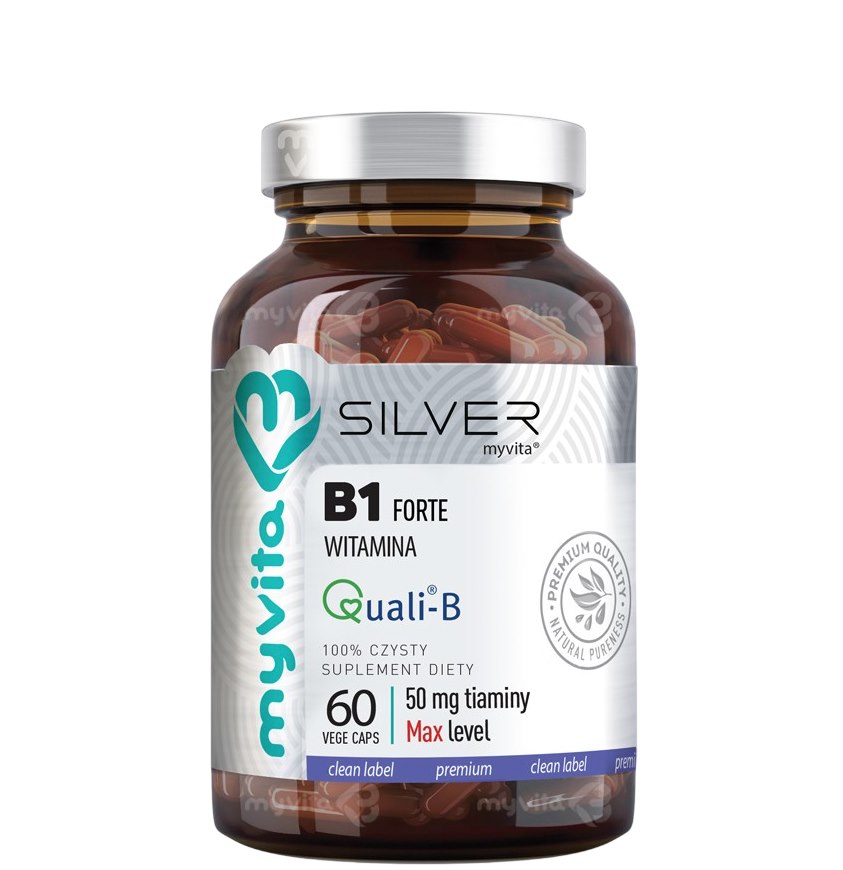
MyVita
Myvita - Vitamin B1 Forte - 60 Vege Caps
124 krIn stockWhy is this shown? Innehåller alla ämnen artikeln handlar om · Renodlat tillskott — ämnet står i produktnamnet · I lager
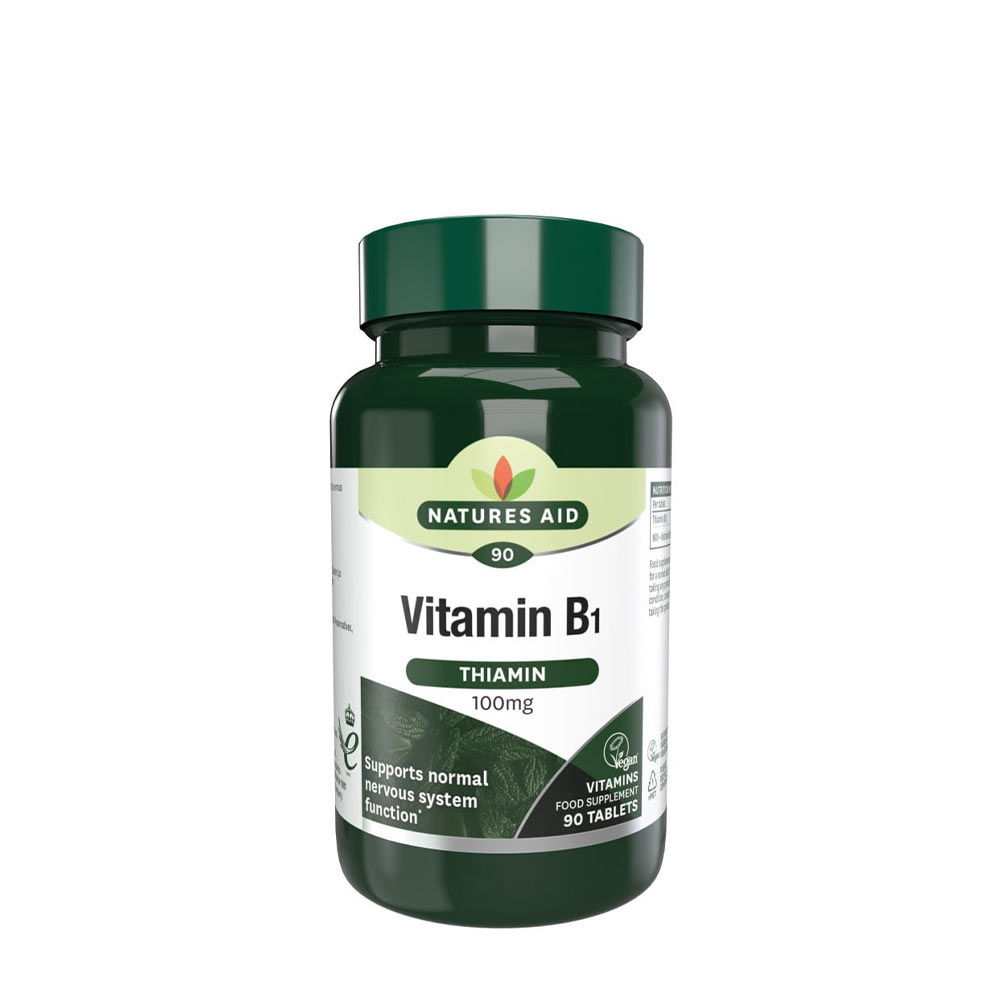
Nature's Aid
Nature's Aid - Vitamin B1 - 100mg
134 krIn stockWhy is this shown? Innehåller alla ämnen artikeln handlar om · Renodlat tillskott — ämnet står i produktnamnet · I lager
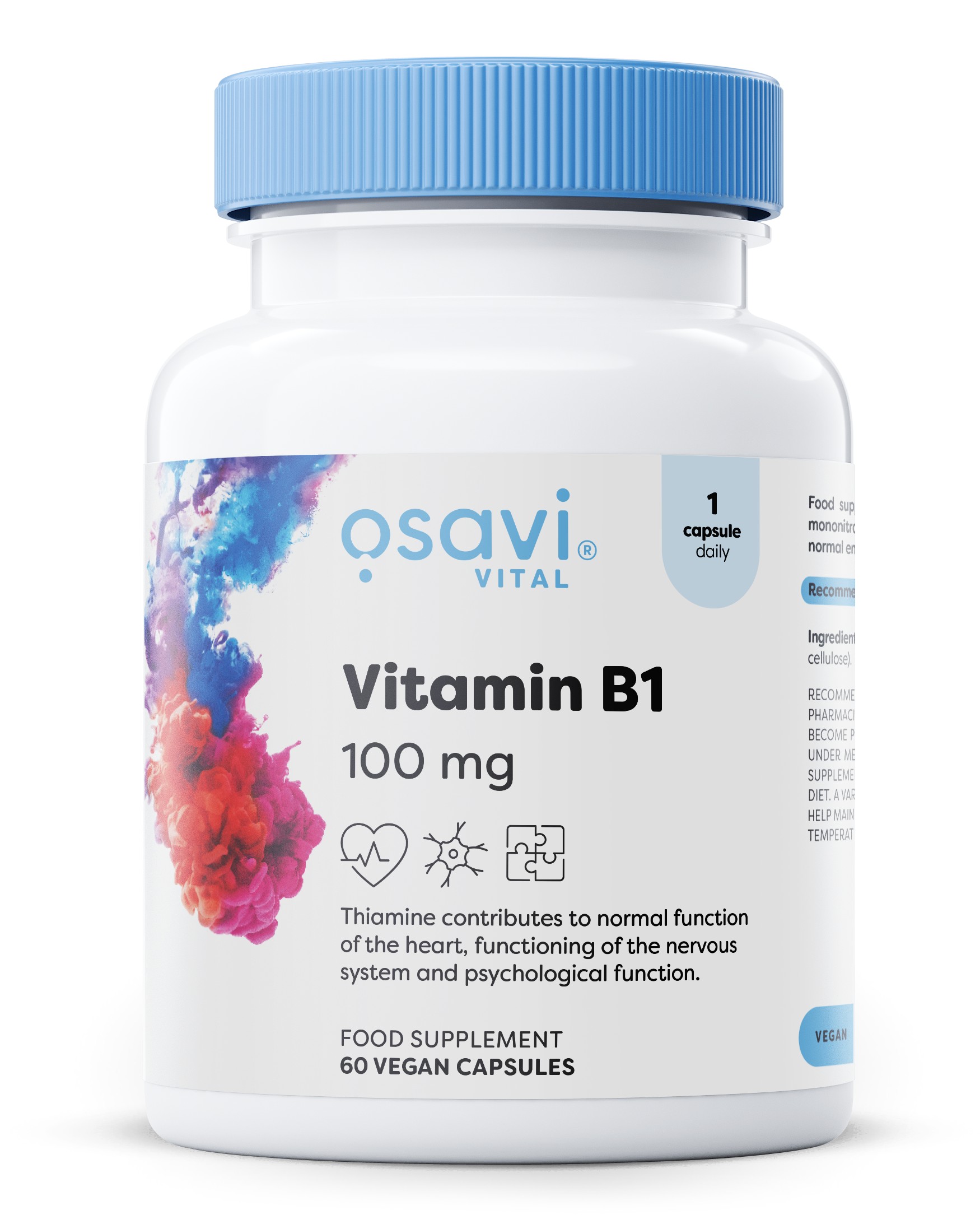
Osavi
Osavi Nature - Vitamin B1, 100mg - 60 Vcaps
107 krIn stockWhy is this shown? Innehåller alla ämnen artikeln handlar om · Renodlat tillskott — ämnet står i produktnamnet · I lager
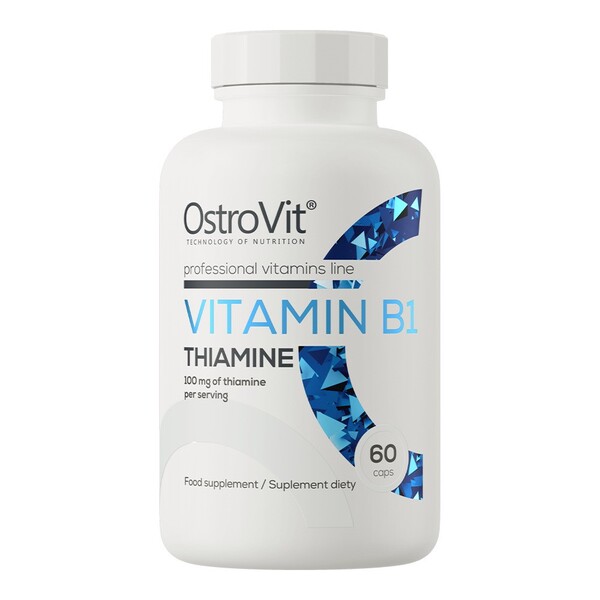
OstroVit
Ostrovit - Vitamin B1 Thiamine - 60 Caps
57 krIn stockWhy is this shown? Innehåller alla ämnen artikeln handlar om · Renodlat tillskott — ämnet står i produktnamnet · I lager

Life Extension
Life Extension - Whole Food Multivitamin - 90 Vcaps
352 krIn stockWhy is this shown? Innehåller alla ämnen artikeln handlar om · I lager · Betyg 5.0 av 9 kunder