Creatine: What Is It, Forms, Use & Safety Guide
Short answer
Creatine is a naturally occurring compound found in the body, mainly in muscles, and is also present in protein-rich foods. It is available as a dietary supplement in several forms, with creatine monohydrate being the most widely used. Always consult a healthcare professional before starting any supplement.
Quick facts
- Creatine is produced in the body and found in foods like red meat and fish.
- Creatine monohydrate is the most researched and commonly used form.
- Supplements are available as powders, capsules, tablets, and gummies.
- No health claims are authorised for creatine in the EU.
- Creatine is not a substitute for a varied diet.

Direct answer
Creatine is a substance naturally produced in the body and found in certain foods. As a supplement, it is most commonly used in powder form, with creatine monohydrate being the most studied. No health claims are authorised for creatine supplements in the EU.
What is it?
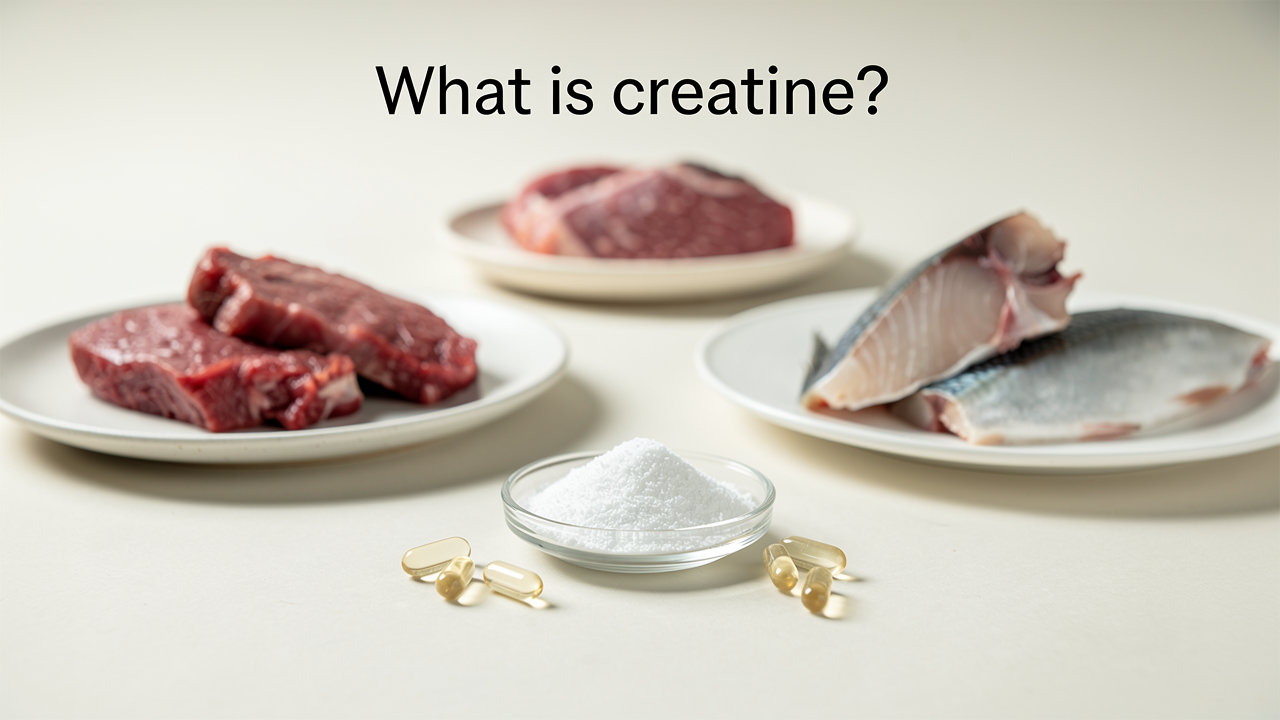
Creatine is an organic compound made from the amino acids arginine, glycine, and methionine. It is synthesised mainly in the liver, kidneys, and pancreas, and then transported to muscle and brain tissue where it is stored as phosphocreatine. In the body, creatine plays a role in the recycling of adenosine triphosphate (ATP), the primary energy carrier in cells.
About 95% of the body's creatine is stored in skeletal muscle, with the remainder found in the brain and other tissues. Creatine can also be obtained through diet, particularly from animal-based foods such as red meat and fish.
Most creatine in the body is stored in muscle tissue.
The body produces creatine endogenously at a rate of approximately 1–2 grams per day, depending on factors such as age, sex, and muscle mass. Dietary intake from foods like beef, pork, and certain fish can contribute an additional 1–2 grams daily for omnivores, while vegetarians and vegans generally have lower dietary intake.
Creatine is water-soluble and is transported in the bloodstream to tissues with high energy demands, especially muscles and the brain. In muscle cells, creatine is phosphorylated to form phosphocreatine, which serves as a rapid reserve for the regeneration of ATP during short bursts of intense activity.
Endogenous creatine stores are maintained through a balance of dietary intake, internal synthesis, and excretion. The body breaks down about 1–2% of its creatine stores daily into creatinine, which is excreted in urine.
Authorised health claims
There are currently no authorised health claims for creatine in the European Union. This means that no specific effects on health, performance, or disease prevention can be stated or implied for creatine supplements.
EU regulations strictly control what can be communicated about dietary supplements. For creatine, manufacturers and retailers are not permitted to make claims regarding its effects on physical performance, muscle mass, cognitive function, or any other health-related outcome.
Key limitations
- No health claims for creatine are authorised in the EU.
- Individual responses to creatine supplementation may vary.
- Creatine should not be used as a substitute for a varied and balanced diet.
- Creatine is not a replacement for medical treatment or professional dietary advice.
It is important to note that while creatine is widely used, its effects can differ between individuals due to factors such as age, sex, muscle mass, activity level, and baseline dietary intake.
Forms and alternatives
Creatine is available in several forms as a dietary supplement. The most common types include:
| Form | Common Features | Solubility | Typical Use |
|---|---|---|---|
| Creatine Monohydrate | Most researched, widely available | Moderate | Powder, capsules, tablets |
| Creatine Hydrochloride (HCl) | Higher solubility, smaller dose size | High | Powder, capsules |
| Creatine Ethyl Ester | Marketed for improved absorption | High | Capsules, powder |
| Buffered Creatine (e.g. , Kre-Alkalyn) | Marketed as pH-buffered | Moderate | Capsules, powder |
| Creatine Magnesium Chelate | Bound to magnesium | Moderate | Capsules, powder |
| Creatine Gummies | Convenient, flavoured | N/A | Gummies |
Creatine monohydrate remains the most studied and widely used form. Other forms are available but may differ in solubility, taste, or convenience.
Creatine monohydrate is the most researched and commonly used form.
Monohydrate is generally considered the standard against which other forms are compared. Some alternative forms, such as creatine hydrochloride and ethyl ester, are marketed for their solubility or purported absorption characteristics, but there is limited independent evidence supporting significant advantages over monohydrate.
Buffered creatine products claim to reduce breakdown in the stomach, while magnesium chelate combines creatine with magnesium. Gummies and chewable forms are designed for convenience and taste, but may contain additional ingredients such as sugars or flavourings.
When considering alternatives, it is important to review ingredient lists for excipients, sweeteners, and other additives, as these can affect both the nutritional profile and suitability for certain dietary preferences.
How to choose
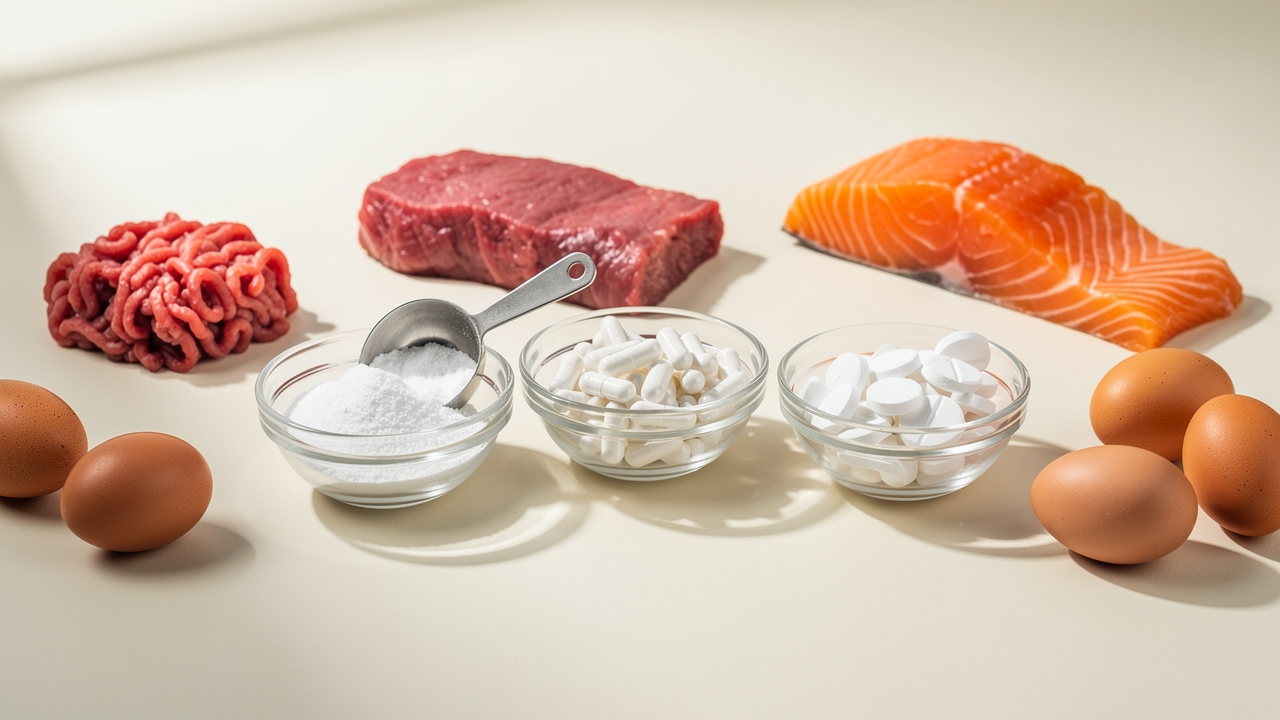
When selecting a creatine supplement, consider the following factors:
- Form: Monohydrate is the most researched; other forms may offer differences in solubility or taste.
- Purity: Look for products with minimal additives.
- Format: Powders are typically more cost-effective, while capsules and gummies offer convenience.
- Certifications: Choose products tested for quality and safety.
- Dietary preferences: Some products are labelled as vegan or vegetarian, but always verify ingredient sources if this is important to you.
- Allergens: Check for potential allergens such as gluten, soy, or lactose in flavoured or gummy products.
Compare ingredient lists, serving sizes, and any third-party testing information provided by the manufacturer. Certifications such as ISO, GMP, or third-party lab testing can provide additional assurance of product quality and purity.
Some products may be marketed as "micronized" creatine, which refers to smaller particle size for improved solubility. This may make mixing easier but does not necessarily change the function of creatine itself.
Consider your preferences for taste, ease of use, and cost per serving when making a selection.
Dosage and use
There is no EU-authorised dosage recommendation for creatine supplements. Commonly, creatine monohydrate is taken in doses of 3–5 grams per day, but individual needs may vary. Some users follow a 'loading phase' of higher intake (e.g. , 20 grams per day for 5–7 days), followed by a maintenance dose, but this is not required for everyone.
- Creatine can be mixed with water or other non-acidic beverages.
- It may be taken at any time of day, with or without food.
- Always follow the manufacturer's instructions and consult a healthcare professional before use.
Some protocols suggest splitting the daily dose into multiple smaller servings to improve tolerance, especially during the initial phase of use. The "loading phase" is optional and not necessary for all users; skipping it and starting with a maintenance dose is also common.
Mixing creatine with warm water or non-acidic liquids may improve solubility. Creatine should not be mixed with hot beverages or acidic juices for extended periods, as this may affect stability.
It is important to stay hydrated when using creatine supplements, as creatine is stored in muscle cells along with water. Adequate fluid intake is recommended.
Creatine supplementation is not a replacement for a balanced diet or regular physical activity.
Safety, interactions and risk groups
Creatine supplements are generally considered safe for most healthy adults when used as directed. However, certain groups should exercise caution or consult a healthcare professional before use, including:
- Individuals taking medication or with underlying health conditions
- Pregnant or breastfeeding women
- Children and adolescents
- Those with kidney or liver concerns
Potential side effects may include gastrointestinal discomfort, bloating, or muscle cramping. Creatine should not be used as a substitute for a balanced diet. If you experience any adverse effects, discontinue use and consult a healthcare professional.
There is limited information on the long-term safety of high-dose creatine supplementation. Individuals with pre-existing kidney or liver conditions should avoid creatine supplements unless specifically advised by a healthcare provider.
Creatine may interact with certain medications or medical conditions. Always inform your healthcare provider about any supplements you are taking, especially if you are on prescription medication or have chronic health issues.
Children and adolescents should not use creatine supplements unless under medical supervision. The safety of creatine supplementation during pregnancy or breastfeeding has not been established.
Creatine is not intended for use as a meal replacement or as a sole source of nutrition.
Some individuals may experience weight gain due to increased water retention in muscles when using creatine. This is a normal physiological response and not indicative of fat gain.
Always purchase supplements from reputable sources to minimise the risk of contamination or adulteration.
Additional considerations: Storage, shelf life, and product quality
Creatine supplements should be stored in a cool, dry place, away from direct sunlight and moisture. Exposure to humidity can cause creatine powder to clump or degrade over time.
Check the expiration date on the packaging before use. Creatine monohydrate is generally stable for several years if stored properly, but flavoured or gummy products may have a shorter shelf life due to added ingredients.
Inspect the product for any unusual odour, colour change, or texture before use. Discard any supplement that appears spoiled or contaminated.
Choose products from manufacturers that adhere to good manufacturing practices (GMP) and provide batch testing for contaminants such as heavy metals, microbes, or banned substances.
Who uses creatine supplements?
Creatine supplements are used by a wide range of individuals, including athletes, fitness enthusiasts, and those seeking to supplement their dietary intake. While commonly associated with sports and exercise, creatine is also used by people with low dietary intake, such as vegetarians and vegans.
Supplementation practices vary widely depending on individual goals, dietary patterns, and preferences. It is important to remember that creatine is not a substitute for a healthy lifestyle or balanced nutrition.
Summary
Creatine is a naturally occurring compound found in the body and in protein-rich foods. It is available as a dietary supplement in several forms, with creatine monohydrate being the most researched and widely used. When choosing a creatine supplement, consider form, purity, format, and certifications. Always follow manufacturer guidelines and consult a healthcare professional before use, especially if you have underlying health conditions or are taking medication.
Safety and precautions
Creatine supplements are generally considered safe for most healthy adults when used as directed. However, individuals who are pregnant, breastfeeding, under 18, taking medication, or have underlying health conditions should consult a healthcare professional before use. Creatine is not a substitute for a varied diet. If you experience any adverse effects, discontinue use and seek medical advice.
Frequently asked questions
What is creatine?
Creatine is a naturally occurring compound found in the body, mainly in muscles, and present in foods such as red meat and fish. It is also available as a dietary supplement in various forms.
What forms of creatine are available?
Common forms include creatine monohydrate, hydrochloride (HCl), ethyl ester, buffered creatine, magnesium chelate, and gummies. Monohydrate is the most researched and widely used.
Are there any authorised health claims for creatine?
No, there are currently no authorised health claims for creatine in the European Union.
How should creatine be taken?
Follow the manufacturer's instructions. Commonly, 3–5 grams per day of creatine monohydrate is used, but individual needs may vary. Consult a healthcare professional before use.
Is creatine safe?
Creatine is generally considered safe for most healthy adults when used as directed. Those who are pregnant, breastfeeding, under 18, on medication, or with health conditions should consult a healthcare professional before use.
Can creatine be used by vegetarians or vegans?
Creatine supplements are suitable for vegetarians and vegans, as they are typically synthesised and do not contain animal products.
Sources
- EFSA: Confirm authorised health claims for creatine
- EFSA: Confirm safety profile and risk groups
- National food agency: Confirm dietary sources and general guidance
Read more
Products related to this article
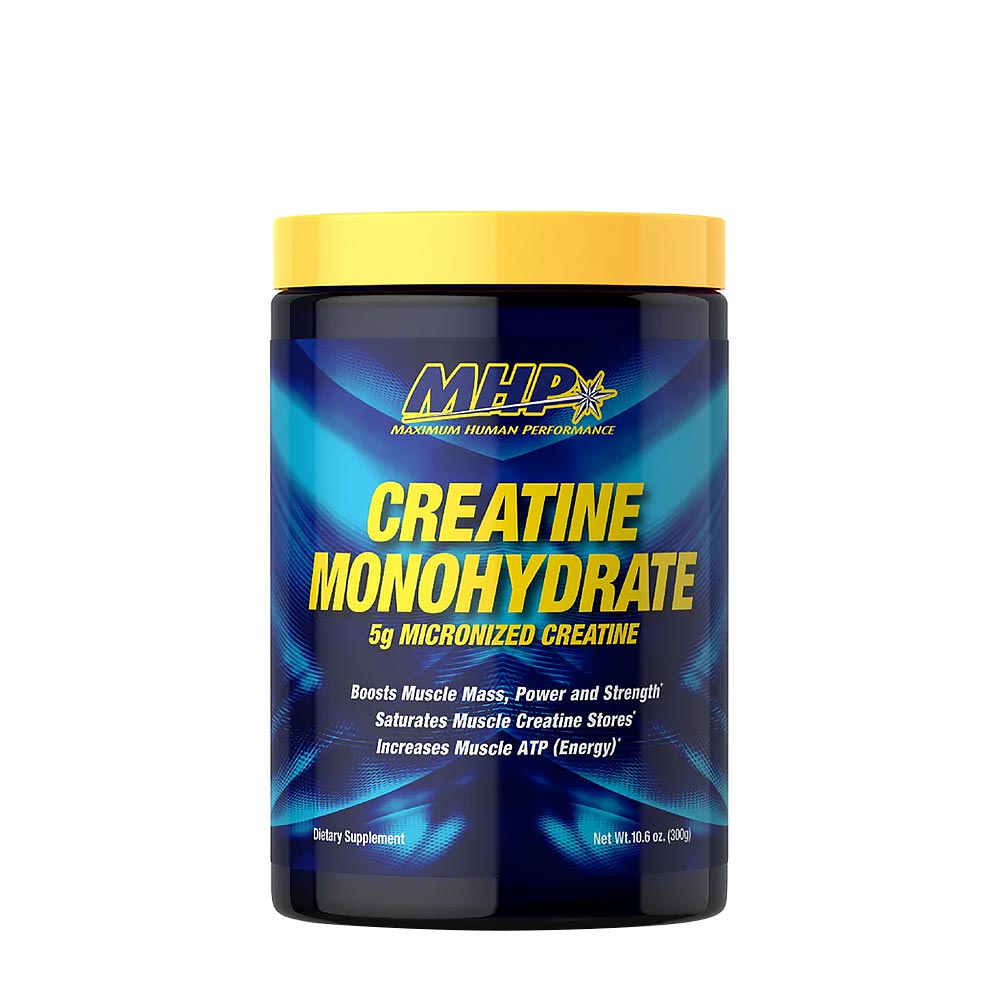
MHP
MHP - Creatine Monohydrate - 300g
427 krIn stockWhy is this shown?
Historiskt katalogurval. Innehåll, mängd och form behöver kontrolleras mot aktuellt underlag.
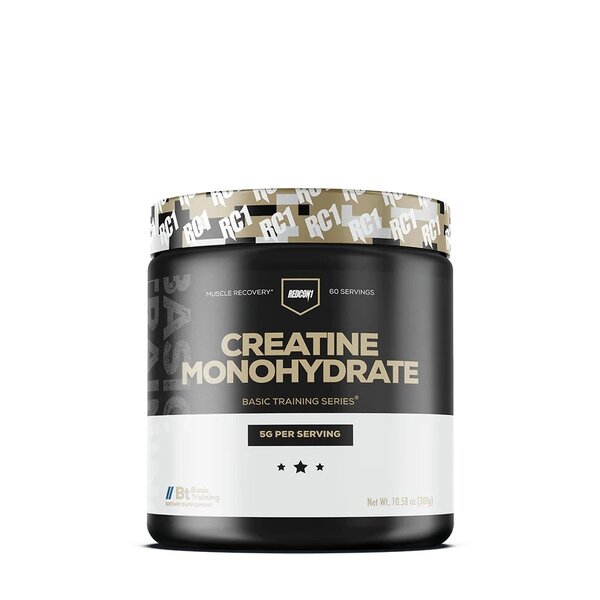
Redcon1
Redcon1 - Creatine Monohydrate - 300g
319 krIn stockWhy is this shown?
Historiskt katalogurval. Innehåll, mängd och form behöver kontrolleras mot aktuellt underlag.

EFX Sports
EFX Sports - Kre-Alkalyn Powder (Mango - 110g)
339 krIn stockWhy is this shown?
Historiskt katalogurval. Innehåll, mängd och form behöver kontrolleras mot aktuellt underlag.
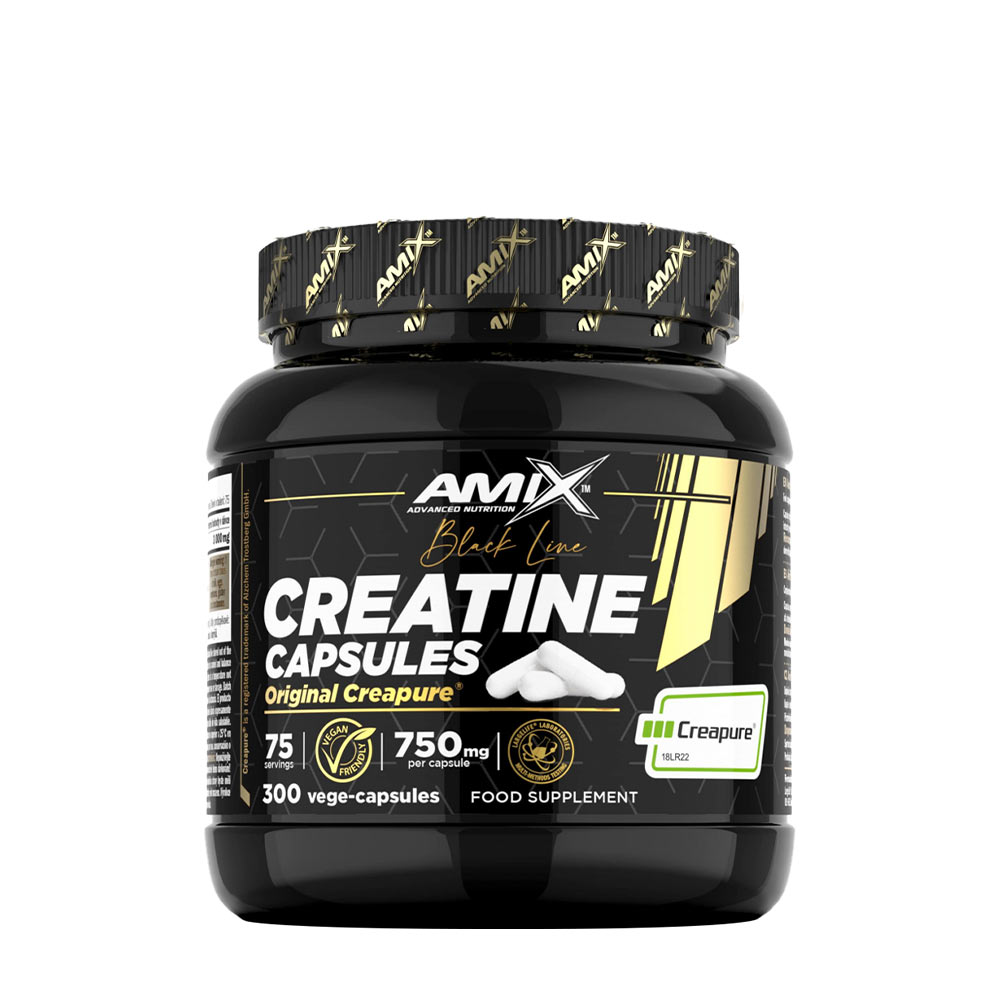
Amix
Amix Black Line Creatine Creapure - 300 Vege Capsules
454 krIn stockWhy is this shown?
Historiskt katalogurval. Innehåll, mängd och form behöver kontrolleras mot aktuellt underlag.
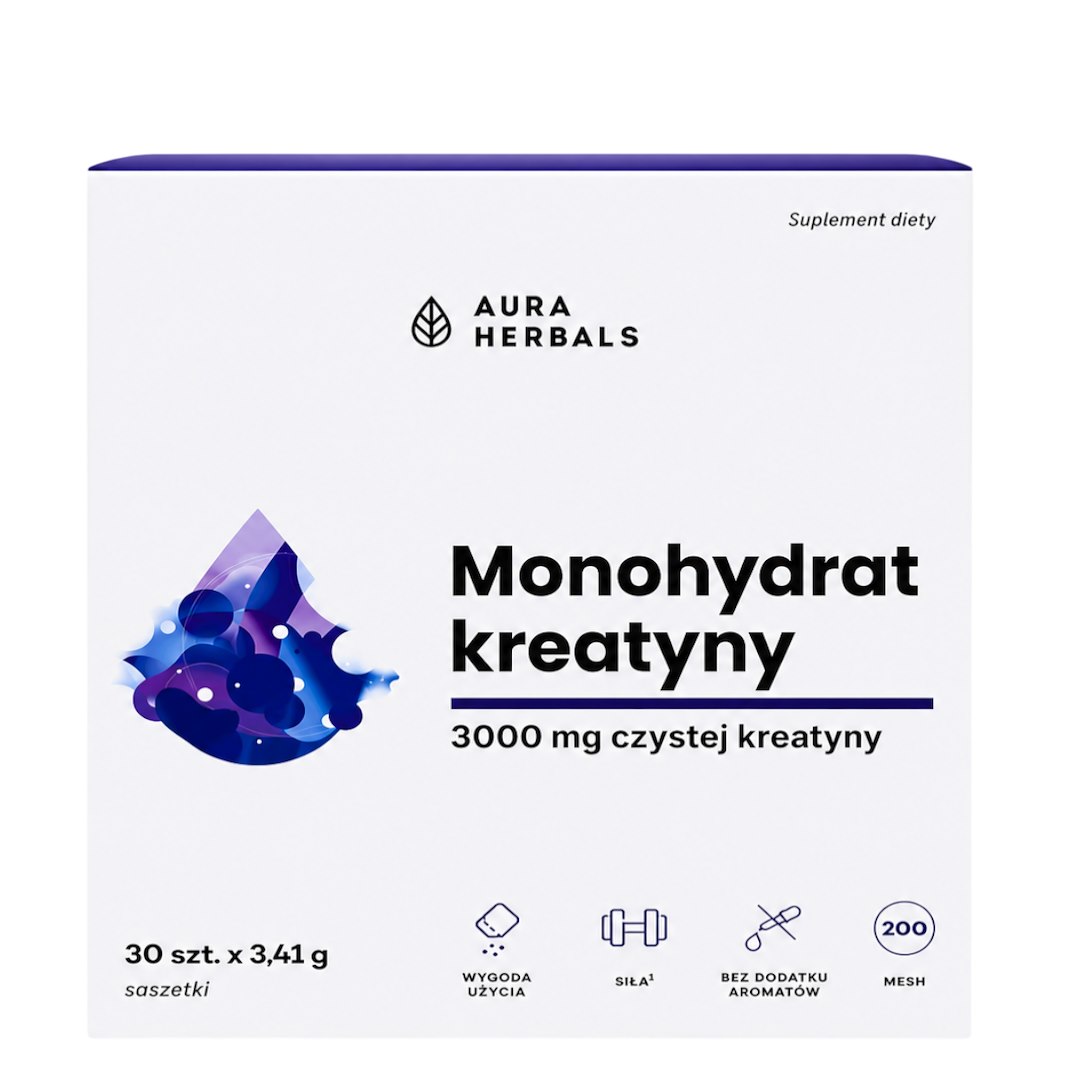
Aura Herbals
Aura Herbals - Creatine Monohydrate
104 krIn stockWhy is this shown?
Historiskt katalogurval. Innehåll, mängd och form behöver kontrolleras mot aktuellt underlag.


