When is the best time to take creatine?
Short answer
The best time to take creatine is the time you can keep up every day. Research has not found a clear winner before, during, or after training, so consistency matters more than the clock. If a post-workout or meal-based routine helps you remember it, that is a practical choice.
Quick facts
- The best time is the time you can take it consistently every day.
- There is no solid consensus on a pre-, during-, or post-workout timing window.
- A common loading phase is about 20 g/day for 5 to 7 days.
- Maintenance is usually about 3 to 5 g/day.
- Rest days still count.
- Creatine monohydrate is the best-studied form.

When is the best time to take creatine?
The shortest answer
The best time to take creatine is the time you can take it consistently every day. A 2021 review found no solid consensus on an optimal timing window before, during, or after exercise, although it noted emerging evidence for slightly greater effects when creatine is taken after exercise; the same review also stressed that the studies are small and methodologically limited. Timing of Creatine Supplementation around Exercise: A Real Concern?
Why routine matters more than the clock
Creatine is not used like an immediate stimulant. The NIH Office of Dietary Supplements describes a common short-term loading approach of 20 g/day for about 5 to 7 days, followed by 3 to 5 g/day for maintenance, and notes that the body’s creatine pool is replenished at about 2 g/day. That makes the practical goal straightforward: keep intake regular so muscle creatine stores are built and maintained over days and weeks, rather than looking for a single perfect minute around the gym. NIH ODS Health Professional Fact Sheet
A simple default for most readers
If you want one easy rule, take creatine once daily and attach it to something you already do, such as a meal or your post-training routine. A 2022 review says the timing question remains inconclusive and that proposed workout-adjacent advantages are still speculative, while the NIH fact sheet shows that the established dosing logic is based on loading and maintenance rather than a one-off pre-workout effect. Creatine O'Clock: Does Timing of Ingestion Really Influence Muscle Mass and Performance? NIH ODS Health Professional Fact Sheet
What not to expect
If you prefer a loading phase, the available guidance still points to regular daily intake afterward; the timing debate is about convenience and possible small differences, not a proven make-or-break window. NIH ODS Health Professional Fact Sheet Timing of Creatine Supplementation around Exercise: A Real Concern?
Before or after training: does timing change results?
Direct comparisons have not produced a clear winner. A 2021 review found no solid consensus on an optimal creatine timing window, although it noted emerging evidence suggesting slightly greater benefits when creatine is taken after exercise. A 2022 review reached the same broad conclusion: timing close to resistance training has plausible mechanisms, but the evidence is still inconclusive (Creatine O'Clock).

What the head-to-head studies found
In a 2026 randomized crossover pilot trial in 11 active young men, 0.1 g/kg creatine monohydrate taken before resistance training produced greater acute strength performance than placebo and control conditions. The same study found no differences in jump performance, mood, perceived recovery, soreness, or most blood markers when creatine was taken before, during, or after the session (acute creatine ingestion timing trial).
Another 10-week trial compared supplements taken immediately before and after sessions with the same supplements taken in the morning and evening. The pre/post group achieved greater lean mass gains, strength, type II fiber cross-sectional area, contractile protein, and muscle creatine levels than the morning/evening group (effects of supplement timing and resistance exercise).
| Study | Timing compared | Main finding |
|---|---|---|
| 2021 review | Pre, during, or post exercise | No solid consensus; slight post-exercise edge suggested, with limits (source) |
| 2026 pilot trial | Before vs during vs after resistance training | Before training improved acute strength output (source) |
| 10-week trial | Immediately around training vs morning/evening | Pre/post timing outperformed non-proximal timing for several muscle outcomes (source) |
Why post-workout is still a reasonable choice
Post-workout use is easy to build into a routine, and that matters when the evidence does not show a large or reliable difference between before and after training. If taking creatine after the session helps you remember it, that is a sensible way to use it. If pre-workout is the slot you will actually keep, that is also reasonable.
Practical takeaway: the available research does not make pre- or post-workout timing a make-or-break choice. For most people, the bigger decision is to keep creatine intake regular rather than overthinking the exact minute it is taken.
The safest way to read the evidence is simple: any post-workout advantage appears modest and is not guaranteed, and the small studies available are not enough to make timing more important than consistency.
Do rest days, meals, or split doses matter?
Keep creatine daily, not just on training days
The clearest pattern in the sources is daily use. NIH’s health-professional fact sheet describes creatine loading as about 20 g/day for up to 7 days, followed by maintenance at 3–5 g/day, and a 2021 timing review says there is still no firm “best” timing window, so consistent daily intake is the main point. NIH ODS health-professional fact sheet 2021 review on creatine timing around exercise
That is why rest days still count. If you only take creatine on training days, you are no longer following the daily loading-and-maintenance pattern described in those sources. NIH ODS health-professional fact sheet 2021 review on creatine timing around exercise
With food is optional
Taking creatine with a meal is fine if that is the easiest way to remember it. NIH’s consumer fact sheet notes anecdotal gastrointestinal symptoms among reported side effects, so some people may prefer a meal-based routine, but the evidence here does not show that food is required for creatine to work. NIH ODS consumer fact sheet
A 2022 review describes carbohydrate- or protein-related uptake as a proposed mechanism, while a 2024 meta-analysis found no additional body-composition benefit from carbohydrate co-ingestion. In other words, food can be a practical choice, but it is not presented here as a requirement. 2022 review on creatine timing 2024 meta-analysis on creatine and body composition
Split larger amounts when that is easier
If you use a loading phase, the daily total is higher for a short period, so dividing it into smaller servings is a practical option. The sources include a short-term trial that used 0.3 g/kg/day in divided doses across the day, including rest periods, which shows that split dosing is a real research pattern. NIH ODS health-professional fact sheet Short-term creatine supplementation trial
That trial does not prove that split doses are necessary for everyone, but it does show that larger daily totals can be divided across the day. If a single serving feels too large, splitting it is a sensible way to keep the routine consistent. Short-term creatine supplementation trial
| Pattern | What the sources support | Practical reading |
|---|---|---|
| Training days only | Not the daily loading-and-maintenance pattern described by NIH ODS and timing reviews | Do not rely on workout days alone |
| Every day, including rest days | Matches the daily maintenance approach described by NIH ODS | Keep the schedule steady |
| With meals | No requirement shown; carbohydrate co-ingestion did not add body-composition benefit in one meta-analysis | Use meals for convenience |
| Split across the day | Used in short-term research protocols | Useful when a larger total is easier to divide |
Nothing in these sources shows that healthy adults need to cycle creatine on and off when using standard doses. The evidence here is framed around ongoing daily intake and maintenance, not stop-start cycling. NIH ODS health-professional fact sheet 2021 review on creatine timing around exercise
How creatine works in the body
It helps recycle ATP during short, intense efforts
The NIH Office of Dietary Supplements says supplementation increases phosphocreatine stores, speeds phosphocreatine resynthesis after exertion, and helps reduce adenine nucleotide degradation and lactate buildup (NIH ODS Health Professional Fact Sheet). In plain language, creatine helps your muscles recycle usable energy more quickly when the work is brief and hard.

Why the target is muscle storage
Creatine is stored mainly in skeletal muscle, not floating around as a one-off “boost.” A review hosted by the NIH ODS puts the total body creatine pool at about 120 g, with roughly 95% in skeletal muscle, and notes that the pool is replenished at around 2 g per day; it also says oral supplementation suppresses endogenous synthesis until supplementation stops (NIH ODS background review). That is why the practical goal is to build and keep muscle creatine stores elevated, rather than to chase a same-day nervous-system effect.
Loading first, then maintenance
Authoritative guidance commonly uses a loading phase when the goal is to raise muscle stores quickly, followed by a lower daily intake to keep them there. The NIH ODS fact sheet gives a typical loading pattern of about 20 g per day for 5 to 7 days, then a maintenance intake of about 3 to 5 g per day (NIH ODS Health Professional Fact Sheet). In practice, the larger short-term amount is used to fill the muscle pool faster, while the smaller daily amount is used to maintain that higher level over time.
| Approach | Typical range | Practical purpose |
|---|---|---|
| Loading | About 20 g/day for 5 to 7 days | Raise muscle creatine stores quickly |
| Maintenance | About 3 to 5 g/day | Keep stores elevated |
Creatine is therefore not a stimulant in the usual sense of an acute nervous-system push. The mechanism described in the evidence is energy recycling in muscle, so the key habit is consistency, not expecting an immediate “kick” after a single serving (NIH ODS Health Professional Fact Sheet).
Key takeaway: creatine works by filling the muscle’s fast-energy buffer and keeping it topped up.
What the research and authorised claims actually show
Where the evidence is strongest
The clearest findings are in short, hard efforts and resistance training.
| Area | What the cited evidence shows | Source |
|---|---|---|
| Repeated sprint and other short bursts | Performance improved in trained participants after short-term creatine use | NIH ODS fact sheet |
| Resistance exercise | Strength gains were greater than placebo in a female soccer-player trial | NIH ODS fact sheet |
| Lower habitual intake or lower stores | Vegetarians tend to have lower baseline muscle creatine and may respond more | NIH ODS fact sheet |
What is not established to the same standard
Creatine is not equally well supported for every popular promise attached to it. A 2023 meta-analysis on endurance performance found no significant effect in trained people, and a separate systematic review and meta-analysis on VO2max found a small negative effect. Those findings show why broad claims about endurance performance should not be treated as equivalent to the short-burst performance claim above.
Timing studies are much less convincing than overall efficacy studies. Two reviews, one in 2021 and one in 2022, say there is no solid consensus on an exact pre-, during-, or post-workout window, so the strongest evidence is about creatine use itself rather than a precise hour of the day.
Which creatine form should you choose?
Creatine monohydrate is the reference point
A 2022 systematic review of 17 randomized placebo-controlled trials found no consistent evidence that alternative creatine forms outperformed creatine monohydrate; the review also described monohydrate as the most extensively studied, efficacious, safe, and lowest-cost option systematic review of alternative creatine forms. A separate critical review reached the same practical conclusion: no marketed form has been shown to be more effective, more bioavailable, or safer than creatine monohydrate critical review of creatine and related compounds.

For most buyers, that makes creatine monohydrate the default choice. The label may change, but the evidence base does not currently show a clear proof-based advantage for another form in most users systematic review critical review.
What the alternatives mean in practice
The studied alternatives in the review included magnesium-creatine chelate, creatine citrate, malate, ethyl ester, nitrate, and pyruvate, but only three studies directly compared an alternative with monohydrate systematic review. That is the key limitation: there is not enough comparative human evidence to show that a different form is reliably better for most shoppers.
The form question is also separate from timing.
| Form | What the cited evidence shows | Practical note |
|---|---|---|
| Creatine monohydrate | Best studied; no consistent superiority from alternatives was shown in the review literature review review. | Most straightforward choice for most shoppers. |
| Other marketed forms | No marketed form has been shown to be more effective, more bioavailable, or safer than monohydrate in the cited critical review review. | Use only if the product otherwise fits your preference. |
| Liquid products | The FDA notice notes that creatine monohydrate may degrade rapidly in shelf-stable standard beverages FDA GRAS notice. | Check stability and storage details carefully. |
A simple buying checklist
- Choose a product that clearly states the creatine type and amount.
- Prefer a short ingredient list without unnecessary extras.
- Look for quality assurance or third-party testing if the brand provides it.
- Select the format you are most likely to keep using.
Takeaway: If you want the most evidence-backed starting point, plain creatine monohydrate is the form to choose first.
For timing, the form itself does not change the main decision: purity, clear labelling, and adherence matter more than the package shape.
Can food alone provide enough creatine?
Main food sources and typical amounts
Creatine comes mainly from animal-source foods. In the food-composition review cited by the FDA GRAS notice, meat contains about 4–5 g per kg and fish about 4–10 g per kg, which is roughly 400–500 mg and 400–1,000 mg per 100 g, respectively. In practical terms, that covers the meat foods most people think of first, including red meat, pork, poultry, and fish. Food-composition review cited in the FDA notice FDA GRAS notice for creatine monohydrate
| Food group | Typical creatine per 100 g | Source |
|---|---|---|
| Meat (red meat, pork, poultry) | About 400–500 mg | PMC review cited in the FDA notice |
| Fish | About 400–1,000 mg | PMC review cited in the FDA notice |
| Cooked fish examples | 251–645 mg | PubMed study of cooked Hawaiian fish |
Cooking changes the amount on the plate
Raw values are only a starting point. In beef and lamb, slow cooking at about 70°C for 90 minutes significantly reduced creatine and increased creatinine, showing that some creatine is converted during preparation. In cooked Hawaiian fish, creatine ranged from 251 mg per 100 g in sole to 645 mg per 100 g in yellowfin tuna, so species and cooking method both matter. PubMed study on beef and lamb cooking PubMed study on cooked fish
Why plant-based diets usually provide less
The NIH ODS fact sheet says creatine is obtained from diet in small amounts and notes that vegetarians and vegans tend to have lower baseline muscle creatine stores than omnivores. A cross-sectional study also reported much lower dietary creatine intake in vegetarians than in omnivores, at 0.03 g/day versus 1.34 g/day. NIH ODS fact sheet PubMed study in vegetarians
Food helps, but usually does not match supplement-level intakes
The FDA GRAS notice estimated natural creatine from animal products at roughly 0.2 to 0.8 g/day before any fortification. By comparison, the NIH ODS fact sheet lists common supplement protocols of about 20 g/day for 5–7 days and 3–5 g/day for maintenance. Food can contribute meaningfully, but it usually does not reach those supplement-level amounts, especially for people who avoid animal foods. FDA GRAS notice for creatine monohydrate NIH ODS fact sheet
Taking creatine with a normal meal is fine; one meta-analysis found no additional hypertrophy benefit from carbohydrate co-ingestion. PubMed meta-analysis on carbohydrate co-ingestion
Who should be cautious with creatine?
What healthy adults usually tolerate
The NIH Office of Dietary Supplements says creatine is generally safe for healthy adults, with short-term use over weeks to months and use over several years both described as safe in its health professional fact sheet. The common issues reported are weight gain from water retention and occasional gastrointestinal distress. NIH Office of Dietary Supplements, health professional fact sheet NIH Office of Dietary Supplements, consumer fact sheet
That profile still leaves room for individual tolerance. If a product or serving size repeatedly causes stomach upset, the practical answer is to pause and review the product with a clinician or pharmacist rather than trying to force it through. The safety documents above describe the usual issues as mild, not as reasons for routine use in every person. NIH Office of Dietary Supplements, health professional fact sheet
Who should get personalised advice first
The ODS safety materials are written for healthy adults, and they do not establish that creatine is appropriate for everyone. The primary mitochondrial disorders fact sheet says safety in children and adolescents is not well established, so younger users should not treat adult safety data as automatic permission. NIH Office of Dietary Supplements, primary mitochondrial disorders fact sheet
People with kidney disease, reduced kidney function, or other complex medical conditions should also check with a clinician before starting, because the FDA GRAS notice for creatine monohydrate includes a dedicated review of kidney-function data and the ODS materials advise medical guidance when a health condition is already in play. FDA GRAS Notice No. GRN 931, creatine monohydrate NIH Office of Dietary Supplements, health professional fact sheet
| Group | What the retrieved safety sources support | Practical step |
|---|---|---|
| Healthy adults | Generally safe, including over weeks to months and over several years. ODS | Standard use is usually well tolerated. |
| Children and adolescents | Safety is not well established. ODS | Seek medical guidance first. |
| Kidney disease or reduced kidney function | Kidney-function data are specifically reviewed in the FDA notice. FDA | Get clinician advice before starting. |
| Pregnancy or breastfeeding | The retrieved safety sources here do not provide routine-use guidance. | Ask a clinician before use. |
Medicines, hydration, and blood tests
If you use medicines or supplements that can affect the kidneys or hydration status, creatine deserves a quick check with a pharmacist or doctor before you begin. FDA GRAS Notice No. GRN 931, creatine monohydrate NIH Office of Dietary Supplements, health professional fact sheet
For readers who want the shortest rule: creatine is usually well tolerated in healthy adults, but anyone with ongoing medical care, kidney concerns, or regular medicines should clear it with a clinician before starting. NIH Office of Dietary Supplements, health professional fact sheet
Safety and precautions
Creatine is generally described as well tolerated in healthy adults, but some people report water-related weight gain or stomach upset. If you have kidney disease or reduced kidney function, take medicines that affect the kidneys or hydration, are pregnant or breastfeeding, or are considering it for a child or teenager, ask a clinician or pharmacist first.
If it causes repeated stomach upset, pause and review the product with a healthcare professional.
Frequently asked questions
Can you take creatine with coffee or a pre-workout drink?
The article does not give a specific rule for coffee or pre-workout drinks. Its main point is that the exact minute matters less than taking creatine every day, and that taking it with a meal is fine if that helps you remember.
Can you mix creatine into hot drinks, shakes, or yogurt?
The article does not address hot drinks, shakes, or yogurt specifically. It does say you can take creatine with a normal meal, and that food is optional rather than required.
What should you do if you miss a day of creatine?
If you miss a day, just go back to your normal routine the next day. The article emphasizes steady daily intake rather than worrying about a single missed dose.
How long does creatine take to reach full muscle saturation?
The article does not give a single exact saturation date. It describes a common loading phase of about 5 to 7 days, followed by 3 to 5 g/day for maintenance, which is the practical way to raise stores quickly.
Is creatine different for women than for men?
The article does not present a separate timing rule for women. It uses the same general daily approach for everyone and cites studies that included women as well as men.
Can creatine be used if you do endurance sports rather than lifting?
The article says the strongest evidence is for short, hard efforts and resistance training. It also notes that endurance research has been less convincing, so people who mainly do endurance sports should not assume the same kind of result as lifters.
Sources
- Timing of Creatine Supplementation around Exercise: A Real Concern? - PubMed (external link)
- Creatine O'Clock: Does Timing of Ingestion Really Influence Muscle Mass and Performance? - PubMed (external link)
- Acute Creatine Ingestion Before Resistance Training Enhances Strength Performance More than Ingestion During or After Training: A Randomized Crossover Pilot Trial - PubMed (external link)
- Effects of supplement timing and resistance exercise on skeletal muscle hypertrophy - PubMed (external link)
- The Effect of Creatine Supplementation on Resistance Training-Based Changes to Body Composition: A Systematic Review and Meta-analysis - PubMed (external link)
- Dietary Supplements for Exercise and Athletic Performance - Health Professional Fact Sheet (external link)
- Cover (external link)
- Effects of Creatine Monohydrate on Endurance Performance in a Trained Population: A Systematic Review and Meta-analysis - PubMed (external link)
- Creatine supplementation and VO2max: a systematic review and meta-analysis - PubMed (external link)
- Efficacy of Alternative Forms of Creatine Supplementation on Improving Performance and Body Composition in Healthy Subjects: A Systematic Review - PubMed (external link)
- Bioavailability, Efficacy, Safety, and Regulatory Status of Creatine and Related Compounds: A Critical Review - PubMed (external link)
- Dietary Supplements for Primary Mitochondrial Disorders - Health Professional Fact Sheet (external link)
- GRAS Notice No GRN 931; Creatine Monohydrate (external link)
- Creatine, L-Carnitine, and ω3 Polyunsaturated Fatty Acid Supplementation from Healthy to Diseased Skeletal Muscle - PMC (external link)
- Formation of mutagens during the frying of Hawaiian fish: correlation with creatine and creatinine content. (external link)
- Concentrations in beef and lamb of taurine, carnosine, coenzyme Q(10), and creatine - PubMed (external link)
- Dietary Supplements for Exercise and Athletic Performance - Consumer (external link)
- Short-term creatine supplementation enhances strength, reduces fatigue, and accelerates recovery in resistance-trained athletes: a double-blind, randomized, crossover trial - PubMed (external link)
- Brain creatine depletion in vegetarians? A cross-sectional ¹H-magnetic resonance spectroscopy (¹H-MRS) study. (external link)
Read more
Products related to this article
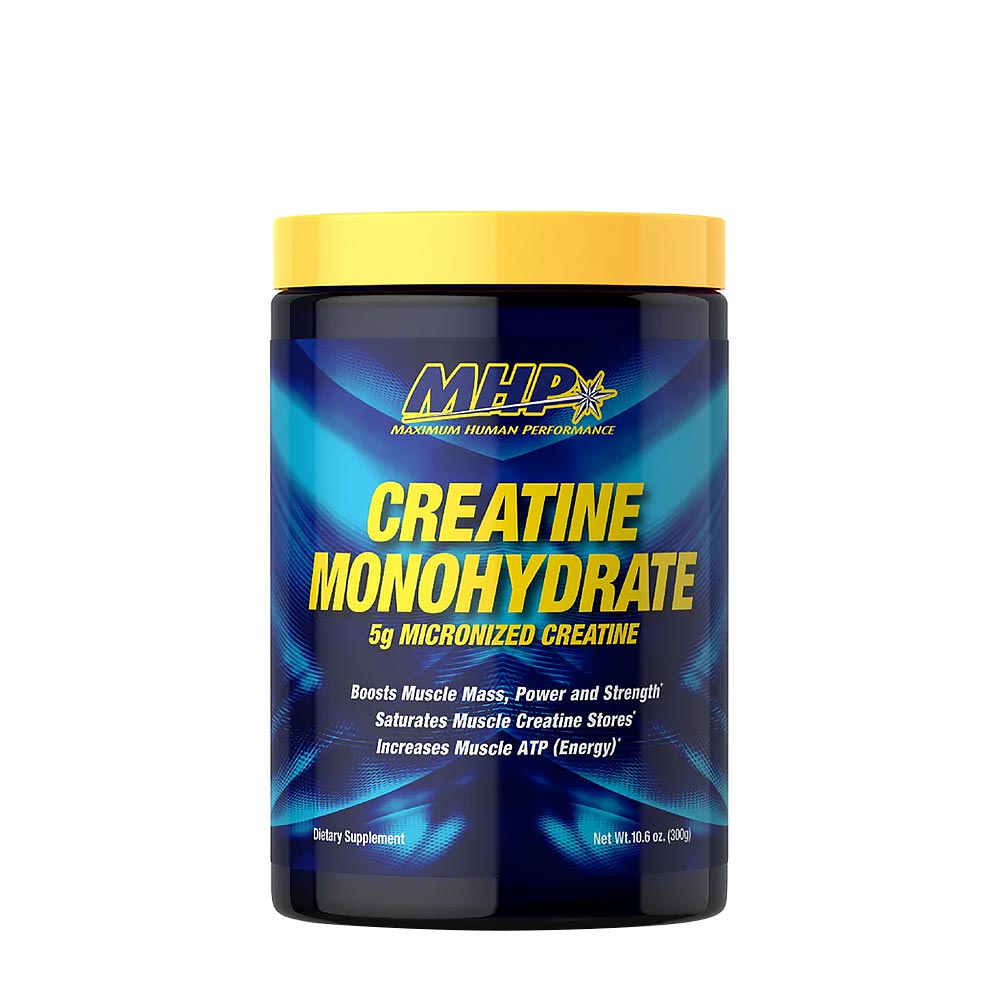
MHP
MHP - Creatine Monohydrate - 300g
427 krIn stockWhy is this shown?
Historiskt katalogurval. Innehåll, mängd och form behöver kontrolleras mot aktuellt underlag.
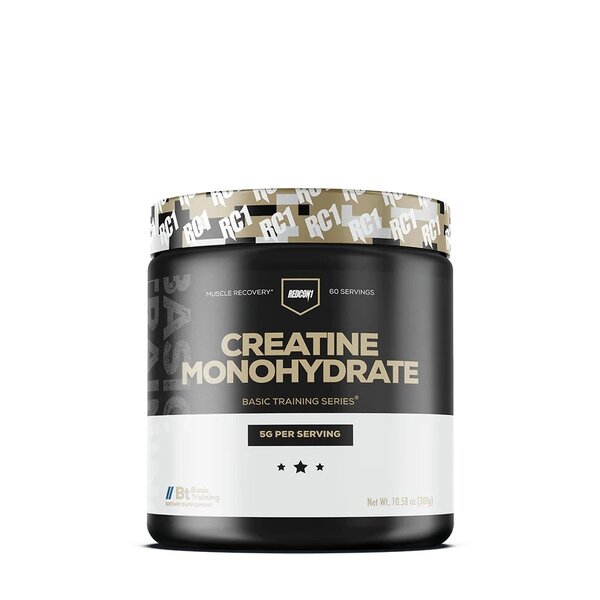
Redcon1
Redcon1 - Creatine Monohydrate - 300g
319 krIn stockWhy is this shown?
Historiskt katalogurval. Innehåll, mängd och form behöver kontrolleras mot aktuellt underlag.

EFX Sports
EFX Sports - Kre-Alkalyn Powder (Mango - 110g)
339 krIn stockWhy is this shown?
Historiskt katalogurval. Innehåll, mängd och form behöver kontrolleras mot aktuellt underlag.
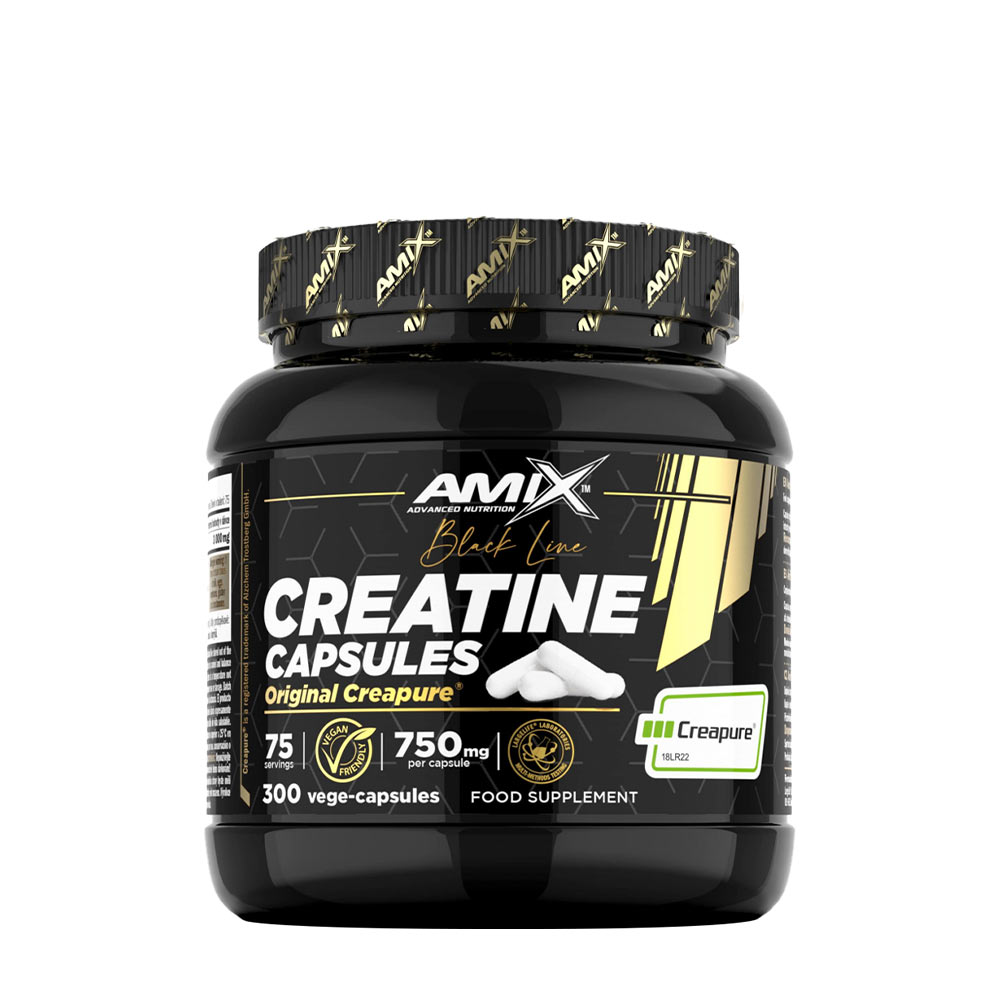
Amix
Amix Black Line Creatine Creapure - 300 Vege Capsules
454 krIn stockWhy is this shown?
Historiskt katalogurval. Innehåll, mängd och form behöver kontrolleras mot aktuellt underlag.
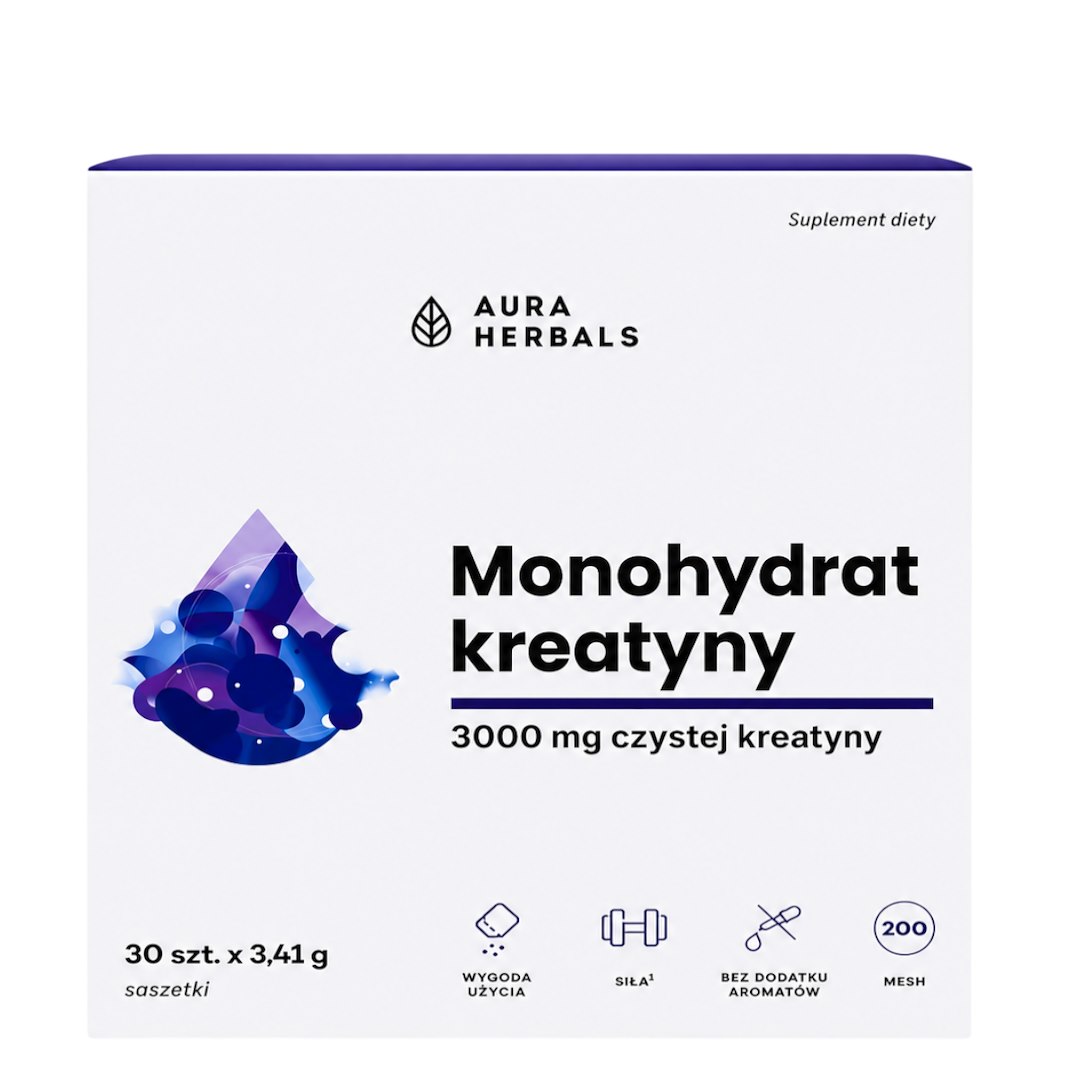
Aura Herbals
Aura Herbals - Creatine Monohydrate
104 krIn stockWhy is this shown?
Historiskt katalogurval. Innehåll, mängd och form behöver kontrolleras mot aktuellt underlag.


