Creatine Powder: Forms, Uses, and What to Know
Short answer
Creatine monohydrate is the benchmark form, and micronized creatine monohydrate is the same ingredient with smaller particles. The best choice comes down to the label: grams per serving, ingredient list, servings per container, and price per gram.
Quick facts
- Creatine monohydrate is the reference form.
- Micronized creatine monohydrate is still monohydrate.
- Adult schedules include 20 g/day for up to 7 days or 3-6 g/day for 3-4 weeks.
- Meat and fish are the main dietary contributors named.
- The label should show serving size, servings per container, and grams per serving.

What does creatine powder do in the body?
Made in the body, then moved into muscle
Creatine is synthesized in humans in a two-step process: glycine and arginine are converted to guanidinoacetic acid, and that compound is then methylated to creatine. The liver is the main synthesis site in humans, with some contribution from the pancreas. After that, creatine is transported into skeletal muscle through an active, saturable transporter. About 95% of total body creatine is stored in skeletal muscle, and around 60% of muscle creatine exists as phosphocreatine; total body creatine is roughly 120 g NIH Office of Dietary Supplements physiology overview.
The fast phosphate transfer that rebuilds ATP
For very short, intense efforts, muscle relies on the phosphagen system. In that system, phosphocreatine donates a phosphate to ADP in the reaction PCr + ADP + H+ ↔ ATP + creatine, which rapidly regenerates ATP when force has to be produced right away. EFSA describes creatine’s ergogenic role in short-term, high-intensity, repeated exercise bouts, and the NIH fact sheet states that supplementation increases phosphocreatine stores and accelerates phosphocreatine resynthesis after exercise NIH Office of Dietary Supplements physiology overview EFSA scientific opinion on foods for sportspeople NIH ODS fact sheet on exercise and athletic performance.
Why repeated bursts fit the mechanism best
Because this system depends on an immediately available phosphocreatine pool, it is best matched to repeated high-intensity efforts such as resistance exercise, sprinting, and repeated maximal muscle efforts. Supplementation raises intramuscular creatine and phosphocreatine stores, so there is more of that ready reserve inside the muscle; the NIH fact sheet also notes that people with lower baseline intake may respond more, and vegetarians may see a larger response than higher-intake omnivores. European sports-food guidance adds that about half of bodily creatine comes from diet, mainly meat and fish, while the rest is made in the body, and that vegetarians and vegans often have lower creatine intake and muscle stores NIH ODS fact sheet on exercise and athletic performance EU scientific opinion on sportspeople’s foods.
Is monohydrate better than micronized, tablets, or gummies?
Monohydrate is the benchmark
Creatine monohydrate is the reference form for most shoppers because it is the most widely used and most extensively studied form, and the NIH Office of Dietary Supplements says no alternative form has shown superiority in bioavailability, stability, safety, or effectiveness. A major review likewise describes creatine monohydrate as the gold standard because of its known bioavailability, efficacy, safety, and low cost. NIH ODS: Dietary Supplements for Exercise and Athletic Performance Critical review of creatine and related compounds

That makes monohydrate the simplest choice when you want the best-established option rather than a newer marketing term. The useful comparison is not the front label alone, but the amount of creatine you actually get per serving.
Micronized is still monohydrate
Micronized creatine monohydrate is still creatine monohydrate; the difference is particle size. A manufacturer supplement-facts document describes micronized monohydrate as smaller particles that “mixes easier and stays suspended in liquid longer” than non-micronized creatine supplements. In other words, micronized is mainly about mixability, not a different creatine molecule. Micronized creatine monohydrate supplement facts
If you only care about the ingredient itself, micronized and standard monohydrate are still the same core form: creatine monohydrate.
Tablets, capsules, and gummies are delivery formats
The FDA lists dietary supplements in many forms, including tablets, capsules, soft gels, gel caps, powders, bars, gummies, and liquids. It also says the label must state the serving size, the number of servings, the dietary ingredient, and the amount per serving. That is why format names alone are not enough: the Supplement Facts panel is where the real comparison starts. FDA: Dietary Supplements
| Form | What the name tells you | What to check before buying |
|---|---|---|
| Creatine monohydrate | The standard, most studied form | Grams per serving and total servings |
| Micronized creatine monohydrate | Same ingredient, smaller particles | Grams per serving and whether better mixability matters to you |
| Tablets or capsules | Unit-based delivery formats | How much creatine each serving provides and what else is in the formula |
| Gummies | Chewable delivery format | Actual grams of creatine per serving and the full ingredient list |
Tablets and capsules can be convenient if you want a portable format, but the count of pills matters because the serving is defined by units, not by a spoonful of powder. Gummies are also easy to take, yet the same rule applies: compare the actual creatine grams on the label and read the ingredient list so you know exactly what you are getting.
For value comparisons, focus on the amount of creatine per serving and per container. That is the number that lets you compare powder, tablets, capsules, and gummies on the same basis, instead of relying on the marketing language on the front of the pack.
How much creatine should adults take, and when?
Two starting schedules for healthy adults
The clearest adult schedules in the ODS fact sheet are either 20 g per day, usually split into four 5 g doses, for up to 7 days, or a slower start of 3–6 g per day (about 0.03–0.1 g/kg body weight) for 3–4 weeks without loading. After that, ODS describes a 3–5 g per day maintenance amount. ODS health professional fact sheet
| Schedule | Amount | Time frame | What it means in practice |
|---|---|---|---|
| Loading | 20 g/day in 4 × 5 g | Up to 7 days | Shorter start period |
| No-loading start | 3–6 g/day | 3–4 weeks | Slower start period |
In other words, the main choice is whether you want a brief loading phase or a longer, lower-dose start. The source gives both as practical ways to use creatine in healthy adults; it does not set a special pre-workout or post-workout rule. ODS health professional fact sheet
Timing: keep it simple and keep it daily
The ODS material describes daily amounts, and the maintenance phase is also listed as a daily amount, so the practical habit is to take creatine every day once you start. FDA GRAS notice for creatine monohydrate ODS health professional fact sheet
Common dosing mistakes
- Confusing a scoop with a dose: FDA says supplement labels must show serving size and the amount per serving, so the label is the reference, not the scoop alone. FDA 101: Dietary Supplements
- Underdosing: the adult schedules in ODS are written in grams per day, not in vague scoop counts. ODS health professional fact sheet
- Stopping too early: the slower start is measured in weeks, and maintenance is still daily. ODS health professional fact sheet
Most of the schedule guidance in the ODS fact sheet is framed for healthy adults, so the most practical decision is whether to use the shorter loading plan or the longer no-loading plan, then follow the daily amount consistently. ODS health professional fact sheet
Which foods contain creatine, and can diet cover it?
Meat and fish are the main dietary sources
The European Scientific Committee on Food describes creatine intake as coming from both diet and the body’s own synthesis, and points to meat and fish as the main food contributors. The FDA’s GRAS notice for creatine monohydrate also notes that creatine is found in meat, fish, and other animal products, while the body forms creatine endogenously as well.

| Diet pattern | What the evidence supports | Practical takeaway |
|---|---|---|
| Meat- and fish-eating diets | These are the main dietary contributors named in the SCF report and FDA notice SCF FDA | Food can provide creatine, but the amount will depend on the menu |
| Vegetarian and vegan diets | The SCF report says vegetarians and especially vegans often have lower dietary creatine intake and lower muscle stores SCF report | Food-only intake is usually much lower than in diets that include meat and fish |
| All diets | The body also synthesizes creatine endogenously FDA GRAS notice | Diet is not the only source, but it is still the main variable people can control |
Why plant-based eaters often get less from food
Because the main dietary sources named in the evidence are animal foods, plant-based diets usually provide much less creatine from food alone. The SCF report specifically says lower intake and lower muscle stores are seen in vegetarians, and especially vegans, compared with diets that include meat and fish European SCF report.
Who may want supplements more than others
Supplements can matter more for people who eat little meat or fish, and for athletes training in repeated, high-intensity settings, because they offer a measured intake instead of depending on a meal-by-meal estimate SCF sports foods report. That does not make supplements necessary for everyone; it simply means the balance between food and supplements is different for different diets and training habits.
For shoppers, the practical question is not whether food contains creatine at all, but whether their usual pattern gives them enough consistency. If the answer is no, a supplement can be a more predictable option than trying to estimate intake from meals alone.
What do studies and authorised claims actually support?
The clearest support is for repeated, high-intensity work
That is the context where creatine has the strongest evidence: repeated hard efforts, especially when it is paired with resistance training or other high-intensity exercise.
What the study data show in practice
The 2022 critical review reports that creatine monohydrate loading or longer low-dose use increased muscle creatine retention by about 20% to 40%, and that high-intensity exercise performance was generally improved by 10% to 20%, with larger effects in people starting with lower muscle creatine and phosphocreatine stores PMC critical review. The same review reports improved acute exercise performance and training adaptations in adolescents, young adults, and older individuals PMC critical review.
Creatine is best supported as a performance ingredient for short, repeated, high-intensity exercise; broader wellness claims are much weaker.
Where the evidence is weaker
| Area | What the supplied sources support | How strong it is |
|---|---|---|
| Strength, power, repeated sprint work | Consistent benefit when creatine is paired with resistance exercise or other high-intensity work | Strongest evidence ODS PMC critical review |
| Endurance | ODS says creatine appears to offer little value for sports lasting longer than about 2.5 minutes | Weak ODS |
| Cognition | EFSA working groups had draft opinions on cognitive-function claims, but as of 2024 they were still under review | Tentative EFSA claims working group minutes |
| General wellness | No supplied source authorises a broad wellness claim | Not established EU Register |
What creatine is not a substitute for
Response also varies with starting status; ODS notes that people with different diets may respond differently, and the review reports larger gains when initial muscle creatine is lower ODS exercise and athletic performance fact sheet PMC critical review.
How do you choose a creatine product on the label?
Start with the ingredient list, not the front panel
The cleanest default is usually plain creatine monohydrate, because the label tells you exactly what is inside and nothing more. The FDA says dietary supplement labels must include a Supplement Facts panel with the serving size, number of servings per container, all dietary ingredients, and the amount per serving, so that panel is the place to check first FDA label requirements. If the ingredient list is short, it is easier to see whether the product contains only creatine or extra flavors, sweeteners, or other additions.
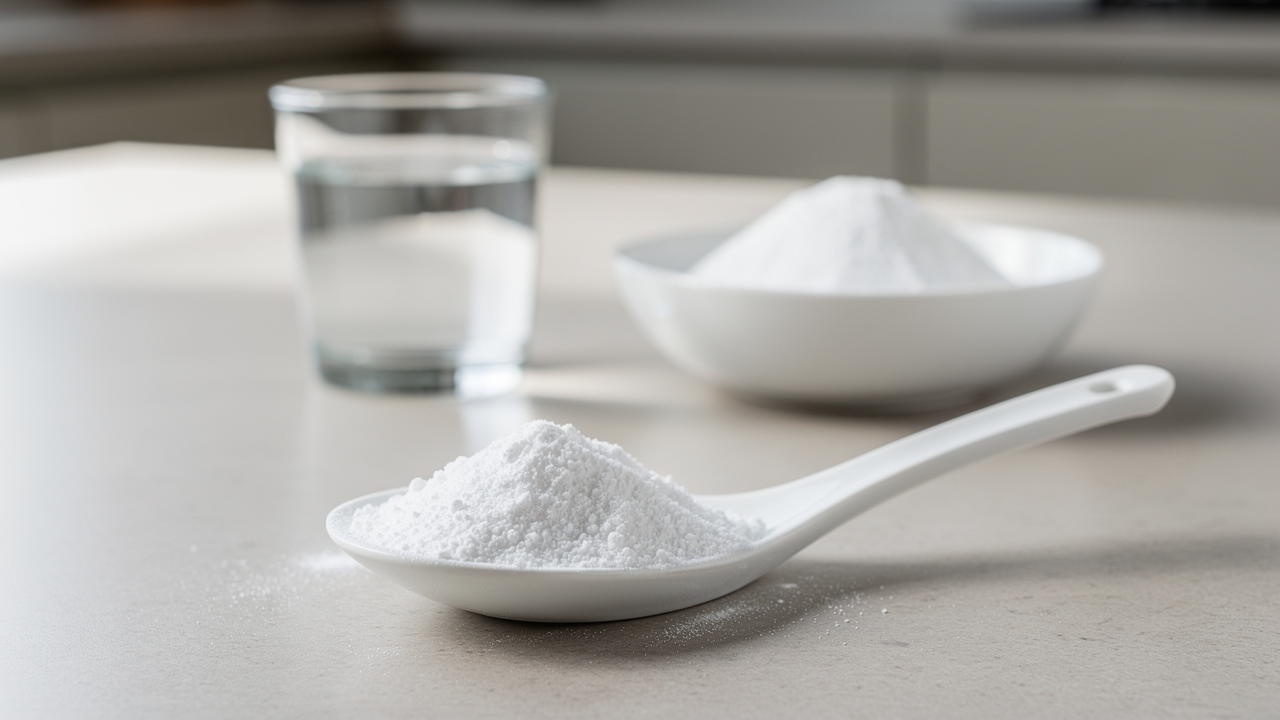
Marketing language on the front of the pack does not tell you whether a product is more suitable than another one. The FDA also notes that supplements come in many forms, including powders, tablets, capsules, gummies, and liquids, so the format on the box is a packaging choice, not a proof of quality FDA on supplement forms.
Compare cost per gram of creatine
For value, compare price per gram of creatine rather than tub size, brand name, or serving count alone. A larger container can still be more expensive per gram if it contains smaller servings or added ingredients. Looking at the actual creatine amount per serving helps you compare products on the same basis.
| What to compare | What the label tells you | What it does not tell you |
|---|---|---|
| Ingredient list | Whether the product is plain creatine monohydrate or includes extras | Whether the product is inherently better |
| Serving size | How much the manufacturer counts as one serving | Whether that serving size suits your routine |
| Form | Powder, tablet, capsule, gummy, or liquid | Whether one form works better for everyone |
Choose the format that fits your routine
Powders usually make dose adjustment easier because you can measure the amount more flexibly. Tablets and capsules are mainly a convenience choice when you want pre-measured units and less mixing. If you prefer a shorter label, powder is often the simplest format to scan; if you prefer portability, tablets or capsules may be easier to carry.
> Takeaway: read the ingredient list and Supplement Facts panel first, then compare price per gram and the format that fits your routine.
Check the small print before you click add to cart
Look for any note about third-party testing if you want extra transparency, and check the allergen statement, sweeteners, and flavoring before buying. Those details can matter more than the size of the tub, because they affect what you actually receive and how easy the product is to use day to day.
One final rule: pack size or marketing terms do not tell you whether a product works better. The label tells you what is in the container and how it is portioned; it does not prove superiority on its own.
How should you read branded listings like Optimum Nutrition?
Read the form name first
Monohydrate is the chemical form of creatine. The NIH Office of Dietary Supplements describes creatine monohydrate as the most widely used and most extensively studied form, and notes that it is about 88% creatine by weight; it also says no alternative form has shown superiority in the sources it reviewed (ODS health professional fact sheet).
Micronized is a processing term, not a new ingredient.
| Listing term | What it tells you | What to verify |
|---|---|---|
| Monohydrate | The chemical form of creatine | The Supplement Facts amount per serving |
| Micronized | The particle size has been reduced for mixability | That the product still says creatine monohydrate |
| 634 g | The container quantity shown on the listing | Servings per container and grams per serving |
Reviews are subjective, not proof
Customer opinions can be useful for taste, mixability, or convenience, but they do not tell you whether the ingredient inside the tub is the same, how much is in each serving, or whether the brand name itself makes the product better. Treat polished reviews as user experience, not as evidence of superiority.
Testing claims need specifics
If a listing mentions testing or quality control, read the exact wording. The FDA says dietary supplement companies are responsible for ensuring their products meet safety standards and labeling rules, and that the agency does not approve supplements for safety and effectiveness before they are sold; it also reviews labels and websites to check that products are appropriately labeled (FDA 101: Dietary Supplements).
That makes the label more important than the headline. For an Optimum Nutrition-style page, verify the exact creatine form, the grams per serving, the full ingredient list, and any testing statement shown on the label.
In practice, a larger tub is only a larger container. The number that matters for comparison is the serving information on the Supplement Facts panel, not the marketing name on the front.
What side effects, interactions, and risk groups matter?
Common complaints reported with creatine
The NIH Office of Dietary Supplements lists nausea, diarrhea, abdominal discomfort, muscle cramps, stiffness, heat intolerance, and reduced range of motion among reported adverse effects, and says adequate hydration may help with these complaints. NIH ODS Exercise and Athletic Performance fact sheet
The supplied evidence does not establish that taking creatine with food reduces side effects. NIH ODS Exercise and Athletic Performance fact sheet
Fluid retention is another reported effect, and the safety review notes that this can show up as modest weight gain. PMC review on creatine bioavailability, efficacy, safety, and regulatory status FDA GRAS notice No. GRN 931
| Reported issue | What the evidence says | Practical note |
|---|---|---|
| Nausea, diarrhea, abdominal discomfort | Listed adverse effects in the ODS fact sheet | Stop and seek advice if symptoms persist |
| Muscle cramps, stiffness, heat intolerance, reduced range of motion | Also listed by ODS; hydration may help | Pay attention to fluid intake |
| Water retention and modest weight gain | Noted in the creatine safety review | Expect a small scale change |
Who should get medical advice first
FDA guidance says dietary supplements can interact with medicines, interfere with lab tests, and have dangerous effects during surgery, and it advises talking with a health care professional before using any supplement. A separate FDA consumer update says supplements can affect absorption, metabolism, or excretion, which may change medication potency. FDA 101: Dietary Supplements FDA on mixing medications and dietary supplements
PMC review on creatine bioavailability, efficacy, safety, and regulatory status
Safety in children and adolescents is limited, so they should not be treated as the same evidence base as healthy adults. NIH ODS Dietary Supplements for Primary Mitochondrial Disorders fact sheet
What is real and what is overstated
The best-supported concerns are digestive complaints, fluid retention, and medication or kidney-related caution; the evidence here does not support turning creatine into a blanket dehydration scare.
Creatine-specific sources do not list clear drug interactions, but the FDA’s broader supplement guidance is enough reason to check first if you take regular medicines or have any condition that affects kidney function. NIH ODS Exercise and Athletic Performance fact sheet FDA 101: Dietary Supplements
Safety and precautions
Reported side effects include nausea, diarrhea, abdominal discomfort, muscle cramps, stiffness, heat intolerance, reduced range of motion, and fluid retention. Adequate hydration may help some complaints, and anyone with medication use or kidney-related concerns should speak with a healthcare professional before using creatine.
Ask a healthcare professional before use during pregnancy or breastfeeding, and do not treat children and adolescents as the same evidence base as healthy adults. If you have surgery coming up or take regular medicines, get advice first.
Frequently asked questions
Can creatine be combined with caffeine?
The supplied material does not give a direct answer about caffeine. Because dietary supplements can interact with medicines and affect lab tests, it is sensible to ask a healthcare professional if you want to combine products regularly.
Is creatine safe for older adults?
The body’s review cites older individuals and reports improved acute exercise performance and training adaptations. The usual safety notes still apply, including digestive complaints and fluid retention, so older adults should also consider medicine use and kidney-related caution before starting.
Do women benefit from creatine?
The supplied material does not give a women-specific rule. It says responses can vary with starting creatine status and baseline intake, so the label amount and your routine matter more than sex alone.
How should creatine powder be stored after opening?
The supplied material does not give storage directions after opening. Check the package label for the product’s own storage instructions and follow them exactly.
Can creatine be used during a calorie deficit?
The supplied material does not address calorie deficit specifically. It does say creatine is best viewed as an addition to a training plan, so the main practical point is to keep the daily amount consistent and follow the label.
Will creatine change my blood test results?
The FDA guidance in the body says dietary supplements can interfere with lab tests. If you have blood work scheduled, tell the clinician or lab staff exactly what you take.
Sources
- Cover (external link)
- Dietary Supplements for Exercise and Athletic Performance - Health Professional Fact Sheet (external link)
- Foods for sportspeople | EFSA (external link)
- sportsfoodscorrected270201.doc (external link)
- EU Register on nutrition and health claims (external link)
- Meeting Minutes of the Working Group on Claims (external link)
- Application for determination of novel food status under Article 4(2) of Regulation (EU) 2015/2283 of the European Parliament and of the Council of 25 November 2015 on novel foods. (external link)
- FDA 101: Dietary Supplements | FDA (external link)
- Dietary Supplements for Primary Mitochondrial Disorders - Health Professional Fact Sheet (external link)
- GRAS Notice No GRN 931; Creatine Monohydrate (external link)
- Mixing Medications and Dietary Supplements Can Endanger Your Health | FDA (external link)
- Bioavailability, Efficacy, Safety, and Regulatory Status of Creatine and Related Compounds: A Critical Review - PMC (external link)
- Bodybuilding and Performance Enhancement Supplements | NCCIH (external link)
Read more
Products related to this article
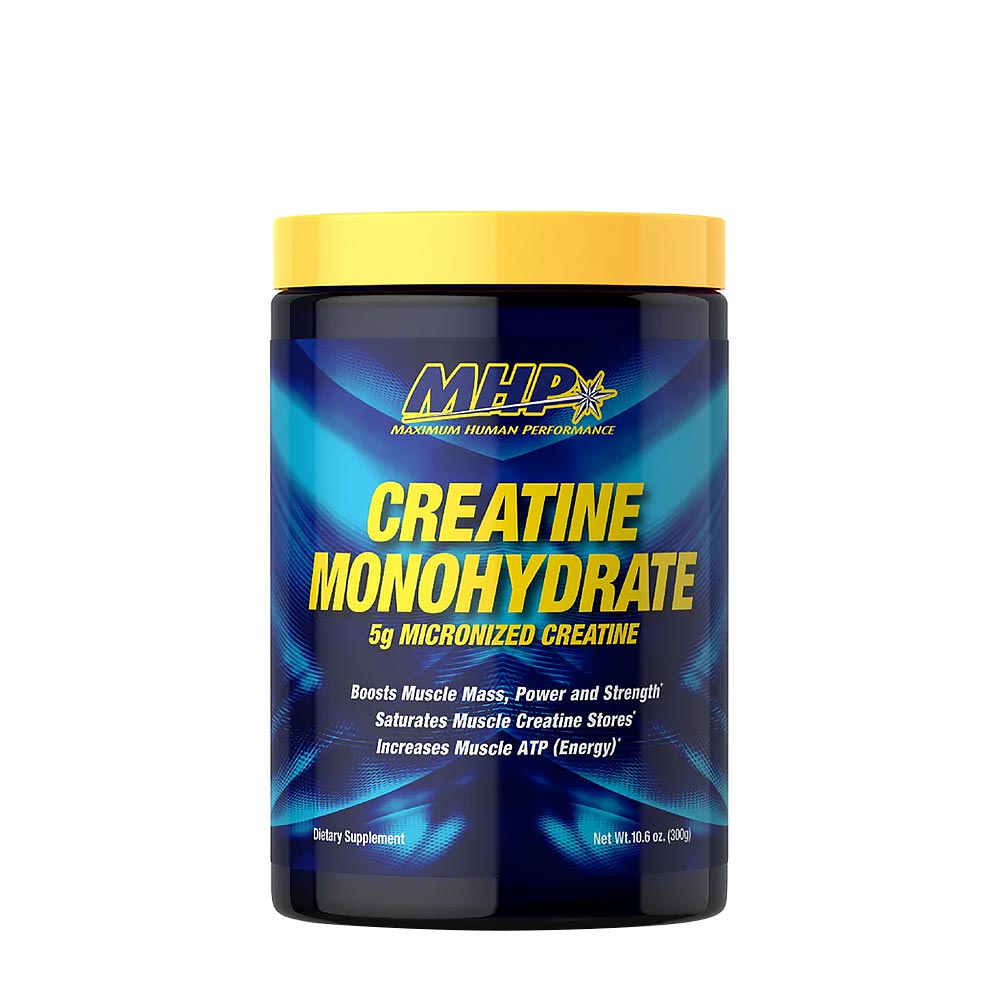
MHP
MHP - Creatine Monohydrate - 300g
427 krIn stockWhy is this shown?
Historiskt katalogurval. Innehåll, mängd och form behöver kontrolleras mot aktuellt underlag.
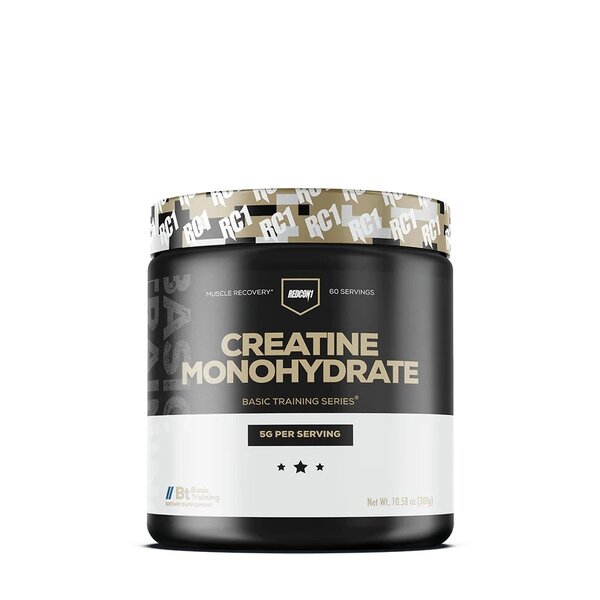
Redcon1
Redcon1 - Creatine Monohydrate - 300g
319 krIn stockWhy is this shown?
Historiskt katalogurval. Innehåll, mängd och form behöver kontrolleras mot aktuellt underlag.

EFX Sports
EFX Sports - Kre-Alkalyn Powder (Mango - 110g)
339 krIn stockWhy is this shown?
Historiskt katalogurval. Innehåll, mängd och form behöver kontrolleras mot aktuellt underlag.
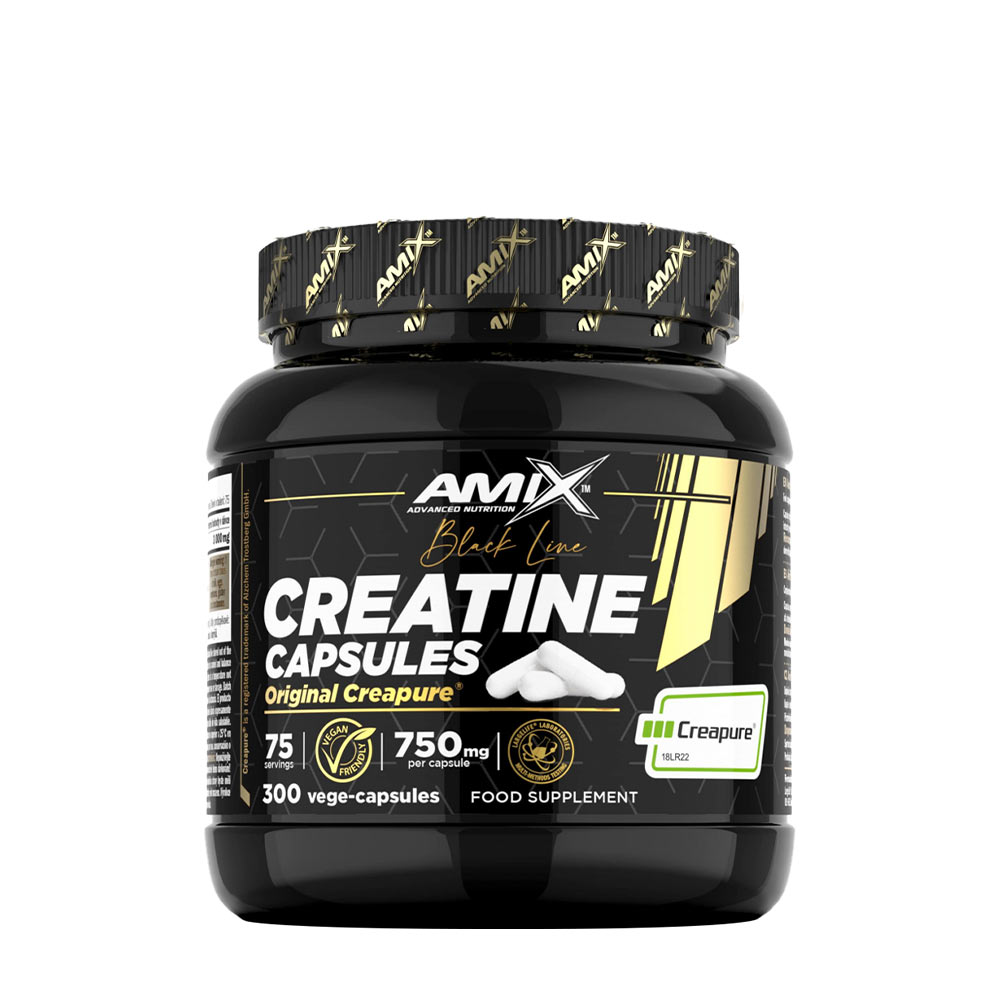
Amix
Amix Black Line Creatine Creapure - 300 Vege Capsules
454 krIn stockWhy is this shown?
Historiskt katalogurval. Innehåll, mängd och form behöver kontrolleras mot aktuellt underlag.
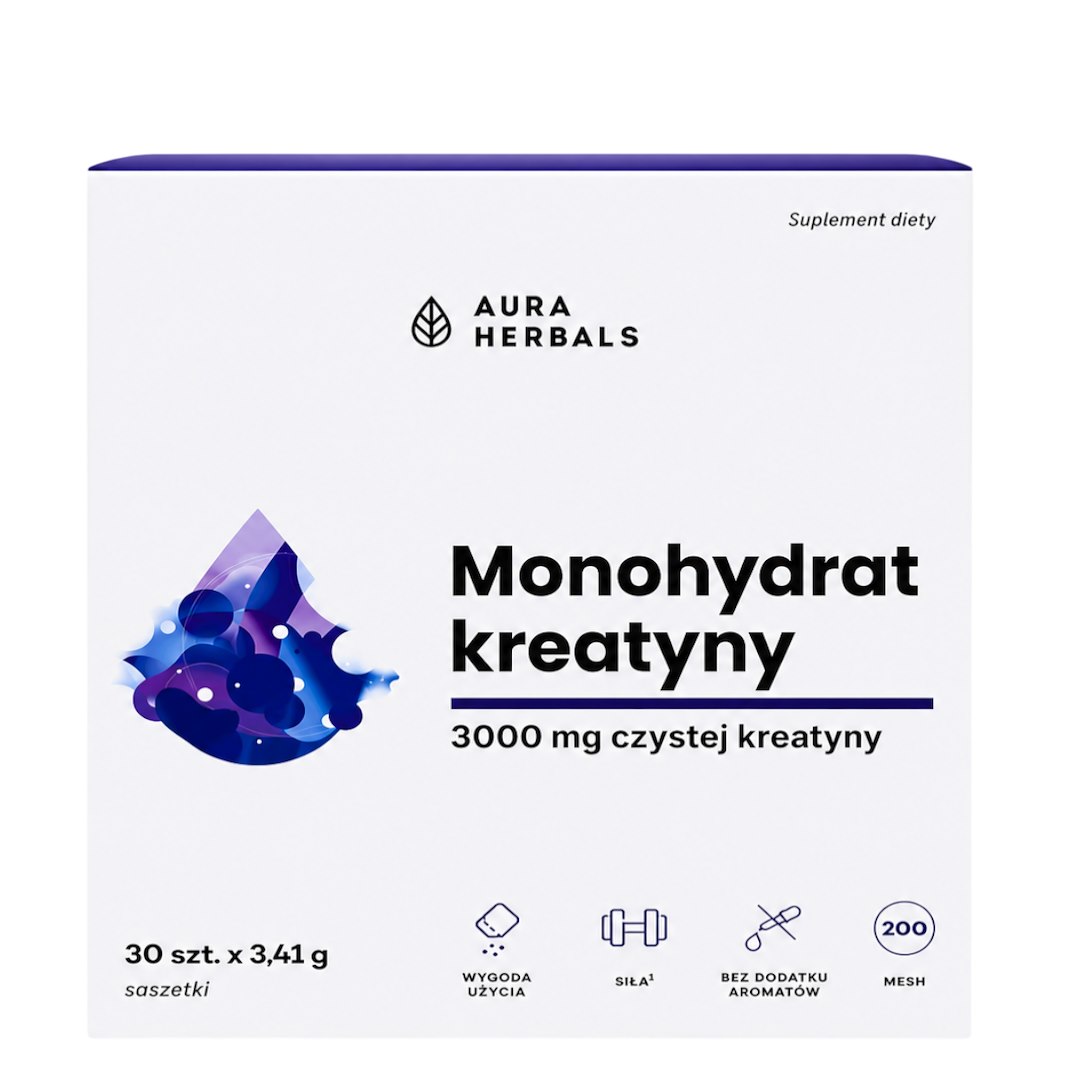
Aura Herbals
Aura Herbals - Creatine Monohydrate
104 krIn stockWhy is this shown?
Historiskt katalogurval. Innehåll, mängd och form behöver kontrolleras mot aktuellt underlag.


