How Much Magnesium Per Day? Dosage, Forms & Guidance
Short answer
For most healthy adults, the article uses 300 mg/day for women and 350 mg/day for men as the European and Nordic anchor. U.S. guidance is higher for many men and slightly higher for some women, and supplements should be counted against the daily total and kept within the supplemental limit.
Quick facts
- EFSA’s adult adequate intake is 300 mg/day for women and 350 mg/day for men.
- NIH guidance lists 310 to 320 mg/day for adult women and 400 to 420 mg/day for adult men.
- Food sources named in the article include nuts, whole grains, fish, seafood, vegetables, legumes, and magnesium-containing water.
- Adult supplemental magnesium has an upper limit of 350 mg/day in NIH guidance and 250 mg/day in Nordic guidance.
- Loose stools, diarrhoea, nausea, and abdominal cramping are the most common supplement side effects.
- Citrate, chloride, lactate, and aspartate are described as more bioavailable than oxide and sulphate.

What is the daily magnesium target for most adults?
EFSA’s magnesium opinion says it could not derive adult average requirements or population reference intakes, so it set adequate intakes instead: 300 mg/day for adult women and 350 mg/day for adult men (EFSA Scientific Opinion on Dietary Reference Values for magnesium).
Why the numbers differ
EFSA explains that an AI is used when an average requirement cannot be established, and that DRVs are the intake amounts intended to be consumed on a regular basis to maintain health in otherwise healthy people (EFSA DRVs summary report). In the EU, nutrient reference values are also used in food labelling, so a pack label may show a different reference number from a personal intake target.
| Reference system | Adult women | Adult men | How to read it |
|---|---|---|---|
| EFSA AI | 300 mg/day | 350 mg/day | Default adult target when no AR/PRI can be set |
A simple default rule
If you are a healthy adult and not pregnant or breastfeeding, start with the adult figure that matches your sex: 300 mg/day for women and 350 mg/day for men (EFSA Scientific Opinion on Dietary Reference Values for magnesium).
How to use supplement labels
Think of the daily target as your total intake for the day. On a supplement label, use the magnesium amount per serving as the figure you add to that day’s total. A practical approach is to let food do most of the work first, then use a supplement only to close the gap if your usual diet falls short.
How much magnesium per day should women get?
For most adult women, the main reference points sit close together: EFSA sets an Adequate Intake of 300 mg/day for all adult women, and Nordic Nutrition Recommendations 2023 also list 300 mg/day for women. The NIH Office of Dietary Supplements gives 310 mg/day for women aged 19–30 and 320 mg/day for women aged 31 and older.

| Group | EFSA | NIH ODS | NNR 2023 |
|---|---|---|---|
| Adult women | AI 300 mg/day | 19–30: 310 mg/day 31+: 320 mg/day | AI 300 mg/day Provisional AR 240 mg/day |
| Pregnancy | No separate magnesium value; the adult women AI also applies | 14–18: 400 mg/day 19–30: 350 mg/day 31–50: 360 mg/day | No separate pregnancy value shown in the magnesium page retrieved here |
| Lactation | No separate magnesium value; the adult women AI also applies | 14–18: 360 mg/day 19–30: 310 mg/day 31–50: 320 mg/day | No separate lactation value shown in the magnesium page retrieved here |
That gives a practical comparison band of about 300–320 mg/day for a non-pregnant adult woman, depending on whether you are using the European/Nordic figures or the U.S. age bands.
Pregnancy and breastfeeding
EFSA says pregnancy induces only a small increase in magnesium requirement and that the same AI for non-pregnant women also applies to pregnant women; it says the same for lactation. In other words, EFSA does not give pregnant or breastfeeding women a higher magnesium number than other adult women.
NIH is more specific by life stage. Its pregnancy fact sheet lists higher intakes during pregnancy, while its magnesium fact sheet keeps lactation in the same adult range of 310–320 mg/day for adult women.
Menstruation does not create a separate target
EFSA explicitly notes that magnesium losses through menstruation in women are negligible, so there is no separate official magnesium recommendation for the menstrual cycle. EFSA also states that there are no appropriate biomarkers for magnesium status, which is one reason the recommendation is built from observed intakes rather than a precise requirement.
A simple number to use day to day
If you want one practical figure for shopping, meal planning, or comparing a supplement with your food intake, use 300 mg/day as the European and Nordic anchor, or 310–320 mg/day if you are following the NIH age bands. When pregnancy or breastfeeding applies, use the life-stage values in the table rather than the non-pregnant adult number.
Key takeaway: for most adult women, the working target is 300 mg/day in EFSA and NNR 2023, or 310–320 mg/day in NIH guidance; pregnancy raises the NIH number, while EFSA keeps the same adult women’s AI.
How much magnesium per day should men get?
The main adult values side by side
| Authority | Men’s value | Age band | How it is framed |
|---|---|---|---|
| EFSA | 350 mg/day | Adults | Adequate Intake; EFSA says an Average Requirement and Population Reference Intake could not be derived for adults |
| NIH ODS | 400 mg/day | 19–30 years | RDA |
| NIH ODS | 420 mg/day | 31–50 years | RDA |
| NIH ODS | 420 mg/day | 51+ years | RDA |
| NNR2023 | 350 mg/day | Adults | Adequate Intake; provisional Average Requirement is 280 mg/day |
What changes with age?
In the NIH table, the men’s target rises from 400 mg/day at 19–30 years to 420 mg/day at 31–50 years, and it stays 420 mg/day at 51+ years NIH ODS magnesium fact sheet. EFSA and NNR2023 do not split older men into a separate higher adult category; they give one adult male value instead EFSA magnesium opinion Nordic magnesium chapter. In EFSA’s wording, the adult figure is based on observed intakes, and the opinion states that no appropriate biomarkers are available for deriving adult magnesium DRVs EFSA magnesium opinion.
A food-based benchmark for checking your own pattern
EFSA names nuts, whole grains and grain products, fish and seafood as magnesium-rich foods, and notes that magnesium in tap or bottled water can make a significant contribution to intake; the Nordic recommendations list milk, whole grain cereals, starchy roots, vegetables and legumes as dietary sources in Nordic and Baltic diets EFSA magnesium opinion NNR2023 magnesium pdf.
| Food clue | What it tells you |
|---|---|
| Nuts, whole grains, grain products | Core magnesium foods named by EFSA |
| Fish and seafood | Another EFSA-listed source group |
| Milk, legumes, vegetables, starchy roots | Source groups listed in NNR2023 |
| Tap or bottled water with magnesium | Can add to intake, according to EFSA |
What does magnesium do, and what do claims allow?
Magnesium’s core roles in the body
EFSA describes magnesium as a structural or catalytic component in reactions involving ATP, and the Nordic Nutrition Recommendations say it is a cofactor of many enzymes. EFSA Scientific Opinion on Dietary Reference Values for magnesium Nordic Nutrition Recommendations 2023, magnesium chapter

Those are reasons magnesium is essential in the diet, not a sign that it acts like a stand-alone treatment. EFSA Scientific Opinion on Dietary Reference Values for magnesium Nordic Nutrition Recommendations 2023, magnesium chapter
What EU label claims are allowed
That is the lane magnesium falls into on labels and in marketing.
| Allowed EU claim wording | Condition |
|---|
Where the line stops
Broader research questions are not the same as authorised claims. In the permitted sources, magnesium studies on nocturnal leg cramps are mixed: one trial reported a larger drop in cramp frequency and better sleep quality, while another found no benefit for cramps, sleep quality or quality of life. Magnesium oxide monohydrate trial for nocturnal leg cramps Magnesium oxide trial for nocturnal leg cramps
Magnesium and migraine have also been studied, but the adult and paediatric trials in the supplied sources do not give a clear, consistent picture. EFSA’s own magnesium opinion also lists blood pressure among the health outcomes considered when deriving dietary reference values, which shows how far the scientific discussion can go without creating a marketing claim. Magnesium in the prophylaxis of migraine in adults Oral magnesium oxide prophylaxis of frequent migrainous headache in children EFSA Scientific Opinion on Dietary Reference Values for magnesium
For readers, the practical takeaway is simple: use the authorised wording as a guide to what magnesium can legitimately claim on pack, and treat sleep, cramps, migraine, mood, blood pressure and glucose questions as separate research topics rather than automatic label promises.
Which foods help you reach your magnesium target?
EFSA names nuts, whole grains and grain products, fish and seafood, and several vegetables as magnesium-rich foods, and the USDA magnesium list shows how ordinary servings add up in practice. EFSA scientific opinion on dietary reference values for magnesium USDA National Nutrient Database magnesium list
Common foods and typical magnesium per serving
| Food | Typical serving | Approx. magnesium |
|---|---|---|
| Nuts, chestnuts, European, raw, unpeeled | 1.0 cups | 46 mg |
| Currants, European black, raw | 1.0 cups | 27 mg |
| Mollusks, octopus, common, raw | 3.0 oz | 26 mg |
| Chocolate-flavored hazelnut spread | 2 TBSP | 24 mg |
What changes the amount you actually get?
So the easiest way to build a higher-magnesium day is to choose one or two magnesium-rich foods at each meal instead of waiting for one perfect item. USDA magnesium nutrient list
EFSA scientific opinion on dietary reference values for magnesium USDA magnesium nutrient list
Which magnesium form should you choose?
The supplied primary sources do not point to one universal “best” magnesium salt. They do show a pattern: magnesium absorption takes place in the distal intestine, is generally considered to be 40–50%, and has been reported from 10% to 70%; absorption can be inhibited by phytic acid and phosphate and enhanced by fermentation of soluble fibre. EFSA magnesium opinion

What tends to absorb better
In the retrieved NIH ODS material, well-dissolving salts such as citrate, chloride, lactate and aspartate are described as generally having higher bioavailability than poorly soluble forms such as oxide and sulphate. NIH ODS magnesium fact sheet
That matches the comparative trial summaries in the evidence: one study summary reported about 4% fractional absorption for magnesium oxide, while chloride, lactate and aspartate were significantly higher; another reported that an extended-release magnesium lactate dihydrate caplet had serum bioavailability of about 12.5% to 20.3% and urinary bioavailability of about 38.1% to 41.0%. Bioavailability of US commercial magnesium preparations Extended-release magnesium lactate dihydrate study
Which forms have the clearest evidence here
| Form | What the supplied sources show | Practical label reading |
|---|---|---|
| Oxide | Reported around 4% fractional absorption in one human trial summary and described as poorly soluble. Bioavailability of US commercial magnesium preparations | Do not judge a product by capsule size alone. |
| Chloride | Named by EFSA as a readily dissociable magnesium salt and grouped by NIH ODS with better-dissolving forms. EFSA magnesium opinion NIH ODS magnesium fact sheet | Use the elemental amount to compare with other products. |
| Lactate | Named by EFSA as readily dissociable; the extended-release lactate study summary gives measurable serum and urinary bioavailability. EFSA magnesium opinion Extended-release magnesium lactate dihydrate study | Count how many tablets or capsules make the daily serving. |
| Carbonate | Named in an FDA notice on mineral salts, but no direct comparative absorption or tolerance data are provided here. FDA GRAS notice 696 | Focus on the elemental magnesium amount per serving. |
| Sulphate | Named by EFSA as a readily dissociable salt, but grouped by NIH ODS with the less soluble forms in the retrieved summary. EFSA magnesium opinion NIH ODS magnesium fact sheet | Read the elemental dose before comparing products. |
How to read the label correctly
The key number is elemental magnesium, not the total weight of the magnesium-containing compound. The NIH ODS fact sheet says the Supplement Facts panel declares the magnesium amount itself, which is what lets you compare products fairly across different salts. NIH ODS magnesium fact sheet
The best form is the one that matches your dose target, stomach tolerance and serving size. The evidence here does not show a single winner for everyone; it shows that soluble forms often absorb better, while label reading determines whether a product actually delivers the elemental amount you want.
Buying checklist
- Elemental dose: compare the milligrams of magnesium itself.
- Form: note whether it is citrate, glycinate/bisglycinate, oxide, chloride, malate, lactate, carbonate or sulphate.
- Serving size: check whether one serving is one capsule, two capsules, one tablet or more.
- Number of units per day: make sure the daily portion is realistic for your routine.
- Split dosing: if the product can be divided across the day, that may make the label easier to follow.
For shoppers, the simplest comparison is: elemental magnesium first, form second, serving size third. That avoids being misled by front-label salt names or by products that look larger only because the compound weight is heavier.
How do you use magnesium supplements safely?
For adults, the NIH Office of Dietary Supplements sets a tolerable upper intake level of 350 mg/day for magnesium from supplements or medications, while stating that there is no UL for magnesium from food; Nordic Nutrition Recommendations 2023 use a lower adult supplemental ceiling of 250 mg/day, based on the point where mild diarrhoea becomes the limiting effect. NIH ODS magnesium consumer fact sheet NNR2023 magnesium guidance
| Authority | Adult supplemental limit | What it means |
|---|---|---|
| NIH ODS | 350 mg/day | Applies to supplements and medications; food magnesium has no UL source |
| NNR2023 | 250 mg/day | Supplemental magnesium only; set because mild diarrhoea is the limiting effect source |
The side effect most people notice first
The most common problem with supplemental magnesium is digestive upset: diarrhoea or looser stools, often with nausea or abdominal cramping. The NIH factsheet notes that higher supplemental intakes are more likely to cause these effects, and that very high intakes can lead to more serious symptoms such as low blood pressure, muscle weakness, breathing difficulties, irregular heartbeat, or cardiac arrest. NIH ODS magnesium consumer fact sheet NIH ODS magnesium safety summary
Medicines and products that need caution
The supplied sources specifically name interactions with bisphosphonates, antibiotics, diuretics, proton pump inhibitors, and products containing zinc. In practice, that means magnesium should not be treated like an isolated vitamin pill; if it is taken alongside these products, spacing and clinical advice may be needed so the medicines can still be used as intended. NIH ODS magnesium health professional fact sheet NIH ODS supplement interactions summary
Who should ask before increasing the dose
The evidence flags gastrointestinal disease and other causes of malabsorption, chronic alcoholism, and older adults as higher-risk groups for magnesium issues. If a supplement is already causing loose stools or cramping, or if you are in one of these groups, self-escalation is the wrong move: ask a clinician before continuing or increasing the dose. NIH ODS magnesium health professional fact sheet NIH ODS life-stage guidance
Practical rule: count magnesium from supplements and medications against the upper limit, but not the magnesium naturally present in food; if stools loosen, the dose is often already beyond what your gut tolerates comfortably. NIH ODS magnesium consumer fact sheet
Who may need a personalised magnesium plan?
EFSA notes that nutrient requirements can vary with age, sex and physiological state, and that for magnesium the adult values were set from observed intakes because no reliable functional biomarker was available. EFSA magnesium opinion EFSA DRVs summary report
Older age and narrow diets
EFSA’s intake review found that grains and grain-based products were among the main contributors to magnesium intake, so a diet with very little whole grain can make it harder to reach the daily target. EFSA magnesium opinion NHS Wales vitamins and minerals
That is why a personalised plan often starts with food, not capsules: look at what is eaten across a normal week, then see whether the pattern is missing the foods that usually carry magnesium.
High sweat loss and gastrointestinal problems
EFSA reports that magnesium sweat-loss figures are very variable and can be very low, so a person with heavy sweating should not assume that the same supplement amount fits every situation. EFSA magnesium opinion
Food first, supplement second, review when needed
| Situation | Practical first step | Why |
|---|---|---|
| Heavy sweating | Do not auto-raise the dose | EFSA says sweat-loss figures for magnesium vary widely |
| Low appetite or few magnesium-rich foods | Build meals around whole grains and other magnesium-containing foods | EFSA found grains and grain-based products were major contributors |
| Ongoing digestive problems or poor absorption | Get medical review | A persistent cause needs checking, not just more supplement |
Higher risk of low intake is a reason to review the diet and the cause — not a reason to raise an unsupervised supplement dose.
Pregnancy and breastfeeding stay on the women-specific track, rather than being handled as a separate self-dosing rule. When the diet is simply short on magnesium-containing foods, food-first changes may be enough; when the pattern suggests losses or absorption problems, the cause deserves attention before any supplement plan is adjusted.
Safety and precautions
Supplemental magnesium can cause loose stools, diarrhoea, nausea, and abdominal cramping, and very high amounts can lead to more serious symptoms. The article says to count magnesium from supplements and medications toward the adult upper limit, while food magnesium does not have a UL.
Ask a healthcare professional before using magnesium if you take medicines such as antibiotics, bisphosphonates, diuretics, proton pump inhibitors, or zinc products. Also seek advice before using it in pregnancy, breastfeeding, or for children.
Supplements with the ingredients in this article
Compare contents, dose and price
Frequently asked questions
Can I take magnesium every day?
If your supplement causes loose stools or cramping, or if you take medicines, are pregnant or breastfeeding, or are buying for a child, get healthcare advice before continuing.
Can I get enough magnesium from food alone?
Possibly. The article recommends letting food do most of the work first and lists magnesium-rich foods such as nuts, whole grains, fish and seafood, vegetables, legumes, milk, and magnesium-containing water. A supplement is mainly suggested only to close a gap if your usual diet falls short.
How long does magnesium supplementation usually take to show effects?
The article does not give a fixed timeline. It focuses on daily intake, form, and safety rather than promising when you will notice a change. If you are taking it for a specific reason, ask a clinician what to expect.
Can I take magnesium with meals?
The article does not give a specific rule about taking magnesium with meals. It does stress counting the elemental magnesium dose and watching for stomach upset. If you have digestive sensitivity or take other medicines, ask a healthcare professional for the best schedule.
Is it better to take magnesium in the morning or at night?
The article does not name a best time of day. It focuses on total daily intake, product form, and tolerance. If timing matters because of other medicines or stomach upset, ask a healthcare professional.
Sources
- Dietary Reference Values for nutrients Summary report (external link)
- Scientific Opinion on Dietary Reference Values for magnesium (external link)
- Magnesium - Health Professional Fact Sheet (external link)
- NORDIC NUTRITION RECOMMENDATIONS 2023 (external link)
- Health claims (art. 13) | EFSA (external link)
- USDA National Nutrient Database-Magnesium (external link)
- 3 • MAGNESIUM FACT SHEET FOR CONSUMERS (external link)
- Dietary Supplements and Life Stages: Pregnancy - Health Professional Fact Sheet (external link)
- GRAS Notice 696, dolomite (external link)
- Dietary Supplements in the Time of COVID-19 - Health Professional Fact Sheet (external link)
- NORDIC NUTRITION RECOMMENDATIONS 2023 (external link)
- A randomized, double-blind, placebo-controlled, multicenter study assessing the efficacy of magnesium oxide monohydrate in the treatment of nocturnal leg cramps. (external link)
- Effect of Magnesium Oxide Supplementation on Nocturnal Leg Cramps: A Randomized Clinical Trial - PubMed (external link)
- Magnesium in the prophylaxis of migraine--a double-blind placebo-controlled study - PubMed (external link)
- Oral magnesium oxide prophylaxis of frequent migrainous headache in children: a randomized, double-blind, placebo-controlled trial - PubMed (external link)
- Bioavailability of US commercial magnesium preparations - PubMed (external link)
- The absolute bioavailability and the effect of food on a new magnesium lactate dihydrate extended-release caplet in healthy subjects - PubMed (external link)
Read more
- Magnesium Sachets: What to Know Before You Buy
- Magnesium vs Manganese: What’s the Difference and How to Choose?
- Viridian Magnesium: Forms, Label Amounts and Comparisons
- What Is Magnesium? Forms, Uses, and Nutrition
- What does magnesium do in the body?
- Can You Take Magnesium With Water? Forms, Absorption & Safety
Products related to this article
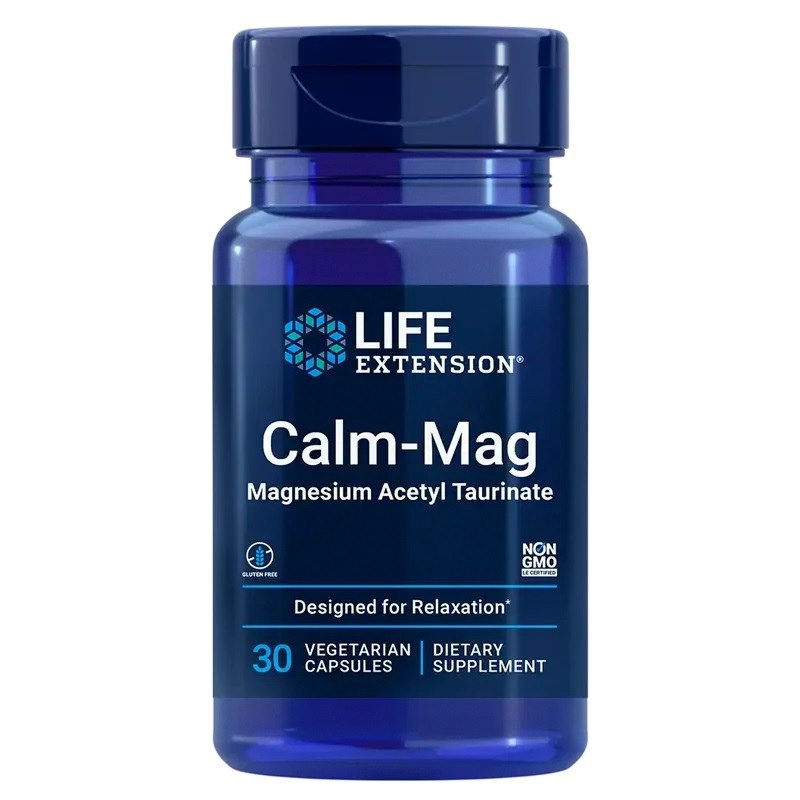
Life Extension
Life Extension - Calm-Mag - 30 Vcaps
286 krIn stockWhy is this shown?
Historiskt katalogurval. Innehåll, mängd och form behöver kontrolleras mot aktuellt underlag.
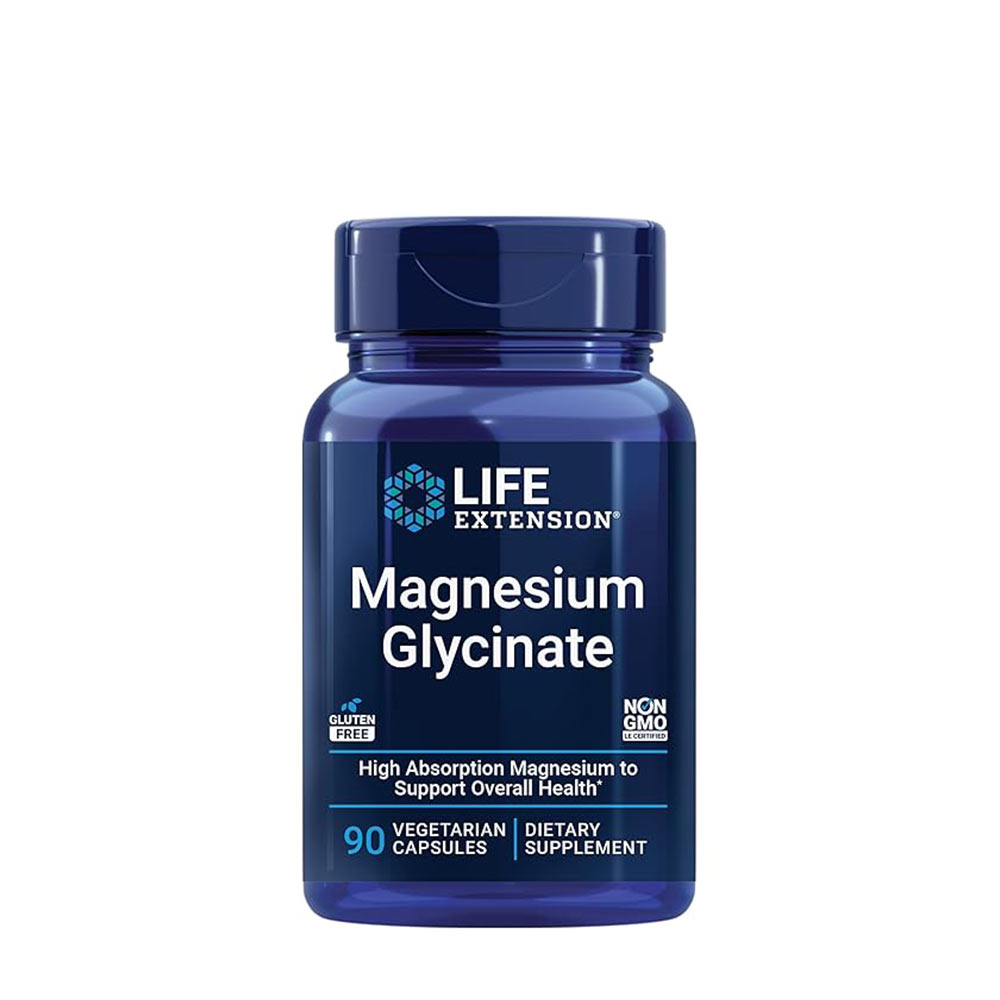
Life Extension
Life Extension - Magnesium Glycinate - 90 Vcaps
260 krIn stockWhy is this shown?
Historiskt katalogurval. Innehåll, mängd och form behöver kontrolleras mot aktuellt underlag.
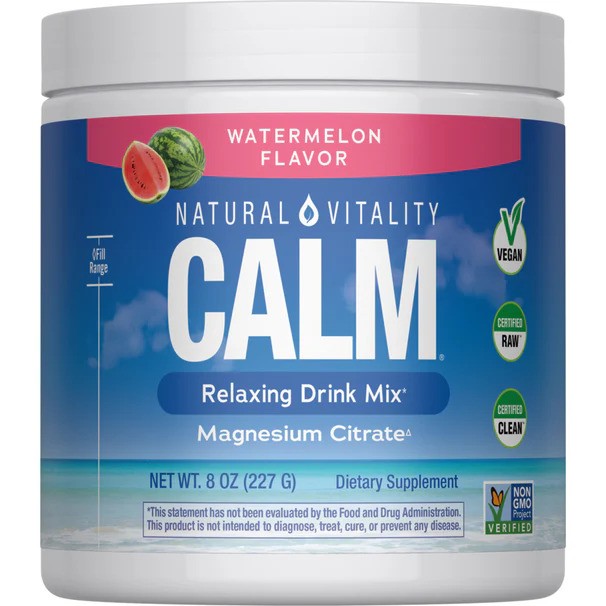
Natural Vitality
Natural Vitality - Calm Magnesium Powder (Watermelon - 227g)
284 krIn stockWhy is this shown?
Historiskt katalogurval. Innehåll, mängd och form behöver kontrolleras mot aktuellt underlag.
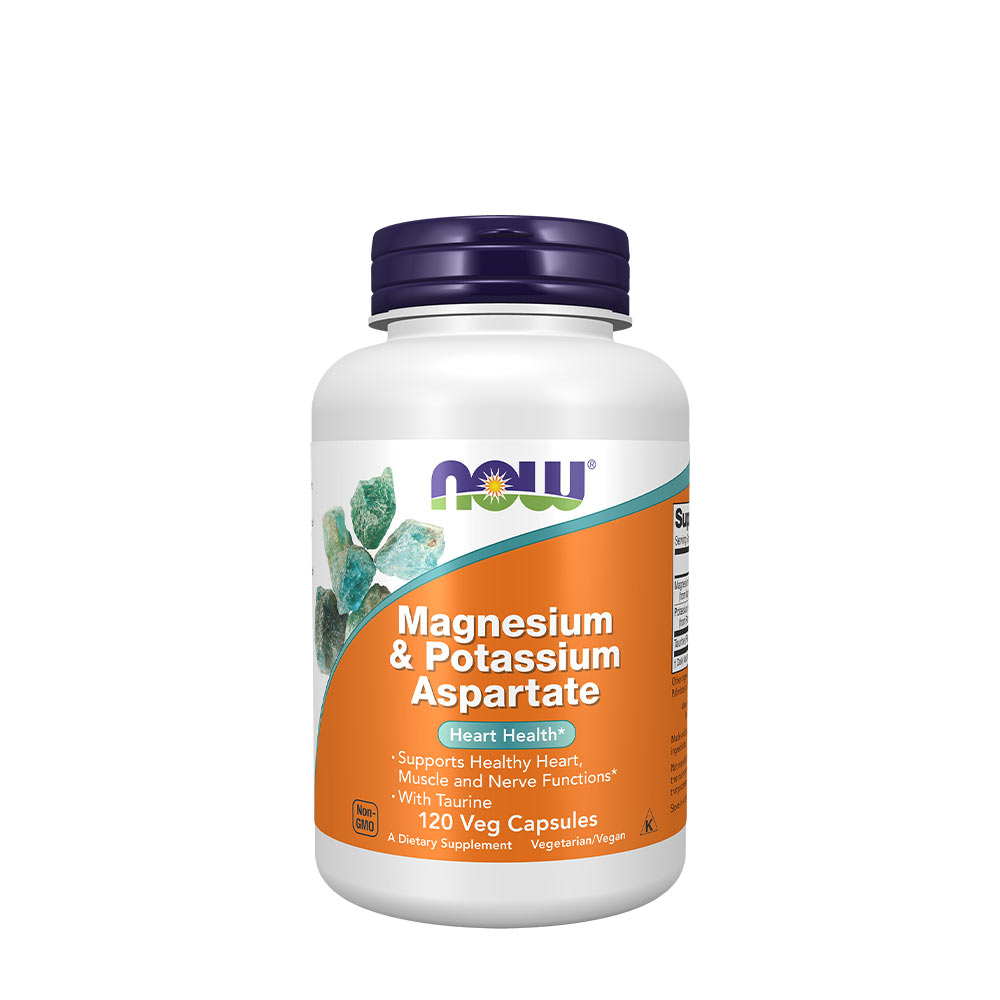
NOW Foods
NOW Foods - Magnesium & Potassium Aspartate - 120 Vcaps
210 krIn stockWhy is this shown?
Historiskt katalogurval. Innehåll, mängd och form behöver kontrolleras mot aktuellt underlag.
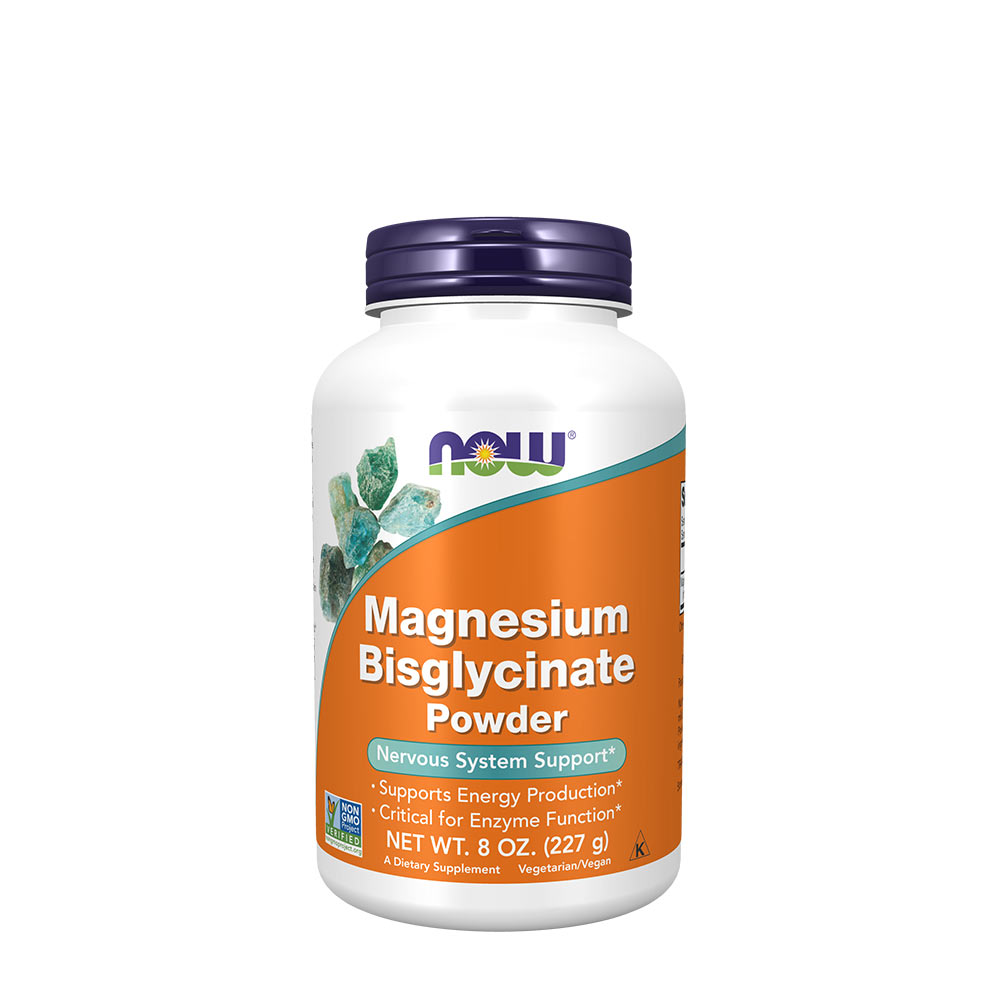
NOW Foods
Now Foods - Magnesium Bisglycinate Powder - 227g
235 krIn stockWhy is this shown?
Historiskt katalogurval. Innehåll, mängd och form behöver kontrolleras mot aktuellt underlag.


