Low Calorie High Protein Meals: What to Know and How to Choose
Short answer
A low-calorie high-protein meal is one that keeps total energy modest while making protein a meaningful share of the calories. The EU does not define a special meal category, so the most useful check is to compare protein and calories together, using the authorised labels “high protein”, “source of protein”, and “low energy” as guides.
Quick facts
- High protein means at least 20% of energy comes from protein.
- Source of protein means at least 12% of energy comes from protein.
- Low energy means no more than 40 kcal per 100 g for solids or 20 kcal per 100 ml for liquids.
- EFSA’s adult protein reference intake is 0.83 g per kg body weight per day.
- Food-based options in the body include poultry, fish, eggs, dairy, pulses, tofu and edamame.
- Compare protein, calories, fibre, salt and saturated fat on the same basis.
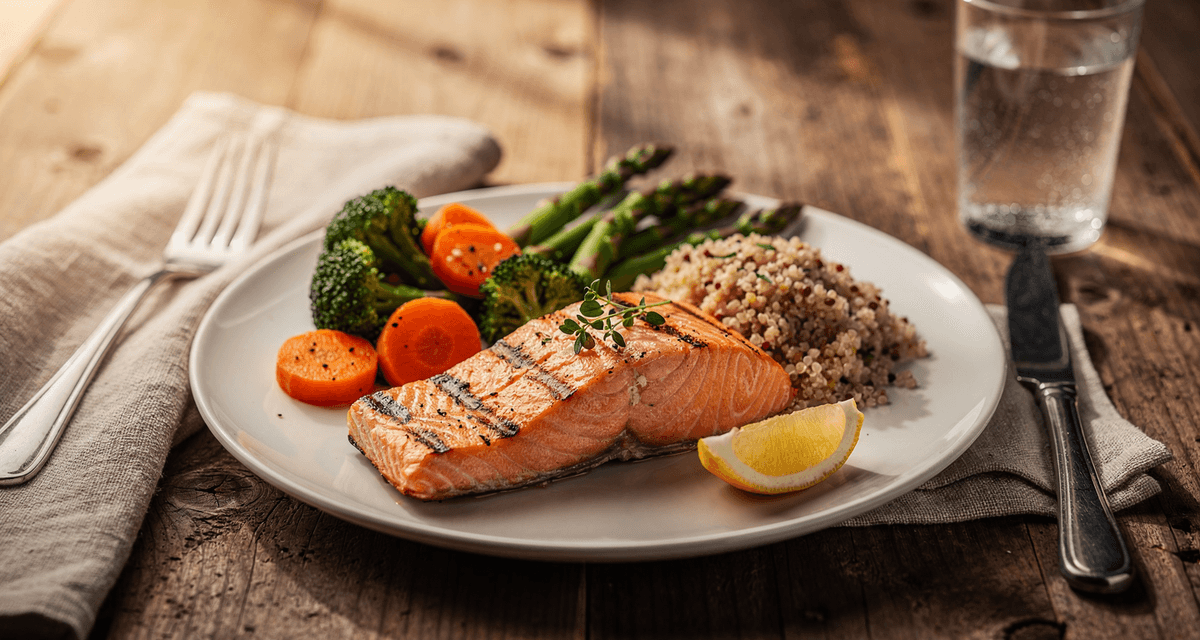
What counts as a low-calorie high-protein meal?
In practical meal terms, it is a plate or dish that keeps total energy modest while making protein a meaningful share of the calories. The EU does not define a special meal category, but it does define the label claims that matter when you compare foods: EFSA describes a nutrition claim as a statement that implies beneficial nutritional properties, and the European Commission lists “high protein”, “source of protein”, and “low energy” as authorised nutrition claims under Regulation (EC) No 1924/2006: EFSA nutrition claim glossary and European Commission nutrition claims.
Use the authorised thresholds as the starting point
A food may be called “high protein” only if at least 20% of its energy value comes from protein. A “source of protein” claim needs at least 12% of energy from protein. Separately, “low energy” may only be used for a solid food with no more than 40 kcal per 100 g, or for a liquid with no more than 20 kcal per 100 ml: European Commission nutrition claims.
| EU wording | Threshold | What it tells you |
|---|---|---|
| High protein | At least 20% of energy from protein | Protein makes up a large share of the calories |
| Source of protein | At least 12% of energy from protein | The food contributes protein, but less than the “high protein” threshold |
| Low energy | No more than 40 kcal/100 g for solids or 20 kcal/100 ml for liquids | The food itself is low in calories |
Judge protein against energy, not protein grams alone
The most useful question is not only how many grams of protein a meal contains, but how much of the meal’s energy comes from protein. EU nutrition labelling rules require the energy value and the amounts of protein, fat, carbohydrate, sugars, saturates and salt to be shown per 100 g or 100 ml, and optionally per portion, so you can compare protein density with calorie content: European Commission nutrition labelling.
Cambridge University Hospitals describes the same practical idea for people who need more protein without increasing overall energy to the same extent, and notes that in a typical diet 10% to 20% of calories come from protein: CUH High Protein Diet. A meal toward the upper end of that range is more protein-forward than one near the lower end.
A lower-calorie meal can still be too small
A meal can satisfy the label math and still be too small to function as a main meal. A portion may look impressive on protein share alone, yet still provide too little total food for the eating occasion. That is why the practical check has two parts: first, whether the calories fit your target; second, whether the protein share is high enough for the meal to feel like a real meal rather than a token portion.
Why do high-protein meals keep you fuller?
What the NHS leaflets actually say
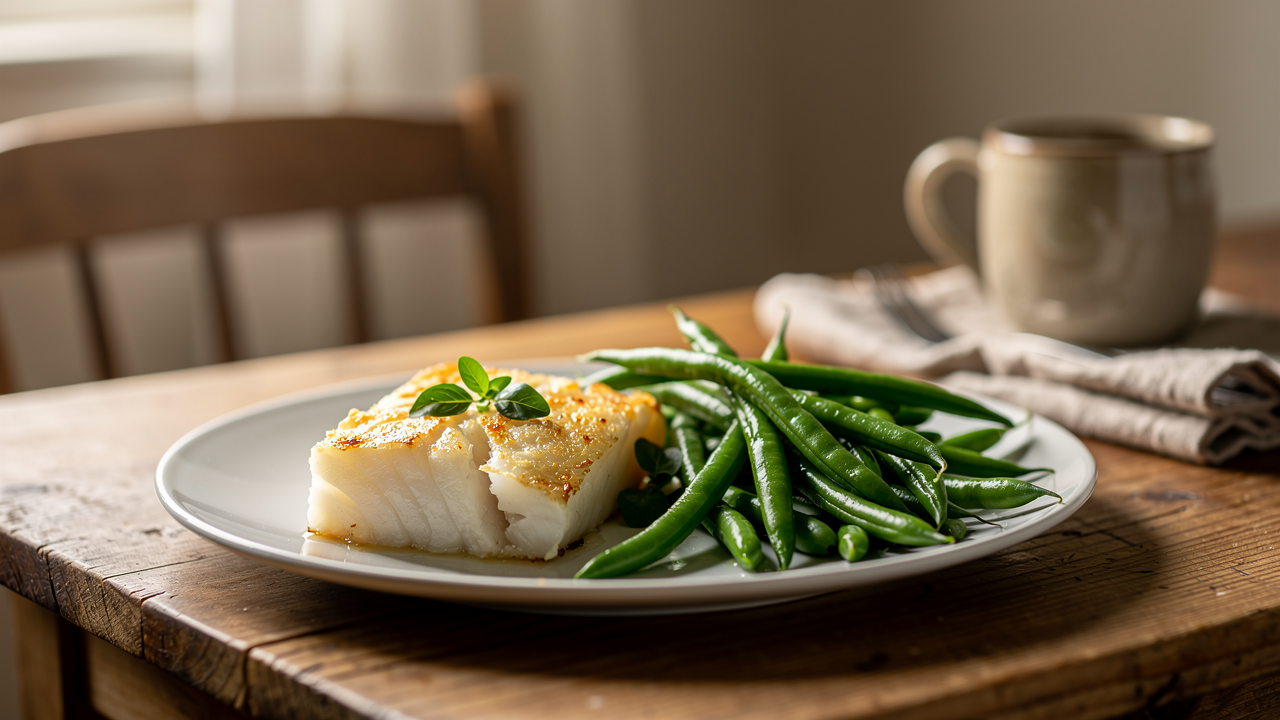
Cambridge University Hospitals says protein “helps you to feel fuller for longer,” and Mersey Care NHS says a high-protein breakfast “makes you feel fuller.” CUH high protein diet Mersey Care NHS protein guidance The retrieved sources here do not give a step-by-step explanation of gastric emptying, appetite hormones, or thermic effect, so the evidence-supported point is the fuller feeling itself, not a detailed physiology model.
Filling now is not the same as changing body composition
EFSA’s adult protein opinion says there were few data on the effects of additional dietary protein beyond the Population Reference Intake on muscle mass and function, body-weight control, and obesity risk in children and adults. EFSA protein DRV opinion That matters because a meal can feel satisfying at the table without proving anything about longer-term weight change or lean-mass retention.
ODS/NIH adds a separate safety point: healthy athletes may safely consume up to about 2.0 g/kg body weight per day, but long-term adverse-effect data from sustained high intakes from food and supplements are limited. ODS Exercise and Athletic Performance
The practical difference readers should watch for
CUH describes protein as important for maintenance of muscle mass, while Mersey Care recommends protein-rich meals from whole foods such as legumes, dairy, eggs, and fish, and warns that excessive protein can cause digestive issues when fibre intake is too low. CUH high protein diet Mersey Care NHS protein guidance
| What you notice | What the retrieved sources support | What that means in practice |
|---|---|---|
| Feels fuller after eating | Protein is described as helping people feel fuller for longer. CUH high protein diet | Useful when choosing a meal that should stay satisfying between eating occasions. |
| EFSA reports few data for extra protein beyond the PRI on muscle mass, function, and body-weight control. EFSA protein DRV opinion | Do not assume one high-protein meal by itself changes body composition. | |
| Common mistake | Mersey Care warns excessive protein can cause digestive issues because of low fibre intake. Mersey Care NHS protein guidance | Build the meal around protein, but do not crowd out fibre-rich foods. |
Protein can make a meal feel more satisfying, but the retrieved guidance does not show that this alone changes body composition over time.
How much protein do adults need each day?
Start with the European baseline
EFSA’s Population Reference Intake for healthy adults is 0.83 g of high-quality protein per kilogram of body weight per day, and EFSA uses the same value for older adults. The opinion says this figure is meant to cover 97.5% of the general adult population, and it is based on nitrogen balance studies. EFSA protein Dietary Reference Values opinion
That makes EFSA’s number a daily reference point, not a meal-by-meal prescription. For a 70 kg adult, it works out at about 58 g per day; for a 60 kg adult, about 50 g per day. Those are planning numbers for the whole day, whether the goal is routine eating or choosing meals with more protein in a smaller calorie budget. EFSA protein Dietary Reference Values opinion
How European-facing practical advice compares
Some NHS guidance uses a slightly simpler rule of thumb: about 0.75 g per kilogram per day for healthy adults. Mersey Care translates that into roughly 45 g a day for a 60 kg woman and 55 g a day for a 75 kg man. Cambridge University Hospitals also frames a higher-protein diet as one that increases protein without increasing energy to the same extent. Mersey Care NHS guidance Cambridge University Hospitals high-protein diet leaflet
| Group | Daily protein figure | What the figure is for |
|---|---|---|
| Healthy adults | 0.83 g/kg/day | EFSA Population Reference Intake |
| Older adults | 0.83 g/kg/day | EFSA uses the same PRI as for younger adults |
| Healthy adults, simple rule of thumb | 0.75 g/kg/day | Practical NHS guidance |
| Physically active adults and athletes | 1.1–2.0 g/kg/day | ODS consumer guidance |
When activity level changes the number
The NIH Office of Dietary Supplements gives a higher range for physically active people and athletes: about 1.1 to 2.0 g/kg/day. Its health-professional sheet says healthy athletes may safely consume up to approximately 2.0 g/kg/day, while also noting that long-term data on sustained high intakes are limited. EFSA’s opinion also says that, in adults, an intake of twice the PRI is considered safe. ODS consumer fact sheet ODS health professional fact sheet EFSA protein Dietary Reference Values opinion
For people who are not training hard, the practical starting point is still the adult baseline: use the EFSA PRI or the close NHS rule of thumb, then split it across the day when choosing high-protein meals. For older adults, EFSA does not raise the reference value simply because of age. For calorie-controlled eating, the same daily reference remains the anchor; the main change is how you build the meal, not the existence of a separate lower target. EFSA protein Dietary Reference Values opinion
Which foods build the best meals with fewer calories?
The easiest comparisons are the portions that list protein and calories side by side. Guy's and St Thomas' NHS Foundation Trust gives several everyday examples, and USDA FoodData Central documentation notes that food energy is expressed in kcal and protein values are calculated from the food data. Where a source gives calories, the protein per 100 kcal figure below is calculated from those same figures.
The clearest high-protein, lower-calorie examples
| Food group | Typical portion from the source | Protein | Calories | Protein per 100 kcal | Source |
|---|---|---|---|---|---|
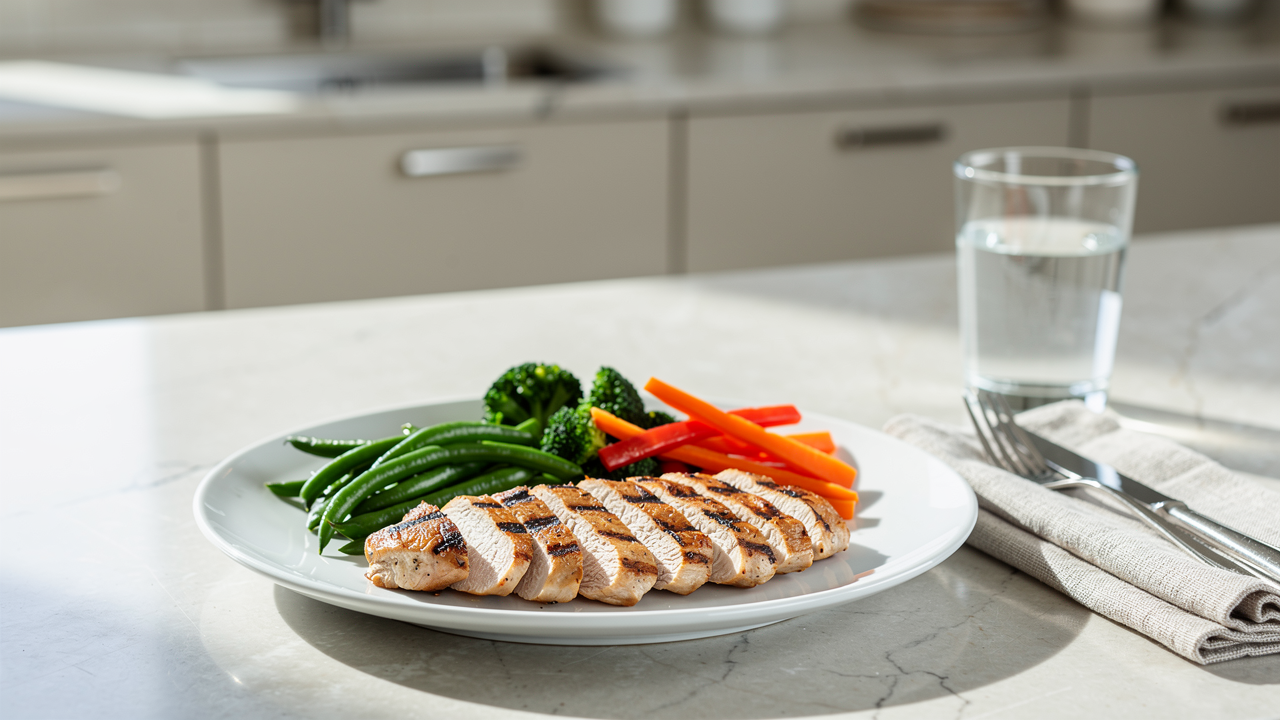
| Poultry / lean meat | 2 slices of chicken or turkey meat | 20 g | 120 kcal | 16.7 g | Guy's and St Thomas' NHS Foundation Trust |
| Fish | Half a tin of tuna chunks in water, mixed with 1 tablespoon of hummus on 2 rye crispbreads | 17 g | 160 kcal | 10.6 g | Guy's and St Thomas' NHS Foundation Trust |
| Soy food | 70 g of cooked edamame beans | 7 g | 90 kcal | 7.8 g | Guy's and St Thomas' NHS Foundation Trust |
| Dairy | 80 g of fat-free cottage cheese with 3 water biscuits | 8 g | 110 kcal | 7.3 g | Guy's and St Thomas' NHS Foundation Trust |
| Dairy | 100 g of low-fat Greek yoghurt with 80 g of raspberries | 7 g | 100 kcal | 7.0 g | Guy's and St Thomas' NHS Foundation Trust |
| Legumes | Small can of baked beans (205 g) with 2 slices of medium wholemeal bread | 20 g | 330 kcal | 6.1 g | Guy's and St Thomas' NHS Foundation Trust |
| Eggs | 1 medium boiled egg and 2 rye crispbreads with a thin spread of butter | 8 g | 200 kcal | 4.0 g | Guy's and St Thomas' NHS Foundation Trust |
What the broader food groups look like in practice
Cambridge University Hospitals NHS Foundation Trust says the aim is to increase protein without increasing overall energy intake to the same extent, and it recommends lower-fat options of foods such as dairy, lean meats and plant-based high-protein foods. Its examples include chicken breast at about 125 g for 30 g protein, turkey breast at about 100 g for 25 g, lean beef mince at 125 g for 26 g, salmon at about 96 g for 21 g, haddock at about 140 g for 27 g, and pork loin at about 135 g for 20 g.
Mersey Care NHS Foundation Trust also lists everyday whole foods such as legumes, dairy, eggs and fish, and says beans, nuts, seeds and soya are around 7 g protein in every 100 g. That is why mixed meals built around lentils, pulses or soya can still work, even when they are not as dense in protein as the chicken and tuna examples above.
How to make the plate feel like a real meal
Examples include hummus with vegetable sticks, yoghurt with berries and nuts, cottage cheese with fruit, lentil soup instead of cream of chicken soup, pulses in curries, and Quorn or lentils in pasta Bolognese. CUH high protein diet leaflet Mersey Care NHS Foundation Trust
Guy's and St Thomas' NHS Foundation Trust Cambridge University Hospitals NHS Foundation Trust
Are powders, shakes, or whole foods better?
Whole food is the default for a meal
Cambridge University Hospitals says the goal of a higher-protein diet is to raise protein without raising calories by choosing lower-fat foods, and it lists meat, poultry, fish, eggs, dairy, pulses, tofu and Quorn as protein-rich options CUH high protein diet leaflet. Mersey Care NHS says most healthy adults can meet protein needs from food alone at about 0.75 g/kg/day, and that minimally processed foods provide a more complete nutritional profile, including fibre, vitamins and minerals Mersey Care protein guidance.
What powders and shakes do well — and what they do not
CUH says protein powders can be a convenient way to increase intake, and it gives a practical example: 4.5 heaped tablespoons (57 g) of dried skimmed milk powder added to a pint of semi-skimmed milk provides 39.8 g protein CUH high protein diet leaflet. The same leaflet says powders can be mixed into drinks, cereal, porridge, sauces, soups and smoothies CUH high protein diet leaflet.
CUH also warns that powders do not contain the added benefits of other foods such as fibre, vitamins and minerals, can be expensive, and may contain a lot of added sugar depending on the type CUH high protein diet leaflet. That is why a powder can help you raise protein, but it is not automatically the better meal choice if you want the broader food package that comes with eating whole foods CUH high protein diet leaflet.
When a supplement is the right tool
Clinical guidance on oral nutritional supplements uses a narrower scenario: when protein and energy needs cannot be met through diet, a dietitian or GP may advise a supplement NHS oral nutritional supplement guidance. In that document, one example is Protifar, where 15 g powder provides 13.4 g protein and 56 kcal NHS oral nutritional supplement guidance.
| Form | What the sources support | Best fit |
|---|---|---|
| Whole foods | Protein-rich foods include meat, poultry, fish, eggs, dairy, pulses, tofu and Quorn; minimally processed foods add fibre, vitamins and minerals CUH Mersey Care | Everyday meals |
| Powders and shakes | Convenient for boosting intake, but they lack the wider food package and may contain added sugar CUH | Convenient add-on |
| Clinical oral nutritional supplements | Used when diet alone cannot meet protein or energy needs; one example provides 13.4 g protein per 15 g powder and 56 kcal NHS guidance | Clinician-directed support |
About whey, casein, soy, pea and blends
The supplied sources do not break powders down by whey, casein, soy, pea or blended proteins, so they do not let us rank those forms by amino-acid profile or digestibility from the evidence provided. For readers, the safer way to choose is to look first at the whole product: calories, added sugar, and whether it adds fibre and micronutrients alongside protein CUH high protein diet leaflet.
How do you choose a ready meal or restaurant option?
Compare the same basis first
USDA FoodData Central gives nutrient values on a 100-gram edible-portion basis, and it also notes that food energy is expressed in kcal and that portions are listed separately for some foods. The cleanest comparison is usually per 100 g: use it to compare two ready meals, then check the serving size to see how much of the pack or plate you would actually eat.
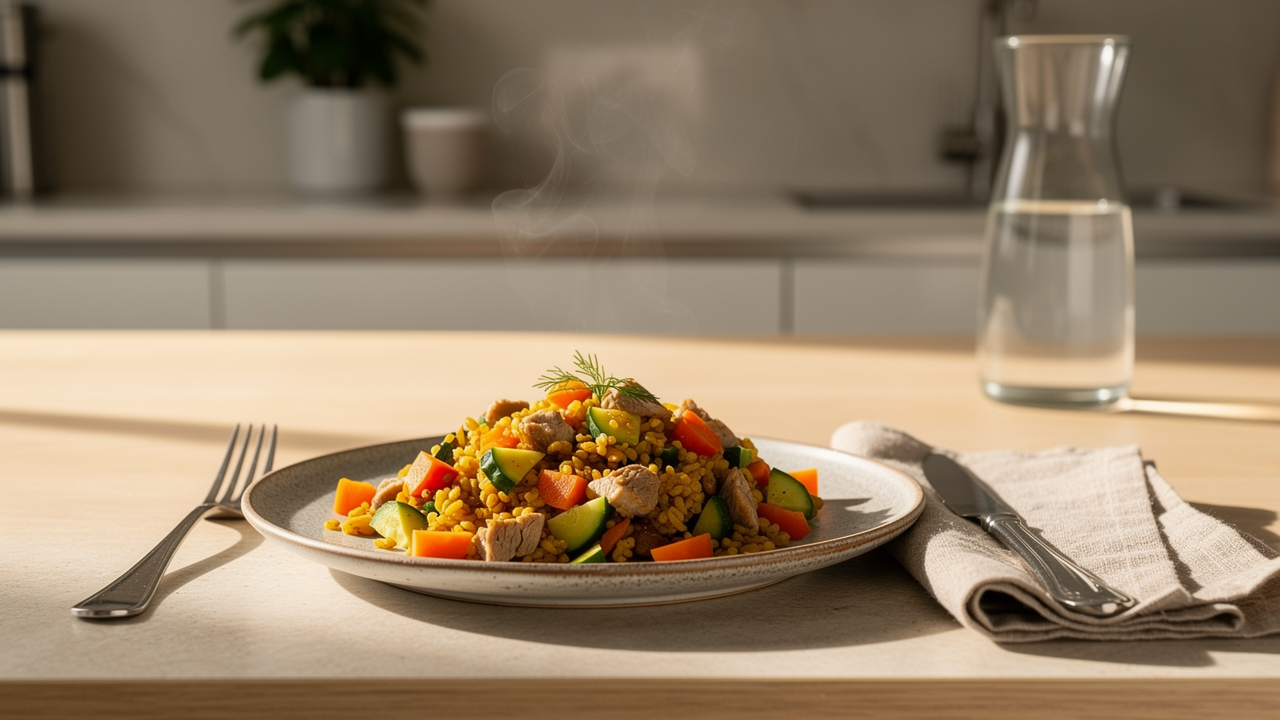
For a label check, read protein and calories together, then add fibre, salt and saturated fat to the same scan. EFSA’s nutrient-profiling opinion says front-of-pack nutrition labelling is a simplified system, and it highlights nutrients such as sodium, saturated fatty acids and fibre as part of the wider profiling picture. A front-of-pack protein message is therefore only one clue, not the whole decision. EFSA opinion on nutrient profiling and front-of-pack labelling
Look for a meal built around food, not a claim
CUH’s high-protein guidance points readers toward meat, poultry, fish, eggs, dairy, pulses, tofu and Quorn, and it recommends lower-fat versions when the aim is to increase protein without increasing overall energy to the same extent. In practice, that makes the ingredient list useful: a ready meal or deli box built around a named protein food is easier to judge than one whose main selling point is simply the word protein. CUH High Protein Diet advice
The same leaflet says protein powders can be convenient, but they do not provide the added benefits of fibre, vitamins and minerals found in foods, and they can also contain high amounts of added sugar. For shop-bought meals, that is a reminder to watch for rich sauces, cheese, oils, sugar and frying, because those extras can shift a meal away from a lower-calorie choice. CUH High Protein Diet advice
Use one checklist across supermarkets, takeaways and restaurants
| Setting | What to read first | What usually looks stronger | What to watch |
|---|---|---|---|
| Supermarket ready meal | Protein, kcal, fibre, salt and saturated fat | A clear protein source and a balanced panel | A high-protein badge with a large calorie total or a lot of salt |
| Deli food | Ingredient list and portion size | Named foods such as eggs, fish, tofu, pulses or lean meat | Portions that look light but add up once served |
| Takeaway or restaurant dish | Menu description and any nutrition info | A dish built around a clear protein ingredient | Rich extras that make the meal much heavier than it first appears |
Simple rule: compare per 100 g, confirm the serving, and choose the version where the protein comes from a real meal rather than from packaging language.
When are high-protein meals unsafe or unsuitable?
The clearest caution is for people already told to watch protein intake. NIH ODS says healthy athletes may safely consume about 2.0 g protein per kg body weight per day, but it also notes that long-term adverse-effect data for sustained high intakes from food and supplements are limited, and its consumer guidance says teenagers, people with any medical conditions, or anyone taking medications should speak with a healthcare provider before using performance supplements. ODS health professional guidance ODS consumer guidance
Kidney disease and other protein-controlled conditions
Royal Marsden’s patient guidance says people with existing kidney disease or impaired kidney function should avoid excessive protein intake. The NHS Drug Tariff also lists prescribed essential amino-acid products for chronic renal failure, haemodialysis, hypoproteinaemia, conditions requiring controlled nitrogen intake, and metabolic disorders such as urea-cycle disorders, which shows that some people need a medically controlled plan rather than a standard high-protein one. Royal Marsden guidance NHS Drug Tariff
| Situation | Why to pause before increasing protein | Practical next step |
|---|---|---|
| Existing kidney disease or impaired kidney function | Royal Marsden says excessive protein should be avoided | Ask a clinician or dietitian before changing intake |
| Chronic renal failure, haemodialysis, urea-cycle disorders, or other controlled nitrogen intake | Protein may need strict medical control | Use only within an individually set plan |
| Pregnancy or breastfeeding | Mersey Care and CUH note that needs can change in these periods | Confirm your target with a clinician or dietitian |
| Taking regular medicines and considering supplements | ODS says medical conditions and medicines warrant provider advice; NHS SPS says food supplements can carry higher risk when used instead of medicines | Check with a pharmacist or clinician first |
Supplements, fortified meals, and regular medicine
Cambridge University Hospitals says protein powders can help when protein and/or energy needs cannot be met through diet alone, but they do not provide the added fibre, vitamins, and minerals of whole foods and may be costly or high in added sugar. That makes them a different choice from plain food, not just a bigger serving. CUH high-protein diet leaflet NHS Specialist Pharmacy Service
If a high-protein plan is tied to kidney disease, another controlled-protein condition, or regular medicine use, get individual advice before adding powders, shakes, or heavily fortified meals.
For anything beyond ordinary meals, the safest rule is simple: if you have a diagnosed kidney problem, a condition that already limits protein or nitrogen, are pregnant or breastfeeding, or take regular medicine, ask a clinician or dietitian before raising protein a lot. If you are using a supplement rather than food, use the label and pharmacy or clinic advice before you buy.
What are the limits of high-protein eating?
Protein can improve the protein share of a meal, but it does not replace the rest of the diet. CUH says protein powders do not provide the fibre, vitamins and minerals found in foods, and Mersey Care says minimally processed protein foods provide a more complete nutritional profile, including fibre, vitamins and minerals. CUH high-protein diet leaflet Mersey Care guidance
Protein is not a shortcut around balance
EFSA’s population reference intake for healthy adults in energy balance is 0.83 g/kg body weight per day, while Mersey Care gives a general rule of thumb of about 0.75 g/kg/day. Those are daily adequacy targets, not a reason to make every snack a protein product. EFSA protein requirements Mersey Care guidance
CUH also notes that its high-protein approach is meant to increase protein without increasing overall energy intake to the same extent, which is why the calorie total still matters. USDA FoodData Central documentation CUH high-protein diet leaflet
Common mistakes with protein-heavy meals
| Mistake | What the evidence says | Better check |
|---|---|---|
| Using powders or fortified snacks as the default meal | CUH says protein powders can miss the fibre, vitamins and minerals that come with foods, and can contain high amounts of added sugar. CUH high-protein diet leaflet | Choose foods that still bring fibre and micronutrients. |
| Assuming more protein is always better | Mersey Care says the key is balance and notes that excessive protein can put extra stress on the kidneys and liver. Mersey Care guidance | Match protein to the person and the overall diet. |
| Skipping the rest of the plate | CUH’s examples pair protein foods with yoghurt, berries, soup, cereal, fruit or vegetable sticks, showing protein is usually built into a broader meal pattern. CUH high-protein diet leaflet | Keep the meal varied, not protein-only. |
When the target needs adjustment
During periods of weight loss, CUH says people are often advised to ensure their diet provides adequate protein without increasing overall calories to the same extent. For resistance training, the ODS consumer sheet gives athletes about 1.1 to 2.0 g/kg/day and suggests around 0.31 g/kg, or about 20 g for a 150-lb person, every 3 to 5 hours. CUH high-protein diet leaflet ODS consumer guidance
For plant-based eating patterns, CUH lists pulses, tofu and Quorn as protein-rich foods, and Mersey Care says it is possible to get all the essential amino acids you need in your diet, even if you are working out regularly. CUH high-protein diet leaflet Mersey Care guidance
Protein raises the protein content of a meal, but fibre, vitamins, minerals and total energy still decide whether the meal is genuinely well balanced.
Safety and precautions
High-protein eating is not suitable for everyone. If you have kidney disease, impaired kidney function, another condition that controls protein or nitrogen intake, or if you are pregnant, breastfeeding, a child, a teenager, or taking regular medicine, ask a clinician, dietitian, or pharmacist before changing your protein intake or using powders, shakes, or other supplements.
Use extra care with supplements if you are using them instead of food. Check the label and get healthcare advice before buying or using them as part of a high-protein plan.
Supplements with the ingredients in this article
Compare contents, dose and price
Frequently asked questions
What is the best high-protein breakfast if I need to keep calories low?
If you want something more substantial, a boiled egg with rye crispbreads is another option, but it is higher in calories. The main check is protein versus calories, not just protein grams.
Can I make low-calorie high-protein meals without using protein powder?
Yes. The body lists many food-based options, including chicken or turkey, tuna, edamame, cottage cheese, yoghurt, beans, tofu and Quorn. You can build a meal from those foods, add vegetables or a grain if needed, and keep an eye on the calorie total. The label check is the same: read protein and calories together.
Do protein bars or shakes count as a real meal?
The body says powders and shakes can be convenient, yet they may miss fibre, vitamins and minerals and can be high in sugar, so the total food, calories and balance still matter.
How can I build a vegetarian or vegan high-protein meal?
Start with pulses, tofu, edamame, soya foods, beans, lentils and other plant proteins from the body. Combine them with a vegetable and, if needed, a grain or crispbread so the plate feels like a meal rather than a single ingredient. For a lower-calorie version, choose lower-fat cooking methods and avoid heavy sauces.
How do I keep a high-protein meal from becoming too salty or too fatty?
Choose lower-fat versions of dairy, meat and plant proteins, and scan salt, saturated fat, sauces, cheese, oils and frying on the label or menu. The body also suggests reading protein, calories, fibre, salt and saturated fat together. A strong protein message alone is not enough if those other parts are high.
Should I spread protein across the day or focus it in one meal?
Spreading protein across the day is the more practical approach in the body. EFSA’s daily figure is a whole-day reference, not a meal-by-meal target, and the article notes that athletes may spread intake across several meals. One higher-protein meal can still fit, but the daily total matters most.
Sources
- untitled (external link)
- Dietary Supplements for Exercise and Athletic Performance - Health Professional Fact Sheet (external link)
- Microsoft Word - Draft_protein_DRVs_08072011-FINAL.doc (external link)
- Dietary Supplements for Exercise and Athletic Performance - Consumer (external link)
- High Protein Diet | CUH (external link)
- Foundation Foods Documentation | USDA FoodData Central (external link)
- Protein is it hype? :: Mersey Care NHS Foundation Trust (external link)
- Additional guidance – Appropriate use of adult (external link)
- Resistance training and protein (external link)
- Using food supplements – NHS SPS - Specialist Pharmacy Service – The first stop for professional medicines advice (external link)
- Tariff.book (external link)
- Nutrition claims - Food Safety - European Commission (external link)
- Nutrition labelling - Food Safety - European Commission (external link)
- nutrition claim | EFSA (external link)
- Protein in your diet for upper gastrointestinal surgery - Planning your food | Guy's and St Thomas' NHS Foundation Trust (external link)
Read more
Products related to this article
Doctor's Best
Doctor's Best - Pure Collagen Types 1 and 3 - 7.1 oz
245 krIn stockWhy is this shown? Innehåller alla ämnen artikeln handlar om · I lager
Tierlieb
tierlieb - Brewer's Yeast Tablets - 400 tablets
80 krIn stockWhy is this shown? Innehåller alla ämnen artikeln handlar om · I lager

Forpro
Forpro - Chicken Breast Fillet In Own Sauce - 160g
68 krOut of stockWhy is this shown? Innehåller alla ämnen artikeln handlar om · I lager