Protein Yogurt: What to Know, How to Compare, and Choosing the Right Option
Short answer
Protein yogurt is a dairy product with added protein, often used as a convenient source of this nutrient. It comes in various forms and protein contents, so comparing labels and ingredients is important. Always check for allergens and consult a healthcare professional if you have specific dietary needs.
Quick facts
- Protein yogurt is typically made by adding extra protein to traditional yogurt.
- Tigoo offers 8 protein products with a median protein dose of 24 g per serving.
- No health or nutrition claims are authorised for protein yogurt in the EU.
- Always check for allergens and added sugars on the label.

How it works
Protein yogurt is a food product made by enriching standard yogurt with additional protein, most commonly in the form of milk protein concentrate, whey protein, or casein. The process involves either straining the yogurt to concentrate its protein content or directly adding protein powders during manufacturing. This creates a thicker, creamier texture and increases the overall protein per serving compared to regular yogurt.
Protein yogurt is a convenient way to increase dietary protein intake without preparing separate shakes or meals.
Protein is an essential macronutrient made up of amino acids, which are the building blocks for body tissues. Yogurt itself is a source of protein, but protein yogurts are specifically formulated to provide higher amounts per serving.
The manufacturing of protein yogurt typically starts with pasteurized milk, to which live bacterial cultures are added. After fermentation, the yogurt may be strained to remove whey and concentrate the protein, or protein powders may be blended in. The choice of protein source (whey, casein, milk protein concentrate, or plant-based alternatives) affects the final product’s nutritional profile and texture.
Some protein yogurts are designed to be low in fat and sugar, while others may include added flavors, fruit purees, or sweeteners. The range of available products includes both dairy-based and plant-based options, with the latter often using soy, pea, or other legume proteins to cater to vegan consumers.
Packaging formats vary, with single-serve pots, larger tubs, and drinkable versions available. The protein content can range from around 10 g to over 25 g per serving, depending on the brand and recipe.
What the research and authorised claims say
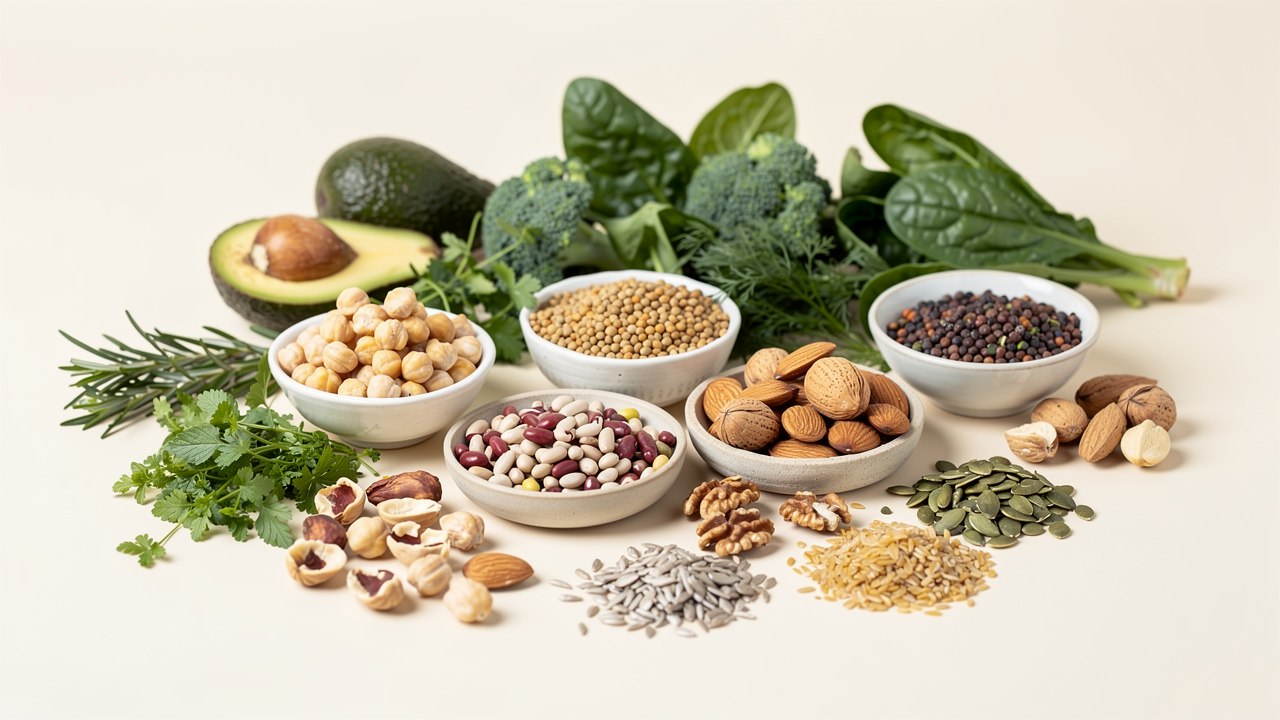
In the European Union, there are currently no authorised health or nutrition claims specifically for protein yogurt. General statements about protein, such as its role in the growth and maintenance of muscle mass, are only permitted under certain conditions and must not be attributed to specific products like protein yogurt unless they meet strict criteria.
Protein yogurt manufacturers may highlight the protein content on packaging, but they are not permitted to make claims about health benefits, disease prevention, or treatment. The European Food Safety Authority (EFSA) regulates what can be stated on food labels, and only approved claims regarding protein’s general functions in the body are allowed, provided the product meets the required protein content threshold.
Research on protein intake focuses on the role of protein in the diet, but does not specifically address protein yogurt as a unique category. Studies typically examine total dietary protein from all sources.
Key limitations
- No authorised health claims: No health or nutrition claims are approved for protein yogurt in the EU.
- Allergen content: Protein yogurts are dairy-based and may contain milk, lactose, or other allergens.
- Added ingredients: Some products contain added sugars, artificial sweeteners, or thickeners, which may not be suitable for all consumers.
- Not a meal replacement: Protein yogurt is not designed to replace a balanced meal.
- Digestive tolerance: Some individuals may experience digestive discomfort, such as bloating or gas, when consuming high-protein or dairy-based products.
- Cost: Protein yogurts are often more expensive than regular yogurts or other protein sources, which may be a consideration for some consumers.
- Environmental impact: Dairy-based protein yogurts have a higher environmental footprint compared to some plant-based alternatives, due to the resources required for dairy production.
Always read the label to check for allergens and added ingredients.
How to choose
When selecting a protein yogurt, it is important to compare several factors to find the product that best meets your needs. Here are some key considerations:
- Protein content: Check the grams of protein per serving. In Tigoo's range, the median protein dose is 24 g per serving.
- Type of protein: Common sources include whey, casein, and milk protein concentrate. Some products may use plant-based proteins for vegan options.
- Fat and sugar content: Look for added sugars or fats, especially if you are monitoring your intake.
- Texture and taste: Texture can vary from thick and creamy to lighter and more fluid, depending on the manufacturing process and added ingredients.
- Allergens: Always check for milk, lactose, or other potential allergens.
- Serving size: Protein content is often listed per 100 g or per pot; compare like for like.
- Sweeteners and flavorings: Many protein yogurts use artificial sweeteners or flavorings to improve taste without increasing sugar content. Some consumers may prefer products without these additives.
- Live cultures: Some protein yogurts contain live bacterial cultures, which are a traditional component of yogurt. Check the label if this is important to you.
- Packaging and convenience: Single-serve pots are convenient for on-the-go use, while larger tubs may be more economical for home use. Drinkable protein yogurts offer another portable option.
- Price: Protein yogurts are generally more expensive than standard yogurts. Consider your budget and compare unit prices.
When comparing products, consider your dietary preferences, any allergies or intolerances, and your overall nutrition goals. Reading the full ingredient list and nutrition label is essential to ensure the product matches your needs.
Comparison table: Protein yogurt vs. other protein sources
| Product | Typical Protein per Serving | Fat (g) | Sugar (g) | Common Allergens |
|---|---|---|---|---|
| Protein Yogurt (Tigoo median) | 24 g | 0-5 g | 3-10 g | Milk, lactose |
| Whey Protein Shake | 20-25 g | 1-3 g | 1-5 g | Milk, lactose |
| Chicken Breast (100g) | 23 g | 1-3 g | 0 g | None (unless processed) |
| Greek Yogurt (plain, 170g) | 15-17 g | 0-5 g | 4-7 g | Milk, lactose |
| Plant-based Protein Yogurt | 5-10 g | 2-6 g | 2-8 g | Soy, nuts (varies) |
Values are approximate and may vary by brand and recipe. Always check the product label for exact details.
Ingredients and manufacturing
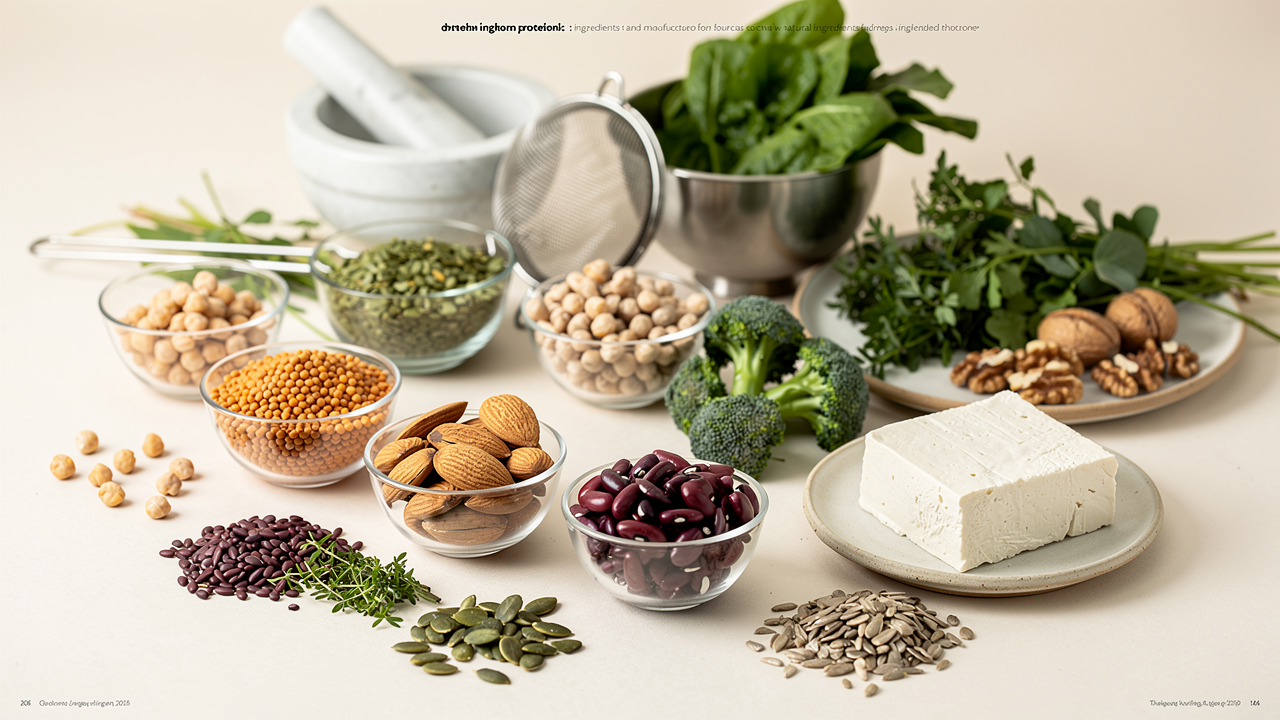
The ingredients in protein yogurt can vary significantly between brands and product types. The base is typically pasteurized milk, but the protein source may be whey protein concentrate, casein, milk protein isolate, or plant-based proteins such as soy or pea.
Additional ingredients may include:
- Stabilizers and thickeners (e.g. , pectin, guar gum, modified starch) to improve texture and shelf life.
- Sweeteners, which may be sugars (sucrose, fructose) or artificial/low-calorie sweeteners (aspartame, sucralose, stevia).
- Flavorings, both natural and artificial, to enhance taste.
- Fruit purees or pieces, which add flavor and sometimes increase sugar content.
- Live bacterial cultures, which are traditional in yogurt but may be reduced or absent in some protein-enriched products.
Manufacturers may use different techniques to increase protein content. Straining is traditional in Greek-style yogurts, while direct addition of protein powders is common in many high-protein products. The choice of method affects not only the protein content but also the taste, texture, and nutritional profile.
Types of protein yogurt
There are several types of protein yogurt available on the market:
- Dairy-based protein yogurt: Uses milk-derived proteins (whey, casein, milk protein concentrate). These are the most common and typically offer the highest protein content per serving.
- Greek-style protein yogurt: Made by straining regular yogurt to remove liquid whey, resulting in a thicker texture and higher protein concentration.
- Drinkable protein yogurt: A liquid version, often marketed as a convenient, on-the-go snack or meal component.
- Plant-based protein yogurt: Uses non-dairy proteins such as soy, pea, or almond. These are suitable for vegans and those with dairy allergies, but often have lower protein content than dairy-based products.
Each type has its own characteristics in terms of taste, texture, protein content, and suitability for different dietary needs.
When and how to use protein yogurt
Protein yogurt can be consumed at any time of day as part of a balanced diet. Common uses include:
- As a snack between meals, providing a source of protein and satiety.
- As part of breakfast, either on its own or combined with fruit, nuts, or whole grains.
- After exercise, as a convenient way to include protein in post-workout nutrition.
- In recipes, such as smoothies, parfaits, or as a topping for desserts.
Protein yogurt should not be relied upon as the sole source of protein or as a replacement for whole foods. It is best used as a complement to a varied diet that includes a range of protein sources.
Safety, interactions and risk groups
Protein yogurt is generally considered safe for most adults when consumed as part of a balanced diet. However, some groups should exercise caution:
- Allergies: Individuals with milk, lactose, or other dairy allergies should avoid protein yogurts containing these ingredients.
- Medical conditions: People with kidney disease or other conditions requiring protein restriction should consult a healthcare professional before increasing protein intake.
- Children and pregnant or breastfeeding women: Consult a healthcare provider before adding protein supplements to the diet.
- Medication interactions: If you are taking medication or have a chronic health condition, consult your doctor before using protein-enriched foods.
- Digestive issues: High-protein or dairy-based products may cause digestive discomfort in some individuals, especially those with lactose intolerance.
Always read the label for allergens, added sugars, and other ingredients. If you have any concerns about dietary supplements or protein-enriched foods, seek advice from a qualified healthcare professional.
Environmental and ethical considerations
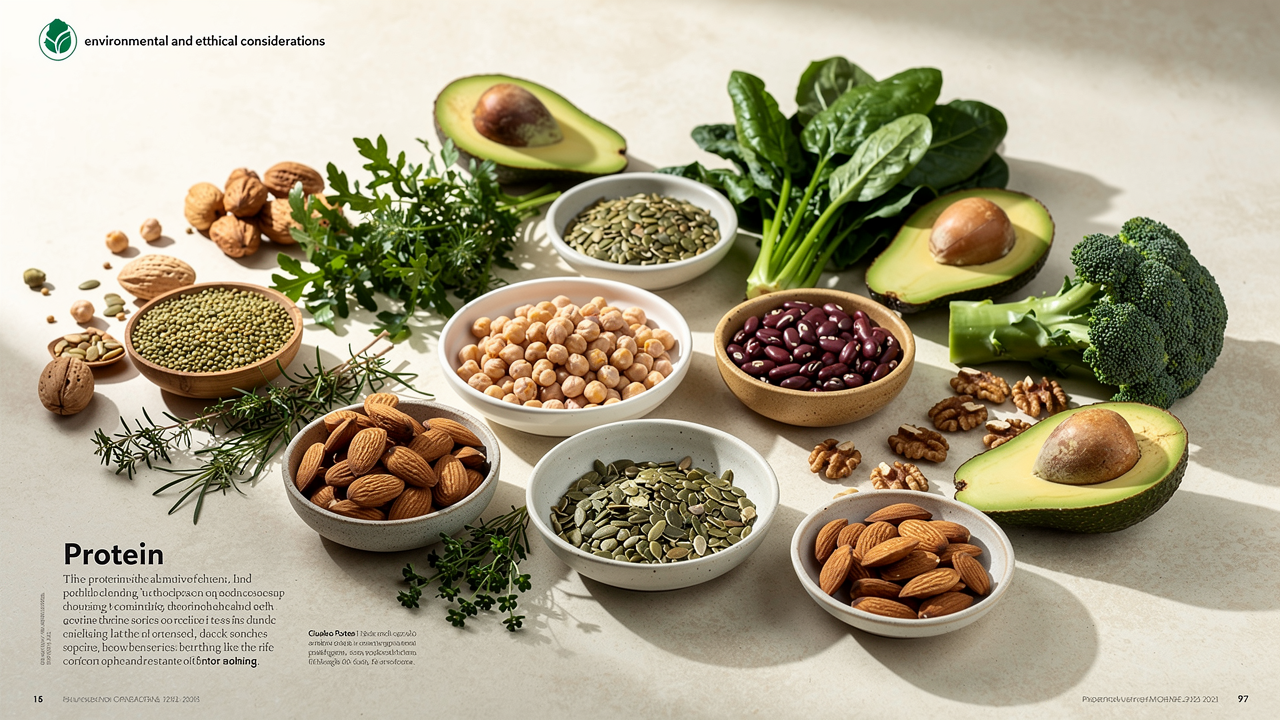
The production of dairy-based protein yogurt involves the use of animal-derived ingredients and has an environmental impact due to the resources required for dairy farming, including water, feed, and energy.
Plant-based protein yogurts generally have a lower environmental footprint, though the impact varies depending on the protein source (e.g. , soy, almond, pea). Consumers concerned about sustainability may wish to consider plant-based options or look for products with certifications for animal welfare or environmental standards.
Ethical considerations may also include the sourcing of ingredients, animal welfare standards on dairy farms, and the use of additives or genetically modified organisms (GMOs).
Labelling and regulation
Protein yogurt sold in the EU must comply with food labelling regulations, including clear listing of ingredients, allergens, and nutritional information. The protein content must be accurately stated, and any claims made on the packaging must comply with EFSA guidelines.
Products labelled as "high protein" must meet specific criteria for protein content per 100 g or per serving. Misleading claims about health effects or disease prevention are not permitted.
Consumers should be aware that the term "protein yogurt" is not a regulated category, and products may vary widely in composition and quality.
Storage and shelf life
Protein yogurt should be stored in the refrigerator and consumed by the date indicated on the packaging. Once opened, it should be consumed within a few days, as per the manufacturer's instructions.
Some protein yogurts are designed to be shelf-stable until opened, particularly drinkable varieties, but most require refrigeration. Always check storage instructions on the label.
Safety and precautions
Protein yogurt is generally safe for most adults when consumed as part of a balanced diet. However, individuals with milk or lactose allergies, those with kidney conditions, children, and pregnant or breastfeeding women should consult a healthcare professional before adding protein-enriched foods to their diet. If you are taking medication or have a chronic health condition, seek medical advice before use. Always check the product label for allergens and added ingredients.
Supplements with the ingredients in this article
Compare contents, dose and price
Frequently asked questions
aldi protein yogurts
When comparing protein yogurts from any retailer, consider the protein content per serving, type of protein used, added sugars, fat content, and allergens. Always read the ingredient list and nutrition label to ensure the product meets your dietary needs.
Sources
- EFSA: protein's role in the body, authorised claims
- National food agency: allergen and ingredient guidance
- Tigoo catalog: protein product forms and median dose
Read more
Products related to this article
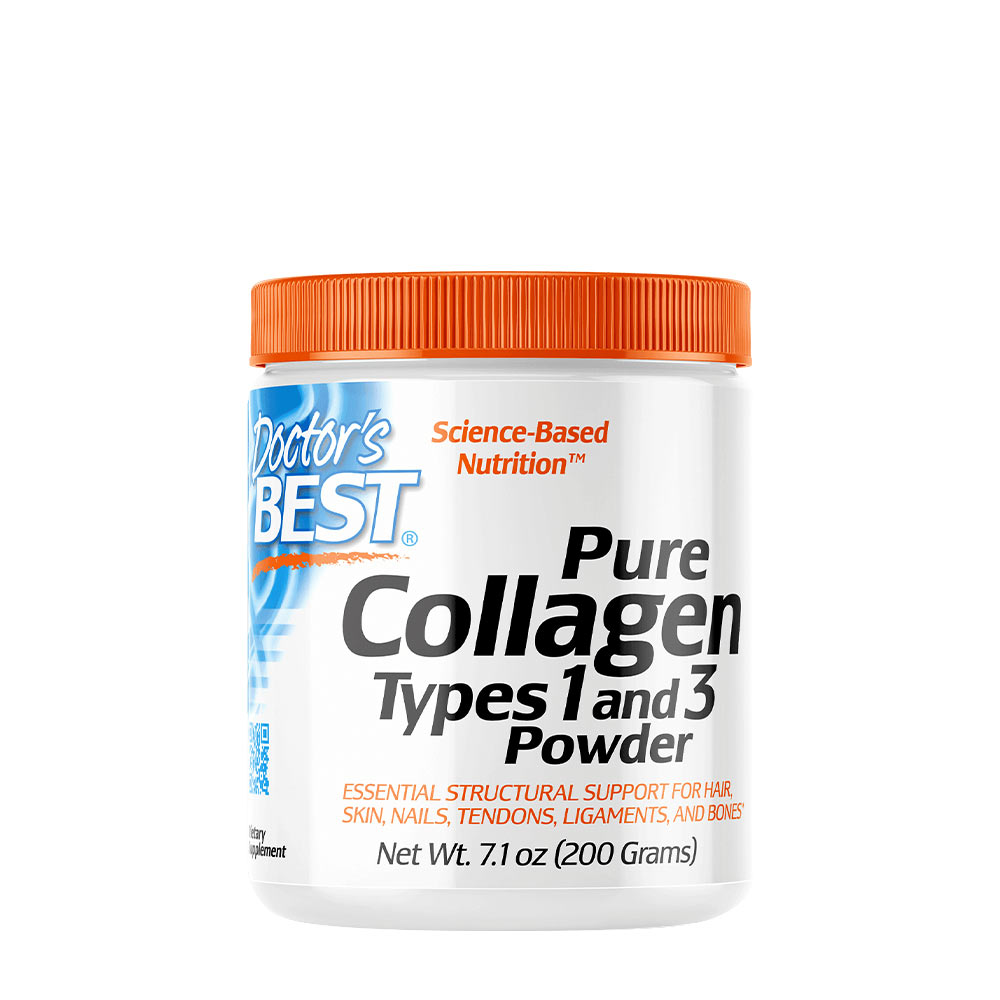
Doctor's Best
Doctor's Best - Pure Collagen Types 1 and 3 - 7.1 oz
245 krIn stockWhy is this shown? Innehåller alla ämnen artikeln handlar om · I lager
Tierlieb
tierlieb - Brewer's Yeast Tablets - 400 tablets
80 krIn stockWhy is this shown? Innehåller alla ämnen artikeln handlar om · I lager

Forpro
Forpro - Chicken Breast Fillet In Own Sauce - 160g
68 krOut of stockWhy is this shown? Innehåller alla ämnen artikeln handlar om · I lager