High Protein Snacks: What Should You Compare?
Short answer
Compare high-protein snacks by protein per 100 g or 100 ml, serving size, energy value and the wider nutrition panel, not by front-of-pack grams alone. In the EU, “source of protein” and “high protein” are legal nutrition claims based on protein’s share of energy.
Quick facts
- In the EU, “source of protein” requires at least 12% of energy from protein.
- In the EU, “high protein” requires at least 20% of energy from protein.
- Start comparisons with protein per 100 g or 100 ml, then check serving size.
- Compare protein alongside energy, sugars, fibre, saturated fat and salt.
- EFSA’s adult protein population reference intake is 0.83 g per kg of body weight per day.
- Average adult protein intakes in Europe are often already at or above the adult reference intake.

What counts as a high-protein snack in the EU?
Use the legal test first: protein as a share of energy
Front-of-pack phrases such as “source of protein” and “high protein” are regulated nutrition claims in the EU, not loose marketing language. Under Regulation (EC) No 1924/2006, a food may claim it is a source of protein only if at least 12% of its energy value comes from protein, and high protein only if at least 20% of its energy value comes from protein.
That threshold tells you whether the claim is allowed; it does not tell you that the snack is automatically a smarter buy. The same Regulation says claims must not be false, ambiguous or misleading, and it describes nutrient profiles as a way to stop claims from masking a product’s wider nutritional status. In the Regulation text, the nutrients to consider include fat, saturated fat, trans-fatty acids, sugars and salt/sodium, alongside protein and fibre. EFSA summarises the same principle on its health claims overview: foods bearing claims are meant to meet nutritional requirements so consumers are not misled about their overall nutritional value.
Why grams per serving are not enough
A large protein number on the front does not settle the comparison, because EU protein claims are based on energy share, not on grams alone under Regulation (EC) No 1924/2006. The Regulation also says comparative nutrition claims must relate to the same quantity of food. In practice, start with protein per 100 g or 100 ml, then check the stated serving size, and read the energy value alongside it. That avoids treating “per serving” as if all servings were comparable.
Do not mix up foods, supplements and replacement products
| Product type | How EU sources describe it | What to compare first |
|---|---|---|
| High-protein food or snack | An ordinary food using a nutrition claim under Regulation (EC) No 1924/2006 | Protein per 100 g or 100 ml, serving size, energy value, and the wider nutrition panel |
| Protein supplement | EFSA defines food supplements as concentrated sources of nutrients or other substances with a nutritional or physiological effect, marketed in dose form such as pills, tablets, capsules or liquids in measured doses | Check the recommended daily portion and the mandatory warning not to exceed the stated recommended daily dose |
| Replacement product | On EFSA’s food supplements page, total diet replacements for weight control are listed under foods for specific groups, showing they are handled separately from ordinary snack foods | Do not compare it as if it were just another yoghurt, bar or shake |
If two products look similar on the shelf, check the category before comparing the numbers. An ordinary snack with a protein claim, a supplement sold in measured doses, and a total diet replacement can all mention protein, but EU rules treat them differently according to EFSA’s food supplements overview.
How much protein should a snack provide?
Use the daily benchmark first
For healthy adults, the European Food Safety Authority sets a protein Average Requirement of 0. 66 g/kg/day and a Population Reference Intake of 0. 83 g/kg/day. EFSA’s adult figure covers older adults too, and EFSA says average adult intakes in Europe are often already at or above that level: 67-114 g/day for men and 59-102 g/day for women. The Nordic Nutrition Recommendations use the same adult reference and advise that protein should usually provide 10-20% of energy intake, with 15% as a planning target.
| Group | Reference point | 70 kg example | What a 10 g snack adds |
|---|---|---|---|
| Sedentary or generally inactive adult | 0. 83 g/kg/day | 58 g/day | About 17% of the day’s target |
| Older adult over 70 | 1. 2-1. 5 g/kg/day | 84-105 g/day | About 10-12% of the day’s target |
| Physically active adult | No separate EFSA PRI in these sources; intakes up to about twice the PRI, around 1. 6 g/kg/day, appeared safe in the data reviewed | Judge the snack against your own full-day plan | A snack only matters if it closes a real gap |
When a snack actually helps
European reference values are daily values, so the most useful comparison is simple: how much of your remaining protein target does this snack cover? If you missed breakfast, have a long gap between meals, or need something convenient after training, compare the snack to the protein you still need that day rather than to a fixed slogan like “30 g”. For a 70 kg adult using EFSA’s PRI, 5 g adds only about 9% of a 58 g day, while 20 g adds about 34%.
Energy restriction changes the calculation. The Nordic recommendations state that when energy intake drops below about 8 MJ/day, roughly 1900 kcal/day, protein’s share of energy should rise so adult reference values can still be met. That makes a protein-containing snack more relevant when appetite is low or total food intake has shrunk.
Older age and sarcopenia concerns: think day totals and eating occasions
If sarcopenia is the reason you are scrutinising protein, the older-age numbers are the key shift. For adults over 70, the Nordic recommendations raise the practical target to 1. 2-1. 5 g/kg/day and about 15-20% of energy, with 18% used for planning. That is why a token “protein snack” can be misleading: a 10 g portion makes a much smaller dent in an 84-105 g daily target than it does in a 58 g target.
Older shoppers may also want to look beyond the headline grams. EFSA notes that its adult PRI applies to mixed dietary protein from both animal and plant sources, and the Nordic recommendations state that combining plant proteins such as legumes and cereals can provide a good indispensable amino-acid distribution. In practice, that means judging a snack as part of the whole day and as one eating occasion that should contribute something meaningful, not just a marketing-friendly number.
A useful protein snack is not “the one with the most grams”; it is the one that fits your total daily target, appetite, and energy intake.
Does protein quality matter more than total grams?
Grams tell you how much; quality tells you what those grams are
EFSA’s adult protein reference intake is 0.83 g per kg of body weight per day, and EFSA says that figure applies to mixed dietary protein from both animal and plant sources, not to one standout ingredient in isolation. EFSA’s protein reference intake summary
That is why total grams and protein quality are not the same comparison. Quality is about the spread of indispensable amino acids that comes with those grams, and Nordic guidance notes that combining plant proteins such as legumes and cereals can provide a good indispensable amino acid distribution, while animal proteins are generally considered high quality. NNR 2023 protein chapter
EFSA also says the available data were insufficient to set protein reference intakes from outcomes such as bone health, body weight or muscle mass, which is a useful reminder that the science used for population targets is broader than one front-of-pack number. EFSA’s protein reference intake summary
What the official references do — and do not — rank
| Protein source on a label | What these references let you conclude |
|---|---|
| Whey | No official quantitative ranking here for leucine, digestibility or absorption speed versus other proteins. EFSA DRVs summary report NNR 2023 protein chapter |
| Casein | No official quantitative ranking here for leucine, digestibility or absorption speed versus other proteins. EFSA DRVs summary report NNR 2023 protein chapter |
| Milk blends | No official quantitative ranking here for leucine, digestibility or absorption speed versus other proteins. EFSA DRVs summary report NNR 2023 protein chapter |
| Soy | No official quantitative ranking here for leucine, digestibility or absorption speed versus other proteins. EFSA DRVs summary report NNR 2023 protein chapter |
| Pea | No official quantitative ranking here for leucine, digestibility or absorption speed versus other proteins. EFSA DRVs summary report NNR 2023 protein chapter |
| Rice | No official quantitative ranking here for leucine, digestibility or absorption speed versus other proteins. EFSA DRVs summary report NNR 2023 protein chapter |
| Mixed plant proteins | No numeric source-by-source league table here, but plant combinations can provide a good indispensable amino acid distribution. NNR 2023 protein chapter |
Leucine, digestibility and speed matter, but the official shopper shortcut is limited
The official sources used here do not give shopper-ready thresholds for leucine, digestibility or fast-versus-slow absorption across whey, casein, soy, pea, rice or mixed foods. EFSA DRVs summary report NNR 2023 protein chapter
EU claims law does, however, require that a claimed nutrient is present in a form that is “available to be used by the body,” which is the regulatory logic behind asking about digestibility and absorption in the first place. Regulation (EC) No 1924/2006
The practical mistake is to compare only protein grams; the better comparison is grams plus source, blend, and what the rest of the meal adds.
If a snack or powder uses a single source, that still does not tell the whole story. EFSA’s benchmark is mixed dietary protein, and Nordic guidance explicitly notes that mixed plant proteins can complement a single source well. EFSA’s protein reference intake summary NNR 2023 protein chapter
Which high-protein snack types compare best?
Compare format before you compare branding
Real-life differences start with format, not flavour. Bars, jerky and roasted pulses are easy to keep in a bag; yogurts and many dairy snacks usually work best when chilled; powders need water or another liquid plus a shaker; eggs, cheese, tofu and edamame usually suit planned snacking better than impulse buying. That makes the most useful first split solid versus drinkable, and chilled versus shelf-stable.
Branded protein products also need to be read as foods first, not as promises. In the EU, “source of protein” and “high protein” are regulated nutrition claims: they depend on how much of a product’s energy comes from protein, not simply on a large front-of-pack gram number. EFSA also explains that foods bearing nutrition or health claims are meant to fit wider nutrient-profile rules so consumers are not misled about overall nutritional value, including factors such as sugars and salt/sodium in the EU claims framework.
Where each snack type tends to win
| Snack type | Usually strongest on | Usually needs more thought on |
|---|---|---|
| Protein bars | Portability, no prep, easy portioning | Whether the protein claim distracts from sugars, fibre or sodium |
| Ready-to-drink shakes | Speed, no mixing, drinkable when chewing is inconvenient | Less of a “snack break” than solid food for some shoppers |
| Protein powders | Flexible serving size and simple ingredient comparison | Need for mixing and the fact that some products are sold as supplements |
| High-protein yogurts or dairy snacks | Familiar food format, chilled convenience | Cold-chain dependence and shorter on-the-go window |
| Jerky or meat snacks | Shelf-stable convenience | Salt/sodium comparison |
| Eggs, cheese, tofu, edamame, roasted pulses | Food-first snacking, simpler pantry or fridge choices, vegetarian and vegan options | Prep, storage and portion planning |
When whole food is the better buy
EFSA notes that the main protein sources in European adult diets are meat and meat products, followed by grains or grain-based products and milk or dairy products in its protein reference intake summary. That matters because a snack does not need to look like a supplement to contribute protein. Eggs, cheese, yogurt, tofu, edamame and roasted legumes may be the better choice when you want a recognisable food, not a measured dose.
For vegetarian and vegan shoppers, the Nordic Nutrition Recommendations note that plant proteins can be combined, for example legumes with cereals, to provide a good indispensable amino acid distribution in the protein chapter. In practice, that makes tofu, edamame and roasted pulses serious alternatives to bars and shakes, not second-tier backups.
One honest limit: the official EU and EFSA sources used here regulate claims, reference intakes and supplement labelling, but they do not publish market-wide per-portion figures for bars, yogurts, jerky, eggs, cheese, tofu or roasted pulses. So the fairest real-world comparison is simple: compare one bar with one bar, one pot with one pot, one bottle with one bottle, and use whole foods when convenience does not need a branded solution.
What should you check on the nutrition label?
Standardise the comparison first
Start by reading two numbers side by side: the protein per stated serving, and the protein per 100 g or 100 ml as your common basis. EU law allows a product to claim it is a “source of protein” only if at least 12% of its energy comes from protein, and “high protein” only if that rises to 20% or more, so the front-of-pack claim is not enough on its own under Regulation (EC) No 1924/2006.
Then read protein next to calories, sugar, fibre, saturated fat and salt, not in isolation. The same Regulation says claims should not mask a food’s overall nutritional status, and names fat, saturated fat, sugars, salt or sodium, protein and fibre among the nutrients relevant to profiles for foods carrying claims in Article 4 and its recitals.
Spot the common serving-size traps
Tiny servings are the easiest way to make a product look leaner than it is. The Regulation says the quantity of food linked to a claim should be a quantity that can reasonably be expected to be consumed in Article 5. If a bar is split into multiple notional servings, or a bottle lists more than one serving even though many people would drink it at once, check the whole pack as well as the serving line.
Use the same rule when a protein bar is sold with dessert-style branding. Comparative claims in the EU must compare foods of the same category and relate to the same quantity of food under Article 9. In practice, that means a 45 g bar, a 330 ml shake and a 200 g yogurt are not fairly compared by headline protein alone.
| Product type | Fair basis for comparison | Label clue to watch |
|---|---|---|
| Snack food | Per 100 g or 100 ml, then per serving | High protein claim but also high sugar, saturated fat or salt |
| Food supplement | Recommended daily portion and total pack | Measured-dose wording and daily-dose warning |
| Meal-sized bottle or large bar | Total pack, calories and protein together | Looks like a snack but delivers much more energy |
Use the ingredient list to decode the claim
The ingredient list tells you what kind of product you are really buying. Check which protein source is being emphasised, and compare like with like rather than assuming all “20 g protein” products are equivalent. Also look for added sugars: EFSA’s carbohydrate opinion defines these as sucrose, fructose, glucose, starch hydrolysates such as glucose syrup and high-fructose syrup, and other isolated sugar preparations added during preparation or manufacturing in EFSA’s DRVs summary report.
Polyols deserve a separate look. EFSA notes that sugar alcohols such as sorbitol, xylitol, mannitol and lactitol are usually not included in the term sugars, but are partly metabolised and included in carbohydrates under European legislation in the same EFSA report. If you avoid particular ingredients such as milk or soy, check the allergen declaration before comparing flavours or formats.
Know whether it is a snack, a supplement or something bigger
A food supplement is not just a snack with sporty branding. EFSA describes food supplements as concentrated sources of nutrients or other substances marketed in dose form, including pills, tablets, capsules and liquids in measured doses on its food supplements page. EU rules for supplements also require the recommended daily portion, a warning not to exceed that dose, and a statement that supplements should not be used as a substitute for a varied diet under Directive 2002/46/EC as summarised by EFSA. If those cues appear, compare it as a supplement; if it is a regular food, compare it as food; and if the pack is closer to a small meal than a snack, judge the whole pack, not just the protein headline.
What can protein snacks actually help with?
A protein-focused headline and a health promise are not the same thing in EU law. EFSA explains that nutrition claims describe a food’s composition, while health claims link a food or ingredient to a specific health benefit. Under Regulation (EC) No 1924/2006, health claims are prohibited unless authorised, and Article 12 also bans claims referring to the rate or amount of weight loss.
Claims about muscle, bone and satiety are a separate legal category
| Pack message | What the official framework says | What it cannot do on its own |
|---|---|---|
| Protein content wording | Composition language is a nutrition-claim issue, not proof of a health effect according to EFSA’s consumer explainer. | It does not automatically authorise muscle, bone, recovery or fat-loss promises under the Regulation. |
| Muscle growth, muscle maintenance, bone maintenance, satiety or weight-control wording | Article 13 covers claims about growth, development and body functions, plus slimming, weight control and satiety in EFSA’s Article 13 overview. EFSA’s consolidated list shows protein claims submitted for “bone health” (ID 416), “muscle maintenance and recovery” (ID 417) and “satiety / weight management” (ID 414) in the protein entries. | Submission is not authorisation: EFSA assesses the science, and the European Commission with Member States decides whether a claim is authorised in EFSA’s health-claims framework. |
What the evidence base supports more clearly
When EFSA set protein reference intakes, it reviewed bone health, body weight, muscle mass and kidney function, but concluded that the available data were insufficient to derive those intake values from those outcomes in EFSA’s protein reference-intake summary. That is why claims about muscle function and physical performance, bone health, and appetite ratings and weight management are handled as separate evidence questions with their own EFSA guidance and dossier requirements, including human efficacy studies and biological plausibility in the health-claim application procedure.
Where the limits are for shoppers
More protein is not automatically better. EFSA says average adult intakes in Europe are often already at or above the protein population reference intake of 0.83 g per kg body weight per day, with survey averages of 67-114 g per day for men and 59-102 g per day for women in its intake summary. EU law also says claims must not encourage excess consumption and must not suggest that a balanced and varied diet cannot provide appropriate quantities of nutrients under Article 3.
A bar, yogurt or shake is still one food within a bigger diet, not a shortcut around those limits. EFSA says no single food or supplement can replace a balanced, varied diet and a healthy lifestyle. It also notes that more than 70% of evaluated health claims have been rejected for lack of scientific evidence, while more than 260 had been approved for EU use by 2023 in Safe2Eat. And the EU framework was designed to stop claims from masking a product’s overall nutritional value, including factors such as energy, fat, sugars and salt/sodium in the Regulation and EFSA’s health-claims overview.
How does Tigoo's protein range compare?
The 2026-09-16 snapshot confirms one concrete catalog fact: Tigoo’s Protein range contained 6 products on that date. No product-level declared fields were available in that snapshot for this comparison, so the table below keeps those cells blank rather than guessing names, formats, serving sizes or nutrition values. That restraint matters because EU rules require claims on foods not to be false, ambiguous or misleading under Regulation (EC) No 1924/2006.
Catalog snapshot table: Tigoo Protein range, 2026-09-16
| # | Product name | Form | Pack count or size | Serving size | Declared protein amount | Sugars | Fibre | Vegan status |
|---|---|---|---|---|---|---|---|---|
| 1 | ||||||||
| 2 | ||||||||
| 3 | ||||||||
| 4 | ||||||||
| 5 | ||||||||
| 6 |
Blank cells mean no declared value was available here for that field. Nothing has been inferred, converted or ranked.
How to use the table when you shop
Start with format, then pack count or size, then serving size, then the declared protein amount. That order helps you compare like with like instead of treating every headline number as equivalent. If sugars, fibre or vegan status are declared on a product page, use those as secondary filters after format and serving size, not as proof that one item is automatically “better”. EFSA’s consumer guidance notes that health and nutrition claims in the EU are regulated so shoppers can rely on clearer, evidence-based labelling rather than marketing alone EFSA’s health claims overview.
What the declared numbers do not prove
Declared protein amounts are label data, not medical dose recommendations. efsa. europa. eu/en/topics/topic/food-supplements">EFSA’s food supplements overview. So even when Tigoo product pages list protein, sugars, fibre or vegan status, those declarations do not by themselves prove efficacy, safety or superiority. Use the table to narrow the shortlist, then read each label carefully before buying.
Who should be careful with protein snacks?
Healthy adults: usually a label-and-portion question
EFSA sets the adult protein population reference intake, including older adults, at 0. 83 g per kg of body weight per day. It also says average adult intakes in Europe are often already at or above that level: 67-114 g/day for men and 59-102 g/day for women. So, at population level, many healthy adults are already meeting protein reference intakes.
Where products are sold as food supplements rather than ordinary foods, EU rules require the label to state the recommended daily portion, warn you not to exceed the stated recommended daily dose, and say supplements should not be used as a substitute for a varied diet. For healthy adults, that labelled portion is the first safety check.
Groups that should ask a clinician or dietitian first
| Group | What the official figures say | Practical reading |
|---|---|---|
| Chronic kidney disease | NIDDK says some adults with CKD may need moderate amounts of protein; its clinical guidance says adequate, not excessive protein is 0. 8 g/kg/day, and that 0. 6 g/kg/day may be used in some patients without diabetes. | Do not use front-of-pack protein claims to set your own target if you have CKD or a prescribed protein restriction. |
| Advanced or severe kidney disease | In MDRD participants with baseline GFR 13-24 mL/min/1. 73 m2, achieved intake of 0. 66 g/kg/day was lower than 0. 73 g/kg/day; the paper suggests 0. 6 g/kg/day when GFR is below 25 mL/min/1. 73 m2. | This is exactly the group that should not add protein snacks casually. |
| Acute kidney injury or renal replacement therapy | Think Kidneys says needs vary by clinical state and treatment, and that patients with AKI needing renal replacement therapy should be referred to a dietitian. In mechanically ventilated AKI patients not on RRT, higher protein intake averaging 1. 6 g/kg/day was linked to harm versus 1. 2 g/kg/day or less. | Kidney injury is a medical-nutrition situation, not a snack-marketing one. |
| Pregnancy, breastfeeding, children and teenagers | EFSA gives extra protein figures of 1 g, 9 g and 28 g/day across pregnancy trimesters and 19 g/day in the first 6 months of lactation and 13 g/day thereafter. For infants, children and adolescents, EFSA gives 0. 83-1. 31 g/kg/day depending on age. | Use life-stage figures, not adult serving sizes or gym-style marketing. |
| Frail older adults | EFSA’s adult PRI includes older adults at 0. 83 g/kg/day. | The sources here do not give protein-snack-specific advice for frailty, so individual assessment matters. |
The official sources cited here do not provide protein-snack-specific gram targets or timing rules for liver disease, inborn errors of amino-acid metabolism, levodopa timing, or bariatric-surgery follow-up. If one of those already shapes your diet, regular use of fortified snacks belongs in your own clinician’s or dietitian’s plan, not in generic shopping advice.
Intolerance, allergy and label traps
A protein claim is not an intolerance label. europa. eu/legal-content/EN/TXT/? qid=1614695280503&uri=CELEX%3A32006R1924">“lactose-free” and “gluten-free” as separate suitability information for specific consumer groups, so “high protein” does not mean lactose-free or gluten-free. The same practical rule applies if you avoid milk proteins or soy: read the ingredient list, because the protein claim alone does not tell you whether those ingredients are present.
Low-sugar wording can also hide a comparison problem. EFSA’s carbohydrate summary notes that sugar alcohols (polyols) are usually not included in the term “sugars” but are included in “carbohydrates” under European legislation. And if your protein snack is processed meat, sodium matters too: NIDDK notes that most processed meats contain large amounts of salt, while the general adult sodium cap is 2,300 mg/day and many people with CKD need less.
Safety and precautions
Many adults already meet protein reference intakes, so read portions and labels carefully rather than assuming more is automatically better. If a product is sold as a food supplement, follow the stated recommended daily portion, do not exceed it, and remember that supplements should not be used as a substitute for a varied diet.
Ask a doctor or dietitian before regular use if you take medication, are pregnant or breastfeeding, are buying for a child or teenager, or have any kidney condition or prescribed protein restriction.
Supplements with the ingredients in this article
Compare contents, dose and price
Frequently asked questions
Is a high-protein snack better before or after a workout?
This article does not set a fixed before-versus-after rule. Its comparison method is to look at protein per 100 g or 100 ml, serving size, energy value and the wider nutrition panel, then judge the snack against your overall daily intake.
Can you eat a protein snack late at night?
The article does not set a cut-off time for eating a protein snack.
How long does a ready-to-drink or mixed protein shake last once opened?
The article does not give an opened-life time for ready-to-drink or mixed protein shakes. It also warns against comparing products by headline protein alone, so opened-life cannot be inferred from the protein number.
Do high-protein snacks need refrigeration?
The article does not give one refrigeration rule for all high-protein snacks. It focuses on comparing products by format and label data, so storage needs have to be judged for each specific product rather than from the word “protein” alone.
Are high-protein snacks useful on rest days?
The article compares snacks against full-day intake rather than against a training schedule. On a rest day, the same test applies: compare the snack’s protein amount, serving size and energy value with the rest of your day.
What are the best no-refrigeration high-protein snacks for travel or work?
The article does not publish a best-list for no-refrigeration travel or work snacks. Its approach is to compare like with like and standardise the label check first: protein per 100 g or 100 ml, serving size, energy value, and sugars, fibre, saturated fat and salt.
Sources
- Regulation - 1924/2006 - EN - EUR-Lex (external link)
- Dietary Reference Values for nutrients Summary report (external link)
- EFSA sets population reference intakes for protein | EFSA (external link)
- NORDIC NUTRITION RECOMMENDATIONS 2023 (external link)
- NORDIC NUTRITION RECOMMENDATIONS 2023 (external link)
- Health claims | EFSA (external link)
- Health claims (art. 13) | EFSA (external link)
- Health claim application procedure | EFSA (external link)
- ID 414: “Protein” and “Satiety / Weight management” .................................................................................................. 432 (external link)
- Health claims | EFSA (external link)
- Food supplements | EFSA (external link)
- *There is currently no evidence to support these protein requirements and values are provided based on the expert opinion of the authors. If protein provision is increased further close monitoring of kidney function, patient condition and nitrogen balance will be required. Please note caution in interpreting this general guidance e.g; patients who require CRRT may not be always catabolic or require ICU admission but may be admitted to ICU for CRRT because IHD may not be available.* (external link)
- Healthy Eating for Adults with Chronic Kidney Disease - NIDDK (external link)
- Slow Progression & Reduce Complications - NIDDK (external link)
- NIDDK Central Repository - Effects of dietary protein restriction on the progression of advanced renal disease in the Modification of Diet in Renal Disease Study. (external link)
Read more
- How Much Protein Is in 1 Egg? Full Guide to Egg Protein Content
- Protein in Diet for Weight Loss: What to Know
- Protein Yogurt: What to Know, How to Compare, and Choosing the Right Option
- Avonmore Protein Milk: What to Know, How to Choose, and Safety Tips
- Low Calorie High Protein Meals: What to Know and How to Choose
Products related to this article
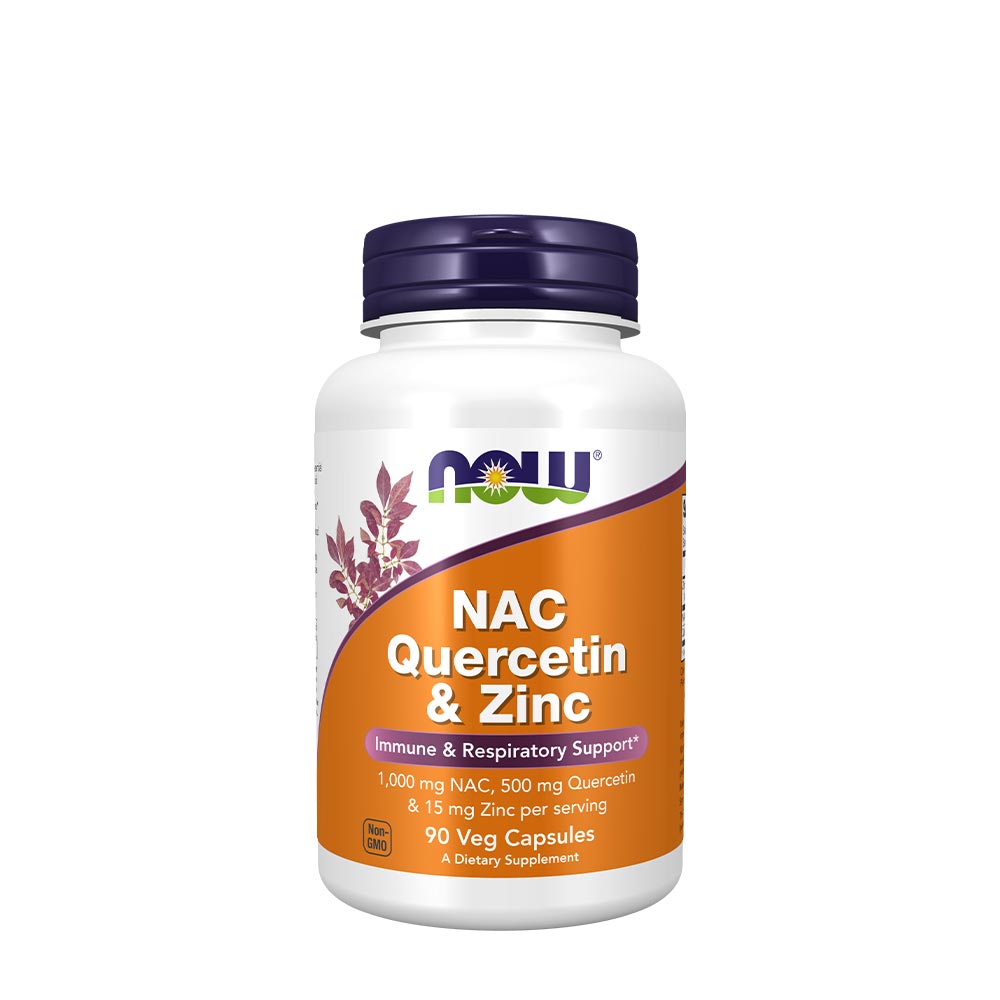
NOW Foods
NOW Foods - NAC Quercetin & Zinc - 90 capsules
381 krIn stockWhy is this shown? Innehåller 1 av 2 ämnen artikeln handlar om · I lager · Betyg 5.0 av 7 kunder
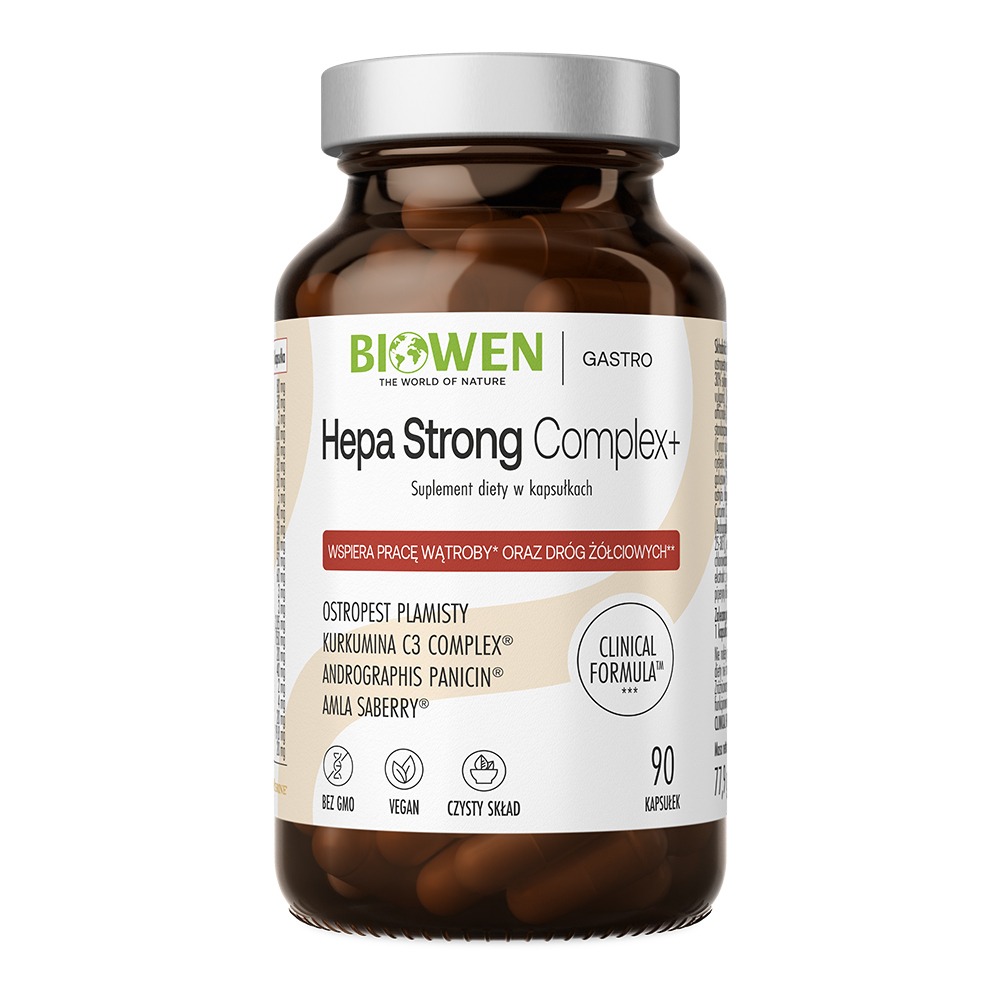
Biowen
Biowen - Hepa Strong Complex+ - 90 Caps
311 krIn stockWhy is this shown? Innehåller 1 av 2 ämnen artikeln handlar om · I lager
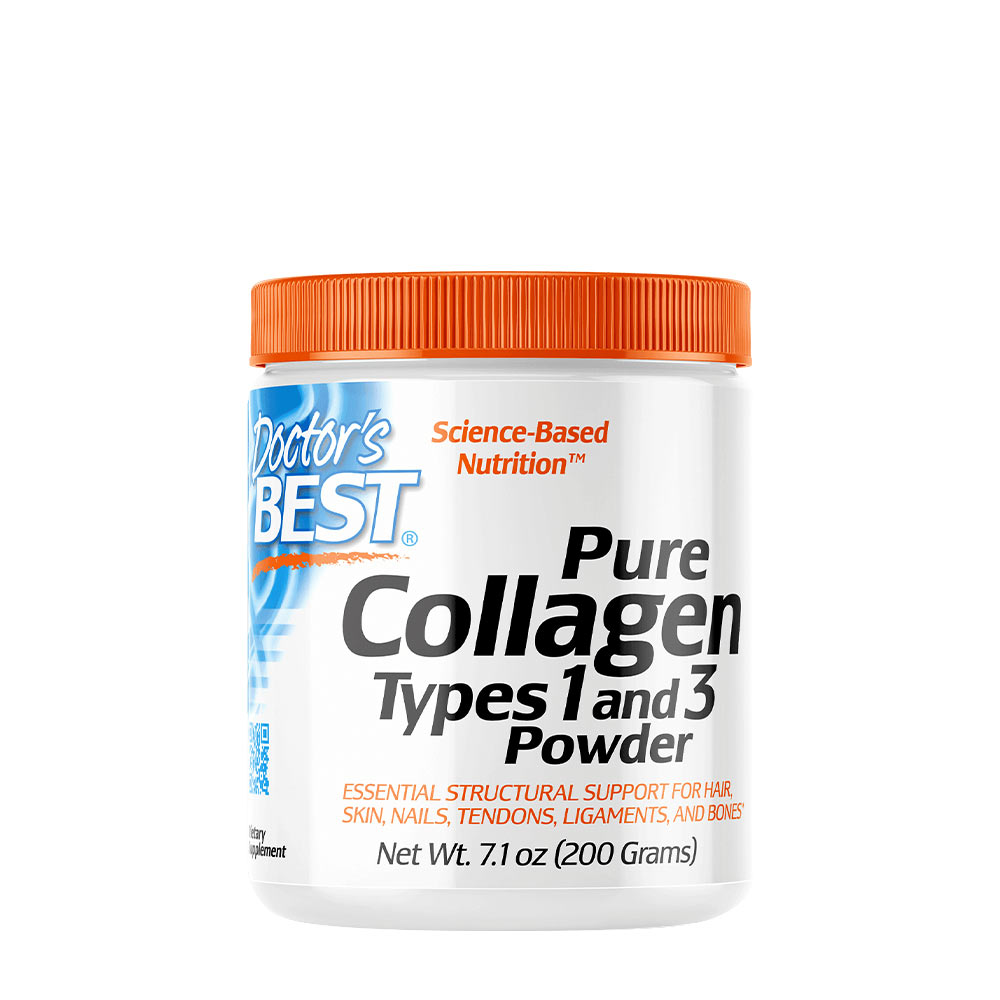
Doctor's Best
Doctor's Best - Pure Collagen Types 1 and 3 - 7.1 oz
245 krIn stockWhy is this shown? Innehåller 1 av 2 ämnen artikeln handlar om · I lager
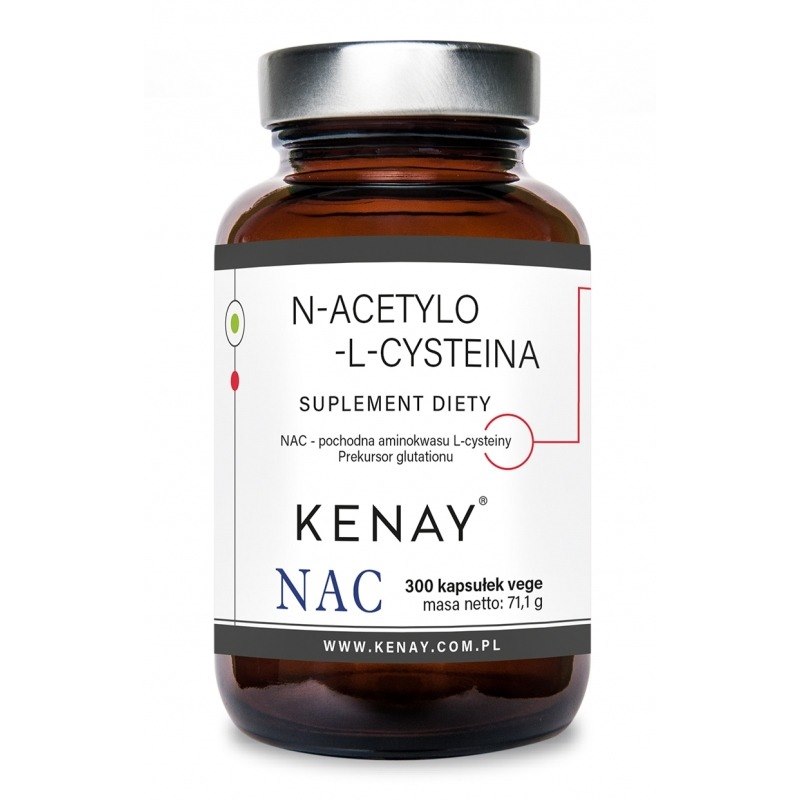
Kenay
Kenay - N-Acetyl-Cysteine - 120 Caps
265 krIn stockWhy is this shown? Innehåller 1 av 2 ämnen artikeln handlar om · I lager
Norsa Pharma
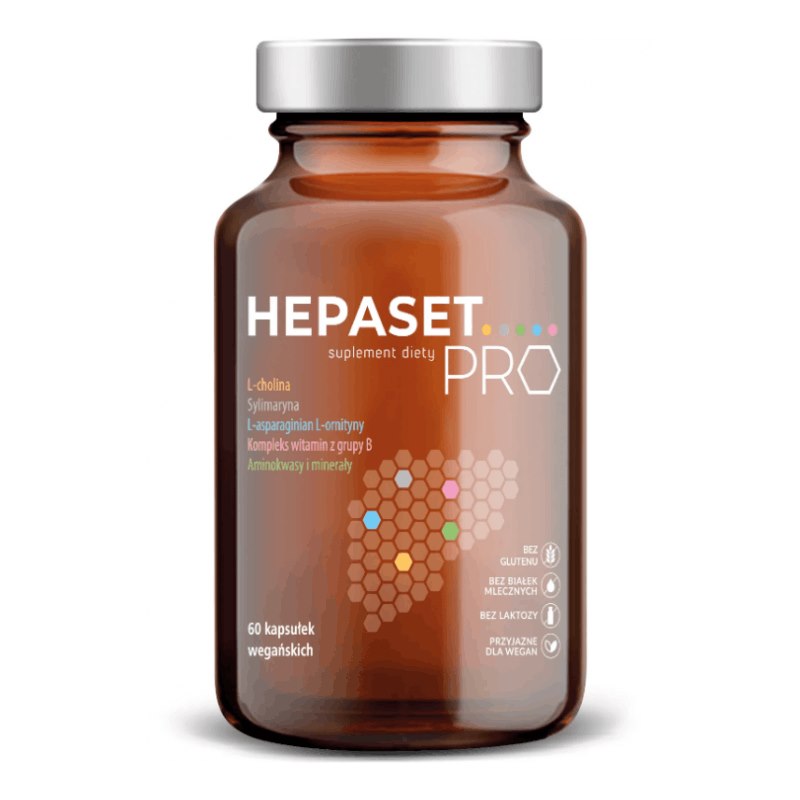
Norsa Pharma - Hepaset Pro (60 Caps)
286 krIn stockWhy is this shown? Innehåller 1 av 2 ämnen artikeln handlar om · I lager