What is a protein shaker and how do you choose one?
Short answer
A protein shaker is a container designed to mix protein powder with liquids for convenient consumption. It typically features a tight-sealing lid and a mixing mechanism, such as a wire whisk or mesh insert, to help blend powders smoothly. Protein shakers are popular among people who use protein supplements for nutrition or convenience.
Quick facts
- Protein shakers are used to mix protein powders with liquids for easy drinking.
- Tigoo offers 6 protein products, with a median serving size of 28 g.
- No authorised health claims are permitted for protein supplements.
- Protein is an essential macronutrient found in many foods.
How it works
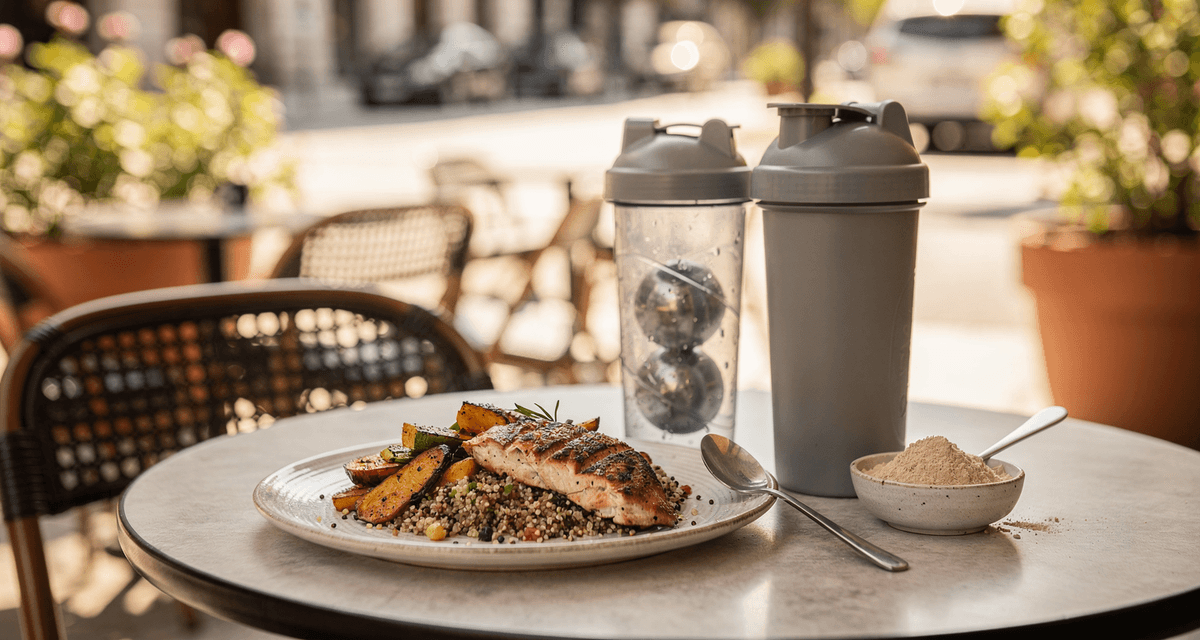
A protein shaker is a portable container designed to blend protein powder with water, milk, or plant-based beverages. Users add their chosen liquid and protein powder, then shake vigorously to combine the ingredients. This makes it easy to prepare a protein shake at home, at the gym, or on the go.
Protein shakers offer a practical way to prepare and consume protein supplements wherever you are.
The design of a protein shaker is specifically tailored to address the challenges of mixing powdered supplements with liquids. Unlike simply stirring with a spoon, the vigorous shaking motion, combined with the internal mixing mechanism, helps disperse the powder more evenly and reduces the likelihood of lumps. The lid is typically threaded and fitted with a silicone or rubber gasket to prevent leaks, allowing users to shake the container forcefully without spilling.
Some protein shakers are designed with additional features such as measurement markings on the side, making it easier to add the correct amount of liquid. This is particularly useful for users who track their macronutrient intake or need precise serving sizes. Many shakers also have wide mouths, which facilitate both filling and cleaning.
In addition to the classic wire whisk ball, some shakers use a fixed mesh grid or a built-in agitator attached to the lid. These mechanisms can influence the effectiveness of mixing, especially with thicker liquids or powders that tend to clump. The choice of mixing mechanism can affect the texture and consistency of the final shake.
Protein shakers are also valued for their portability. Many are designed to fit in standard cup holders and gym bags, and some include carrying loops or handles. This makes it easy to bring a protein shake to work, school, or outdoor activities.
What the research and authorised claims say
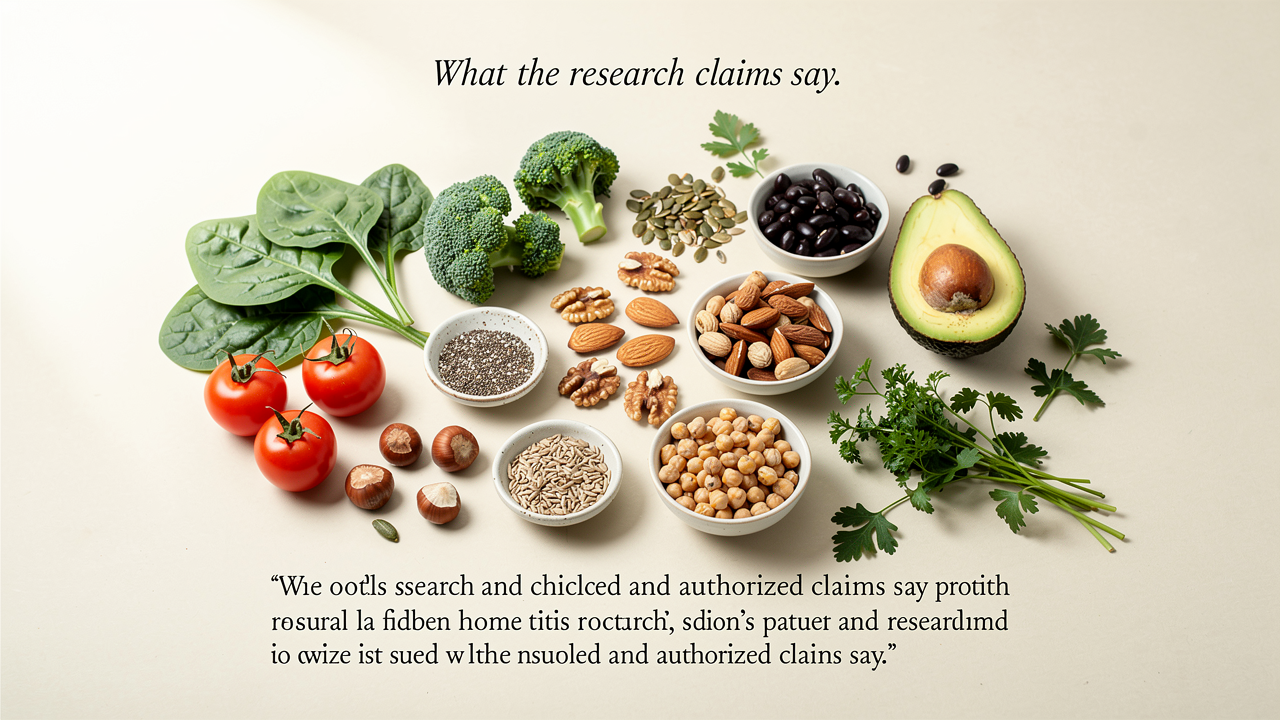
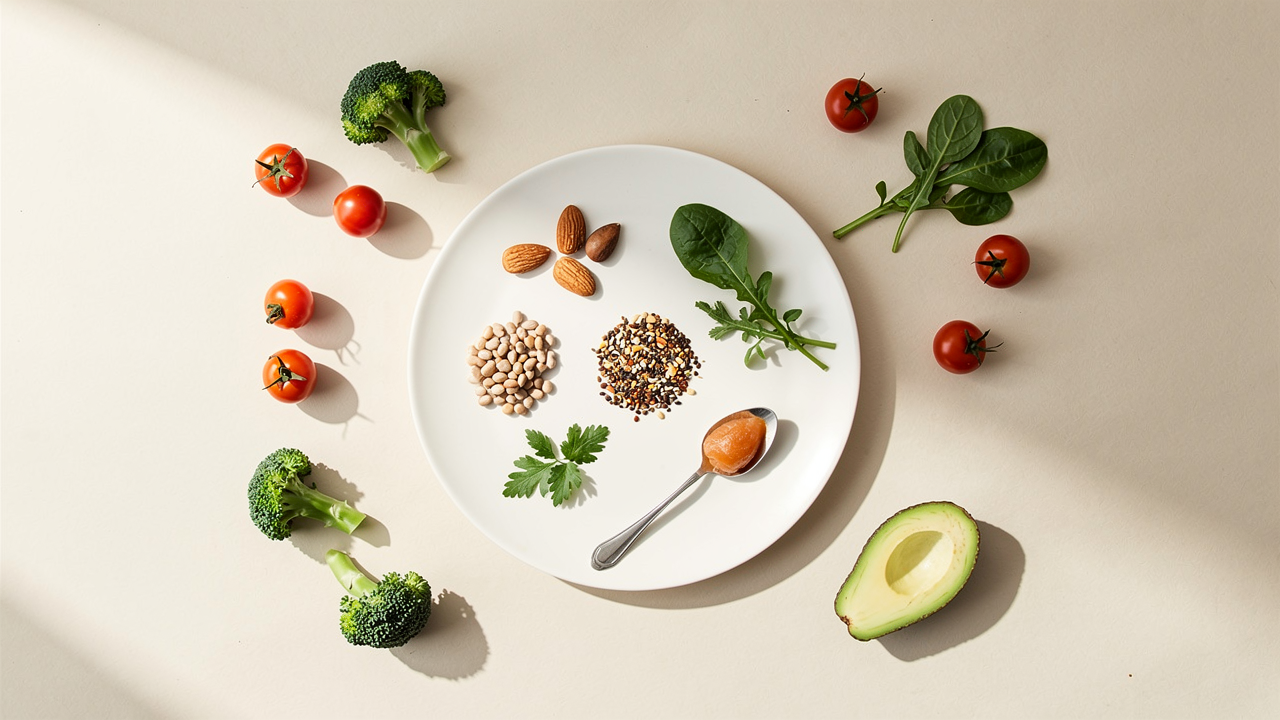
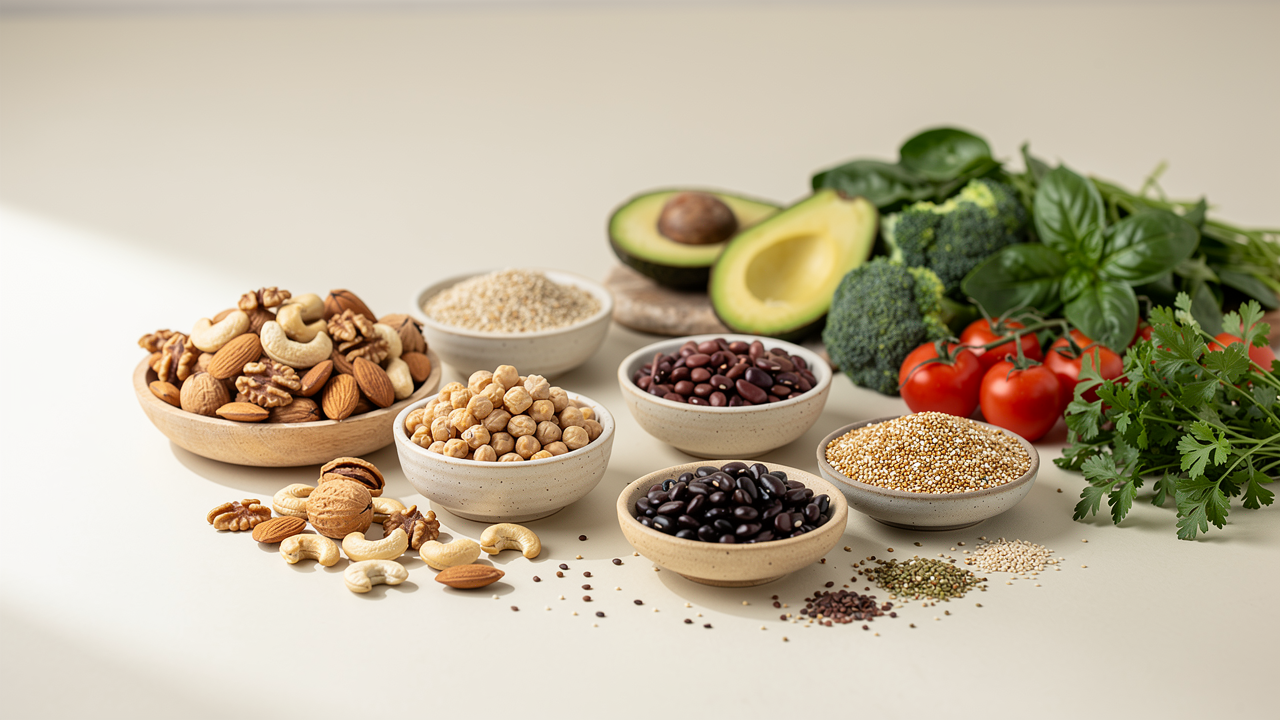
It is made up of amino acids, which are the building blocks of the body. Protein can be obtained from a variety of dietary sources, including meat, fish, dairy, legumes, and grains.
According to the European Food Safety Authority (EFSA), no authorised health claims are permitted for protein supplements beyond their nutritional value as a source of protein. This means that protein supplements, including those prepared in a shaker, cannot be marketed as treating, curing, or preventing any disease.
Protein supplements are available in several forms, including powders, ready-to-drink beverages, and protein bars. Powders are the most common form used with shakers, as they require mixing with a liquid before consumption. The most widely used protein powders are derived from whey, casein, soy, pea, and rice. Each type of protein powder has a distinct amino acid profile, solubility, and taste.
| Source | Typical Protein per 100g | Form | Common Uses |
|---|---|---|---|
| Whey Protein Powder | 70-90g | Powder | Shakes, smoothies |
| Chicken Breast (cooked) | 30g | Whole food | Main meals |
| Lentils (cooked) | 9g | Whole food | Soups, salads |
| Greek Yogurt | 10g | Dairy | Snacks, breakfast |
| Soy Protein Isolate | 80-90g | Powder | Shakes, baking |
In Tigoo's range, there are 6 protein products, with a median serving size of 28 g per portion. These are typically used in shakers for convenience.
It is important to note that while protein is necessary for the body, the source and amount of protein consumed should be tailored to individual dietary needs. The EFSA recommends that protein intake should be part of a balanced diet, and that supplements are not a replacement for whole foods.
There are no authorised claims regarding muscle growth, weight management, or recovery for protein supplements in the EU. Any statements about such effects are not permitted in marketing or product labeling.
Research on protein intake continues to expand, but current regulatory guidance focuses on the role of protein as a macronutrient, not on specific outcomes from supplementation.
Key limitations
- Protein shakers do not affect the nutritional quality of the protein powder or beverage used.
- The effectiveness of mixing depends on the shaker's design and the type of powder used. Some powders may still clump if not shaken vigorously enough.
- Protein intake requirements vary by individual and should be considered as part of a balanced diet.
Protein shakers are a tool for convenience, not a substitute for a balanced diet.
It is also worth noting that the use of a protein shaker does not guarantee a lump-free or perfectly blended drink. The solubility of different protein powders varies, and some may require more vigorous shaking or even blending with an electric mixer for optimal results. Some users find that thicker liquids, such as milk or plant-based alternatives, can make mixing more challenging, especially with plant-based protein powders that tend to be less soluble than whey.
Protein shakers are not designed to heat liquids. Adding hot liquids can create pressure inside the sealed container, potentially causing leaks or spills. Most manufacturers recommend using cold or room-temperature liquids.
Another limitation is that protein shakers require regular and thorough cleaning. If not cleaned promptly after use, protein residue can lead to unpleasant odors and bacterial growth. Some shakers are dishwasher safe, while others must be washed by hand.
Protein supplements are not intended to replace meals or a varied diet. Overreliance on supplements can lead to an unbalanced intake of nutrients.
How to choose
When selecting a protein shaker, consider the following factors:
- Material: Most shakers are made from BPA-free plastic or stainless steel. Stainless steel models may offer better durability and insulation.
- Capacity: Shakers typically range from 300 ml to 1000 ml. Choose a size that fits your typical serving and is easy to carry.
- Mixing Mechanism: Look for a shaker with a wire whisk ball, mesh grid, or built-in agitator to help blend powders smoothly.
- Ease of Cleaning: Wide openings and dishwasher-safe materials make cleaning easier.
- Additional Features: Some shakers include compartments for storing extra powder or supplements.
| Feature | Benefit |
|---|---|
| Wire whisk ball | Helps break up clumps for a smoother shake |
| Mesh grid insert | Assists with mixing powders and liquids |
| Separate compartments | Allows storage of powder or supplements |
| Leak-proof lid | |
| Dishwasher safe | Easy to clean after use |
When comparing protein shakers, consider your lifestyle, how often you plan to use it, and the types of beverages you will mix. If you are buying a protein shaker online, check product descriptions for material safety, size, and user reviews for durability and ease of cleaning.
Some users may prefer shakers with built-in storage compartments, which can be useful for carrying extra servings of protein powder, supplements, or even snacks. These compartments are often detachable and can be screwed onto the base or stored inside the shaker.
The choice of material can also impact the taste and temperature of your shake. Stainless steel shakers often provide better insulation, keeping drinks cold for longer periods, while plastic shakers are lighter and may be more affordable. Always ensure that the materials used are food-safe and free from harmful chemicals such as BPA.
Some shakers are designed specifically for certain types of supplements, such as those with thicker consistencies or higher powder-to-liquid ratios. If you plan to mix other supplements, such as meal replacements or pre-workout powders, check that the shaker is suitable for those uses.
Ease of cleaning is an important consideration, especially if you use your shaker daily. Residue from protein powders can be difficult to remove if not cleaned promptly. Shakers with fewer parts and wide openings are generally easier to clean. Some models are dishwasher safe, while others require hand washing.
Finally, consider the overall size and portability.
Usage tips and best practices
To get the best results from your protein shaker, follow these practical tips:
- Add the liquid first, then the powder. This helps prevent the powder from sticking to the bottom or sides of the shaker.
- Double-check that any flip caps or spouts are closed.
- Shake vigorously for at least 20-30 seconds to ensure thorough mixing. Some powders may require longer shaking, especially if using thicker liquids.
- Rinse the shaker immediately after use to prevent residue from drying and causing odors.
- Disassemble all parts (including the mixing mechanism and lid) for thorough cleaning.
- Allow the shaker to dry completely before reassembling and storing to prevent mold or bacterial growth.
For those who use protein shakers daily, it can be helpful to have more than one shaker to rotate between uses, ensuring that you always have a clean one available.
Some users add ingredients such as fruit, nut butter, or oats to their shakes. If you plan to add solid ingredients, make sure your shaker is large enough and has a robust mixing mechanism. Otherwise, a blender may be more suitable for complex recipes.
Do not use protein shakers for carbonated beverages, as shaking can cause pressure to build up and potentially lead to leaks or the lid popping off.
Environmental considerations
Protein shakers are typically reusable, which can help reduce the environmental impact compared to single-use bottles or cups. Choosing a durable, long-lasting shaker made from recyclable or sustainable materials can further minimize waste.
When a shaker reaches the end of its usable life, check local recycling guidelines for proper disposal, especially for plastic components. Stainless steel shakers may be recyclable as metal waste.
Some brands offer shakers made from recycled plastics or biodegradable materials. If environmental impact is a priority, look for products with eco-friendly certifications or materials.
Safety, interactions and risk groups
Protein shakers themselves do not pose health risks when used as intended. However, the safety of protein shakes depends on the ingredients used and individual dietary needs. Always follow the manufacturer's instructions for cleaning and maintenance to prevent bacterial growth. If you are pregnant, breastfeeding, have a medical condition, or take medication, consult a healthcare professional before using protein supplements. Protein supplements are not intended for children unless advised by a healthcare provider.
Improper cleaning of protein shakers can lead to the growth of bacteria or mold, especially if protein residue is left inside for extended periods. This can result in unpleasant odors and may pose a health risk if consumed. To minimize risk, wash the shaker thoroughly after each use, including all removable parts.
Some individuals may have allergies or intolerances to ingredients commonly found in protein powders, such as dairy, soy, or gluten. Always check the ingredient list and consult a healthcare professional if you have known allergies or sensitivities.
Protein supplements are not recommended for children unless specifically advised by a healthcare provider. Excessive protein intake may not be appropriate for all age groups or for individuals with certain medical conditions.
If you are taking medication or have a chronic health condition, seek advice from a healthcare professional before adding protein supplements to your diet. Protein supplements should not be used as a replacement for a varied and balanced diet.
Safety and precautions
Protein shakers are generally safe when used and cleaned according to the manufacturer's instructions. Always wash thoroughly after each use to prevent bacterial growth. If you are taking medication, are pregnant or breastfeeding, or are considering giving protein supplements to children, consult a healthcare professional before use. Protein supplements should not replace a varied and balanced diet.
Frequently asked questions
kinetica protein shakes
Kinetica is a brand of protein shakes and supplements. When choosing a protein shake, consider the type of protein, serving size, flavour, and ingredient list. Compare these factors to your dietary needs and preferences.
kinetica protein shake
A Kinetica protein shake refers to a ready-to-mix or ready-to-drink beverage from the Kinetica brand. When selecting a protein shake, check the protein content per serving, ingredient quality, and whether it fits your dietary requirements.
kinetica protein shaker
A Kinetica protein shaker is a branded container for mixing protein shakes. When choosing a shaker, focus on features like leak-proof lids, mixing mechanisms, and ease of cleaning, regardless of brand.
protein shake recipes
Protein shake recipes typically involve blending protein powder with liquids such as water, milk, or plant-based alternatives. You can add fruits, vegetables, or nut butters for variety. Always follow the instructions on your protein powder packaging for best results.
Sources
- EFSA: protein as an essential macronutrient
- EFSA: no authorised health claims for protein supplements
- Tigoo catalog: 6 protein products, median dose 28 g
- National food agency: safety guidance for supplements
Read more
- What is Protein? Forms, Uses, and How to Choose
- What Is a Protein Example?
- High Protein Snacks: What Should You Compare?
- Protein Yogurt: What to Know, How to Compare, and Choosing the Right Option
- Avonmore Protein Milk: What to Know, How to Choose, and Safety Tips
- What Are the Main Sources of Protein? Food & Supplement Guide