Protein powder: What to know, types, and how to choose
Short answer
Protein powder is a concentrated supplement meant to complement a normal diet, not replace meals. The best choice depends on your diet, your protein target, and whether you want whey, casein, or a plant-based option.
Quick facts
- Protein powder is a dry supplement you mix into drinks or food.
- Ready-to-drink shakes are pre-mixed and need no mixing.
- EFSA’s protein PRI for healthy adults is 0.83 g per kg of body weight per day.
- UCLH says an average serving provides about 100–120 kcal and 15–20 g protein.
- Whey isolate is described in the FDA notice as 89.5% protein or more on a dry basis.
- Protein powder should supplement meals, not replace them.
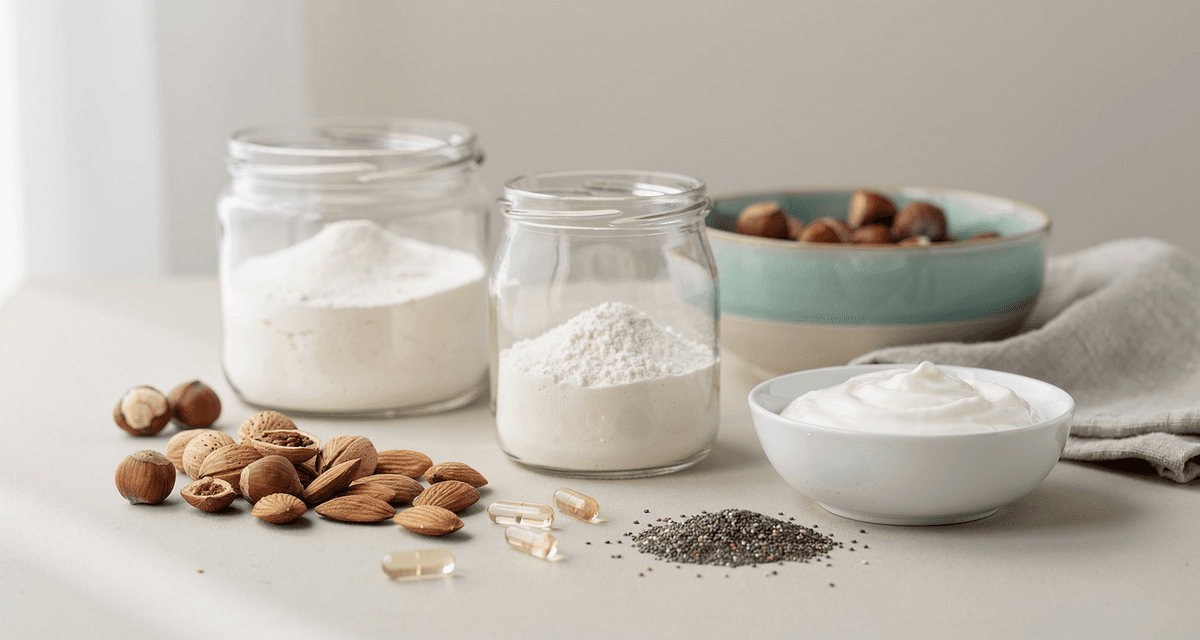
What is protein powder, and who needs it?
EFSA defines a food supplement as a concentrated source of nutrients or other substances, including powders, meant to complement a normal diet rather than replace it EFSA glossary. The FDA likewise describes dietary supplements as products that come in forms such as powders and drinks, and its teaching material says protein supplements are typically made of whey or casein FDA dietary supplements overview.
Powder versus ready-to-drink shake
| Format | How it is sold | Practical use |
|---|---|---|
| Protein powder | A dry supplement you mix into a drink or food | Useful when you want a protein add-in you can stir into smoothies, milkshakes, soups, or sauces UCLH plant-based diet guide |
| Ready-to-drink shake | A prepared drink | Chosen when you want protein in beverage form without mixing FDA dietary supplements overview |
NIH ODS also lists powders, drinks, bars, tablets, capsules, and gummies as common supplement forms NIH ODS consumer fact sheet.
What shoppers usually see on the label
On protein shelves, the clearest categories backed by the retrieved sources are whey and casein, both named by FDA as common protein-supplement ingredients FDA dietary supplements overview. The sources here do not provide a reliable side-by-side comparison of concentrate, isolate, and hydrolysate, so the safest way to compare products is to check the ingredient list and the protein per serving rather than assume one label term is automatically better.
Why people buy it
FDA says most people get enough protein from a balanced diet, but protein supplements can help when intake is insufficient FDA consumer update. NIH ODS says protein powders can help people meet protein needs when food alone falls short, and can be useful as a quick snack or after exercise NIH ODS FAQ. UCLH also notes that protein powders can fortify foods and drinks and should supplement meals, not replace them UCLH plant-based diet guide.
If your protein needs are already covered by food, protein powder is optional, not essential.
That is the most useful first question before buying: do you need a convenient protein add-in, or would ordinary meals already cover the target you are aiming for?
How much protein do you need from food and powder?
Start with your daily target
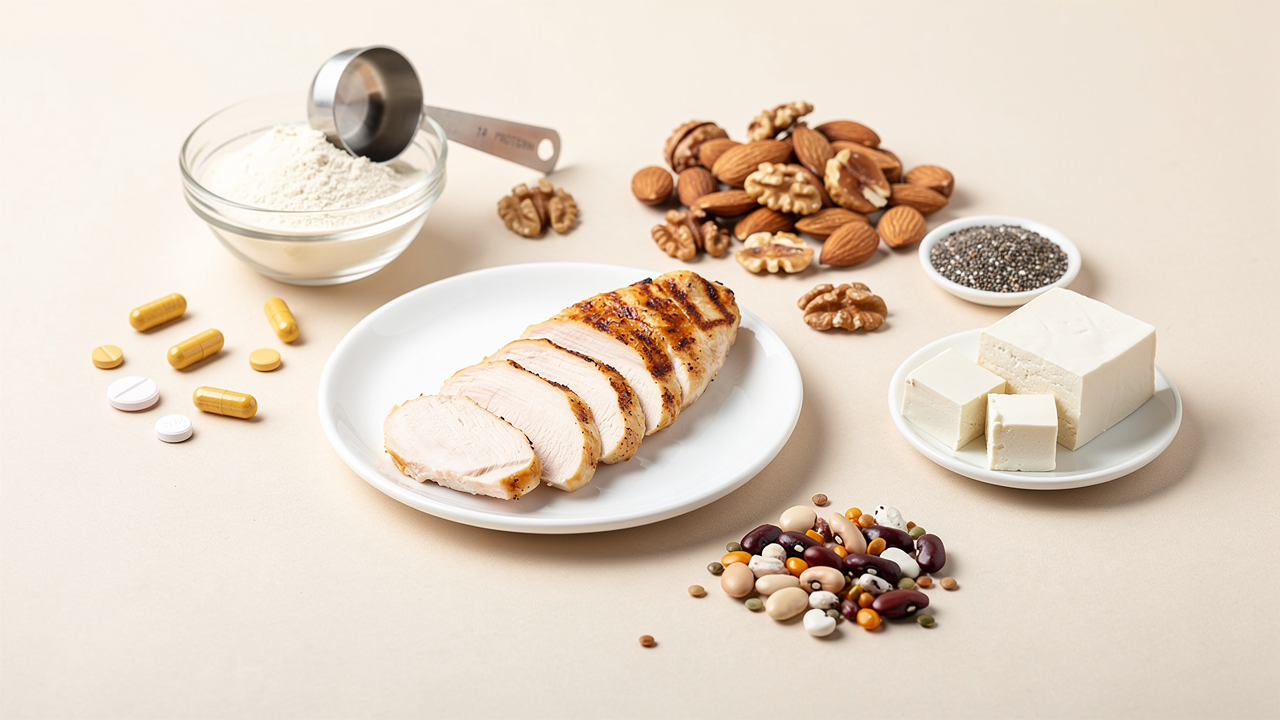
EFSA’s Dietary Reference Values summary report sets the Population Reference Intake for healthy adults at 0.83 g of protein per kilogram of body weight per day, with an average requirement of about 0.66 g/kg/day. EFSA’s protein consultation says older adults have the same per-kilogram requirement as younger adults. For a 70 kg adult, that PRI is about 58 g a day.
| Group | Reference intake | Practical read-out |
|---|---|---|
| Healthy adults | 0.83 g/kg/day | Use meals as the main source, then check whether the day’s total is on target. |
| Older adults | Same per-kilo need as younger adults | No separate higher allowance is given in the EFSA reference values. |
| Physically active adults | 1.2 to 2.0 g/kg/day | The NIH ODS says athletes may need more than the adult PRI. |
For physically active adults, the NIH Office of Dietary Supplements says athletes may need about 1.2 to 2.0 g/kg/day, and the AND/ACSM timing guidance is about 0.3 g/kg of high-quality protein every 3 to 5 hours, including after exercise. NIH ODS exercise and athletic performance fact sheet
Spread protein across the day
The guidance here is built around repeated servings across the day, not one isolated shake: ODS points to protein every 3 to 5 hours, while UCLH advises smaller, more frequent meals and snacks every 2 to 3 hours when appetite is poor. UCLH nourishing plant-based diet guidance
Think in totals and timing: count what you get from meals first, then use powder only to close the gap.
That approach is especially relevant when you are struggling to eat enough during illness or treatment: UCLH says to choose foods high in calories and protein, and notes that protein powders can be used to fortify foods and drinks. UCLH nourishing plant-based diet guidance
Compare food portions before reaching for powder
UCLH gives straightforward food examples that show how quickly protein adds up: a serving of granola with soya milk provides 13.5 g, a plain bagel with 100 g crumbled firm tofu and vegan mayo provides 17.5 g, two slices of white bread with peanut butter and jam provide 9 g, and a plant-based burger in a bun provides 12.5 g. UCLH nourishing plant-based diet guidance
| Example serving | Approx. protein |
|---|---|
| Granola with soya milk | 13.5 g |
| Bagel with tofu and vegan mayo | 17.5 g |
| Two slices of white bread with peanut butter and jam | 9 g |
| Plant-based burger in a bun | 12.5 g |
UCLH says an average serving of protein powder provides 100–120 kcal and 15–20 g protein, but also says powders do not include all nutrients needed for a balanced diet and should supplement, not replace, meals. EFSA’s consumer guidance similarly says food supplements can round out a diet, but should not replace it. UCLH nourishing plant-based diet guidance EFSA Food and your health
Whey protein powder: concentrate, isolate, or hydrolysate?
What the label is actually telling you
Whey is a milk protein ingredient, and NIH ODS lists whey and casein as common proteins used in supplements. EFSA’s protein guidance also frames protein quality around digestibility and indispensable amino acid composition, rather than the name on the front of the tub. NIH ODS: Dietary Supplements for Exercise and Athletic Performance EFSA Dietary Reference Values for protein
The clearest hard numbers in the supplied evidence come from FDA GRAS Notice 633 for native whey ingredients: native whey protein concentrate is described as 79.5% protein or more on a dry basis, while native whey protein isolate is described as 89.5% protein or more on a dry basis. That is the most concrete way to read the concentrate-versus-isolate difference: isolate is the more protein-dense powder in the FDA notice. FDA GRAS Notice 633: Whey protein
| Form | What the supplied evidence supports | Practical read |
|---|---|---|
| Hydrolysate | EFSA says protein-hydrolysate formulas contain protein that has been partially broken down to different degrees, and each hydrolysate needs its own evaluation for safety and suitability in that infant-formula context. EFSA: New guidance on infant and follow-on formula from protein hydrolysates | More processed by definition, but the supplied sources do not give a universal whey-hydrolysate protein percentage. |
Why some buyers choose whey isolate protein powder
FDA GRAS Notice 633: Whey protein
On absorption, the evidence is limited. A small crossover study in 8 healthy adults found that intact whey protein isolate forms produced faster rises in plasma leucine and branched-chain amino acids between 45 and 120 minutes than hydrolysed whey protein isolate. That points to a possible difference in amino-acid appearance, but the sample was tiny, so it is not a general rule for every product or every person. PubMed: Plasma amino acid response after ingestion of different whey protein fractions
How the forms behave in shakes, porridge, and baking
The supplied sources do not give a universal ranking for taste, sweetness, mixability, or baking performance across concentrate, isolate, and hydrolysate. The most reliable comparison is the label itself: protein per serving, ingredient list, and how the powder performs in the food you actually plan to make. FDA GRAS Notice 633: Whey protein EFSA hydrolysate guidance
Best evidence-backed shortcut: compare protein density first, then judge taste and texture in the recipe you will actually use.
Vegan protein powder: which plant proteins work best?
Vegan and vegetarian are not the same buying rule
Vegan protein powder has to fit a diet that avoids animal-derived foods, including eggs and dairy, while plant-based diets still need to be planned so they include a variety of nutrients. EFSA says food supplements are meant to complement a normal diet, not replace it, and UCLH says vegan protein powder can be used to fortify foods and drinks but should supplement the diet rather than stand in for meals. UCLH plant-based diet guidance EFSA on food supplements
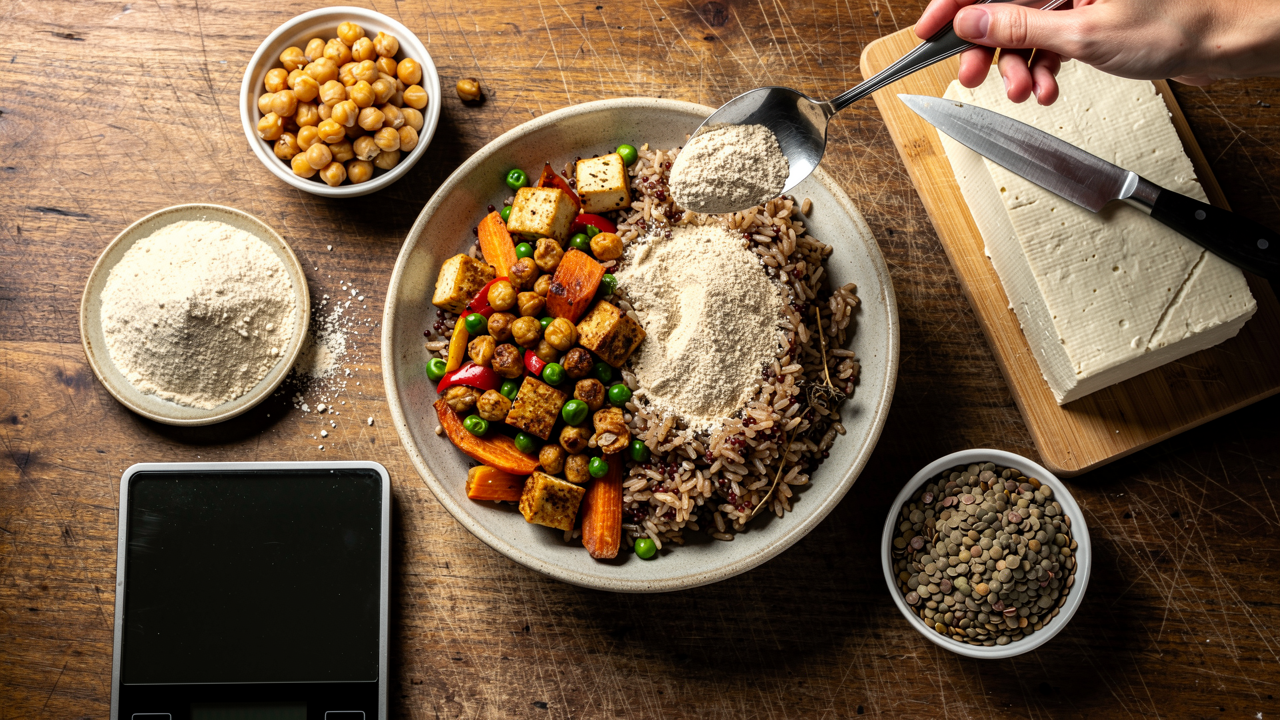
If you eat vegetarian rather than vegan, the same plant-only powders can still fit your pattern; the key check is whether the ingredient list matches your own rules on animal-derived ingredients. UCLH notes that a vegan serving averages 100–120 kcal and 15–20 g of protein, which makes portion size and use in real meals part of the buying decision. UCLH plant-based diet guidance
Choose a powder that fits your diet rules and still leaves room for meals, because supplements are meant to add to the diet, not replace it. EFSA on food supplements
Which plant proteins show up most often?
The systematic review evidence in plant-based eaters repeatedly points to grains, nuts and seeds, soy, beans, peas and lentils as the main plant protein sources, and another review found that protein intake in vegetarian and vegan diets can still fall within recommended limits when the diet is planned well. That is why the safest answer is not a single “best” plant, but a powder built from one or more sources you can use consistently. Systematic review of protein adequacy in plant-based diets Systematic review of adults consuming plant-based diets
| Plant source | What the retrieved evidence supports | Practical takeaway |
|---|---|---|
| Soy | Named among the main plant protein sources in plant-based diets. | A straightforward option if you tolerate soy and want a familiar base. |
| Pea, beans, lentils | Named in the systematic review and in UCLH plant-protein food lists. | Useful when you want a legume-based powder or a legume-heavy blend. |
| Hemp, nuts and seeds | Nuts and seeds were common source groups, but the retrieved evidence does not rank hemp specifically. | Reasonable to consider, but not proven better here than the other plant options. |
| Blended formulas | Practical when you want more than one plant source in a single powder. |
Why blends can make sense
UCLH says diets based mostly on plant foods should be planned to include a variety of nutrients, and the review literature shows that different plant protein sources are commonly used across vegan and vegetarian patterns. The exact benefit of one blend over another is not established in the retrieved sources, so the label matters more than the front-of-pack promise. UCLH plant-based diet guidance EFSA consultation on protein
What to expect on taste and on the label
The retrieved sources do not provide a source-backed comparison of flavour, grittiness, or mouthfeel across soy, pea, rice, hemp, fava bean, or blended powders. So taste should be treated as a product-by-product decision rather than something you can infer from the ingredient name alone.
For the label, check whether the powder is suitable for your diet, whether allergens are listed, and how much protein and energy a serving provides. If you want a powder you can use every day, that UCLH serving size of 100–120 kcal and 15–20 g protein is a useful reality check: it tells you whether the powder fits into smoothies, breakfasts, or snacks without taking over the rest of the diet. UCLH plant-based diet guidance
What does the research and authorised claims say?
What a protein label is allowed to say
In the EU, a health claim on a label, advert or other marketing material must be authorised after EFSA scientific assessment and EU approval. EFSA separates nutrition claims, which describe composition, from health claims, which link a food or ingredient to a specific benefit. EFSA on health claims EFSA health claims topic
| Claim type | What it means | What to check |
|---|---|---|
| Nutrition claim | Describes what the product contains | The exact wording on the pack |
| Health claim | Links the food to a specific benefit | Whether the wording is authorised in the EU |
| Protein-related wording | Only the exact authorised wording and conditions of use |
What the evidence supports best
The clearest, most practical use for protein powder is helping people reach protein intake targets when food alone falls short. EFSA’s Population Reference Intake for healthy adults is 0.83 g per kg of body weight per day, with an average requirement of about 0.66 g/kg/day. EFSA dietary reference values summary
The NIH Office of Dietary Supplements says athletes may benefit from about 1.2 to 2.0 g/kg/day, and the AND/ACSM guidance cited by NIH places about 0.3 g/kg of high-quality protein every 3 to 5 hours, including after exercise, to support training adaptations. UCLH’s plant-based diet leaflet gives a concrete example of how that can look in practice: an average serving of protein powder provides 15 to 20 g of protein. NIH ODS exercise fact sheet UCLH plant-based diet leaflet
Protein powder is a way to add protein to the diet; it is not a replacement for a balanced, varied diet. EFSA on food and your health
Where claims become too broad
EFSA’s protein opinion summary says protein intakes above the PRI have no beneficial effects on muscle mass or function that can be expected simply from increasing protein. That is why the context matters: total daily protein, the training stimulus, energy intake, age and the baseline diet all shape what a powder can and cannot do. EFSA protein presentation
For bone-related wording, the same rule applies: only the exact authorised claim in the EU system can be used. The safe approach is to check the wording first, then look at the nutrition panel to see how much protein the serving actually adds.
How to choose protein powder in Ireland
If you are comparing protein powder in Ireland, whether in a supermarket, specialist supplement shop, pharmacy, or online, the label matters more than the front of the tub. The FDA says dietary-supplement manufacturers are responsible for products that meet minimum quality standards and are accurately labeled, and that supplements are not reviewed for effectiveness before sale. EFSA says food supplements can round out diets where needs are not met, but should not replace a balanced diet. FDA guidance on supplement safety and labeling EFSA on food supplements and a balanced diet
Start with the protein numbers that matter
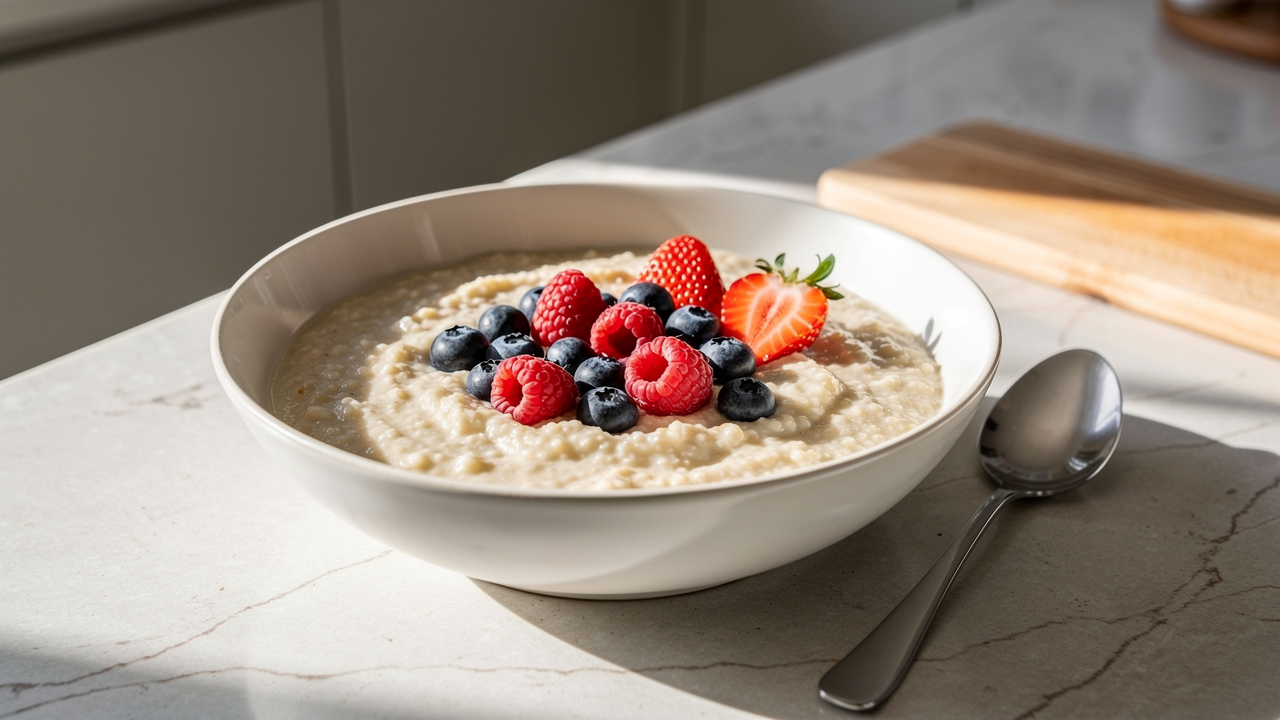
UCLH says protein powders are sold in most health food shops and online, and that an average serving provides 100–120 kcal and 15–20 g of protein. That makes the serving line the first place to look, followed by the protein per 100 g so you can compare products that use different scoop sizes. UCLH plant-based diet guide
On the label, check protein per serving, protein per 100 g, ingredients, sugars, sweeteners, allergen statements, and whether the serving size is one you would actually use. A scoop that looks generous on the front may still be too small or too large for the way you mix the powder, which makes the per-serving numbers less useful.
Choose the format that fits your routine
UCLH notes that protein powders come in flavoured and unflavoured options. That matters because the flavour you pick changes the label you need to read: keep the protein check, but also compare sugars, sweeteners, calories, and serving size on the nutrition panel. UCLH plant-based diet guide
| Format | What to compare | Why it helps |
|---|---|---|
| Bulk tub | Total servings and protein per serving | Lets you calculate the total protein in the pack |
| Sachets | Protein per sachet and pack count | Makes single-serve packs easier to compare with larger tubs |
| Chocolate or other flavoured powder | Sugars, sweeteners, calories, and serving size | Gives a clearer picture of what the flavouring changes on the label |
Use price per gram of protein, not tub size
The cleanest value check is simple arithmetic: shelf price divided by the total grams of protein in the pack. Total grams of protein comes from protein per serving multiplied by the number of servings on the pack. That is more useful than comparing tub size alone, because two packs can look similar while delivering very different amounts of protein.
Total protein in the pack = protein per serving × number of servings.
If you are choosing between a bulk tub, sachets, or a flavoured powder, use the same formula for each one. That gives you a like-for-like comparison across supermarket shelves, specialist supplement listings, pharmacy shelves, and online product pages.
Are protein drinks better than powders?
What a ready-to-drink shake is
Ready-to-drink protein shakes are pre-mixed supplements you can consume immediately. The FDA’s tariff material separates protein powders from ready-to-drink nutritional beverages, and FDA consumer guidance says protein supplements are typically made of whey or casein and are used to supplement dietary protein when intake is inadequate FDA dietary supplements overview.
That distinction is practical: an RTD removes measuring, shaking, and cleanup, so it suits situations where immediate consumption matters more than mixing or recipe control FDA dietary supplements overview.
When an RTD is easier to use
RTDs fit best when you are commuting, travelling, or moving between places and do not want to carry a tub, scoop, and shaker. They also make sense after exercise if you want something ready without preparation, or in periods of poor appetite when even small food tasks can feel like too much. UCLH’s plant-based nutrition guide advises smaller, more frequent meals when appetite is poor and notes that protein powder can help fortify foods and drinks, which shows the wider point: the format has to match the moment UCLH nourishing plant-based diet guide.
| Format | What the evidence says | Best use case |
|---|---|---|
| Ready-to-drink shake | Pre-mixed; ready to consume; no measuring or mixing | Commuting, travel, post-workout convenience, or when mixing is impractical |
| Protein powder | Can be mixed into drinks or used in foods | When you want flexibility in how you take it |
Where powder still has the edge
Powder is the more flexible format if you want to add protein to ordinary meals. UCLH says vegan protein powder can be used in smoothies, milkshakes, soups, and sauces, and it gives an average serving size of 100–120 kcal and 15–20 g of protein UCLH nourishing plant-based diet guide. The same guide warns that protein powders do not provide all nutrients needed for a balanced diet and should supplement meals, not replace them UCLH nourishing plant-based diet guide.
There is no formal study in the supplied evidence showing that ready-to-drink shakes are absorbed better than powders. The FDA also notes that composition varies by product, so labels have to be checked case by case rather than assumed to be identical FDA dietary supplements overview.
Choose the form that matches the situation: RTD for immediate use, powder when you want to mix protein into meals or drinks.
Who should be cautious with protein powder?
The clearest caution flags are allergy risk, medicine use, pregnancy or breastfeeding, and any situation where a supplement is being used without professional advice. UCLH says vegan protein powders can be used to fortify foods and drinks, but they do not provide all nutrients needed for a balanced diet and should supplement, not replace, meals (UCLH plant-based diet guidance).
Milk-based powders and allergies
FDA GRAS documentation for whey protein identifies milk allergen content for milk-allergic consumers, so the ingredient list matters as much as the protein number on the front of pack (FDA GRAS Notice 633 on whey protein).
| Group | Why caution matters | What to check |
|---|---|---|
| People taking medicines | Supplements can change absorption, metabolism, or excretion of a medicine | Review the full supplement list with a health professional (FDA on mixing medications and dietary supplements) |
| Pregnancy or breastfeeding | FDA advises extra care with any supplement use | Discuss the product with a health care professional first (FDA on mixing medications and dietary supplements) |
| Children | FDA says children can be harmed by taking supplements together with medicines | Use only with professional guidance (FDA on mixing medications and dietary supplements) |
Medicine interactions and mixed formulas
FDA says dietary supplements can affect how medicines are absorbed, metabolised, or excreted, and it gives examples including St. John’s wort, ginkgo biloba, warfarin, aspirin, and vitamin E (FDA on mixing medications and dietary supplements). If a protein powder includes herbs, vitamins, or other added actives, treat it like a supplement blend and check it with the same care (FDA on mixing medications and dietary supplements).
FDA’s practical advice is simple: tell a health professional about every supplement and medicine you use, including the exact dosages and how often you take them (FDA on mixing medications and dietary supplements).
Quality checks for sport use
For training use, FDA says supplement manufacturers are responsible for safety and quality, while FDA does not review supplements for effectiveness before they enter the market (FDA on mixing medications and dietary supplements). That makes the label, ingredient list, and intended use the first things to verify before you buy or use a powder (FDA on mixing medications and dietary supplements).
Safety and precautions
Check the ingredient list for allergens, especially if you choose a milk-based powder. Protein powders should supplement meals, not replace them, and products with added herbs, vitamins, or other actives need the same caution as any supplement blend.
If you take any medicine, are pregnant or breastfeeding, or are buying for a child, ask a healthcare professional first and share the exact product, dose, and how often you plan to use it.
Frequently asked questions
Can protein powder replace a meal?
No. The body says it should supplement meals, not replace them, because it does not provide all the nutrients needed for a balanced diet. It can be used to add protein to foods or drinks when needed.
Do you need protein powder on rest days?
Not necessarily. Protein needs are based on your daily total, so if food already covers your target, powder is optional. On rest days it can still be useful if your meals leave a protein gap.
How long does an opened tub of protein powder last?
The body does not give a specific time limit for an opened tub. The label is the safest place to check for any date or product-specific guidance.
Can you cook or bake with protein powder?
Yes. The body says it can be mixed into smoothies, milkshakes, soups, and sauces, which shows it can be used in foods as well as drinks. How well it works depends on the product and the recipe you are making.
What does “amino spiking” mean on a label?
The body does not explain that term. When comparing labels, focus on protein per serving, protein per 100 g, the ingredient list, and whether the serving size is realistic for how you will use it.
Is protein powder useful for weight loss?
The body does not present it as a weight-loss product. It can help you meet protein needs when food alone falls short, but it also adds calories, so it is better seen as a convenient protein add-in than a weight-loss shortcut.
Sources
- food supplement | EFSA (external link)
- Dietary Supplements: What You Need to Know - Consumer (external link)
- Food and your health | EFSA (external link)
- Frequently Asked Questions (FAQ) (external link)
- Dietary Reference Values for nutrients Summary report (external link)
- Protein (1) (external link)
- Microsoft Word - Draft_protein_DRVs_08072011-FINAL.doc (external link)
- Dietary Supplements for Exercise and Athletic Performance - Health Professional Fact Sheet (external link)
- A nourishing plant-based diet : University College London Hospitals NHS Foundation Trust (external link)
- Health claims | EFSA (external link)
- Health claims | EFSA (external link)
- Guidelines – SW London Integrated Medicines Optimisation Committee (external link)
- Summit Life Science (external link)
- SCIENCE AND OUR FOOD SUPPLY Examining Dietary Supplements (external link)
- GRAS Notice 633: Whey protein (external link)
- Mixing Medications and Dietary Supplements Can Endanger Your Health | FDA (external link)
- Plasma amino acid response after ingestion of different whey protein fractions - PubMed (external link)
- Protein Adequacy, Plant Protein Proportion, and Main Plant Protein Sources Consumed Across Vegan, Vegetarian, Pescovegetarian, and Semivegetarian Diets: A Systematic Review - PubMed (external link)
- Nutrient Intake and Status in Adults Consuming Plant-Based Diets Compared to Meat-Eaters: A Systematic Review - PubMed (external link)
- New guidance: infant and follow-on formula from protein hydrolysates | EFSA (external link)
Read more
Products related to this article
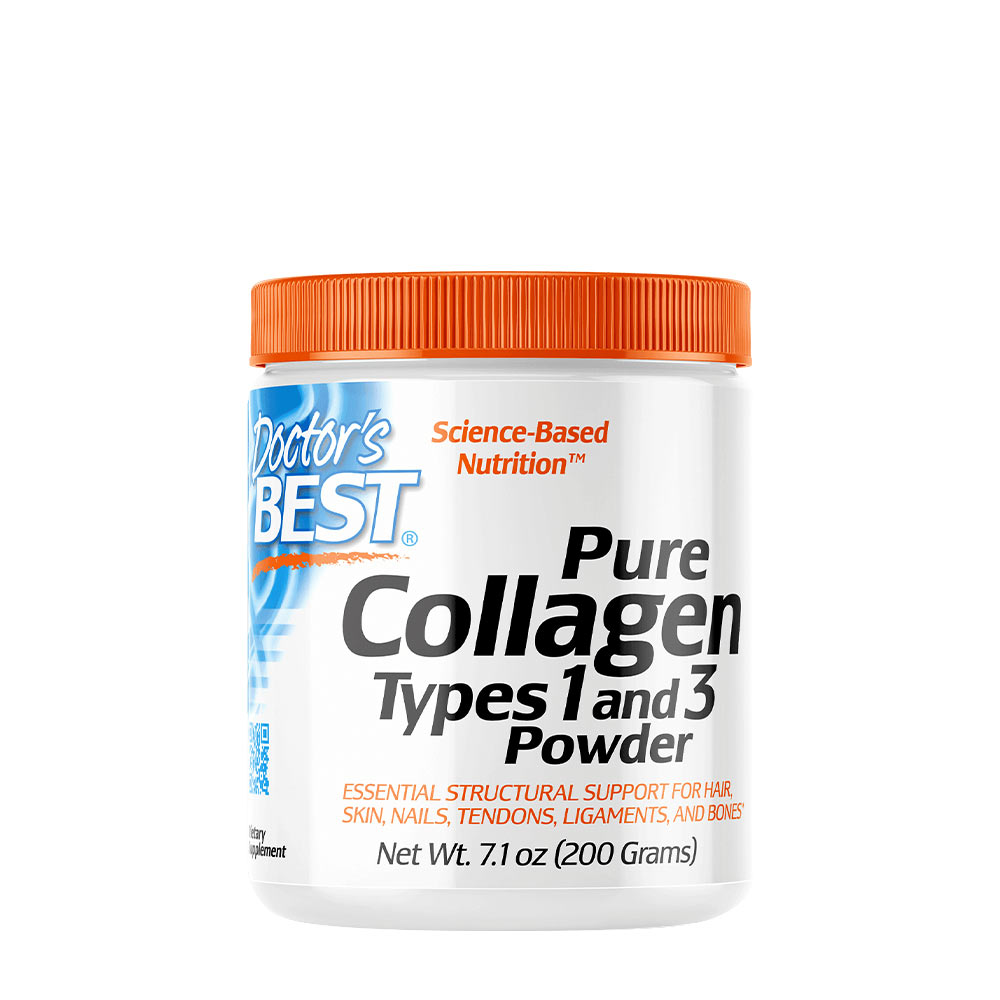
Doctor's Best
Doctor's Best - Pure Collagen Types 1 and 3 - 7.1 oz
253 krIn stockWhy is this shown?
Historiskt katalogurval. Innehåll, mängd och form behöver kontrolleras mot aktuellt underlag.
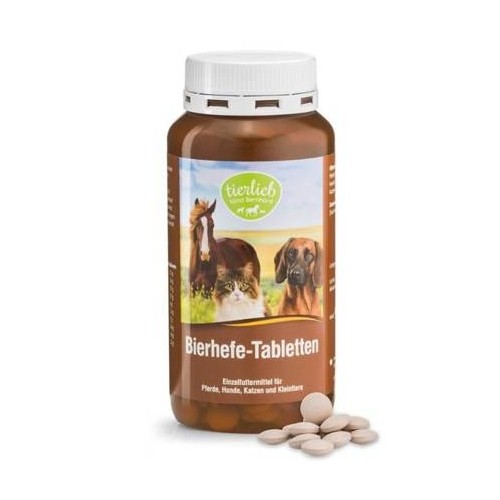
Tierlieb
tierlieb - Brewer's Yeast Tablets - 400 tablets
80 krIn stockWhy is this shown?
Historiskt katalogurval. Innehåll, mängd och form behöver kontrolleras mot aktuellt underlag.


