What Are the Main Sources of Protein? Food & Supplement Guide
Short answer
Main protein sources are ordinary foods from several groups, especially meat and meat products, grains and grain-based products, and milk and dairy products.
Quick facts
- EFSA says meat and meat products are the main protein sources in European adult diets.
- Grains and grain-based products, and milk and dairy products, also contribute.
- Main animal sources include meat, fish, milk and eggs.
- Main plant sources include cereals, legumes, nuts and seeds.
- EFSA’s adult protein reference intake is 0.83 g per kg body weight per day.
- Protein supplements and fortified foods or beverages are used when dietary intake is insufficient.

Which foods and supplements supply protein?
The main food groups
EFSA says the main sources of protein in European adult diets are meat and meat products, followed by grains and grain-based products and milk and dairy products (EFSA protein reference intake press release). A separate EU knowledge overview breaks protein foods into broader groups: main animal sources are meat, fish, milk and eggs, while main plant sources are cereals, legumes, nuts and seeds (Knowledge4Policy dietary protein overview).
That means protein usually comes from a set of food groups rather than one single food. EFSA says its protein reference values apply to mixed dietary protein from both animal and plant sources, which matches the way protein shows up in ordinary eating patterns (EFSA protein reference intake press release).
| Source group | Examples named in the evidence | What the evidence says about it |
|---|---|---|
| Animal foods | Meat, fish, milk, eggs | Main animal sources of protein |
| Plant foods | Cereals, legumes, nuts, seeds | Main plant sources of protein |
| European adult diets | Meat and meat products; grains and grain-based products; milk and dairy products | EFSA’s main dietary protein sources |
Where supplements fit
NIH’s Office of Dietary Supplements says protein supplements and protein-fortified foods and beverages may help people meet protein needs when dietary intake is insufficient (NIH ODS consumer fact sheet). In other words, supplements sit alongside foods rather than replacing the food groups that dominate everyday diets.
For readers comparing options, the practical split is straightforward: foods supply protein through normal meals, while supplements and fortified products are used as extra sources when food alone does not provide enough (NIH ODS consumer fact sheet).
Most diets draw protein from several food groups; supplements are an added source, not the main pattern.
What that means when you shop
If you want the broadest picture of protein sources, start with the categories that appear in the evidence: meat and meat products, grains and grain-based products, milk and dairy products, plus meat, fish, milk, eggs, cereals, legumes, nuts and seeds. Protein supplements and protein-fortified foods and beverages belong in a separate category because they are used to add protein when food intake is not enough (EFSA; K4P; NIH ODS).
How does protein work in the body?
Amino acids are the units your body uses
Dietary protein is made up of amino acids, and the indispensable amino acids are the ones the body cannot synthesise to meet its needs, so they must come from the diet. The Knowledge4Policy dietary protein guide also describes protein as a nutrient used for enzymatic activity, immunity, cell signalling, muscle function, repair and transport processes, and structural elements in cells.
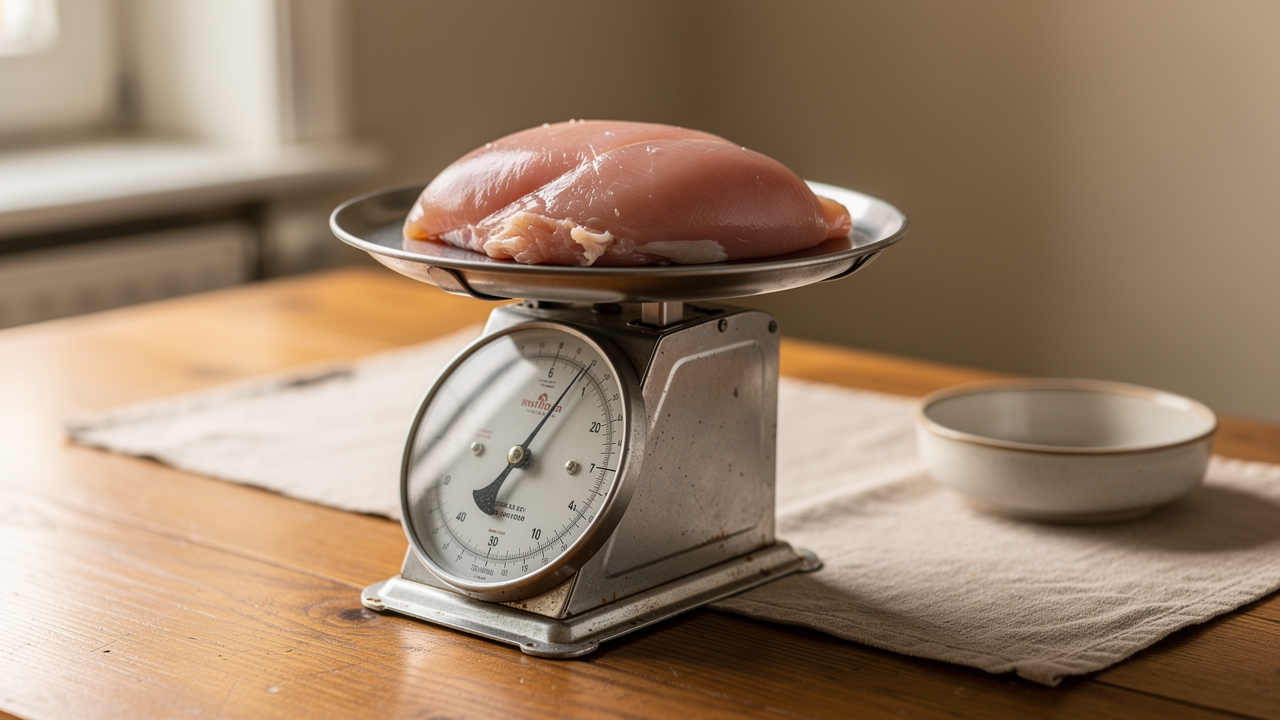
The adult EFSA reference intake is a daily target: 0.83 g of protein per kilogram of body weight per day. EFSA’s protein PRI
How to turn 0.83 g/kg/day into grams
EFSA sets the adult PRI at 0.83 g/kg body weight/day, including older adults, and describes protein requirements in healthy adults through the nitrogen-balance approach: the intake needed to achieve zero nitrogen balance, or maintenance. To estimate your own target, multiply body weight in kilograms by 0.83. A 60 kg adult comes to 49.8 g/day, 70 kg to 58.1 g/day, and 80 kg to 66.4 g/day. EFSA’s protein PRI
| Body weight | EFSA adult PRI at 0.83 g/kg/day |
|---|---|
| 60 kg | 49.8 g/day |
| 70 kg | 58.1 g/day |
| 80 kg | 66.4 g/day |
Needs change by life stage and activity
Protein needs are not fixed for everyone. EFSA gives infants, children and adolescents a wider range of 0.83 to 1.31 g/kg/day, depending on age, and adds extra protein during pregnancy and breastfeeding: +1 g/day, +9 g/day and +28 g/day in the three trimesters, then +19 g/day in the first 6 months of lactation and +13 g/day afterwards. The K4P guide also notes that adults with moderate physical activity are commonly discussed in the 0.80 to 0.83 g/kg range, while higher intakes are recommended for children, pregnant or lactating women, and sedentary older adults.
Because the reference is expressed per day, the practical check is to add up protein from all foods and supplements across the whole day and compare that total with your weight-based target. That matches the way EFSA derived the adult PRI and keeps the calculation tied to full-day intake rather than a single meal. EFSA’s protein PRI
Which foods provide the most protein per serving?
In European adult diets, EFSA says the main sources of protein are meat and meat products, followed by grains and grain-based products, and milk and dairy products; its protein reference values apply to mixed dietary protein from animal and plant sources (EFSA protein reference values). The European Commission’s Knowledge4Policy page adds that the main animal sources are meat, fish, milk and eggs, while the main plant sources are cereals, legumes, nuts and seeds (K4P dietary protein).
Why the measuring unit changes the answer
For exact weight-based comparisons, USDA nutrient files report food composition per 100 g edible portion and also include household measures and weights (USDA food composition data). EFSA’s food composition work also exists to support these kinds of nutrient comparisons across foods and countries, with a harmonised database covering about 28,000 food commodities, including fortified foods and food supplements (EFSA food composition database).
| Food group named in the evidence | What the source says | How to read it for a serving |
|---|---|---|
| Fish, milk and eggs | Main animal sources listed by K4P (K4P dietary protein) | Useful when you want a food serving that contributes protein without relying on a blend |
| Cereals, legumes, nuts and seeds | Main plant sources listed by K4P (K4P dietary protein) | Protein content varies more by food, so serving size matters |
| Protein supplements and protein-fortified foods or beverages | NIH ODS says they may help people meet protein needs when dietary intake is insufficient (NIH ODS) | A supplement category, not a whole-food ranking |
Protein density is not only about the food group
EFSA’s summary report says animal-derived proteins are generally high-quality, with optimal indispensable amino acid composition and high digestibility, while plant proteins often have lower indispensable amino acid content and lower digestibility (EFSA DRVs summary report). K4P adds that cereal proteins are relatively low in lysine, legume proteins tend to lack sulphur-containing amino acids, and different plant proteins can complement each other in a varied diet (K4P dietary protein). For readers comparing foods by serving, that means the most protein-focused option depends on the unit you choose: 100 g, a household measure, or the portion you actually eat.
What does research say about the best protein source?
Quality depends on amino acids and digestibility
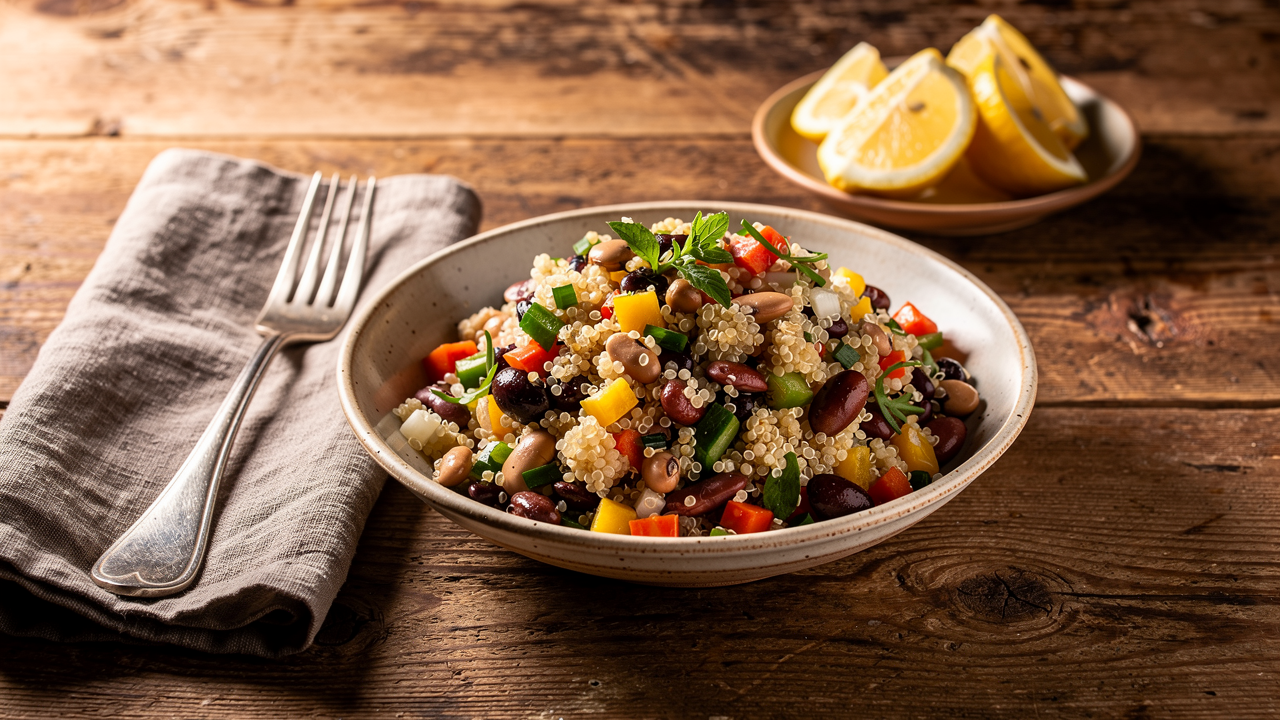
EFSA’s material does not rank one single protein source as “best” for every diet. It says the PRIs for protein are based on mixed dietary protein from both animal and plant sources, and that the main contributors in European adult diets are meat and meat products, followed by grains and grain-based products, and milk and dairy products. In the same EFSA and K4P material, animal proteins are described as generally high quality because they have a strong indispensable amino acid profile and high digestibility, while plant proteins can be lower in certain indispensable amino acids and less digestible; for example, cereals are relatively low in lysine and legumes tend to lack sulfur-containing amino acids (K4P dietary protein brief; EFSA DRVs summary report).
| Protein source | What the evidence says | Practical reading |
|---|---|---|
| Animal-derived protein | Generally higher digestibility and a more complete indispensable amino acid profile | Useful when you want a compact protein source |
| Plant-derived protein | May be lower in some indispensable amino acids and less digestible, but different plant sources can complement each other | Variety matters more than any single plant food |
What the trials show when total intake is already adequate
Evidence cited by EFSA’s Scientific Committee on Food says resistance exercise increases muscle protein synthesis by 50% to 100% for up to 24 hours, but adding more protein to mixed meals did not further increase synthesis, and free amino acids did not outperform balanced protein in mixed meals (SCF report). The NIH ODS fact sheet adds a concrete benchmark: 25 g of total protein provides about 10 g of essential amino acids, and for muscle protein synthesis, high-quality protein within 0 to 2 hours after training is the cited optimal window (NIH ODS health professional fact sheet).
When total protein is already adequate, the evidence here favours overall protein quality and meal balance over chasing one “superior” source.
What the EU allows on protein labels
A food may carry a “source of protein” claim only if at least 12% of its energy value comes from protein, and a “high protein” claim only if at least 20% of its energy value comes from protein (K4P dietary protein brief). The EU Register also shows that some whey-protein claims, including satiety- and weight-loss-related claims, were not authorised because the evidence was insufficient (EU Register on nutrition and health claims).
When do protein powders and shakes make sense?
EFSA sets the adult protein PRI, including for older adults, at 0.83 g per kg body weight per day, and the NIH Office of Dietary Supplements says protein supplements and protein-fortified foods or beverages may help people meet protein needs when dietary intake is insufficient. EFSA’s Scientific Committee on Food also notes that free amino acid supplements have not shown benefits over balanced protein in a mixed meal. EFSA protein PRI opinion NIH ODS consumer fact sheet EFSA SCF opinion
What the sources actually describe
European Commission food supplements page FDA GRN 1069 NIH ODS consumer fact sheet
| Form named in the sources | What the source says | Practical role supported by the evidence |
|---|---|---|
| Food supplements | Concentrated sources of nutrients | Used when dietary intake is insufficient |
Where convenience matters most
EFSA SCF opinion NIH ODS consumer fact sheet
If food is available and tolerated, the evidence here supports supplements as a convenience tool, not as a default upgrade over balanced meals. EFSA protein PRI opinion EFSA SCF opinion
Because EFSA uses the same protein PRI for adults and older adults, the key question is whether a drinkable or powdered product helps you reach that daily amount when food intake falls short. EFSA protein PRI opinion NIH ODS consumer fact sheet
What should you check on a protein label?
Read the protein grams in the serving size you will actually use. On U.S. dietary supplement labels, the Supplement Facts panel must list protein in grams, and the label must also show the product identity, net quantity, ingredient list, and manufacturer information; % Daily Value for protein is optional unless a protein claim is made or a specific exception applies (FDA dietary supplement labeling guide, FDA nutrition labeling summary sheets). In the EU, protein is part of the mandatory nutrition declaration on food labels, and the EU reference intake for protein used for labelling purposes is 50 g/day for an average adult (Knowledge4Policy on dietary protein).
Compare the serving, not just the headline number
A label can look stronger or weaker simply because the serving size is different. Check how many grams or millilitres make one scoop, one shake, or one bottle, then compare the protein listed for that exact amount. If the pack also shows protein per 100 g or 100 ml, use that second figure as a standard comparison point across products.
| Label item | What to read | Why it matters |
|---|---|---|
| Protein per serving | Grams in one scoop, bottle, or shake | Shows what you get in the portion you will actually use |
| Protein per 100 g or 100 ml | Standardised amount | Makes different products easier to compare |
| Serving size | Exact grams or millilitres |
Use the ingredient list as a reality check
The ingredient list tells you whether the product is a single source or a blend, and it is also where you check for allergens or ingredients that matter to you. EU rules require substances or products causing allergies or intolerances to be declared on pre-packed foods, and the European Commission describes food supplements as concentrated nutrient sources with regulated nutrient use and authorised claims (European Commission on food supplements, Knowledge4Policy on dietary protein).
It is also the place to look for sweeteners, added sugar, sodium, and fibre if they are included in the formula. Those details help you separate a plain protein product from one built more like a flavoured drink.
Front-of-pack wording can be narrow; the ingredient list and nutrition panel tell you what the product actually contains.
Separate nutrition claims from health claims
In EU rules, a nutrition claim describes composition. For protein, “source of protein” may be used only where at least 12% of the energy value of the food is provided by protein, and “high protein” only where at least 20% of the energy value is provided by protein (Knowledge4Policy on protein claims). A health claim is a separate category and must be authorised.
After the label checks, compare taste, mixability, digestion tolerance, and any independent testing information the brand provides. If two products are close on protein content, these practical details often decide which one you will actually keep using.
Who should be careful with extra protein?
EFSA sets different population reference intakes for adults, children, adolescents, pregnancy, and breastfeeding: adults are at 0.83 g per kg of body weight per day, children and adolescents range from 0.83 g to 1.31 g per kg depending on age, pregnancy has additional daily amounts by trimester, and breastfeeding has additional daily amounts in the first 6 months and after that. EFSA’s protein reference intakes
People with kidney or liver concerns need individual advice
West London NHS says over-the-counter protein supplements should not be taken without medical advice and recommends a food-first approach; it also warns that very high-protein diets may strain the kidneys, bones, and liver. The FDA also tells consumers to talk with a doctor, pharmacist, or other healthcare professional before using a dietary supplement because supplements can involve health risks, including interactions with medications, interference with lab tests, and dangerous effects during surgery. West London NHS guidance FDA consumer guidance
| Group | Why personalised advice matters | What to check |
|---|---|---|
| Kidney disease | West London NHS says protein supplements should not be taken without medical advice, and very high-protein diets may strain the kidneys. | Overall intake, plus whether the product is a supplement or a food-first choice. West London NHS guidance |
| Liver concerns | West London NHS warns that very high-protein diets may strain the liver. | Total diet and any extra protein from powders, shakes, or fortified foods. West London NHS guidance |
| Pregnancy, breastfeeding, children, adolescents | EFSA gives different protein reference intakes by life stage, including additional amounts in pregnancy and lactation. | Age, trimester, and lactation stage. EFSA’s protein reference intakes |
| Food allergies or intolerances | Knowledge4Policy lists proteins in gluten-containing cereals, crustaceans, fish, eggs, peanuts, soybean, milk, nuts, celery, mustard, sesame, lupin, and molluscs as potential triggers for allergic reactions. | Allergen ingredients in the full ingredient list. Knowledge4Policy dietary protein |
Check the whole product, not just the protein grams
Food supplements are concentrated nutrient sources, and FDA labeling guidance says the label must show the serving size, servings per container, and all dietary ingredients. European Commission food supplements FDA supplement labeling guide
If a supplement causes a bad reaction, FDA says to stop using it and seek medical care or advice. FDA also warns that problems can happen when people combine supplements, mix medicines and supplements, take too much, or use supplements instead of medicines. FDA 101: Dietary Supplements
Talk with a health care professional before buying or taking a supplement. FDA consumer guidance
For protein, the question is usually not only how many grams are on the front of the tub, but who is using it, what else is in the product, and whether the full diet still leaves room for ordinary foods. FDA consumer guidance
Safety and precautions
Protein supplements are concentrated nutrient sources, so check the serving size, ingredient list, allergens, and full nutrition panel before using them. If a product causes a bad reaction, stop using it and seek medical care or advice.
Talk with a healthcare professional before using protein supplements if you take medication, are pregnant or breastfeeding, or are choosing products for children. Protein needs vary by life stage, and people with kidney or liver concerns should get individual advice.
Supplements with the ingredients in this article
Compare contents, dose and price
Frequently asked questions
Is collagen a good source of protein?
The body does not assess collagen on its own. It explains that protein quality depends on amino acid profile and digestibility, and that animal proteins are generally higher in both, but it does not rank collagen specifically.
Does cooking change the protein content of food?
The body does not address cooking effects on protein content. It focuses instead on protein sources, daily intake, and label reading.
Can protein powders be used in recipes like oats or smoothies?
The body does not discuss using protein powder in specific recipes. It does say protein supplements and protein-fortified foods or beverages are extra sources used when dietary intake is insufficient.
What protein foods are easiest to chew or swallow?
The body does not rank protein foods by chewability or ease of swallowing. It only notes the main food groups that supply protein and that serving size and product format matter when comparing options.
Can protein shakes be used when appetite is low?
The body does not mention low appetite directly. It does say protein supplements and fortified beverages may help when dietary intake is insufficient, which is the closest situation it describes.
Sources
- EFSA sets population reference intakes for protein | EFSA (external link)
- Dietary Supplements for Exercise and Athletic Performance - Consumer (external link)
- Food composition | EFSA (external link)
- Dietary Supplements for Exercise and Athletic Performance - Health Professional Fact Sheet (external link)
- Composition of Foods Raw, Processed, Prepared USDA National Nutrient Database for Standard Reference, Release 28 (external link)
- Dietary Reference Values for nutrients Summary report (external link)
- Dietary Protein | Knowledge4Policy (K4P) (external link)
- sportsfoodscorrected270201.doc (external link)
- EU Register on nutrition and health claims (external link)
- Dietary Supplement Labeling Guide: Chapter I. General Dietary Supplement Labeling | FDA (external link)
- Nutrition Labeling Summary Sheets | FDA (external link)
- Food supplements - Food Safety - European Commission (external link)
- The Eatwell Guide :: West London NHS Trust (external link)
- Information for Consumers on Using Dietary Supplements | FDA (external link)
- FDA 101: Dietary Supplements | FDA (external link)
Read more
- High Protein Snacks: What Should You Compare?
- How Much Protein Is in 1 Egg? Full Guide to Egg Protein Content
- Protein in Diet for Weight Loss: What to Know
- Protein Yogurt: What to Know, How to Compare, and Choosing the Right Option
- Avonmore Protein Milk: What to Know, How to Choose, and Safety Tips
- Low Calorie High Protein Meals: What to Know and How to Choose
Products related to this article
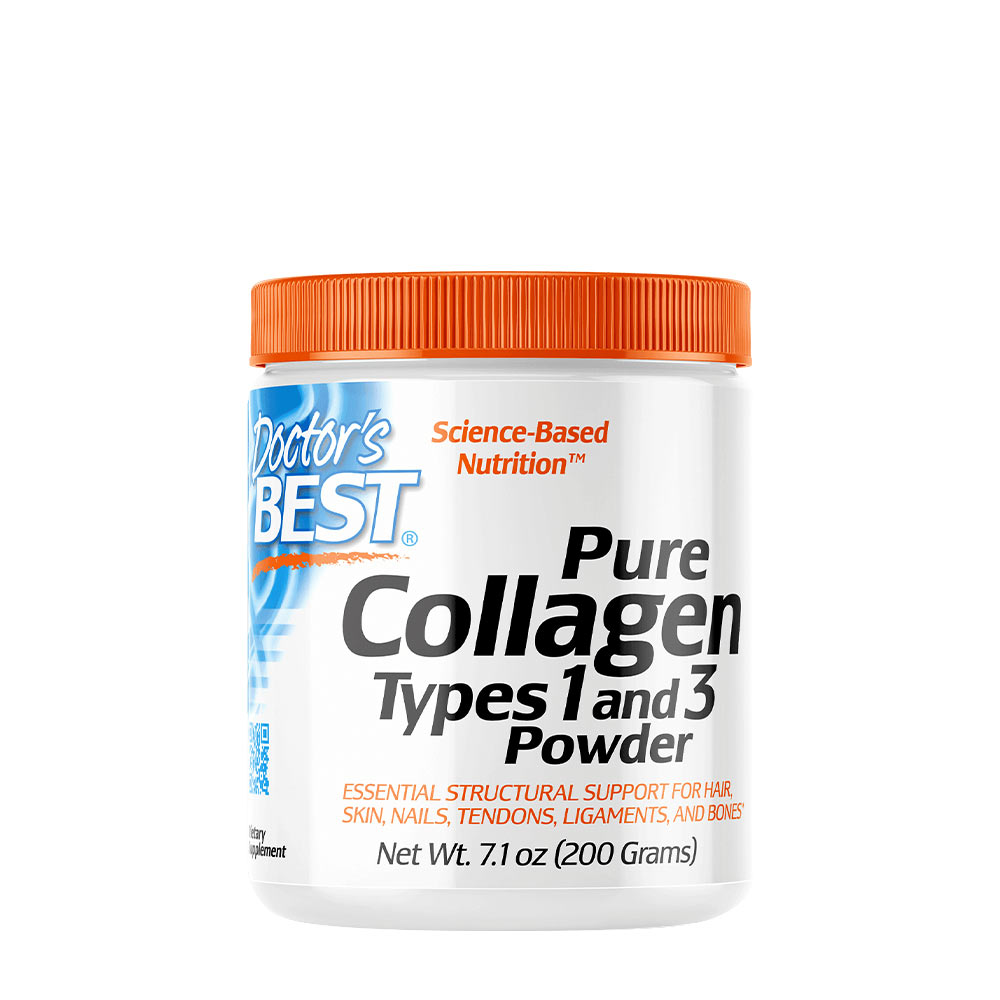
Doctor's Best
Doctor's Best - Pure Collagen Types 1 and 3 - 7.1 oz
245 krIn stockWhy is this shown? Innehåller alla ämnen artikeln handlar om · I lager
Tierlieb
tierlieb - Brewer's Yeast Tablets - 400 tablets
80 krIn stockWhy is this shown? Innehåller alla ämnen artikeln handlar om · I lager

Forpro
Forpro - Chicken Breast Fillet In Own Sauce - 160g
68 krOut of stockWhy is this shown? Innehåller alla ämnen artikeln handlar om · I lager